You are in: eMedicine Specialties >
Nephrology > Cystic Diseases of the Kidney
Polycystic Kidney Disease
Article Last Updated: Jul 9, 2008
AUTHOR AND EDITOR INFORMATION
Section 1 of 11
Author: Roser Torra, MD, PhD, Consulting Staff, Hereditary Renal Diseases, Department of Nephrology, Fundacio Puigvert, Spain
Roser Torra is a member of the following medical societies: American Society of Nephrology and International Society of Nephrology
Editors: Laura L Mulloy, DO, FACP, Professor of Medicine, Chief, Section of Nephrology, Hypertension and Transplantation Medicine, Glover/Mealing Eminent Scholar Chair in Immunology, Medical College of Georgia; Francisco Talavera, PharmD, PhD, Senior Pharmacy Editor, eMedicine; George R Aronoff, MD, Director, Professor, Departments of Internal Medicine and Pharmacology, Section of Nephrology, Kidney Disease Program, University of Louisville School of Medicine; Rebecca J Schmidt, DO, FACP, FASN, Professor of Medicine, Section Chief, Department of Medicine, Section of Nephrology, West Virginia University School of Medicine; Vecihi Batuman, MD, FACP, FASN, Professor of Medicine, Section of Nephrology-Hypertension, Tulane University School of Medicine; Chief, Medicine Service, Southeast Louisiana Veterans Health Care System
Author and Editor Disclosure
Synonyms and related keywords:
PKD, autosomal dominant polycystic kidney disease, ADPKD, adult polycystic kidney disease, polycystic kidney disease type 1, PKD1, polycystic kidney disease type 2, PKD2, kidney failure, renal failure, dialysis-dependent kidney disease, renal cysts, kidney cysts, end-stage renal disease, ESRD, end-stage kidney disease, ESKD, renal transplantation, renal transplant, kidney transplantation, kidney transplant, hemodialysis, peritoneal dialysis, ADPKD type 1, ADPKD1, ADPKD type 2, ADPKD2
Background
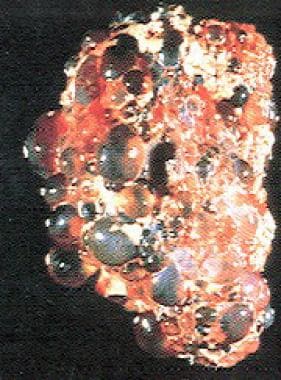
Autosomal dominant polycystic kidney disease (ADPKD) is one of the most common inherited disorders in humans. It is the most frequent genetic cause of renal failure in adults, accounting for 6-8% of patients on dialysis in the United States. ADPKD is a multisystemic and progressive disorder characterized by formation and enlargement of renal cysts in the kidney and other organs (eg, liver, pancreas, spleen). Clinical features usually begin in the third to fourth decade of life, but cysts may be detectable in childhood and in utero.
Pathophysiology
The main feature of ADPKD is bilateral progressive cystic dilation of the renal tubules, which may lead to end-stage renal disease (ESRD). Hepatic cysts, cerebral aneurysms, and cardiac valvular abnormalities also may occur. Although ADPKD is a systemic disease, it shows a focal expression because less than 1% of nephrons become cystic. In ADPKD, each epithelial cell within a renal tubule harbors a germ-line mutation, yet only a tiny fraction of the tubules develop renal cysts. It is currently held that the cells are protected by the allele inherited from the parent without ADPKD. When this allele is inactivated by a somatic event (mutation or otherwise) within a solitary renal tubule cell, the cell divides repeatedly until a cyst develops, with an aberrant growth program causing endless expansion. The severity of ADPKD is thought to be a direct consequence of the number of times and the frequency with which this cystogenic process occurs within the kidneys over the life of the patient. The hyperplastic cells cause an out-pocketing of the tubule wall, with the formation of a saccular cyst that fills with fluid derived from glomerular filtrate that enters from the afferent tubule segment. Progressive expansion eventually causes most of the emerging cysts to separate from the parent tubule, leaving an isolated sac that fills with fluid by transepithelial secretion. This isolated cyst expands relentlessly as a result of continued proliferation of the mural epithelium together with the transepithelial secretion of sodium chloride and water into the lumen. The expanding fluid-filled tumor masses elicit secondary and tertiary changes within the renal interstitium evinced by thickening and lamination of the tubule basement membranes, infiltration of macrophages, and neovascularization. Fibrosis within the interstitium begins early in the course of the disease. Cellular proliferation and fluid secretion may be accelerated by cAMP and growth factors, such as epidermal growth factor (EGF). In summary, cysts function as autonomous structures and are responsible for progressive kidney enlargement in ADPKD. Approximately 85-90% of patients with ADPKD have an abnormality on the short arm of chromosome 16 (ie, ADPKD type 1 [ADPKD1]). A second defect, termed ADPKD type 2 (ADPKD2), is responsible for 5-15% of ADPKD cases and is found on the long arm of chromosome 4. A third genotype may exist, but no genomic locus is assigned. PKD1 and PKD2 are expressed in most organs and tissues of the human body. The proteins that are encoded by PKD1 and PKD2, polycystin 1 and polycystin 2, seem to function together to regulate the morphologic configuration of epithelial cells. The polycystins are expressed in development as early as the blastocyst stage and are expressed in a broad array of terminally differentiated tissues. The functions of the polycystins have been scrutinized to the greatest extent in epithelial tissues of the kidneys and liver and in vascular smooth muscle.
Frequency
International
ADPKD is responsible for 6-10% of ESRD cases in North America and Europe. Approximately 1 per 800-1000 people carries the mutation for this condition. Approximately 85-90% of patients with ADPKD have ADPKD1; most of the remaining patients have ADPKD2.
Mortality/Morbidity
- The major cause of morbidity is progressive renal dysfunction, resulting in grossly enlarged kidneys and kidney failure. In general, half of patients with ADPKD undergo renal replacement therapy by age 60 years. Cardiovascular pathology and infections account for approximately 90% of deaths of those patients treated by hemodialysis or peritoneal dialysis and after renal transplantation.
- Another cause of mortality is subarachnoidal hemorrhage from intracranial aneurysms (ICAs). This complication is rare and severe.
Sex
- ADPKD is slightly more severe in males than in females, but it is not statistically significant.
Age
- Symptoms generally increase with age. Children very rarely present with renal failure from ADPKD.
- The mean age of onset of ESRD in patients with ADPKD1 is 53 years; in patients with ADPKD2, it is 74 years.
History
- Renal manifestations
- A decrease in urine-concentrating ability is an early manifestation of the disease.
- Microalbuminuria occurs in 35% of patients with ADPKD. However, nephrotic-range proteinuria is uncommon.
- Patients may develop renal failure, usually in the fourth to sixth decade of life. The development of renal insufficiency is highly variable in ADPKD. Renal failure has been reported in children, and, conversely, individuals with the condition may live a normal life expectancy without knowing that they have the disease. An early study estimated that approximately 70% of patients with ADPKD would develop renal insufficiency if they survived to age 65 years. There is an inverse association between the size of polycystic kidneys and the level of glomerular filtration.
- Hypertension
- Hypertension is one of the most common early manifestations of ADPKD. Even when renal function is normal, hypertension has been found in 50-75% of patients. In fact, the clinical course of hypertension in ADPKD is very unlike that of hypertension in chronic glomerulonephritis or tubulointerstitial nephropathies. In ADPKD, the hypertension is usually more severe early in the course of the disease and becomes less problematic with the progression of the renal insufficiency. Studies of the renin-angiotensin-aldosterone system have not convincingly demonstrated that they play an important role in its pathogenesis. A rise in diastolic blood pressure is the rule in ADPKD.
- Doulton and colleagues have demonstrated that activation of the classic circulating renin-angiotensin system (RAS) is no greater in patients with hypertensive ADPKD than in individuals with essential hypertension.1 In spite of this evidence, angiotensin converting enzyme (ACE) inhibitors and angiotensin receptor blockers are still the most indicated drugs to treat hypertension in patients with ADPKD.
- Pain
- Pain, located in the abdomen, the flank, or the back, is the most common initial complaint, and it is almost universally present in patients with ADPKD. The pain can be caused by enlargement of one or more cysts, bleeding, either confined inside the cyst or leading to gross hematuria with passage of clots, or a perinephric hematoma; urinary tract infection (eg, acute pyelonephritis, infected cysts, perinephric abscess); nephrolithiasis and renal colic; and, rarely, a coincidental hypernephroma.
- In addition, patients with ADPKD may have abdominal pain related to definitively or presumably associated conditions. Dull aching and an uncomfortable sensation of heaviness may result from a large polycystic liver. Although rare, hepatic cysts may become infected, especially after renal transplantation. Abdominal pain can also result from diverticulitis, which has been reported to occur with increased frequency in patients with ADPKD maintained on dialysis.
- Patients with ADPKD may be at a higher risk of developing thoracic aortic aneurysms. Abdominal aortic aneurysms are not increased among these patients.
- These patients may also develop pain for reasons completely unrelated to their underlying disease; thus, abdominal pain in patients with ADPKD may be a diagnostic challenge.
- Hematuria
- Hematuria frequently is the presenting manifestation and usually is self-limited (lasting less than or equal to 1 wk).
- Polycystic kidneys are unusually susceptible to traumatic injury, with hemorrhage occurring in approximately 60% of individuals. Mild trauma can lead to intrarenal hemorrhage or bleeding into the retroperitoneal space accompanied by intense pain that often requires narcotics for relief. The cysts are associated with excessive angiogenesis evinced by fragile vessels stretched across their distended walls. When traumatized, these vessels may leak blood into the cyst, causing it to expand rapidly, resulting in excruciating pain. If bleeding continues, then the cyst may rupture into the collecting system, causing gross hematuria. Alternatively, it may rupture into the subcapsular compartment and eventually dissect through the renal capsule to fill the retroperitoneal space.
- Stroke: A family history of stroke (or cerebrovascular accident), the presence of symptoms that may be related to an aneurysm, or a job or hobby in which a loss of consciousness may be lethal indicates the need for aneurysm screening with magnetic resonance angiography.
Physical
- Palpable, bilateral flank masses occur in patients with advanced ADPKD (see Media file 2).
- Nodular hepatomegaly occurs in those with severe polycystic liver disease.
- Symptoms related to renal failure (eg, pallor, uremic fetor, dry skin, edema) are rare upon presentation.
Causes
- ADPKD is a hereditary disorder. The pattern of inheritance is autosomal dominant. Because the disorder occurs equally in both sexes, each offspring has a 50% chance of inheriting the affected chromosome and, hence, the disease.
- ADPKD is a genetically heterogeneous condition that involves at least 2 genes.
- PKD1 is located on 16p13.3 and accounts for most ADPKD cases.
- PKD2 is located on 4q21-q22 and accounts for 15% of ADPKD cases.
- PKD1 codes for a 4304–amino acid protein (polycystin 1) with as yet undefined function but interacts with polycystin 2 and is involved in cell cycle regulation and intracellular calcium transport. Polycystin 1 localizes in the primary cilia of renal epithelial cells, which function as mechanosensors and chemosensors.
- PKD2 codes for a 968–amino acid protein (polycystin 2) that is structurally similar to polycystin 1 and colocalizes to the primary cilia of renal epithelial cells. It is a member of the family of voltage-activated calcium channels.
- Polycystin 1 and polycystin 2 are highly conserved ubiquitous transmembrane proteins that, in the kidney, are located in the epithelial cells of the renal tubules, in particular in the primary cilia at the luminal side of the tubules, as well as in other areas of the renal cell epithelium.
- Polycystin 1 is a large protein with a long extracellular N-terminal region, 11 transmembrane domains, and a short intracellular C-terminal tail. Polycystin 2 is structurally related to the transient receptor potential (TRP) channel family, and it is known to function as a nonselective cation channel permeable to Ca2.
- Polycystin 1 and polycystin 2 form heteromeric complexes and colocalize in the primary cilium of renal epithelial cells. The primary cilium is a long nonmotile tubular structure located in the apical surface of the epithelial cells in the renal tubules. Its function was unknown for a long time. However, recent studies proposed a role of the primary cilium as a mechanoreceptor that may sense changes in apical fluid flow and may be able to transduce them into an intracellular Ca2+ signaling response.
- This model involves the participation of polycystin 1 as a mechanical sensor of ciliary bending induced by luminal fluid flow. Bending of the cilium would cause a conformational change in polycystin 1 that would, in turn, activate the polycystin 2-associated Ca2+ channel, increasing the intracellular Ca2+ concentration and triggering intracellular signaling pathways leading to normal kidney development.
- A good genotype-phenotype correlation has not been well established for ADPKD1 and ADPKD2.
- ADPKD1 is more severe than ADPKD2. The mean age of ESRD for patients with ADPKD1 is 53 years. The mean age of ESRD for patients with ADPKD2 is 74 years.
Cystic Diseases of the Kidney
von Hippel-Lindau Disease
Other Problems to be Considered
Acquired renal cystic disease Autosomal recessive polycystic kidney disease Medullary cystic disease Orofaciodigital type II syndrome Renal dysplasia Simple renal cysts Tuberous sclerosis
Lab Studies
- Genetic testing is available by means of DNA linkage analysis and has an accuracy rate of greater than 95% for ADPKD1 and ADPKD2.
- To perform this analysis, obtain blood from at least 2 affected individuals (if they are parent and child, 1 more affected family member is needed) and 2 unaffected individuals from one family.
- The major indication for genetic screening is in young adults with negative ultrasound findings who are being considered as potential kidney donors.
- Mutation screening is commercially available (Athena Diagnostics, Inc, Worchester, Mass).
- Other studies to perform include a serum chemistry profile, including calcium and phosphorus; a complete blood cell count; urinalysis; urine culture; uric acid determination; and intact parathyroid hormone value.
- An increased hematocrit may result from increased erythropoietin secretion from cysts.
Imaging Studies
- Ultrasound
- This is the most widely used imaging technique to help diagnose ADPKD, and it can detect cysts from 1-1.5 cm.
- This study avoids the use of radiation or contrast material, is widely available, and is inexpensive.
- Ultrasonographic imaging is likely to remain a widely applied modality for diagnosing ADPKD.
- Sensitivity for ADPKD1 is 99% for at-risk patients older than 20 years, but ultrasound often yields false-negative results in younger patients.
- Sensitivity for ADPKD2 is lower and is still not well defined.
- Ultrasound is also useful for exploring abdominal extrarenal features of ADPKD (eg, liver cysts, pancreatic cysts).
- The presence of hepatic or pancreatic cysts supports the diagnosis of ADPKD.
- Ultrasonographic diagnostic criteria for ADPKD1 were established by Ravine et al in 1994 and are as follows:2
- At least 2 cysts in 1 kidney or 1 cyst in each kidney in an at-risk patient younger than 30 years
- At least 2 cysts in each kidney in an at-risk patient aged 30-59 years
- At least 4 cysts in each kidney for an at-risk patient aged 60 years or older
- CT scan
- This study is more sensitive than ultrasound and can detect cysts as small as 0.5 cm.
- It involves radiation and is more expensive; therefore, it is not used routinely for diagnosis or for follow-up studies of ADPKD.
- This study may be useful in doubtful cases in children or in complicated cases (eg, kidney stone, suspected tumor).
- MRI
- This study is also more sensitive than both ultrasound and CT scan. It may be more helpful in distinguishing renal cell carcinoma from simple cysts.
- MRI is the best imaging tool to monitor kidney size after treatment to assess progress. However, it is not routinely used because it is expensive and tedious. It should not be used unless the patient is in a protocol or similar situation.
- MRI is the criterion standard to help determine renal volume for clinical trials when testing drugs for ADPKD.
- Intravenous urography
- This was once used widely to diagnose ADPKD.
- It involves contrast and only helps in the diagnosis of advanced-stage ADPKD because of the distortion of calyces.
- It is no longer indicated to establish a diagnosis of the disease.
- Magnetic resonance angiography
- This is the preferred imaging technique for diagnosing ICAs.
- This study is recommended when a member of the family is diagnosed with an ICA, if the patient refers to symptoms related to an ICA, when the patient has a high-risk job, or when the patient has had a previous ICA.
Procedures
- Barium enema - To help diagnose colonic diverticula
- Doppler studies and 2-dimensional echocardiography - To exclude mitral prolapse, which is often associated with ADPKD
Staging
Staging of renal failure is as follows: - Stage 1 - GFR >90 mL/min
- Stage 2 - GFR 60-90 mL/min
- Stage 3 - GFR 30-60 mL/min
- Stage 4 - GFR 15-30 mL/min
- Stage 5 - GFR <15 mL/min
Medical Care
- Ensure that a patient with ADPKD who is nonhypertensive and has normal renal function undergoes blood testing and ultrasound once a year.
- Schedule more frequent follow-up studies for patients with high blood pressure. Hypertension is common, occurring in as many as 50-70% of patients before the onset of renal failure.
- Patients with renal failure require more frequent monitoring, based on the severity of their condition.
- Medical therapy is necessary to accomplish the following:
- Control blood pressure. In patients with renal disease, the goal is a blood pressure of less than 130/88 mm Hg. If more than 1 g/d of urinary protein is present, the target blood pressure is less than 125/75 mm Hg. Achieving good blood pressure control helps slow the progression of renal disease.
- The best drugs for this condition are ACE inhibitors (ie, captopril, enalapril, lisinopril) or angiotensin II receptor antagonist blockers (ie, telmisartan, losartan, irbesartan, candesartan). Calcium channel blockers are not recommended.
- Control abnormalities related to renal failure (ie, hyperkalemia, hyperphosphatemia, hypocalcemia, hyperparathyroidism, acidosis).
- Treat urinary tract infections, which occur in 30-50% of patients and most frequently in women. Gram-negative bacteria are the most common pathogens.
- Reduce abdominal pain produced by enlarged kidneys.
- Avoid nonsteroidal anti-inflammatory drugs (NSAIDs).
- With heart murmurs, institute routine American Heart Association antibiotic prophylaxis.
- Treatment involves surgical cyst decompression, which is effective for pain relief in 60-80% of patients. See Surgical Care.
- Distinguishing between infections of the bladder, renal parenchyma, and cysts is important because the treatment for each condition is different. Treating infected cysts requires antibiotics that penetrate into the cyst. Useful agents are ciprofloxacin, trimethoprim-sulfamethoxazole, clindamycin, and chloramphenicol.
- Patients with ADPKD and ESRD may undergo hemodialysis, peritoneal dialysis, or renal transplantation.
Surgical Care
- Infected renal or hepatic cysts
- If infected cysts do not respond to conventional antibiotic therapy, surgical drainage may be necessary.
- This procedure is usually performed with ultrasound-guided puncture.
- Large cysts causing abdominal pain
- Cysts may become large enough to cause abdominal discomfort or pain. Typically, acute pain is from cyst hemorrhage or an obstruction by a clot, stone, or infection.
- When one or more cysts can be identified as causing the pain, the symptoms can often be abated by open- or fiber optic–guided surgery to excise the outer walls and to drain them.
- In approximately one half of patients, however, candidate cysts cannot be identified as directly causing the pain. In these cases, indiscriminate excision of dozens of cyst walls that abut the capsule have produced complete symptomatic relief for months or years. Volumetric reduction of these kidneys usually exceeds 50% but still leaves kidneys larger than normal size. Not every cyst can be removed, and, with time, the residual cysts enlarge and symptoms may reappear.
- Approximately one quarter of patients with the most severe pain do not gain relief from surgery or pharmacologic therapy with narcotics. These individuals usually have inaccessible cysts in the medullary portions of the kidneys. Nephrectomy is used as a last resort to control the pain in these patients.
- Massive polycystic liver diseases (see Media file 1)
- When the liver becomes so large that it prevents the patient from obtaining normal nutrition or causes severe abdominal discomfort, a surgical procedure is necessary.
- Surgical intervention may range from unroofing several cysts to a partial hepatectomy.
- Partial hepatectomy is difficult because of the characteristics of the polycystic liver. Only expert surgeons should proceed with this surgical procedure.
- When the polycystic liver causes portal hypertension or is very large with nonresectable areas, liver transplantation may be necessary.
- Special attention should be paid when bilateral nephrectomy has to be carried out in patients with severe liver involvement. Several cases of refractory ascites after bilateral nephrectomy have been reported in these patients.
Consultations
- Nephrologist upon evidence of renal insufficiency, hypertension, microalbuminuria, or concentrating defect
- Invasive radiologist for cyst sclerosis or drainage
- General surgeon for nephrectomy, cyst decompression, unroofing, or surgical hepatic procedures
- Neurosurgeon for ICAs
- Cardiologist for valvular abnormalities
Diet
- Although a low-salt diet is recommended when hypertension or renal failure is present, no other special diet reportedly is of benefit.
Activity
- Patients should avoid contact sports in which direct trauma to the back or abdomen is likely. This is especially important with larger, palpable kidneys in order to minimize the risk of rupture.
No specific medication is available for ADPKD; however, clinical trials with vasopressin 2 receptor antagonists (Tolvaptan), somatostatin, and rapamycin are ongoing. The drugs of choice for hypertension are ACE inhibitors and angiotensin II receptor antagonist blockers. Do not treat abdominal pain with NSAIDs because of its potential nephrotoxic effect. Cyst infections require gyrase inhibitors (eg, ciprofloxacin, chloramphenicol, clindamycin). Trimethoprim-sulfamethoxazole is also an effective antibiotic for reaching the inner cavity of the cyst. Renal failure requires drugs to maintain electrolyte levels (eg, calcium carbonate, calcium acetate, sevelamer, lanthanum carbonate, calcitriol [possibly], diuretics, blood pressure medications). Approximately 62% of patients with renal insufficiency require at least 2 antihypertensive agents for optimal blood pressure control.
Drug Category: ACE inhibitors
These peptides suppress the renin-angiotensin-aldosterone system.
| Drug Name | Enalapril (Vasotec) |
| Description | Competitive inhibitor of ACE. Reduces angiotensin II levels, decreasing aldosterone secretion. |
| Adult Dose | 2.5-5 mg/d PO, increase prn Dosing range: 10-40 mg/d PO in 1-2 divided doses Alternatively: 1.25 mg/dose IV over 5 min q6h |
| Pediatric Dose | Not established |
| Contraindications | Documented hypersensitivity |
| Interactions | NSAIDs may reduce hypotensive effects; may increase digoxin, lithium, and allopurinol levels; rifampin decreases levels; probenecid may increase levels; hypotensive effects may be enhanced when administered concurrently with diuretics |
| Pregnancy | C - Fetal risk revealed in studies in animals but not established or not studied in humans; may use if benefits outweigh risk to fetus
|
| Precautions | Renal impairment, valvular stenosis, or severe congestive heart failure |
| Drug Name | Lisinopril (Prinivil, Zestril) |
| Description | Prevents conversion of angiotensin I to angiotensin II, a potent vasoconstrictor, resulting in lower aldosterone secretion. |
| Adult Dose | 10 mg/d PO; increase 5-10 mg/d at 1- to 2-wk intervals; not to exceed 40 mg |
| Pediatric Dose | Not established |
| Contraindications | Documented hypersensitivity |
| Interactions | NSAIDs may reduce hypotensive effects; may increase digoxin, lithium, and allopurinol levels; rifampin decreases levels; probenecid may increase levels; hypotensive effects may be enhanced when administered concurrently with diuretics |
| Pregnancy | C - Fetal risk revealed in studies in animals but not established or not studied in humans; may use if benefits outweigh risk to fetus
|
| Precautions | Renal impairment, valvular stenosis, or severe congestive heart failure |
| Drug Name | Captopril (Capoten) |
| Description | Prevents conversion of angiotensin I to angiotensin II, a potent vasoconstrictor, resulting in lower aldosterone secretion. |
| Adult Dose | 12.5-25 mg PO bid/tid; may increase by 12.5-25 mg/dose at 1- to 2-wk intervals; not to exceed 50 mg tid |
| Pediatric Dose | 6.25-12.5 mg/dose PO q12-24h; not to exceed 6 mg/kg/d |
| Contraindications | Documented hypersensitivity; renal impairment |
| Interactions | NSAIDs may reduce hypotensive effects; may increase digoxin, lithium, and allopurinol levels; rifampin decreases levels; probenecid may increase levels; hypotensive effects may be enhanced when administered concurrently with diuretics |
| Pregnancy | C - Fetal risk revealed in studies in animals but not established or not studied in humans; may use if benefits outweigh risk to fetus
|
| Precautions | Renal impairment, valvular stenosis, or severe congestive heart failure |
Drug Category: Electrolyte supplements
Administer to maintain electrolyte levels in renal failure.
| Drug Name | Calcium carbonate (Oystercal) |
| Description | Reduces phosphorus load. |
| Adult Dose | 1-2 g divided PO bid/qid |
| Pediatric Dose | 45-65 mg/kg/d PO divided qid |
| Contraindications | Renal calculi; hypercalcemia; hypophosphatemia; renal or cardiac disease; patients with digitalis toxicity |
| Interactions | May decrease effects of tetracyclines, atenolol, salicylates, iron salts, and fluoroquinolones; IV administration antagonizes effects of verapamil; large intakes of dietary fiber may decrease calcium absorption and levels |
| Pregnancy | C - Fetal risk revealed in studies in animals but not established or not studied in humans; may use if benefits outweigh risk to fetus
|
| Precautions | Digitalized patients and respiratory failure or acidosis |
Drug Category: Antibiotics
Empiric antimicrobial therapy must be comprehensive and should cover all likely pathogens in the clinical setting.
| Drug Name | Ciprofloxacin (Cipro) |
| Description | Inhibits bacterial DNA synthesis and, consequently, growth. Fluoroquinolone with activity against pseudomonads, streptococci, MRSA, Staphylococcus epidermidis, and most gram-negative organisms, but no activity against anaerobes. Levofloxacin (Levaquin) overcomes many of these limitations. Continue treatment for at least 2 d (7-14 d typical) after signs and symptoms have disappeared |
| Adult Dose | 250-500 mg PO bid for 7-14 d |
| Pediatric Dose | <18 years: Not recommended >18 years: Administer as in adults |
| Contraindications | Documented hypersensitivity |
| Interactions | Antacids, iron salts, and zinc salts may reduce serum levels; administer antacids 2-4 h before or after taking fluoroquinolones; cimetidine may interfere with metabolism; reduces therapeutic effects of phenytoin; probenecid may increase serum concentrations; may increase toxicity of theophylline, caffeine, cyclosporine, and digoxin (monitor digoxin levels); may increase effects of anticoagulants (monitor PT) |
| Pregnancy | C - Fetal risk revealed in studies in animals but not established or not studied in humans; may use if benefits outweigh risk to fetus
|
| Precautions | In prolonged therapy, perform periodic evaluations of organ system functions (eg, renal, hepatic, hematopoietic); adjust dose in renal function impairment; superinfections may occur with prolonged or repeated antibiotic therapy |
| Drug Name | Levofloxacin (Levaquin) |
| Description | Inhibits growth of susceptible organisms by inhibiting DNA gyrase and promoting breakage of DNA strands. |
| Adult Dose | 750 mg PO q24h for 7-14 d |
| Pediatric Dose | Not established |
| Contraindications | Documented hypersensitivity |
| Interactions | Antacids, iron salts, and zinc salts may reduce serum levels; administer antacids 2-4 h before or after taking fluoroquinolones; cimetidine may interfere with metabolism; reduces therapeutic effects of phenytoin; probenecid may increase serum concentrations; may increase toxicity of theophylline, caffeine, cyclosporine, and digoxin (monitor digoxin levels); may increase effects of anticoagulants (monitor PT) |
| Pregnancy | C - Fetal risk revealed in studies in animals but not established or not studied in humans; may use if benefits outweigh risk to fetus
|
| Precautions | In prolonged therapy, perform periodic evaluations of organ system functions (eg, renal, hepatic, hematopoietic); adjust dose in renal function impairment; superinfections may occur with prolonged or repeated antibiotic therapy |
| Drug Name | Trimethoprim-sulfamethoxazole (Bactrim, Bactrim DS, Septra, Septra DS, Cotrim C) |
| Description | Inhibits bacterial growth by inhibiting synthesis of dihydrofolic acid. |
| Adult Dose | 20 mg TMP/kg/d IV divided qid |
| Pediatric Dose | Administer as in adults |
| Contraindications | Documented hypersensitivity; megaloblastic anemia due to folate deficiency |
| Interactions | May increase PT when used with warfarin (perform coagulation tests and adjust dose accordingly); coadministration with dapsone may increase blood levels of both drugs; coadministration with diuretics increases incidence of thrombocytopenic purpura in elderly people; phenytoin levels may increase with coadministration; may potentiate effects of methotrexate in bone marrow depression; hypoglycemic response to sulfonylureas may increase with coadministration; may increase levels of zidovudine |
| Pregnancy | C - Fetal risk revealed in studies in animals but not established or not studied in humans; may use if benefits outweigh risk to fetus
|
| Precautions | Discontinue at first appearance of skin rash or sign of adverse reaction; obtain CBC counts frequently; discontinue therapy if significant hematologic changes occur; goiter, diuresis, and hypoglycemia may occur with sulfonamides; prolonged IV infusions or high doses may cause bone marrow depression (if signs occur, administer 5-15 mg/d leucovorin); caution in folate deficiency (eg, chronic alcoholism, elderly people, anticonvulsant therapy, malabsorption syndrome); hemolysis may occur in G-6-PD deficiency; AIDS patients may not tolerate or respond to TMP-SMZ; caution in renal or hepatic impairment (perform urinalyses and renal function tests during therapy); administer fluids to prevent crystalluria and stone formation |
| Drug Name | Clindamycin (Cleocin) |
| Description | Inhibits bacterial growth, possibly by blocking dissociation of peptidyl tRNA from ribosomes, causing RNA-dependent protein synthesis to arrest. |
| Adult Dose | 150-450 mg/dose PO q6-8h; not to exceed 1.8 g/d 600-1200 mg/d IV/IM divided q6-8h depending on degree of infection |
| Pediatric Dose | 8-20 mg/kg/d PO as hydrochloride and 8-25 mg/kg/d as palmitate divided tid/qid 20-40 mg/kg/d IV/IM divided tid/qid |
| Contraindications | Documented hypersensitivity; regional enteritis; ulcerative colitis; hepatic impairment; antibiotic-associated colitis |
| Interactions | Increases duration of neuromuscular blockade induced by tubocurarine and pancuronium; erythromycin may antagonize effects; antidiarrheals may delay absorption |
| Pregnancy | B - Fetal risk not confirmed in studies in humans but has been shown in some studies in animals
|
| Precautions | Adjust dose in severe hepatic dysfunction; no adjustment necessary in renal insufficiency; associated with severe and possibly fatal colitis |
| Drug Name | Chloramphenicol (Chloromycetin) |
| Description | Binds to 50S bacterial-ribosomal subunits and inhibits bacterial growth by inhibiting protein synthesis. Effective against gram-negative and gram-positive bacteria. |
| Adult Dose | 50-100 mg/kg/d PO/IV divided q6h for 10 d; not to exceed 4 g/d |
| Pediatric Dose | 50-75 mg/kg/d PO/IV divided q6h |
| Contraindications | Documented hypersensitivity |
| Interactions | With concurrent administration with barbiturates, serum levels may decrease while barbiturate levels may increase, causing toxicity; manifestations of hypoglycemia may occur with sulfonylureas; rifampin may reduce serum levels, presumably through hepatic enzyme induction; may increase effects of anticoagulants; may increase serum hydantoin levels, possibly resulting in toxicity (chloramphenicol levels may increase or decrease) |
| Pregnancy | C - Fetal risk revealed in studies in animals but not established or not studied in humans; may use if benefits outweigh risk to fetus
|
| Precautions | Use only for indicated infections or as prophylaxis for bacterial infections; serious and fatal blood dyscrasias (eg, aplastic anemia, hypoplastic anemia, thrombocytopenia, granulocytopenia) can occur; evaluate baseline and perform periodic blood studies approximately q2d while on therapy; discontinue upon appearance of reticulocytopenia, leukopenia, thrombocytopenia, anemia, or findings attributable to chloramphenicol; adjust dose in liver or kidney dysfunction; caution in pregnancy at term or during labor because of potential toxic effects on fetus (gray syndrome) |
Drug Category: Phosphate binders
Administer to maintain phosphate levels in renal failure.
| Drug Name | Lanthanum carbonate (Fosrenol) |
| Description | Noncalcium, nonaluminum phosphate binder indicated for reduction of high phosphorus levels in patients with ESRD. Directly binds dietary phosphorus in upper GI tract, thereby inhibiting phosphorus absorption. |
| Adult Dose | Initial: 250-500 mg PO tid pc (chewable tabs); adjust dose q2-3wk to target serum phosphorus level Maintenance: 500-1000 mg PO tid pc
|
| Pediatric Dose | Not established |
| Contraindications | Documented hypersensitivity; bowel obstruction; hypophosphatemia |
| Interactions | Drugs known to interact with antacids (eg, alendronate, amprenavir, ciprofloxacin, itraconazole, tetracycline, thyroid hormones) should not be administered within 2 h |
| Pregnancy | C - Fetal risk revealed in studies in animals but not established or not studied in humans; may use if benefits outweigh risk to fetus
|
| Precautions | Deposited into developing bone, including growth plate (long-term effects unknown); common adverse effects typically diminish over time but include headache, abdominal pain, nausea, diarrhea, constipation, and vomiting; in clinical trials, dialysis graft occlusion occurred more frequently than with placebo; caution with GI motility diseases (eg, Crohn disease, ulcerative colitis) or recent GI surgery |
| Drug Name | Sevelamer hydrochloride (Renagel) |
| Description | Polymeric phosphate binder for oral administration. Does not contain aluminum and, thus, aluminum intoxication is not a concern. |
| Adult Dose | 2-4 cap PO pc; adjust based on serum phosphorus concentrations to lower serum phosphorus to <6 mg/dL |
| Pediatric Dose | Not established |
| Contraindications | Documented hypersensitivity; bowel obstruction; hypophosphatemia |
| Interactions | May reduce absorption of drugs co-administered with sevelamer
|
| Pregnancy | C - Fetal risk revealed in studies in animals but not established or not studied in humans; may use if benefits outweigh risk to fetus
|
| Precautions | Caution in patients with dysphagia, severe GI motility disorders, or swallowing disorders; can cause hypophosphatemia in patients with low or normal serum phosphate levels; when changes in absorption of oral medications may have clinical consequences (eg, antiseizure or antiarrhythmic drugs), medications should be taken 1 h before or 3 h after a dose of sevelamer
|
Drug Category: Angiotensin II receptor antagonists
These agents interfere with the binding of formed angiotensin II to its endogenous receptor.
| Drug Name | Valsartan (Diovan) |
| Description | Prodrug that produces direct antagonism of angiotensin II receptors. Displaces angiotensin II from AT1 receptor and may lower blood pressure by antagonizing AT1-induced vasoconstriction, aldosterone release, catecholamine release, arginine vasopressin release, water intake, and hypertrophic responses. May induce more complete inhibition of renin-angiotensin system than ACE inhibitors, does not affect response to bradykinin, and is less likely to be associated with cough and angioedema. For use in patients unable to tolerate ACE inhibitors. |
| Adult Dose | 80 mg/d PO; may increase to 160 mg/d if needed |
| Pediatric Dose | <6 years: Not established >6 years: 1.3 mg/kg PO qd initially, not to exceed 40 mg/d; may adjust dose according to blood pressure response up to 2.7 mg/kg/d (not to exceed 160 mg/d)
|
| Contraindications | Documented hypersensitivity; severe hepatic insufficiency; biliary cirrhosis or obstruction; primary hyperaldosterism; bilateral renal artery stenosis |
| Interactions | May increase digoxin, lithium, and allopurinol levels; probenecid may increase valsartan levels; coadministration with diuretics increases hypotensive effects; NSAIDs may reduce hypotensive effects of valsartan; may increase risk of hyperkalemia if taken concurrently with potassium supplements or other potassium-sparing diuretics |
| Pregnancy | C - Fetal risk revealed in studies in animals but not established or not studied in humans; may use if benefits outweigh risk to fetus
|
| Precautions | Category D in second and third trimesters of pregnancy; caution in hyperkalemia, suspected bilateral renal artery stenosis, or suspected solitary kidney with unilateral renal artery stenosis |
| Drug Name | Losartan (Cozaar) |
| Description | Angiotensin II receptor antagonist that blocks the vasoconstrictor and aldosterone-secreting effects of angiotensin II. May induce a more complete inhibition of the renin-angiotensin system than ACE inhibitors, does not affect the response to bradykinin, and is less likely to be associated with cough and angioedema. For patients unable to tolerate ACE inhibitors. |
| Adult Dose | 25-100 mg PO qd or divided bid |
| Pediatric Dose | <6 years: Not established 6-16 years: 0.7 mg/kg PO qd; not to exceed 50 mg/d if <50 kg or 100 mg/d if >50 kg CrCl <30 mL/min: Not established
|
| Contraindications | Documented hypersensitivity |
| Interactions | May increase digoxin, lithium, and allopurinol levels; probenecid may increase losartan levels; coadministration with diuretics increases hypotensive effects; NSAIDs may reduce hypotensive effects of losartan; may increase risk of hyperkalemia if taken concurrently with potassium supplements or other potassium-sparing diuretics |
| Pregnancy | C - Fetal risk revealed in studies in animals but not established or not studied in humans; may use if benefits outweigh risk to fetus
|
| Precautions | Category D in second and third trimesters of pregnancy; caution in patients with unilateral or bilateral renal artery stenosis |
| Drug Name | Candesartan (Atacand) |
| Description | Blocks vasoconstriction and aldosterone-secreting effects of angiotensin II. May induce more complete inhibition of renin-angiotensin system than ACE inhibitors, does not affect response to bradykinin, and is less likely to be associated with cough and angioedema. Use in patients unable to tolerate ACE inhibitors. Angiotensin II receptor antagonist blockers reduce blood pressure and proteinuria, protecting renal function and delaying onset of ESRD.
|
| Adult Dose | 8-16 mg/d PO initially; not to exceed 32 mg/d |
| Pediatric Dose | Not established |
| Contraindications | Documented hypersensitivity |
| Interactions | May increase digoxin, lithium, and allopurinol levels; probenecid may increase candesartan levels; coadministration with diuretics increases hypotensive effects; NSAIDs may reduce hypotensive effects of candesartan; may increase risk of hyperkalemia if taken concurrently with potassium supplements or other potassium-sparing diuretics |
| Pregnancy | C - Fetal risk revealed in studies in animals but not established or not studied in humans; may use if benefits outweigh risk to fetus
|
| Precautions | Category D in second and third trimesters of pregnancy; caution in renal impairment (serum creatinine >3.5), valvular stenosis, or severe congestive heart failure; watch for serum potassium |
| Drug Name | Olmesartan (Benicar) |
| Description | Blocks vasoconstrictor effects of angiotensin II by selectively blocking binding of angiotensin II to AT-1 receptor in vascular smooth muscle. Action is independent of pathways for angiotensin II synthesis. |
| Adult Dose | 20 mg PO qd initially; may increase to 40 mg/d after 2 wk if further BP reduction required; lower dose in volume- or salt-depleted patients |
| Pediatric Dose | Not established |
| Contraindications | Documented hypersensitivity |
| Interactions | Diuretics may enhance hypotensive effect |
| Pregnancy | C - Fetal risk revealed in studies in animals but not established or not studied in humans; may use if benefits outweigh risk to fetus
|
| Precautions | Category D in second and third trimesters of pregnancy; may cause injury or even death to the developing fetus due to effect on renin-angiotensin system if given in second or third trimesters of pregnancy; serum levels and AUC increase with renal and hepatic insufficiency, respectively; may cause oliguria, azotemia, and acute renal failure; facial edema, angioedema, or decreased hemoglobin or hematocrit occur rarely |
Further Inpatient Care
- Admit patients with cyst infections.
- Admit patients for surgical procedures.
Further Outpatient Care
- Carefully monitor blood pressure and renal function.
- Perform an ultrasound of the kidneys every 1-2 years.
In/Out Patient Meds
- Institute antihypertensive therapy with ACE inhibitors or angiotensin II receptor antagonist blockers. In patients with advanced renal disease, ACE inhibitors and/or angiotensin II receptor antagonist blockers can exacerbate renal failure or increase serum potassium; therefore, regularly monitor use with serum chemistry values.
- If renal failure is present, drugs directed towards normalization of electrolyte levels are necessary.
- Avoid NSAIDs because they can worsen renal function and potentiate hyperkalemia.
- Hematuria is frequent among patients with ADPKD, usually resulting from cyst rupture or stone passage. Instruct the patient to drink large amounts of water, to rest, and to take a pain killer if necessary. Hospitalization is necessary if the patient is still bleeding after several days or if the amount of blood is substantial.
Transfer
- Surgical interventions
- Invasive procedures
Complications
- ESRD: This is the most frequent complication of ADPKD; 50% of patients require renal replacement therapy by age 60 years.
- Hypertension
- The cause of an early rise in blood pressure remains controversial.
- The rise in blood pressure is likely secondary to renal damage by cysts. A direct relationship exists between the volume of the kidneys and the severity of the hypertension.
- The prevalence of hypertension increases with age, with a rate of approximately 85% when patients enter ESRD.
- Extrarenal cysts
- The presence of extrarenal cysts in the liver, pancreas, and spleen is a well-known feature of polycystic liver disease, which is a frequent condition in persons with ADPKD.
- Polycystic liver disease belongs to a family of liver diseases characterized by an overgrowth of biliary epithelium and supportive connective tissue. It is characterized by multiple cysts that may be microscopic or can occupy most of the abdominal cavity. Liver size may range from normal to enlarged.
- Women are more likely to have more and larger hepatic cysts than men; this correlates with estrogen exposure and increases with gravidity in women. Liver size, in massive polycystic liver disease, tends to stabilize after menopause.
- Hepatic cysts occur in almost 50% of affected patients, are more common in women, and are exceptional in children with ADPKD.
- The frequency of liver cysts increases with age; cysts occur in approximately 20% of patients during the third decade of life and in 75% during the seventh decade of life.
- The presence of liver cysts does not involve hepatic failure.
- Pain and infection are the only symptoms that occur from the presence of hepatic cysts, and, most frequently, cysts are asymptomatic.
- Massive polycystic liver disease may manifest predominantly in women, and portal hypertension (ie, ascites, esophageal varices) may occur in these patients.
- The enlarged liver may cause malnutrition. These patients may need a partial resection of the liver or hepatic transplantation.
- Bilateral nephrectomy in patients with massively enlarged livers may cause portal hypertension and severe ascites.
- Pancreatic cysts occur at a rate of 9% in patients older than 20 years.
- Cerebral aneurysms
- Cerebral aneurysms are the major vascular abnormality and the most serious complication of ADPKD; they occur in 4-10% of patients with ADPKD.
- The overall prevalence rate of ICAs in patients with ADPKD is not well known but is estimated at 10%. This complication has the greatest morbidity and mortality rate.
- Rupture usually occurs in patients younger than 50 years with uncontrolled hypertension; however, a stroke from hypertension and intracerebral hemorrhage is more common.
- There is no relationship between the risk of rupture and the severity of renal disease.
- Colonic diverticula: Patients with ADPKD develop colonic diverticula, probably from altered connective tissue, at an estimated rate of 80%. However, this rate has not been demonstrated to be higher than the rate among other patients on dialysis.
- Mitral valve prolapse: Patients with ADPKD occasionally develop mitral valve prolapse at a rate that is probably no higher than that of the normal population.
- Nephrolithiasis: This occurs in 20-30% of patients with ADPKD. Consider this condition in patients with acute pain and hematuria. Unlike the most common form of kidney stones, calcium oxalate, uric acid stones form in as many as 50% of patients with ADPKD. Establishing a diagnosis by ultrasound is often difficult; therefore, an intravenous pyelogram or a CT scan is preferred because of the presence of large cysts.
- Metabolic abnormalities (eg, decreased urinary citrate): These contribute to uric acid stone formation.
Prognosis
- Half of all patients with ADPKD require renal replacement therapy by age 60 years. Risk factors for progression include PKD1 genotype, large kidneys, several episodes of gross hematuria, severe and frequent kidney infections, hypertension, multiple pregnancies, black racial background, and male sex. The presence of more than one risk factor increases the risk of progression to ESRD.
- The 2 forms of ADPKD are ADPKD1 and ADPKD2. Although they share similar clinical features, renal prognosis is strikingly different. Studies confirm that ADPKD2 is a milder disease, based on the age of onset of ESRD. The median age of renal survival for those with ADPKD2 is 68 years, which is significantly older than for those with ADPKD1 where the median age of renal survival is 53 years. Although ADPKD2 is milder than ADPKD1, it has an overall impact on survival and shortens life expectancy.
Patient Education
- Ensure that patients are aware that this disease is hereditary and that their children have a 50% chance of acquiring the disease. Although several treatments are being tested, this disease currently has no cure. Only interventions that slow the progression of renal disease (eg, adequate blood pressure control) are of benefit. Hopefully, effective specific therapy will be available in a few years.
- Prenatal diagnosis is available through DNA linkage studies if enough family members cooperate or through a mutation search. Suggest that family members who are not screened for ADPKD have annual blood pressure checks and urine screenings for hematuria.
- For excellent patient education resources, visit eMedicine's Kidneys and Urinary System Center. Also, see eMedicine's patient education articles Blood in the Urine, Chronic Kidney Disease, and Kidney Transplant.
Medical/Legal Pitfalls
- Failure to inform patients that the disease is hereditary
- Failure to inform patients that they may eventually develop ESRD
- Performing genetic testing without informed consent
| Media file 1:
Polycystic kidney disease and massive polycystic liver disease. |

 | View Full Size Image | |
Media type: CT
|
- Doulton TW, Saggar-Malik AK, He FJ, Carney C, Markandu ND, Sagnella GA, et al. The effect of sodium and angiotensin-converting enzyme inhibition on the classic circulating renin-angiotensin system in autosomal-dominant polycystic kidney disease patients. J Hypertens. May 2006;24(5):939-45. [Medline].
- Ravine D, Gibson RN, Walker RG, et al. Evaluation of ultrasonographic diagnostic criteria for autosomal dominant polycystic kidney disease 1. Lancet. Apr 2 1994;343(8901):824-7. [Medline].
- Arnold HL, Harrison SA. New advances in evaluation and management of patients with polycystic liver disease. Am J Gastroenterol. Nov 2005;100(11):2569-82. [Medline].
- Chauveau D, Pirson Y, Verellen-Dumoulin C, et al. Intracranial aneurysms in autosomal dominant polycystic kidney disease. Kidney Int. Apr 1994;45(4):1140-6. [Medline].
- Gabow PA. Autosomal dominant polycystic kidney disease. N Engl J Med. Jul 29 1993;329(5):332-42. [Medline].
- Grantham JJ, Chapman AB, Torres VE. Volume progression in autosomal dominant polycystic kidney disease: the major factor determining clinical outcomes. Clin J Am Soc Nephrol. Jan 2006;1(1):148-57. [Medline].
- Grantham JJ, Torres VE, Chapman AB, et al. Volume progression in polycystic kidney disease. N Engl J Med. May 18 2006;354(20):2122-30. [Medline]. [Full Text].
- Hateboer N, v Dijk MA, Bogdanova N, et al. Comparison of phenotypes of polycystic kidney disease types 1 and 2. European PKD1-PKD2 Study Group. Lancet. Jan 9 1999;353(9147):103-7. [Medline].
- Hossack KF, Leddy CL, Johnson AM, et al. Echocardiographic findings in autosomal dominant polycystic kidney disease. N Engl J Med. Oct 6 1988;319(14):907-12. [Medline].
- Huston J 3rd, Torres VE, Wiebers DO, et al. Follow-up of intracranial aneurysms in autosomal dominant polycystic kidney disease by magnetic resonance angiography. J Am Soc Nephrol. Oct 1996;7(10):2135-41. [Medline].
- Masoumi A, Reed-Gitomer B, Kelleher C, et al. Potential pharmacological interventions in polycystic kidney disease. Drugs. 2007;67(17):2495-510. [Medline].
- Ong AC, Wheatley DN. Polycystic kidney disease--the ciliary connection. Lancet. Mar 1 2003;361(9359):774-6. [Medline].
- Parfrey PS, Bear JC, Morgan J, et al. The diagnosis and prognosis of autosomal dominant polycystic kidney disease. N Engl J Med. Oct 18 1990;323(16):1085-90. [Medline].
- Pei Y. Diagnostic approach in autosomal dominant polycystic kidney disease. Clin J Am Soc Nephrol. Sep 2006;1(5):1108-14. [Medline].
- Qian F, Watnick TJ, Onuchic LF, et al. The molecular basis of focal cyst formation in human autosomal dominant polycystic kidney disease type I. Cell. Dec 13 1996;87(6):979-87. [Medline].
- Ramos A, Torres VE, Holley KE, et al. The liver in autosomal dominant polycystic kidney disease. Implications for pathogenesis. Arch Pathol Lab Med. Feb 1990;114(2):180-4. [Medline].
- Rossetti S, Harris PC. Genotype-phenotype correlations in autosomal dominant and autosomal recessive polycystic kidney disease. J Am Soc Nephrol. May 2007;18(5):1374-80. [Medline].
- Russell RT, Pinson CW. Surgical management of polycystic liver disease. World J Gastroenterol. Oct 14 2007;13(38):5052-9. [Medline].
- Schrier RW. Optimal care of autosomal dominant polycystic kidney disease patients. Nephrology (Carlton). Apr 2006;11(2):124-30. [Medline].
- Tahvanainen E, Tahvanainen P, Kääriäinen H, et al. Polycystic liver and kidney diseases. Ann Med. 2005;37(8):546-55. [Medline].
- Torra R, Badenas C, Darnell A, et al. Linkage, clinical features, and prognosis of autosomal dominant polycystic kidney disease types 1 and 2. J Am Soc Nephrol. Oct 1996;7(10):2142-51. [Medline].
- Torres VE. Vasopressin antagonists in polycystic kidney disease. Kidney Int. Nov 2005;68(5):2405-18. [Medline]. [Full Text].
- Torres VE, Harris PC. Mechanisms of Disease: autosomal dominant and recessive polycystic kidney diseases. Nat Clin Pract Nephrol. Jan 2006;2(1):40-55; quiz 55. [Medline]. [Full Text].
- Torres VE, Harris PC. Polycystic kidney disease: genes, proteins, animal models, disease mechanisms and therapeutic opportunities. J Intern Med. Jan 2007;261(1):17-31. [Medline].
- Torres VE, Harris PC, Pirson Y. Autosomal dominant polycystic kidney disease. Lancet. Apr 14 2007;369(9569):1287-301. [Medline].
- Walz G. Therapeutic approaches in autosomal dominant polycystic kidney disease (ADPKD): is there light at the end of the tunnel?. Nephrol Dial Transplant. Jul 2006;21(7):1752-7. [Medline].
- Weimbs T. Regulation of mTOR by polycystin-1: is polycystic kidney disease a case of futile repair?. Cell Cycle. Nov 1 2006;5(21):2425-9. [Medline].
- Wilson PD. Polycystic kidney disease. N Engl J Med. Jan 8 2004;350(2):151-64. [Medline].
Polycystic Kidney Disease excerpt Article Last Updated: Jul 9, 2008
|