Continually Updated Clinical Reference
 
 
  All Sources     eMedicine     Medscape     Drug Reference     MEDLINE
 
You are in: eMedicine Specialties > Medicine, Ob/Gyn, Psychiatry, and Surgery > Cardiology

Atrial Flutter

Last Updated: January 22, 2007
Email to a Colleague
Synonyms and related keywords: AF, atrial flutter, arrhythmia, AFL, supraventricular tachycardia, SVT, congestive heart failure, CHF, ventricular tachycardia, VT, ventricular fibrillation, VF, coronary artery disease, CAD, thromboembolic stroke, percutaneous catheter-based techniques, congenital cardiac anomalies, hypertensive heart disease, chronic obstructive pulmonary disease, COPD, thromboembolic complications, cardiomyopathy, hypoxia, thyrotoxicosis, pheochromocytoma

  AUTHOR INFORMATION Section 1 of 11    Click here to go to the next section in this topic
Author Information Introduction Clinical Differentials Workup Treatment Medication Follow-up Miscellaneous Pictures Bibliography

Author: Lawrence Rosenthal, MD, PhD, Associate Professor of Medicine, Division of Cardiology, Director of Clinical Electrophysiology and Pacing, Department of Internal Medicine, Division of Cardiovascular Medicine, University of Massachusetts Memorial Medical Center

Coauthor(s): Tachapong Ngarmukos, MD, Fellow of Electrophysiology, Instructor, Department of Internal Medicine, Division of Cardiovascular Medicine, University of Massachusetts

Lawrence Rosenthal, MD, PhD, is a member of the following medical societies: American College of Cardiology, American Heart Association, New England Electrophysiology Society, and North American Society for Pacing and Electrophysiology

Editor(s): Alan D Forker, MD, Professor of Medicine, Program Director of Cardiovascular Fellowship, Department of Medicine, Mid America Heart Institute, University of Missouri at Kansas City School of Medicine; Co-Director, Lipid Diabetes Research Center, Saint Luke's Hospital; Francisco Talavera, PharmD, PhD, Senior Pharmacy Editor, eMedicine; Brian Olshansky, MD, Professor of Medicine, Director of Cardiac Electrophysiology, Department of Internal Medicine, University of Iowa Hospitals; Amer Suleman, MD, Consultant in Electrophysiology and Cardiovascular Medicine, Department of Internal Medicine, Division of Cardiology, Medical City Dallas Hospital; and Leonard Ganz, MD, Associate Professor of Medicine, Temple University School of Medicine; Cardiac Electrophysiologist, Children's Hospital of Pittsburgh, University of Pittsburgh Medical Cent, West Penn Hospital

Disclosure


  INTRODUCTION Section 2 of 11   Click here to go to the previous section in this topic Click here to go to the top of this page Click here to go to the next section in this topic
Author Information Introduction Clinical Differentials Workup Treatment Medication Follow-up Miscellaneous Pictures Bibliography

Background: Atrial flutter has many clinical aspects that are similar to atrial fibrillation (ie, underlying disease, predisposing factors, complications, medical management). However, the underlying mechanism of atrial flutter makes possible the ability to cure it with percutaneous catheter-based techniques.

Some patients have both atrial flutter and atrial fibrillation. The elimination of atrial flutter has been noted to reduce or eliminate episodes of atrial fibrillation. Left untreated, persistent atrial flutter can degenerate into chronic atrial fibrillation. Uncommon forms of atrial flutter have been noted during long-term follow-up in as many as 26% of patients with surgical correction of congenital cardiac anomalies.

Pathophysiology: In most studies, approximately 30% of patients have no underlying cardiac disease, 30% have coronary artery heart disease, and 30% have hypertensive heart disease. Other conditions are also associated with atrial flutter, including cardiomyopathy, hypoxia, chronic obstructive pulmonary disease, thyrotoxicosis, pheochromocytoma, electrolyte imbalance, and alcohol consumption.

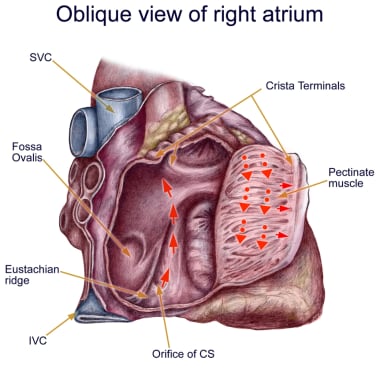
Animal models have been used to demonstrate that an anatomical block (surgically created) or a functional block of conduction between the superior vena cava and inferior vena cava, similar to the crista terminalis in the human right atrium, is key to initiating and maintaining the arrhythmia.

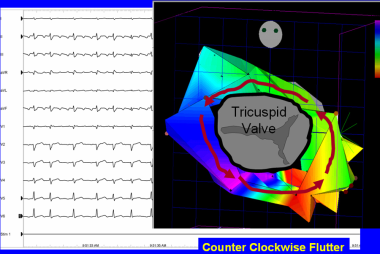
In humans, the common form of atrial flutter involves a single reentrant circuit with circus activation in the right atrium around the tricuspid valve annulus (in a counterclockwise direction), with an area of slow conduction located between the tricuspid valve annulus and the coronary sinus ostium (subeustachian isthmus). The crista terminalis acts as another anatomic conduction barrier, similar to the line of conduction block between the 2 venae cavae required in the animal model. The orifices of both venae cavae, the eustachian ridge, the coronary sinus orifice, and the tricuspid annulus complete the barrier for the reentry circuit. Common type I atrial flutter has caudocranial activation (ie, counterclockwise around the tricuspid valve annulus when viewed in the left antero-oblique fluoroscopic view) of the atrial septum. Uncommon type I atrial flutter has the opposite activation sequence (ie, clockwise activation around the tricuspid valve annulus).

Other atypical atrial flutters are less extensively studied and electroanatomically characterized. Atypical atrial flutters may originate from the right atrium (surgical scars [ie, incisional reentry]) or from the left atrium (pulmonary veins [ie, focal reentry] or mitral annulus). Tricuspid isthmus dependency is not a prerequisite for atrial flutter.

Frequency:

  • In the US: Atrial flutter is much less common than atrial fibrillation. Of patients admitted to US hospitals with a diagnosis of supraventricular tachycardia between 1985 and 1990, 77% had atrial fibrillation and 10% had atrial flutter.

Mortality/Morbidity: Prognosis depends on the patient's underlying medical condition. Any atrial arrhythmia can cause a tachycardia-induced cardiomyopathy. Intervening to control the ventricular response rate or to return the patient to sinus rhythm is important. Thrombus in the left atrium has been described in patients with atrial flutter (0-21%). Thromboembolic complications have also been described.

  • Due to conduction properties of the AV node, many people with atrial flutter will have a faster ventricular response (than those with afib). Heart rate is often more difficult to control with atrial flutter than with atrial fibrillation

Sex: Atrial flutter is associated with a male predominance. In one study of 100 patients with atrial flutter, 75% were men.

Age: Patients with atrial flutter, as with atrial fibrillation, tend to be older adults. In one study, the average age was 64 years (range 27-86 y).


  CLINICAL Section 3 of 11   Click here to go to the previous section in this topic Click here to go to the top of this page Click here to go to the next section in this topic
Author Information Introduction Clinical Differentials Workup Treatment Medication Follow-up Miscellaneous Pictures Bibliography

History: The severity of symptoms and the patient's underlying cardiac condition dictate the initial management approach.

  • Address symptoms of other noncardiac conditions (eg, hyperthyroidism) that are associated with atrial flutter.
  • Most clinicians believe that patients with atrial flutter, like those with atrial fibrillation, of a duration greater than 36-48 hours require anticoagulation with warfarin prior to conversion to sinus rhythm, unless transesophageal echocardiography (TEE) is performed first and shows the absence of thrombus. Thus, the duration of the episode and the initial time of atrial fibrillation or flutter may affect the timing of cardioversion and the need to address anticoagulation.
  • The most common symptom is palpitations. Other symptoms include fatigue, dyspnea, and chest pain.
  • Often, atrial flutter is not as well tolerated as atrial fibrillation. This may be due to the rapid and difficult-to-control ventricular response, especially with minimal exertion.
  • Atrial flutter can cause hypotension, angina, or congestive heart failure due to rapid ventricular response in the setting of compromised left ventricular (LV) function.

Physical: The general appearance and vital signs of the patient are very important when determining the urgency with which to restore sinus rhythm. Thus, the initial cardiopulmonary evaluation and monitoring for signs of cardiac or pulmonary failure help guide initial management. With typical atrial flutter, atrioventricular (AV) conduction usually is 2:1, making the ventricular rate approximately 150 beats per minute (bpm).

  • Different subgroups of atrial flutter are described with electroanatomic correlations.
    • Type I atrial flutter is described well both anatomically and electrically, with atrial rates from 240-340 bpm.
    • Type II atrial flutter is associated with atrial rates from 340-433 bpm and is not as well characterized electrically as type I.
    • Type I atrial flutter can always be electrically entrained and interrupted by atrial pacing at faster rates than the intrinsic rate of the tachycardia.
    • For type I atrial flutter, pacing from the tricuspid valve isthmus during atrial flutter causes concealed entrainment such that the morphology of the paced flutter waves is identical to that of the native flutter waves.
    • With type I atrial flutter, directionality around the tricuspid valve annulus can be clockwise (uncommon) or counterclockwise (common). Both common and uncommon forms of type I atrial flutter share the same reentrant circuit, but they activate the atria in opposite directions.
    • The uncommon form of type I atrial flutter may have positive flutter waves in ECG leads II, III, and aVF and negative flutter waves in V1 (during clockwise flutter).
  • In electrophysiology laboratories, the reentrant circuit has been well defined for both common and uncommon forms of type I atrial flutter. Knowledge of the mechanism helps guide therapeutic options.
    • Common type I atrial flutter has been shown to involve counterclockwise endocardial activation of the right atrium around the tricuspid annulus, with the cristae terminalis forming the lateral border and the tricuspid valve isthmus (between the tricuspid anulus and the inferior vena cava), forming the inferior border. This formation gives the characteristic negative sawtooth appearance to the flutter waves in the inferior leads. Interruption of the subeustachian isthmus represents the mainstay of catheter ablation of type I atrial flutter.
    • On the other hand, type II atrial flutter does not require the tricuspid anular isthmus for a reentrant circuit. These forms of flutter most often result from previous surgical atriotomy scars from bypass surgery or surgical correction of congenital heart defects. Type II atrial flutters generally form around the scar itself or involve the mitral annulus. The tricuspid valve isthmus may be driven passively by the circuit, but it is not required for maintenance of the flutter circuit (non–isthmus-dependent). While catheter ablation of type II atrial flutters is possible, defining anatomic obstacles is often difficult.

Causes:

  • Unlike atrial fibrillation, type I atrial flutter requires the necessary electroanatomic elements to be in place.
    • These elements include an area of relatively slow conduction (the tricuspid valve isthmus).
    • Many patients with atrial flutter also have depressed LV function.
  • Type II atrial flutters are generally found in patients after heart surgery.
  DIFFERENTIALS Section 4 of 11   Click here to go to the previous section in this topic Click here to go to the top of this page Click here to go to the next section in this topic
Author Information Introduction Clinical Differentials Workup Treatment Medication Follow-up Miscellaneous Pictures Bibliography

Atrial Fibrillation
Atrial Tachycardia


Other Problems to be Considered:

Artifact from tremor or continuous venovenous
Atrial tachycardia with AV block
Atrial tachycardia, multifocal


Atrial Fibrillation and Anticoagulation Resource Center

View all Atrial Fibrillation and Anticoagulation Articles

Atrial Fibrillation and Anticoagulation CME

Atrial Fibrillation and Anticoagulation Multimedia Library


Quick Find
Author Information
Introduction
Clinical
Differentials
Workup
Treatment
Medication
Follow-up
Miscellaneous
Pictures
Bibliography

Click for related images.

Related Articles
Atrial Fibrillation

Atrial Tachycardia


Patient Education


  WORKUP Section 5 of 11   Click here to go to the previous section in this topic Click here to go to the top of this page Click here to go to the next section in this topic
Author Information Introduction Clinical Differentials Workup Treatment Medication Follow-up Miscellaneous Pictures Bibliography

Lab Studies:

  • The history and physical examination findings guide laboratory studies. Asymptomatic hyperthyroidism, especially in elderly patients, can manifest with atrial fibrillation or flutter; therefore, obtain thyroid function tests. Hyperthyroidism is a rare cause of atrial flutter and should be excluded with blood testing.

Imaging Studies:

  • Transthoracic echocardiography can be useful when evaluating underlying cardiac function. In addition, structural abnormalities, evidence of coronary artery disease, LV function, pericardial fluid, or evidence of LV thrombus can be sought.
  • If immediate cardioversion is considered, TEE may be useful to help exclude thrombus from the left atrium or appendage.

Other Tests:

  • Electrocardiography
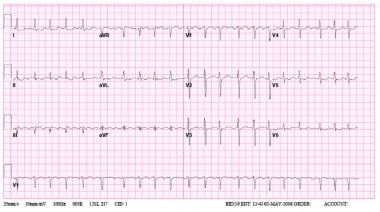
    • The common form of type I atrial flutter has sawtooth flutter (F) waves, best seen in leads II, III, and aVF, with atrial rates of 240-340 bpm and without an isoelectric interval between these F waves.
    • The ventricular response may be regular or irregular.
    • The ventricular rate is a fixed mathematical relationship of flutter waves and the resulting QRS complexes.
    • Variable AV conduction can also be seen (commonly present with 2:1 or 3:1 AV conduction). With 1:1 AV conduction, hemodynamic collapse may occur.
    • Morphology of the flutter wave can predict findings in the electrophysiology laboratory. A negative flutter wave in the inferior limb leads and a positive flutter wave in V1 are highly predictive of a counterclockwise circuit; however, with positive flutter waves in the inferior limb leads and negative flutter waves in V1, differentiating between clockwise type I atrial flutter and atypical forms of non–isthmus-dependent intra-atrial reentry is difficult.

Procedures:

  • Catheter ablation
    • Type I atrial flutter is a well-defined electroanatomic circuit and is amenable to cure with catheter ablation.
    • Type II flutter is potentially curable with catheter-based techniques; however, this is more challenging.
    • Catheter ablation represents a chance for long-term cure and must be weighed against other treatment options (long-term antiarrhythmic agents and anticoagulation).
    • Consult with a cardiac electrophysiologist about this procedure.
    • With current techniques, patients with Type I atrial flutter should expect a high rate of cure with catheter ablation.
  • Cardioversion
    • The timing of cardioversion depends on the hemodynamic need for sinus rhythm.
    • Patients with chronic atrial flutter benefit from anticoagulation in the same manner as patients with atrial fibrillation.
  TREATMENT Section 6 of 11   Click here to go to the previous section in this topic Click here to go to the top of this page Click here to go to the next section in this topic
Author Information Introduction Clinical Differentials Workup Treatment Medication Follow-up Miscellaneous Pictures Bibliography

Medical Care: General goals for the treatment of symptomatic atrial flutter are similar to those for atrial fibrillation and include (1) control of the ventricular rate, (2) termination of sustained episodes, (3) prevention and decreased frequency or duration of recurrent episodes, (4) prevention of thromboembolic complications, and (5) minimization of adverse effects from therapy. However, these goals can be modified for each patient. In an acute setting with pending hemodynamic collapse, follow the adult advanced cardiac life support algorithms for managing atrial fibrillation and flutter. Consider immediate electrical cardioversion for patients who are hemodynamically unstable.

  • Ventricular rate control: Ventricular rate control is a priority because it may alleviate symptoms. Rate control is typically more difficult for atrial flutter than for atrial fibrillation.

    • Calcium channel blockers and beta-blockers

      • Ventricular rate control can be achieved with drugs that block the AV node. Intravenous calcium channel blockers (eg, verapamil, diltiazem) or beta-blockers can be used, followed by initiation of oral agents.

      • Hypotension and negative inotropic effects are concerns with the use of these medications.

      • A history of Wolff-Parkinson-White syndrome or evidence of ventricular preexcitation should be determined because agents that act exclusively at the level of the AV node may enhance accessory pathway conduction.

    • Vagal maneuvers: These can be helpful in determining the underlying atrial rhythm if flutter waves are not seen well.

    • Intravenous adenosine: This drug, administered as an intravenous push followed with an intravenous bolus with flush, can also be helpful in making the diagnosis of atrial flutter by transiently blocking the AV node.
  • Termination of sustained episodes: After determining the patient's needs for anticoagulation and ventricular rate control, the issue of restoration of the sinus rhythm can be safely addressed.

    • Electrical cardioversion

      • The success rate of electrical cardioversion is higher than 95%.

      • Factors to consider include synchronization of shocks to R waves, adequate sedation, and electrode position (apex anterior, apex posterior, anteroposterior).

      • Atrial flutter generally requires less energy for conversion than atrial fibrillation, and as few as 50 joules may be necessary.

      • If cardioversion is not successful with one electrode configuration, switching may improve success. A second set of electrodes can be used with tandem or simultaneous shocks.

      • Biphasic external waveform may be more effective in restoring sinus rhythm.

      • A few points to remember about the cardioversion technique include a wide electrode separation in the anteroapex position, the application of pressure on paddles or electrodes to reduce thoracic impedance, and the placement of electrode patches under or lateral to the breasts in women.

    • Pharmacological cardioversion

      • Procainamide is effective for converting atrial flutter to sinus rhythm in 0-13% of patients.

      • Flecainide is effective in approximately 10% of patients.

      • Dofetilide is effective in 70-80% of patients.

      • Ibutilide is effective, converting recent-onset atrial flutter to sinus rhythm in 63% of patients with a single infusion.

      • Large single oral doses of type IC antiarrhythmic agents, such as propafenone (450-600 mg) or flecainide (200-300 mg), have also been shown to be effective in converting recent-onset atrial fibrillation to sinus rhythm. Their use in atrial flutter can be assumed to have at least equal success.

      • Oral amiodarone during the loading period (>1 mo) converted 18% of atrial fibrillations or flutters to normal sinus rhythms. Intravenous amiodarone is also effective in converting atrial flutter to sinus rhythm and in slowing the ventricular rate in patients with a rapid ventricular response.

    • Atrial overdrive pacing: This procedure can be performed invasively or through the use of a transesophageal electrode to pace the left atrium, with a success rate of approximately 50%.

    • Combination of the above treatments: Antiarrhythmic medication prior to electrical cardioversion or rapid atrial pacing has been shown to improve the rate of conversion to sinus rhythm.

    • Radiofrequency ablation: This treatment modality is not usually used in the acute setting.
  • Prevention (decrease frequency or duration of recurrence episodes): After the initial episode is terminated and the underlying disease is treated, the patient may not need any further intervention except avoidance of the precipitating factor (eg, alcohol, caffeine). For atrial fibrillation, approximately 30% of patients remain in sinus rhythm at 1 year without antiarrhythmic therapy.

    • Antiarrhythmic agents

      • For more information on the use of antiarrhythmic agents, see Atrial Fibrillation. Data on the use of antiarrhythmic agents specifically for atrial flutter are limited. Most studies of antiarrhythmics agents and atrial fibrillation include some patients with atrial flutter (10-20%).

      • In general, the use of antiarrhythmic drugs in atrial flutter is similar to that of atrial fibrillation; however, with a high success rate and low complication rate, the use of radiofrequency ablation in atrial flutter makes this procedure a favorable option compared with lifelong antiarrhythmic drug therapy because fatal proarrhythmic events (even in healthy hearts) and organ toxicity may occur.

      • In general, antiarrhythmics used to treat atrial fibrillation have been shown effective in fibrillation or flutter during a 6- to 12-month follow-up. Considering the characteristic adverse effects of each antiarrhythmic agent, some guidelines are available regarding the choice of medication when taking into account the underlying cardiac pathology.

      • For patients without structural heart disease, class IC agents can be used safely.

      • For patients with LV hypertrophy without ischemia or conduction delay, class III agents, specifically sotalol, can be used.

      • For patients with an ischemic heart, sotalol or amiodarone can be used. Avoid class IC agents.

      • For patients with significant systolic dysfunction, amiodarone can be used, dofetilide may be used, and class IC agents should be avoided.

    • Radiofrequency ablation

      • Ablation or modification of the AV node with radiofrequency ablation and pacemaker implantation is a rarely used option and is only used when the arrhythmia is not suitable for curative ablation and other options have been exhausted.

      • For patients with recurrent symptomatic atrial flutter that is proven to be isthmus-dependent in the electrophysiologic laboratory, expect a success rate of higher than 90% with current technology.

    • Surgery: In patients who have atrial flutter and need cardiac surgery, modification of the atrial incision and creation of a cryothermal lesion, similar to the lesion created during radiofrequency catheter ablation, can be curative for atrial flutter and may prevent an incisional reentrant arrhythmia.
  • Prevention of complications

    • Thromboembolic

      • Patients with atrial flutter are at increased risk of thromboembolic complications compared with the general population. Most clinicians anticoagulate patients with atrial flutter as they would patients with atrial fibrillation. Thus, use the same anticoagulation strategy used in patients with atrial fibrillation.

      • Unlike atrial fibrillation, atrial flutter has a regular pattern of atrial contraction. TEE data have demonstrated an organized sawtooth pattern of the left atrial appendage flow with alternating filling and emptying wavelets. No difference in the left atrial appendage function is observed compared with patients in sinus rhythm. Patients with both atrial flutter and atrial fibrillation have significantly decreased left atrial appendage function, more spontaneous echo contrast, and larger left atria and accompanying appendages.

      • Patients with atrial flutter and episodes of atrial fibrillation are at higher risk of thromboembolic events; however, determining whether episodes of atrial fibrillation are associated with episodes of atrial flutter is difficult.

      • A large retrospective review of patients in chronic atrial flutter revealed a 14% occurrence rate of thromboembolic events over 4.5 years, with half of these events being ischemic stroke. In another large cohort of patients with atrial flutter, the occurrence rate of embolic complications in patients with chronic or recurrent atrial flutter was 12%. For stroke, this risk is estimated at approximately one third of patients with nonrheumatic atrial fibrillation. Males with hypertension, structural heart disease, LV dysfunction, and diabetes may be at higher risk of thromboembolic complications. Interestingly, associated atrial fibrillation did not significantly increase the risk of the embolic complications.

      • Other reports have demonstrated thrombus in the left atrium appendage of patients with atrial flutter (as many as 43%). Most studies of non–anticoagulated patients with atrial flutter report a rate of 10-15% for patients with thrombus in the left atrium or left atrial appendage. Spontaneous echo contrast associated with increased risk of thromboembolism was found in 6-43% of patients with atrial flutter.

      • Postcardioversion thromboembolic events can complicate as many as 7.3% of procedures in patients who are not anticoagulated. These events occur within 3 days after the cardioversion; almost all occur within 10 days after the cardioversion.

      • In atrial fibrillation, postcardioversion stunning of the left atrial appendage is thought to contribute to thrombogenicity. This phenomenon may last as long as 4 weeks in patients with atrial fibrillation and may be related to how long patients have been in arrhythmia.

      • Stunning of the left atrial appendage also occurs following conversion from atrial flutter to sinus rhythm (electrical or spontaneous), although to a lesser degree. Left atrial and left atrial appendage function decrease immediately after conversion, and, in one study, spontaneous echo contrast was noted to develop within 5 minutes after conversion in 43% of patients. This is thought to be the source of emboli in patients whose TEE findings revealed no evidence of thrombus but who had a thromboembolic event after cardioversion.

      • In a study comparing left atrial appendage function before and after catheter ablation (immediate, 1 d, 1 wk, and 6 wk) of persistent atrial flutter, a significant increase in atrial standstill, decrease in left atrial appendage function, and new spontaneous echo contrast occurred after ablation. One patient formed a new left atrial appendage thrombus after ablation. Evidence of atrial stunning significantly improved after 1 week. Anticoagulation for at least 1 week is advocated after ablation of an atrial flutter that persists for more than 2 days.

      • Adequate anticoagulation, as recommend by the American College of Chest Physicians, has been shown to decrease thromboembolic complications in patients with chronic atrial flutter and in patients undergoing cardioversion.

    • Cardiomyopathy: Termination of long-standing atrial flutter with a rapid ventricular response has been reported to improve LV systolic function in patients without other known causes of dilated cardiomyopathy.
  • Minimizing adverse effects of antiarrhythmic therapy: Because atrial flutter is a nonfatal arrhythmia, carefully assess the risks and benefits of drug therapy, especially with antiarrhythmic agents. A few points to remember that will help minimize the adverse effects include the following:

    • Avoidance of precipitating factor(s) or therapy of the underlying problem may be all that is needed to prevent recurrent episodes.

    • For patients with rare recurrence, cardioversion or medical, electrical, or rapid atrial pacing may be adequate.

    • Of antiarrhythmic agents, amiodarone is effective and is associated with a low proarrhythmic risk but may adversely affect multiple organs, including the skin, liver, lungs, and thyroid. Thus, sotalol would seem a reasonable choice of antiarrhythmic drug therapy for atrial flutter.

    • Radiofrequency ablation may be a preferred therapeutic choice. Although many patients who were treated with radiofrequency ablation subsequently developed atrial fibrillation after long-term follow-up (56% in one study), this procedure still represents a safe alternative to antiarrhythmic agents.
  • Structural heart disease prior to atrial fibrillation and inducible atrial fibrillation after ablation predict a high risk of developing atrial fibrillation after successful atrial flutter ablation; however, successful atrial flutter ablation has been shown to eliminate or reduce the frequency of atrial fibrillation episodes.

    • Catheter ablation has been shown to significantly improve the quality of life in patients with atrial flutter.

    • The frequency of hospital admissions and emergency department visits and the number of antiarrhythmic drugs administered are decreased significantly after ablation.

    • Activity capacity significantly improves in patients with preexisting LV dysfunction.

    • In general, when atrial flutter persists for more than 48 hours, 4 weeks of adequate anticoagulation or TEE is needed before attempting cardioversion to sinus rhythm.

    • Thromboembolic complications occur spontaneously after cardioversion or ablation, and postconversion anticoagulation is recommended for a minimum of 4 weeks.

    • Use long-term anticoagulation for patients with persistent or paroxysmal atrial flutter. As with atrial fibrillation, keep the international normalized ratio (INR) at 2-3 to optimize the therapeutic effect and minimize the risk of bleeding.

Consultations: In general, consult a cardiologist and/or electrophysiologist because the use of antiarrhythmic drugs may be harmful and radiofrequency ablation may eliminate atrial flutter.

Diet: Any dietary recommendations should be appropriate for the underlying heart disease and other comorbidities (eg, diabetes).


  MEDICATION Section 7 of 11   Click here to go to the previous section in this topic Click here to go to the top of this page Click here to go to the next section in this topic
Author Information Introduction Clinical Differentials Workup Treatment Medication Follow-up Miscellaneous Pictures Bibliography

Medications play a major role in the therapy of atrial flutter. Agents can be used to control the ventricular rate, terminate acute episodes, prevent or decrease the frequency or duration of recurrent episodes, and prevent complications. Various categories of drugs are used to treat atrial flutter. Drug initiation in an outpatient setting is generally accepted in patients without underlying structural heart disease who are in sinus rhythm. In addition, many specialists initiate outpatient drug therapy in patients with therapeutically anticoagulated atrial flutter who are awaiting outpatient electrical cardioversion in the near future. Regardless, close patient follow-up is mandated, with frequent ECG monitoring or transtelephonic monitoring for potential signs of proarrhythmia.

Drug Category: Atrioventricular nodal conduction blockers -- Used to slow ventricular response by slowing AV nodal conduction during atrial fibrillation or flutter. Also indicated for use in conjunction with class IA and IC antiarrhythmics, which slow atrial fibrillation/flutter rate and may cause more rapid ventricular response.
Drug Name
Propranolol (Inderal) -- Class II antiarrhythmic, nonselective, beta-adrenergic receptor blocker with membrane-stabilizing activity that decreases automaticity of contractions.
Adult Dose1-3 mg (under careful monitoring) IV; not to exceed 1 mg/min to avoid lowering blood pressure and causing cardiac standstill
Allow time for drug to reach site of action (particularly if slow circulation); administer second dose after 2 min prn; thereafter, do not administer additional drug in <4 h
Do not continue doses after desired alteration in rate or rhythm achieved; switch to 10-160 mg PO bid
Pediatric Dose2-4 mg/kg/d PO divided bid (1-2 mg/kg bid)
IV use not recommended; however, for arrhythmias, 0.01-0.1 mg/kg, not to exceed 1 mg/dose, by slow push has been recommended; change to PO as soon as possible
ContraindicationsDocumented hypersensitivity; uncompensated congestive heart failure; bradycardia, cardiogenic shock; AV conduction abnormalities
InteractionsCoadministration with aluminum salts, barbiturates, NSAIDs, penicillins, calcium salts, cholestyramine, and rifampin may decrease effects; calcium channel blockers, cimetidine, loop diuretics, and MAOIs may increase toxicity; toxicity of hydralazine, haloperidol, benzodiazepines, and phenothiazines may increase
Pregnancy B - Usually safe but benefits must outweigh the risks.
PrecautionsBeta-adrenergic blockade may decrease signs of acute hypoglycemia and hyperthyroidism; abrupt withdrawal may exacerbate symptoms of hyperthyroidism, including thyroid storm; withdraw drug slowly and monitor patient closely
Drug Name
Metoprolol (Lopressor) -- Selective beta1-adrenergic receptor blocker that decreases automaticity of contractions. During IV administration, carefully monitor BP, heart rate, and ECG.
Adult Dose5 mg IV for 3 doses q2-5min; then up to 200 mg PO bid
Pediatric DoseNot established
ContraindicationsDocumented hypersensitivity, uncompensated congestive heart failure, bradycardia, asthma, cardiogenic shock, AV conduction abnormalities
InteractionsAluminum salts, barbiturates, NSAIDs, penicillins, calcium salts, cholestyramine, and rifampin may decrease bioavailability and plasma levels, possibly resulting in decreased pharmacologic effects; toxicity may increase with coadministration of sparfloxacin, phenothiazines, astemizole (recalled from US market), calcium channel blockers, quinidine, flecainide, and contraceptives; may increase toxicity of digoxin, flecainide, clonidine, epinephrine, nifedipine, prazosin, verapamil, and lidocaine
Pregnancy B - Usually safe but benefits must outweigh the risks.
PrecautionsBeta-adrenergic blockade may reduce signs and symptoms of acute hypoglycemia and may decrease clinical signs of hyperthyroidism; abrupt withdrawal may exacerbate symptoms of hyperthyroidism, including thyroid storm; monitor patient closely and withdraw drug slowly; during IV administration, carefully monitor BP, heart rate, and ECG
Drug Name
Atenolol (Tenormin) -- Selectively blocks beta-1 receptors with little or no effect on beta-2 receptors.
Adult DoseUp to 200 mg PO qd in divided doses (ie, 100 mg bid)
Pediatric DoseNot established
ContraindicationsDocumented hypersensitivity, congestive heart failure, pulmonary edema, cardiogenic shock, AV conduction abnormalities, and heart block (without a pacemaker)
InteractionsCoadministration with aluminum salts, barbiturates, calcium salts, cholestyramine, NSAIDs, penicillins, and rifampin may decrease effects; haloperidol, hydralazine, loop diuretics, and MAOIs may increase toxicity
Pregnancy C - Safety for use during pregnancy has not been established.
PrecautionsBeta-adrenergic blockade may reduce symptoms of acute hypoglycemia and mask signs of hyperthyroidism; abrupt withdrawal may exacerbate symptoms of hyperthyroidism and cause thyroid storm; monitor patients closely and withdraw drug slowly; during IV administration, carefully monitor BP, heart rate, and ECG
Drug Name
Esmolol (Brevibloc) -- Excellent for use in patients at risk for experiencing complications from beta-blockade, particularly those with reactive airway disease, mild-to-moderate LV dysfunction, and/or peripheral vascular disease. Short half-life of 8 min allows titration to desired effect and quick discontinuation if needed.
Adult Dose250-500 mcg/kg/min IV for 1 min loading dose followed by a 4-min maintenance infusion of 50 mcg/kg/min
If adequate therapeutic effect not observed within 5 min, repeat loading dose and follow with maintenance infusion using increments of 50 mcg/kg/min (for 4 min); sequence may be repeated up to 4 times prn
As desired heart rate is approached, omit loading infusion and reduce incremental dose of maintenance infusion from 50 mcg/kg/min to 25 mcg/kg/min IV or lower; interval between titration steps may be increased from 5-10 min if needed
Pediatric DoseNot established; suggested dose is 100-500 mcg/kg IV administered over 1 min
ContraindicationsDocumented hypersensitivity, uncompensated congestive heart failure, bradycardia, cardiogenic shock, and AV conduction abnormalities
InteractionsAluminum salts, barbiturates, NSAIDs, penicillins, calcium salts, cholestyramine, and rifampin may decrease bioavailability and plasma levels, possibly resulting in decreased pharmacologic effect; cardiotoxicity may increase when administered concurrently with sparfloxacin, astemizole (recalled from US market), calcium channel blockers, quinidine, flecainide, and contraceptives; toxicity increases when administered concurrently with digoxin, flecainide, acetaminophen, clonidine, epinephrine, nifedipine, prazosin, haloperidol, phenothiazines, and catecholamine-depleting agents
Pregnancy C - Safety for use during pregnancy has not been established.
PrecautionsBeta-adrenergic blockers may mask signs and symptoms of acute hypoglycemia and clinical signs of hyperthyroidism; symptoms of hyperthyroidism, including thyroid storm, may worsen when medication is abruptly withdrawn; withdraw drug slowly and monitor patient closely
Drug Category: Calcium channel blockers (nondihydropyridine) -- Effective for rate control.
Drug Name
Verapamil (Calan) -- Calcium channel blocker. Only nondihydropyridines are effective for rate control. During depolarization, inhibits calcium ions from entering slow channels and voltage-sensitive areas of vascular smooth muscle and myocardium.
Adult Dose5-10 mg IV; may repeat after 10 min; drip at 1 mg/min not to exceed 10 mg, then 120-480 mg/d PO
Pediatric Dose<1 year: 0.1-0.2 mg/kg IV bolus over 2 min; if no response, repeat in 30 min
1-15 years: 0.1-0.3 mg/kg (ie, 2-5 mg) IV bolus over 2 min; single dose not to exceed 5 mg; if no response, repeat in 30 min; not to exceed total dose of 10 mg
ContraindicationsDocumented hypersensitivity, severe CHF, sick sinus syndrome or second- or third-degree AV block, hypotension (<90 mm Hg systolic)
InteractionsMay increase carbamazepine, digoxin, and cyclosporine levels; coadministration with amiodarone can cause bradycardia and a decrease in cardiac output; when administered concurrently with beta-blockers, may increase cardiac depression; cimetidine may increase levels; may increase theophylline levels
Pregnancy B - Usually safe but benefits must outweigh the risks.
PrecautionsHepatocellular injury may occur; transient elevations of transaminases with and without concomitant elevations in alkaline phosphatase and bilirubin have occurred (elevations have been transient and may disappear with continued verapamil treatment); monitor liver function periodically
Drug Name
Diltiazem (Cardizem) -- Only nondihydropyridines are effective for rate control. During depolarization, inhibits calcium ions from entering slow channels and voltage-sensitive areas of vascular smooth muscle and myocardium.
Adult Dose0.25 mg/kg IV over 2 min, then 0.35 mg/kg IV over 2 min, then 5-15 mg/h drip; then switch to 120-360 mg/d PO
Pediatric Dose0.25 mg/kg IV bolus over 2 min; if necessary, repeat dose of 0.35 mg/kg IV bolus over 2 min, followed by continuous IV infusion of 10 mg/h, then switch to PO
ContraindicationsDocumented hypersensitivity; severe CHF, sick sinus syndrome, second- or third-degree AV block, hypotension (<90 mm Hg systolic)
InteractionsMay increase carbamazepine, digoxin, cyclosporine, and theophylline levels; when administered with amiodarone, may cause bradycardia and a decrease in cardiac output; when administered with beta-blockers, may increase cardiac depression; cimetidine may increase levels
Pregnancy C - Safety for use during pregnancy has not been established.
PrecautionsCaution in impaired renal or hepatic function, may increase LFT levels and hepatic injury may occur
Drug Category: Cardiac glycosides -- AV nodal blocking agents.
Drug Name
Digoxin (Lanoxin) -- Slows sinus node and AV node via vagomimetic effect and not very effective if sympathetic tone is increased. Generally not recommended unless depressed LV function is present.
Adult DoseLoading dose: 1.5-2 mg PO/IV in divided dose over 1-2 d
Maintenance dose: 0.25 mg PO/IV qd
Pediatric DosePremature neonates: 15-25 mcg/kg PO/IV divided into 3 or more doses (first dose equalling one half total dose), then remaining doses q6-8h; maintenance of 4-6 mcg/kg/d PO/IV divided bid
Neonates: 20-30 mcg/kg PO/IV divided into 3 or more doses (first dose equalling one half total dose), then remaining doses q6-8h; maintenance of 5-8 mcg/kg/d PO/IV divided bid
<2 years: 30-50 mcg/kg PO/IV divided into 3 or more doses (first dose equalling one half total dose), then remaining doses q6-8h; maintenance of 7.5-12 mcg/kg/d PO/IV divided bid
2-5 years: 25-35 mcg/kg PO/IV divided into 3 or more doses (first dose equalling one half total dose), then remaining doses q6-8h; maintenance of 6-9 mcg/kg/d PO/IV divided bid
6-10 years: 15-30 mcg/kg PO/IV divided into 3 or more doses (first dose equalling one half total dose), then remaining doses q6-8h; maintenance of 4-8 mcg/kg/d PO/IV divided bid
>10 years: 8-12 mcg/kg PO/IV divided into 3 or more doses (first dose equalling one half total dose), then remaining doses q6-8h; maintenance of 2-3 mcg/kg/d PO/IV qd
ContraindicationsDocumented hypersensitivity, beriberi heart disease, idiopathic hypertrophic subaortic stenosis, constrictive pericarditis, carotid sinus syndrome
InteractionsMedications that may increase levels include alprazolam, benzodiazepines, bepridil, captopril, cyclosporine, propafenone, propantheline, quinidine, diltiazem, aminoglycosides, oral amiodarone, anticholinergics, diphenoxylate, erythromycin, felodipine, flecainide, hydroxychloroquine, itraconazole, nifedipine, omeprazole, quinine, ibuprofen, indomethacin, esmolol, tetracycline, tolbutamide, and verapamil
Medications that may decrease serum levels include aminoglutethimide, antihistamines, cholestyramine, neomycin, penicillamine, aminoglycosides, oral colestipol, hydantoins, hypoglycemic agents, antineoplastic treatment combinations (including carmustine, bleomycin, methotrexate, cytarabine, doxorubicin, cyclophosphamide, vincristine, and procarbazine), aluminum or magnesium antacids, rifampin, sucralfate, sulfasalazine, barbiturates, kaolin/pectin, and aminosalicylic acid
Pregnancy C - Safety for use during pregnancy has not been established.
PrecautionsHypokalemia may reduce positive inotropic effect of digitalis; IV calcium may produce arrhythmias in digitalized patients; hypercalcemia predisposes patient to digitalis toxicity; hypocalcemia can make digoxin ineffective until serum calcium levels are normal; institute magnesium replacement therapy in patients with hypomagnesemia to prevent digitalis toxicity; patients diagnosed with incomplete AV block may progress to complete block when treated with digoxin; exercise caution in hypothyroidism, hypoxia, and acute myocarditis
Drug Category: Antiarrhythmics -- Alter electrophysiologic mechanisms responsible for arrhythmia. Commonly used to prevent recurrences of atrial flutter. Currently, 5 drugs are approved by FDA for treatment of atrial flutter (ie, quinidine, flecainide, propafenone, sotalol, dofetilide); however, other antiarrhythmic agents are used in an off-label fashion with great clinical efficacy. Use antiarrhythmic agents with great caution because they can contribute to proarrhythmia, exacerbate a preexisting arrhythmia, or provoke a new arrhythmia. Proarrhythmia can be either bradycardic or tachycardic and atrial or ventricular. In addition, adverse effects can cause severe comorbidities and even death. Consultation with a cardiac electrophysiologist or knowledgeable physician is recommended prior to antiarrhythmic drug initiation. Finally, given current hospital constraints and pressure to initiate these agents in outpatient settings, carefully reconsider specific patient populations at low and acceptable risks for outpatient drug initiation.
Drug Name
Quinidine sulfate (Quinidex ER) -- Antiarrhythmic class IA. Maintains normal heart rhythm following cardioversion of atrial fibrillation or flutter. Depresses myocardial excitability and conduction velocity.
Prior to administration, control ventricular rate and CHF (if present) with digoxin or calcium channel blockers. Concomitantly treat all patients treated with class IA agents with AV nodal blocking agents.
Adult Dose300 mg PO q8-12h
Pediatric DoseIR tab: 20-60 mg/kg/d (900 g/m2/d) PO divided doses q6h
ContraindicationsDocumented hypersensitivity; complete AV block or intraventricular conduction defects, patients presently taking ritonavir or sparfloxacin; prior thrombocytopenic purpura during administration
InteractionsPhenytoin, rifampin, and phenobarbital may decrease concentrations; toxicity increased when taken with ritonavir, sparfloxacin, beta-blockers, amiodarone, verapamil, cimetidine, alkalinizing agents, or nondepolarizing and depolarizing muscle relaxants; may enhance effect of anticoagulants
Pregnancy C - Safety for use during pregnancy has not been established.
PrecautionsCaution in G-6-PD deficiency and patients with tendency to develop granulocytopenia; avoid use in myocardial depression, hepatic or renal insufficiency, and myasthenia gravis
Drug Name
Procainamide (Pronestyl) -- Antiarrhythmic class IA. Used for PVCs. Increases refractory period of atria and ventricles. Myocardial excitability reduced by increase in threshold for excitation and inhibition of ectopic pacemaker activity. Available IV and PO, making drug attractive for postoperative use. However, drug is a negative inotropic and must be used with care in patients with depressed LV function or CHF.
Adult Dose1000-2500 mg PO q12h (based on body weight and normal renal function); alternatively, up to 18 mg/kg IV infusion over 1 h
Pediatric DoseNot established; suggested dose 15-50 mg/kg/d PO divided q3-6h, not to exceed 4 g/d; alternatively, 3-6 mg/kg/dose IV infused over 5 min or 20-30 mg/kg/d IM divided q4-6h, not to exceed 4 g/d
Maintenance: 20-80 mcg/kg/min IV administered as continuous infusion; not to exceed 100 mg/dose or 2 g/d
ContraindicationsDocumented hypersensitivity; patients diagnosed with complete heart block or second- or third-degree heart block, if a pacemaker is not in place; torsade de pointes; systemic lupus erythematosus
InteractionsExpect increased levels of procainamide metabolite NAPA in patients taking cimetidine, ranitidine, beta-blockers, amiodarone, trimethoprim, and quinidine; may increase effect of skeletal muscle relaxants (eg, quinidine, lidocaine) and neuromuscular blockers; ofloxacin inhibits tubular secretion of procainamide and may increase bioavailability; when taken concurrently with sparfloxacin, may increase risk of cardiotoxicity
Pregnancy C - Safety for use during pregnancy has not been established.
PrecautionsMonitor for hypotension; plasma concentrations and active metabolite, NAPA, may increase in renal failure; high or toxic concentrations may induce AV block or abnormal automaticity; caution in complete AV block, digitalis intoxication, organic heart disease, renal disease, and hepatic insufficiency; agranulocytosis reported at a rate of 0.5% with a 20-25% mortality; weekly CBC counts recommended for first 3 mo and regularly thereafter
Drug Name
Disopyramide (Norpace) -- Antiarrhythmic class IA. Strong negative inotropic agent with adverse anticholinergic effects. Generally not used often and can precipitate cardiogenic shock in patients with CHF and depressed LV function.
Adult Dose150 mg PO q6h; not to exceed 1600 mg/d
Pediatric Dose1-12 years: 6-20 mg/kg/d PO divided q6h
ContraindicationsDocumented hypersensitivity, history of complete heart block, sick sinus syndrome, cardiogenic shock
InteractionsIncreases digoxin levels
Pregnancy C - Safety for use during pregnancy has not been established.
PrecautionsMetabolized in liver (45%); renally excreted unchanged 40-80%; dose adjustments necessary in liver disease, renal disease, and elderly persons; anticholinergic effects can cause urinary retention and blurred vision
Drug Category: Antiarrhythmics, class IC -- For use in patients with atrial flutter and SVT without structural heart disease. Use in conjunction with AV nodal blocking agents when administered to patients in atrial flutter because conversion to atrial flutter with 1:1 conduction (producing fast ventricular rates) is noted.
Drug Name
Propafenone (Rythmol) -- Treats life-threatening arrhythmias. Possibly works by reducing spontaneous automaticity and prolonging refractory period. Indicated for patients with AF and SVT without structural heart disease. Use in conjunction with AV nodal blocking agents when administered to patients in AF because conversion to AFL with 1:1 conduction (producing fast ventricular rates) is noted.
Adult Dose150-300 mg PO tid
Pediatric DoseNot established
ContraindicationsDocumented hypersensitivity, bronchospastic disorders, conduction disorders, bradycardia, uncontrolled heart failure
InteractionsDecreases serum levels of rifampin; cimetidine, quinidine, warfarin, and beta-blockers may increase serum levels; dose-related increases in serum digoxin levels (35-85%) and effects of warfarin (25%)
Pregnancy C - Safety for use during pregnancy has not been established.
PrecautionsUse only for life-threatening arrhythmias; caution in patients with CHF, myocardial infarction, or hepatic or renal dysfunction
Drug Name
Flecainide (Tambocor) -- Treats life-threatening ventricular arrhythmias. Causes prolongation of refractory periods and decreases action potential without affecting duration. Blocks sodium channels, producing a dose-related decrease in intracardiac conduction in all parts of heart, with greatest effect on the His-Purkinje system (HV conduction). Effects on AV nodal conduction time and intra-atrial conduction times, although present, are less pronounced than on ventricular conduction velocity. Use in conjunction with AV nodal blocking agents when administered to patients in AF because conversion to AFL with 1:1 conduction (producing fast ventricular rates) is noted.
Adult Dose50-150 mg PO bid
Pediatric DoseNot established
ContraindicationsDocumented hypersensitivity, third-degree AV block, myocardial depression
InteractionsAmiodarone, cimetidine, and digoxin may increase plasma concentrations; beta-adrenergic blockers, verapamil, and disopyramide may have additive inotropic effects when coadministered; ritonavir may increase cardiotoxicity
Pregnancy C - Safety for use during pregnancy has not been established.
PrecautionsKnown to increase endocardial pacing thresholds; may suppress ventricular escape rhythms; exacerbates sick sinus syndrome and causes sinus pauses or sinus arrest; caution in renal or hepatic impairment
Drug Category: Antiarrhythmics, class III -- Class III drugs widely used in maintenance of sinus rhythm in patients with atrial flutter. Drugs may include amiodarone (Cordarone), sotalol (Betapace), ibutilide (Corvert), and dofetilide (Tikosyn).
Drug Name
Amiodarone (Cordarone), sotalol (Betapace), ibutilide (Corvert) -- dofetilide (Tikosyn) -- May inhibit AV conduction and sinus node function. Prolong action potential and refractory period in myocardium and inhibit adrenergic stimulation.
Prior to administration, control ventricular rate and CHF (if present) with digoxin or calcium channel blockers.
Alternatively, sotalol class III antiarrhythmic agent, which blocks K+ channels, prolongs action potential duration, and lengthens QT interval. Noncardiac selective beta-adrenergic blocker. Sotalol shown to be effective in maintenance of sinus rhythm, even in patients with underlying structural heart disease.
Alternatively, ibutilide newer class III antiarrhythmic agent that may work by increasing action potential duration and thereby changing atrial cycle length variability. Mean time to conversion is 30 min. Two thirds of patients who converted were in sinus rhythm at 24 h. Ventricular arrhythmias occurred in 9.6% of patients and mostly were PVCs. Rate of torsades de pointes was <2%.
Adult DoseAmiodarone: 400 mg PO tid for 7 d as loading dose, followed by weekly reductions with goal of lowest dose with desired therapeutic benefit; average maintenance dose is 200 mg/d PO
Sotalol: 40-80 mg PO bid and increase dose gradually q2-3d to therapeutic goal of 120-160 mg PO bid
Dofetilide: 125-500 mcg PO bid, depending on CrCl and QT prolongation
Ibutilide
<60 kg: 0.01 mg/kg IV over 10 min
>60 kg: 1 mg IV over 10 min; second infusion of equal strength can be given 10 min after first prn
Pediatric DoseAmiodarone: 10-15 mg/kg/d or 600-800 mg/1.73 m2/d PO for 4-14 d or until adequate control of arrhythmia attained
Sotalol: Not established
Dofetilide: Not established
Ibutilide: Not established
ContraindicationsAmiodarone: Documented hypersensitivity; complete AV block; intraventricular conduction defects; patients taking ritonavir or sparfloxacin
Sotalol: Documented hypersensitivity; sinus bradycardia, second- and third-degree AV block, QT prolongation, renal impairment
Dofetilide: Documented hypersensitivity; sinus bradycardia, second- and third-degree AV block, QT prolongation, renal impairment
Ibutilide: Documented hypersensitivity, QT prolongation
InteractionsAmiodarone: Increases effects and blood levels of theophylline, quinidine, procainamide, phenytoin, methotrexate, flecainide, digoxin, cyclosporine, beta-blockers, and anticoagulants; cardiotoxicity increased by ritonavir, sparfloxacin, and disopyramide; coadministration with calcium channel blockers may cause additive effect and further decrease myocardial contractility; cimetidine may increase levels
Sotalol: Aluminum salts, barbiturates, NSAIDs, penicillins, calcium salts, cholestyramine, and rifampin may decrease bioavailability and plasma levels, possibly resulting in decreased pharmacologic effect; cardiotoxicity may increase when administered concurrently with sparfloxacin, astemizole (recalled from US market), calcium channel blockers, quinidine, flecainide, and contraceptives; toxicity increases when administered concurrently with digoxin, flecainide, acetaminophen, clonidine, epinephrine, nifedipine, prazosin, haloperidol, phenothiazines, and catecholamine-depleting agents
Dofetilide: do not use concurrently with verapamil, ketoconazole, cimetidine, TMP-SMZ, megestrol, or prochlorperazine
Ibutilide: Increases toxicity of quinidine and procainamide; concurrent administration with TCAs, phenothiazines, and astemizole may prolong QT interval; toxicity of digoxin increases when administered concurrently
Pregnancy C - Safety for use during pregnancy has not been established.
PrecautionsAmiodarone: Caution in thyroid or liver disease; rate of pulmonary fibrosis is 3-7% and is dose-related
Sotalol: Beta-adrenergic blockade may decrease signs and symptoms of acute hypoglycemia and clinical signs of hyperthyroidism; abrupt withdrawal may exacerbate symptoms of hyperthyroidism, including thyroid storm; withdraw drug slowly and monitor patient closely; caution in hypokalemia, peripheral vascular disease, hypomagnesemia, and congestive heart failure
Dofetilide: monitor QTc, renal function, electrolytes, and heart rate; reduce dose (or discontinue) with renal dysfunction
Ibutilide: Caution in renal or hepatic impairment
Drug Category: Anticoagulants -- Used to prevent thromboembolic complications.
Drug Name
Heparin -- Augments activity of antithrombin III and prevents conversion of fibrinogen to fibrin. Does not actively lyse but is able to inhibit further thrombogenesis. Prevents reaccumulation of clot after spontaneous fibrinolysis. Most data are related to use of unfractionated heparin. Low–molecular-weight heparin probably as effective but awaits results from clinical studies.
Adult Dose60 U/kg IV initially, followed by maintenance infusion of 12 U/kg/h IV; target aPTT is 50-70 seconds
Pediatric Dose50 U/kg IV initially, followed by a maintenance infusion of 15-25 U/kg/h IV; increase dose by 2-4 U/kg/h q6-8h prn, using aPTT results
ContraindicationsDocumented hypersensitivity, subacute bacterial endocarditis, active bleeding, history of heparin-induced thrombocytopenia
InteractionsDigoxin, nicotine, tetracycline, and antihistamines may decrease effects; NSAIDs, ASA, dextran, dipyridamole, and hydroxychloroquine may increase toxicity
Pregnancy C - Safety for use during pregnancy has not been established.
PrecautionsBleeding; in neonates, preservative-free heparin is recommended to avoid possible toxicity (gasping syndrome) by benzyl alcohol, which is used as preservative; caution in severe hypotension and shock
Drug Name
Warfarin (Coumadin) -- Interferes with hepatic synthesis of vitamin K–dependent coagulation factors. Used for prophylaxis and treatment of venous thrombosis, pulmonary embolism, and thromboembolic disorders.
Tailor dose to maintain INR of 2-3.
Adult Dose1-20 mg/d PO qd, adjust dose to desired INR (2-3) for nonvalvular atrial fibrillation/flutter
Pediatric Dose0.05-0.34 mg/kg/d PO; adjust dose according to weight and desired INR
ContraindicationsDocumented hypersensitivity; severe liver or kidney disease; open wounds or GI ulcers; pregnancy, although AHA/ACC guidelines for pregnant patients with mechanical valves mention risk of thrombotic mechanical valve may be higher than risk of teratogenicity from warfarin
InteractionsDrugs that may decrease anticoagulant effects include griseofulvin, carbamazepine, glutethimide, estrogens, nafcillin, phenytoin, rifampin, barbiturates, cholestyramine, colestipol, vitamin K, spironolactone, oral contraceptives, and sucralfate
Medications that may increase anticoagulant effects include oral antibiotics, phenylbutazone, salicylates, sulfonamides, chloral hydrate, clofibrate, diazoxide, anabolic steroids, ketoconazole, ethacrynic acid, miconazole, nalidixic acid, sulfonylureas, allopurinol, chloramphenicol, cimetidine, disulfiram, metronidazole, phenylbutazone, phenytoin, propoxyphene, sulfonamides, gemfibrozil, acetaminophen, and sulindac
Pregnancy D - Unsafe in pregnancy
PrecautionsDo not switch brands after achieving therapeutic response; caution in active tuberculosis or diabetes; patients with protein C or S deficiency are at risk of developing skin necrosis
  FOLLOW-UP Section 8 of 11   Click here to go to the previous section in this topic Click here to go to the top of this page Click here to go to the next section in this topic
Author Information Introduction Clinical Differentials Workup Treatment Medication Follow-up Miscellaneous Pictures Bibliography

Further Inpatient Care:

Further Outpatient Care:

In/Out Patient Meds:

Complications:

Prognosis:

Patient Education:

  MISCELLANEOUS Section 9 of 11   Click here to go to the previous section in this topic Click here to go to the top of this page Click here to go to the next section in this topic
Author Information Introduction Clinical Differentials Workup Treatment Medication Follow-up Miscellaneous Pictures Bibliography

Medical/Legal Pitfalls:

  • Because data suggest that patients with atrial flutter may be at similar risk for neurologic events as patients with atrial fibrillation, considering anticoagulation in this patient population (at least until sinus rhythm is maintained) is a wise decision.
  PICTURES Section 10 of 11   Click here to go to the previous section in this topic Click here to go to the top of this page Click here to go to the next section in this topic
Author Information Introduction Clinical Differentials Workup Treatment Medication Follow-up Miscellaneous Pictures Bibliography

Caption: Picture 1. Twelve-lead ECG of type I atrial flutter. Note negative “sawtooth” pattern of flutter waves in leads II, III, and aVF.
Click to see larger pictureClick to see detailView Full Size Image
Picture Type: ECG
  BIBLIOGRAPHY Section 11 of 11   Click here to go to the previous section in this topic Click here to go to the top of this page
Author Information Introduction Clinical Differentials Workup Treatment Medication Follow-up Miscellaneous Pictures Bibliography