You are in: eMedicine Specialties > Critical Care > MEDICAL TOPICS Toxicity, PhencyclidineArticle Last Updated: Jun 21, 2006AUTHOR AND EDITOR INFORMATIONAuthor: Robert S Helman, MD, Instructor, Clinical Emergency Medicine, New York Medical College; Director of EMS, Associate Director, Department of Emergency Medicine, Victory Memorial Hospital Coauthor(s): Rania Habal, MD, Assistant Professor, Department of Emergency Medicine, New York Medical College Editors: Laurie Robin Grier, MD, Medical Director of MICU, Associate Professor of Medicine, Section of Pulmonary and Critical Care Medicine, Louisiana State University Health Science Center at Shreveport; Francisco Talavera, PharmD, PhD, Senior Pharmacy Editor, eMedicine; Daniel R Ouellette, MD, FCCP, Associate Professor of Medicine, Wayne State University School of Medicine; Consulting Staff, Pulmonary Disease and Critical Care Medicine Service, Henry Ford Health System; Timothy D Rice, MD, Associate Professor, Departments of Internal Medicine and Pediatrics and Adolescent Medicine, Saint Louis University School of Medicine; Michael R Pinsky, MD, CM, Professor of Critical Care Medicine, Bioengineering, Cardiovascular Diseases and Anesthesiology, University of Pittsburgh School of Medicine, University of Pittsburgh Medical Center Author and Editor Disclosure Synonyms and related keywords: angel dust, dust, crystal, crystal joint, hog, CJ, KJ, peace, peace weed, super grass, super weed, rocket fuel, elephant tranquilizer, tranks, sheets, surfer, snorts, scuffle, Cadillac, cyclones, soma, mist, goon, TIC, TAC, PCP, illicit drug use, drug abuse, Sernylan, animal tranquilizer, controlled substance, street drug, dissociative anesthetic. INTRODUCTIONBackgroundPhencyclidine, 1-(1-phenylcyclohexyl) piperidine (PCP), is a dissociative anesthetic that was originally synthesized for intravenous use in 1957 and was marketed under the trade name Sernylan. Because of its postoperative emergence reactions (ie, hallucinations, prolonged abnormal level of consciousness, agitation), it fell out of favor; its use as an anesthetic in humans was discontinued in 1963. Subsequently, it was used primarily as an animal tranquilizer and was distributed for veterinary use until 1978, when the US government added the drug to its list of controlled substances. Today, several of its congeners (eg, ketamine) are used in anesthesia or are under investigation for use as anesthetics. PCP emerged as an oral drug of abuse, known as the PeaCe Pill on the streets of San Francisco in 1967. However, its reputation for bad trips (ie, unexpected and unpleasant reactions), coupled with its unpredictable effects, quickly filtered through the drug community and caused the drug to wane in popularity. In the early 1970s, smoking of PCP was recognized as an effective method of use because its mind-altering effects could be titrated. PathophysiologyPCP is a commonly abused street drug sold under many different names and in many different forms. It may be sold on the street in tablet or capsule form, as a powder, or as a solution. The PCP content in each form differs widely, commonly containing only 10-30% PCP. Angel dust, the powdered form of PCP, generally has a higher PCP content, occasionally reaching 100%. Angel dust may be sniffed, smoked, ingested, or injected intravenously. Percutaneous absorption has also been reported to occur in individuals handling PCP (eg, law enforcement officers). Smoking remains the desired method of use; the substance is commonly sprinkled onto dried leaf material (eg, marijuana, tobacco, oregano, mint) and then smoked. PCP is easy to synthesize, and a number of its analogs or byproducts of synthesis may be found on the streets. These include phenylcyclohexylethylamine (PCE), thienylcyclohexylpiperidine (TCP), and phenylcyclohexylpyrrolidine (PHP), which have similar pharmacologic activity to PCP but may be more toxic. One byproduct, piperidinocyclohexane carbonitrile (PCC), can cause cyanide poisoning. Pharmacokinetics PCP is a dissociative anesthetic because it renders the patient motionless (ie, rigid muscles, flat facies, staring gaze) while maintaining a wakeful, although amnestic, state. The anesthetic effect results from PCP's ability to block selected sensory stimuli, such as pain. It produces profound analgesia and anesthesia while preserving spontaneous respiration and without major effects on the cardiovascular system. PCP is an arylcyclohexylamine compound, and, like other arylcyclohexylamines, it interacts with most neurotransmitter systems, resulting in a combination of CNS stimulant and depressant effects. For example, it blocks the N-methyl-D-aspartic acid (NMDA)–type glutamate receptors located in both the cortex and limbic regions of the brain, it inhibits GABA, and it increases dopamine synthesis and release while inhibiting its presynaptic reuptake. PCP also blocks acetylcholine receptors, thus resulting in anticholinergic activity; however, PCP may also inhibit acetylcholinesterase, resulting in cholinergic activity. Additionally, PCP has some interaction with the sigma opiate receptors in the hippocampus and competitively inhibits norepinephrine and serotonin. While the predominant effect is sympathomimetic, a number of other effects may be observed to varying degrees in individuals who are intoxicated with PCP. PCP is a weak base (pKa 8.6-9.4) that is absorbed well orally, nasally, and percutaneously, especially when in liquid form. When ingested, PCP has an oral bioavailability of approximately 50-90%, and it is absorbed best from the alkaline environment of the intestines. When smoked, almost all the PCP that reaches the alveoli is absorbed. Once in the blood, it undergoes extensive first-pass metabolism in the liver and extensive enterohepatic recirculation. PCP is also secreted into the stomach, where it is ionized and trapped by gastric acid, only to be released to the alkaline environment of the duodenum, where it is reabsorbed. This gastroenteric recirculation may help explain the waxing and waning effects of PCP as plasma levels decrease when PCP is secreted into the stomach and rise again when it is reabsorbed from the duodenum. PCP is highly lipid-soluble and may be found in high concentrations in the brain and adipose tissue. It is ion-trapped and tightly bound in many tissues, particularly the liver and the brain. PCP has a volume of distribution of approximately 6.2 L/kg and is approximately 65-78% protein-bound. The onset of action of PCP depends on the route of administration and may be as quick as a few minutes to 30 minutes, depending on the route. The onset of action is 2-5 minutes when inhaled or smoked and 15-30 minutes when ingested. Peak plasma levels occur in 5-30 minutes when inhaled or smoked and 2.5 hours when ingested orally. The half-life and the duration of clinical effects also vary and depend on the long-term nature of use and individual variations. Effects usually last from 4-6 hours but may last as long as a week in those who have used it long-term. Severe symptoms lasting longer than 24 hours should raise the possibility of continued absorption, as in the case of a ruptured body pack (eg, worn by smugglers). PCP is metabolized by the liver via hydroxylation, which produces metabolites that are excreted by the kidneys. Approximately 9% of absorbed PCP is excreted unchanged in the urine. This may increase to approximately 50% with urinary acidification (pH 6.1-7.4). PCP and its metabolites remain in the urine for an average of 2 weeks after use but may persist for up to a month. PCP is capable of crossing the placental membrane and has been found in amniotic fluid, umbilical cord blood, and neonatal urine. PCP also may be excreted in breast milk. While long-term intrauterine exposure has occasionally been linked to an increased incidence of cerebral palsy and facial dysmorphogenesis, these reports did not control for other substances of abuse and, therefore, are difficult to interpret. Long-term intrauterine exposure to PCP has been reported to lead to dependence, as evidenced by a withdrawal syndrome, similar to narcotic withdrawal. FrequencyUnited StatesAccording to the latest National Household Survey on Drug Abuse, 3.2% of persons aged 12 years and older have used PCP at least once in their lifetime. According to data from the Drug Abuse Warning Network (DAWN), which examines the number of emergency department records that mention drug use in the diagnosis, for the third and fourth quarters of 2003, PCP was involved in 4,581 of all drug-related ED visits nationwide (n= 627,923), nearly 0.75% of all drug-related ED visits. Mortality/MorbidityIn 2003, 785 exposures were reported to US Poison Control Centers, including 8 deaths and 83 cases with severe morbidity due to phencyclidine. Morbidity and mortality from PCP are related directly to trauma sustained during intoxication. PCP may also cause status epilepticus, hyperthermia, rhabdomyolysis, intracranial hemorrhage, and respiratory arrest. A fatal dose is 1 mg/kg. Lethal PCP blood concentration is 100-500 mcg/dL. RaceNo racial or ethnic predilection is recognized among those who abuse PCP. SexNo sexual predilection is recognized among those who abuse PCP. AgePCP use is observed most commonly in older teenagers and in young adults. CLINICALHistoryThe clinical presentation of intoxication is highly variable and depends on the amount consumed, the route of administration, the presence of co-ingestants, and individual variations. Symptoms generally fluctuate and depend on the degree of sympathomimetic, serotoninergic, cholinergic, anticholinergic, and narcotic effects. These generally result in abnormal behavior and thought processes, along with an altered level of consciousness. Most intoxications are without complications. Patients present for medical care when they are having a particularly bad trip or when they develop complications of PCP use. Life-threatening complications include those relating to major traumatic injuries, convulsions, and hyperthermia. PhysicalThe clinical manifestations of PCP intoxication are also extremely variable. While no pathognomonic signs of PCP intoxication exist, nystagmus and hypertension are present in more than half of the patients. These physical findings, along with a history of an acute episode of bizarre behavior and urine toxicology screen results that are positive for PCP, are usually enough to make the diagnosis. Other symptoms present in those with PCP poisoning include the following:
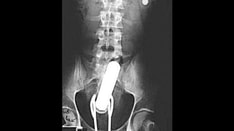
CausesPCP poisoning occurs when PCP is substituted for marijuana. Children may be poisoned by ingesting PCP solutions, PCP-laden leaves, PCP tablets, and sometimes by inhaling PCP smoke in a smoke-filled room. PCP poisoning has also been reported in body packers (ie, smugglers) who transport PCP across different territories. DIFFERENTIALSAlcohol-Related Psychosis Amphetamine-Related Psychiatric Disorders Caffeine-Related Psychiatric Disorders Cocaine-Related Psychiatric Disorders Delirium Delirium Tremens Encephalopathy, Hypertensive Encephalopathy, Uremic Head Trauma Heatstroke Hypertension Hypertension, Malignant Hyperthyroidism Hypoglycemia Meningitis Metabolic Acidosis Neuroleptic Malignant Syndrome Toxicity, Cocaine Wernicke-Korsakoff Syndrome
|
| Drug Name | Dextrose 50% in water injection, D50W |
|---|---|
| Description | Used to raise serum glucose level in hypoglycemia. |
| Adult Dose | 0.5-1 g/kg dextrose IV bolus or 50 mL of 50% dextrose solution |
| Pediatric Dose | Neonates: 200 mg/kg (2 mL 10% glucose in water/kg) IV bolus Children: 0.5 g/kg dextrose IV bolus or 2-4 mL/kg of 20% dextrose solution |
| Contraindications | Documented sensitivity to corn or corn products; diabetic coma; intracranial or intraspinal hemorrhage; dehydrated delirium tremens; anuria; hepatic coma; glucose-galactose malabsorption syndrome |
| Interactions | Destabilizes effect of oral hypoglycemic agents or insulin |
| Pregnancy | C - Safety for use during pregnancy has not been established. |
| Precautions | Common adverse reactions include fever, infection at infusion site, tissue necrosis, venous thrombosis, phlebitis, extravasation, hypovolemia, hypervolemia |
Cofactors required for aerobic cellular respiration.
| Drug Name | Thiamine (Thiamilate) |
|---|---|
| Description | Indicated in cases of possible thiamine deficiency, such as Wernicke encephalopathy; should be considered in all patients with altered mental status. |
| Adult Dose | 100 mg PO/IV/IM qd |
| Pediatric Dose | Not established |
| Contraindications | Documented hypersensitivity |
| Interactions | None reported |
| Pregnancy | A - Safe in pregnancy |
| Precautions | Should be administered together with or prior to dextrose-containing fluids in possible thiamine deficiency; however, in the presence of severe hypoglycemia, dextrose infusion must not be delayed; sensitivity reactions can occur (intradermal test dose recommended in patients with possible sensitivity); deaths have resulted from IV use |
Prevent or reverse opioid effects (ie, hypotension, respiratory depression, sedation).
| Drug Name | Naloxone (Narcan) |
|---|---|
| Description | Indicated in patients exhibiting respiratory compromise in setting of narcotic overdose. May be indicated in comatose patients in whom history is not available. Small increments (0.1 mg IVP) should be used until desired effect is obtained. High doses may precipitate narcotic withdrawal. |
| Adult Dose | 0.1-0.2 mg IV/IM q2-3min until desired effect is obtained or total of 10 mg administered |
| Pediatric Dose | 0.1 mg/kg IV/IM/SC, repeat q2-3min prn |
| Contraindications | Documented hypersensitivity |
| Interactions | Decreases analgesic effects of narcotics; may reduce efficacy of clonidine; may induce toxicity of sympathomimetics or anticholinergics |
| Pregnancy | B - Usually safe but benefits must outweigh the risks. |
| Precautions | Caution in patients with cardiovascular disease; may precipitate withdrawal symptoms in patients addicted to opiates |
Mainstay of therapy for most toxic psychoses and agitated delirium; first-line drugs for treatment of convulsions.
| Drug Name | Lorazepam (Ativan) |
|---|---|
| Description | DOC; may be used IV and is well-absorbed after IM injection. Onset of action occurs within min of an injection, and effects peak 15-20 min after injection. Duration of action is 6-8 h. No active metabolites. |
| Adult Dose | 4 mg IV/IM; may repeat q15min prn; not to exceed 8 mg |
| Pediatric Dose | 0.1 mg/kg IV; maximum rate 2 mg/min; not to exceed 4 mg/dose |
| Contraindications | Documented hypersensitivity; preexisting CNS depression; hypotension; narrow-angle glaucoma |
| Interactions | CNS toxicity of benzodiazepines increases when used concurrently with alcohol, phenothiazines, barbiturates, and MAOIs |
| Pregnancy | D - Unsafe in pregnancy |
| Precautions | Caution in patients with renal or hepatic impairment, myasthenia gravis, organic brain syndrome, Parkinson disease, cardiac disease |
Prevent absorption of PCP from GI tract.
| Drug Name | Activated charcoal (Actidose-Aqua, Liqui-Char) |
|---|---|
| Description | Multiple doses (ie, pulse charcoal) may be administered in setting of PCP overdose because of reported extensive enterohepatic recirculation. Allows adsorption of substances present in GI tract to its network of micropores. |
| Adult Dose | 1 g/kg PO, first dose generally mixed with a cathartic (eg, sorbitol) |
| Pediatric Dose | <2 years: 1 g/kg PO, without cathartic >2 years: Administer as in adults |
| Contraindications | Documented hypersensitivity; poisoning or overdosage of mineral acids and alkalies; possible intestinal obstruction |
| Interactions | May inactivate syrup of ipecac if used concomitantly; effectiveness of other medications decreases with coadministration; do not mix with sherbet, milk, or ice cream (decreases absorptive properties) |
| Pregnancy | C - Safety for use during pregnancy has not been established. |
| Precautions | Airway must be protected prior to GI infusions because pulmonary aspiration may result in serious chemical pneumonitis |
Increase pH of blood and urine.
| Drug Name | Sodium bicarbonate (Neut) |
|---|---|
| Description | Indicated for PCP-induced rhabdomyolysis, severe hyperkalemia, and severe acidosis encountered in the setting of massive myolysis and renal failure. |
| Adult Dose | 1 mEq/kg IV bolus or infusion of 200 mL/h (mix 2-3 amp of sodium bicarbonate in 1000 mL D5W); rate adjustments guided by clinical status; blood pH is maintained at 7.45, urine pH is maintained at approximately 7.5-8.0 |
| Pediatric Dose | 1 mEq/kg IV |
| Contraindications | Documented hypersensitivity; patients diagnosed with alkalosis, hypernatremia, hypocalcemia, severe pulmonary edema, and unknown abdominal pain |
| Interactions | Adrenergic substances may precipitate in alkaline solutions; urinary alkalinization induced by increased sodium bicarbonate concentrations may cause decreased levels of lithium, tetracyclines, chlorpropamide, methotrexate, and salicylates; increases levels of amphetamines, pseudoephedrine, flecainide, anorexiants, mecamylamine, ephedrine, quinidine, and quinine; may increase levels of PCP (but risk of rhabdomyolysis-induced renal failure outweighs that of PCP increases) |
| Pregnancy | C - Safety for use during pregnancy has not been established. |
| Precautions | Caution in patients with hypokalemia, hypocalcemia, pulmonary edema, and renal failure; extravasation can cause tissue necrosis; caution in toddlers <2 y |
Once in kidneys, exert an osmotic diuresis.
| Drug Name | Mannitol (Osmitrol) |
|---|---|
| Description | Indicated for prophylaxis and treatment of pigment-induced renal failure secondary to rhabdomyolysis in PCP and cocaine poisoning, among others. |
| Adult Dose | 1 g/kg (20% solution) IV over 20-30 min |
| Pediatric Dose | Initial dose: 0.5-1 g/kg IV Maintenance dose: 0.25-0.5 g/kg IV q4-6h |
| Contraindications | Documented hypersensitivity; anuria; severe pulmonary congestion; progressive renal damage; severe dehydration; active intracranial bleeding; progressive heart failure |
| Interactions | Potentiates other diuretics; may decrease serum lithium levels |
| Pregnancy | C - Safety for use during pregnancy has not been established. |
| Precautions | May crystallize with concentrations higher than 20%; may cause hypovolemia and electrolyte abnormalities; carefully evaluate cardiovascular status before rapid administration because a sudden increase in extracellular fluid may lead to fulminating CHF |
Toxicity, Phencyclidine excerpt
Article Last Updated: Jun 21, 2006