Continually Updated Clinical Reference
 
 
  All Sources     eMedicine     Medscape     Drug Reference     MEDLINE
 
eMedicine - Pharyngitis, Bacterial : Article by

Quick Find
Authors & Editors
Introduction
Clinical
Differentials
Workup
Treatment
Medication
Follow-up
Miscellaneous
References

Related Articles
Infectious Mononucleosis

Peritonsillar Abscess

Pharyngitis, Viral


Patient Education
Ear, Nose, and Throat Center

Tonsillitis Overview

Tonsillitis Causes

Tonsillitis Symptoms

Tonsillitis Treatment

Sore Throat Overview


Author: Benoy J Thomas, MD, Attending Physician, Department of Emergency Medicine, Santa Clara Valley Medical Center

Benoy J Thomas is a member of the following medical societies: American College of Emergency Physicians

Coauthor(s): Robert D Powers, MD, MPH, Professor, Chief, Division of Emergency Medicine, University of Connecticut School of Medicine and Hartford Hospital; Michael T Lawlor, MD, PhD, Consulting Staff, Department of Internal Medicine, Division of Infectious Diseases, Hartford Hospital

Editors: Kenneth C Earhart, MD, FACP, Deputy Head, Disease Surveillance Program, United States Naval Medical Research Unit #3; Francisco Talavera, PharmD, PhD, Senior Pharmacy Editor, eMedicine; Gordon L Woods, MD, Consulting Staff, Department of Internal Medicine, University Medical Center; Eleftherios Mylonakis, MD, Clinical and Research Fellow, Department of Internal Medicine, Division of Infectious Diseases, Massachusetts General Hospital; Burke A Cunha, MD, Professor of Medicine, State University of New York School of Medicine at Stony Brook; Chief, Infectious Disease Division, Winthrop-University Hospital

Author and Editor Disclosure

Synonyms and related keywords: bacterial pharyngitis, tonsillopharyngitis, acute tonsillitis, group A Streptococcus, GAS, streptococcal pharyngitis, Streptococcus pyogenes, S pyogenes, acute pharyngitis, upper respiratory tract infections, streptococcal fever, rheumatic fever, acute rheumatic fever, ARF, scarlet fever, acute glomerulonephritis, poststreptococcal glomerulonephritis, Yersinia enterocolitica, Y enterocolitica, Neisseria gonorrhoeae, N gonorrhoeae, Mycoplasma pneumoniae, M pneumoniae, Corynebacterium diphtheriae, C diphtheriae, Chlamydia pneumoniae, C pneumoniae, Arcanobacterium haemolyticum, A haemolyticum, respiratory diphtheria, Vincent angina, Vincent's angina, non-group A Streptococcus, non-GAS infection

Background

Acute pharyngitis is an inflammatory process of the oropharynx, primarily caused by infections. Upper respiratory tract infections are the most common reason patients seek medical care. In the United States each year, more than 10 million patients are diagnosed with acute pharyngitis. Viruses account for well over half of these cases. Several species of bacteria are also capable of causing acute pharyngitis and of these, group A Streptococcus (GAS) is the most common and important.

The significance of streptococcal pharyngitis relates to its acute morbidity, occasional suppurative complications, and infrequent nonsuppurative sequelae of rheumatic fever and poststreptococcal glomerulonephritis. GAS is the only commonly occurring form of acute pharyngitis for which antibiotic therapy is indicated.

Appropriate antibiotic treatment of GAS pharyngitis leads to more rapid resolution of symptoms and helps prevent rheumatic fever. On the other hand, antibiotic treatment of acute pharyngitis caused by organisms other than GAS is of negligible clinical value, exposes patients to the risk of complications from antibiotic therapy, and promotes emergence of antibiotic resistant bacteria. Therefore, the pertinent clinical issue in the evaluation of patients with acute pharyngitis is the differentiation of GAS infection from other causes. This article primarily focuses on GAS pharyngitis and concludes with a brief discussion of other causes of bacterial pharyngitis.

Pathophysiology

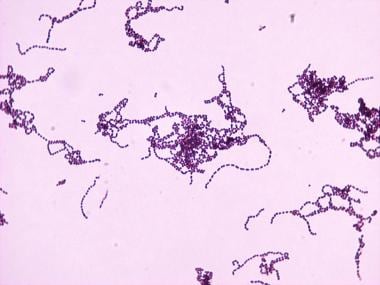
GAS pharyngitis is an acute infection of the oropharynx with Streptococcus pyogenes. Large respiratory droplets transmit the organism from person to person. Person-to-person contact (eg, crowded households, schools, dormitories, military barracks) enhances the spread of infection. Food- and water-borne outbreaks are reported. Fomites and household pets are not known to be vectors for GAS infections.

Communicability of streptococcal pharyngitis occurs during acute infection and, in untreated patients, gradually decreases over a period of weeks. Patients are no longer contagious within 24 hours of initiation of appropriate antimicrobial therapy. Asymptomatic nasopharyngeal carriage is common.

S pyogenes is a group A beta-hemolytic Streptococcus. S pyogenes produces many toxins and enzymes responsible for its pathogenesis, including streptolysin O and S; deoxyribonucleases A, B, C, and D; hyaluronidase; streptokinase; and pyrogenic toxins. The major virulence factor for GAS is the M protein, which is located peripherally in the cell wall. M-protein expression is required for invasive infection. More than 100 M-protein serotypes are described. Long-term type-specific immunity follows infection, but reinfection with another M serotype is common. In a susceptible host, cross-reactive antibodies to certain M-protein epitopes play a role in the development of the nonsuppurative sequelae. The erythrogenic toxin, which causes the rash of scarlet fever, is produced by certain strains of S pyogenes, which have been lysogenized by a bacteriophage carrying the gene for this exotoxin.

Frequency

United States

GAS accounts for fewer than 25% of all episodes of pharyngitis. Although endemic all year, streptococcal pharyngitis has its peak occurrence during late winter and early spring in temperate climates.

International

S pyogenes has a worldwide distribution.

Mortality/Morbidity

Morbidity and mortality from streptococcal pharyngitis is extremely rare but may be due to one of its complications.

  • Morbidity of rheumatic fever is related to carditis and valvular damage. In developing countries, rheumatic heart disease accounts for 25-40% of all cardiovascular disease.
  • Poststreptococcal glomerulonephritis generally is self-limited. Patients may develop renal scarring with chronic proteinuria or hematuria. Renal failure is a rare complication.
  • Infrequently, patients develop localized purulent complications, which can include otitis media, sinusitis, peritonsillar and retropharyngeal abscess, and suppurative cervical adenitis.

Race

No racial or ethnic predisposition to infection or complications is known.

Sex

Both sexes are affected equally.

Age

Streptococcal pharyngitis can affect persons of all ages, with a peak incidence in children aged 5-15 years.

  • In children, GAS accounts for approximately 30% of cases of acute pharyngitis.
  • The prevalence of GAS is significantly lower in adults, accounting for only 5-10% of cases of pharyngitis.
  • Acute streptococcal pharyngitis is unusual in children younger than 2 years. When infected with GAS, these children more commonly have a protracted illness with low-grade fever, clear rhinitis, irritability, and anorexia (so-called streptococcal fever).


History

  • The usual incubation period for streptococcal pharyngitis is 2-5 days.
  • The clinical picture is characterized by an abrupt onset of the following:
    • Sore throat
    • Fever
    • Chills
    • Malaise
    • Headache
  • Nausea, vomiting, and abdominal pain are common in children.
  • Rhinorrhea, cough, hoarseness, conjunctivitis, and diarrhea typically are not observed in patients with streptococcal infection; however, a broad overlap occurs in the clinical manifestations of streptococcal and nonstreptococcal pharyngitis.

Physical

  • Prominent physical findings include erythema and inflammation of the uvula and pharynx.
  • The tonsils are enlarged and may have patchy grayish-white exudates.
  • Palatal petechiae, while less common, are suggestive of streptococcal pharyngitis.
  • Enlarged, tender, anterior cervical lymph nodes and a temperature of 101°F or higher are frequently present.
  • Clinical findings are unreliable in the diagnosis of streptococcal pharyngitis. Physicians who rely on clinical impression alone are likely to overtreat the patient for streptococcal pharyngitis.
  • Several clinical algorithms have been devised to improve the diagnostic accuracy of streptococcal pharyngitis. The most reliable predictors include tonsillar exudates, tender anterior cervical lymphadenopathy, absence of cough, and history of fever. The presence of 3 or 4 of these criteria has a positive predictive value of 40-60%. The absence of 3 or 4 of the criteria has a negative predictive value of 80%. Both the sensitivity and specificity of this prediction rule are 75% compared with throat cultures.

Causes

  • Acute pharyngitis is an inflammatory process of the oropharynx, primarily caused by infections.
  • Although viruses account for most cases of acute pharyngitis, many bacteria are also capable of causing this illness.
  • GAS is the most common and important bacterial cause of acute pharyngitis.
  • For other causes of bacterial pharyngitis, see Special Concerns.


Infectious Mononucleosis
Peritonsillar Abscess
Pharyngitis, Viral

Other Problems to be Considered

Allergic reaction
Croup or laryngotracheobronchitis
Epiglottitis
Foreign body
Gastroesophageal reflux
Laryngitis
Ludwig angina
Oropharyngeal or laryngeal tumor
Retropharyngeal or prevertebral space abscess
Thyroiditis


Lab Studies

  • Throat culture
    • Throat culture is considered the criterion standard for diagnosing streptococcal pharyngitis.
    • Obtain the specimen by vigorously swabbing both the tonsils and the posterior pharynx. Sheep blood agar is the culture medium of choice. The cultures should be incubated for 48 hours.
    • A positive result does not reliably distinguish acute streptococcal pharyngitis from viral pharyngitis in a patient with asymptomatic GAS carriage. Therefore, treating all patients with positive results from throat cultures will result in a few patients receiving unnecessary treatment.
    • The false-negative rate for a properly performed throat culture is 5-10%, and many patients with this result are thought to be chronic GAS carriers who do not require treatment. Therefore, a negative throat culture result has a very high negative predictive value for GAS pharyngitis and effectively eliminates the need for therapy.
    • The major drawback of throat culture is the 18-48 hours required for obtaining results. This delay does not decrease the ability to prevent rheumatic fever, but it can make convincing patients of the wisdom of withholding antibiotics difficult for the physician.
  • Rapid antigen detection tests
    • Rapid antigen detection tests (RADTs) detect the presence of the group A carbohydrate antigen. RADTs are more expensive than throat cultures but can be performed at the bedside and can be completed in minutes.
    • The RADTs, when compared to the criterion standard of throat culture, have reported sensitivities of 80-90% and specificities of 90-100%, depending on the type of test used and the practice setting.
    • The enzyme immunoassay tests offer significantly improved sensitivity compared to the earlier latex agglutination–based test.
    • The results from the latest RADTs, using optical immunoassay and chemiluminescent DNA probes, reportedly have sensitivities and specificities equivalent to those of throat culture, although early studies have had mixed results.
    • Because sensitivities of RADTs vary, performing a throat culture after a negative RADT result is recommended in pediatric patients suspected of having GAS infection. Adults have a low incidence of streptococcal infection and an extremely low risk of rheumatic fever. Therefore, negative RADT results in an adult is considered satisfactory to exclude the diagnosis of streptococcal pharyngitis.
  • Streptococcal antibody tests
    • Serum antibody testing has no role in the diagnosis or treatment of patients with acute streptococcal pharyngitis.
    • Elevated or rising antistreptococcal antibody titers provide reliable confirmation of a recent GAS infection and may be of value in patients with possible nonsuppurative complications of streptococcal infections (eg, acute rheumatic fever [ARF], poststreptococcal glomerulonephritis).
    • Do not use serologic tests to differentiate carriage from infection.
    • The most commonly used antibody tests are antistreptolysin O (ASO) and antideoxyribonuclease B (anti-DNase B). ASO titers rise and fall more quickly than anti-DNase B titers, but elevated titers for both tests can persist for several weeks to months.
  • White blood cell count, erythrocyte sedimentation rate, and C-reactive protein level: Results have a low predictive value and are not useful in the evaluation of acute pharyngitis.

Imaging Studies

  • Imaging studies are not indicated for patients with uncomplicated pharyngitis.
  • Lateral neck films should be obtained if the clinical presentation suggests acute epiglottitis.
  • A CT scan may be of value if suppurative complications develop, including retropharyngeal, parapharyngeal, or prevertebral space abscess.


Medical Care

Patients with streptococcal pharyngitis should receive a 10-day course of penicillin or an equivalent antibiotic if they are allergic to penicillin.

  • Treatment should be started immediately in all patients with a positive antigen test result (ie, RADT). Throat culture is not necessary to confirm the diagnosis.
  • In a child or adolescent with symptoms that strongly suggest streptococcal pharyngitis but who have a negative RADT result, 2 courses of action can be taken: (1) obtain a throat culture and begin treatment 48 hours later if the culture result is positive or (2) obtain a throat culture and begin treatment immediately, with the plan of stopping treatment in 48 hours if the culture findings are negative.
  • Delaying treatment for 48 hours does not increase the risk of rheumatic fever, while initiating treatment immediately exposes some patients to the risk of unnecessary antibiotic therapy. Therefore, delaying treatment until the results of the throat culture are available is probably the most appropriate approach in most cases. However, in patients with exposure to a known case of streptococcal pharyngitis or those who would be difficult to reach by phone in 48 hours, antimicrobial therapy can be initiated while throat culture results are pending, provided such therapy is discontinued if the diagnosis of streptococcal pharyngitis is not confirmed.
  • The usual course of therapy includes fluids, rest, antipyretics, and antibiotics. Warm saltwater gargles can ease throat discomfort.
  • Throat lozenges containing benzocaine are available over the counter and provide temporary relief of pain.

Surgical Care

If an abscess complicates pharyngitis, patients may require consultation with an otolaryngologist or interventional radiologist for appropriate drainage therapy.

Consultations

Generally, consultations are not indicated for patients with uncomplicated streptococcal pharyngitis.

  • Evaluation by an otolaryngologist may be necessary for suppurative complications, including peritonsillar abscess, prevertebral space abscess, and mastoiditis.
  • Consultation with an infectious diseases specialist may be indicated for patients who are immunocompromised.

Diet

Allow a regular diet as tolerated. Warm liquids can provide symptomatic relief.

Activity

Encourage rest during the acute illness.


According to published guidelines of the Infectious Diseases Society of America, antimicrobial therapy is indicated for patients with acute pharyngitis in whom GAS has been confirmed by microbiologic or immunologic methods. First-line therapy is penicillin, to which GAS remains remarkably sensitive. Second-line agents include beta-lactams and macrolide antibiotics. Macrolide resistance remains low in the United States but is increasing worldwide.

Drug Category: Antibiotics

Antibiotic therapy decreases infectivity after 24 hours and may reduce the duration of illness. Antibiotic therapy also prevents most suppurative and nonsuppurative complications of streptococcal pharyngitis. Therapy generally prevents ARF, even if delayed by 9 days after the onset of symptoms.

Drug NamePenicillin G benzathine (Bicillin LA, Permapen)
DescriptionInterferes with synthesis of cell wall mucopeptides during active multiplication, which results in bactericidal activity.
Penicillin is DOC to treat GAS pharyngitis, as recommended by expert committees of the American Heart Association, American Academy of Pediatrics, and the Infectious Disease Society of America, because of its proven efficacy, safety, narrow spectrum, and low cost. Preferred for patients unlikely to complete a full 10-d PO course. Antimicrobial resistance has not been a significant issue in the treatment of patients with streptococcal pharyngitis in the United States.
Adult Dose1.2 million U IM single dose
Pediatric Dose<27 kg: 600,000 U IM single dose
>27 kg: Administer as in adults
ContraindicationsDocumented hypersensitivity
InteractionsProbenecid can increase effectiveness by decreasing clearance; coadministration with tetracyclines can decrease effectiveness
PregnancyB - Usually safe but benefits must outweigh the risks.
PrecautionsAdjust dose in renal impairment

Drug NamePenicillin VK (Beepen VK)
DescriptionInhibits biosynthesis of cell wall mucopeptide. Bactericidal against sensitive organisms when adequate concentrations are reached and most effective during stage of active multiplication. Inadequate concentrations may be ineffective. Treatment of choice for GAS pharyngitis, as recommended by expert committees of the American Heart Association, American Academy of Pediatrics, and the Infectious Disease Society of America, because of its proven efficacy, safety, narrow spectrum, and low cost. Antimicrobial resistance has not been a significant issue in the treatment of streptococcal pharyngitis in the United States.
Adult Dose250 mg PO tid/qid or 500 mg PO bid for 10 d
Pediatric DoseChildren: 250 mg PO tid/qid for 10 d
Adolescents: 250 mg PO tid/qid for 10 d or 500 mg PO bid for 10 d
ContraindicationsDocumented hypersensitivity
InteractionsProbenecid may increase effectiveness by decreasing clearance
PregnancyB - Usually safe but benefits must outweigh the risks.
PrecautionsAdjust dose in renal impairment

Drug NameAmoxicillin (Amoxil, Biomox, Trimox)
DescriptionInterferes with synthesis of cell wall mucopeptides during active multiplication, resulting in bactericidal activity against susceptible bacteria. Often used in place of oral penicillin VK in young children. Efficacy appears to be equal to that of penicillin VK, and this choice is primarily related to acceptance of the taste of the suspension.
Adult Dose500 mg PO tid for 10 d
Pediatric DoseChildren: 250 mg PO bid for 10 d
Adolescents: Administer as in adults
ContraindicationsDocumented hypersensitivity
InteractionsReduces efficacy of oral contraceptives
PregnancyB - Usually safe but benefits must outweigh the risks.
PrecautionsAdjust dose in renal impairment; may enhance risk of candidiasis

Drug NameErythromycin (E.E.S., E-Mycin, Ery-Tab, Erythrocin)
DescriptionInhibits bacterial growth, possibly by blocking dissociation of peptidyl t-RNA from ribosomes, causing RNA-dependent protein synthesis to arrest. Indicated for patients allergic to penicillin. Resistance to macrolides has not been a clinically significant problem in North America, with <5% of GAS isolated in the United States found to be resistant to erythromycin.
Adult Dose333 mg PO tid for 10 d or 500 mg PO qid for 10 d
Pediatric Dose20-40 mg/kg/d PO divided bid/tid for 10 d
ContraindicationsDocumented hypersensitivity; hepatic impairment
InteractionsCoadministration may increase toxicity of theophylline, digoxin, carbamazepine, and cyclosporine; may potentiate anticoagulant effects of warfarin; coadministration with lovastatin and simvastatin increases risk of rhabdomyolysis
PregnancyB - Usually safe but benefits must outweigh the risks.
PrecautionsLiver disease; estolate formulation may cause cholestatic jaundice; adverse GI effects are common (give doses pc); discontinue use if nausea, vomiting, malaise, abdominal colic, or fever occur

Drug NameCephalexin (Keflex)
DescriptionFirst-generation cephalosporin that arrests bacterial growth by inhibiting bacterial cell wall synthesis. Bactericidal activity against rapidly growing organisms. PO cephalosporins are highly effective for streptococcal pharyngitis, and several studies have found them to have slightly higher eradication rates than those of penicillin. Second-line agents in the treatment of patients with GAS pharyngitis.
Adult Dose500 mg PO qid for 10 d
Pediatric Dose12.5 mg/kg or 250 mg tid/qid for 10 d
ContraindicationsDocumented hypersensitivity
InteractionsCoadministration with aminoglycosides increases nephrotoxic potential
PregnancyB - Usually safe but benefits must outweigh the risks.
PrecautionsAdjust dose in renal impairment

Drug NameClindamycin (Cleocin)
DescriptionLincosamide for treatment of serious skin and soft tissue staphylococcal infections. Also effective against aerobic and anaerobic streptococci (except enterococci). Inhibits bacterial growth, possibly by blocking dissociation of peptidyl t-RNA from ribosomes, causing RNA-dependent protein synthesis to arrest. Second-line agent. More effective than penicillin in eliminating chronic streptococcal carriage.
Adult Dose300 mg PO tid for 10 d
Pediatric Dose20-30 mg/kg/d PO tid for 10 d
ContraindicationsDocumented hypersensitivity; regional enteritis, ulcerative colitis, hepatic impairment, or antibiotic-associated colitis
InteractionsIncreases duration of neuromuscular blockade induced by tubocurarine and pancuronium; erythromycin may antagonize effects; antidiarrheals may delay absorption
PregnancyB - Usually safe but benefits must outweigh the risks.
PrecautionsAdjust dose in severe hepatic dysfunction; no adjustment necessary in renal insufficiency; associated with severe and possibly fatal colitis by allowing overgrowth of Clostridium difficile

Drug NameAzithromycin (Zithromax)
DescriptionFor patients with mild-to-moderate microbial infections and has several appealing features. Can be given as a single daily dose, is better tolerated than erythromycin in patients who are allergic to penicillin, and is effective in a 5-d course; however, much more expensive and should be avoided as first-line therapy for patients with streptococcal pharyngitis.
Adult DoseDay 1: 500 mg PO
Days 2-5: 250 mg PO qd
Pediatric Dose>6 months
Day 1: 10 mg/kg PO once; not to exceed 500 mg/d
Days 2-5: 5 mg/kg PO qd; not to exceed 250 mg/d
ContraindicationsDocumented hypersensitivity; hepatic impairment; do not administer with pimozide
InteractionsMay increase toxicity of theophylline, warfarin, and digoxin; effects are reduced with coadministration of aluminum and/or magnesium antacids; nephrotoxicity and neurotoxicity may occur when coadministered with cyclosporine
PregnancyB - Usually safe but benefits must outweigh the risks.
PrecautionsSite reactions can occur with IV route; bacterial or fungal overgrowth may result with prolonged antibiotic use; may increase hepatic enzymes and cholestatic jaundice; caution in patients with impaired hepatic function, prolonged QT intervals, or pneumonia; caution in patients who are hospitalized, elderly, or debilitated

Drug NameCefditoren (Spectracef)
DescriptionSemisynthetic cephalosporin administered as prodrug. Hydrolyzed by esterases during absorption and distributed in circulating blood as active cefditoren. Bactericidal activity results from inhibition of cell wall synthesis via affinity for penicillin-binding proteins. No dose adjustment necessary for mild renal impairment (CrCl 50-80 mg/L/min/1.73 m2) or mild-to-moderate hepatic impairment. Indicated for the treatment of acute exacerbation of pharyngitis/tonsillitis caused by susceptible strains of S pyogenes.
Adult Dose200 mg PO with meals bid for 10 d
Moderate renal impairment (CrCl 30-49 mL/min/1.73 m2: Not to exceed 200 mg PO bid
Severe renal impairment (CrCl <30 mL/min/1.73 m2): 200 mg PO qd
Pediatric Dose<12 years: Not established
>12 years: Administer as in adults
ContraindicationsDocumented hypersensitivity to drug, penicillin, related compounds, or milk protein sodium caseinate; carnitine deficiency or inborn errors of metabolism that may result in clinically significant carnitine deficiency
InteractionsAbsorption reduced with H2 receptor antagonists; antacids of magnesium and aluminum hydroxides may reduce absorption; probenecid may increase plasma concentrations
PregnancyB - Usually safe but benefits must outweigh the risks.
PrecautionsMay cause diarrhea, nausea, and vaginal moniliasis (yeast infection); pseudomembranous colitis may occur; clinical manifestations of carnitine deficiency may occur with prolonged use; prolonged use may result in emergence and overgrowth of resistant organisms; caution in breastfeeding

Drug Category: Corticosteroids

Patients with very severe inflammatory symptoms may benefit from agents that provide anti-inflammatory effects in the first 24 hours.

Drug NameDexamethasone (Decadron)
DescriptionAnti-inflammatory. For symptom relief in patients with severe exudative pharyngitis. Decreases inflammation by suppressing migration of polymorphonuclear leukocytes and reducing capillary permeability.
Adult Dose10 mg IM single dose
Pediatric Dose0.6 mg/kg PO/IM single dose; not to exceed 10 mg
ContraindicationsDocumented hypersensitivity
InteractionsEffects decrease with coadministration of barbiturates, phenytoin, and rifampin; decreases effect of salicylates and vaccines used for immunization
PregnancyC - Safety for use during pregnancy has not been established.
PrecautionsIncreases risk of multiple complications, including severe infections; monitor adrenal insufficiency when tapering drug; abrupt discontinuation of glucocorticoids may cause adrenal crisis; hyperglycemia, edema, osteonecrosis, myopathy, peptic ulcer disease, hypokalemia, osteoporosis, euphoria, psychosis, myasthenia gravis, growth suppression, and infections are possible complications


Further Inpatient Care

  • Generally, inpatient care is not indicated unless the patient's condition is complicated by severe dehydration or airway compromise.

Further Outpatient Care

  • Reculturing for test of cure is not indicated unless the patient remains symptomatic or if the patient or family member has a history of rheumatic fever.
  • Streptococcal carriers are not at risk for rheumatic fever, are unlikely to transmit infection, and do not require treatment unless a history of rheumatic fever exists in the patient or siblings.
  • Asymptomatic family contacts should be cultured if a person in the family has a history of rheumatic fever.

Complications

  • Both suppurative and nonsuppurative complications can occur. Nonsuppurative complications include scarlet fever, ARF, and acute glomerulonephritis.
  • Suppurative complications of streptococcal pharyngitis are rare but can result from direct extension of streptococci into adjacent structures, causing the following:
    • Peritonsillar cellulitis
    • Peritonsillar abscess
    • Retropharyngeal abscess
    • Parapharyngeal abscess
    • Otitis media
    • Sinusitis
    • Mastoiditis
    • Intracranial venous sinus thrombosis
    • Pneumonia
  • Acute airway obstruction has been reported as one of the manifestations of acute GAS infection.
  • Streptococcal toxic shock syndrome (TSS) has been reported following acute pharyngitis, but streptococcal TSS should always prompt aggressive evaluation for another site of infection.
  • Very rarely, bacteremic spread can lead to meningitis, brain abscess, endocarditis, suppurative arthritis, osteomyelitis, and liver abscess.
  • Scarlet fever results from pharyngeal infection with a streptococcal strain that produces erythrogenic toxins.
    • The clinical syndrome is of acute pharyngitis with a scarlatiniform rash that usually appears on the second day of illness. The rash begins on the trunk and spreads outward, sparing the palms and soles.
    • Occlusion of sweat glands imparts a sandpaper texture to the skin.
    • Desquamation occurs during convalescence.
    • Cutaneous manifestations of scarlet fever result from delayed-type hypersensitivity to the exotoxins.
    • Linear petechial streaks in the skin folds are known as Pastia lines.
    • Other features include circumoral pallor and strawberry tongue.
    • No increased risk of nonsuppurative streptococcal sequelae exists with scarlet fever.
    • Treatment is the same as that for patients with streptococcal pharyngitis.
  • For ARF, based on early studies in military populations, the incidence rate following untreated streptococcal pharyngitis is as high as 3%. Attack rates of ARF have declined sharply over several decades and, in nonepidemic settings, are believed to be less than 0.5% in untreated streptococcal pharyngitis. However, outbreaks of rheumatic fever in the mid-1980s in varied geographic areas demonstrated that ARF still remains a risk in the United States.
    • The onset of ARF is 2 weeks after a preceding streptococcal pharyngitis. Streptococcal skin infections do not lead to ARF. Antibodies to specific M-protein epitopes cross-react with myocardial proteins, antigens in the basal ganglia, and articular cartilage. Host factors, including class II HLA antigens, may contribute to the pathogenesis of rheumatic fever. Certain M-protein types (ie, 1, 3, 5, 6, 18, 19, 24) are associated with ARF. Therapy for GAS infections initiated within 9 days of the onset of symptoms can prevent ARF.
    • ARF is defined by a combination of clinical and laboratory findings, using the modified Jones criteria. Major criteria include carditis, arthritis, chorea, subcutaneous nodules, and erythema marginatum. Minor criteria include fever, arthralgia, first-degree heart block, and elevated acute phase reactants (ie, erythrocyte sedimentation rate, C-reactive protein). In the setting of a preceding GAS infection, 2 major criteria or 1 major and 2 minor criteria strongly support the diagnosis of ARF.
    • Arthritis is the most common manifestation and occurs in 50-100% of patients with ARF. It is a migratory polyarthritis, affecting large joints and resolving over several weeks without articular damage. Carditis occurs in 40-50% of patients and can vary from subtle myocardial involvement to severe pancarditis, resulting in heart failure and death. Endocarditis primarily involves the mitral and aortic valves and can cause mitral and aortic valve stenosis. Specific manifestations of ARF vary with age; arthritis is more common in adults, and carditis is more common in children.
    • Treatment of patients with ARF is aimed at reducing inflammation (high-dose aspirin in mild disease and corticosteroids in more severe illness). Patients who have had an attack of ARF are at a very high risk of developing recurrences after subsequent streptococcal pharyngitis and need continuous antimicrobial prophylaxis to prevent such recurrences. Penicillin is the agent of choice for secondary prophylaxis. All patients who have had rheumatic fever should receive secondary prophylaxis for at least 5 years or until patients are aged 21 years, whichever is longer. In patients with rheumatic carditis, prophylaxis should be continued for at least 10 years, and some experts recommend lifelong prophylaxis.
  • Poststreptococcal glomerulonephritis is an acute inflammatory disorder that causes diffuse proliferative lesions of the glomeruli. It is the leading cause of acute nephritic syndrome.
    • Patients with overt disease present with anasarca, hypertension, hematuria, and proteinuria.
    • Glomerulonephritis develops approximately 10 days after pharyngitis or 2 weeks after a cutaneous infection with a nephritogenic strain of GAS.
    • The known nephritic strains include M types 1, 2, 4, 12, 18, 25, 49, 55, 57, and 60.
    • No evidence suggests that treatment of patients with an antecedent streptococcal throat infection can prevent the development of acute glomerulonephritis.
    • Generally, the disease is self-limited, without any permanent sequelae.

Prognosis

  • Streptococcal pharyngitis is a self-limited illness. In patients with untreated streptococcal pharyngitis, symptoms usually resolve within 4-10 days.
  • The likelihood of ARF developing varies immensely with the degree of severity of pharyngitis.

Patient Education

  • Instruct the patient to complete the full course of antibiotic therapy, even if symptoms resolve. Also, warn the patient about both suppurative and nonsuppurative complications.
  • Instruct the patient about the symptomatic treatment of pharyngitis. Ibuprofen has been found to be superior to acetaminophen for analgesia. Warm saline gargles and throat lozenges may be helpful for relieving symptoms.
  • For excellent patient education resources, visit eMedicine's Ear, Nose, and Throat Center. Also, see eMedicine's patient education articles Tonsillitis and Sore Throat.


Medical/Legal Pitfalls

  • Despite widespread concern regarding rising antimicrobial resistance, antibiotics continue to be over-prescribed for upper respiratory tract infections. Using diagnostic tests to carefully select patients for therapy substantially reduces unnecessary antibiotic use. However, overcoming a patient's desire to receive an antibiotic for what is likely a viral pharyngitis can be challenging. Uncertainty, fear of missing the diagnosis of GAS pharyngitis, and lack of time needed to provide patient education can lead practitioners to prescribe antibiotics when they are not necessary.
  • All patients with documented GAS infections should complete a full 10-day course of antibiotics to prevent ARF, even though symptoms may resolve in 5 days.

Special Concerns

  • When multiple episodes of pharyngitis occur over the course of several months, differentiating viral infections in a streptococcal carrier from actual GAS infections may be difficult. Certain antimicrobial agents, such as clindamycin and amoxicillin/clavulanate, have high rates of pharyngeal eradication of streptococci.
  • Other causes of bacterial pharyngitis include the following:
    • Non-group A Streptococcus
      • Groups C and G streptococci are responsible for community- and food-borne cases of acute pharyngitis. Contaminated milk, egg salad, and chicken salad are linked to food-borne outbreaks.
      • The clinical features of non-GAS pharyngitis can be indistinguishable from those of S pyogenes infection.
      • Glomerulonephritis reportedly follows groups C and G infections, but rheumatic fever does not occur.
      • Groups C and G streptococci are often normal flora of the upper respiratory tract, and differentiating colonization from infection is difficult.
      • Diagnosis is made by throat culture on sheep blood agar.
      • The benefit of antimicrobial therapy is unknown. Penicillin or clindamycin provides effective therapy.
    • Vincent angina
      • Vincent angina is an acute exudative infection of the pharynx or tonsils caused by a mixture of anaerobic oral bacteria and spirochetes.
      • Poor oral hygiene, malnutrition, leukopenia, immunodeficiency, and therapeutic neck irradiation predispose patients to this uncommon disease.
      • Clinical findings include foul smelling breath, odynophagia, submandibular lymphadenopathy, and a membranous purulent exudate on the pharynx and tonsils.
      • With abscess formation, inflammation and swelling of the peritonsillar area occurs, with medial displacement of the tonsil. The infection is usually limited to one side; bilateral involvement causes a partial obstruction of the pharynx.
      • Vincent angina is diagnosed using a crystal violet-stained smear of the pharyngeal exudate, which demonstrates the presence of Fusobacterium and spirochetes.
      • Surgical or dental debridement plus oral penicillin or clindamycin is the recommended treatment for patients with anaerobic pharyngitis.
    • Arcanobacterium haemolyticum
      • A haemolyticum has been identified increasingly as a cause of acute pharyngitis that typically affects adolescents and young adults.
      • Symptoms can be indistinguishable from streptococcal pharyngitis, including an associated scarlatiniform rash.
      • In rare cases, A haemolyticum may cause a membranous pharyngitis that mimics diphtheria.
      • Diagnosis depends on finding typical pharyngitis, often with a rash, in an adolescent or young adult with a negative test result for GAS.
      • Culture on blood agar shows beta-hemolysis after 48-72 hours.
      • The treatment of choice has not been defined, but a 10-day course of erythromycin is adequate. Penicillin is probably ineffective.
    • Chlamydia pneumoniae
      • C pneumoniae can produce pharyngitis with or without pneumonia.
      • Symptoms include fever, cough, and sore throat.
      • Severe pharyngitis with laryngitis is suggestive.
      • Swelling and pain of deep cervical lymph nodes may be prominent.
      • Hallmarks are recurrence and persistence despite antimicrobial therapy.
      • A fluorescent monoclonal test exists for detection of C pneumoniae.
      • Treatment is tetracycline for adults and erythromycin for children.
    • Corynebacterium diphtheriae
      • C diphtheriae is an extremely rare cause of life-threatening pharyngitis in the United States and occurs primarily in unimmunized or poorly immunized populations. From 1980-1995, only 41 cases of respiratory diphtheria were reported in the United States. However, in 1995, a large diphtheria outbreak in Russia involved more than 50,000 patients.
      • The disease has a slow onset, and, after an incubation period of 2-4 days, it manifests as mild pharyngeal discomfort and a low-grade fever.
      • The characteristic physical finding is a grayish-brown pseudomembrane that involves the tonsils and oropharynx. Removal of the membrane reveals a bleeding and edematous submucosa.
      • Soft tissue edema and cervical adenopathy may create a bull-neck appearance.
      • Extension of the illness into the larynx can cause life-threatening respiratory obstruction.
      • C diphtheriae also causes toxin-mediated myocardial damage and neurologic toxicity.
      • The diagnosis is made based on clinical and epidemiologic grounds and should be confirmed by culture in Loeffler or tellurite selective medium.
      • Treatment is with equine hyperimmune diphtheria antitoxin, penicillin or erythromycin, and supportive care.
      • Diphtheria is fully preventable through immunization.
    • Mycoplasma pneumoniae
      • M pneumoniae usually causes a mild pharyngitis.
      • Pharyngeal and tonsillar exudates, cervical lymphadenopathy, bullous myringitis, and otitis are common findings.
      • Concomitant lower respiratory tract infections, atypical pneumonia, or tracheobronchitis are often present.
    • Neisseria gonorrhoeae
      • Gonococcal pharyngitis is a sexually transmitted disease that may occur independently of genital infection and should be considered in women and in homosexual or bisexual men who practice fellatio.
      • Gonococcal pharyngeal infection appears to be important as a reservoir of N gonorrhoeae, as a potential source for gonococcemia, and as a possible cause of symptomatic pharyngitis.
      • The diagnosis is supported by culture on Thayer-Martin medium. Differentiating N gonorrhoeae from other Neisseria species that occur as normal oral flora is important.
      • Treatment is a single intramuscular dose of ceftriaxone (125 mg) or a single dose of oral ciprofloxacin (500 mg). A single dose of oral azithromycin (1 g) or oral doxycycline (100 mg bid for 7 d) should also be administered for possible chlamydial co-infection.
    • Yersinia enterocolitica
      • Y enterocolitica causes an exudative pharyngitis associated with ingestion of contaminated food or beverages.
      • In adults, this condition may occur without the gastroenteritis that is observed in children.
      • Clinical findings include fever, prominent cervical lymphadenopathy, and abdominal pain with or without diarrhea.
      • In some cases, a fulminant course with high mortality has been associated with Yersinia pharyngitis, demonstrating that early recognition is critical.
      • Y enterocolitica is usually resistant to penicillin but susceptible to aminoglycosides, trimethoprim-sulfamethoxazole, and third-generation cephalosporins.


  • American Academy of Pediatrics. Group A streptococcal infections. In: Red Book: Report of the Committee on Infectious Diseases. 25th ed. American Academy of Pediatrics;2000:526-36.
  • Armstrong GL, Pinner RW. Outpatient visits for infectious diseases in the United States, 1980 through 1996. Arch Intern Med. Nov 22 1999;159(21):2531-6. [Medline].
  • Bisgard KM, Hardy IR, Popovic T, et al. Respiratory diphtheria in the United States, 1980 through 1995. Am J Public Health. May 1998;88(5):787-91. [Medline].
  • Bisno AL. Acute pharyngitis. N Engl J Med. Jan 18 2001;344(3):205-11. [Medline].
  • Bisno AL. Acute pharyngitis: etiology and diagnosis. Pediatrics. Jun 1996;97(6 Pt 2):949-54. [Medline].
  • Bisno AL, Gerber MA, Gwaltney JM Jr, et al. Diagnosis and management of group A streptococcal pharyngitis: a practice guideline. Infectious Diseases Society of America. Clin Infect Dis. Sep 1997;25(3):574-83. [Medline].
  • Bisno AL, Stevens DL. Streptococcus pyogenes. In: Mandell GL, Bennett JE, Dolin R, eds. Mandell, Douglas, and Bennett's Principles and Practice of Infectious Disease. Vol 2. 5th ed. New York, NY: Churchill Livingstone; 2000:. 2103-7.
  • Bisno AL, Gerber MA, Gwaltney JM. Practice guidelines for the diagnosis and management of group A streptococcal pharyngitis. Clin Infect Dis. 2002;35:113.
  • Calubiran OV, Zackson E, Cunha B. Group B Streptococcus hemorrhagic tonsillopharyngitis. Ann Emerg Med. Aug 1990;19(8):951-2. [Medline].
  • Cooper RJ, Hoffman JR, Bartlett JG, et al. Principles of appropriate antibiotic use for acute pharyngitis in adults: background. Ann Intern Med. Mar 20 2001;134(6):509-17. [Medline].
  • Cunha BA. The Sore Throat: Mycoplasma pneumoniae pharyngitis. Emerg Med. 1988;20:245-52.
  • Cunha BA. Group A streptococcal pharyngitis. Emerg Med. 1990;22:93-6.
  • Cunha BA. Group A streptococcal pharyngitis versus colonization. Intern Med. 1994;15:18-9.
  • Cunha BA. Antibiotic selection for the treatment of sinusitis, otitis media, and pharyngitis. Infect Dis Clin Pract. 1998;7:324-6.
  • Dajani A, Taubert K, Ferrieri P, et al. Treatment of acute streptococcal pharyngitis and prevention of rheumatic fever: a statement for health professionals. Committee on Rheumatic Fever, Endocarditis, and Kawasaki Disease of the Council on Cardiovascular Disease in the Young, the American. Pediatrics. Oct 1995;96(4 Pt 1):758-64. [Medline].
  • Gwaltney JM Jr, Bisno AL. Pharyngitis. In: Mandell, GL, Bennett, JE, Dolin R, eds. Mandell, Douglas, and Bennett's Principles and Practice of Infectious Disease. Vol 1. 5th ed. New York, NY: Churchill Livingstone; 2000:. 656-62.
  • Humes HD, Dupont HL, eds. Pharyngitis. In: Kelley's Textbook of Internal Medicine. 4th ed. Baltimore, Md: Lippincott Williams & Wilkins; 2000:. 1966-9.
  • Kaplan EL. Recent epidemiology of group A streptococcal infections in North America and abroad: an overview. Pediatrics. Jun 1996;97(6 Pt 2):945-8. [Medline].
  • Kline JA, Runge JW. Streptococcal pharyngitis: a review of pathophysiology, diagnosis, and management. J Emerg Med. Sep-Oct 1994;12(5):665-80. [Medline].
  • Middleton DB. Pharyngitis. Prim Care. Dec 1996;23(4):719-39. [Medline].
  • O''Brien JF, Meade JL, Falk JL. Dexamethasone as adjuvant therapy for severe acute pharyngitis. Ann Emerg Med. Feb 1993;22(2):212-5. [Medline].
  • Rafei K, Lichenstein R. Airway infectious disease emergencies. Pediatr Clin North Am. Apr 2006;53(2):215-42.
  • Snow V, Mottur-Pilson C, Cooper RJ, et al. Principles of appropriate antibiotic use for acute pharyngitis in adults. Ann Intern Med. Mar 20 2001;134(6):506-8. [Medline].
  • Wiesner PJ, Tronca E, Bonin P, et al. Clinical spectrum of pharyngeal gonococcal infection. N Engl J Med. Jan 25 1973;288(4):181-5. [Medline].

Pharyngitis, Bacterial excerpt

Article Last Updated: Aug 1, 2006