Continually Updated Clinical Reference
 
 
  All Sources     eMedicine     Medscape     Drug Reference     MEDLINE
 
eMedicine - Pericarditis, Constrictive : Article by

Quick Find
Authors & Editors
Introduction
Clinical
Differentials
Workup
Treatment
Medication
Follow-up
Miscellaneous
Acknowledgments
Multimedia
References

Related Articles
Amyloidosis

Atrial Myxoma

Cardiac Cirrhosis

Cardiac Neoplasms, Primary

Cardiac Sarcoma

Cardiac Tamponade

Cardiomyopathy, Dilated

Cardiomyopathy, Restrictive

Hemochromatosis

Nephrotic Syndrome

Ovarian Cancer

Pericardial Effusion

Pericarditis, Acute

Pericarditis, Constrictive-Effusive

Pericarditis, Uremic

Sarcoidosis

Superior Vena Cava Syndrome

Tricuspid Regurgitation

Tricuspid Stenosis

Uremia


Patient Education
Click here for patient education.


Author: Darren S Sidney, MD, MS, Cardiology Fellow, Department of Medicine, Medical University of South Carolina

Coauthor(s): Terrence X O'Brien, MD, FACC, Office of Research and Development, Ralph H Johnson Veterans Affairs Medical Center; Professor, Department of Medicine, Division of Cardiology, Medical University of South Carolina

Editors: Eric Vanderbush, MD, Chief, Department of Internal Medicine, Division of Cardiology, Clinical Assistant Professor, Harlem Hospital Center and Columbia University; Francisco Talavera, PharmD, PhD, Senior Pharmacy Editor, eMedicine; Ronald J Oudiz, MD, Director of Pulmonary Hypertension, Associate Professor, Department of Medicine, Division of Cardiology, Harbor-UCLA Medical Center, David Geffen School of Medicine at UCLA; Amer Suleman, MD, Consultant in Electrophysiology and Cardiovascular Medicine, Department of Internal Medicine, Division of Cardiology, Medical City Dallas Hospital; George A Stouffer III, MD, Henry A Foscue Distinguished Professor of Medicine and Cardiology, Director of Interventional Cardiology, Cardiac Catheterization Laboratory, Chief of Clinical Cardiology, Division of Cardiology, University of North Carolina Medical Center

Author and Editor Disclosure

Synonyms and related keywords: constrictive pericarditis, pericardium, acute pericarditis, chronic pericarditis, pericarditis, diastolic filling, restrictive cardiomyopathy, calcific constrictive pericarditis, pericardial effusion, pericardial organization, chronic fibrotic scarring, calcification, restricted cardiac filling, idiopathic pericarditis, infectious pericarditis, radiation-induced pericarditis, postsurgical pericarditis, postmyocardial infarction pericarditis, Kussmaul sign, tuberculosis, tuberculous pericarditis, postradiation constrictive pericarditis, cardiac surgery, pericardiectomy, pericardial constriction, viral pericarditis, coxsackievirus A, coxsackievirus B, echoviruses, adenoviruses, purulent pericarditis, coronary artery bypass grafting, neoplasms, uremia, connective tissue disorders, drug-induced pericarditis, chylopericardium, bacterial pericarditis, fungal pericarditis

Background

The thousand mysteries around us would not trouble but interest us, if only we had cheerful, healthy hearts.

–Nietzche

If we all had healthy hearts, the mysteries of the heart would not trouble us; however, constrictive pericarditis certainly has been a mystery and remains a diagnostic challenge to this day.

The history of constrictive pericarditis is replete with some of the most famous names in medicine. Richard Lower described a patient with dyspnea and an intermittent pulse in 1669. Lancisi first reported on the constrictive syndrome in 1828. Corrigan described the pericardial knock in 1842. Kussmaul described his sign and the associated paradoxical pulse in 1873.1, 2, 3

Constrictive pericarditis has symptoms that overlap a variety of diseases as diverse as myocardial infarction, aortic dissection, pneumonia, influenza, and connective tissue disorders. This overlap can confuse the most skilled diagnostician. An increased suspicion for constriction helps move it to the top of the broad differential diagnosis and provides for a correct diagnosis and timely therapy.

Constrictive pericarditis occurs when a thickened fibrotic pericardium, of whatever cause, impedes normal diastolic filling. This usually involves the parietal pericardium, although it can involve the visceral pericardium (see Pericarditis, Constrictive-Effusive). Acute and subacute forms of pericarditis (which may or may not be symptomatic) may deposit fibrin, which may, in turn, evoke a pericardial effusion. This often leads to pericardial organization, chronic fibrotic scarring, calcification, and restricted cardiac filling.4

The classic diagnostic conundrum of constrictive pericarditis is the difficulty in distinguishing it from restrictive cardiomyopathy (see Cardiomyopathy, Restrictive) and other syndromes associated with elevated right-sided pressures that all share similar symptoms, physical findings, and hemodynamics. Although obtaining a careful history and performing a physical examination remain the cornerstones of evaluation, technologic advances have facilitated diagnosis, particularly with the appropriate use of Doppler echocardiography, high-resolution computed tomography (CT), magnetic resonance imaging (MRI), and invasive hemodynamic measurement. 

Pathophysiology

The normal pericardium is composed of 2 layers: the tough fibrous parietal pericardium and the smooth visceral pericardium. Usually, approximately 50 mL of fluid (plasma ultrafiltrate) is present in the intrapericardial space to minimize friction during cardiac motion.5

Acute and subacute forms of pericarditis (which may or may not be symptomatic) may deposit fibrin, which may, in turn, evoke a pericardial effusion. This often leads to pericardial organization, chronic fibrotic scarring, and calcification, most often involving the parietal pericardium (see Pericarditis, Constrictive-Effusive).6

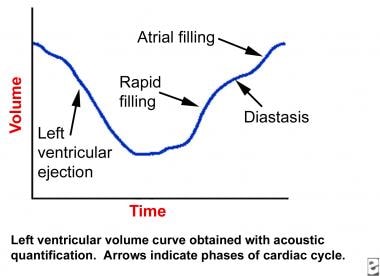
This thickened fibrotic pericardium, regardless of cause, impedes normal late diastolic filling, distinguishing constrictive from restrictive pericarditis. Since the myocardium is unaffected, early ventricular filling during the first third of diastole is unimpeded, but afterwards, the stiff pericardium affects flow and hemodynamics. In other words, the ventricular pressure decreases rapidly early (producing a steep y descent on right atrial pressure waveform tracings) and then increases abruptly to a level that is sustained until systole ("dip-and-plateau waveform" or "square root sign" seen on right or left ventricular pressure waveform tracings).7

The clinical symptoms and classic hemodynamic findings can be explained by early rapid diastolic filling and elevation and equalization of the diastolic pressures in all of the cardiac chambers restricting late diastolic filling, leading to venous engorgement and decreased cardiac output, all secondary to a confining pericardium.

Frequency

United States

Similar to many diseases that in the past were predominantly infectious in origin, the clinical spectrum of constrictive pericarditis has changed in recent years. Approximately 9% of patients with acute pericarditis for any reason go on to develop constrictive physiology.8 The true frequency is therefore dependent on the incidence of the specific causes of pericarditis, but since acute pericarditis is only clinically diagnosed in 1 in 1,000 hospital admissions, the frequency of a diagnosis of constrictive pericarditis is less than 1 in 10,000 hospital admissions.

International

In the developing world, infectious etiologies remain more prominent (tuberculosis has the highest total incidence).

Mortality/Morbidity

  • Scant data exist because the disease is rare. 
  • The underlying disease usually determines the prognosis. Poorer prognoses are associated with malignancy and New York Heart Association (NYHA) class III or IV heart failure symptoms.
  • Long-term survival after pericardiectomy depends on the underlying cause. Of common causes, idiopathic constrictive pericarditis has the best prognosis (88% survival at 7 years), followed by constriction due to cardiac surgery (66% at 7 years). The worst postpericardiectomy prognosis occurs in postradiation constrictive pericarditis (27% survival at 7 years). This likely represents confounding comorbidities. Predictors of poor outcomes in patients who undergo pericardiectomy including history of prior radiation, worsening renal function, pulmonary hypertension, systolic heart failure, hyponatremia, and advanced age.9

Race

  • No race predilection exists for this disorder.

Sex

  • Most likely a male predominance exists, with a male-to-female ratio of 3:1 in some studies.

Age

  • Cases have been reported in persons aged 8-70 years. Predilection is likely reflective of the underlying disease.
  • Historical studies suggest a median age of 45 years, while more recent studies suggest a median age of 61 years. This likely reflects a demographic change that is likely to continue.


History

  • Constrictive pericarditis presents with a myriad of symptoms, making a diagnosis based solely on clinical history virtually impossible. Additionally, these symptoms may develop slowly over a number of years such that patients may not be aware of all of their symptoms until questioned.
  • Dyspnea tends to be the most common presenting symptom and occurs in virtually all patients. Fatigue and orthopnea are common.
  • Lower-extremity edema and abdominal swelling and discomfort are other common symptoms. Nausea, vomiting, and right upper quadrant pain, if present, are thought to be due to hepatic congestion, bowel congestion, or both.
  • The initial history may be more compatible with liver disease (cryptogenic cirrhosis) than with pericardial constriction because of the predominance of findings related to the venous system.
  • Chest pain, presumably due to active inflammation, may be present, although this is observed in a minority of patients.

Physical

  • General findings
    • In the early stages, physical findings may be subtle, requiring close examination to avoid missing the diagnosis.
    • In more advanced stages, the patient may appear ill, with marked muscle wasting, cachexia, or jaundice.
    • Constriction should be considered in the presence of otherwise unexplained jugular venous distention, pleural effusion, hepatomegaly, or ascites.
  • Cardiovascular findings
    • Elevated jugular venous pressures are an almost universal finding.
    • Avoid examining the patient only in the supine position because venous pressures may be above the angle of the jaw and inadvertently mistaken for normal.
    • Sinus tachycardia is common while the blood pressure is normal or low, depending on the stage of the disease process.
    • The apical impulse is often impalpable, and the patient may have distant or muffled heart sounds.
    • A pericardial knock, which corresponds with the sudden cessation of ventricular filling early in diastole, occurs in approximately half the cases and may be mistaken for an S3 gallop. However, a knock is of higher frequency than an S3 and occurs slightly earlier in diastole.
    • A cardiac murmur is typically not present unless concomitant valvular heart disease or a fibrous band that constricts the right ventricular outflow tract is present.
    • Pulsus paradoxicum (paradoxus) is a variable finding and, if present, rarely exceeds 10 mm Hg unless a concomitant pericardial effusion with an abnormally elevated pressure exists.
    • The Kussmaul sign (ie, elevation of systemic venous pressures with inspiration) is a common nonspecific finding, but this sign is also observed in patients with right ventricular failure, restrictive cardiomyopathy, right ventricular infarction, and tricuspid stenosis, although, importantly, not in patients with cardiac tamponade.
  • Gastrointestinal, pulmonary, and other organ system findings
    • Hepatomegaly with prominent hepatic pulsations can be detected in as many as 70% of patients.
    • Other signs that result from chronic hepatic congestion include ascites, spider angiomata, and palmar erythema, which can contribute to the common but erroneous diagnosis of primary liver disease.
    • Peripheral edema is a common finding, although it may be less prominent in younger patients with competent venous valves.

Causes

The varied etiologies of constrictive pericarditis parallel those of acute pericarditis (see Pericarditis, Acute), which is a common precipitant. All forms of pericarditis may eventually lead to pericardial constriction. Generally, these can be broken down by frequency into common, less common, and rare forms. The top 3 causes of constrictive pericarditis are idiopathic (presumably viral), postcardiothoracic surgery, and irradiation therapy, which, according to a recent study, are responsible for 46%, 37%, and 9%, respectively, of cases of constrictive pericarditis (in patients who underwent surgical therapy).9

  • The following are common etiologies:
    • Idiopathic: In many cases, particularly in developed countries, no antecedent diagnosis can be found. These cases are termed idiopathic. Reports by many authors indicate that a high percentage of idiopathic cases of constrictive pericarditis may be related to previously recognized or unrecognized viral pericarditis. Of the viruses, coxsackievirus A and B, other echoviruses, and adenoviruses are most commonly implicated.8
    • Infectious (bacterial): Tuberculosis is the leading cause of constrictive pericarditis in developing nations but represents only a minority of causes in the United States and other developed countries. Bacterial infections that lead to purulent pericarditis are also declining in frequency. In the past, purulent pericarditis associated with pneumococcal pneumonia was the most common presentation of a bacterial source. However, the widespread use of antibiotics has drastically changed the frequency and spectrum of purulent pericarditis such that the most common presentation now occurs following cardiac surgery. An increasing number of gram-positive organisms, including multiple resistant strains of staphylococci, may be isolated. Group A and B streptococci and gram-negative rods (eg, Pseudomonas species, Escherichia coli, and Klebsiella species) have also been documented.
    • Infectious (viral [see also Idiopathic]): Coxsackievirus, hepatitis, adenovirus, and echovirus. 
    • Radiation-induced: The long-term effects of thoracic and mediastinal radiation therapy (eg, used in the treatment of hematological, breast, and other malignancies) are being increasingly realized. The common features of radiation-induced cardiac complications stem from microcirculation injury with endothelial damage, capillary rupture, and platelet adhesion. This sets up an inflammatory response, which may either resolve or organize to form adhesions between the visceral pericardium and the parietal pericardium, which leads to constriction. Generally, radiation-induced constrictive pericarditis presents 5-10 years after radiation therapy and is more likely to present with an associated pericardial effusion. In a study by Bertog in 2004, the median time between radiation and pericardiectomy was 11 years, with a broad range of 2-30 years, which is consistent with other previous studies.9
    • Postsurgical: Any operative or invasive (catheterization) procedure in which the pericardium is opened, manipulated, or damaged may invoke an inflammatory response, leading to constrictive pericarditis. The most common example is constrictive pericarditis in the setting of previous coronary artery bypass grafting.
  • The following are less common etiologies:
    • Infectious (fungal): Fungal infections are an uncommon source of constrictive pericarditis in patients who are immunocompetent. Nocardia species can be causative organisms, especially in endemic areas such as the Ohio Valley. Aspergillus, Candida, and Coccidioides species are important pathogens in patients infected with HIV and in other immunocompromised hosts.
    • Neoplasms: Malignant involvement may also manifest as pericardial effusion (with or without tamponade) or as an encased heart with thickening of both visceral and parietal layers, resulting in constrictive physiology. Although many types of neoplasms have been reported, breast and lung carcinomas and lymphomas are the most common metastatic malignancies associated with constrictive pericarditis. Other malignancies that involve the pericardium with relative frequency include melanoma and mesothelioma.
    • Uremia: Constrictive pericarditis may develop in association with long-term hemodialysis.
    • Connective tissue disorders: Autoimmune disorders that involve the pericardium are not unusual, typically manifesting as a small pericardial effusion or as an episode of acute pericarditis. Chronic pericardial involvement is less common but can occur in patients with rheumatoid arthritis, usually associated with the presence of subcutaneous nodules. Systemic lupus erythematosus and scleroderma also may lead to constrictive pericarditis, and, in the latter, this carries a poor prognosis.
    • Drug-induced: Procainamide and hydralazine have been reported to cause constrictive pericarditis through a drug-induced lupuslike syndrome. Methysergide therapy also has been implicated as a cause of constrictive pericarditis.
    • Trauma: Although uncommon, both blunt and penetrating trauma to the chest wall have been reported to cause constrictive pericarditis, presumably through an inflammatory mechanism.
    • Myocardial infarction: Postmyocardial infarction constrictive pericarditis has been reported. The patient typically has a history of Dressler syndrome or hemopericardium after thrombolytic therapy.
  • The following are rare etiologies:
    • Toxic or metabolic: Uremia with chronic hemodialysis can lead to constrictive pericarditis and is usually associated with a pericardial effusion.
    • Intrapericardial instrumentation: Constrictive pericarditis after implantation of an epicardial pacemaker or automated implantable cardiac defibrillator is a rare but reported phenomenon.
    • Hereditary: Mulibrey nanism is an autosomal recessive disorder characterized by multiple abnormalities, including dwarfism, constrictive pericarditis, abnormal fundi, and fibrous dysplasia of the long bones.
    • Chemical trauma: Constrictive pericarditis following sclerotherapy for esophageal varices is rare.
    • Chylopericardium: This is a rare cause of constrictive pericarditis.


Amyloidosis
Atrial Myxoma
Cardiac Cirrhosis
Cardiac Neoplasms, Primary
Cardiac Sarcoma
Cardiac Tamponade
Cardiomyopathy, Dilated
Cardiomyopathy, Restrictive
Hemochromatosis
Nephrotic Syndrome
Ovarian Cancer
Pericardial Effusion
Pericarditis, Acute
Pericarditis, Constrictive-Effusive
Pericarditis, Uremic
Sarcoidosis
Superior Vena Cava Syndrome
Tricuspid Regurgitation
Tricuspid Stenosis
Uremia

Other Problems to be Considered

One of the more difficult distinctions to make is between constrictive pericarditis and restrictive cardiomyopathy. Because the physical findings may be identical, the physician must rely heavily on the patient's history and other ancillary tests, including CT, MRI, echocardiography, and invasive hemodynamic measurements.

Although still rare in absolute terms, sarcoidosis, amyloidosis, and hemochromatosis are the most commonly encountered infiltrative processes that lead to restrictive physiology. Cardiac fibrosis is another cause of restrictive cardiomyopathy that is becoming more frequent as cardiac patients with more common disorders live longer.

Congestive heart failure (systolic and/or diastolic) from a number of causes, including pressure-overload and myocardial, valvular, or atherosclerotic disease, must be excluded. For related information, see Medscape's Heart Failure Resource Center.

Cardiac tamponade as a result of hemopericardium, uremia, or malignancy may mimic constrictive pericarditis and is a critical distinction to make.

Right-sided valvular abnormalities that increase venous pressure, such as tricuspid stenosis or tricuspid regurgitation, can be confusing upon examination but can usually be diagnosed based on echocardiography.

Right atrial tumors, such as myxomas, can mimic constriction by compressing the tricuspid valve, but these are very rare and can be distinguished with echocardiography.

Superior vena cava syndrome and nephrotic syndrome can produce gross edema and ascites but, generally, are easily differentiated, especially with the use of modern imaging modalities.

Cryptogenic cirrhosis is a relatively common presentation, and primary liver disease is mistakenly diagnosed in many patients.

Ovarian carcinoma may be another consideration with ascites and edema.


Lab Studies

  • No laboratory data are diagnostic of constrictive pericarditis. However, as a result of the universal findings of a chronically elevated right atrial pressure and passive congestion of the liver, kidneys, and gastrointestinal tract, resultant abnormalities may be present. These include elevations in both conjugated and unconjugated bilirubin levels and elevated levels of hepatocellular function tests.
  • The level of brain natriuretic peptide (BNP), a cardiac hormone released in response to increased ventricular wall stretch, is often mildly increased in constrictive pericarditis (usually <150 ng/L). BNP levels are generally higher in restrictive cardiomyopathy (diagnostic if >650 ng/L) and may be useful in differentiating these disorders.10, 11
  • Hypoalbuminemia may be a result of both a protein-losing enteropathy and proteinuria that may approach nephrotic range.
  • If active or chronic inflammation is present, nonspecific markers, such as an elevated sedimentation rate or a normocytic normochromic anemia, may be present.
  • If an associated collagen vascular disorder is suggested, antinuclear antibody or rheumatoid factor should be measured.
  • Results from a purified protein derivative skin test should be positive in cases of tuberculous pericarditis (unless the patient is anergic).
  • Expect an elevation in the white blood cell count with an associated left shift in cases of bacterial pericarditis.
  • Cytologically examining the pericardial fluid, if present, helps diagnose a malignant cause (if not otherwise apparent).

Imaging Studies

  • Chest radiography
    • Although findings are insensitive for the presence of constrictive pericarditis, some classic findings are suggestive of the diagnosis when present within a compatible clinical context.
    • Severe pericardial calcification is found in 20-30% of patients (see Media file 1); however, it is not specific and does not prove pericardial constriction.12
    • If no significant pericardial effusion is present, the cardiac silhouette may appear normal.
    • The superior vena cava, azygous veins, or both may be dilated.
    • Pleural effusions are common and are usually bilateral.
    • Pulmonary edema is rare and might suggest other cardiac or lung disease.
  • Echocardiography
    • Echocardiography has been used for many years to help diagnose constrictive pericarditis and, in particular, to differentiate it from restrictive and other cardiomyopathies. Unfortunately, no echocardiographic finding is pathognomonic for constriction. However, when all the echocardiography data are taken together within a clinical context, the likelihood of constriction can usually be accurately assessed.
    • As a general principle, pericardial imaging by echocardiography is not sensitive and is not considered a reliable technique to visualize the pericardium. Admittedly, the pericardium can be echodense, but this is not always the case. CT scanning and MRI are considered the procedures of choice for imaging the pericardium.
    • Transesophageal echocardiography is more reliable than transthoracic echocardiography for helping to detect a thickened pericardium, especially if it is thick or very echogenic, but this is not nearly as accurate as CT or MRI.
    • The posterior motion of the otherwise normal interventricular septum relative to the less compliant ventricular walls (which are encased by the pericardium) correlates with the auscultatory pericardial knock (can be seen on M-mode and 2-dimensional echocardiography as an early diastolic septal notch or "septal bounce").13
    • Two-dimensional echocardiography can show evidence of right-sided pressure overload such as atrial septal shifting to the left with inspiration or dilated inferior and superior vena cavae and hepatic veins. These are nonspecific signs that can also occur in right heart failure as a result of other causes.
    • Doppler echocardiography provides important hemodynamic information.
      • Early rapid diastolic filling can be determined by interrogating forward flow at the mitral and tricuspid valve levels. These are termed the E (for early filling) and the A (for atrial filling) waves. The transtricuspid velocities show an opposite pattern to the transmitral (ie, across the tricuspid valve velocities increase with inspiration and decrease with expiration, across the mitral velocities decrease with inspiration and increase with expiration). The shortened deceleration time from these peak velocities is felt to correspond to the dip-and-plateau hemodynamics seen with limited early diastolic flow. The pulmonary vein Doppler inflow pattern also has respiratory variation, with its diastolic inflow being greater than systolic inflow, which itself may even reverse. These Doppler findings are sensitive when present, but, like many echocardiographic signs, their absence does not exclude constrictive hemodynamics.14, 15
      • Although technically challenging, Doppler ventricular inflow patterns can help distinguish constrictive from restrictive cardiac physiology. From a Doppler perspective, constriction limits ventricular filling and enhances ventricular interaction. Conversely, restriction generally limits ventricular distensibility. Respiratory variation is usually greater in constriction than in restriction (probably because of the normal intraventricular septum), usually with over 25% changes. With restriction, often the E/A ratio is more than 2, the deceleration time is less than 150 ms, and the relaxation time is less than 60 ms. Unfortunately, when such Doppler findings are not present, the diagnostic reliability decreases. If a concomitant pericardial effusion is present, it may account for some respiratory variation. 12
      • Tissue Doppler echocardiography, measures the actual endocardial and epicardial tissue velocities. Since myocardial relaxation itself is preserved in pure constrictive pericarditis, the early relaxation myocardial velocity (Ea, also known as Em) is normal, whereas it is abnormal with restriction (when intrinsic myocardial disease is present). For example, given that a normal Ea is more than 10 cm/s, a near-normal (>8 cm/s) Ea supports constriction, whereas a much lower Ea supports restriction.16 The newer method of speckle tracking of B-mode images measures cardiac longitudinal and circumferential deformation. Patients with constrictive pericarditis were found to have constrained circumferential deformation rather than the longitudinal constraint found in patients with restrictive cardiomyopathy.17
      • Doppler interrogation can be limited if patients cannot adequately vary their respiration or if concomitant myocardial disease, atrial fibrillation, or severe lung disease (eg, chronic obstructive pulmonary disease [COPD], which can lead to false-positive findings) is present. Since Doppler transmitral inflow respiratory variation can occur in COPD, other differences must then be examined. For example, the marked increase in inspiratory superior vena cava systolic flow seen in COPD is not seen in constriction.19
      • Measurements of diastolic function are load-dependent (ie, dependent on preload and afterload). If atrial and ventricular filling pressures are low, Doppler interrogation findings may be falsely negative. Likewise, if atrial and ventricular filling pressures are high, respiratory variation may be masked. In such cases, preload may be reduced with either medication or dynamic maneuvers, such as tilting the patient's head up or having the patient sit. These maneuvers may unmask respiratory variation.
  • Computed tomography
    • Conventional CT scanners may not help adequately visualize the parietal pericardium. However, the parietal pericardium can be visualized well using high-resolution CT. The pericardial thickness, degree of calcification, and distribution of these findings are easily measured.
    • The normal pericardium is 1-2 mm thick. An abnormal pericardial thickness is considered 3-4 mm thick or thicker.
    • Pericardial thickening of more than 4 mm assists in differentiating constrictive disease from restrictive cardiomyopathy, and a thickening of more than 6 mm adds even more specificity for constriction.
    • Supportive findings suggesting impaired right ventricular filling include dilation of the vena cava, hepatic vein, and right atrium as well as ascites or hepatosplenomegaly. 
    • False-negative results may occur if a long-standing thin pericardial scar without appreciable thickening is present. That is, normal pericardial thickness does not exclude pericardial constriction and the clinical situation must always be taken in account. Therefore, if the hemodynamics and presentation are otherwise compatible, the diagnosis must still be entertained despite unremarkable pericardial imaging.
  • Magnetic resonance imaging
    • The development of real-time, high-resolution MRI and the ability to acquire images in 50 ms or less makes MRI a sensitive method for imaging the pericardium.
    • As can be done with CT scanning, an MRI can be used to measure the pericardium for thickness, calcification, and distribution of abnormalities.
    • A thickened pericardium does not prove that constrictive pericarditis is present; it must be clinically correlated. Likewise, constriction can occur in a scarred fibrous pericardium of normal thickness.
    • Gated MRI has an advantage in determining whether pericardial fluid is hemorrhagic.
    • Obtaining CT scan images may be advantageous compared to performing MRI when pericardial calcium is particularly prominent.

Other Tests

  • Electrocardiogram
    • Chronic pericarditis is not associated with the classic ECG findings seen with acute pericarditis.
    • Findings of acute pericarditis (see Pericarditis, Acute) generally include diffuse concave ST-segment elevation that must be distinguished from other causes of ST elevation with PR depression. In most instances of acute pericarditis, the magnitude of the ST elevation is greater than one fourth of the T-wave height in the lateral V leads. In addition, if a history of these findings exists, the later development of constrictive pericarditis should be considered.
    • Over time, even if chronic pericarditis develops, no specific ECG patterns develop. Inverted T waves may persist, or all ECG findings may resolve to normal.
    • In long-standing cases, atrial fibrillation may occur, but this is certainly nonspecific.
    • If a pericardial effusion develops, a low QRS voltage may be present in the limb and chest leads. This must be distinguished from other causes of low voltage such as long-standing myocardial infarction, pleural effusion, postoperative state, or various cardiomyopathies.
    • When electrical alternans (a beat-to-beat cyclic shift in the QRS axis that may also involve the P and T waves) is present, cardiac tamponade (see Cardiac Tamponade) must be considered.

Procedures

Sometimes, despite the history, physical, lab results, and noninvasive testing, an accurate diagnosis of constrictive pericarditis cannot be made. When this diagnosis is not absolute, despite all of the available information, invasive procedures, particularly a right heart catheterization and/or endomyocardial biopsy, can help make or exclude the diagnosis.

Right heart catheterization

Traditional hemodynamic criteria for constrictive pericarditis are as follows:

  1. Elevated left and right ventricular diastolic pressures equalized within 5 mm Hg
  2. Right ventricular systolic pressure less than 55 mm Hg
  3. Mean right arterial pressure greater than 15 mm Hg
  4. Right ventricular end-diastolic pressure greater than one third of the right ventricular systolic pressure (narrow pulse pressure)
In the absence of these criteria, a diagnosis of restrictive pericarditis is favored.20

In addition, as mentioned earlier, one would also expect to see an exaggerated x descent with a steep y descent on right arterial pressure waveforms (W sign) as well as the square root sign (also known as the dip-and-plateau) on right or left ventricular tracings, which distinguishes this diagnosis from cardiac tamponade. Another hemodynamic parameter to look for is Kussmaul sign, which is failure of the right arterial pressure to decrease with inspiration, but this can also be seen in right heart failure, severe tricuspid regurgitation, and systemic venous congestion.7

Since the respiratory variations in intrathoracic pressures are not transmitted to the cardiac chambers in constriction, this leads to decreased left-sided filling on inspiration compared with the right side. Talreja et al took advantage of this approach in a recent study that looked at the area under the right and left ventricular curves during inspiration and expiration. They found a 100% positive predictive accuracy, 97% sensitivity, and 100% specificity for constriction with a systolic area index greater than 1.1 (comparing expiration vs peak inspiration). This was not a randomized controlled clinical study, and there was selection bias; however, this may prove to be another standard diagnostic criterion in the future.21

Although these signs are useful, in practice, uncertainty always exists when attempting to diagnose constrictive pericarditis. Fluid-filled catheters render notoriously poor fidelity tracings, which can lead to a misinterpretation of the hemodynamic data. Irregular rhythms, such as atrial fibrillation, may alter ventricular filling pressures based on the varying RR intervals. Variations in respiration patterns may affect hemodynamics, and patients should be instructed to breathe smoothly and uniformly during hemodynamic recordings. The patient's diastolic filling pressures can affect hemodynamic measurements, and some authors advocate infusing isotonic sodium chloride solution if the patient's left ventricular end-diastolic pressure is less than 15 mmHg to unmask occult constrictive pericarditis. Conversely, if the filling pressures are too high, subtle respiratory variations in pressure may be missed.8

Important etiologies of diastolic pressure equalization to include in the differential diagnosis are restrictive cardiomyopathy, cardiac tamponade, COPD and pneumothorax (pulmonary hyperinflation), dilated cardiomyopathy (if severe, all filling pressures may be high), atrial septal defect, and volume depletion (when all filling pressures are low).

Pericardial and endomyocardial biopsy

Occasionally, direct inspection and pericardial biopsy may be required to diagnose constriction.
If constriction is strongly suggested clinically, despite the pericardium being thin on imaging, after careful consideration, direct surgical inspection, biopsy, and pericardectomy may be required to diagnose definitively or to exclude the diagnosis.22

Despite the best attempts at diagnosing constrictive pericarditis, confirming the diagnosis may be impossible until surgery. Patients and their families need to be aware of this fact and that, in some cases, surgery may be considered exploratory.

Histologic Findings

See Pericardial and endomyocardial biopsy.


Medical Care

  • Medical management is generally ineffective in the vast majority of cases unless a prominent inflammatory component is present.
  • This is in contrast with acute pericarditis (see Pericarditis, Acute), in which the use of nonsteroidal anti-inflammatory agents, cyclooxygenase-2 inhibitors, colchicine, corticosteroids, or a combination thereof may provide benefit. However, even after optimal therapy of acute pericarditis, over time, the possibility of developing constriction exists. Other medical considerations are as follows:
    • Subacute constrictive pericarditis may respond to steroids if treated before pericardial fibrosis occurs.
    • Diuretics are commonly used to relieve congestion if ventricular filling pressures are clinically elevated. However, this may decrease cardiac output and requires careful monitoring.
    • Any therapy directed toward the causative disease is appropriate, such as antituberculosis medication.
    • Complications, such as atrial arrhythmias, require their own therapy as needed.
    • In general, beta-blockers and calcium channel blockers should be avoided because the sinus tachycardia that commonly occurs in constrictive pericarditis is compensatory in nature, maintaining cardiac output in a setting of fixed stroke volume (secondary to fixed diastolic filling).

Surgical Care

  • Complete pericardectomy is the definitive therapy and is a potential cure.23, 24, 26
    • Results are generally better if the procedure is performed earlier in the course, when less calcification is present and when the chance of abnormal myocardium or advanced heart failure is reduced.
    • Some judgment is required because patients who are asymptomatic (NYHA class I) or who have early NYHA stage II symptoms may be clinically stable for years.
    • Pericardial decortication should be as extensive as possible, especially at the diaphragmatic-ventricular contact regions. The surgical procedure can be long and is often technically complex. Complications may include excessive bleeding, atrial and ventricular arrhythmias, and ventricular wall ruptures. The 2 standard approaches are the anterolateral thoracotomy and a median sternotomy. Additionally, an excimer laser can be used severe adhesions occur between the pericardium and epicardium.26
    • The published surgical mortality rates range from 5-15%. Most recently, the perioperative mortality rate (within 30 days) was found to be 6.1%. The causes of death include progressive heart failure, sepsis, renal failure, respiratory failure, and arrhythmia. Significantly, 80-90% of patients who undergo pericardectomy  achieve NYHA class I or II postoperatively.
    • Even though the symptoms following a pericardiectomy are commonly improved, evidence of abnormal diastolic filling (which can be correlated with clinical status) often remains. Only 60% of patients have complete normalization of cardiac hemodynamics.26 Although some improved with time, persistent diastolic filling abnormalities tended to occur in patients who had a longer history of preoperative symptoms, supporting the concept of early operation in patients who are symptomatic.
    • In 58 patients who underwent total pericardectomy for constriction, 30% still had some significant symptoms after 4 years. These patients were more likely to have a persistent restrictive or constrictive pattern to their transmitral and transtricuspid Doppler signals as determined by respiratory recording.
    • New experimental devices are being investigated to access the pericardial space, including use in patients without significant effusions. Hopefully, the development of such devices, such as video-assisted thorascopy, can improve diagnostic and therapeutic options in patients with pericardial disease.25
    • Cardiac mortality and morbidity seems to be related to presurgical myocardial atrophy or fibrosis, which can be detected using CT. Excluding these patients keeps the mortality rate at the lower end of the range (5%).26
    • Postoperative low cardiac output can be treated in the usual fashion, including vasoactive pressors and intra-aortic balloon pump (IABP), if necessary.

Consultations

  • A cardiologist can assist with obtaining and interpreting echocardiographic imaging, hemodynamic measurements, and, if necessary, endocardial or pericardial biopsies.
  • Consultation with a cardiothoracic surgeon is appropriate when a pericardial procedure is being considered.

Diet

  • A low salt, fluid-restricted diet is probably beneficial.

Activity

  • Although no specific restrictions are needed, activity can often be severely limited by symptoms.


Surgical pericardectomy is clearly the treatment of choice for patients with constrictive pericarditis. Diuretics have been used in the early stages of the disease to improve pulmonary and systemic congestion. However, these should be used cautiously because any drop in intravascular volume may cause a corresponding drop in cardiac output.

Drug Category: Diuretics

These agents may improve pulmonary and systemic congestion. These should be used cautiously because any drop in intravascular volume may cause a corresponding drop in cardiac output.

Drug NameFurosemide (Lasix)
DescriptionAny loop diuretics may be used to treat volume overload. Always start at minimal dose necessary.
Adult Dose20 mg/d PO/IV
Pediatric DoseNot established
ContraindicationsDocumented hypersensitivity; hepatic coma; anuria; state of severe electrolyte depletion
InteractionsMetformin decreases concentrations; interferes with hypoglycemic effect of antidiabetic agents and antagonizes muscle-relaxing effect of tubocurarine; auditory toxicity appears to be increased with coadministration of aminoglycosides; hearing loss of varying degrees may occur; anticoagulant activity of warfarin may be enhanced when taken concurrently; increased plasma lithium levels and toxicity are possible when taken concurrently
PregnancyB - Fetal risk not confirmed in studies in humans but has been shown in some studies in animals
PrecautionsPerform frequent serum electrolyte, carbon dioxide, glucose, creatinine, uric acid, calcium, and BUN level determinations during first few months of therapy and periodically thereafter


Further Inpatient Care

  • Given the invasive nature of certain diagnostic procedures, inpatient care is often warranted in the workup.

Further Outpatient Care

  • Outpatient care may be appropriate in the early stages, particularly when the diagnosis is still uncertain and the symptoms are relatively stable.

In/Out Patient Meds

  • Commonly, diuretics (particularly loop-type) are titrated to optimal clinical volume status.
  • Any other medications used to treat patients with constrictive pericarditis would be specific to the underlying etiology of the pericardial disease.

Transfer

  • If adequate diagnostic or therapeutic modalities are not available, transfer to an appropriate facility is warranted.

Complications

  • Complications arise with failure to diagnose or treat constrictive pericarditis adequately, including any existing underlying etiology. Surgical intervention poses separate and significant complication risks (see Surgical Care).

Prognosis

  • Long-term prognosis with medical therapy alone is poor.
  • With surgery, the long-term outcome of patients with constrictive pericarditis has been shown to be independently less favorable with advanced age, poor renal function, abnormal left ventricular systolic function, high pulmonary artery systolic pressure, lower serum sodium level, worsening NYHA classification, and, most notably, with a postradiation cause. Pericardial calcification has shown no effect on survival.
  • A recent study showed postpericardiectomy survival rates of 71% and 52% at 5 and 10 years, respectively.
  • Long-term survival after pericardiectomy depends on the underlying cause. Of common causes, idiopathic constrictive pericarditis has the best prognosis, followed by constriction due to cardiac surgery.

Patient Education

  • Patients should discuss any unexplained dyspnea, abdominal swelling, or edema with their doctor.


Medical/Legal Pitfalls

  • Constrictive pericarditis is a potentially curable disease if diagnosed early, but it is potentially fatal if overlooked.
  • The clinician must always keep constrictive pericarditis in the differential of any patient who presents with unexplained dyspnea, gastrointestinal symptoms, ascites, or edema.

Special Concerns

Referral to a specialized center may be required.


Acknowledgments for this work include support by the Office of Research and Development, Medical Research Service, Ralph H. Johnson Department of Veterans Affairs Medical Center, and the Gazes Cardiac Research Institute, Department of Medicine, Medical University of South Carolina, Charleston, South Carolina. Dr. Weems Pennington is also acknowledged for the contributions he made to the previous version of this article. 


Media file 1:  Constrictive pericarditis. Anteroposterior and lateral chest radiograph from a patient with tuberculous constrictive pericarditis (arrows denote marked pericardial calcification).
Click to see larger pictureClick to see detailView Full Size Image
Media type:  X-RAY

Media file 2:  Right atrial pressure tracing showing marked y descents (arrows) in a patient with constrictive pericarditis.
Click to see larger pictureClick to see detailView Full Size Image
Media type:  Graph

Media file 3:  Simultaneous right and left ventricular pressure tracings showing diastolic equalization of pressures in both ventricles in a patient with constrictive pericarditis.
Click to see larger pictureClick to see detailView Full Size Image
Media type:  Graph


  1. Chevers N. Observations on diseases of the orifice and valves of the aorta. Guys Hosp Rep. 1842;7:387-92.
  2. Connolly DC, Mann RJ. Dominic J. Corrigan (1802-1880) and his description of the pericardial knock. Mayo Clin Proc. Dec 1980;55(12):771-3. [Medline].
  3. Fowler NO. Constrictive pericarditis: its history and current status. Clin Cardiol. Jun 1995;18(6):341-50. [Medline].
  4. Brockington GM, Zebede J, Pandian NG. Constrictive pericarditis. Cardiol Clin. Nov 1990;8(4):645-61. [Medline].
  5. Shabetai R. Constrictive pericarditis. In: Shabetai R, ed. The Pericardium. New York, NY: Grune & Stratton; 1981.
  6. Hancock EW. On the elastic and rigid forms of constrictive pericarditis. Am Heart J. Dec 1980;100(6 Pt 1):917-23. [Medline].
  7. Shabetai R. Pericardial Disease: etiology, pathophysiology, clinical recognition, and treatment. New York NY: Churchill Livingstone; 1995:1024-35.
  8. Griffin BP, Topol EJ. Pericardial Disease. In: Manual of Cardiovascular Medicine. 2nd ed. Philadelphia, Pennsylvania: Lippincott Williams and Wilkins; 2004:372-396.
  9. Bertog SC, Thambidorai SK, Parakh K, et al. Constrictive pericarditis: etiology and cause-specific survival after pericardiectomy. J Am Coll Cardiol. Apr 21 2004;43(8):1445-52. [Medline].
  10. Babuin L, Alegria JR, Oh JK, Nishimura RA, Jaffe AS. Brain natriuretic peptide levels in constrictive pericarditis and restrictive cardiomyopathy. J Am Coll Cardiol. Apr 4 2006;47(7):1489-91. [Medline].
  11. Leya FS, Arab D, Joyal D, et al. The efficacy of brain natriuretic peptide levels in differentiating constrictive pericarditis from restrictive cardiomyopathy. J Am Coll Cardiol. Jun 7 2005;45(11):1900-2. [Medline].
  12. Yazdani K, Maraj S, Amanullah AM. Differentiating constrictive pericarditis from restrictive cardiomyopathy. Rev Cardiovasc Med. 2005;6(2):61-71. [Medline].
  13. Sengupta PP, Mohan JC, Mehta V, Arora R, Khandheria BK, Pandian NG. Doppler tissue imaging improves assessment of abnormal interventricular septal and posterior wall motion in constrictive pericarditis. J Am Soc Echocardiogr. Mar 2005;18(3):226-30. [Medline].
  14. Appleton CP, Hatle LK, Popp RL. Cardiac tamponade and pericardial effusion: respiratory variation in transvalvular flow velocities studied by Doppler echocardiography. J Am Coll Cardiol. May 1988;11(5):1020-30. [Medline].
  15. Hurrell DG, Nishimura RA, Higano ST, et al. Value of dynamic respiratory changes in left and right ventricular pressures for the diagnosis of constrictive pericarditis. Circulation. Jun 1 1996;93(11):2007-13. [Medline].
  16. Sohn DW, Kim YJ, Kim HS, et al. Unique features of early diastolic mitral annulus velocity in constrictive pericarditis. J Am Soc Echocardiogr. Mar 2004;17(3):222-6. [Medline].
  17. Sengupta PP, Krishnamoorthy VK, Abhayaratna WP, Korinek J, Belohlavek M, Sundt TM, et al. Disparate Patterns of Left Ventricular Mechanics Differentiate Constrictive Pericarditis from Restrictive Cardiomyopathy. J Am Coll Cardiol Img. 2008;1:29-38.
  18. Oh JK, Hatle LK, Seward JB, et al. Diagnostic role of Doppler echocardiography in constrictive pericarditis. J Am Coll Cardiol. Jan 1994;23(1):154-62. [Medline].
  19. Hatle LK, Appleton CP, Popp RL. Differentiation of constrictive pericarditis and restrictive cardiomyopathy by Doppler echocardiography. Circulation. Feb 1989;79(2):357-70. [Medline].
  20. Talreja DR, Nishimura RA, Oh JK, Holmes DR. Constrictive pericarditis in the modern era: novel criteria for diagnosis in the cardiac catheterization laboratory. J Am Coll Cardiol. Jan 22 2008;51(3):315-9. [Medline].
  21. Talreja DR, Edwards WD, Danielson GK, et al. Constrictive pericarditis in 26 patients with histologically normal pericardial thickness. Circulation. Oct 14 2003;108(15):1852-7. [Medline].
  22. Tuna IC, Danielson GK. Surgical management of pericardial diseases. Cardiol Clin. Nov 1990;8(4):683-96. [Medline].
  23. Ling LH, Oh JK, Schaff HV, et al. Constrictive pericarditis in the modern era: evolving clinical spectrum and impact on outcome after pericardiectomy. Circulation. Sep 28 1999;100(13):1380-6. [Medline].
  24. Clare GC, Troughton RW. Management of constrictive pericarditis in the 21st century. Curr Treat Options Cardiovasc Med. Dec 2007;9(6):436-42. [Medline].
  25. Maisch B, Seferovic PM, Ristic AD, Erbel R, Rienmuller R, Adler Y, et al. Guidelines on the diagnosis and management of pericardial diseases. European Society of Cardiology. 2004.

Pericarditis, Constrictive excerpt

Article Last Updated: Jul 8, 2008