| Patient Education |
|
Click here for patient education.
|
|
You are in: eMedicine Specialties >
Oncology > Special Topics in Oncology
Paraneoplastic Syndromes
Article Last Updated: Jul 21, 2008
AUTHOR AND EDITOR INFORMATION
Section 1 of 10
Author: Luigi Santacroce, MD, Assistant Professor, Medical School, State University at Bari, Italy
Coauthor(s):
Laura Diomede, University of Bari School of Medicine, Italy;
Silvia Gagliardi, MD, Consulting Staff, Department of Surgery, Medical Center Vita, Italy;
Lodovico Balducci, MD, Professor of Oncology and Medicine, University of South Florida College of Medicine; Division Chief, Senior Adult Oncology Program, H Lee Moffitt Cancer Center and Research Institute
Editors: Michael Perry, MD, MS, MACP, Nellie B Smith Chair of Oncology, Professor, Department of Internal Medicine, Division of Hematology and Oncology, University of Missouri at Columbia/Ellis Fischel Cancer Center; Francisco Talavera, PharmD, PhD, Senior Pharmacy Editor, eMedicine; Benjamin Movsas, MD, Vice-Chairman, Department of Radiation Oncology, Fox Chase Cancer Center; Rajalaxmi McKenna, MD, FACP, Consulting Staff, Department of Medicine, Southwest Medical Consultants, SC, Good Samaritan Hospital, Advocate Health Systems; Jules E Harris, MD, Clinical Professor of Medicine, Division of Hematology/Medical Oncology, Department of Internal Medicine, University of Arizona College of Medicine at Tucson; Consulting Staff, Arizona Cancer Center
Author and Editor Disclosure
Synonyms and related keywords:
paraneoplastic syndromes, paraneoplastic disorders, dermatomyositis-polymyositis, Cushing syndrome, malignant carcinoid syndrome, stiff man syndrome, stiff person syndrome, opsoclonus/myoclonus syndrome, opsoclonus-myoclonus syndrome, Lambert-Eaton syndrome, Lambert-Eaton myasthenic syndrome, LEMS, myasthenia gravis, MG, paraneoplastic sensory neuropathy, PSN, paraneoplastic limbic encephalitis, PLE, paraneoplastic cerebellar degeneration, PCD, paraneoplastic encephalomyelitis, PEM, fever, tumors, cancer
Background
The first report of a paraneoplastic syndrome dates back to 18th century. The description of the relationship between neurological disorders and systemic tumors has been attributed to a French physician, M. Auchè, who described peripheral nervous system involvement in cancer patients in 1890.1
Paraneoplastic syndromes are a rare disorders, even degenerative disorders, that are triggered by an altered immune system response to a neoplasm. They are defined as clinical syndromes involving nonmetastatic systemic effects that accompany malignant disease. In a broad sense, these syndromes are collections of symptoms that result from substances produced by the tumor, and they occur remotely from the tumor itself. The symptoms may be endocrine,2 neuromuscular or musculoskeletal, cardiovascular, cutaneous, hematologic, gastrointestinal, renal, or miscellaneous in nature. Although fever is the most common presentation, several clinical pictures may be observed, each one specifically simulating more common benign conditions. These syndromes vary from dermatomyositis-polymyositis to Cushing syndrome3 to the malignant carcinoid syndrome. A large number of cancer patients show CNS involvement.4
Currently, the mechanisms of how cancers affect distant sites are not understood precisely. When a tumor arises, the body may produce antibodies to fight it by binding to and destroying tumor cells. Unfortunately, in some cases, these antibodies cross-react with normal tissues and destroy them, which may stimulate the onset of paraneoplastic disorders.5 However, not all paraneoplastic syndromes are associated with these antibodies. In the future, physicians who deal with cancer-associated syndromes should be able to differentiate the paraneoplastic syndromes and the benign disorders that mimic paraneoplastic syndromes.
See related CME at Musculoskeletal Syndromes Associated With Malignancy (Excluding Hypertrophic Osteoarthropathy).
Pathophysiology
The relationships between malignancies and other diseases are complex and intriguing. A paraneoplastic syndrome may result from production and release of antibodies and physiologically active substances or it may be idiopathic. In fact, any tumor may produce hormones and protein hormone precursors, or a variety of enzymes and fetal proteins, or cytokines. More rarely, the tumor may interfere with normal metabolic pathways or steroid metabolism.
The tumor-related antibodies determine an immune reaction or an immune response in certain body districts, leading to tissue damage and, hence, the clinical manifestation. In the nervous system, the response occurs when cancer-fighting antibodies or blood T cells mistakenly attack normal nervous cells. The detection of paraneoplastic anti-neural antibody was first reported in 1965.6
Several cancers also produce fetal proteins that are physiologically expressed in embryonic cells during fetal life but not expressed by normal adult cells. These substances may help laboratories detect malignancies and usually are used as tumor markers (eg, carcinoembryonic antigen [CEA], alpha-fetoprotein [AFP], cancer antigens [CA 19.9]). Increased comprehension of the molecular mechanisms of paraneoplastic syndromes will permit earlier diagnoses of cancer and will be useful for following the response to antineoplastic therapy, using cancer products as tumor markers of the progression or remission of disease.
Frequency
International
These syndromes may occur in up to 10-15% (2-20% according to several reports) of malignancies, and they may be the first or most prominent manifestation. However, this incidence could be underestimated.
Neurological paraneoplastic syndromes are estimated to occur in fewer than 1% of patients with cancer. When a patient without a known cancer presents with one of the “typical” paraneoplastic syndromes, a diagnosis of cancer should be considered and investigated.
Mortality/Morbidity
The true incidence of deaths and complications related to paraneoplastic syndromes is unknown.
Race
No race predilection is reported.
Sex
No sex predilection is known.
Age
People of all ages may be affected by cancers and their related paraneoplastic syndromes.
History
Paraneoplastic syndromes most commonly occur in patients not known to have cancer, as well as in those with active cancer and those in remission after treatment.
Because of their complexity and variety, the clinical pictures of these syndromes may vary greatly. Paraneoplastic syndromes may or may not be characteristic of a specific system. Usually, the paraneoplastic syndromes are divided into the following categories: (1) miscellaneous (nonspecific), (2) rheumatologic, (3) renal, (4) gastrointestinal, (5) hematologic, (6) cutaneous, (7) endocrine, and (8) neuromuscular. A complete history and physical examination findings can suggest neoplasia. Persons with a family history of malignancies (eg, breast,7, 8 colon) may be at increased risk and should be screened for cancer. Nonspecific syndromes can precede the clinical manifestations of the tumor, and this occurrence is a negative prognostic factor. - Miscellaneous (nonspecific)
- Rheumatologic
- Paraneoplastic arthropathies arise as rheumatic polyarthritis10 or polymyalgia, particularly in patients with myelomas; lymphomas; acute leukemia; malignant histiocytosis; and tumors of the colon, pancreas, prostate, and CNS.
- With lung cancers, pleural mesothelioma, phrenic neurilemmoma, and hypertrophic osteoarthropathy may be observed in as many as 95% of cases.
- In some cases, the tumor can be preceded by scleroderma, with its peculiar clinical manifestations.
- The widespread form is typical of malignancies of the breast, uterus, and lung (both alveolar and bronchial forms).
- On the other hand, the localized form is characteristic of carcinoids and of lung tumors (bronchoalveolar forms).
- Thymoma,11 a malignancy arising from epithelial cells of the thymus, account for most cases of myasthenia gravis12 and, rarely, hypogammaglobulinemia and pure red cell aplasia.
- Patients with lymphomas or cancers of the lung, breast, or gonads may have systemic lupus erythematosus (SLE).
- Patients with myeloma, renal carcinoma, and lymphomas may present, although rarely, with secondary amyloidosis of the connective tissues.
- Renal
- Patients with tumors that secrete adrenocorticotropic hormone (ACTH) or ACTH-like substances may have hypokalemic nephropathy, which is characterized by urinary potassium leakage of more than 20 mEq per 24 hours. This occurs in 50% of individuals with ACTH-secreting tumors of the lung (ie, small cell lung cancer13).
- Other types of tumors that can produce ACTH, antidiuretic hormone (ADH), and gut hormones may cause hypokalemia, hyponatremia, or hypernatremia, hyperphosphoremia, and alkalosis or acidosis (see Endocrine and neuromuscular, below).
- Nephrotic syndrome is observed, although seldom, in patients who have Hodgkin lymphoma (HL); non-Hodgkin lymphoma (NHL); leukemias; melanomas; or malignancies of lung, thyroid, colon, breast, ovary, or pancreatic head.
- Patients with myeloma, renal carcinoma, or lymphomas present rarely with secondary amyloidosis of the kidneys, heart, or CNS. The clinical picture of secondary amyloidosis is related to renal and cardiac injuries.
- Gastrointestinal
- Watery diarrhea14 accompanied by an electrolyte imbalance leads to asthenia, confusion, and exhaustion.
- These problems are typical of patients with proctosigmoid tumors (both benign and malignant) and of medullary thyroid carcinomas (MTCs) that produce several prostaglandins (PGs; especially PG E2 and F2) that lead to malabsorption and, consequently, unavailability of nutrients.
- These alterations also can be observed in patients with melanomas, myelomas, ovarian tumors, pineal body tumors, and lung metastases.
- Hematologic
- Symptoms related to erythrocytosis or anemia,14 thrombocytosis, disseminated intravascular coagulation (DIC), and leukemoid reactions may result from many types of cancers.
- In some cases, symptoms result from migrating vascular thrombosis (ie, Trousseau syndrome)15 occurring in at least 2 sites.
- Leukemoid reactions, characterized by the presence of immature WBCs in the bloodstream, are usually accompanied by hypereosinophilia and itching. These reactions are typically observed in patients with lymphomas or cancers of the lung, breast, or stomach.
- Patients with lung cancer or pleural mesothelioma may have cryoglobulinemia.
- Cutaneous16
- Itching is the most frequent cutaneous manifestation in patients with cancer.
- Herpes zoster, ichthyosis,17 flushes, alopecia, or hypertrichosis also may be observed.
- Acanthosis nigricans and dermic melanosis are characterized by a blackish pigmentation of the skin and usually occur in patients with metastatic melanomas or pancreatic tumors.
- Endocrine and neuromuscular
- Endocrine symptoms related to paraneoplastic syndromes usually resemble the more common endocrine disorders (eg, Cushing syndrome). Neuromuscular symptoms may mimic common neurological conditions (eg, dementia).
- Cushing syndrome, accompanied by hypokalemia, very high plasma ACTH levels, and increased serum and urine cortisol concentrations, is the most common example of an endocrine disorder linked to a malignancy.18, 19, 3, 20 This is related to the ectopic production of ACTH or ACTH-like molecules from many tumors (eg, small cell cancer of the lung).
- Neuromuscular disorders that are related to cancers are now included among the paraneoplastic syndromes. Such disorders affect 6% of all patients with cancer and are prevalent in ovarian and pulmonary cancers. Examples include the following:
- Lambert-Eaton myasthenic syndrome (LEMS), which manifests as asthenia of the scapular and pelvic girdles and a reduction of tendon reflexes. LEMS sometimes can be accompanied by xerostomia, sexual impotence, myopathy, and peripheral neuropathy. It is associated with cancer 40-70% of the time, most commonly small cell lung cancer (SCLC). It seems to be resulting from interference with the release of Ach due to immunologic attack against the presynaptic voltage-gated calcium channel.
- Opsoclonus-myoclonus syndrome21 usually affects children younger than 4 years. It is associated with hypotonia, ataxia, and irritability. One of two patients has neuroblastoma.
- Paraneoplastic limbic encephalitis22 is characterized by depression, seizures, irritability, and short-term memory loss. The neurologic symptoms develop rapidly and can determine dementia. Paraneoplastic limbic encephalitis is most commonly associated with small cell lung cancer.23
- Paraneoplastic encephalomyelitis is characterized by a complex of symptoms derived from brainstem encephalitis, limbic encephalitis, cerebellar degeneration, myelitis, and autonomic dysfunction. Such neurologic deficits and signs seem to be related to an inflammatory process involving multiple areas of the nervous system.
- Paraneoplastic cerebellar degeneration causes gait difficulties, dizziness, nausea, and diplopia, followed by ataxia, dysarthria, and dysphagia. Paraneoplastic cerebellar degeneration is frequently associated with Hodgkin lymphoma,24 breast cancer,25 small cell lung cancer, and ovarian cancer.
- Paraneoplastic sensory neuropathy affects lower and upper extremities and is characterized by progressive sensory loss, either symmetric or not. It seems to be related to the loss of the dorsal root ganglia with early involvement of major fibers controlling vibration and position.
Physical
Physical findings may be summarized as follows:
- Miscellaneous (nonspecific)
- Generally, fever occurs in the evening and is of a continual-remittent type.
- Dysgeusia manifests in a variety of ways, from ageusia to aversion to protein (in particular, meat proteins).
- Anorexia is a common disorder among patients with neoplastic syndromes and is responsible, along with dysgeusia, for weight loss and even cachexia.
- Rheumatologic
- Hypertrophic osteoarthropathy presents with digital clubbing and painful swelling of the hip, wrist, and knee, accompanied by an articular effusion.
- Sometimes, the long bones are also involved. In such cases, patients complain of pain and present a typical elevation (thickening and detachment) of the periosteum on x-ray films.
- For patients with scleroderma or systemic lupus erythematosus (SLE), the clinical picture is characteristic of nonparaneoplastic conditions.
- Renal
- Urinary symptoms related to paraneoplastic disorders are characterized by edema resulting from hypoalbuminemia and proteinuria (>3 g/24 h).
- Hypercholesterolemia may be present.
- Gastrointestinal: The clinical picture of paraneoplastic disorders affecting the GI system is similar to that of nontropical sprue.
- Hematologic
- The most prominent clinical picture of paraneoplastic disorders affecting the hematopoietic system is similar to a clinical picture that is not related to tumors.
- Thrombocytosis (>500,000 platelets per dL) can be observed in patients with cancer of the lung, breast, digestive organs, or reproductive organs. This thrombocytosis leads to the following 2 types of phenomena:
- Migrating thrombophlebitis that is resistant to standard anticoagulant therapy and involves the arm veins, the inferior vena cava, and the jugular veins. It usually appears as oval formations along the little and middle veins, accompanied by cutaneous necrosis.
- Marantic (nonbacterial) endocarditis characterized by growths developing on the heart valves that may break and form clots and emboli.
- Cutaneous
- Herpes zoster and alopecia presenting as part of a paraneoplastic syndrome are similar to their equivalent benign forms.
- Flushes appear that are similar to those related to benign conditions such as stress.
- Hypertrichosis is not different from the form it takes when related to an endocrine imbalance (usually related to adrenal dysfunction). Paraneoplastic hypertrichosis is characterized by a sudden appearance of wooly hair on the face and ears that suddenly disappears after the tumor is removed.
- Acanthosis nigricans and dermic melanosis are often pathognomonic for the presence of a malignancy. They are similar but differ by location. Dermic melanosis is diffuse; acanthosis nigricans usually is accompanied by confluent papillomas and affects the oral, umbilical, axillary, and inguinal areas. Three types of acanthosis nigricans are described—benign, pseudoacanthosis, and malignant. The malignant form is characterized by rapid growth of hyperkeratotic warts (Leser-Trélat sign).
- Ichthyosis, which in the early stages could mimic a benign dermatosis, is characterized by desquamation of the extensory surface of the limbs (resembles the scales of a fish, from the ancient Greek ichtus, meaning fish).
- Patients with glucagonoma may have necrotizing migrating erythema (NME)26 resulting from erythematous and exfoliative injuries that differ from exfoliative erythrodermia. This is typical of leukemias and lymphomas and results in blushing and diffuse skin desquamation that affects cutaneous adnexa, which subsequently results in alopecia and nail fragility but which rarely is accompanied by fever, chills, and itching.
- Endocrine and neuromuscular
- This is a heterogeneous group of disorders characterized by clinical signs that vary greatly according to the specific disorder.
- Patients with Cushing syndrome as part of a paraneoplastic syndrome appear similar to patients with Cushing disease, with the typical moon facies and obesity of the trunk. Symptoms caused by human chorionic gonadotropin and urinary gonadotropin peptide are absent. Gynecomastia may occur in males.
- Hyponatremia and hypercalcemia27 may occur in patients with tumors that are producing hormones that affect water and electrolytic balance (ie, ADH and parathyroid hormone [PTH]-like molecules).
- Hypoglycemia seems related to production of insulinlike growth factor (IGF)-1 and IGF-2.
- One or more neurological paraneoplastic syndromes may be present in patients with cancer, especially those suffering from lung cancer.
- Each part of the nervous system can be affected, with sensory, motor, or mixed neuropathies.
- Sensory neuropathy, usually related to lung cancer only, originates from ganglionic degeneration, and its onset is characterized by paresthesias and tabeticlike pain, acute hyporeflexia with a reduction of proprioceptive sensitivity and ataxia (both static and dynamic), vibratory anesthesia, deafness, cutaneous hypoesthesia or anesthesia, dysgeusia, and dysosmia.
- Mixed neuropathy appears with several malignancies and has an extremely variable presentation, with motor or sensory symptoms either preceding the clinical onset of tumor disease or accompanying it. The spinal cord can be affected by either subacute necrotic myelitis or subacute myelitis. These conditions lead to a progressive flaccid paraplegia with areflexia, lack of sphincteric control, and anesthesia of the lower limbs. A lateral amyotrophic syndrome (LAS) may occur, presenting with the typical muscular asthenia and atrophy, hyperreflexia with pyramidal fasciculations, and degeneration of the second motor neuron. This form of LAS differs from the nonparaneoplastic form because it includes sensory involvement (ie, proprioception and pallesthesia).
- The cerebellum may be the site of subacute neuronal degeneration28 in patients with small cell carcinoma or breast or gynecologic tumors. Such degeneration presents clinically with cerebellar ataxia, dysarthria, and nystagmus. Dysphagia, palpebral ptosis, deafness, and a positive Babinski sign may also occur.
- The cerebellum of patients with lung cancer also may be affected by encephalitis. In such cases, the clinical picture is characterized by convulsions, delirium, and a lack of long-term memory. In other patients, the pathological process involves the medulla (ie, encephalomyelitis).
- In some patients with leukemias, lymphomas, or epithelial cancers, a rare degenerative process involving the semioval center may be observed. This degenerative process is characterized by convulsions, cerebellar ataxia, progressive dementia, aphasia, hemiparesis, hemihypoesthesia, dysphagia, and nystagmus. The process develops rapidly, leading to death within 6 months of onset.
- Eaton-Lambert myasthenic syndrome (ELMS) may occur in patients with lymphomas; thymomas; or cancers of the pancreas, rectum, kidney, breast, prostate, or uterus. ELMS may resolve after surgical resection of the primary tumor but not after radiotherapy or chemotherapy.
- Patients with lymphomas or cancers of the lung, stomach, breast, or uterus may have clinical manifestations of polymyositis and dermatomyositis29 that are characterized by asthenia, pain, and progressive hypertrophy of proximal muscles affecting, then involving, the dermis and the skin. This leads to violet-colored rashes of the face and hands.
Causes
The causes of the paraneoplastic syndromes associated with underlying cancers are not well known. Only a few cases clearly demonstrate an etiologic and a pathogenetic factor.
- Miscellaneous (nonspecific)
- Even if its causes are not known, fever is considered to result from the release of endogenous pyrogens (ie, lymphokines or tissue pyrogenes). Fever may also be related to necrotic-inflammatory phenomena of the tumor and/or to alterations in liver function and consequent disorders of steroidogenesis.
- Dysgeusia seems to be related to alterations in the body's level of copper and zinc or to a morphofunctional variation of the tasting bodies (ie, gustative papillae).
- Cachexia is thought to be caused by bioactive molecules produced by the tumor, such as alpha-lymphotoxin (tumor necrosis factor [TNF] alpha), peptides, and nucleotides, which are able to affect metabolism. Such modifications include increase in the serum levels of fatty acids; decrease of urea, alanine, and carbon dioxide; and alterations of glucose metabolism.
- Rheumatologic
- The causes of hypertrophic osteoarthropathy remain unknown, although several hypotheses have been developed (eg, estrogen or growth hormone [GH] production by the tumor, vagal hyperactivity).
- Onset of scleroderma and SLE could be related to production of antinuclear antibody (ANA), because antigens normally restricted to connective tissues are expressed aberrantly in cancer.
- Renal: Secondary kidney amyloidosis and sedimentation of immunocomplexes in nephrons (and subsequent membranoproliferative glomerulonephritis) is thought to be the underlying mechanism of nephrotic syndrome and, frequently, neoplastic hypoalbuminemia, which is also related to reduced albumin synthesis.
- Gastrointestinal
- GI paraneoplastic disorders are related to production of molecules that affect the motility and secretory activity of the digestive tract.
- As previously reported, medullary thyroid carcinomas (MTCs) may produce several prostaglandins (PGs) (E2 and F2) that lead to malabsorption and, consequently, unavailability of nutrients.
- Malignancies of the digestive system, especially if located in the stomach or intestine, may lead to a protein-losing enteropathy resulting from tumor-mass inflammation and exudation.
- Hematologic
- Erythrocytosis results from an increase of erythropoietin (EPO) that results from hypoxia induced by ectopic production of EPO or EPO-like substances or by altered catabolism of EPO itself. Erythrocytosis is common in cancers of the liver, kidney, adrenal glands, lung, thymus, and CNS as well as in gynecologic tumors and myosarcomas. It always disappears after the primary tumor is removed.
- Anemia is frequently the presenting symptom of several neoplasms and results from chronic hemorrhages from ulcerated tumors, altered intestinal absorption of vitamins B-6 and B-12, and increased destruction or insufficient production of RBCs. Three types of paraneoplastic anemias may be described, as follows:
- Chronic anemia resulting from an anti-erythropoietin factor, reduction in mean RBC life, and poor iron availability
- Microangiopathic hemolytic anemia resulting from diffuse intravascular coagulation (DIC), with formation of fibrin filaments in capillary vessels and consequent mechanical hemolysis
- Autoimmune hemolytic anemia resulting from anti-RBC antibodies that can be either produced by lymphomatous clones or directed against novel antigens produced by teratomas and ovarian cystadenocarcinomas
- DIC is typical of epithelial tumors, leukemias, and lymphomas (in particular, acute promyelocytic leukemia). Usually, the onset of DIC has a long-term and well-balanced course, but in some cases, DIC appears in an acute and severe form, characterized by typical thrombotic and/or hemorrhagic manifestations, and sometimes leads to thrombocytopenia.
- Thrombocytopenia, in some cases, also may be caused by autoantibodies. The causes of thrombocytosis are still unknown.
- Marantic endocarditis is typical of mucous adenocarcinomas of lung, stomach, and pancreas.
- Leukemoid reactions are probably caused by mechanical stimuli on bone marrow, resulting from bone metastases, or they may be caused by humoral stimuli resulting from neosynthesized blastic factors or factors released from the foci of tumor necrosis.
- Leukopenia is not common and is essentially related to metastatic compression on bone marrow.
- Gammopathies occurring in cancer patients may be monoclonal (immunoglobulin G [IgG] or the rarer immunoglobulin M [IgM]), monoclonal secondary (IgG + IgM), or polyclonal (IgG). Gammopathies probably are related to an antigenic stimulus of the tumor on some immune clones.
- Cutaneous
- Itching results from hypereosinophilia and is typical of Hodgkin lymphoma, in which it has specific diagnostic and prognostic meaning.30
- Immune system depression, which may be observed in most patients with cancer, is often responsible for the reactivation of latent varicella-zoster virus (VZV) in the sensory ganglia and prompts an investigation for herpes zoster.
- Pancreatic tumors can release several lipases and lithic enzymes into the bloodstream, leading to adipose nodular necrosis of subcutaneous tissues. This condition is characterized by painful pink to dark-reddish nodules under the skin. These nodules often ulcerate, causing leakage of an oily material.
- Flushes can be observed in patients with acute leukemias, mastocytosis, carcinoids, MTC, or pancreatic carcinomas that secrete vasoactive substances, mainly prostaglandins (alpha, E1, E2, F2, I2).
- Dermic melanosis results from melanin precursors that enter the bloodstream and, because they cannot be eliminated completely via urine, accumulate in the dermis, which results in a peculiar grey to black-bluish color of the overlying skin.
- Endocrine and neuromuscular
- The pathogenesis of paraneoplastic endocrine syndromes results from aberrant production by tumors of protein hormones, hormone precursors, or hormonelike substances. Generally, cancers, except those arising in organs with physiological steroidogenesis (ie, gonads or adrenals), do not synthesize steroid hormones.
- The pathogenesis of neuromuscular paraneoplastic disorders is unknown, but they probably are multifactorial, correlated with a virus becoming virulent, autoantibody formation, or production of substances that alter nervous functions.
- The muscular system is involved in myasthenic phenomena (on a toxic and metabolic basis) that can be either simple (affecting the pelvic girdle) or part of an ELMS.
- ELMS may be related, according to some recent reports, to production of tumor proteins that may provoke production of anti–calcium-channel antibodies.
- The autoimmune basis of polymyositis and dermatomyositis is confirmed by the presence of a lymphoplasma cellular infiltrate of the muscular interstices and by the presence of muscle necrosis revealed by increased serum levels of creatine kinase and lactic dehydrogenase (LDH) and increased erythrocyte sedimentation rate (ESR).
- Autoantibodies directed against the central neurons and brain often are present in the serum and cerebrospinal fluid (CSF) of patients with sensory and mixed neuropathies. CSF may reveal increased albumin and immunoglobulins. Patients with mixed neuropathy usually show a distal nervous demyelination, while patients with sensory neuropathy have ganglionic degeneration.
- Patients with subacute necrotic myelitis show a characteristic extended necrosis of the spinal cord, while those with the more rare subacute myelitis have characteristic degeneration of the anterior horns of the spinal cord, which sometimes extends to the brain. Both types of myelitis probably have a toxic origin.
- Patients with cerebellar paraneoplastic disorders usually have degenerative loss of the molecular, granular, and Purkinje layers of the cerebellar cortex. Sometimes a loss of neurons of the spinocerebellar tract and of the posterior cords of the spinal cord can occur. Elevation of CSF albumin and lymphocytes is usually observed in these patients.
- Individuals with paraneoplastic encephalitis commonly have lymphocytic infiltration of the medial sections of the temporal lobes, with a loss of neurons.
- Patients with involvement of the semioval center have an acute and ill-defined onset of disease. This condition is often called progressive multifactorial leukoencephalopathy and is related to the site of the nervous injury. This condition probably has a viral origin, resulting from the action of 2 papovaviruses, JV and an SV-40–like virus, both of which have been isolated in the brains of some patients. Some areas of demyelination that tend to be confluent and that spare central axons can be demonstrated by histologic examination.
Abdominal Aortic Aneurysm
Anemia
Antithrombin Deficiency
Attention Deficit Hyperactivity Disorder
Bone Marrow Failure
Chronic Fatigue Syndrome
Dermatomyositis
Diabetes Mellitus, Type 1
Glomerulonephritis, Acute
Mixed Connective-Tissue Disease
Myelodysplastic Syndrome
Nephrotic Syndrome
Personality Disorders
Polycythemia Vera
Polymyalgia Rheumatica
Scleroderma
Superficial Thrombophlebitis
Systemic Lupus Erythematosus
Undifferentiated Connective-Tissue Disease
Other Problems to be Considered
Antiglomerular basement membrane disease
Dementia
Encephalopathy
Encephalitis
Myelitis
Encephalomyelitis
Lab Studies
- Patients with a suspected paraneoplastic disorder should receive a complete panel of laboratory studies of blood, urine, and cerebrospinal fluid (CSF).
- CBC counts may demonstrate anemia. This anemia may be the result of any of several different types of cancer, or it may be the result of different benign conditions. The ESR is usually increased in patients with cancers and in those with infectious diseases. A microscopic study of the WBCs is helpful for diagnosis of leukemia or lymphoma-related disorders. Hypereosinophilia is frequently observed in patients with Hodgkin lymphoma. A platelet count must be performed in any patient with symptoms of DIC.
- Blood enzymes may be altered, even in healthy individuals or those who have benign conditions. Increased plasma levels of alanine aminotransferase (ALT), aspartate aminotransferase (AST), LDH, and alkaline phosphatase (ALP) are commonly observed in patients with malignancies of the digestive system as well as in patients with bone or muscle injuries. Protein electrophoresis of serum and CSF may demonstrate alterations of albumin levels and increased beta-globulins and gamma-globulins. Gamma-globulins are always increased in patients with autoimmune disorders, whether neoplastic or not. Oligoclonal bands are seen frequently on CSF electrophoresis.
- Tumor markers are very useful for diagnosis of cancers that are clinically silent, but most markers are not specific for determining the origin of the cancer. For example, CEA (carcinoembryonic antigen) is increased in patients with tumors of the breast, lung, and digestive tract, as well as in patients who are heavy smokers. On the other hand, prostate-specific antigen (PSA) is increased only in patients with prostatic disorders, whether benign (including inflammatory diseases) or malignant. Examining the PSA free/total ratio will ensure a correct diagnosis.
- Many patients with paraneoplastic disorders may have autoantibodies against several tissues of the body. Demonstration of these autoantibodies is very important to confirm the diagnosis of a paraneoplastic syndrome and distinguish it from nonneoplastic forms. Most known autoantibodies are directed against nervous system structures. Note that onco-neural antibodies' nomenclature is not internationally agreed, and to date 2 systems are being used: the first based on the first two letters of the surname of the patient, and the second based on tissue distribution of the
antibody. Such antibodies are screened by indirect immunofluorescence. - Anti-Hu (previously called antineuronal nuclear antibody 1 or ANNA-1) is an autoantibody detected in the serum of patients with paraneoplastic subacute sensory neuronopathy and/or encephalomyelitis.
- Anti-Ri (previously called antineuronal nuclear antibody 2 or ANNA-2) may be present in patients with opsoclonus/myoclonus syndrome.
- Antibodies directed against amphiphysin (a synaptic vesicle protein) have been detected in the serum of patients with the paraneoplastic form of stiff man syndrome.31
- The antineuronal antibodies Ma1 and Ma2 (also called anti-Ta) are members of a novel but expanding family of brain-specific or testis-specific proteins. While Ma1 is not found in association with one particular type of tumor, Ma2 seems to be associated strongly with testicular cancer.
- The anti-Yo or anti-Purkinje cell antibody 1 (APCA-1) has been detected in patients with paraneoplastic cerebellar degeneration.
Imaging Studies
- Any possible imaging study may be useful to detect the primary tumor in patients with paraneoplastic disorders.
- CT scanning and magnetic resonance imaging of the whole body allow detection of the site and the extension of the underlying primary tumor and its metastases, if present.
- Scintigraphy may be useful in patients with endocrine disorders related to a hormone-producing tumor.
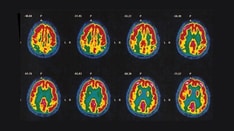
- Positron emission tomography (PET) and single-photon emission computed tomography (SPECT) scanning may be performed to evaluate patients with neurologic disorders. These examinations allow differentiation of paraneoplastic and nonparaneoplastic neurologic disorders.
Procedures
Endoscopy is useful to detect tumors of the respiratory tree and of the digestive tract, and it also allows the examiner to obtain biopsy samples.
Histologic Findings
The histologic findings vary depending on the injured system. More details are included in Causes.
Medical Care
Treatment varies with the type and location of the paraneoplastic disorder. Two treatment options exist, as follows:
- Treatment of the underlying tumor
- The first therapeutic option is based on the usual surgery, radiation, or chemotherapy (singly or in combination).
- The therapeutic protocols are those that generally are applied to neoplastic disorders without the presence of paraneoplastic syndrome.
- Treatment of the presumptive immune-mediated disorder
- The second therapeutic option is based on immunosuppression (by intravenous immunoglobulins,32, 33 steroids, or other immunosuppressive drugs or by plasma exchange).
- This treatment should be reserved for patients with clearly identifiable antibodies in their serum.
- Some patients with paraneoplastic pemphigus34, 35, 36, 37 seem to have some benefits with rituximab, but further studies are necessary to confirm such observation.
Surgical Care
The surgical procedures that are usually applied to neoplastic disorders also are applied to those with paraneoplastic syndrome. On the other hand, some paraneoplastic disorders may disappear rapidly without surgery on the primary tumor (eg, in patients with hypertrophic osteoarthropathy, resection of the tumor or the ipsilateral vagus nerve leads to rapid remission of symptoms).
- In patients with ectopic ACTH syndrome, the more effective treatment is the bilateral adrenalectomy38 with hormone replacement.
- Patients with thymoma must have surgery for complete surgical resection to obtain complete remission of paraneoplastic syndromes (ie, myasthenia gravis).
- Inoperable patients should have preoperative induction chemotherapy, followed by an adjuvant radiation therapy.
Consultations
Because of their protean manifestations, paraneoplastic syndromes should be clinically evaluated by a coordinated team of doctors, including medical oncologists, surgeons, radiation oncologists, endocrinologists, hematologists, neurologists, and dermatologists.
Therapeutic protocols are those that are usually applied to neoplastic disorders without the presence of a paraneoplastic syndrome. If autoantibodies are detected, the best drug to use may be cyclosporine.
Drug Category: Immunosuppressive drugs
These agents promote immune suppressor cell function related to production of autoimmune reactions.
| Drug Name | Cyclosporine (Neoral, Sandimmune) |
| Description | Cyclic polypeptide that suppresses some humoral immunity and, to greater extent, cell-mediated immune reactions, such as delayed hypersensitivity, allograft rejection, experimental allergic encephalomyelitis, and graft-versus-host disease for variety of organs. Reserve IV use only for those who cannot take PO. |
| Adult Dose | 5-6 mg/kg/d PO |
| Pediatric Dose | Not established |
| Contraindications | Documented hypersensitivity; uncontrolled hypertension or malignancies; concurrent PUVA or UVB radiation in psoriasis, because it may increase risk of cancer |
| Interactions | Carbamazepine, phenytoin, isoniazid, rifampin, and phenobarbital may decrease concentrations; azithromycin, itraconazole, nicardipine, ketoconazole, fluconazole, erythromycin, verapamil, grapefruit juice, diltiazem, aminoglycosides, acyclovir, amphotericin B, and clarithromycin may increase toxicity; lovastatin increases acute renal failure, rhabdomyolysis, myositis, and myalgias |
| Pregnancy | C - Fetal risk revealed in studies in animals but not established or not studied in humans; may use if benefits outweigh risk to fetus
|
| Precautions | May induce cholestasis, hyperuricemia, and hyperbilirubinemia; evaluate renal and liver function often by measuring BUN, serum creatinine, serum bilirubin, and liver enzymes; may increase risk of infection and lymphoma; avoid in women who are breastfeeding |
Drug Category: Lymphocyte immune globulins
These agents may help suppress immune reactions.
| Drug Name | Antithymocyte globulin (Atgam) |
| Description | Polyclonal IgG cluster against human T lymphocytes. Obtained from horses or rabbits hyperimmunized with human thymus lymphocytes. Reduces lymphocyte count 85-90% after first dose, as long as circulating antibody concentrations remain high. |
| Adult Dose | 40 mg/kg/d IV over 4 h for 4 d, at least for 10 mo |
| Pediatric Dose | Not established |
| Contraindications | Documented hypersensitivity |
| Interactions | May increase effects of NSAIDs |
| Pregnancy | C - Fetal risk revealed in studies in animals but not established or not studied in humans; may use if benefits outweigh risk to fetus
|
| Precautions | Administer ID test prior to initial dose because of risk of anaphylaxis; avoid any vaccination 2 wk prior to and during therapy; avoid in women who are breastfeeding; may cause leukopenia, thrombocytopenia, and hemolysis |
Drug Category: Corticosteroids
These agents may be useful in suppressing immune cell function.
| Drug Name | Prednisone (Deltasone, Meticorten, Orasone, Sterapred) |
| Description | Immunosuppressant for treatment of autoimmune disorders; may decrease inflammation by reversing increased capillary permeability and suppressing PMN activity. Four times as potent as natural glucocorticoids. |
| Adult Dose | 5-60 mg/d PO |
| Pediatric Dose | Not established |
| Contraindications | Documented hypersensitivity; viral infection; peptic ulcer disease; hepatic dysfunction; connective tissue infections; fungal or tubercular skin infections; GI disease; Cushing disease; cardiovascular diseases |
| Interactions | Estrogens may decrease clearance; may cause digitalis (ie, digoxin) toxicity secondary to hypokalemia; phenobarbital, phenytoin, and rifampin may increase metabolism of glucocorticoids (consider increasing maintenance dose); monitor for hypokalemia with coadministration of diuretics |
| Pregnancy | B - Fetal risk not confirmed in studies in humans but has been shown in some studies in animals
|
| Precautions | Abrupt discontinuation of glucocorticoids may cause adrenal crisis; hyperglycemia, edema, osteonecrosis, myopathy, peptic ulcer disease, hypokalemia, osteoporosis, euphoria, psychosis, myasthenia gravis, growth suppression, and infections may occur with glucocorticoid use |
In/Out Patient Meds
- Standard perioperative care and monitoring before and after radiotherapy or chemotherapy are required.
- Systematic psychotherapeutic and rehabilitative interventions may also be helpful.
Deterrence/Prevention
As with most cancers, no primary preventive or deterrence measures are known for paraneoplastic syndromes.
Complications
Because a paraneoplastic syndrome represents a complication of cancer, the only complication may be death occurring as a result of an irreversible system impairment, usually acute heart failure or kidney failure.
Prognosis
Because paraneoplastic syndromes differ widely from individual to individual, prognosis may vary greatly. For example, DIC indicates a poor prognosis, while hypertrophic osteoarthropathy is one of the few paraneoplastic syndromes that may indicate an improved prognosis.
Patient Education
For excellent patient education resources, visit eMedicine's Cancer and Tumors Center. Also, see eMedicine's patient education articles Brain Cancer, Bladder Cancer, and Breast Cancer.
Medical/Legal Pitfalls
Failure to make a rapid and correct diagnosis of any paraneoplastic syndrome may lead to legal claims. Early recognition may lead to clues about the underlying conditions and thus avoid diagnostic errors and permit earlier diagnosis and faster treatment. Remember that paraneoplastic syndromes may evolve over weeks to months (more rarely, 1-3 y) and then may stabilize, regardless of whether the patient's symptoms improve or get worse.
- Auche M. Des nevrites peripheriques chez les cancereux. Rev Med. 1890;10:785–807.
- Hobbs CB, Miller AL. Review of endocrine syndromes associated with tumours of non-endocrine origin. J Clin Pathol. Mar 1966;19(2):119-27. [Medline].
- Hashiba T, Saitoh Y, Asanuma N, et al. Reduction of a pancreatic tumor after total removal of an ACTH secreting pituitary tumor: differential diagnosis of Cushing's syndrome. Endocr J. Apr 2006;53(2):203-8. [Medline].
- Bataller L, Dalmau JO. Paraneoplastic disorders of the central nervous system: update on diagnostic criteria and treatment. Semin Neurol. Dec 2004;24(4):461-71. [Medline].
- Pittock SJ, Kryzer TJ, Lennon VA. Paraneoplastic antibodies coexist and predict cancer, not neurological syndrome. Ann Neurol. Nov 2004;56(5):715-9. [Medline].
- Brain R, Norris FH eds. The remote effects of cancer on the nervous system. New York: Grune & Stratton; 1965.
- Kawasoe T, Yamamoto Y, Okumura Y, et al. A case report of paraneoplastic neurological syndrome associated with occult breast cancer. Breast Cancer. 2006;13(2):202-4. [Medline].
- Noorani A, Sadiq Z, Minakaran N, et al. Paraneoplastic cerebellar degeneration as a presentation of breast cancer - a case report and review of the literature. Int Semin Surg Oncol. Apr 21 2008;5:8. [Medline].
- Hagler KT, Lynch JW Jr. Paraneoplastic manifestations of lymphoma. Clin Lymphoma. Jun 2004;5(1):29-36. [Medline].
- Wiese W, Alansari H, Tranchida P, Madrid FF. Paraneoplastic polyarthritis in an ovarian teratoma. J Rheumatol. Sep 2004;31(9):1854-7. [Medline].
- Riedel RF, Burfeind WR Jr. Thymoma: benign appearance, malignant potential. Oncologist. Sep 2006;11(8):887-94. [Medline].
- Mygland A, Vincent A, Newsom-Davis J, et al. Autoantibodies in thymoma-associated myasthenia gravis with myositis or neuromyotonia. Arch Neurol. Apr 2000;57(4):527-31. [Medline].
- Gandhi L, Johnson BE. Paraneoplastic syndromes associated with small cell lung cancer. J Natl Compr Canc Netw. Jul 2006;4(6):631-8. [Medline].
- Ge F, Li ZJ, Cao ZL. Thymoma associated with severe diarrhoea and anaemia. Chin Med J (Engl). Mar 20 2006;119(6):526-8. [Medline].
- Batsis JA, Morgenthaler TI. Trousseau syndrome and the unknown cancer: use of positron emission tomographic imaging in a patient with a paraneoplastic syndrome. Mayo Clin Proc. Apr 2005;80(4):537-40. [Medline].
- Rashtak S, Pittelkow MR. Skin involvement in systemic autoimmune diseases. Curr Dir Autoimmun. 2008;10:344-58. [Medline].
- Rabhi M, Ennibi K, Harket A, et al. Acquired ichthyosis disclosing non-Hodgkin's malignant lymphoma. Intern Med. 2007;46(7):397-9. [Medline].
- Molina Garrido MJ, Guillen Ponce C, Macia Escalante S, et al. Cushing's paraneoplastic syndrome as first manifestation of an adenocarcinoma of unknown origin. Clin Transl Oncol. Aug 2006;8(8):621-3. [Medline].
- Meinardi JR, van den Berg G, Wolffenbuttel BH, et al. Cyclical Cushing's syndrome due to an atypical thymic carcinoid. Neth J Med. Jan 2006;64(1):23-7. [Medline].
- Takagi J, Otake K, Morishita M, et al. Multiple endocrine neoplasia type I and Cushing's syndrome due to an aggressive ACTH producing thymic carcinoid. Intern Med. 2006;45(2):81-6. [Medline].
- Fisher PG, Singer HS. Paraneoplastic opsoclonus. Neurology. Jul 1995;45(7):1421-2. [Medline].
- Anderson NE. Limbic encephalitis and anti-neuronal antibodies. Pathology. Apr 1989;21(2):152-3. [Medline].
- Benke T, Wagner M, Pallua AK, et al. Long-term cognitive and MRI findings in a patient with paraneoplastic limbic encephalitis. J Neurooncol. Jan 2003;66(1-2):217-24. [Medline].
- Ypma PF, Wijermans PW, Koppen H, et al. Paraneoplastic cerebellar degeneration preceding the diagnosis of Hodgkin's lymphoma. Neth J Med. Jul-Aug 2006;64(7):243-7. [Medline].
- Waterhouse DM, Natale RB, Cody RL. Breast cancer and paraneoplastic cerebellar degeneration. Cancer. Oct 15 1991;68(8):1835-41. [Medline].
- Marko PB, Miljkovic J, Zemljic TG. Necrolytic migratory erythema associated with hyperglucagonemia and neuroendocrine hepatic tumors. Acta Dermatovenerol Alp Panonica Adriat. Dec 2005;14(4):161-4, 166. [Medline].
- Fujita T, Fukuda K, Nishi H, et al. Paraneoplastic hypercalcemia with adenosquamous carcinoma of the colon. Int J Clin Oncol. Apr 2005;10(2):144-7. [Medline].
- Darnell RB. Paraneoplastic neurologic disorders: windows into neuronal function and tumor immunity. Arch Neurol. Jan 2004;61(1):30-2. [Medline].
- Scheinfeld NS. Ulcerative paraneoplastic dermatomyositis secondary to metastatic breast cancer. Skinmed. Mar-Apr 2006;5(2):94-6. [Medline].
- Rubenstein M, Duvic M. Cutaneous manifestations of Hodgkin's disease. Int J Dermatol. Mar 2006;45(3):251-6. [Medline].
- Iwata T, Inoue K, Mizuguchi S, et al. Thymectomy for paraneoplastic stiff-person syndrome associated with invasive thymoma. J Thorac Cardiovasc Surg. Jul 2006;132(1):196-7. [Medline].
- Buchwald B, Ahangari R, Weishaupt A, et al. Presynaptic effects of immunoglobulin G from patients with Lambert-Eaton myasthenic syndrome: their neutralization by intravenous immunoglobulins. Muscle Nerve. Apr 2005;31(4):487-94. [Medline].
- Koski CL, Patterson JV. Intravenous immunoglobulin use for neurologic diseases. J Infus Nurs. May-Jun 2006;29(3 Suppl):S21-8. [Medline].
- Barnadas M, Roe E, Brunet S, et al. Therapy of paraneoplastic pemphigus with Rituximab: a case report and review of literature. J Eur Acad Dermatol Venereol. Jan 2006;20(1):69-74. [Medline].
- Kaplan I, Hodak E, Ackerman L, et al. Neoplasms associated with paraneoplastic pemphigus: a review with emphasis on non-hematologic malignancy and oral mucosal manifestations. Oral Oncol. Jul 2004;40(6):553-62. [Medline].
- Lane JE, Woody C, Davis LS, et al. Paraneoplastic autoimmune multiorgan syndrome (paraneoplastic pemphigus) in a child: case report and review of the literature. Pediatrics. Oct 2004;114(4):e513-6. [Medline]. [Full Text].
- Wade MS, Black MM. Paraneoplastic pemphigus: a brief update. Australas J Dermatol. Feb 2005;46(1):1-8; quiz 9-10. [Medline].
- Li H, Yan W, Mao Q, et al. Role of adrenalectomy in ectopic ACTH syndrome. Endocr J. Dec 2005;52(6):721-6. [Medline].
- Akhyani M, Mansoori P, Taheri A, et al. Acrokeratosis paraneoplastica (Bazex syndrome) associated with breast cancer. Clin Exp Dermatol. Jul 2004;29(4):429-30. [Medline].
- Au WY, Hon C, Chan AC, et al. Vitiligo as a paraneoplastic syndrome preceding pituitary adenoma and subsequent acute lymphoblastic leukemia. Leuk Lymphoma. Aug 2004;45(8):1683-5. [Medline].
- Chamberlain AJ, Cooper SM, Allen J, et al. Paraneoplastic immunobullous disease with an epidermolysis bullosa acquisita phenotype: two cases demonstrating remission with treatment of gynaecological malignancy. Australas J Dermatol. May 2004;45(2):136-9. [Medline].
- de Beukelaar JW, Sillevis Smitt PA. Managing paraneoplastic neurological disorders. Oncologist. Mar 2006;11(3):292-305. [Medline].
- Derakhshani P, Klotz T, Heidenreich A, et al. Diffuse metastasized testicular teratoma and paraneoplastic thyreotoxicosis. Case report and literature review. Urol Int. 1999;63(4):265-7. [Medline].
- Dreessen J, Jeanjean AP, Sindic CJ. Paraneoplastic limbic encephalitis: diagnostic relevance of CSF analysis and total body PET scanning. Acta Neurol Belg. Jun 2004;104(2):57-63. [Medline].
- El Mahou S, Sailler L, Madaule S, et al. RACAND syndrome as a paraneoplastic syndrome?. J Clin Rheumatol. Apr 2006;12(2):104-5. [Medline].
- Enck RE. Paraneoplastic syndromes. Am J Hosp Palliat Care. Mar-Apr 2004;21(2):85-6. [Medline].
- Findling JW, Kehoe ME, Raff H. Identification of patients with Cushing's disease with negative pituitary adrenocorticotropin gradients during inferior petrosal sinus sampling: prolactin as an index of pituitary venous effluent. J Clin Endocrinol Metab. Dec 2004;89(12):6005-9. [Medline].
- Fong CS. Recent advance in immunological tests in paraneoplastic neurological syndrome. Acta Neurol Taiwan. Mar 2005;14(1):28-35. [Medline].
- French LE, Piletta PA, Etienne A, et al. Incidence of transient acantholytic dermatosis (Grover's disease) in a hospital setting. Dermatology. 1999;198(4):410-1. [Medline].
- Greenlee JE. Anti-Hu antibody and refractory nonconvulsive status epilepticus. J Neurol Sci. Jul 15 2006;246(1-2):1-3. [Medline].
- Hermitte L, Martin-Moutot N, Boucraut J, et al. Humoral immunity against glutamic acid decarboxylase and tyrosine phosphatase IA-2 in Lambert-Eaton myasthenic syndrome. J Clin Immunol. Jul 2000;20(4):287-93. [Medline].
- Honnorat J. Onconeural antibodies are essential to diagnose paraneoplastic neurological syndromes. Acta Neurol Scand Suppl. 2006;183:64-8. [Medline].
- Honnorat J, Antoine JC. Paraneoplastic neurological syndromes. Orphanet J Rare Dis. May 4 2007;2:22. [Medline].
- Honnorat J, Rogemond V, Antoine JC. [Mechanisms of paraneoplastic neurologic syndromes]. Rev Med Interne. Aug 1999;20(8):670-80. [Medline].
- Iranzo P, Lopez I, Robles MT, et al. Bullous pemphigoid associated with mantle cell lymphoma. Arch Dermatol. Dec 2004;140(12):1496-9. [Medline].
- Ishibashi H, Akamatsu H, Kojima K, et al. Good syndrome with thymic adenosquamous carcinoma--report of a case. Ann Thorac Cardiovasc Surg. Feb 2007;13(1):50-2. [Medline].
- Kanno K, Morokuma Y, Tateno T, et al. Olfactory neuroblastoma causing ectopic ACTH syndrome. Endocr J. Dec 2005;52(6):675-81. [Medline].
- Khachemoune A, Yalamanchili R, Rodriguez C. Bazex syndrome (paraneoplastic acrokeratosis). Cutis. Nov 2004;74(5):289-92. [Medline].
- Kurzydlo AM, Gillespie R. Paraneoplastic pityriasis rubra pilaris in association with bronchogenic carcinoma. Australas J Dermatol. May 2004;45(2):130-2. [Medline].
- Lecky BR. Transient neonatal Lambert-Eaton syndrome. J Neurol Neurosurg Psychiatry. Sep 2006;77(9):1094. [Medline].
- Lee DH, Lee SH, Sung JK. Inflammatory myofibroblastic tumor on intercostal nerve presenting as paraneoplastic pemphigus with fatal pulmonary involvement. J Korean Med Sci. Aug 2007;22(4):735-9. [Medline].
- Lee SH, Sung JK. Inflammatory pseudotumor of the spinal nerve complicated by paraneoplastic pemphigus. Case illustration. J Neurosurg Spine. Jun 2006;4(6):514. [Medline].
- Leidinger B, Bielack S, Koehler G, et al. High level of beta-hCG simulating pregnancy in recurrent osteosarcoma: case report and review of literature. J Cancer Res Clin Oncol. Jun 2004;130(6):357-61. [Medline].
- Lladó A, Carpentier AF, Honnorat J, et al. Hu-antibody-positive patients with or without cancer have similar clinicalprofiles. J Neurol Neurosurg Psychiatry. Aug 2006;77(8):996-7. [Medline].
- Martorell EA, Murray PM, Peterson JJ, et al. Palmar fasciitis and arthritis syndrome associated with metastatic ovarian carcinoma: a report of four cases. J Hand Surg [Am]. Jul 2004;29(4):654-60. [Medline].
- Mayer S, Cypess AM, Kocher ON, et al. Uncommon presentations of some common malignancies: Case 1. Sequential paraneoplastic endocrine syndromes in small-cell lung cancer. J Clin Oncol. Feb 20 2005;23(6):1312-4. [Medline].
- Menenakos C, Braumann C, Hartmann J, et al. Retroperitoneal Castleman's tumor and paraneoplastic pemphigus: report of a case and review of the literature. World J Surg Oncol. Apr 28 2007;5:45. [Medline].
- Morita H, Hirota T, Mune T, et al. Paraneoplastic neurologic syndrome and autoimmune Addison disease in a patient with thymoma. Am J Med Sci. Jan 2005;329(1):48-51. [Medline].
- Nieto JM, Pisegna JR. The role of proton pump inhibitors in the treatment of Zollinger-Ellison syndrome. Expert Opin Pharmacother. Feb 2006;7(2):169-75. [Medline].
- Noda M, Mori N, Nomura K, et al. Regression of idiopathic thrombocytopenic purpura after endoscopic mucosal resection of gastric mucosa associated lymphoid tissue lymphoma. Gut. Nov 2004;53(11):1698-700. [Medline].
- Norton JA, Jensen RT. Resolved and unresolved controversies in the surgical management of patients with Zollinger-Ellison syndrome. Ann Surg. Nov 2004;240(5):757-73. [Medline].
- Ono H, Yokozeki H, Katayama I, et al. Granuloma annulare in a patient with malignant lymphoma. Dermatology. 1997;195(1):46-7. [Medline].
- Perez NB, Bernad B, Narvaez J, et al. Erythema nodosum and lung cancer. Joint Bone Spine. May 2006;73(3):336-7. [Medline].
- Peter L, Jung J, Tilikete C, Ryvlin P, Mauguiere F. Opsoclonus-myoclonus as a manifestation of Lyme disease. J Neurol Neurosurg Psychiatry. Sep 2006;77(9):1090-1. [Medline].
- Pittock SJ, Lucchinetti CF. Inflammatory transverse myelitis: evolving concepts. Curr Opin Neurol. Aug 2006;19(4):362-8. [Medline].
- Posner JB. 10 Most Commonly Asked Questions About Paraneoplastic Syndromes. In: The Neurologist. 1998:[Full Text].
- Rosenzweig LB, Brett AS, Lefaivre JF, et al. Hidradenitis suppurativa complicated by squamous cell carcinoma and paraneoplastic neuropathy. Am J Med Sci. Mar 2005;329(3):150-2. [Medline].
- Shimoda T, Koizumi W, Tanabe S, et al. Small-cell carcinoma of the esophagus associated with a paraneoplastic neurological syndrome: a case report documenting a complete response. Jpn J Clin Oncol. Feb 2006;36(2):109-12. [Medline].
- Simpson DA, Pawlak AM, Tegmeyer L, Doig C, Cox D. Paraneoplastic intestinal pseudo-obstruction, mononeuritis multiplex, and sensoryneuropathy/neuronopathy. J Am Osteopath Assoc. 1996;96(2):125-8. [Medline].
- Sökmen M, Demirsoy H, Ersoy O, et al. Paraneoplastic porphyria cutanea tarda associated with cholangiocarcinoma: Casereport. Turk J Gastroenterol. 2007;18(3):200-205. [Medline].
- Tartaglia F, Blasi S, Sgueglia M, Polichetti P, Tromba L, Berni A. Retroperitoneal liposarcoma associated with small plaque parapsoriasis. World J Surg Oncol. Jul 2007;5:76. [Medline].
- Thomas L, Kwok Y, Edelman MJ. Management of paraneoplastic syndromes in lung cancer. Curr Treat Options Oncol. Feb 2004;5(1):51-62. [Medline].
- Torgerson EL, Khalili R, Dobkin BH, et al. Myasthenia gravis as a paraneoplastic syndrome associated with renal cell carcinoma. J Urol. Jul 1999;162(1):154&
|