Continually Updated Clinical Reference
 
 
  All Sources     eMedicine     Medscape     Drug Reference     MEDLINE
 
eMedicine - Antithrombin Deficiency : Article by

Quick Find
Authors & Editors
Introduction
Clinical
Differentials
Workup
Treatment
Medication
Follow-up
Miscellaneous
Multimedia
References

Related Articles
Abnormal protein Z or protein Z protease inhibitor

APC resistance, factor V Leiden mutation

Dysfibrinogenemia

HCII deficiency

Histidine-rich glycoprotein (alpha1-acid-rich glycoprotein)

Homozygous MTHFR C677T mutation

Hyperhomocysteinemia

Other deficiencies yet to be discovered

Possible TFPI mutations/deficiency

Protein C Deficiency

Protein S Deficiency

Rare inherited defects in the fibrinolytic system (dysplasminogenemia, abnormal PAI-1, defective release of tissue-type plasminogen activator [tPA]), elevated levels of alpha2-antiplasmin

Thrombomodulin gene mutations


Patient Education
Circulatory Problems Center

Leg Blood Clot Overview

Leg Blood Clot Causes

Leg Blood Clot Symptoms

Leg Blood Clot Treatment


Author: Arun Rajan, MD, Fellow in Hematology/Oncology, Division of Hematology/Oncology, Department of Medicine, State University of New York Upstate Medical Center

Coauthor(s): Sara Grethlein, MD, Associate Dean for Graduate Medical Education, Associate Professor, Department of Internal Medicine, Division of Hematology and Oncology, State University of New York at Upstate; Rajalaxmi McKenna, MD, FACP, Consulting Staff, Department of Medicine, Southwest Medical Consultants, SC, Good Samaritan Hospital, Advocate Health Systems

Editors: David Aboulafia, MD, Medical Director, Bailey-Boushay House; Clinical Professor, Department of Medicine, Division of Hematology, University of Washington; Francisco Talavera, PharmD, PhD, Senior Pharmacy Editor, eMedicine; Marcel E Conrad, MD, Distinguished Professor of Medicine, University of South Alabama; Director Cancer Center, Clinical Cancer Research Program, The Cancer Center, Mobile Infirmary Medical Center; Rebecca J Schmidt, DO, FACP, FASN, Clinical Associate Professor of Medicine, West Virginia School of Osteopathic Medicine; Professor of Medicine, Section Chief, Department of Medicine, Section of Nephrology, West Virginia University School of Medicine; Emmanuel C Besa, MD, Professor, Department of Medicine, Division of Hematologic Malignancies, Kimmel Cancer Center, Thomas Jefferson University

Author and Editor Disclosure

Synonyms and related keywords: AT deficiency, antithrombin III, AT III, ATIII, anticoagulation, anticoagulant, coagulation factors, hemostatic pathway, coagulation pathway, serine protease inhibitor, deep vein thrombosis, DVT, venous thrombosis, pulmonary embolism, PE, venous thromboembolism, VTE, thrombotic disease, acute respiratory distress syndrome, ARDS, venoocclusive disease, veno-occlusive disease, VOD, bone marrow transplantation, BMT, chronic leg ulcerations, severe venous varicosities, postphlebitic syndrome, low molecular weight heparin, low-molecular-weight heparin, LMWH, pooled plasma treated with solvent-detergent, PLAS+SD, Budd-Chiari syndrome, estrogen, hormone replacement therapy, HRT

Background

Antithrombin III is currently referred to as antithrombin (AT).

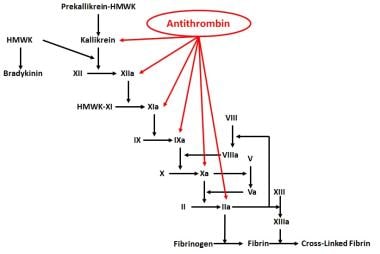
Antithrombin is a 58-kDa molecule belonging to the serine protease inhibitor (serpin) superfamily1 that plays a central role as an anticoagulant in mammalian circulation systems. In fact it is present in a wide variety of organisms ranging from thermophilic bacteria2 to mammals. In addition to its effect as an antagonist of thrombin, it also inhibits other proteases of the coagulation cascade3, 4, 5, 6 (see Image 1). These actions are catalyzed by the interaction between antithrombin and vessel wall-associated glycosaminoglycans. Recent studies have also shown that antithrombin has anti-inflammatory actions that are independent of its effect on coagulation.7, 8, 9

The first family with thrombotic disease due to inherited antithrombin deficiency was reported by Egeberg in 1965. Over the last few years, there has been a growing body of data describing novel mutations in the antithrombin gene and literature helping to elucidate the molecular pathology of antithrombin deficiency.10, 11, 12

Pathophysiology

Antithrombin belongs to the serpin family of inhibitors, which include heparin cofactor II (HCII), alpha2-antiplasmin, plasminogen activator inhibitor-1 (PAI-1), C1-inhibitor, and alpha1-antitrypsin. Antithrombin forms a 1:1 irreversible complex with its target active enzyme, and the complex is cleared by the liver with loss of enzyme activity. Serpins have a highly conserved structure with 3 beta-sheets and 9 alpha-helices. A region known as the reactive center loop (RCL) protrudes above the core of the serpin molecule and has a sequence of amino acids that is complimentary to binding sites in the active sites of the target proteases. Cleavage at the reactive center by target proteases results in the activation of a unique mechanism of inhibition.13 Antithrombin exists in 2 forms: 90% as the alpha-form that is glycosylated at all positions and 10% as the beta form that is not glycosylated at position Asn135.

Plasma antithrombin contains 432 amino acids, 6 of which are cysteine residues that form 3 intramolecular disulfide bonds. Also present are 4 glycosylation sites at Asn96, Asn135, Asn155 and Asn192, to which are attached oligosaccharide side chains.14 The major physiological role of the molecule, as the name implies, is the inhibition of thrombin. In addition, it also inhibits other serine proteinases, including activated factors X, IX, and XI. Antithrombin also antagonizes factor VII by accelerating the dissociation of the factor VIIa-tissue factor complex and preventing its reassociation.6

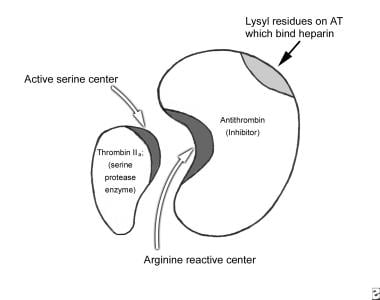
The mechanism of inactivation of serine proteinases occurs in two steps, with an initial weak interaction followed by a conformational change that traps the proteinase (see Image 2). Transformation to the final complex involves formation of a highly stable bond between the Arg393 residue on antithrombin and the Ser residue on thrombin. The formation of the antithrombin-proteinase complex is catalyzed by heparin and related glycosaminoglycans. Under optimal conditions, the interaction between thrombin and antithrombin could be accelerated by as much as 2000 times. It should be noted that the catalytic effect of heparin is achieved when its concentration is far below that of antithrombin and its target proteinases.

Many in vitro studies have established the relative rates of thrombin generation and neutralization, but a recent study quantified the changes in the rate of activation and inactivation of several hemostatic factors in blood serially sampled from a bleeding time cut.15 In this in vivo test system with an active, ongoing interaction between blood components and the injured vessel wall in flowing blood, it was noted that TAT complexes started increasing within 30 seconds of the bleeding time cut and reached a maximum by 180 seconds. The pattern of increase was typical of the 2 phases of activation, which have been described in other models of thrombosis, with an initial 60- to 90-second initiation phase followed by a subsequent propagation phase during which activation reaches its maximum level. In the healthy volunteers, under basal conditions, the amount of thrombin formed exceeded thrombin-antithrombin (TAT) formation at all time points tested until bleeding stopped.

TAT complexes formed following the neutralization of thrombin by antithrombin have been used as a surrogate marker for thrombin generation; serial changes in TAT levels have been used to determine alterations of the extent of hemostatic activation in the course of a disease or to assess the impact of specific therapy (eg, the effect of heparin in ameliorating disseminated intravascular coagulation [DIC]).

HCII is another physiologic inhibitor of hemostasis that appears to contribute about 20-30% of plasma (AT) heparin-cofactor activity in the presence of large amounts of heparin; HCII does not contribute to anti–factor Xa activity. Therefore, it has been suggested that, in the assessment of the true heparin cofactor activity of antithrombin, the anti–factor Xa activity of antithrombin be measured within 30 seconds of incubation with factor Xa in the presence of small amounts of heparin in order to exclude the contribution of HCII to this assay.

The use of low doses of heparin in the test system and the use of factor Xa rather than thrombin allows for an accurate assessment of antithrombin's heparin cofactor activity with avoidance of the contribution of HCII to this assessment. Thrombomodulin, an endothelial cell receptor for thrombin, also binds antithrombin and accelerates its anticoagulant effect. In a purified system, tissue factor pathway inhibitor (TFPI) also appeared to potentiate the ability of antithrombin to neutralize activated coagulation factors.

Antithrombin is synthesized primarily in the liver. It is secreted into the plasma in the form of a molecule containing 432 amino acids with a molecular weight of 58,200. The normal plasma level is 150 mcg/mL and the plasma half-life is approximately 3 days.

Independent of its anticoagulant properties, antithrombin exerts anti-inflammatory and anti-proliferative effects also. A number of studies have documented the ability of antithrombin to inhibit leukocyte rolling and adhesion.16 The ability of this molecule to inhibit leukocyte-endothelial cell interaction is at least partly due to the release of prostacyclins from endothelial cells. Oelschlager et al have shown that antithrombin produces a dose-dependent reduction in both lipopolysaccharide and tumor necrosis factor alpha activation of nFKB in cultured monocytes and endothelial cells. As a result, the synthesis of pro-inflammatory mediators such as IL-6, IL-8, and TNF is decreased, leading to an anti-inflammatory effect.

A number of studies have also shown that cleaved antithrombin has potent anti-angiogenic and anti-tumor properties. Larsson and colleagues have shown that fibroblast growth factor (FGF)- induced angiogenesis in the chick embryo and angiogenesis in mouse fibrosarcoma tumors is inhibited by treatment with latent antithrombin. There is literature to suggest that latent antithrombin may also induce apoptosis of endothelial cells by disrupting cell-matrix interactions.

Patients with antithrombin deficiency have prolonged circulation of activated coagulation factors, which increases the risk of thrombus formation at sites that fulfill Virchow's postulates (stasis, alteration of coagulability of the blood, and vessel wall damage). A 50% reduction in the level of antithrombin activity is sufficient to tilt the balance in favor of thrombosis; patients who are heterozygous for antithrombin deficiency have a variable incidence of thrombotic disease, whereas most homozygous individuals have a 100% frequency of thrombotic disease, which may be fatal at an early age.

Inherited or acquired deficiencies of antithrombin predispose affected individuals to serious venous and arterial thrombotic disease. Although it is well recognized that inherited antithrombin deficiency is a more serious disorder than inherited deficiencies of proteins C or S, there is much variability in thrombotic manifestations in patients with inherited antithrombin deficiency. A population-based case control study found a 5-fold increased risk of thrombosis when antithrombin deficiency was associated with another genetic defect that predisposes to thrombosis. This risk increased to 20-fold when antithrombin deficiency was coupled with an acquired risk factor for thrombosis.

Variable co-inheritance of other thrombophilic mutations (eg, activated protein C [APC] resistance, factor V Leiden, protein C or S deficiency, thrombomodulin gene mutations, methylene tetrahydrofolate reductase deficiency, high lipoprotein(a) levels) is the reason for discordance in thrombotic manifestations among individuals within a family with antithrombin deficiency. The type of mutation also influences the phenotype. For example, the heterozygous form of a commonly inherited variant of antithrombin affecting the heparin-binding site (HBS) is not a risk factor for thrombosis. The location and type of mutation also affects the phenotype; for instance, the replacement of the normal threonine 85 by a nonpolar methionine (antithrombin wibble) results in a mild adult-onset thrombotic disease, whereas replacement of the same threonine 85 by a polar lysine (antithrombin wobble) results in severe and early onset of thrombosis in childhood.

Interestingly, a rise in body temperature in the latter condition, as with fevers, can add additional conformational stress on the antithrombin wobble protein, tilting the balance in favor of thrombosis. A cooperative interplay of risk factors occurs in individuals, depending on their genetic and acquired thrombophilic risk factors. Thus, the presence of an additional inherited or acquired risk factor(s) in a patient with antithrombin deficiency adds to the thrombophilic burden and necessitates aggressive prophylaxis in high-risk situations.

Ample evidence documents the high risk of venous thromboembolism (VTE) events in patients with AT deficiency, whether it is inherited or acquired. Inherited antithrombin deficiency contributes to about 1% of VTE in the affected population. Studies of families with inherited antithrombin deficiency show that an increasing proportion of affected individuals develop thrombotic complications starting in their teen years, with spontaneous thrombosis in approximately 40%. In the remaining 60%, additional precipitating factors, such as oral contraceptive use, pregnancy, labor and delivery, surgery, or trauma, may precipitate a thrombotic event. By age 50 years, more than 50% of individuals with inherited antithrombin deficiency have had VTE, in contrast with only 5% of nondeficient individuals. The recent suggestion that antipsychotic drugs may potentiate thrombosis requires further validation.

Recently, a homozygous type of antithrombin deficiency (antithrombin III Kumamoto) present in a family with consanguinity was shown to be associated with arterial thrombotic disease. The patient developed cerebral arterial thrombosis at age 17 years and subsequently developed venous thrombosis. Evidence for a role of antithrombin deficiency in arterial thrombotic disease is now emerging.

The most common thrombotic manifestations in patients with antithrombin deficiency include lower-extremity VTE, with recurrent VTE being common. Other sites of thrombosis include the inferior vena cava, hepatic and portal veins, and renal, axillary, brachial, mesenteric, pelvic, cerebral, and retinal veins. Arterial thrombosis is strikingly less common.

Antithrombin gene

The gene for antithrombin is located on band 1q23-24, has 7 exons and 6 introns, and is 16 kilobase (kb) long. The promoter region does not have a TATA or CAAT box. A control element at the 5' flanking region is apparently critical for efficient synthesis of antithrombin with homology to an enhancer of murine and human genes. The mRNA is 1567 nucleotides long, encodes approximately 432 amino acids, codes for a signal peptide for antithrombin, and has an approximately 175 base pair (bp) 3' untranslated region. Two modes of splicing of the primary transcript are feasible at 2 sites in the first intron; the result is either a full native antithrombin molecule or a truncated product with a portion left within the cell.

Mutations that lead to a loss of function result in antithrombin deficiency; those that affect the Arg393 site (P1 site) near the carboxy terminal end have a major impact on antithrombin activity. On the other hand, mutations at Ser394 (P1' site) have variable effects on different enzymes, depending on the mutation. An up-to-date listing of mutations affecting the antithrombin gene is available at the Antithrombin Mutation Database. A review of published mutations shows that they are distributed throughout the molecule with reactive center defects having the biggest impact and heparin-binding defects carrying the least thrombotic risk.

Classification of antithrombin deficiency

Antithrombin deficiency states can be broadly classified into 2 types. 

Type I deficiency states where heterozygous mutations lead to a complete loss of the mutant antithrombin protein resulting in immunological and functional levels that are 50% or less of normal. The genetic basis of type I mutations includes major gene deletions or point mutations with the latter accounting for most of these cases. These mutations appear to cause a quantitative reduction in antithrombin synthesis by various processes including premature termination of translation, aberrant RNA processing and production of unstable antithrombin molecules that have short plasma half lives.14 Recently 22 novel mutations were described in the antithrombin gene of which nine missense mutations resulted in type I deficiency leading to low antithrombin activity and antigen levels. Clinically these mutations were associated with venous thrombosis occurring before the age of 32 years.10

Type II deficiency states are usually the result of single amino acid changes that result in functional deficits in a molecule that is otherwise synthesized and secreted into plasma in a normal fashion. The variant antithrombin molecules may have abnormalities at the reactive site or the heparin binding site.

There also exists a third category of type II deficiency where multiple or ‘pleiotropic' abnormalities affect the reactive site, the heparin binding site or the plasma concentration. Type II heparin binding site variants are not associated with a high risk of thrombosis unless the affected individual is a homozygote.14

Acquired causes of antithrombin deficiency

  • Neonates: Neonates are particularly vulnerable because of the reduced level of antithrombin at birth (30-50% of adult levels), even in healthy, full-term babies. However, healthy newborns do not have the thrombotic tendency noted in adults with similarly reduced values because of simultaneous reductions in their procoagulant levels and perhaps due to a protective role of alpha2-macroglobulin as a thrombin inhibitor in the neonate and in childhood. Antithrombin levels depend on the gestational age of the newborn, and they rise to approximately 60% of adult levels 1 month after birth. Genetic mutations also influence this level, but the superimposition of serious illnesses, which can further reduce antithrombin, due to increased consumption, decreased production, or both, can have significant consequences.
  • Acute respiratory distress syndrome (ARDS): ARDS is a known secondary cause of antithrombin deficiency and is a major cause of both morbidity and mortality in the newborn. Extracorporeal membrane oxygenation used in the treatment of respiratory failure can be associated with reduced antithrombin and thrombotic events. Other causes of acquired reductions of antithrombin in neonates include sepsis, asphyxia, liver disease, other causes of DIC, and maternal preeclampsia or eclampsia.
  • Pregnancy: No substantial reduction of antithrombin occurs during normal pregnancy. However, pregnancy-induced antithrombin deficiency is more likely to be seen in twin and triplet pregnancies.17 Diseases associated with pregnancy, such as eclampsia, hypertension of pregnancy, hepatopathy characterized by elevations in liver enzymes, and DIC, can also reduce antithrombin levels. In these conditions, low-grade activation of coagulation with consumption of antithrombin is evident before gross deterioration of coagulation parameters occurs.
  • Liver disease: Synthesis of antithrombin and other physiologically important inhibitors of hemostasis, synthesis of procoagulants, and clearance of activated coagulation factors are all regulated by the liver. Thus, the liver plays a central role in hemostasis. The severity of liver disease correlates with reductions in antithrombin antigen levels. These reductions are due not only to impaired synthesis but also to an element of increased consumption, particularly when additional risk factors, such as sepsis, surgery, and hypotension, are present in patients with chronic liver disease.

    Patients with acute, massive hepatocellular injury and elevations of liver enzyme levels can often have a significantly larger component of a consumptive process than patients with slowly progressive end-stage liver disease. Because of decreased synthesis of inhibitors as well as decreased ability to clear activated coagulation factors, patients undergoing orthotopic liver transplantation predictably develop a DIC with reduction in antithrombin levels.
  • Kidney disease: Patients with nephrotic syndrome lose antithrombin in the urine, resulting in reduced plasma levels, and are at higher risk for thrombotic events. Conversely patients with inherited antithrombin deficiency may develop renal failure due to renal vein thrombosis or due to fibrin deposition in the glomeruli. The degree of compromise in renal function maybe such that these patients need renal replacement therapy. Furthermore as renal dysfunction develops these patients would lose progressively more antithrombin in urine and thus be more prone to developing thrombotic episodes.18
  • Bone marrow transplantation: Venoocclusive disease (VOD) is seen in patients who undergo bone marrow transplantation, particularly in unrelated-donor transplantations, and is associated with the development of microthrombi in the terminal hepatic venules. This results in a rapid, marked deterioration of liver function causing a coagulopathy with a reduction in the level of antithrombin and, consequently, significant morbidity and mortality.
  • Drug-induced reduction in antithrombin levels: Heparin given by intravenous or subcutaneous routes causes an approximately 30% reduction in antithrombin levels, presumably due to rapid clearance in vivo of heparin-antithrombin complexes. Plasma samples to determine baseline antithrombin levels must therefore not be drawn after exposure to heparin.
  • Estrogens/oral contraceptives: A large body of literature shows that estrogens/oral contraceptives can reduce antithrombin levels, resulting in a hypercoagulable state.


Frequency

United States

An autosomal dominant trait, inherited antithrombin deficiency has a prevalence between 0.2/1000 and 0.5/1000. In the general population, the incidence is thought to be in the range of 0.2-0.4%, with approximately 65% of biochemically affected individuals experiencing a thrombotic event. Inherited antithrombin deficiency contributes to about 1% of thrombotic events in the affected population. The frequency of acquired antithrombin deficiency depends on the frequency of the associated disease process.

International

In a study on 4000 Scottish blood donors the prevalence of type I antithrombin deficiency was found to be 0.2/1000 and that of type II heparin binding site antithrombin deficiency was found to be 2-3/1000.19 Antithrombin deficiency is not restricted to any particular ethnic group and has been found in many countries.

Mortality/Morbidity

Patients who are heterozygous for type I or II antithrombin deficiency develop significant thromboembolic complications, generally involving the deep veins. Patients may develop recurrent VTE disease at an early age and, if the condition is unrecognized or inadequately treated, they may die from such events. Long-term consequences, such as chronic leg ulcerations, severe venous varicosities, and postphlebitic syndrome, are common from repeated episodes of VTE, which cause significant morbidity. The prognoses of patients with reductions in antithrombin as part of other systemic disorders depend on the underlying disorder.

  • The frequency of arterial thrombotic complications is low, but mutations leading to arterial thromboses are now being described.
  • Pregnancy-related complications such as recurrent fetal loss, preeclampsia, and others (eg, hypertension; thrombocytopenia; DIC syndromes; hemolysis, elevated liver enzymes, and low platelet count [HELLP]) are associated with antithrombin deficiency.
  • Nephrotic syndrome has been associated with reductions in antithrombin and increased incidence of venous thrombosis (renal vein, 60%; VTE, 40%) with only a 3% incidence of arterial thrombosis.
  • It is now being recognized that thrombophilic mutations, including those affecting antithrombin, may be the cause of spontaneous miscarriages; thrombotic complications during embryogenesis can lead to a variety of developmental abnormalities.

Race

Although no overt racial predilection is known, recent literature, especially from the Far East describes the presence of novel mutations in the antithrombin gene observed in thrombophilic patients in specific population groups.20, 21

Sex

Antithrombin deficiency is inherited as an autosomal dominant trait. Some mutations require homozygosity (2 doses of the gene, ie, autosomal recessive) to be clinically significant. Both men and women can present with the inherited disorder.

Age

Clinical manifestations of antithrombin deficiency are evident at an early or later age, depending on the severity of the inherited genetic defect and also on the co-inheritance or presence of other thrombophilic mutations, drugs, or diseases.

Neonates normally have approximately 60% of adult levels despite the absence of a prothrombotic state. Premature infants have even lower values. Thus, a reduction in level in these instances does not automatically imply an inherited deficiency. Serial follow-up may be necessary in families with inherited antithrombin deficiency to prove an inherited deficiency of antithrombin. If the genetic mutation in the family is known, the diagnosis is much simplified by the presence or absence of the specific mutation.

  • The severely affected homozygous form of antithrombin deficiency may lead to spontaneous fetal loss, babies born small for their gestational age due to a small placenta secondary to thrombosed placental vessels, or severe thrombotic problems at birth.
  • In other instances, thrombotic manifestations may start in the teen years.
  • Acquired reductions are usually secondary to other illnesses or drugs.


History

The clinical presentation depends on whether patients develop venous or arterial thrombosis and on the extent of damage to the particular organ.

  • Patients with lower extremity deep vein thrombosis (DVT) present in the usual manner, with unilateral leg edema; pain in the calf, thigh, or groin; and limitation of movement due to the presence of pain.
  • Pulmonary embolism (PE) may manifest as dyspnea, onset of pleuritic chest pain, and, rarely, hemoptysis. PE is underdiagnosed in many patients with DVT because DVT, PE, or both may be not be clinically apparent.
  • The most common thrombotic manifestations include lower extremity VTE, with recurrent VTE being common.
    • Thrombosis involving the abdominal veins and/or other organs results in different manifestations and includes the onset of vague abdominal pain; postprandial exacerbation of abdominal pain, bloating, diarrhea, and/or hematochezia where mesenteric veins are involved; and, sometimes, ascites with right upper abdominal pain if portal or hepatic vein thrombosis is present.
    • Thrombosis of the retinal vessels causes visual defects, while cerebral venous sinus or arterial thrombosis results in CNS manifestations related to the location of the thrombus.
    • Other sites of thrombosis include the inferior vena cava and renal, axillary, brachial, or pelvic veins. Arterial thrombosis as the first manifestation is less common.
    • In patients with thrombosis, it is important to look for other precipitating factors, such as the use of oral contraceptives or hormone replacement therapy (HRT), trauma, surgical procedures, pregnancy, and the postpartum state.
    • Obtain a detailed family history, since an autosomal dominant pattern of inheritance may be evident. However, lack of a positive family history does not exclude the presence of a thrombophilic mutation when a person is being evaluated for idiopathic or secondary thromboembolic disease.
  • Heparin causes an acquired reduction in antithrombin level. Several systemic diseases are also associated with reductions in antithrombin (see Differentials).

Physical

Physical findings depend upon the site of thrombosis. As indicated previously, VTE is much more common than arterial thrombotic disease.


Abnormal protein Z or protein Z protease inhibitor
APC resistance, factor V Leiden mutation
Dysfibrinogenemia
HCII deficiency
Histidine-rich glycoprotein (alpha1-acid-rich glycoprotein)
Homozygous MTHFR C677T mutation
Hyperhomocysteinemia
Other deficiencies yet to be discovered
Possible TFPI mutations/deficiency
Protein C Deficiency
Protein S Deficiency
Rare inherited defects in the fibrinolytic system (dysplasminogenemia, abnormal PAI-1, defective release of tissue-type plasminogen activator [tPA]), elevated levels of alpha2-antiplasmin
Thrombomodulin gene mutations

Other Problems to be Considered

Acquired causes of antithrombin deficiency and thrombophilia

  • Estrogens
  • Pregnancy and related conditions
  • Hypotension, acidosis
  • DIC
  • Sepsis
  • Liver disease
  • Extensive surgery, burns
  • ARDS
  • Malignancies
  • Post-open heart surgery
  • Acute hemolytic anemias
  • Kasabach-Merritt syndrome
  • Large aortic aneurysms
  • Catheters and other vascular access devices
  • Reduction in antithrombin levels secondary to heparin
  • Other acquired causes of deficiency of factors listed above
  • Unknown causes, as with antipsychotic drug use and increased risk of thrombosis
  • Lupus-type anticoagulant/antiphospholipid antibody syndrome


Lab Studies

  • Important considerations during workup include the following:
    • Appropriate timing of sample collection
    • Avoiding obtaining specimens during acute illnesses or in proximity to heparin administration: Consider the impact of oral anticoagulants in normalizing the levels in some types of antithrombin deficiency.
    • Considering the impact of oral anticoagulants in normalizing the levels in some types of antithrombin deficiency
    • Handling of the specimen in prompt fashion
    • Using appropriate methodology of functional and antigenic tests
    • Using biologic versus chromogenic substrate assays

  • Initial workup: Routine coagulation tests should include prothrombin time, activated partial thromboplastin time, and fibrinogen level.
  • Special laboratory tests
    • Two types of biological assays measure antithrombin activity.

      • The first is the heparin cofactor activity of antithrombin, which measures the ability of antithrombin to bind heparin and neutralize thrombin or factor Xa.
      • The second test measures the ability of antithrombin to progressively neutralize thrombin in the absence of heparin. HCII also has heparin cofactor activity, but it is able to neutralize thrombin only in the presence of a large amount of heparin. Thus, the use of low concentrations of heparin and of factor Xa (rather than thrombin) in the assay system excludes the contribution of HCII in the heparin cofactor assay of antithrombin activity.
    • The antigen assay and presence of abnormal molecules by electrophoretic mobility require immunologic assessment.
    • Finally, assessment of the specific genetic defect allows for early and easy identification of carriers and risk assessment.

  • Additional hypercoagulability workup is complex. Some of the currently known thrombophilic factors are as follows:
    • Protein C activity
    • Free protein S antigen and activity
    • Protein Z
    • Protein Z protease inhibitor (proteins C, S, and Z are vitamin K-dependent proteins)
    • APC resistance
    • Factor V Leiden
    • Thrombomodulin and MTHFR gene mutations
    • Fasting homocysteine levels
    • Plasminogen activity
    • PAI-1
    • TFPI activity

Imaging Studies

  • Objective documentation of all thromboembolic disease is essential. The various techniques available include compression and color ultrasonography, venography, angiography, CT scan, and MRI. The specific test depends on the location of the suspected thrombus.

Other Tests

  • Decisions about proceeding with additional tests, including genetic tests, are based on history and on the patient's current medications.
  • Gene-based tests require that the potential implications, such as the inherited nature of the defect and insurance issues, be discussed with the patient before blood draw. The need for genetic counseling should be discussed after test results become available.


Medical Care

  • In a patient with a known inherited antithrombin deficiency, management of the acute thrombotic event depends on the type of antithrombin deficiency, since a variable response to large doses of heparin occurs in some of these patients. When a therapeutic response to intravenous heparin is not achievable, additional support with an antithrombin concentrate may be necessary. LMWHs also require antithrombin for their antithrombotic action. Not much is known about the use of LMWHs in these patients. The synthetic anti-factor Xa pentasaccharide also requires adequate amounts of antithrombin for its action.
  • Patients who have had 1 episode of DVT and whose deficiency has been recognized should receive lifelong oral anticoagulation to protect them from recurrent VTE, the development of thrombosis at other sites, or both. Patients who present with atypical site thrombosis, such as mesenteric or hepatic vein thrombosis, should be placed on lifelong anticoagulation immediately. A variety of precipitating factors, such as taking oral contraceptives or hormone replacements (which should be discontinued), may precede the development of VTE. Patients with known antithrombin deficiency need aggressive antithrombotic prophylaxis during high-risk situations such as surgery and pregnancy.
  • In the future, in patients with antithrombin deficiency, synthetic direct thrombin inhibitors that do not require antithrombin for their anticoagulant effect (eg, argatroban) could be tried. Such inhibitors are also more desirable because they may obviate the need for exposure to biologic products such as plasma or antithrombin concentrate, currently required for the adequate anticoagulant action of current agents.
  • Few adequate clinical trials have been carried out to answer the question of the possible utility of antithrombin concentrates in pregnancy-related disorders.
  • In both animal models of hepatic failure and in human studies, replacement with antithrombin concentrates at variable time points has generated differing results, with some showing control of DIC without any obvious impact on bleeding, while others have not had any significant impact on outcome.
  • In patients undergoing orthotopic liver transplantation, it has been suggested that prophylactic administration of antithrombin concentrates may be beneficial in minimizing the DIC. Once again, large, prospective, multicenter, randomized clinical trials are needed, since published clinical data show both efficacy and lack of it. In this context, note that, in a very small study involving children undergoing orthotopic liver transplantation, administration of antithrombin concentrate (along with fresh frozen plasma [FFP], prostaglandin E1, and LMWH) was beneficial in reducing the frequency of hepatic arterial thrombosis.
  • Antithrombin supplementation has been suggested to be useful in patients undergoing the following procedures or with the following conditions:

    • Open heart surgery
    • Malignancies
    • Sepsis
    • Shock
    • Orthopedic procedures

    The value of replacement in all of these procedures and conditions has not been clearly proven in unbiased trials.

  • A recently published, phase III, double-blind, placebo-controlled, randomized multicenter trial found that administration of high dose antithrombin within 6 hours of the onset of sepsis and septic shock in adults had no effect on 28-day all-cause mortality rates. Increased bleeding occurred in patients who received the antithrombin concentrate and heparin (low or therapeutic doses of heparin).
  • Each unit of FFP obtained from a blood bank contains whatever "normal" level of antithrombin the individual donor had. If a patient requires 3000 U of antithrombin, that patient would require 3000 mL of FFP given rapidly to raise the level of antithrombin in the recipient. Obviously, volume overload becomes a problem in such patients, more so in patients with an inability to tolerate large volumes. Thus, FFP replacement is not a reasonable source of repeated antithrombin replacement. FFP is a choice only where no concentrate is available.
  • Pooled plasma treated with solvent-detergent (PLAS+SD) is available to treat any condition in which FFP is typically used and for which no factor concentrate is available. Viral inactivation using the solvent-detergent (SD) process has been used in preparation of coagulation factor concentrates in the past. In vitro treatment of donor plasma with 1% of the solvent tri(n-butyl) phosphate (TNBP) and 1% of the detergent Triton X-100 leads to significant inactivation of a broad spectrum of lipid-enveloped viruses.
    • Studies of viral inactivation using the SD process show significant inactivation of the human pathogenic viruses hepatitis B (HBV) and C (HCV) and HIV. Other lipid-enveloped viruses (eg, Sindbis virus, bovine viral diarrhea virus) have also been used to monitor inactivation.
    • PLAS+SD is ABO blood type specific, and SD-treated plasma should be ABO compatible with the recipient's red blood cells.
    • The frozen product is supplied in 200-mL bags. Each 200-mL bag has been demonstrated to raise factor levels by approximately 2-3%, with 4-6 bags raising the factor level of a 70-kg person by approximately 8-18%.
    • Monitoring of specific factor levels before and after product infusion is important to ensure that hemostatically adequate levels are achieved and maintained to provide adequate hemostasis.

Surgical Care

Replacement with antithrombin concentrate is necessary in patients with known deficiency. In patients with acute severe trauma, some studies suggest a beneficial effect with prophylactic replacement. The frequency of replacement depends on the half-life of the product, but in the presence of active bleeding, more frequent replacement should be based on antithrombin levels. In acquired disorders, correction of antithrombin levels allows heparin to exert its full antithrombotic effect. Such replacement is necessary to maintain a minimum of 80% antithrombin activity until the full therapeutic effect of oral anticoagulants is obtained. Serial assessment of antithrombin levels is necessary to assure adequacy of dosing.

Consultations

  • Close consultation with a hematologist is necessary.
  • Obtain consultation with a geneticist as needed.
  • The support of a laboratory equipped to assay antithrombin activity is necessary in patients receiving replacement therapy.

Diet

A healthy, normal diet is appropriate.

Activity

A patient's activity level depends on the clinical circumstance. Activity in patients with acute venous thromboembolic disease depends on their overall clinical status. Patients with antithrombin deficiency and thrombosis should be treated in-hospital for their acute illness.


As far as the authors can determine, only 1 plasma-derived concentrate is listed as approved by the US Food and Drug Administration (FDA) and available in the United States. A concentrate containing recombinant antithrombin is being tested but is not currently commercially available.

This product has been approved by the FDA for use in patients with hereditary antithrombin III deficiency. In patients with a congenital deficiency of antithrombin III, replacement/prophylaxis is recommended (1) prior to or following major surgery, (2) during bed rest for longer than 24 hours (because of the increased risk of thrombosis), (3) for thrombosis during pregnancy to allow heparin to be effective, and (4) for acute DVT/PE.

Many acquired causes have been associated with antithrombin deficiency; however, none of them has garnered FDA approval based on published clinical trials. It must be stated that, in patients with shock and DIC due to trauma, sepsis, or hepatic coma, the duration of DIC symptoms was significantly shorter in patients treated with antithrombin III alone than in patients who received heparin alone. The duration of symptoms with combined use of heparin and antithrombin III was between the other two. As expected, patients with DIC due to polytrauma who were also receiving heparin had a greater tendency to bleed.

The reader is encouraged to review the FDA package insert with each product used for therapy.

FFP has traditionally been the source of factors to treat coagulation factor deficiencies for which no concentrates are available. Alpha2-plasmin inhibitor falls into that category.

Careful screening of blood donors and viral testing of donated blood (HBV surface antigen and antibody to HBV core antigen, HCV, antibody to HIV-1 and HIV-2, HIV p24 antigen, antibodies to HTLV-I and HTLV-II, screening for an elevated alanine aminotransferase [ALT] level) have improved the safety of blood products, but risks remain for a variety of reasons including failure to detect infections during the "window," or incubation period, before results of currently available tests become positive.

Other types of infections continue to cause concerns, including those for which we currently do not screen, do not even have tests, or do not know of their presence. Some of the previously mentioned emerging pathogens include HIV-2, HIV type O, hepatitis G virus (HGV), TT virus (TTV), human herpesvirus 8, the SEN family of viruses, and prions causing Creutzfeldt-Jakob disease (CJD) and new variant CJD (nvCJD).22, 23, 24

Higher risks of virally transmitted illnesses remain among patients who are recipients of multiple units of FFP. The use of solvent (TNBP) and detergent (Triton X-100) to treat pooled human plasmas results in significant inactivation of lipid-enveloped viruses (eg, HIV, HCV, HBV). The greater degree of viral safety assured by this treatment has led to the exclusive use of PLAS+SD instead of FFP in some countries (eg, Norway, Belgium).

SD-treated plasma delivers consistent and reproducible levels of coagulation factors. In contrast to the extreme variability in FFP, no leukocytes are present, and physiologic inhibitor levels are mostly in the normal range with the exception of a moderate reduction in the levels of alpha2-plasmin inhibitor (~0.48 IU/mL) and protein S (~0.52 IU/mL). In addition, coagulation zymogens are not activated, levels of other plasma proteins and immunoglobulins are normal, and all lots have anti–hepatitis A virus (HAV) antibody levels of more than 0.8 IU/mL, providing passive administration of antibody, which may neutralize HAV. It also lacks the largest von Willebrand multimers and has proven efficacy in the treatment of a variety of bleeding disorders.

PLAS+SD's disadvantages include minor allergic reactions as observed with other blood products but which respond to antihistamines. It should not be given to patients with known immunoglobulin A (IgA) deficiency.

Alpha2-plasmin inhibitor recovery after use of PLAS+SD: Mean recovery of alpha2-plasmin inhibitor was 237% ± 146% in 7 patients who had received SD plasma and albumin during plasma exchange after they had undergone plasmapheresis to hypofibrinogenemic levels (<125%). All coagulation factor levels are stable for approximately 12 months when stored at -18°C, but PLAS+SD should be used within 24 hours of being thawed.

All PLAS+SD units should be ABO compatible with each patient's red blood cells. Adverse effects include minor allergic reactions and volume overload. Rarely, citrate toxicity, hypothermia, other metabolic problems (if large volumes are used rapidly), and noncardiogenic pulmonary edema arise. Antibody-induced positive direct antiglobulin test results and hemolysis may also occur rarely.

See below for further details of the use of PLAS+SD instead of FFP.

Newer emerging technologies, such as those using nucleic acid chemistry, are being used to inactivate viruses, bacteria, and parasites with an attempt to also remove prions, thus making blood and blood components safer than they are today. These newer technologies attempt to preserve clinically useful components of blood while improving its safety. These methodologies could be used to improve the safety of a wide variety of products.

Recognition of the importance of the lysine-binding sites in various interactions in the fibrinolytic pathway led to the synthesis of lysine analogues such as EACA (6-aminohexanoic acid, Amicar-R) and trans-p-aminomethyl-cyclohexane carboxylic acid (AMCA, tranexamic acid, Cyklokapron-R). These synthetic lysine analogs induce a conformational change in plasminogen when they bind to its lysine-binding site. The plasminogen has the shape of a prolate ellipsoid after EACA binds to it. It elongates into a long structure where the interaction between the parts of plasminogen as they existed is lost. In vivo, they probably prevent plasminogen activation and, in large doses, also bind plasmin, thereby preventing it from binding to its substrate, fibrin.

When looking at binding sites on plasminogen for EACA, the tightest binding is to kringle 1 followed by kringles 4 and 5. The interaction with kringle 2 is weak, and kringle 3 does not interact at all. A model of the structure of kringle 4 shows that the shallow trough formed by the hydrophobic amino acids is surrounded by positively and negatively charged amino acids at an ideal distance to interact with EACA (see Bibliography).

EACA is the most widely used antifibrinolytic drug in the United States. The minimal dose needed to inhibit either normal or excessive fibrinolysis is unknown. EACA is absorbed well orally, and 50% is excreted in the urine in 24 hours. Generally, an initial loading dose is followed by a maintenance dose to adequately inhibit fibrinolysis until excess bleeding is controlled. The maintenance dose is then gradually tapered until it can be stopped. Rarely, myopathy and muscle necrosis develop. Lower doses are adequate when bleeding involves the urinary tract, since drug concentrations are 75-100 times higher in urine than in plasma.

AMCA is also rapidly excreted in the urine, with more than 90% excreted in 24 hours. However, its antifibrinolytic effect lasts longer than EACA. It inhibits fibrinolysis at lower plasma concentrations, although its serum half-life is similar to that of EACA. Therefore, AMCA can be given less frequently and at lower doses.

The dose of EACA and AMCA must be reduced when renal failure is present.

Aprotinin (Trasylol-R), a third antifibrinolytic drug obtained from bovine lung, is a nonhuman protein inhibitor of several serine proteases, including plasmin. It is approved by the FDA for use in patients undergoing open heart surgery to reduce operative blood loss. Aprotinin administration has also reduced blood loss and transfusion requirements in patients undergoing orthotopic liver transplantation and in patients undergoing elective resection of a solitary liver metastasis originating from colon cancer. It is the most expensive of the 3 drugs discussed here.

Drug Category: Antithrombin supplements

Antithrombin concentrates are used to raise the plasma antithrombin level to approximately 120% from a reduced value. The goal is to maintain the level of antithrombin activity at a minimum of about 80% at all times. Serial monitoring of levels is necessary to ensure an adequate level. The anticoagulant effect of heparin is enhanced by antithrombin; thus, monitoring of the aPTT is necessary to determine the need to reduce heparin dosage when heparin is being concomitantly administered with antithrombin. Both HBV and HIV are inactivated in this product, but viral transmission has not been completely eliminated. A recombinant product would solve that problem.

Dosage calculation guidelines: The required dose equals (%desired - %baseline) times body weight (kg) divided by 1.4. This is based on an expected rise of 1.4% with 1 IU/kg given intravenously. Recoveries vary from patient to patient and are also affected by the underlying disease. Therefore, baseline and 20-minute postinfusion samples should be tested for antithrombin activity to determine the initial response to a dose. Subsequently, predose trough level and immediate post-dose values provide trough and peak values to help in further dosing. Minimum levels of approximately 80% are suggested. Surgery, bleeding, and active thrombosis all affect the level and half-life. The disappearance time in normal volunteers was 22 hours, but this is physiologic information. Following the initial loading dose to raise the value to 120%, approximately 60% of that dose is administered every 24 hours as a maintenance dose.

Drug NameAntithrombin III, human (ATnativ, Thrombate III)
DescriptionA serine protease inhibitor (an alpha2-globulin) that inactivates thrombin, plasmin, and other serine proteases of coagulation, including factors IXa, Xa, XIa, XIIa, and VIIa. Made from pooled human plasma and is heat treated. Do not refrigerate after reconstitution, and administer within 3 h of reconstitution.
Adult DoseLoading dose: 50 U/kg IV infusion over 20-30 min
Maintenance dose: Approximately 60% of initial dose repeated qd if no continuing loss (ie, with surgery or bleeding); another method that has been used to calculate a dose is the following simple formula: Total initial dose = [100 - AT III activity in %] X body weight (kg) divided by 1.4
Monitor activity serially and repeat doses more frequently if AT activity drops to less than 80%; expected shorter half-life when AT concentrates given together with heparin; any cause of increased consumption or loss also shortens survival, thus requiring more frequent replacement to try to maintain a minimum level of 80% at all times; in patients with a congenital deficiency, the initial 50% disappearance time of AT III was about 22 h with a subsequent biologic half-life of 3.8 d based on functional assays; continuous IV infusions have also been used in some clinical circumstances
Successful management of pregnancy resulting in normal delivery has been reported with a dose of 75 U/kg twice weekly from the eighth week followed by 60 U/kg once or twice weekly from the 16th week in conjunction with heparin
Pediatric DoseAdminister as in adults, based on body weight; administer continuous IV infusion of AT concentrate at a dose of 40 U/kg; along with heparin has been used to treat DIC in newborns; doses of 40-60 U/kg have been used as initial loading dose in newborns, with subsequent doses depending on rate of drop of AT activity; baselines are normally reduced in neonates and premature infants
ContraindicationsDocumented hypersensitivity; drugs that may reduce AT levels (eg, estrogens) should not be administered
InteractionsAdministration of PO vitamin K antagonists in absence of concomitant therapeutic thrombin inhibition may result in coumarin necrosis; review all medications carefully, including antipsychotics, to determine whether they can be discontinued; aspirin alone cannot substitute for therapeutic doses of vitamin K antagonists in the long-term management of patients with congenital AT deficiency; expected shorter half-life when AT concentrates given together with heparin
PregnancyB - Usually safe but benefits must outweigh the risks.
PrecautionsReported adverse reactions similar to those of blood products (ie, shortness of breath, hives, chest pain, fever, light-headedness); slowing rate of infusion and/or discontinuation of the product may become necessary; concomitant use of drugs such as antihistaminics and steroids may be necessary to treat or prevent allergic manifestations; deficiency of AT is associated with miscarriage and fetal growth retardation due to thrombosis limiting placental growth
Current recommendation for the use of heparin during pregnancy is not logical because adequate functional AT required for antithrombotic activity, particularly at low doses of heparin; despite this, patients have been managed with prophylactic heparin alone during pregnancy with varying outcomes; some may need AT replacement, but it is expensive, not readily available for long-term use, and poses risks of virally transmitted illnesses to mother and infant
Patients on long-term PO vitamin K antagonists should be cautioned not to become pregnant because of known teratogenic effects; plasma-derived product that raises potential risks of virally transmitted infections such as hepatitis and HIV despite viral inactivation and screening of donors; as in the case of hemophiliacs, nvCJD or transmissible spongiform encephalopathies (TSE) remain a potential concern with use of plasma-derived products

Drug Category: Antihemophilic agents

Use inhibitors of fibrinolysis together with FFP replacement for minor surgical procedures (eg, dental extractions, sinus surgery) so that they can be accomplished on an outpatient basis with the use of a single dose of product.

Concern about the possible relationship to acute thrombotic events remains, although a causal relationship is being questioned because the underlying disease state determines the site and extent of thrombosis.

Drug NamePooled plasma, solvent-detergent treated (PLAS+SD)
DescriptionSee details of discussion under Medical Care. SD treatment of pooled human plasma removes lipid-enveloped viruses, making this product safer than untreated FFP. SD treatment, however, does not remove all viruses from plasma. Efficacy and safety has been proven in the treatment of several coagulopathies. Per package insert from the American Red Cross, the half-life of the coagulation factors in recipients of this product were similar to normal values at the time they were measured.
If available, SD-treated plasma can be used in patients with alpha2-antiplasmin deficiency, because no concentrate is available to treat this coagulation factor deficiency. As with any bleeding disorder, serial measurement of the specific coagulation factor in question is essential to assure hemostatic adequacy of levels. On average, 1 U of SD plasma raises factor levels by ~2-3%, while 4-6 U raises factor levels by ~8-18% in a 70-kg person. These numbers do not specifically apply to alpha2-antiplasmin and are being provided only as a general guide.
Serial monitoring of required alpha2-antiplasmin levels is necessary to follow these patients. This product should be stored at -18°C or colder, and thaw at 30-37°C in a water bath with very gentle shaking; once thawed, keep at room temperature and use as soon as possible, preferably within 24 h. Do not store thawed material in the cold.
Adult Dose10-15 U/kg IV or 1 U (200-mL bag) IV, initially depending on cardiovascular tolerance of patient and rapidity of desired effect
Pediatric DoseAdminister as in adults, based on body weight
ContraindicationsDocumented hypersensitivity; IgA deficiency
InteractionsNone reported
PregnancyA - Safe in pregnancy
PrecautionsViral contamination and infection are possible but unlikely because of prescreening; ineffective in patients with factor IX inhibitors; may induce an anamnestic response; use in pregnancy only when specifically indicated; see package insert with regard to lack of mutagenicity and lack of reproduction toxicity by the residual small amounts of TNBP and Triton X-100; no studies have been conducted on carcinogenicity


Further Inpatient Care

  • Treatment of the acute thrombotic event in patients with antithrombin deficiency has traditionally been accomplished with intravenous heparin supplemented by antithrombin. With the availability of direct thrombin inhibitors, which do not require antithrombin for their action, a whole new therapeutic arena has opened for these patients.
  • Therapy of the acute thromboembolic event must be followed by the lifelong administration of an oral anticoagulant (vitamin K antagonists) to maintain anticoagulation in the therapeutic range at all times for patients with inherited antithrombin deficiency and thrombosis.
  • Discontinuation of oral anticoagulants should be undertaken with great caution and only for essential procedures because of the risk of recurrent thromboembolic events. Replacement with antithrombin concentrate may be needed during such times.

Further Outpatient Care

  • Long-term administration of therapeutic oral outpatient anticoagulants is effective in preventing recurrent thromboembolic episodes in patients with proven deficiency and an index thromboembolic event. As long as the patient's international normalized ratio (INR) is therapeutic at all times (the authors prefer INRs in the 2.6-3.2 range, using a sensitive thromboplastin), patients do very well.
  • Management of bridge therapy when necessary to discontinue warfarin sodium poses a real problem at this time, since heparin and LMWHs are the only currently available choices. The possible use of subcutaneous hirudin is complicated by antibody formation to the compound. No data are available on the utility of subcutaneous argatroban.
  • Prophylactic care: When oral anticoagulants are temporarily discontinued for a surgical procedure, an alternative method of prophylaxis should be considered. Currently, a non-antithrombin-dependent agent is unavailable. Most physicians use heparin or LMWH despite their expected limitation.

In/Out Patient Meds

  • Drug and diet interactions are a major problem with vitamin K antagonists.

Transfer

  • Lack of availability of adequate support from a knowledgeable hematologist may require that the patient be transferred to an appropriate facility.

Deterrence/Prevention

  • Identification of the specific mutation in a family may allow a mother to undergo prenatal testing if she or her spouse is affected, using techniques well established for people with hemophilia, but only after the patient fully comprehends the implications and complications of such testing.
  • Patients with an inherited deficiency require lifelong oral anticoagulants to prevent recurrent thrombotic complications.

Complications

  • Serious long-term morbidity can result from the following issues:
    • Venous and arterial thromboembolic events

    • Postphlebitic syndrome due to extensive DVT as the first event

    • Recurrent VTE due to discontinuation of oral anticoagulants

    • Sudden death due to lack of prophylaxis in high-risk circumstances

    • Atypical site thrombosis such as Budd-Chiari syndrome

    • Bowel ischemia due to mesenteric vein thrombosis
  • Hepatitis viruses, HIV, AIDS, parvovirus, and prion-induced diseases transmitted from blood products can lead to morbidity and mortality.
  • A recent review focuses attention on concerns about transmission of CJD or nvCJD from blood products. The FDA's Transmissible Spongiform Encephalopathies Advisory Committee (TSEAC) proposed limiting donors and excluding those who had resided or traveled in Europe for 5 years starting in 1980 or those who had lived in the United Kingdom for a total of more than 3 months. The availability of new tests to detect nvCJD are also anticipated.

Prognosis

  • Prognosis depends on the sites and types of complications that patients with inherited antithrombin deficiency have. Women have the added risks of pregnancy or estrogen use as an early precipitating factor for thrombotic events.
  • The prognosis with acquired causes of antithrombin deficiency depends on the underlying disease.

Patient Education

  • Educate patients on a continuing basis, and encourage them to seek appropriate information on the Internet, both for the underlying predisposition and the pitfalls of long-term oral vitamin K antagonist therapy. Genetic testing requires consent from the family because of its many implications.
  • For excellent patient education resources, visit eMedicine's Circulatory Problems Center. Also, see eMedicine's patient education article Blood Clot in the Legs.


Medical/Legal Pitfalls

  • Estrogens are contraindicated in a patient with antithrombin deficiency and thrombosis.
  • Patients need to know the risks of the use of plasma-derived concentrates.
  • Repeated heparin exposure may increase the risk of heparin-induced thrombocytopenia and thrombosis syndromes (HIT/HITTS) in these patients.
  • Long-term oral anticoagulant use is associated with an increased risk of bleeding due to the potential for drug-drug or drug-diet interactions. The availability of numerous over-the-counter medications increases this risk. Inadequate anticoagulation increases the risk for recurrent thrombotic events. Patients must not be started on oral anticoagulants in the absence of simultaneous, full anticoagulant coverage with heparin or another appropriate thrombin inhibitor.

Special Concerns

  • Inherited antithrombin deficiency can be passed to the next generation; identification of the defect in the young may lead to denial of insurance coverage despite variable laws prohibiting such action. Regardless of the anxiety that identification of a defect may engender in the parents and patient, early identification of the defect allows the pediatrician to provide adequate prophylaxis during high-risk, hypercoagulable states.
  • Pregnancy must be avoided when a female is taking oral anticoagulants because of the teratogenic effects of vitamin K antagonists.
  • Patients treated with plasma-derived products require long-term follow-up care.


Media file 1:  Antithrombin (AT) sites of action.
Click to see larger pictureClick to see detailView Full Size Image
Media type:  Graph

Media file 2:  Antithrombin (AT) neutralizes the enzyme (IIa) by forming a 1:1 stoichiometric complex (AT:IIa) between the arginine-serine sites of the two proteins. Binding of heparin to lysyl residues on AT results in a conformational change in AT, which makes it more available to bind thrombin (IIa), IXa, and Xa, thus markedly accelerating the rate of enzyme-inhibitor complex formation. AT also neutralizes XIa and XIIa.
Click to see larger pictureClick to see detailView Full Size Image
Media type:  Image

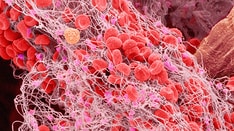
Media file 3:  Cell surface–directed hemostasis. Initially, a small amount of thrombin is generated on the surface of the tissue factor–bearing (TF-bearing) cell. Following amplification, the second burst generates a larger amount of thrombin, leading to fibrin (clot) formation. Image adapted from Hoffman, 2001.
Click to see larger pictureClick to see detailView Full Size Image
Media type:  Image


  1. Irving JA, Pike RN, Lesk AM, Whisstock JC. Phylogeny of the serpin superfamily: Implications of patterns of amino acid conservation for structure and function. Genome Research. 2000;10:1845-1864.
  2. Irving JA, Steenbakkers P, Lesk A, Op Den Kamp H, Pike RN, Whisstock JC. Serpins in prokaryotes. Molecular Biology. 2002;Part E, 19:1881-1890.
  3. Olds RJ, Lane DA, Mille B, Chowdhury V, Thein SL. Antithrombin: the principal inhibitor of thrombin. Semin Thromb Hemost. 1994;20(4):353-72. [Medline].
  4. Rosenberg JS, McKenna PW, Rosenberg RD. Inhibition of human factor IXa by human antithrombin. J Biol Chem. Dec 10 1975;250(23):8883-8. [Medline].
  5. Stead N, Kaplan AP, Rosenberg RD. Inhibition of activated factor XII by antithrombin-heparin cofactor. J Biol Chem. Nov 10 1976;251(21):6481-8. [Medline].
  6. Rao LV, Nordfang O, Hoang AD, Pendurthi UR. Mechanism of antithrombin III inhibition of factor VIIa/tissue factor activity on cell surfaces. Comparison with tissue factor pathway inhibitor/factor Xa-induced inhibition of factor VIIa/tissue factor activity. Blood. Jan 1 1995;85(1):121-9. [Medline].
  7. Okajima K, Uchiba M. The anti-inflammatory properties of antithrombin III: new therapeutic implications. Semin Thromb Hemost. 1998;24(1):27-32. [Medline].
  8. Yamashiro K, Kiryu J, Tsujikawa A, Honjo M, Nonaka A, Miyamoto K. Inhibitory effects of antithrombin III against leukocyte rolling and infiltration during endotoxin-induced uveitis in rats. Invest Ophthalmol Vis Sci. Jun 2001;42(7):1553-60. [Medline].
  9. Dunzendorfer S, Kaneider N, Rabensteiner A, Meierhofer C, Reinisch C, Römisch J. Cell-surface heparan sulfate proteoglycan-mediated regulation of human neutrophil migration by the serpin antithrombin III. Blood. Feb 15 2001;97(4):1079-85. [Medline].
  10. Picard V, Nowak-Gottl U, Biron-Andreani C, et al. Molecular bases of antithrombin deficiency: twenty-two novel mutations in the antithrombin gene. Human Mutat. 27(6):600.
  11. Steiner M, Steiner B, Rolfs A et al. Antithrombin gene mutation 5356-5364*delCTT with type I deficiency and early-onset Thrombophilia and a brief review of the antithrombin a-helix D molecular pathology. Ann Hematol. 2005;84:56-58.
  12. Wang WB, Fu QH, Ding QL, Zhou RF, Wu WM, Hu YQ. Characterization of molecular defect of 13387-9delG mutated antithrombin in inherited type I antithrombin deficiency. Blood Coagul Fibrinolysis. Mar 2005;16(2):149-55. [Medline].
  13. Huntington JA, Read RJ, Carrell RW. Structure of a serpin-protease complex shows inhibition by deformation. Nature. 2000;407:923-926.
  14. van Boven HH, Lane DA. Antithrombin and its inherited deficiency states. Semin Hematol. Jul 1997;34(3):188-204. [Medline].
  15. Undas A, Brummel K, Musial J, et al. Blood coagulation at the site of microvascular injury: effects of low- dose aspirin. Blood. Oct 15 2001;98(8):2423-31. [Medline].
  16. Roemisch J, Gray E, Hoffmann JN, Wiedermann CJ. Antithrombin: a new look at the actions of a serine protease inhibitor. Blood Coagul Fibrinolysis. 2002;13:657-670.
  17. Morikawa M, Yamada T, Kataoka S, Cho K, Yamada H, Suzuki S. Changes in antithrombin activity and platelet counts in the late stage of twin and triplet pregnancies. Semin Thromb Hemost. Jun 2005;31(3):290-6. [Medline].
  18. Hara T, Naito K. Inherited antithrombin deficiency and end stage renal disease. Med Sci