Continually Updated Clinical Reference
 
 
  All Sources     eMedicine     Medscape     Drug Reference     MEDLINE
 
eMedicine - Liver Abscess : Article by

Quick Find
Authors & Editors
Introduction
Clinical
Differentials
Workup
Treatment
Medication
Follow-up
Miscellaneous
Multimedia
References

Related Articles
Biliary Disease

Cholecystitis

Empyema, Pleuropulmonary

Gastritis, Acute

Hydatid Cysts

Pneumonia, Bacterial


Patient Education
Infections Center

Liver, Gallbladder, and Pancreas Center

Abscess Overview

Abscess Causes

Abscess Symptoms

Abscess Treatment

Antibiotics Introduction


Author: Ruben Peralta, MD, FACS, Professor of Surgery, Anesthesia and Emergency Medicine, Senior Medical Advisor, Board of Directors, Program Chief of Trauma, Emergency and Critical Care, Consulting Staff, Professor Juan Bosch Trauma Hospital, Dominican Republic

Ruben Peralta is a member of the following medical societies: American College of Surgeons, American Medical Association, Association for Academic Surgery, Eastern Association for the Surgery of Trauma, Massachusetts Medical Society, Society of Critical Care Medicine, and Society of Laparoendoscopic Surgeons

Coauthor(s): Michelle V Lisgaris, MD, Assistant Professor of Medicine, Case Western Reserve University; Associate Medical Director, Infection Control, Department of Internal Medicine, Division of Infectious Diseases, University Hospitals of Cleveland; Robert A Salata, MD, Chief and Clinical Program Director of Division of Infectious Diseases, Vice Chair for International Affairs, Professor, Department of Medicine, Case Western Reserve University School of Medicine; Sarah Guzofski, MD, Staff Physician, Department of Psychiatry, University of Massachusetts Medical School

Editors: Marco Patti, MD, Director, Center for the Study of Gastrointestinal Motility and Secretion, Moffitt-Long Hospital; Associate Professor, Department of Surgery, University of California at San Francisco; Francisco Talavera, PharmD, PhD, Senior Pharmacy Editor, eMedicine; Joseph F John Jr, MD, FACP, FIDSA, FSHEA, Professor of Medicine, Molecular Genetics and Microbiology, Medical University of South Carolina; Associate Chief of Staff for Education, Ralph H Johnson Veteran's Administration Medical Center; Paolo Zamboni, MD, Professor of Surgery, Chief of Day Surgery Unit, Chair of Vascular Diseases Center, University of Ferrara, Italy; John Geibel, MD, DSc, MA, Professor, Department of Surgery, Section of Gastrointestinal Medicine and Department of Cellular and Molecular Physiology, Yale University School of Medicine; Director of Surgical Research, Department of Surgery, Yale-New Haven Hospital

Author and Editor Disclosure

Synonyms and related keywords: hepatic abscess, pyogenic liver abscess, amebic liver abscess, PLA, bacterial liver abscess, bacterial abscess of the liver, bacterial hepatic abscess, endophthalmitis, Enterobacteriaceae, microaerophilic streptococci, anaerobic streptococci, Klebsiella pneumoniae, K pneumoniae, Bacteroides, Fusobacterium, Staphylococcus aureus, S aureus, Staphylococcus milleri, S milleri, Candida albicans, C albicans, Aspergillus, Actinomyces, Eikenella corrodens, E corrodens, Yersinia enterocolitica, Y enterocolitica, Salmonella typhi, S typhi, Brucella melitensis, B melitensis, Entamoeba histolytica liver abscess, E histolytica liver abscess, fungal liver abscess

Background

Bacterial abscess of the liver is relatively rare. It has been described since the time of Hippocrates (400 BC), with the first published review by Bright appearing in 1936. In 1938, Ochsner's classic review heralded surgical drainage as the definitive therapy; however, despite the more aggressive approach to treatment, the mortality rate remained at 60-80%.

The development of new radiologic techniques, the improvement in microbiologic identification, and the advancement of drainage techniques, as well as improved supportive care, have decreased mortality rates to 5-30%; yet, the prevalence of the condition has remained relatively unchanged. Untreated, this infection remains uniformly fatal.

The 3 major forms of liver abscess, classified by etiology, are as follows:

  • Pyogenic abscess, which is most often polymicrobial, accounts for 80% of hepatic abscess cases in the United States.
  • Amebic abscess due to Entamoeba histolytica accounts for 10% of cases.
  • Fungal abscess, most often due to Candida species, accounts for less than 10% of cases.

Pathophysiology

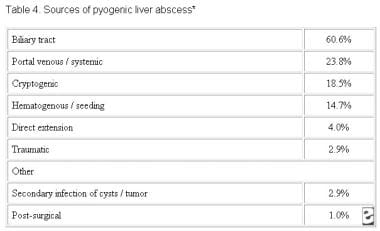
The liver receives blood from both the systemic and portal circulations. Increased susceptibility to infections would be expected given the increased exposure to bacteria. However, Kupffer cells lining the hepatic sinusoids clear bacteria so efficiently that infection rarely occurs. Multiple processes have been associated with the development of hepatic abscesses; their relative frequencies are listed in Table 4 in Media file 4.

Appendicitis was traditionally the major cause of liver abscess. As diagnosis and treatment of this condition has advanced, its frequency as a cause for liver abscess has decreased to 10%.

Biliary tract disease is now the most common source of pyogenic liver abscess (PLA). Obstruction of bile flow allows for bacterial proliferation. Biliary stone disease, obstructive malignancy affecting the biliary tree, stricture, and congenital diseases are common inciting conditions. With a biliary source, abscesses usually are multiple, unless they are associated with surgical interventions or indwelling biliary stents. In these instances, solitary lesions can be seen.

Infections in organs in the portal bed can result in a localized septic thrombophlebitis, which can lead to liver abscess. Septic emboli are released into the portal circulation, trapped by the hepatic sinusoids, and become the nidus for microabscess formation. These microabscesses initially are multiple but usually coalesce into a solitary lesion.

Microabscess formation can also be due to hematogenous dissemination of organisms in association with systemic bacteremia, such as endocarditis and pyelonephritis. Cases also are reported in children with underlying defects in immunity, such as chronic granulomatous disease and leukemia.

Abscesses can result from fistula formation between local intra-abdominal infections. Of abscesses, 4% develop in this manner.

Despite advances in diagnostic imaging, cryptogenic causes account for a significant proportion of cases; surgical exploration has impacted this minimally. These lesions usually are solitary in nature.

Penetrating hepatic trauma can inoculate organisms directly into liver parenchyma, resulting in PLA. Nonpenetrating trauma results in localized hepatic necrosis, intrahepatic hemorrhage, and bile leakage due to disruption of canaliculi. The resulting tissue environment permits bacterial growth with resultant PLA. Lesions of this etiology typically are solitary in nature.

PLA has been reported as a secondary infection of amebic abscess, hydatid cystic cavities, and metastatic and primary hepatic tumors. It also has been a complication of liver transplantation, hepatic artery embolization in the treatment of hepatocellular carcinoma, and the ingestion of foreign bodies, which penetrate the liver parenchyma. Trauma and secondarily infected liver pathology account for a small percentage of liver abscess cases.

The right hepatic lobe is affected more often than the left by a factor of 2:1. Bilateral involvement is seen in 5% of cases. The predilection for the right lobe can be attributed to anatomic considerations. The right hepatic lobe receives blood from both the superior mesenteric and portal veins, whereas the left lobe receives inferior mesenteric and splenic drainage. It also contains a denser network of biliary canaliculi and, overall, accounts for more hepatic mass. Studies have suggested that a streaming effect in the portal circulation is causative.

Frequency

United States

The incidence of PLA essentially has remained unchanged by both hospital and autopsy data. Liver abscess was diagnosed in 0.7%, 0.45%, and 0.57% of autopsies during the periods of 1896-1933, 1934-1958, and 1959-1968, respectively. The frequency in hospitalized patients ranges from 8-16 cases per 100,000 persons. Recent studies suggest a small but significant increase in the frequency of liver abscess.

Mortality/Morbidity

Untreated, PLA remains uniformly fatal. With timely administration of antibiotics and drainage procedures, mortality currently occurs in 5-30% of cases. The most common causes of death include sepsis, multiorgan failure, and hepatic failure.

Sex

While abscesses once showed a predilection for males in earlier decades, no sexual predilection currently exists. Males have a poorer prognosis from hepatic abscess than females.

Age

  • Prior to the antibiotic era, persons in the fourth and fifth decades of life were most commonly afflicted, primarily due to complications of appendicitis. With the development of better diagnostic techniques, early antibiotic administration, and the improved survival of the general population, the demographic has shifted toward the sixth and seventh decades of life.Frequency curves display a small peak in the neonatal period followed by a gradual rise beginning at the sixth decade of life.
  • Cases of liver abscesses in infants have been associated with umbilical vein catheterization and sepsis.
  • When abscesses are seen in children and adolescents, underlying immune deficiency or trauma frequently exist.


History

  • See Table 1 in Media file 1 for the presenting symptoms and signs in 715 patients described in the literature.
  • The most frequent symptoms of hepatic abscess include the following:
    • Fever (either continuous or spiking)
    • Chills
    • Right upper quadrant pain
    • Anorexia
    • Malaise
  • Cough or hiccoughs due to diaphragmatic irritation may be reported.
  • Referred pain to the right shoulder may be present.
  • Individuals with solitary lesions usually have a more insidious course with weight loss and anemia of chronic disease. With such symptoms, malignancy often is the initial consideration.
  • Fever of unknown origin (FUO) frequently can be an initial diagnosis in indolent cases. Multiple abscesses usually result in more acute presentations, with symptoms and signs of systemic toxicity.

Physical

  • Physical sequelae most commonly seen include fever and tender hepatomegaly.
  • A palpable mass need not be present.
  • Mid epigastric tenderness, with or without a palpable mass, is suggestive of left lobe involvement.
  • Decreased breath sounds in the right basilar lung zones, with signs of atelectasis and effusion on examination or radiologically, may be present.
  • A pleural or hepatic friction rub can be associated with diaphragmatic irritation or inflammation of Glisson capsule.
  • Jaundice may be present in as many as 25% of cases and usually is associated with biliary tract disease or the presence of multiple abscesses.

Causes

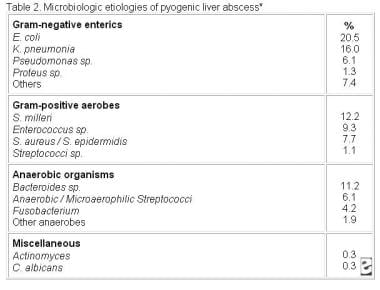
Polymicrobial involvement is common, with Escherichia coli and Klebsiella pneumonia being the 2 most frequently isolated pathogens. Recent reports suggest Klebsiella pneumonia is an increasingly prominent cause. Table 2 in Media file 2 lists the common etiologic agents.

  • Enterobacteriaceae are especially prominent when the infection is of biliary origin. Abscesses involving Klebsiella pneumonia have been associated with multiple cases of endophthalmitis.
  • The pathogenic role of anaerobes was underappreciated until the isolation of anaerobes from 45% of cases of PLA was reported in 1974. Since that time, increasing rates of anaerobic involvement have been reported, likely because of increased awareness and improved culturing techniques. The most frequently encountered anaerobes are Bacteroides species, Fusobacterium species, and microaerophilic and anaerobic streptococci. A colonic source is usually the initial source of infection.
  • Staphylococcus aureus abscesses usually result from hematogenous spread of organisms involved with distant infections, such as endocarditis. S milleri is neither anaerobic or microaerophilic. It has been associated with both monomicrobial and polymicrobial abscesses in patients with Crohn disease, as well as with other patients with PLA.
  • Amebic liver abscess is most often due to E histolytica. Liver abscess is the most common extraintestinal manifestation of this infection.
  • Fungal abscesses primarily are due to Candida albicans and occur in individuals with prolonged exposure to antimicrobials, hematologic malignancies, solid-organ transplants, and congenital and acquired immunodeficiency. Cases involving Aspergillus species have been reported.
  • Other organisms reported in the literature include Actinomyces species, Eikenella corrodens, Yersinia enterocolitica, Salmonella typhi, and Brucella melitensis.


Biliary Disease
Cholecystitis
Empyema, Pleuropulmonary
Gastritis, Acute
Hydatid Cysts
Pneumonia, Bacterial

Other Problems to be Considered

Hepatitis, nonviral
Hepatocellular carcinoma
Metastatic disease of the liver


Lab Studies

  • CBC with differential
    • Anemia of chronic disease
    • Neutrophilic leukocytosis
  • Liver function studies
    • Hypoalbuminemia and elevation of alkaline phosphatase (most common abnormalities)
    • Elevations of transaminase and bilirubin levels (variable)
  • Blood cultures are positive in roughly 50% of cases.
  • Culture of abscess fluid should be the goal in establishing microbiologic diagnosis.
  • Enzyme immunoassay should be performed to detect E histolytica in patients either from endemic areas or who have traveled to endemic areas.

Imaging Studies

  • The advancement in radiologic techniques has been credited with the improvement in mortality rates. Comparisons in the diagnostic utility of the various radiologic techniques are described in Table 3.
  • CT evaluation with contrast and ultrasonography remain the radiologic modalities of choice as screening procedures and also can be used as techniques for guiding percutaneous aspiration and drainage.
  • With advancements in multidetector CT scan technology, image quality has improved dramatically, allowing for improved detection.
  • CT scan (sensitivity 95-100%)
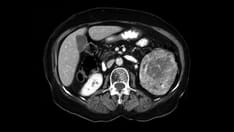
    • Lesions on CT evaluation are well-demarcated areas hypodense to the surrounding hepatic parenchyma. Peripheral enhancement is seen when IV contrast is administered.
    • Gas can be seen in as many as 20% of lesions.
    • CT scan is superior in its ability to detect lesions less than 1 cm.
    • This technique also enables the evaluation for an underlying concurrent pathology throughout the abdomen and pelvis. Indium-labeled WBC scans are somewhat more sensitive in this regard.
  • Ultrasound (sensitivity 80-90%)
    • Ultrasound evaluation reveals hypoechoic masses with irregularly shaped borders. Internal septations or cavity debris may be detected.
    • Ultrasound allows for close evaluation of the biliary tree and simultaneous aspiration of the cavity.
    • The major benefits of this technique are its portability and diagnostic utility in patients who are too critical to undergo prolonged radiologic evaluation or to be moved out of monitored setting.
    • Operator dependence affects its overall sensitivity.
  • Gallium and technetium radionuclide scanning (sensitivity 50-90%)
    • The initial studies are used in diagnosis.
    • These techniques utilize the fact that the radiopharmaceuticals share the same uptake, transport, and excretion pathways as bilirubin and, thus, are effective agents in evaluating liver disease.
    • Sensitivity varies with the radiopharmaceutical utilized, technetium (80%), gallium (50-80%), and indium (90%).
    • Limitations include a delay in diagnosis and the need for confirmatory procedures; thus they offer no benefit over other imaging modalities.
  • Chest x-ray findings of basilar atelectasis, right hemidiaphragm elevation, and right pleural effusion are present in approximately 50% of cases; before advancements in radiologic technique, these served as diagnostic clues. Pneumonias or pleural diseases often are initially considered because of the radiographic findings.

Procedures

  • Percutaneous needle aspiration
    • Under CT scan or ultrasound guidance, needle aspiration of cavity material can be performed.
    • Enables rapid recovery of material for microbiologic and pathologic evaluation
    • Can be performed with the initial diagnostic procedure
  • Percutaneous catheter drainage
    • Percutaneous drainage has become the standard of care.
    • Overall success rate is reported as being equal or superior to surgical drainage.
    • Advantages include reduced costs, recovery time, and postprocedure recovery rate; it eliminates the need for general anesthesia.
    • Catheter is placed under ultrasound or CT guidance using the Seldinger or trocar techniques.
    • Catheter is flushed daily until output is less than 10 cc/d or cavity collapse is documented by serial CT scanning.
    • Multiple abscesses have been drained successfully by this method.
    • Failure to respond to catheter drainage is the main reported complication, and an indication for surgical intervention.
    • Other complications reported (rarely) are bleeding at catheter site, perforation of hollow viscus, and peritonitis from intraperitoneal spillage of cavity fluid.
    • Contraindications include coagulopathy; a difficult access path to the cavity; and/or a complicated, multiloculated, thick-walled abscess with viscous pus.


Medical Care

  • An untreated hepatic abscess is nearly uniformly fatal due to complications that include sepsis, empyema, or peritonitis from rupture into the pleural or peritoneal spaces, and retroperitoneal extension. Treatment should include drainage, either percutaneous or surgical.
  • Antibiotic therapy as a sole treatment modality is not routinely advocated, though it has been successful in a few reported cases.
    • It may be the only alternative in patients too ill to undergo invasive procedures or in those with multiple abscesses not amenable to either drainage technique.
    • In these instances, patients are likely to require many months of antimicrobial therapy with serial imaging and close monitoring for associated complications.
  • Percutaneous aspiration with antimicrobial therapy
  • Percutaneous catheter drainage with antimicrobial therapy

Surgical Care

Surgical drainage was the standard of care until the introduction of percutaneous drainage techniques in the mid 1970s. With the refinement of image-guided techniques, percutaneous drainage and aspiration have become the standard of care.

  • Current indications for surgical treatment of PLA are for the treatment of underlying intra-abdominal processes, including signs of peritonitis; existence of a known abdominal surgical pathology (eg, diverticular abscess); failure of previous drainage attempts; and the presence of a complicated, multiloculated, thick-walled abscess with viscous pus.
  • Shock with multisystem organ failure is a contraindication to surgery.
  • Open surgery can be performed by 2 approaches.
    • A transperitoneal approach allows for abscess drainage and abdominal exploration to identify previously undetected abscesses and the location of an etiologic source.
    • For high posterior lesions, a posterior transpleural approach can be utilized. Although this allows easier access to the abscess, the identification of multiple lesions or a concurrent intra-abdominal pathology is lost.
  • A laparoscopic approach could be useful in selected cases because it affords the opportunity to explore the entire abdomen and significantly reduce patient morbidity.
  • A retrospective chart review compared surgery versus percutaneous drainage for liver abscess of greater than 5 cm. The morbidity was comparable for the 2 procedures, but those treated with surgery had fewer secondary procedures and fewer treatment failures.
  • Postoperative complications occur not infrequently and include recurrent PLA, intra-abdominal abscess, hepatic or renal failure, and wound infection.

Consultations

  • Interventional radiology: Obtain a consultation as soon as the diagnosis is considered to allow rapid collection of cavity fluid and the potential for early therapeutic drainage of abscess.
  • General surgery
    • Immediately seek a consultation with a general surgeon if a known, underlying, abdominal pathology is the source of the abscess or if complications are noted on presentation.
    • In cases undergoing percutaneous drainage, seek the involvement of a general surgeon if drainage of the abscess cavity is unsuccessful.
  • Gastroenterology involvement may be useful after successful drainage to evaluate for underlying gastrointestinal disease using colonoscopy or endoscopic retrograde cholangiopancreatography (ERCP).
  • Infectious disease consultation should be considered in complicated cases and when the involved pathogens are unusual or difficult to treat, such as in fungal abscesses.


Until cultures are available, the choice of antimicrobial agents should be directed toward the most commonly involved pathogens. Regimens using beta-lactam/beta-lactamase inhibitor combinations, carbapenems, or second-generation cephalosporins with anaerobic coverage are excellent empiric choices for the coverage of enteric bacilli and anaerobes. Metronidazole or clindamycin should be added for the coverage of Bacteroides fragilis if other employed antibiotics offer no anaerobic coverage.

Amebic abscess should be treated with metronidazole, which will be curative in 90% of cases. Metronidazole should be initiated before serologic test results are available. Patients who do not respond to metronidazole should receive chloroquine alone or in combination with emetine or dehydroemetine.

Systemic antifungal agents should be initiated if fungal abscess is suspected and after the abscess has been drained percutaneously or surgically. Initial therapy for fungal abscess is currently amphotericin B. Lipid formulations may offer some benefit in that the complexing of drug to lipid moieties allows for concentration in hepatocytes. Further investigation is required for definitive proof. Cases of successful fluconazole treatment after amphotericin failure have been reported; however, its use as an initial agent is still being studied.

Ultimately, the organisms isolated and antibiotic sensitivities should guide the final choice of antimicrobials.

Duration of treatment has always been debated. Short courses (2 wk) of therapy after percutaneous drainage have been successful in a small series of patients; however, most series have reported recurrence of abscess even after more prolonged courses. Currently 4-6 weeks of therapy is recommended for solitary lesions that have been adequately drained. Multiple abscesses are more problematic and can require up to 12 weeks of therapy. Both the clinical and radiographic progress of the patient should guide the length of therapy.

Drug Category: Antibiotics

Empiric antimicrobial therapy must be comprehensive and should cover all likely pathogens in the context of the clinical setting.

Drug NameMeropenem (Merrem)
DescriptionBactericidal broad-spectrum carbapenem antibiotic that inhibits cell-wall synthesis. Effective against most gram-positive and gram-negative bacteria.
Has slightly increased activity against gram negatives and slightly decreased activity against staphylococci and streptococci species compared to imipenem.
Adult Dose1.0 g IV q8h
Pediatric Dose40 mg/kg IV q8h
ContraindicationsDocumented hypersensitivity
InteractionsProbenecid may inhibit renal excretion of meropenem, increasing meropenem levels
PregnancyB - Usually safe but benefits must outweigh the risks.
PrecautionsPseudomembranous colitis and thrombocytopenia may occur, requiring immediate discontinuation of medication

Drug NameImipenem and cilastatin (Primaxin)
DescriptionFor treatment of multiple organism infections in which other agents do not have wide-spectrum coverage or are contraindicated due to potential for toxicity.
Adult DoseBase initial dose on severity of infection, and administer in equally divided doses; dose may range from 250-500 mg IV q6h for maximum of 3-4 g/d
Alternatively, 500-750 mg q12h IM or intra-abdominally
Pediatric Dose<12 years: Not established; 15-25 mg/kg/dose IV q6h suggested for > 3 months
Fully susceptible organisms: Not to exceed 2 g/d IV
Infections with moderately susceptible organisms: Not to exceed 4 g/d
ContraindicationsDocumented hypersensitivity
InteractionsCoadministration with cyclosporine may increase CNS side effects of both agents; coadministration with ganciclovir may result in generalized seizures
PregnancyC - Safety for use during pregnancy has not been established.
PrecautionsAdjust dose in renal insufficiency; avoid use in children <12 years

Drug NameCefuroxime (Ceftin)
DescriptionSecond-generation cephalosporin maintains gram-positive activity that first-generation cephalosporins have; adds activity against Proteus mirabilis, Haemophilus influenzae, Escherichia coli, Klebsiella pneumoniae, and Moraxella catarrhalis. Condition of patient, severity of infection, and susceptibility of microorganism determine proper dose and route of administration.
Adult Dose500 mg PO bid for 20 d
Pediatric DoseChildren: 250 mg PO bid for 20 d
Adolescents: Administer as in adults
ContraindicationsDocumented hypersensitivity
InteractionsDisulfiramlike reactions may occur when alcohol is consumed within 72 h after taking cefuroxime; may increase hypoprothrombinemic effects of anticoagulants; may increase nephrotoxicity in patients receiving potent diuretics, such as loop diuretics; coadministration with aminoglycosides increases nephrotoxic potential
PregnancyC - Safety for use during pregnancy has not been established.
PrecautionsAdminister one-half dose if creatinine clearance is 10-30 mL/min and one-quarter dose if <10 mL/min; fungal and microorganism overgrowth may occur with prolonged therapy

Drug NameCefotetan (Cefotan)
DescriptionSecond-generation cephalosporin indicated for infections caused by susceptible gram-positive cocci and gram-negative rods.
Dosage and route of administration depends on condition of patient, severity of infection, and susceptibility of causative organism.
Adult Dose1-2 g IV/IM q12h for 5-10 d
Pediatric Dose20-40 mg/kg/dose IV/IM q12h for 5-10 d
ContraindicationsDocumented hypersensitivity
InteractionsConsumption of alcohol within 72 h of cefotetan may produce disulfiramlike reactions; cefotetan may increase hypoprothrombinemic effects of anticoagulants; coadministration with potent diuretics (eg, loop diuretics) or aminoglycosides may increase nephrotoxicity
PregnancyB - Usually safe but benefits must outweigh the risks.
PrecautionsReduce dosage by 1/2 if <10-30 mL/min creatinine clearance and by 1/4 if <10 mL/min; bacterial or fungal overgrowth of nonsusceptible organisms may occur with prolonged or repeated therapy

Drug NameCefoxitin (Mefoxin)
DescriptionSecond-generation cephalosporin indicated for gram-positive cocci and gram-negative rod infections. Infections caused by cephalosporin-resistant or penicillin-resistant gram-negative bacteria may respond to cefoxitin.
Adult Dose1-2 g IV q6-8h
Pediatric DoseInfants and children: 80-160 mg/kg/d IV divided q4-6h; higher doses for severe or serious infections; not to exceed 12 g/d
ContraindicationsDocumented hypersensitivity
InteractionsProbenecid may increase effects of cefoxitin; coadministration with aminoglycosides or furosemide may increase nephrotoxicity (closely monitor renal function)
PregnancyB - Usually safe but benefits must outweigh the risks.
PrecautionsBacterial or fungal overgrowth of nonsusceptible organisms may occur with prolonged use or repeated treatment; caution in patients with previously diagnosed colitis

Drug NameCefaclor (Ceclor)
DescriptionSecond-generation cephalosporin indicated for infections caused by susceptible gram-positive cocci and gram-negative rods.
Determine proper dosage and route based on condition of patient, severity of infection, and susceptibility of causative organism.
Adult Dose250-500 mg PO q8h
Pediatric Dose20-40 mg/kg/d PO divided q8-12h; not to exceed 2 g/d
ContraindicationsDocumented hypersensitivity
InteractionsAlcoholic beverages consumed <72 h after taking cefaclor may produce disulfiramlike reactions; may increase hypoprothrombinemic effects of anticoagulants; coadministration with potent diuretics and aminoglycosides (e.g., loop diuretics) may increase nephrotoxicity
PregnancyB - Usually safe but benefits must outweigh the risks.
PrecautionsReduce dosage by 1/2 if creatinine clearance is 10-30 mL/min, and by 1/4 if <10 mL/min; bacterial or fungal overgrowth of nonsusceptible organisms may occur with prolonged or repeated therapy

Drug NameClindamycin (Cleocin)
DescriptionLincosamide for treatment of serious skin and soft tissue staphylococcal infections. Also effective against aerobic and anaerobic streptococci (except enterococci). Inhibits bacterial growth, possibly by blocking dissociation of peptidyl t-RNA from ribosomes causing RNA-dependent protein synthesis to arrest.
Adult Dose150-450 mg/dose PO q6-8h; not to exceed 1.8 g/d
600-1200 mg/d IV/IM divided q6-8h, depending on degree of infection
Pediatric Dose8-20 mg/kg/d PO as hydrochloride and 8-25 mg/kg/d as palmitate divided tid/qid
20-40 mg/kg/d IV/IM divided tid/qid
ContraindicationsDocumented hypersensitivity; regional enteritis; ulcerative colitis; hepatic impairment; antibiotic-associated colitis
InteractionsIncreases duration of neuromuscular blockade, induced by tubocurarine and pancuronium; erythromycin may antagonize effects of clindamycin; antidiarrheals may delay absorption of clindamycin
PregnancyB - Usually safe but benefits must outweigh the risks.
PrecautionsAdjust dose in severe hepatic dysfunction; no adjustment necessary in renal insufficiency; associated with severe and possibly fatal colitis

Drug NameMetronidazole (Flagyl)
DescriptionImidazole ring-based antibiotic active against various anaerobic bacteria and protozoa. Used in combination with other antimicrobial agents (except for Clostridium difficile enterocolitis).
Adult DoseLoading dose: 15 mg/kg or 1 g for 70-kg adult IV over 1 h
Maintenance dose: 6 h following loading dose; infuse 7.5 mg/kg or 500 mg IV for 70-kg adult over 1 h q6-8h; not to exceed 4 g/d
Pediatric Dose15-30 mg/kg/d PO divided bid/tid for 7 d, or 40 mg/kg once; do not exceed 2 g/d
ContraindicationsDocumented hypersensitivity
InteractionsCimetidine may increase toxicity of metronidazole; may increase effects of anticoagulants; may increase toxicity of lithium and phenytoin; disulfiramlike reaction may occur with orally ingested ethanol
PregnancyB - Usually safe but benefits must outweigh the risks.
PrecautionsAdjust dose in hepatic disease; monitor for seizures and development of peripheral neuropathy

Drug Category: Antifungal agents

Their mechanism of action may involve an alteration of RNA and DNA metabolism or an intracellular accumulation of peroxide that is toxic to the fungal cell.

Drug NameAmphotericin B (AmBisome)
DescriptionProduced by a strain of Streptomyces nodosus; can be fungistatic or fungicidal. Binds to sterols, such as ergosterol, in the fungal-cell membrane, causing intracellular components to leak with subsequent fungal-cell death.
Adult Dose3-5 mg/kg/d IV of liposomal amphotericin B over approximately 120 min
Pediatric DoseAdminister as in adults
ContraindicationsDocumented hypersensitivity
InteractionsAntineoplastic agents may enhance the potential of amphotericin B for renal toxicity, bronchospasm, and hypotension; corticosteroids, digitalis, and thiazides may potentiate hypokalemia; the risk of renal toxicity is increased with cyclosporine
PregnancyB - Usually safe but benefits must outweigh the risks.
PrecautionsMonitor renal function, serum electrolytes (eg, magnesium and potassium) liver function, CBC count, and hemoglobin concentrations; resume the therapy at the lowest level (eg, 0.25 mg/kg) when the therapy is interrupted for more than 7 d; hypoxemia, acute dyspnea, and interstitial infiltrates may occur in patients who are neutropenic and receiving leukocyte transfusions (separate time of amphotericin infusion from time of leukocyte transfusion)

Drug NameFluconazole (Diflucan)
DescriptionSynthetic oral antifungal (broad-spectrum bistriazole) that selectively inhibits fungal cytochrome P-450 and sterol C-14 alpha-demethylation.
Adult Dose150 mg PO once or 400 mg/d, depending on severity of infection
Pediatric Dose3-6 mg/kg/d PO for 14-28 d or 6-12 mg/kg/d, depending on severity of infection
ContraindicationsDocumented hypersensitivity
InteractionsLevels may increase with hydrochlorothiazides; fluconazole levels may decrease with chronic coadministration of rifampin; may increase concentrations of theophylline, phenytoin, tolbutamide, cyclosporine, glyburide, and glipizide; effects of anticoagulants may increase with fluconazole coadministration
PregnancyC - Safety for use during pregnancy has not been established.
PrecautionsMonitor closely if rashes develop and discontinue drug if lesions progress; may cause clinical hepatitis, cholestasis, and fulminant hepatic failure (including death), with underlying medical conditions, such as AIDS or a malignancy, and while taking multiple concomitant medications; not recommended for mothers who are nursing


Further Inpatient Care

  • Aggressively seek an underlying source of the abdominal pathology.
  • Perform weekly serial CT scans or ultrasound examinations to document adequate drainage of abscess cavity.
  • Maintain drains until the output is less than 10 cc/d.
  • Monitor fever curves. Persistent fever after 2 weeks of therapy may indicate the need for more aggressive drainage.
  • For patients with an underlying malignancy, definitive treatment, such as surgical removal of the mass, should be pursued if at all possible.

Further Outpatient Care

  • Patients will require prolonged parenteral antimicrobial therapy that may continue after discharge. Monitoring of medication levels, renal function, and blood counts may be needed. Enteral nutrition is the preferred route unless it is clinically contraindicated.
  • Drain care may be required.
  • Continue radiologic evaluation to document progress of therapy after discharge.

Complications

  • Sepsis
  • Empyema resulting from contiguous spread or intrapleural rupture of abscess
  • Rupture of abscess with resulting peritonitis
  • Endophthalmitis when an abscess is associated with Klebsiella pneumonia bacteremia

Prognosis

  • If a liver abscess is left untreated, the prognosis is uniformly fatal.
  • Indicators of a poor prognosis have been described since 1938 and include multiplicity of abscesses, underlying malignancy, severity of underlying medical conditions, presence of complications, and the delay in diagnosis.
  • Indicators of a poor prognosis in amebic abscess include a bilirubin level of greater than 3.5 mg/dL, encephalopathy, hypoalbuminemia (serum albumin level, <2 g/dL), and multiple abscesses; all are independent factors that predict poor outcome.
  • An underlying malignant etiology and an acute physiology and chronic health evaluation (APACHE II) score greater than 9 increases the relative mortality by 6.3-fold and 6.8-fold respectively.

Patient Education


Medical/Legal Pitfalls

  • Although specific medicolegal issues may not exist, morbidity or mortality related to undiagnosed or misdiagnosed infection possibly could result in legal action.


Media file 1:  Table 1: Presenting symptoms and signs in 715 patients diagnosed with liver abscess.
Click to see larger pictureClick to see detailView Full Size Image
Media type:  Graph

Media file 2:  Table 2: Microbiologic results from 312 cases of liver abscess compiled from the literature.
Click to see larger pictureClick to see detailView Full Size Image
Media type:  Graph

Media file 3:  Table 3: Comparison of the radiologic procedures utilized in the diagnosis of liver abscess.
Click to see larger pictureClick to see detailView Full Size Image
Media type:  Graph

Media file 4:  Table 4: Underlying etiology of 1086 cases of liver abscess compiled from the literature.
Click to see larger pictureClick to see detailView Full Size Image
Media type:  Graph

Media file 5:  CT scan findings of liver abscess are shown. A large septated abscess of the right hepatic lobe is revealed. Abscess was successfully treated with percutaneous drainage and antimicrobial therapy.

Click to see larger pictureClick to see detailView Full Size Image
Media type:  CT

Media file 6:  CT scan findings of liver abscess are shown. A large anterior abscess involving the left hepatic lobe is revealed. Abscess was successfully treated with percutaneous drainage and antimicrobial therapy.
Click to see larger pictureClick to see detailView Full Size Image
Media type:  CT


  • Anaissie E, Bodey GP, Kantarjian H. Fluconazole therapy for chronic disseminated candidiasis in patients with leukemia and prior amphotericin B therapy. Am J Med. Aug 1991;91(2):142-50. [Medline].
  • Annunziata GM, Blackstone M, Hart J. Candida (Torulopsis glabrata) liver abscesses eight years after orthotopic liver transplantation. J Clin Gastroenterol. Apr 1997;24(3):176-9. [Medline].
  • Arnon R, Ruzal-Shapiro C, Salen E. Eikenella corrodens: a rare pathogen in a polymicrobial hepatic abscess in an adolescent. Clin Pediatr (Phila). Jul 1999;38(7):429-32. [Medline].
  • Attar B, Levendoglu H, Cuasay NS. CT-guided percutaneous aspiration and catheter drainage of pyogenic liver abscesses. Am J Gastroenterol. Jul 1986;81(7):550-5. [Medline].
  • Bakalakos EA, Melvin WS, Kirkpatrick R. Liver abscess secondary to intrahepatic perforation of the gallbladder, presenting as a liver mass. Am J Gastroenterol. Aug 1996;91(8):1644-6. [Medline].
  • Berger LA, Osborne DR. Treatment of pyogenic liver abscesses by percutaneous needle aspiration. Lancet. Jan 16 1982;1(8264):132-4. [Medline].
  • Bertel CK, van Heerden JA, Sheedy PF 2d. Treatment of pyogenic hepatic abscesses. Surgical vs percutaneous drainage. Arch Surg. May 1986;121(5):554-8. [Medline].
  • Branum GD, Tyson GS, Branum MA. Hepatic abscess. Changes in etiology, diagnosis, and management. Ann Surg. Dec 1990;212(6):655-62. [Medline].
  • Burris GW, Gordon BM. Cold defect on indium leukocyte scanning of a hepatic abscess. Clin Nucl Med. Jan 1998;23(1):26-8. [Medline].
  • Cameron JL. Hepatic abscess. In: Current Surgical Treatment. 8th ed. 2004:298-303.
  • Casado JL, Pintado V, Gomez-Mampaso E. Mycobacterial liver abscess in a patient with AIDS. Postgrad Med J. Mar 1998;74(869):181-3. [Medline].
  • Casanova C, Lorente JA, Carrillo F. Klebsiella pneumoniae liver abscess associated with septic endophthalmitis [letter]. Arch Intern Med. Jun 1989;149(6):1467. [Medline].
  • Cerwenka H, Bacher H, Werkgartner G. Treatment of patients with pyogenic liver abscess. Chemotherapy. 2005;51:366-369.
  • Ch Yu S, Hg Lo R, Kan PS. Pyogenic liver abscess: treatment with needle aspiration. Clin Radiol. Dec 1997;52(12):912-6. [Medline].
  • Chen C, Chen PJ, Yang PM. Clinical and microbiological features of liver abscess after transarterial embolization for hepatocellular carcinoma. Am J Gastroenterol. Dec 1997;92(12):2257-9. [Medline].
  • Chou FF, Sheen-Chen SM, Chen YS. Single and multiple pyogenic liver abscesses: clinical course, etiology, and results of treatment. World J Surg. May 1997;21(4):384-8; discussion 388-9. [Medline].
  • Chou FF, Sheen-Chen SM, Lee TY. Rupture of pyogenic liver abscess. Am J Gastroenterol. May 1995;90(5):767-70. [Medline].
  • Chu KM, Fan ST, Lai EC. Pyogenic liver abscess. An audit of experience over the past decade. Arch Surg. Feb 1996;131(2):148-52. [Medline].
  • Corredoira J, Casariego E, Moreno C. Prospective study of Streptococcus milleri hepatic abscess. Eur J Clin Microbiol Infect Dis. Aug 1998;17(8):556-60. [Medline].
  • De la Maza LM, Naceim F, Berman LD. The changing etiology of liver abscess. Further observations. JAMA. Jan 14 1974;227(2):161-3. [Medline].
  • Doctor N, Dafnios N, Jones A. Primary squamous carcinoma of liver: presentation as liver abscess [see comments]. Indian J Gastroenterol. Jan 1998;17(1):28-9. [Medline].
  • Drnovsek V, Fontanez-Garcia D, Wakabayashi MN. Gastrointestinal case of the day. Pyogenic liver abscess caused by perforation by a swallowed wooden toothpick. Radiographics. May-Jun 1999;19(3):820-2. [Medline].
  • Farges O, Leese T, Bismuth H. Pyogenic liver abscess: an improvement in prognosis. Br J Surg. Sep 1988;75(9):862-5. [Medline].
  • Giorgio A, Tarantino L, De Stefano G. Hepatic abscess caused by Salmonella typhi: diagnosis and management by percutaneous echo-guided needle aspiration. Ital J Gastroenterol. Jan 1996;28(1):31-3. [Medline].
  • Giorgio A, Tarantino L, Mariniello N. Pyogenic liver abscesses: 13 years of experience in percutaneous needle aspiration with US guidance. Radiology. Apr 1995;195(1):122-4. [Medline].
  • Greenwood LH, Collins TL, Yrizarry JM. Percutaneous management of multiple liver abscesses. AJR Am J Roentgenol. Aug 1982;139(2):390-2. [Medline].
  • Haaga JR, Weinstein AJ. CT-guided percutaneous aspiration and drainage of abscesses. AJR Am J Roentgenol. Dec 1980;135(6):1187-94. [Medline].
  • Haron E, Feld R, Tuffnell P. Hepatic candidiasis: an increasing problem in immunocompromised patients. Am J Med. Jul 1987;83(1):17-26. [Medline].
  • Herbert DA, Fogel DA, Rothman J. Pyogenic liver abscesses: successful non-surgical therapy. Lancet. Jan 16 1982;1(8264):134-6. [Medline].
  • Horii K, Yamazaki O, Matsuyama M. Successful treatment of a hepatic abscess that formed secondary to fish bone penetration by percutaneous transhepatic removal of the foreign body: report of a case. Surg Today. 1999;29(9):922-6. [Medline].
  • Huang CJ, Pitt HA, Lipsett PA. Pyogenic hepatic abscess. Changing trends over 42 years. Ann Surg. May 1996;223(5):600-7; discussion 607-9. [Medline].
  • Hughes MA, Petri WA. Amebic liver abscess. Infect Dis Clin North Am. Sep 2000;14(3):565-82, viii. [Medline].
  • Jan YY, Yeh TS, Chen MF. Cholangiocarcinoma presenting as pyogenic liver abscess: is its outcome influenced by concomitant hepatolithiasis?. Am J Gastroenterol. Feb 1998;93(2):253-5. [Medline].
  • Johannsen EC, Sifri CD, Madoff LC. Pyogenic liver abscesses. Infect Dis Clin North Am. Sep 2000;14(3):547-63, vii. [Medline].
  • Kar P, Kapoor S, Jain A. Pyogenic liver abscess: aetiology, clinical manifestations and management. Trop Gastroenterol. Oct-Dec 1998;19(4):136-40. [Medline].
  • Khanna R, Levendoglu H. Liver abscess due to Yersinia enterocolitica: case report and review of the literature. Dig Dis Sci. Apr 1989;34(4):636-9. [Medline].
  • Lamps LW, Pinson CW, Raiford DS. The significance of microabscesses in liver transplant biopsies: a clinicopathological study. Hepatology. Dec 1998;28(6):1532-7. [Medline].
  • Lederman ER, Crum NF. Pyogenic liver abscess with a focus on Klebsiella pneumoniae as a primary pathogen: an emerging disease with unique clinical characteristics. Am J Gastroenterol. Feb 2005;100(2):322-31.
  • Liu YC, Cheng DL, Lin CL. Klebsiella pneumoniae liver abscess associated with septic endophthalmitis. Arch Intern Med. Oct 1986;146(10):1913-6. [Medline].
  • MacDonald GA, Greenson JK, DelBuono EA. Mini-microabscess syndrome in liver transplant recipients. Hepatology. Jul 1997;26(1):192-7. [Medline].
  • Mandel SR, Boyd D, Jaques PF. Drainage of hepatic, intraabdominal, and mediastinal abscesses guided by computerized axial tomography. Successful alternative to open drainage. Am J Surg. Jan 1983;145(1):120-5. [Medline].
  • Mathieu D, Vasile N, Fagniez PL. Dynamic CT features of hepatic abscesses. Radiology. Mar 1985;154(3):749-52. [Medline].
  • Mazza D, Gugenheim J, Toouli J. Survival of a liver graft recipient treated for an aspergillar liver abscess. Clin Infect Dis. Oct 1996;23(4):831-2. [Medline].
  • McDonald AP, Howard RJ. Pyogenic liver abscess. World J Surg. Jul 1980;4(4):369-80. [Medline].
  • McDonald KL, Davani M. The rim sign in hepatic abscess: case report and review of the literature. J Nucl Med. Aug 1997;38(8):1282-3. [Medline].
  • Mir-Madjlessi SH, McHenry MC, Farmer RG. Liver abscess in Crohn''s disease. Report of four cases and review of the literature. Gastroenterology. Oct 1986;91(4):987-93. [Medline].
  • Mischinger HJ, Hauser H, Rabl H. Pyogenic liver abscess: studies of therapy and analysis of risk factors. World J Surg. Nov-Dec 1994;18(6):852-7; discussion 858. [Medline].
  • Moore-Gillon JC, Eykyn SJ, Phillips I. Microbiology of pyogenic liver abscess. Br Med J (Clin Res Ed). Sep 26 1981;283(6295):819-21. [Medline].
  • Mulholland MW, Lillemoe KD, Doherty GM. Hepatic infection and acute hepatic failure. In: Greenfield's Surgery Scientific Principles and Practice. 4th ed. 2006:909-925.
  • Ochsner A, DeBakey M, Murray S. Pyogenic Abscess of the Liver II. An Analysis of Forty-Seven Cases with Review of the Literature. Am J Surg. 1938;XL:292-319.
  • Perez-Cruet MJ, Grable E, Drapkin MS. Pylephlebitis associated with diverticulitis. South Med J. May 1993;86(5):578-80. [Medline].
  • Philips RL. Computed tomography and ultrasound in the diagnosis and treatment of liver abscesses. Australas Radiol. Aug 1994;38(3):165-9. [Medline].
  • Pope IM, Poston CJ. Pyogenic liver abscess. Surgery of the Liver and Biliary Tract. 2000;1135-1145.
  • Quinlivan D, Davis TM, Daly FJ. Hepatic abscess due to Eikenella corrodens and Streptococcus milleri: implications for antibiotic therapy. J Infect. Jul 1996;33(1):47-8. [Medline].
  • Rabkin JM, Orloff SL, Corless CL. Hepatic allograft abscess with hepatic arterial thrombosis. Am J Surg. May 1998;175(5):354-9. [Medline].
  • Rahimian J, Wilson T, Oram V. Pyogenic liver abscess: recent trends in etiology and mortality. Clin Infect Dis. Dec 1 2004;39(11):1654-9.
  • Rajak CL, Gupta S, Jain S. Percutaneous treatment of liver abscesses: needle aspiration versus catheter drainage. AJR Am J Roentgenol. Apr 1998;170(4):1035-9. [Medline].
  • Rintoul R, O''Riordain MG, Laurenson IF. Changing management of pyogenic liver abscess. Br J Surg. Sep 1996;83(9):1215-8. [Medline].
  • Rubin RH, Swartz MN, Malt R. Hepatic abscess: changes in clinical, bacteriologic and therapeutic aspects. Am J Med. Oct 1974;57(4):601-10. [Medline].
  • Sabbaj J, Sutter VL, Finegold SM. Anaerobic pyogenic liver abscess. Ann Intern Med. Oct 1972;77(4):627-38. [Medline].
  • Sabbaj J. Anaerobes in liver abscess. Rev Infect Dis. Mar-Apr 1984;6 Suppl 1:S152-6. [Medline].
  • Seeto RK, Rockey DC. Pyogenic liver abscess. Changes in etiology, management, and outcome. Medicine (Baltimore). Mar 1996;75(2):99-113. [Medline].
  • Sheinfeld AM, Steiner AE, Rivkin LB. Transcutaneous drainage of abscesses of the liver guided by computed tomography scan. Surg Gynecol Obstet. Nov 1982;155(5):662-6. [Medline].
  • Soni PN, Hoosen AA, Pillay DG. Hepatic abscess caused by Salmonella typhi. A case report and review of the literature. Dig Dis Sci. Aug 1994;39(8):1694-6. [Medline].
  • Sparberg M, Gottschalk A, Kirsner JB. Liver abscess complication regional enteritis: report of two cases. Gastroenterology. Nov 1965;49(5):548-51. [Medline].
  • Strungs I, Farrell DJ, Matar LD. Multiple hepatic abscesses due to Yersinia enterocolitica. Pathology. Oct 1995;27(4):374-7. [Medline].
  • Sugano S, Matuda T, Suzuki T. Hepatic actinomycosis: case report and review of the literature in Japan. J Gastroenterol. Oct 1997;32(5):672-6. [Medline].
  • Tachopoulou OA, Vogt DP, Henderson JM. Hepatic abscess after liver transplantation: 1990-2000. Transplantation. Jan 15 2003;75(1):79-83. [Medline].
  • Tazawa J, Sakai Y, Maekawa S. Solitary and multiple pyogenic liver abscesses: characteristics of the patients and efficacy of percutaneous drainage. Am J Gastroenterol. Feb 1997;92(2):271-4. [Medline].
  • Thaler M, Pastakia B, Shawker TH. Hepatic candidiasis in cancer patients: the evolving picture of the syndrome. Ann Intern Med. Jan 1988;108(1):88-100. [Medline].
  • Thomas PG, Ravindra KV. Amebiasis and biliary infection. Surgery of the Liver and Biliary Tract. 2000;1147-1166.
  • Townsend CM, Beuchamp RD, Evers BM. The liver. In: Sabiston Textbook of Surgery. 17th ed. 2004:1513-1567.
  • Trump DL, Fahnestock R, Cloutier CT. Anaerobic liver abscess and intrahepatic metastases: a case report and review of the literature. Cancer. Feb 1978;41(2):682-6. [Medline].
  • Tsui BC, Mossey J. Occult liver abscess following clinically unsuspected ingestion of foreign bodies. Can J Gastroenterol. Jul-Aug 1997;11(5):445-8. [Medline].
  • Vakil N, Hayne G, Sharma A. Liver abscess in Crohn''s disease. Am J Gastroenterol. Jul 1994;89(7):1090-5. [Medline].
  • Vallejo JG, Stevens AM, Dutton RV. Hepatosplenic abscesses due to Brucella melitensis: report of a case involving a child and review of the literature. Clin Infect Dis. Mar 1996;22(3):485-9. [Medline].
  • Vukmir RB. Pyogenic hepatic abscess. Am Fam Physician. May 1 1993;47(6):1435-41. [Medline].
  • Wells CD, Arguedas M. Amebic liver abscess. South Med J. Jul 2004;97(7):673-82.
  • Wong E, Khardori N, Carrasco CH. Infectious complications of hepatic artery catheterization procedures in patients with cancer. Rev Infect Dis. Jul-Aug 1991;13(4):583-6. [Medline].
  • Yang DM, Kim HN, Kang JH. Complications of pyogenic hepatic abscess: computed tomography and clinical features. J Comput Assist Tomogr. May-Jun 2004;28(3):311-7.
  • Yeh TS, Jan YY, Jeng LB. Pyogenic liver abscesses in patients with malignant disease: a report of 52 cases treated at a single institution. Arch Surg. Mar 1998;133(3):242-5. [Medline].
  • Yoshida M, Mitsuo M, Kutsumi H. A successfully treated case of multiple liver abscesses accompanied by portal venous gas. Am J Gastroenterol. Nov 1996;91(11):2423-5. [Medline].

Liver Abscess excerpt

Article Last Updated: Nov 6, 2006