Continually Updated Clinical Reference
 
 
  All Sources     eMedicine     Medscape     Drug Reference     MEDLINE
 
eMedicine - Immune Thrombocytopenic Purpura : Article by

Quick Find
Authors & Editors
Introduction
Clinical
Differentials
Workup
Treatment
Medication
Follow-up
Miscellaneous
Multimedia
References

Related Articles
Myelodysplastic Syndrome

Myelophthisic Anemia


Patient Education
Click here for patient education.


Author: S Gerald Sandler, MD, FACP, FCAP, Professor of Medicine and Pathology; Director, Transfusion Medicine, Department of Laboratory Medicine, Georgetown University Hospital

S Gerald Sandler is a member of the following medical societies: American Association of Blood Banks, College of American Pathologists, and International Society of Blood Transfusions

Coauthor(s): Rumina Bhanji, MD, Staff Physician, Departments of Pathology and Laboratory Medicine, Georgetown University Hospital

Editors: Michael Paul Kosty, MD, Associate Director, Associate Professor, Department of Internal Medicine, Divisions of Supportive Care Services and Hematology and Oncology, Ida M and Cecil H Green Cancer Center, Scripps Clinic; Francisco Talavera, PharmD, PhD, Senior Pharmacy Editor, eMedicine; Ronald A Sacher, MB, BCh, MD, FRCPC, Director of the Hoxworth Blood Center, Professor, Departments of Internal Medicine and Pathology, University of Cincinnati Medical Center; Rajalaxmi McKenna, MD, FACP, Consulting Staff, Department of Medicine, Southwest Medical Consultants, SC, Good Samaritan Hospital, Advocate Health Systems; Emmanuel C Besa, MD, Professor, Department of Medicine, Division of Hematologic Malignancies, Kimmel Cancer Center, Thomas Jefferson University

Author and Editor Disclosure

Synonyms and related keywords: idiopathic thrombocytopenic purpura, ITP, autoimmune thrombocytopenic purpura, primary thrombocytopenic purpura, thrombocytopenia, purpura, petechiae, thrombocytopenic purpura, bleeding disorder, platelet disorder, splenectomy, intravenous immune globulin therapy, IVIG therapy, IV RhIG therapy, intravenous RhIG therapy, intravenous Rho immune globulin therapy

Background

Immune thrombocytopenic purpura (ITP) is a clinical syndrome in which a decreased number of circulating platelets (thrombocytopenia) manifests as a bleeding tendency, easy bruising (purpura), or extravasation of blood from capillaries into skin and mucous membranes (petechiae).

In persons with ITP, platelets are coated with autoantibodies to platelet membrane antigens, resulting in splenic sequestration and phagocytosis by mononuclear macrophages. The resulting shortened life span of platelets in the circulation, together with incomplete compensation by increased platelet production by bone marrow megakaryocytes, results in a decreased platelet count.

To establish a diagnosis of ITP, exclude other causes of thrombocytopenia, such as leukemia, myelophthisic marrow infiltration, myelodysplasia, aplastic anemia, or adverse drug reactions. Pseudothrombocytopenia due to platelet clumping is also a diagnostic consideration.

No single laboratory result or clinical finding establishes a diagnosis of ITP; it is a diagnosis of exclusion.

Pathophysiology

An abnormal autoantibody, usually immunoglobulin G (IgG) with specificity for 1 or more platelet membrane glycoproteins (GPs), binds to circulating platelet membranes.

Autoantibody-coated platelets induce Fc receptor–mediated phagocytosis by mononuclear macrophages, primarily but not exclusively in the spleen. The spleen is the key organ in the pathophysiology of ITP not only because platelet autoantibodies are formed in the white pulp but also because mononuclear macrophages in the red pulp destroy immunoglobulin-coated platelets.

If bone marrow megakaryocytes cannot increase production and maintain a normal number of circulating platelets, thrombocytopenia and purpura develop. Impaired thrombopoiesis is attributed to failure of a compensatory increase in thrombopoietin and megakaryocyte apoptosis.

Frequency

United States

The annual incidence of chronic ITP is estimated to be 5.8-6.6 cases per 100,000 persons, but these data are not from large population-based studies. Most cases of acute ITP, particularly in children, are mild and self-limited and may not receive medical attention. Therefore, estimated incidences of acute ITP are difficult to determine and likely to understate the full extent of the disease.

Mortality/Morbidity

  • Hemorrhage: The primary cause of long-term morbidity and mortality is hemorrhage.
  • Intracranial hemorrhage: The most frequent cause of death in association with ITP is spontaneous or accidental trauma-induced intracranial bleeding in patients whose platelet counts are less than 10 X 109/L ( <10 X 103/µL). This situation occurs in less than 1% of patients.
  • Treatment-related morbidity: To maintain a platelet count in a safe range in patients with chronic treatment-resistant ITP, a long-term course of corticosteroids, other immunosuppressive medications, or splenectomy may be required. In patients with this disease, morbidity and mortality can be related to treatment, reflecting the complications of therapy with corticosteroids or splenectomy.

Sex

  • In children, the prevalence is the same among boys and girls.
  • In adults, women are affected approximately 3 times more frequently than men.

Age

  • Children may be affected at any age, but the prevalence peaks in children aged 3-5 years.
  • Adults may be affected at any age, but most cases are diagnosed in women aged 30-40 years.
  • Onset in a patient older than 60 years is uncommon, and a search for other causes of thrombocytopenia is warranted. The most likely causes in these persons are myelodysplastic syndromes, acute leukemia, and marrow infiltration (myelophthisis).


History

The medical history should focus on (1) factors that suggest another disease for which thrombocytopenia is a complication and (2) signs and symptoms that differentiate mild, moderate, and severe bleeding tendencies.

  • Other systemic illnesses
    • In adults, thrombocytopenic purpura may be a manifestation of systemic lupus erythematosus or acute or chronic leukemia.
    • Thrombocytopenic purpura may be a manifestation of a myelodysplastic syndrome, particularly in patients older than 60 years.
    • In young children, ITP may manifest as a primary immune deficiency syndrome.
  • Postviral illness
    • In children, most cases of ITP are acute, and onset seems to occur within a few weeks of recovery from a viral illness. The severity of symptoms of the viral illness is not correlated with the degree of thrombocytopenia.
    • Thrombocytopenia is a recognized complication after infection with Ebstein-Barr virus, varicella virus, cytomegalovirus, rubella virus, or hepatitis virus (A, B, or C); thought the most typical association is a vaguely defined, viral, upper respiratory infection or gastroenteritis.
    • Transient thrombocytopenia often follows recent immunization with attenuated live-virus vaccines.
  • HIV infection
    • Thrombocytopenia may occur during the acute retroviral syndrome coincident with fever, rash, and sore throat.
    • Thrombocytopenia may be a manifestation of AIDS, occurring late in the course of HIV infection.
    • Thrombocytopenia not uncommonly marks the onset of symptomatic HIV infection, particularly in people who abuse drugs.
  • Drug-induced thrombocytopenia
    • Regard any medication taken by a person who develops thrombocytopenia as a potential causative agent. A history of all prescription and over-the-counter medications is required to exclude drug-related thrombocytopenia.
    • Persons who have been sensitized (by previous exposure) to quinidine or quinine may develop immune-mediated drug purpura within hours to days of subsequent exposure. To exclude drug purpura in a person previously treated with quinidine or quinine, the history must include questions about possible exposure to over-the-counter medications, tonic water in cocktails, or bitter lemon beverages.
    • Investigate the records of patients who have been hospitalized and who develop acute thrombocytopenias for all of their medications that are listed and not listed in nursing charts. For example, people who are at risk for heparin-induced thrombocytopenia because of current or recent treatment with heparin may be receiving the heparin with the routine flushing of intravenous (IV) catheters, and this exposure may not be listed on the nursing medication sheet. Many catheters are also heparin impregnated, and unless checked, they can be a hidden cause of heparin-induced thrombocytopenia.
    • Other drugs associated with drug purpura include antibiotics (eg, cephalothins, rifampicin), gold salts, analgesics, neuroleptics, diuretics, antihypertensives, eptifibatide (Integrilin), and abciximab (ReoPro), which is a Fab fragment of the chimeric human-murine monoclonal antibody 7E3 directed against the platelet GPIIb/IIIa receptor.
    • Acute and chronic alcohol consumption also may be associated with thrombocytopenia. In persons with chronic liver disease, hypersplenism with secondary thrombocytopenia is not uncommon.
  • Bleeding tendency
    • Determine the extent and duration of the bleeding tendency to estimate the severity of the illness and the potential risk for a serious hemorrhage. Prior surgical history can often provide a useful clue regarding the acuteness of thrombocytopenia.
    • Query patients to elicit signs or symptoms of intracranial bleeding, such as headache, blurred vision, somnolence, or loss of consciousness.
    • Patients should report any recent accidental head trauma.
    • Record any bleeding, including petechiae, ecchymoses, epistaxis, menorrhagia, melena, or hematuria. Determine if bruising or bleeding is a recurrent problem.

Physical

Similar to the medical history, focus the physical examination on (1) findings that suggest another disease for which thrombocytopenia is a complication and (2) physical signs that suggest serious internal bleeding.

  • General health
    • ITP is a primary illness occurring in an otherwise healthy person.
    • Signs of chronic disease, infection, wasting, or poor nutrition indicate that the patient has another illness.
  • Vital signs: Hypertension and bradycardia may be signs of increased intracranial pressure and evidence of an undiagnosed intracranial hemorrhage.
  • Skin and mucous membranes
    • An initial impression of the severity of ITP is formed by examining the skin and mucous membranes.
    • Widespread petechiae and ecchymoses, oozing from a venipuncture site, gingival bleeding, and hemorrhagic bullae indicate that the patient is at risk for a serious bleeding complication. If the patient's blood pressure was taken recently, petechiae may be observed under and distal to the area where the cuff was placed and inflated. Suction-type ECG leads may similarly induce petechiae.
    • Mild thrombocytopenia and a relatively low risk for a serious bleeding complication may manifest as petechiae over the ankles in patients who are ambulatory or on the back in patients who are bedridden.
  • Cardiovascular system: Distant low-amplitude heart sounds accompanied by jugular venous distension may be evidence of hemopericardium.
  • Abdomen
    • In children with acute ITP, the presence of a readily palpable spleen is not typical.
    • In an adult, hepatosplenomegaly is also atypical for ITP and may indicate chronic liver and other diseases. In fact, splenomegaly excludes the diagnosis of ITP.
  • Nervous system
    • Any asymmetrical finding of recent onset can indicate an intracranial hemorrhage.
    • Pupils should be equal in size and have intact extraocular muscles and symmetrical eye movements.
    • Balance and gait should be intact.
    • Funduscopic examination reveals whether the margins of the optic disc are blurred. Examine the patient for the presence of retinal hemorrhages and other evidence of increased intracranial pressure.

Causes

In children, most cases of ITP are acute, manifesting a few weeks after a viral illness. In adults, most cases of ITP are chronic, manifesting with an insidious onset, typically in middle-aged women. These clinical presentations suggest that the triggering events may be different. However, in both children and adults, the cause of thrombocytopenia (destruction of [antibody-coated] immunoglobulin-coated platelets by mononuclear macrophages) appears to be similar.

  • Autoantibody stimulation
    • In persons with chronic ITP, membrane GPs on the surface of platelets become immunogenic, stimulating the production of platelet autoantibodies.
    • In persons with acute ITP, the stimulus for autoantibody production is also unknown. Platelet membrane cryptantigens may become exposed by the stress of infection, or pseudoantigens may be formed by the passive adsorption of pathogens on platelet surfaces.
  • Autoantibody specificity
    • In persons with chronic ITP, approximately 75% of autoantibodies are directed against platelet GPIIb/IIIa or GPIb/IX GP complexes.
    • Presumably, the remaining 25% are directed against other membrane epitopes, including GPV, GPIa/IIa, or GPIV.
  • Role of the spleen
    • The spleen is the site of autoantibody production (white pulp).
    • It is also the site of phagocytosis of autoantibody-coated platelets (red pulp).
    • The slow passage of platelets through splenic sinusoids with a high local concentration of antibodies and Fc-gamma receptors on splenic macrophages lend to the uniqueness of the spleen as a site of platelet destruction.
    • Low-affinity macrophage receptors, Fc gamma RIIA and Fc gamma RIIIA bind immune-complexed IgG and are the key mediators of platelet clearance.
  • Platelet destruction
    • The mononuclear macrophage system of the spleen is responsible for removing platelets in ITP because splenectomy results in prompt restoration of normal platelet counts in most patients with ITP.
    • Platelets are sequestered and destroyed by mononuclear macrophages, which are neither reticular nor endothelial in origin. Therefore, the former designation of reticuloendothelial system is considered imprecise.
    • Immune destruction of immunoglobulin-coated platelets is mediated by macrophage IgG Fc (Fc gamma RI, Fc gamma RII, and Fc gamma RIII) and complement receptors (CR1, CR3).


Myelodysplastic Syndrome
Myelophthisic Anemia


Lab Studies

  • Determination of CBC
    • The hallmark of ITP is isolated thrombocytopenia.
    • Anemia and/or neutropenia may indicate other diseases.
  • Peripheral blood smear
    • The morphology of RBCs and leukocytes is normal.
    • The morphology of platelets is typically normal, with varying numbers of large platelets. Some persons with acute ITP may have megathrombocytes or stress platelets, reflecting the early release of megakaryocytic fragments into the circulation.
    • If most of the platelets are large, approximating the diameter of RBCs, or if they lack granules or have an abnormal color, consider an inherited platelet disorder.
    • Clumps of platelets on a peripheral smear prepared from ethylenediaminetetraacetic acid–anticoagulated blood are evidence of pseudothrombocytopenia. The diagnosis of this type of pseudothrombocytopenia is established if the platelet count is normal when repeated on a sample from heparin-anticoagulated or citrate-anticoagulated blood.
  • Test for antibodies to HIV
    • In patients who have risk factors for HIV infection, a blood sample should be tested with an enzyme immunoassay for anti-HIV.
    • During the acute HIV retroviral syndrome, the results of the anti-HIV assay may be negative. In this situation, a polymerase chain reaction for HIV DNA is more reliable than the anti-HIV assay.
  • Test for antiplatelet antibodies
    • Assays for platelet antigen–specific antibodies, platelet-associated immunoglobulin, or other antiplatelet antibodies are available in some medical centers and certain mail-in reference laboratories.
    • The reliability of the results of a platelet antibody test is highly specific to the laboratory used. A negative antiplatelet antibody assay result does not exclude the diagnosis of ITP, and this test should not be considered part of the routine evaluation.
    • This test is not required to diagnose ITP.
  • Test for antinuclear antibodies
    • In selected women, the medical history may suggest a chronic, recurrent, multisystemic illness with vague, generalized signs or symptoms, such as recurrent, multiple, painful, tender, or swollen joints.
    • In such cases, a negative antinuclear antibody result is useful in diagnosing ITP if the patient's thrombocytopenia becomes chronic and resistant to treatment.
  • Direct antiglobulin test: If anemia and thrombocytopenia are present, a positive direct antiglobulin (Coombs) test result may help establish a diagnosis of Evans syndrome.
  • Helicobacter pylori testing
    • Studies from Italy and Japan indicate that many persons with ITP have H pylori gastric infections and that eradication of H pylori results in increased platelet counts.
    • In the United States and Spain, the prevalence of H pylori infections does not appear to be increased in persons with ITP and eradication of H pylori has not increased platelet counts.
    • Therefore, routine testing for H pylori infections in adults and children with ITP is not recommended.

Imaging Studies

  • CT scanning and MRI are relatively benign and useful noninvasive imaging studies that can be used to rule out other causes of thrombocytopenia. However, they are not part of the routine evaluation of patients who may have ITP.
  • Promptly perform CT or MRI when the medical history or physical findings suggest serious internal bleeding.

Procedures

  • The primary diagnostic evaluation is bone marrow aspiration and biopsy. Patients with ITP have a normal-to-increased number of megakaryocytes in the absence of other significant abnormalities.
  • In adults who are thrombocytopenic and older than 60 years, examine the bone marrow to exclude myelodysplastic syndrome or leukemia.
  • In adults whose treatment includes corticosteroids, baseline pretreatment bone marrow aspiration may be useful for future reference. Many adults have treatment-resistant chronic ITP evident after 3-6 months of treatment, and an alternative diagnosis may be pursued vigorously at that time. Marrow aspirate obtained before any steroid-induced changes may have occurred can be useful.
  • Perform bone marrow aspiration and biopsy to evaluate for possible hypoplasia or fibrosis before splenectomy is performed.
  • In children, bone marrow examination is not required for the diagnosis of acute ITP, except in those with atypical hematologic findings, such as immature cells on the peripheral smear or persistent neutropenia. Many children with acute ITP have an increased number of normal or atypical lymphocytes on the peripheral smear, reflecting a recent viral illness. Unresponsiveness to standard treatment after 6 months is an indication for bone marrow aspiration.

Histologic Findings

Bone marrow aspirate

The cellularity of the aspirate and the morphology of erythroid and myeloid precursors should be normal. The number of megakaryocytes may be increased. Because the peripheral destruction of platelets is increased, megakaryocytes may be large and immature, although in many cases the megakaryocyte morphology is normal. Older patients require a careful examination of megakaryocyte morphology to exclude an early myelodysplastic syndrome.

Bone marrow biopsy

Sections of a needle biopsy specimen or marrow clot should reveal normal marrow cellularity, without evidence of hypoplasia or increased fibrosis.

Splenic evaluation

The spleen reveals no specific findings. In adults, the microscopic finding of extramedullary hematopoiesis is atypical and indicates myeloid metaplasia. Carefully examine spleens removed from patients with ITP for a primary splenic lymphoma or granuloma or other signs of an undiagnosed infectious disease.


Medical Care

  • The goal of medical care is to increase the platelet count to a safe level, permitting patients with ITP to live normal lives while awaiting spontaneous or treatment-induced remission. ITP has no cure, and relapses may occur years after seemingly successful medical or surgical management.
  • Corticosteroids (ie, oral prednisone, IV methylprednisolone) are the drugs of choice (DOCs) for the initial management of ITP. Treatment with corticosteroids may change marrow morphology. Therefore, bone marrow aspiration should be performed to confirm the diagnosis if the clinical presentation or other findings are atypical for acute ITP before the patient is treated with corticosteroids.
  • IV immunoglobulin (IVIG) has been the drug of second choice (after corticosteroids) for many years. However, recent data indicate that, for Rh(D)-positive patients with ITP, IV Rho immunoglobulin (RhIG) offers comparable efficacy, less toxicity, greater ease of administration, and a lower cost than IVIG.
  • The limitation of using IV RhIG is the lack of efficacy in Rh(D)-negative or splenectomized patients. Also, IV RhIG induces immune hemolysis in Rh(D)-positive persons and should not be used when the hemoglobin concentration is less than 8 g/dL.
  • Most children with acute ITP do not require treatment, and thrombocytopenia resolves spontaneously.
  • If bone marrow aspiration is unacceptable to parents and if the diagnosis of acute ITP is equivocal, IV RhIG is an effective treatment for ITP that avoids the problem of a misdiagnosis of acute leukemia because of steroid-related changes in the marrow.
  • In adults, the initial treatment for ITP is similar to that in children, except that additional precautions are required for persons with hypertension, peptic ulcers, recent aspirin ingestion, or other risk factors for increased bleeding.
    • Adults whose platelet counts are greater than (50 X 109/L (>50 X 103/µL) typically have minimal purpura, and the risk of a severe hemorrhage is low. They may be treated without a specific medication.
    • Platelet transfusions may be required to control bleeding but are not recommended for prophylaxis. Transfused platelets also have decreased circulation, and repeated platelet transfusions may lead to platelet alloimmunization.
  • Pregnant women require special consideration for delivery.
    • If the platelet count is greater than 50 X 109/L (>50 X 103/µL), the risk of serious hemorrhage is low, but beginning oral prednisone a week before delivery is a reasonable precaution.
    • If the platelet count is less than 50 X 109/L (50 X 103/µL) before delivery, treatment with oral prednisone and IVIG is recommended.
    • The standard dose of IV RhIG for ITP contains approximately 10-fold the concentration of anti-D that is in the standard antepartum dose of intramuscular RhIG for Rh immunoprophylaxis. While the effects on an Rh(D)-positive fetus are unknown, avoiding the use of IV RhIG in this situation until safety data are available is advisable.
  • Among the treatment options after corticosteroids, IV RhIG, IVIG, and rituximab are cyclophosphamide, azathioprine, and danazol.
  • Interventions with decreased certain efficacy and with conflicting reports in the literature include vinblastine, vincristine, ascorbic acid, colchicine, and interferon alfa.

Surgical Care

  • In persons with acute ITP, splenectomy usually results in rapid, complete, and lifelong clinical remission.
  • In persons with chronic ITP, the results of splenectomy are typically less predictable than they are in patients with acute ITP. Platelet counts may not fully revert to normal values, and relapses are not uncommon.
  • Laparoscopic splenectomy is an interventional approach less invasive than traditional splenectomy and offers the promise of decreased postoperative morbidity and shorter recovery. However, the ultimate role for laparoscopic splenectomy in ITP depends on long-term follow-up to determine whether this approach is as effective as conventional splenectomy for visual scrutiny of the abdominal cavity to identify accessory spleens.
  • Splenectomy results in a lifelong increased risk of sepsis from infection by encapsulated bacteria.
    • In adults, this risk is estimated to be approximately 1%, with a fatal outcome in approximately 1 per 1500 patient-years
    • In children, the risk of bacterial sepsis after splenectomy is estimated to be 1-2%. Many pediatricians recommend delaying splenectomy until children are aged 5 years.
    • These estimates are presumably based on early data and may be inflated, given the increased alertness to the importance of early treatment, availability of more effective antibiotics, and availability of vaccines for prophylactic immunization against specific encapsulated bacteria.
    • Before one concludes that medical management and splenectomy have failed and that treatment with alternative options is needed, perform an imaging study to ensure that the problem is not associated with an accessory spleen.
  • If elective splenectomy is planned for a child or an adult, initiate immunization with Haemophilus influenzae type b vaccine at least 14 days before surgery.
  • Immunize adults and children older than 2 years with polyvalent Streptococcus pneumoniae vaccine and quadrivalent meningococcal polysaccharide vaccine.
  • Evaluate patients who have a relapse after having an initially satisfactory response to splenectomy for the possible presence of an accessory spleen.
    • An accessory spleen is strongly indicated if Howell-Jolly bodies appeared on the peripheral smear after splenectomy and are no longer present. However, the continued presence of Howell-Jolly bodies does not exclude an accessory spleen.
    • Imaging techniques using radionucleotide-labeled sulfur colloid, heat-damaged RBCs, or, preferably, autologous platelets provide more useful information than standard imaging with CT or MRI.

Consultations

  • Selecting a treatment program for ITP requires knowledge of current options and consultation with a hematologist.
  • If 6 months of medical management fails to increase the platelet count to a safe range (about 30,000/µL), splenectomy becomes an option.
  • Early consultation with a surgeon is useful for planning management.
  • If the platelet count is less than 10 X 109/L ( <10 X 103/µL) or if the patient has other evidence of a clinically significant risk of serious hemorrhage, consult a radiologist to determine what noninterventional imaging procedures are available in case of emergency.


The goals of pharmacotherapy are to reduce morbidity and to prevent complications.

Treatment plans

Given the goals and considerations mentioned above, treatment of acute ITP requires considerable individualization. The present authors recommend the general approach for children with acute ITP discussed below.

For initial (induction) treatment (platelet count 20-30 X 109/L [20-30 X 103/µL] and/or mucocutaneous bleeding), one regimen is prednisone 4-8 mg/kg/day with the intent of a rapid and complete taper after 7-10 days or when the platelet count is ¡Ý50 X 109/L (¡Ý50 X 103/µL), whichever occurs first.

Second-line (maintenance) treatment is IV RhIG 75/µg/kg (off-label dose) for the Rh-positive patient or IVIG 1.0 g/kg for the Rh-negative patient. If the patient has clinically significant purpura or bleeding at presentation, consider infusing the first dose of IV RhIG or IVIG at the time of initial therapy with corticosteroids. Repeat the infusions at 3- to 4-week intervals (maintenance) until a satisfactory platelet count is achieved. If platelet count is not maintained after 3-4 infusions, the patient might be refractory, and a different treatment should be considered. Conditions refractory to IV RhIG may respond to IVIG, and vice versa. If patient's hemoglobulin level decreases to 8.0 g/dL during treatment with IV RhIG, temporarily switch to IVIG until the level recovers. In this situation, the patient's condition should not be considered refractory to IV RhIG.

Conventional third-line treatment is splenectomy. However, recognizing the life-long potential adverse effects of splenectomy and the promising recent reports of responses to rituximab, the present authors now consider a course of rituximab 375 mg/m2 per week for 4 doses (off-label indication) before splenectomy (which becomes fourth-line therapy).

The treatment of chronic, refractory ITP may introduce risks of toxicity from medications comparable in severity to the risks of untreated thrombocytopenia. No universally effective treatments for chronic refractory ITP are available. The authors encourage patients to participate in formal investigational programs to support the development of effective treatments for this category.

Recommended general approach for adults with acute ITP

For initial (induction) treatment (platelet count <20 X 109/L [<20 X 103/µL]), one regimen is prednisone 1.0 mg/kg/d with the intent of a rapid and complete taper in 7-10 days or as soon as possible thereafter.

For second-line treatment, the present authors recommend IV RhIG or IVIG. For third line, a trial of rituximab can be administered as described for children above. If the initial response to corticosteroids, IV RhIG, or IVIG is less than satisfactory in newly diagnosed acute ITP, the diagnosis of acute ITP should be reevaluated. The possibility of an atypical presentation of a myelodysplastic syndrome or aleukemic leukemia should be pursued with flow cytometric and cytogenetic studies.

Adults whose disease is not controlled with a prednisone-induced increase in platelet count that is maintained by IV RhIG or IVIG and whose conditions do not respond to 4 weekly infusions of rituximab are candidates for splenectomy.

No universally effective treatments are available for adults whose ITP has persisted for at least 6 months (chronic ITP), whose conditions are refractory to conventional medical management (prednisone, IV RhIG, IVIG, rituximab), and whose platelet count is not maintained in a satisfactory range after splenectomy. The treatment of chronic, refractory ITP may introduce risks of toxicity from medications that are comparable in severity to the risks of untreated thrombocytopenia. References provided in the Bibliography describe treatments with danazol, azathioprine, and cyclophosphamide. However, for patients with chronic refractory ITP who have access to investigational programs, the authors encourage them to participate in controlled clinical trials to support the development of effective treatments for this category.

Drug Category: Corticosteroids

Corticosteroids are the treatment of choice for initial management of acute ITP. Increase the platelet count by decreasing splenic uptake of autoantibody-coated platelets and by decreasing synthesis of autoantibody. Dosages must be tapered after a safe platelet count is achieved, and the drug is replaced with IV RhIG or IVIG to avoid serious complications of chronic hypercorticism.

Drug NamePrednisone (Deltasone, Orasone, Sterapred)
DescriptionOral corticosteroid used most frequently because of relatively low cost, known adverse effects, and long-term clinical record. DOC for initial treatment of ITP in children and adults. For aggressive treatment, may be combined with IV RhIG or IVIG. In emergency, replace PO prednisone with IV methylprednisolone.
Adult Dose1-2 mg/kg PO; if treatment not urgent or if patient at risk for adverse effects (eg, diabetes, hypertension, psychiatric illness), 0.25 mg/kg/d (30-40 mg/d) may be adequate
Pediatric Dose4-8 mg/kg/d PO; 1.5-2 mg/kg/d may be adequate for nonurgent situations or when patient at high risk of adverse effects (eg, diabetes, psychiatric illness)
ContraindicationsDocumented hypersensitivity; viral infection; peptic ulcer disease; hepatic dysfunction; connective tissue infections; fungal or tubercular skin infections; GI disease
InteractionsCoadministration with estrogens may decrease clearance; concurrent use with digoxin may cause digitalis toxicity secondary to hypokalemia; phenobarbital, phenytoin, and rifampin may increase metabolism (consider increasing maintenance dose); monitor for hypokalemia with coadministration of diuretics
PregnancyB - Usually safe but benefits must outweigh the risks.
PrecautionsMonitor for signs of acute adverse reactions, including hypertension, hyperglycemia, activation of tuberculosis or a systemic fungal infection, or acute psychosis; long-term maintenance therapy associated with other manifestations of hypercortisolism (ie, Cushing syndrome), including facial swelling, acne, cataracts, weight gain, and growth retardation in children; acute stress (eg, bacterial sepsis) may require IV steroid replacement because of inadequate adrenal cortical function

Drug NameMethylprednisolone (Solu-Medrol)
DescriptionDOC for initial management of severe bleeding tendency in ITP. IV recommended when most rapid and reliable treatment of ITP required. In this situation, combine with IV RhIG in qualified Rh(D)-positive patients or IVIG in Rh(D)-negative patients or unqualified Rh(D)-positive patients.
Adult Dose1 g/d IV
Pediatric Dose30 mg/kg/d IV
ContraindicationsDocumented hypersensitivity; viral, fungal, or tubercular skin lesions
InteractionsDecreases effects of salicylates and toxoids (for immunizations); phenytoin, carbamazepine, barbiturates, and rifampin decrease effects
PregnancyB - Usually safe but benefits must outweigh the risks.
PrecautionsCaution in hyperthyroidism, osteoporosis, cirrhosis, nonspecific ulcerative colitis, peptic ulcer, diabetes, and myasthenia gravis

Drug Category: Blood products

These products are used to improve clinical and immunologic aspects of the disease. They may decrease autoantibody production and increase solubilization and removal of immune complexes.

Drug NameIV RhIG (WinRho SDF)
DescriptionSpecialized immunoglobulin product manufactured from pools of plasma from Rh(D)-negative persons and alloimmunized to D blood group antigen. Subjected to anion-exchange column chromatography to permit IV infusion and solvent-detergent treatment and nanofiltration to reduce infectivity by lipid-enveloped viruses. Induces immune RBC hemolysis in Rh(D)-positive recipients, decreasing function of mononuclear macrophages (reticuloendothelial blockade) and sparing immunoglobulin-coated platelets from splenic destruction.
Adult Dose50 mcg/kg IV single infusion; followed by 20-40 mcg/kg prn; in patients whose hemoglobin concentration >8 g/dL, off-label dose of 75 mcg/kg may increase efficacy without adverse effect
Pediatric DoseAdminister as in adults
ContraindicationsNot recommended in Rh(D)-negative persons or after splenectomy; should not be used if hemoglobin concentration <8 g/dL; persons with immunoglobulin A (IgA) deficiency and anti-IgA at risk for anaphylactic or anaphylactoid reaction to all plasma-containing biologics, including IV RhIG; do not use to treat ITP in pregnancy if Rh blood type of fetus is D-positive or unknown
InteractionsNone reported
PregnancyC - Safety for use during pregnancy has not been established.
PrecautionsStandard dose of IV RhIG (anti-D) to treat ITP >10-fold greater than dose for standard antenatal Rh immunoprophylaxis; effect of large dose on Rh(D)-positive fetal RBCs unknown; precaution does not apply to use for Rh immunoprophylaxis in pregnancy because of the reduced dose for that indication

Drug NameIVIG (Gamimune, Gammagard, Sandoglobulin)
DescriptionLarge dose of 1 g/kg induce decreased function of mononuclear macrophages (reticuloendothelial blockade), sparing immunoglobulin-coated platelets from splenic destruction. Used with IV methylprednisolone to manage acute ITP in children. Decreased time to an increased platelet count compared with IV RhIG, but difference not appear to be clinically significant. Compared with IV RhIG, associated with more adverse effects, longer infusions, and increased cost, causing many hematologists to prefer IV RhIG as supplement to corticosteroids, at least for Rh(D)-positive patients.
Adult DoseBegin with 1 g/kg IV at starting rate of 0.5 mL/kg/h (5% solution); not to exceed 4 mL/kg/h; if no adverse reactions, 10% solution may be started at 0.5 mL/kg/h and increased to 8 mL/kg/h; repeat q3-4wk when indicated by decreasing platelet count
Pediatric DoseBegin with 1 g/kg IV at starting rate of 0.5 mL/kg/h (5% solution); not to exceed 4 mL/kg/h; repeat q3-4wk when indicated by decreasing platelet count
ContraindicationsDocumented hypersensitivity; IgA deficiency; anti–immunoglobulin E (IgE)/IgG antibodies
InteractionsIncreases toxicity of live-virus vaccine (measles, mumps, and rubella [MMR]); do not administer within 3 mo of vaccination
PregnancyC - Safety for use during pregnancy has not been established.
PrecautionsCaution in aseptic meningitis, renal insufficiency, and pulmonary insufficiency and thrombosis; acute reactions may include flushing, headaches, chills, nausea, or vomiting

Drug Category: Immunosuppressive antimetabolites

These agents are used in patients with ITP to reduce production of abnormal autoantibody.

Drug NameAzathioprine (Imuran)
DescriptionMay be effective in some patients with ITP who do not or no longer have response to corticosteroids, IV RhIG, or IVIG. May be used with prednisone to reduce dose of prednisone or as another PO medication to delay splenectomy.
Adult Dose2 mg/kg/d PO/IV
Pediatric DoseNot established
ContraindicationsDocumented hypersensitivity
InteractionsToxicity increases with allopurinol; concurrent use with angiotensin-converting enzyme (ACE) inhibitors may induce severe leukopenia; may increase levels of methotrexate metabolites and decrease effects of anticoagulants, neuromuscular blockers, and cyclosporine
PregnancyD - Unsafe in pregnancy
PrecautionsIncreases risk of neoplasia; caution with liver disease and renal impairment; hematologic toxicities may occur

Drug Category: Synthetic antineoplastic drugs

These drugs are chemically related to nitrogen mustards. They inhibit cell growth and proliferation.

Drug NameCyclophosphamide (Cytoxan)
DescriptionMay be useful in some patients who do not or no longer have response to corticosteroids, IV RhIG, IVIG, or splenectomy. Induces less of a decrease in platelet count than other immunosuppressive alkylating agents.
Adult Dose2 mg/kg/d PO or 1-1.5 g/m2 q2-4mo IV infusion; some patients require dosing more frequent than this
Pediatric DoseNot established
ContraindicationsDocumented hypersensitivity; severely depressed bone marrow function
InteractionsAllopurinol may increase risk of bleeding or infection and enhance myelosuppressive effects; may potentiate doxorubicin-induced cardiotoxicity; may reduce digoxin serum levels and antimicrobial effects of quinolones; chloramphenicol may increase half-life while decreasing metabolite concentrations; may increase effect of anticoagulants; coadministration with high doses of phenobarbital may increase rate of metabolism and leukopenic activity; thiazide diuretics may prolong cyclophosphamide-induced leukopenia and neuromuscular blockade by inhibiting cholinesterase activity
PregnancyC - Safety for use during pregnancy has not been established.
PrecautionsVigorous IV hydration required to minimize risk of hemorrhagic cystitis after infusion; carcinogenesis, leukemia after long-term use, marrow suppression, alopecia, mutagenesis, impairment of fertility (interferes with oogenesis and spermatogenesis), cardiac toxicity, and hemorrhagic cystitis

Drug Category: Androgens

The steroidogenic properties of these drugs may modulate immune system.

Drug NameDanazol (Danocrine)
DescriptionMay impair clearance of immunoglobulin-coated platelets and decreases autoantibody production. Increased platelet counts in 40-50% of patients, particularly postmenopausal women.
Adult Dose200-600 mg/d PO; after several wk, may reduce to 50-100 mg/d to decrease adverse effects
Pediatric DoseNot established
ContraindicationsDocumented hypersensitivity; seizure disorders, hepatic or renal insufficiency, lactation, and conditions influenced by edema
InteractionsDecreases insulin requirements and increases effects of anticoagulants
PregnancyX - Contraindicated in pregnancy
PrecautionsAdverse effects include amenorrhea, hirsutism, acne, seborrhea, headache, fluid retention, muscle cramps, and abnormal liver function results (41% of patients)

Drug Category: Monoclonal antibodies

These are chimeric murine-human monoclonal antibody directed against CD20 on B lymphocytes.

Drug NameRituximab (Rituxan)
DescriptionChimeric monoclonal antibody directed against the CD20 antigen on surface of normal and malignant B lymphocytes. Antibody is IgG kappa immunoglobulin with murine light- and heavy-chain variable sequences and human constant region sequences.
Adult Dose375 mg/m2 IV infusion qwk for 4 doses
Pediatric DoseNot established
ContraindicationsPatients with known anaphylaxis or IgE-mediated hypersensitivity to murine proteins
InteractionsDecreases circulating B lymphocytes
PregnancyC - Safety for use during pregnancy has not been established.
PrecautionsIf no response to corticosteroids, IV RhIG, or IVIG, usual course is splenectomy, but case reports and small series indicated impressive results with standard dose of rituximab; on the basis of limited information, may be better than splenectomy in achieving sustained remission with minimal adverse effects


Complications

  • Inform patients who have undergone splenectomy that their natural defense against acute bacterial infection is decreased.
    • Any fever, particularly with signs or symptoms that suggest something more serious than the common cold, requires prompt medical attention and, possibly, early antibiotic treatment.
    • Children with a fever (temperature of 38.8°C or 102°F) should receive IV antibiotics until bacterial infection is excluded.

Prognosis

  • Children
    • More than 80% of children with untreated ITP have a spontaneous recovery with completely normal platelet counts in 2-8 weeks.
    • Fatal bleeding occurs in 0.9% upon initial presentation.
    • The goal of prompt treatment with prednisone and IV RhIG or IVIG is to accelerate the increase in platelet count to avert a serious hemorrhage.
    • Data on this subject are difficult to locate.
    • Fatal intracerebral hemorrhage occurs rarely in children who have been treated with prednisone and IV RhIG or IVIG for at least 2 days.
  • Adults
    • Approximately 60-90% of adults with ITP respond with an increased platelet count after treatment with prednisone or prednisone and IV RhIG or IVIG.
    • Of those adults who do not maintain an increased platelet count and require splenectomy, approximately two thirds have a sustained response and 10-15% have a partial response.


Medical/Legal Pitfalls

  • Permanent neurologic damage
    • Although nondefinitive, the guidelines for the risk of a serious hemorrhage complicating ITP should be followed.
    • Inform all patients and/or their parents about the potential risks of serious spontaneous or trauma-induced hemorrhage, including intracranial bleeding and its consequences.
  • Informed consent for blood products
    • IV RhIG and IVIG are manufactured from pooled human plasma.
    • Manufacturers have treated these products with various methods to reduce the risk of transfusion-transmitted viral infections; inform all patients treated with a blood product about the manufacturer's efforts to reduce this risk.
  • Pregnancy
    • Management of ITP that develops during pregnancy requires the close cooperation of the patient, the obstetrician, and the hematologist.
    • Most pharmaceuticals used in the treatment of ITP are not categorized for use during pregnancy.
    • Obtaining informed consent is essential.
    • Emphasize to the mother the importance of fetal health and the risk of fetal intracranial bleeding with maternal ITP.


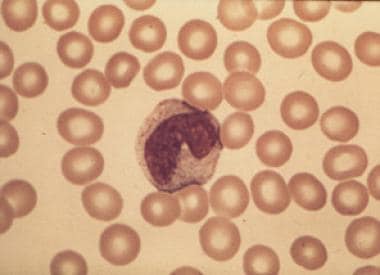
Media file 1:  Peripheral blood smear from a patient with immune thrombocytopenic purpura (ITP) illustrates a decreased number of platelets, a normal-appearing neutrophil, and erythrocytes. ITP is diagnosed by excluding other diseases; therefore, the absence of other findings from the peripheral smear is at least as important as the findings are observed. This smear demonstrates the absence of immature leukocytes (as in leukemia) and fragmented erythrocytes (as in thrombotic thrombocytopenic purpura) and no clumps of platelets (as in pseudothrombocytopenia).
Click to see larger pictureClick to see detailView Full Size Image
Media type:  Photo


  • Ahmed S, Siddiqui AK, Shahid RK, et al. Prognostic variables in newly diagnosed childhood immune thrombocytopenia. Am J Hematol. Dec 2004;77(4):358-62. [Medline].
  • Ben-Yehuda D, Gillis S, Eldor A. Clinical and therapeutic experience in 712 Israeli patients with idiopathic thrombocytopenic purpura. Israeli ITP Study Group. Acta Haematol. 1994;91(1):1-6. [Medline].
  • Bengtson KL, Skinner MA, Ware RE. Successful use of anti-CD20 (rituximab) in severe, life-threatening childhood immune thrombocytopenic purpura. J Pediatr. Nov 2003;143(5):670-3. [Medline].
  • Bennett CM, Rogers ZR, Kinnamon DD, et al. Prospective phase 1/2 study of rituximab in childhood and adolescent chronic immune thrombocytopenic purpura. Blood. Apr 1 2006;107(7):2639-42.
  • Bolton-Maggs PH, Moon I. Assessment of UK practice for management of acute childhood idiopathic thrombocytopenic purpura against published guidelines. Lancet. Aug 30 1997;350(9078):620-3. [Medline].
  • Braendstrup P, Bjerrum OW, Nielsen OJ, et al. Rituximab chimeric anti-CD20 monoclonal antibody treatment for adult refractory idiopathic thrombocytopenic purpura. Am J Hematol. Apr 2005;78(4):275-80.
  • Bruin M, Bierings M, Uiterwaal C, et al. Platelet count, previous infection and FCGR2B genotype predict development of chronic disease in newly diagnosed idiopathic thrombocytopenia in childhood: results of a prospective study. Br J Haematol. Dec 2004;127(5):561-7. [Medline].
  • Bussel JB. Recent advances in the treatment of idiopathic thrombocytopenic purpura: the anti-D clinical experience. Semin Hematol. Jan 1998;35(1 Suppl 1):1-4. [Medline].
  • Chan H, Moore JC, Finch CN, et al. The IgG subclasses of platelet-associated autoantibodies directed against platelet glycoproteins IIb/IIIa in patients with idiopathic thrombocytopenic purpura. Br J Haematol. Sep 2003;122(5):818-24. [Medline].
  • Chang M, Nakagawa PA, Williams SA, et al. Immune thrombocytopenic purpura (ITP) plasma and purified ITP monoclonal autoantibodies inhibit megakaryocytopoiesis in vitro. Blood. Aug 1 2003;102(3):887-95. [Medline].
  • Cines DB, Bussel JB, McMillan RB, Zehnder JL. Congenital and acquired thrombocytopenia. Hematology (Am Soc Hematol Educ Program). 2004;390-406. [Medline].
  • Clark AL. Clinical uses of intravenous immunoglobulin in pregnancy. Clin Obstet Gynecol. Jun 1999;42(2):368-80. [Medline].
  • Cooper N, Stasi R, Cunningham-Rundles S, et al. The efficacy and safety of B-cell depletion with anti-CD20 monoclonal antibody in adults with chronic immune thrombocytopenic purpura. Br J Haematol. Apr 2004;125(2):232-9.
  • Cortelazzo S, Finazzi G, Buelli M, et al. High risk of severe bleeding in aged patients with chronic idiopathic thrombocytopenic purpura. Blood. Jan 1 1991;77(1):31-3. [Medline].
  • Crow AR, Lazarus AH. Role of Fcgamma receptors in the pathogenesis and treatment of idiopathic thrombocytopenic purpura. J Pediatr Hematol Oncol. Dec 2003;25 Suppl 1:S14-8. [Medline].
  • Dixon R, Rosse W, Ebbert L. Quantitative determination of antibody in idiopathic thrombocytopenic purpura. Correlation of serum and platelet-bound antibody with clinical response. N Engl J Med. Jan 30 1975;292(5):230-6. [Medline].
  • Duhem C, Dicato MA, Ries F. Side-effects of intravenous immune globulins. Clin Exp Immunol. Jul 1994;97 Suppl 1:79-83. [Medline].
  • Emilia G, Longo G, Luppi M, et al. Helicobacter pylori eradication can induce platelet recovery in idiopathic thrombocytopenic purpura. Blood. Feb 1 2001;97(3):812-4. [Medline].
  • Emilia G, Luppi M, Morselli M, et al. Helicobacter pylori infection and idiopathic thrombocytopenic purpura. Br J Haematol. Sep 2002;118(4):1198-9. [Medline].
  • Engelfriet CP, Reesink HW, Bussel J, et al. The treatment of patients with autoimmune thrombocytopenia with intravenous IgG-anti-D. Vox Sang. 1999;76(4):250-5. [Medline].
  • Fehr J, Hofmann V, Kappeler U. Transient reversal of thrombocytopenia in idiopathic thrombocytopenic purpura by high-dose intravenous gamma globulin. N Engl J Med. May 27 1982;306(21):1254-8. [Medline].
  • Gaines AR. Acute onset hemoglobinemia and/or hemoglobinuria and sequelae following Rh(o)(D) immune globulin intravenous administration in immune thrombocytopenic purpura patients. Blood. Apr 15 2000;95(8):2523-9. [Medline].
  • Gasbarrini A, Franceschi F, Tartaglione R, et al. Regression of autoimmune thrombocytopenia after eradication of Helicobacter pylori. Lancet. Sep 12 1998;352(9131):878. [Medline].
  • George JN, Woolf SH, Raskob GE, et al. Idiopathic thrombocytopenic purpura: a practice guideline developed by explicit methods for the American Society of Hematology. Blood. Jul 1 1996;88(1):3-40. [Medline].
  • Gernsheimer T. Pathophysiology and thrombokinetics in autoimmune thrombocytopenia. Blood Rev. Mar 2002;16(1):7-8. [Medline].
  • Gottlieb P, Axelsson O, Bakos O, Rastad J. Splenectomy during pregnancy: an option in the treatment of autoimmune thrombocytopenic purpura. Br J Obstet Gynaecol. Apr 1999;106(4):373-5. [Medline].
  • Hashino S, Mori A, Suzuki S, et al. Platelet recovery in patients with idiopathic thrombocytopenic purpura after eradication of Helicobacter pylori. Int J Hematol. Feb 2003;77(2):188-91. [Medline].
  • Hong F, Ruiz R, Price H, et al. Safety profile of WinRho anti-D. Semin Hematol. Jan 1998;35(1 Suppl 1):9-13. [Medline].
  • Houwerzijl EJ, Blom NR, van der Want JJ, et al. Ultrastructural study shows morphologic features of apoptosis and para-apoptosis in megakaryocytes from patients with idiopathic thrombocytopenic purpura. Blood. Jan 15 2004;103(2):500-6.
  • Imbach P, Barandun S, d''Apuzzo V, et al. High-dose intravenous gammaglobulin for idiopathic thrombocytopenic purpura in childhood. Lancet. Jun 6 1981;1(8232):1228-31. [Medline].
  • Jacobs P, Wood L, Novitzky N. Intravenous gammaglobulin has no advantages over oral corticosteroids as primary therapy for adults with immune thrombocytopenia: a prospective randomized clinical trial. Am J Med. Jul 1994;97(1):55-9. [Medline].
  • Jarque I, Andreu R, Llopis I, et al. Absence of platelet response after eradication of Helicobacter pylori infection in patients with chronic idiopathic thrombocytopenic purpura. Br J Haematol. Dec 2001;115(4):1002-3. [Medline].
  • Karpatkin S. Autoimmune (idiopathic) thrombocytopenic purpura. Lancet. May 24 1997;349(9064):1531-6. [Medline].
  • Karpatkin S. Autoimmune thrombocytopenias. Autoimmunity. Jun 2004;37(4):363-8. [Medline].
  • Kohda K, Kuga T, Kogawa K, et al. Effect of Helicobacter pylori eradication on platelet recovery in Japanese patients with chronic idiopathic thrombocytopenic purpura and secondary autoimmune thrombocytopenic purpura. Br J Haematol. Aug 2002;118(2):584-8. [Medline].
  • Kuhne T, Buchanan GR, Zimmerman S, et al. A prospective comparative study of 2540 infants and children with newly diagnosed idiopathic thrombocytopenic purpura (ITP) from the Intercontinental Childhood ITP Study Group. J Pediatr. Nov 2003;143(5):605-8. [Medline].
  • Lalayanni C, Stavroyianni N, Saloum R, et al. Rituximab is effective for selected patients with chronic steroid-refractory immune thrombocytopenic purpura. Hematology. Aug 2004;9(4):287-9. [Medline].
  • Lightsey AL, McMillan R, Koenig HM. Childhood idiopathic thrombocytopenic purpura. Aggressive management of life-threatening complications. JAMA. May 19 1975;232(7):734-6. [Medline].
  • McCrae KR. Helicobacter pylori and ITP: many questions, few answers. Blood. 2004;103(3):752-3.
  • McMillan R, Longmire RL, Yelenosky R, et al. Immunoglobulin synthesis in vitro by splenic tissue in idiopathic thrombocytopenic purpura. N Engl J Med. Mar 30 1972;286(13):681-4. [Medline].
  • McMillan R, Durette C. Long-term outcomes in adults with chronic ITP after splenectomy failure. Blood. Aug 15 2004;104(4):956-60. [Medline].
  • Michel M, Cooper N, Jean C, et al. Does Helicobater pylori initiate or perpetuate immune thrombocytopenic purpura?. Blood. Feb 1 2004;103(3):890-6. [Medline].
  • Narat S, Gandla J, Hoffbrand AV, et al. Rituximab in the treatment of refractory autoimmune cytopenias in adults. Haematologica. Sep 2005;90(9):1273-4.
  • Nugent DJ. Childhood immune thrombocytopenic purpura. Blood Rev. Mar 2002;16(1):27-9. [Medline].
  • Pace DE, Chiasson PM, Schlachta CM, et al. Laparoscopic splenectomy for idiopathic thrombocytopenic purpura (ITP). Surg Endosc. Jan 2003;17(1):95-8. [Medline].
  • Provan D, Newland A. Idiopathic thrombocytopenic purpura in adults. J Pediatr Hematol Oncol. Dec 2003;25 Suppl 1:S34-8. [Medline].
  • Raife TJ, Olson JD, Lentz SR. Platelet antibody testing in idiopathic thrombocytopenic purpura. Blood. Feb 1 1997;89(3):1112-4. [Medline].
  • Raj K, Narayanan S, Augustson B, et al. Rituximab is effective in the management of refractory autoimmune cytopenias occurring after allogeneic stem cell transplantation. Bone Marrow Transplant. Feb 2005;35(3):299-301. [Medline].
  • Roganovic J. Rituximab treatment in refractory idiopathic thrombocytopenic purpura in children. Eur J Pediatr. May 2005;164(5):334.
  • Rushin J, Rumsey DH, Ewing CA, Sandler SG. Detection of multiple passively acquired alloantibodies following infusions of IV Rh immune globulin. Transfusion. May 2000;40(5):551-4. [Medline].
  • Salama A, Mueller-Eckhardt C, Kiefel V. Effect of intravenous immunoglobulin in immune thrombocytopenia. Lancet. Jul 23 1983;2(8343):193-5. [Medline].
  • Sandler SG, Mallory D, Trimble J, Nance ST. Intravenous anti-D treatment for immune thrombocytopenic purpura. Blood. Apr 1 1998;91(7):2624-5. [Medline].
  • Sandler SG. The spleen and splenectomy in immune (idiopathic) thrombocytopenic purpura. Semin Hematol. Jan 2000;37(1 Suppl 1):10-2. [Medline].
  • Sandler SG. Intravenous Rh immune globulin for treating immune thrombocytopenic purpura. Curr Opin Hematol. Nov 2001;8(6):417-20. [Medline].
  • Sandler SG. Treating immune thrombocytopenic purpura and preventing Rh alloimmunization using intravenous rho (D) immune globulin. Transfus Med Rev. Jan 2001;15(1):67-76. [Medline].
  • Sandler SG, Novak SC, Roland B. The cost of treating immune thrombocytopenic purpura using intravenous Rh immune globulin versus intravenous immune globulin. Am J Hematol. Mar 2000;63(3):156-8. [Medline].
  • Sandler SG, Tutuncuoglu SO. Immune thrombocytopenic purpura - current management practices. Expert Opin Pharmacother. Dec 2004;5(12):2515-27. [Medline].
  • Savasan CM, Sandler SG. Serologic aspects of treating immune thrombocytopenic purprura using intravenous Rh Immune globulin. Immunohematology. 2001;17:106-10.
  • Scaradavou A, Woo B, Woloski BM, et al. Intravenous anti-D treatment of immune thrombocytopenic purpura: experience in 272 patients. Blood. Apr 15 1997;89(8):2689-700. [Medline].
  • Shad AT, Gonzalez CE, Sandler SG. Treatment of immune thrombocytopenic purpura in children: current concepts. Paediatr Drugs. 2005;7(5):325-36.
  • Stasi R, Pagano A, Stipa E, Amadori S. Rituximab chimeric anti-CD20 monoclonal antibody treatment for adults with chronic idiopathic thrombocytopenic purpura. Blood. Aug 15 2001;98(4):952-7. [Medline].
  • Stasi R, Provan D. Management of immune thrombocytopenic purpura in adults. Mayo Clin Proc. Apr 2004;79(4):504-22. [Medline].
  • Stasi R, Stipa E, Forte V, et al. Variable patterns of response to rituximab treatment in adults with chronic idiopathic thrombocytopenic purpura. Blood. May 15 2002;99(10):3872-3. [Medline].
  • Tarantino MD, Buchanan GR. The pros and cons of drug therapy for immune thrombocytopenic purpura in children. Hematol Oncol Clin North Am. Dec 2004;18(6):1301-14, viii.
  • Taube T, Schmid H, Reinhard H, et al. Effect of a single dose of rituximab in chronic immune thrombocytopenic purpura in childhood. Haematologica. Feb 2005;90(2):281-3.
  • Veneri D, Franchini M, Gottardi M, et al. Efficacy of Helicobacter pylori eradication in raising platelet count in adult patients with idiopathic thrombocytopenic purpura. Haematologica. Nov 2002;87(11):1177-9. [Medline].
  • Ware RE, Zimmerman SA. Anti-D: mechanisms of action. Semin Hematol. Jan 1998;35(1 Suppl 1):14-22. [Medline].
  • Watson DI, Coventry BJ, Chin T, et al. Laparoscopic versus open splenectomy for immune thrombocytopenic purpura. Surgery. Jan 1997;121(1):18-22. [Medline].
  • Zimmerman SA, Malinoski FJ, Ware RE. Immunologic effects of anti-D (WinRho-SD) in children with immune thrombocytopenic purpura. Am J Hematol. Feb 1998;57(2):131-8. [Medline].
  • von dem Borne A, Folman C, van den Oudenrijn S, et al. The potential role of thrombopoietin in idiopathic thrombocytopenic purpura. Blood Rev. Mar 2002;16(1):57-9. [Medline].

Immune Thrombocytopenic Purpura excerpt

Article Last Updated: May 30, 2006