| Patient Education |
|
Click here for patient education.
|
|
AUTHOR AND EDITOR INFORMATION
Section 1 of 10
Author: Yasir Qazi, MD, Assistant Professor of Medicine, Division of Nephrology, University of Southern California at Keck School of Medicine
Yasir Qazi is a member of the following medical societies: American Society of Nephrology
Coauthor(s):
James W Lohr, MD, Fellowship Program Director, Professor, Department of Internal Medicine, Division of Nephrology, State University of New York at Buffalo
Editors: James H Sondheimer, MD, Director of Hemodialysis Unit, Harper Hospital; Associate Professor, Department of Internal Medicine, Division of Nephrology, Wayne State University School of Medicine; Francisco Talavera, PharmD, PhD, Senior Pharmacy Editor, eMedicine; George R Aronoff, MD, Director, Professor, Departments of Internal Medicine and Pharmacology, Section of Nephrology, Kidney Disease Program, University of Louisville School of Medicine; Rebecca J Schmidt, DO, FACP, FASN, Clinical Associate Professor of Medicine, West Virginia School of Osteopathic Medicine; Professor of Medicine, Section Chief, Department of Medicine, Section of Nephrology, West Virginia University School of Medicine; Vecihi Batuman, MD, FACP, FASN, Chief, Medical Service, VA Medical Center, New Orleans, Professor of Medicine, Tulane University School of Medicine; Chief, Renal-Hypertension Section, Department of Medicine, Tulane University Medical Center, New Orleans Veterans Affairs Medical Center
Author and Editor Disclosure
Synonyms and related keywords:
gout, nephrolithiasis, uric acid, uric acid overproduction, uric acid underexcretion, uric acid under-excretion, renal insufficiency, renal failure, diuretic therapy, diabetes insipidus, diabetic ketoacidosis, ethanol intoxication, salicylate intoxication, starvation ketosis, Lesch-Nyhan syndrome, Kelley-Seegmiller syndrome, leukemia blast crisis, rhabdomyolysis, cytotoxic therapy, ethanol consumption, familial juvenile gouty nephropathy, FJGN, medullary cystic disease, chronic lead nephropathy, syndrome X, hypertension, preeclampsia, eclampsia, hyperparathyroidism, sarcoidosis, lead intoxication, lead poisoning, lead toxicity, lead exposure, occupational lead exposure, moonshine consumption, trisomy 21, purine-rich diet, tumor lysis syndrome, deficiency of aldolase B, aldolase B deficiency, glucose-6-phosphatase deficiency, G-6-P deficiency, glycogen storage disease, GSD, glycogenosis type I, von Gierke disease
Background
Uric acid is the final product of purine metabolism in human beings. Despite the fact that uric acid was first identified approximately 2 centuries ago, certain pathophysiologic aspects of hyperuricemia are still not clearly understood. For years, hyperuricemia has been identified with or thought to be the same as gout, but uric acid has now been identified as a marker for a number of metabolic and hemodynamic abnormalities.
Unlike allantoin, the more soluble end product found in lower animals, uric acid is a poorly soluble end product of purine metabolism in humans. Human beings have higher levels of uric acid, in part, because of a deficiency of the hepatic enzyme, uricase, and a lower fractional excretion of uric acid. Approximately two thirds of total body urate is produced endogenously, while the remaining one third is accounted for by dietary purines. Approximately 70% of the urate produced daily is excreted by the kidneys, while the rest is eliminated by the intestines. However, during renal failure, the intestinal contribution of urate excretion increases to compensate for the decreased elimination by the kidneys.
The blood levels of uric acid are a function of the balance between the breakdown of purines and the rate of uric acid excretion. Theoretically, alterations in this balance may account for hyperuricemia, although clinically defective elimination accounts for most cases of hyperuricemia.
Pathophysiology
Uric acid in the blood is saturated at 6.4-6.8 mg/dL at ambient conditions, with the upper limit of solubility placed at 7 mg/dL. Urate is freely filtered at the glomerulus, reabsorbed, secreted, and then again reabsorbed in the proximal tubule. The recent cloning of certain urate transporters will facilitate the understanding of specific mechanisms by which urate is handled in the kidney and small intestines. A urate/anion exchanger (URAT1) has been identified in the brush-border membrane of the kidneys and is inhibited by an angiotensin II receptor blocker, losartan. A human organic anion transporter (hOAT1) has been found to be inhibited by both uricosuric drugs and antiuricosuric drugs, while another urate transporter (UAT) has been found to facilitate urate efflux out of the cells. These transporters may account for the reabsorption, secretion, and reabsorption pattern of renal handling of urate. Urate secretion does appear to correlate with the serum urate concentration because a small increase in the serum concentration results in a marked increase in urate excretion. Hyperuricemia may occur because of decreased excretion (underexcretors), increased production (overproducers), or a combination of these two mechanisms. Underexcretion accounts for most causes of hyperuricemia. Urate handling by the kidneys involves filtration at the glomerulus, reabsorption, secretion, and, finally, postsecretory reabsorption. Consequently, altered uric acid excretion can result from decreased glomerular filtration, decreased tubular secretion, or enhanced tubular reabsorption. While decreased urate filtration may not cause primary hyperuricemia, it can contribute to the hyperuricemia of renal insufficiency. Decreased tubular secretion of urate occurs in patients with acidosis (eg, diabetic ketoacidosis, ethanol or salicylate intoxication, starvation ketosis). The organic acids that accumulate in these conditions compete with urate for tubular secretion. Finally, enhanced reabsorption of uric acid distal to the site of secretion is the mechanism thought to be responsible for the hyperuricemia observed with diuretic therapy and diabetes insipidus. Overproduction accounts for only a minority of patients presenting with hyperuricemia. The causes for hyperuricemia in overproducers may be either exogenous (diet rich in purines) or endogenous (increased purine nucleotide breakdown). A small percentage of overproducers have enzymatic defects that account for their hyperuricemia. These include a complete deficiency of hypoxanthine guanine phosphoribosyltransferase (HGPRT) as in Lesch-Nyhan syndrome, partial deficiency of HGPRT (Kelley-Seegmiller syndrome), and increased production of 5-phospho-alpha-d-ribosyl pyrophosphate (PRPP) activity. Accelerated purine degradation can result from rapid cell proliferation and turnover (blast crisis of leukemias) or from cell death (rhabdomyolysis, cytotoxic therapy). Glycogenoses types III, IV, and VII can result in hyperuricemia from excessive degradation of skeletal muscle ATP. Combined mechanisms (underexcretion and overproduction) can also cause hyperuricemia. The most common cause under this group is alcohol consumption, which results in accelerated hepatic breakdown of ATP and the generation of organic acids that compete with urate for tubular secretion. Enzymatic defects such as glycogenoses type I and aldolase-B deficiency are other causes of hyperuricemia that result from a combination of overproduction and underexcretion.
New findings revealed that urate crystals can engage an intracellular pattern recognition receptor, the macromolecular NALP3 (cryopyrin) inflammasome complex.1 NALP3 inflammasome may result in interleukin 1 (IL-1) beta production, which, in turn, incites an inflammatory response. Inhibition of this pathway has the potential to be targeted for hyperuricemia-induced crystal arthritis.
Frequency
United States
The prevalence rate of asymptomatic hyperuricemia in the general population is estimated at 2-13%.
International
A Japanese study that used an administrative claims database to ascertain 10-year trends in the prevalence of hyperuricemia concluded that the prevalence of hyperuricemia in the overall study population increased during the 10-year follow-up. When stratified by age, the prevalence increased among groups older than 65 years in both sexes. In those younger than 65 years, men had a prevalence 4 times higher than that in women, but in those older than 65 years, the gender gap narrowed to 1:3 (female-to-male ratio) with gout and/or hyperuricemia.
Mortality/Morbidity
Hyperuricemia has been associated with increased morbidity in patients with hypertension and is associated with increased mortality in women and elderly persons. The cause for this is unknown, but hyperuricemia is probably a marker for comorbid risk factors rather than a causative factor, per se.
Race
A high prevalence of hyperuricemia exists in indigenous races of the Pacific, which appears to be associated with a low fractional excretion of uric acid. African American persons develop hyperuricemia more commonly than white persons.
Sex
Hyperuricemia, and particularly gouty arthritis, are far more common in men than in women. Only 5% of patients with gout are female, but uric acid levels increase in women after menopause.
Age
The normal serum uric acid level is lower in children than in adults. The upper limit of the reference range for children is 5 mg/dL (0.30 mmol/L). The upper limit of the reference range for men is 7 mg/dL (0.42 mmol/L) and for women is 6 mg/dL (0.36 mmol/L). The tendency to develop hyperuricemia increases with age.
History
- In patients with hyperuricemia, the history involves determining whether the patient is symptomatic or asymptomatic and identifying causative etiologies and comorbid conditions.
- Symptoms are those of gout and nephrolithiasis.
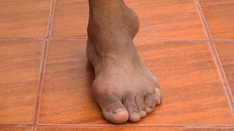
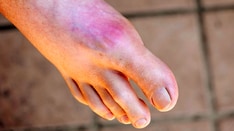
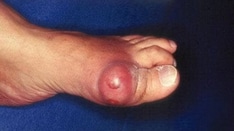
- Gout typically manifests as an acute monoarthritis, most commonly in the great toe and less frequently in the tarsal joint, knee, and other joints.
- Uric acid nephrolithiasis may manifest with hematuria; pain in the flank, abdomen, or inguinal region; and/or nausea and vomiting.
Physical
Patients are usually asymptomatic, and no specific physical findings are recognized.
- In acute gouty arthritis, the affected joint is typically warm, erythematous, swollen, and exquisitely painful.
- Patients with chronic gouty arthritis may develop tophi in the helix or antihelix of the ear, along the ulnar surface of the forearm, in the olecranon bursa, or in other tissues.
- In uric acid nephrolithiasis, patients may present with abdominal or flank tenderness.
Causes
Hyperuricemia is generally divided into 3 pathophysiologic categories, ie, uric acid underexcretion, uric acid overproduction, and combined causes.
- Underexcretion
- Idiopathic
- Familial juvenile gouty nephropathy: This is a rare autosomal dominant condition characterized by progressive renal insufficiency. These patients have a low fractional excretion of urate (typically 4%). Kidney biopsy findings indicate glomerulosclerosis and tubulointerstitial disease but no uric acid deposition.
- Renal insufficiency: Renal failure is one of the more common causes of hyperuricemia. In chronic renal failure, the uric acid level does not generally become elevated until the creatinine clearance falls below 20 mL/min, unless other contributing factors exist. This is due to a decrease in urate clearance as retained organic acids compete for secretion in the proximal tubule. In certain renal disorders, such as medullary cystic disease and chronic lead nephropathy, hyperuricemia is commonly observed even with minimal renal insufficiency.
- Syndrome X: This metabolic syndrome is characterized by hypertension, obesity, insulin resistance, dyslipidemia, and hyperuricemia. This is associated with a decreased fractional excretion of urate by the kidneys.
- Drugs: Causative drugs include diuretics, low-dose salicylate, cyclosporine, pyrazinamide, ethambutol, levodopa, nicotinic acid, and methoxyflurane.
- Hypertension
- Acidosis: Types that cause hyperuricemia include lactic acidosis, diabetic ketoacidosis, alcoholic ketoacidosis, and starvation ketoacidosis.
- Preeclampsia and eclampsia: The elevated uric acid associated with these conditions is a key clue to the diagnosis because uric acid levels are lower than normal in healthy pregnancies.
- Hypothyroidism
- Hyperparathyroidism
- Sarcoidosis
- Lead intoxication (chronic): History may reveal occupational exposure (eg, lead smelting, battery and paint manufacture) or consumption of moonshine (ie, illegally distilled corn whiskey) because some, but not all, moonshine was produced in lead-containing stills).
- Trisomy 21
- Overproduction
- Idiopathic
- HGPRT deficiency (Lesch-Nyhan syndrome): This is an inherited X-linked disorder. HGRPT catalyzes the conversion of hypoxanthine to inosinic acid, in which PRPP serves as the phosphate donor. The deficiency of HGPRT results in accumulation of PRPP, which accelerates purine biosynthesis with a resultant increase in uric acid production. In addition to gout and uric acid nephrolithiasis, these patients develop a neurologic disorder that is characterized by choreoathetosis, spasticity, growth, mental function retardation, and, occasionally, self-mutilation.
- Partial deficiency of HGPRT (Kelley-Seegmiller syndrome): This is also an X-linked disorder. Patients typically develop gouty arthritis in the second or third decade of life, have a high incidence of uric acid nephrolithiasis, and may have mild neurologic deficits.
- Increased activity of PRPP synthetase: This is a rare X-linked disorder in which patients make mutated PRPP synthetase enzymes with increased activity. These patients develop gout when aged 15-30 years and have a high incidence of uric acid renal stones.
- Purine-rich diet: A diet rich in meats, organ foods, alcohol, and legumes can result in an overproduction of uric acid.
- Increased nucleic acid turnover: This may be observed in persons with hemolytic anemia and hematologic malignancies such as lymphoma, myeloma, or leukemia.
- Tumor lysis syndrome: This may produce the most serious complications of hyperuricemia.
- Glycogenoses III, V, and VII
- Combined causes
- Alcohol: Ethanol increases the production of uric acid by causing increased turnover of adenine nucleotides. It also decreases uric acid excretion by the kidneys, which is partially due to the production of lactic acid.
- Exercise: Exercise may result in enhanced tissue breakdown and decreased renal excretion due to mild volume depletion.
- Deficiency of aldolase B (fructose-1-phosphate aldolase): This is a fairly common inherited disorder, often resulting in gout.
- Glucose-6-phosphatase deficiency (glycogenosis type I, von Gierke disease): This is an autosomal recessive disorder characterized by the development of symptomatic hypoglycemia and hepatomegaly within the first 12 months of life. Additional findings include short stature, delayed adolescence, enlarged kidneys, hepatic adenoma, hyperuricemia, hyperlipidemia, and increased serum lactate levels.
Alcoholic Ketoacidosis
Diabetic Ketoacidosis
Glycogen Storage Disease, Type Ia
Gout
Hemolytic Anemia
Hodgkin Disease
Hyperparathyroidism
Hypothyroidism
Nephrolithiasis
Nephropathy, Uric Acid
Preeclampsia (Toxemia of Pregnancy)
Lab Studies
- Serum uric acid
- CBC count: Values may be abnormal in patients with hemolytic anemia, hematologic malignancies, or lead poisoning.
- Electrolytes, BUN, and serum creatinine values: These are abnormal in patients with acidosis or renal disease.
- Liver function tests
- This is part of the general workup for patients with a possible malignancy or metabolic disorders.
- The results are useful as a baseline if allopurinol is used for treatment.
- Serum glucose level: This may be abnormal in patients with diabetes or glycogen storage diseases.
- Lipid profile: Results are abnormal in those with dyslipidemia.
- Calcium and phosphate levels: This measurement is needed for the workup of hyperparathyroidism, sarcoidosis, myeloma, and renal disease.
- Thyroid-stimulating hormone level: Obtain this value to help rule out hypothyroidism.
- Urinary uric acid excretion
- If uric acid levels are found to be persistently elevated, an estimation of total uric acid excretion may be needed. The estimation of uric acid excretion is recommended in young males who are hyperuricemic, females who are premenopausal, people with a serum uric acid value greater than 11 mg/dL, and patients with gout.
- One protocol recommends obtaining two 24-hour urine collections for creatinine clearance and uric acid excretion. The first collection is performed while patients are on their usual diet and alcohol intake. At the end of the first 24-hour collection, serum creatinine and urate levels are checked for an estimation of the creatinine clearance. The patient then goes on a low-purine, alcohol-free diet for 6 days, with a repeat 24-hour urine collection performed on the last day, followed by a serum creatinine and uric acid evaluation.
- Depending on the 24-hour urine uric acid levels before the purine-restricted diet and after the purine-restricted diet, patients who are hyperuricemic can be categorized into 3 groups.
- High-purine intake - Prediet value greater than 6 mmol/d, postdiet value less than 4 mmol/d
- Overproducers - Prediet value greater than 6 mmol/d, postdiet value greater than 4.5 mmol/d
- Underexcretors - Prediet value less than 6 mmol/d, postdiet value less than 2 mmol/d
- Fractional excretion of urate on a low-purine diet
- This test should be used to investigate the degree of underexcretion in patients with hyperuricemia or gout in patients for whom the cause cannot be determined.
- The fractional excretion of urate is calculated by the following formula:
Fractional excretion of urate = [(urine uric acid)*(serum creatinine)*(100%)]/[(serum uric acid)*(urine creatinine)] - The reference intervals for patients on a low-purine diet and normal renal function are as follows:
- Males - 7-9.5%
- Females - 10-14%
- Children - 15-22%
- Values less than the lower limits of the reference range indicate underexcretion. The formula also circumvents any inaccuracy that may have occurred during urine collection.
- Spot urine ratio of uric acid to creatinine
- If a 24-hour urine collection is not possible, measure the ratio of uric acid to creatinine from a spot urine collection. A ratio greater than 0.8 indicates overproduction.
- The ratio also helps differentiate acute uric acid nephropathy from the hyperuricemia that occurs secondary to renal failure. The ratio is greater than 0.9 in acute uric acid nephropathy and usually less than 0.7 in hyperuricemia secondary to renal insufficiency.
Imaging Studies
- Skeletal x-ray films: These may reveal evidence of joint swelling and subcortical cysts in patients with gout.
- Renal sonogram: This is an important tool for kidney evaluation in patients with hyperuricemia and renal disease. Images from this study also may reveal the presence of uric acid stones.
Procedures
- Joint aspiration: This may be important in the diagnosis of acute gouty arthritis, in which uric acid crystals are found to be negatively birefringent under polarized microscopy.
Medical Care
Asymptomatic hyperuricemia Most patients with asymptomatic hyperuricemia never develop gout or stones. Treatment for asymptomatic hyperuricemia carries some risk. It is not considered beneficial or cost-effective and, generally, is not recommended. The exception to this is in an oncologic setting in which patients receiving cytolytic treatment may be treated prophylactically to prevent acute uric acid nephropathy. Symptomatic hyperuricemia The clinical scenarios under which hyperuricemia can be symptomatic are gout, uric acid stones, or uric acid nephropathy.
- Acute gouty arthritis
- The initial goal in acute gouty arthritis is to provide symptomatic relief from pain.
- Indomethacin and other nonsteroidal anti-inflammatory drugs (NSAIDs) are the drugs of choice for acute gouty arthritis. NSAIDs are prescribed for approximately a 7- to 10-day course or until 3-4 days after all signs of inflammation have resolved. Use NSAIDs with caution or avoid them in patients in edematous states, such as heart failure, and in patients with peptic ulcer disease or renal insufficiency.
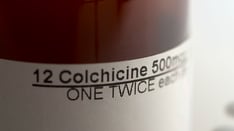
- Colchicine, which inhibits neutrophil activation, is effective but is currently used less frequently because of its adverse effects. Traditionally, colchicine is administered as a 0.6-mg dose every hour until improvement occurs, adverse gastrointestinal effects occur, or a total of 10 doses is reached and no relief is noted. The adverse gastrointestinal effects include abdominal pain, diarrhea, and nausea, which occur in most patients started on colchicine. Although colchicine can be administered intravenously, this is usually avoided because of its potential for serious toxicity.
- Use intra-articular glucocorticoids in patients with contraindications to NSAID or colchicine use. Occasionally, intra-articular glucocorticoids may be used in patients with gouty arthritis refractory to NSAIDs or colchicine.
- Chronic gout therapy
- After the symptoms of acute gout subside, patients enter the intercritical period during which a decision must be made regarding the need for treating the patient with a urate-lowering medication. One important point to consider during treatment is that abrupt lowering of urate levels can precipitate an attack of acute gout during the intercritical period. Thus, these patients receive prophylactic colchicine coverage irrespective of which urate-lowering medication is used.
- The choice of urate-lowering medications is uricosuric drugs (which promote uric acid excretion) or xanthine oxidase inhibitors (which inhibit uric acid production).
- Probenecid, which is a uricosuric drug, inhibits the tubular reabsorption of filtered and secreted urate, thereby increasing urate excretion. The ideal candidates for probenecid therapy are those with a 24-hour urine uric acid excretion of less than 800 mg in 24 hours, no history of nephrolithiasis, and good renal function (creatinine clearance >80 mL/min). The starting dose for probenecid is 250 mg twice a day, which can be increased gradually to a maximum daily dose of 3 g/d. Some degree of gastrointestinal irritation is experienced by approximately 2% of patients.
- Allopurinol is the most widely used antihyperuricemic agent. The major metabolite of allopurinol is oxypurinol, and both allopurinol and oxypurinol are competitive inhibitors of the enzyme xanthine oxidase.
- The ideal candidates for allopurinol treatment are uric acid overproducers (24-h urinary uric acid excretion >800 mg on general diet or >600 mg on a purine-restricted diet); patients with renal insufficiency, nephrolithiasis, or tophaceous gout; or patients at risk for developing uric acid nephropathy. Although allopurinol can be used in almost any hyperuricemic state, the above-mentioned conditions are more specific indications for allopurinol use. The usual maintenance dose for adults is 200-300 mg/d. The long half-life of oxypurinol makes once-daily dosing possible. Very importantly, adjust the dose in persons with chronic renal insufficiency because a higher incidence of adverse effects is observed if the dose is not adjusted.
- Allopurinol is well tolerated by most patients, but hypersensitivity reactions may develop, which can be severe or fatal. Because a skin rash may progress to a severe hypersensitivity reaction, patients who develop a skin rash should discontinue allopurinol. Hepatotoxicity, bone marrow depression, and interstitial nephritis are rare but serious adverse effects of allopurinol.
- Uric acid nephrolithiasis
- Allopurinol is the mainstay of drug therapy in patients with hyperuricemia who develop uric acid stones. Patients with calcium stones who are hyperuricosuric may also benefit from allopurinol because urate crystals in the urine may act as a nidus for other stones to form.
- Potassium citrate and occasionally sodium bicarbonate or acetazolamide may be required to alkalinize the urine and to decrease the solubility of uric acid.
- Adequate hydration is recommended to maintain a high urine output of at least 2 L unless otherwise contraindicated for other medical conditions where volume overload may be a concern.
- Uric acid nephropathy
- Over the years, efforts to prevent uric acid nephropathy, especially in the oncological setting, have resulted in a decrease in mortality from uric acid nephropathy.
- Intravenous hydration with saline and the administration of furosemide or mannitol (to dilute the urine) are necessary to prevent further precipitation of uric acid. Alkalinizing the urine with sodium bicarbonate or acetazolamide may be necessary to further enhance uric acid elimination.
- Rasburicase, a recombinant urate oxidase, is now approved for use in preventing complications of hyperuricemia during the tumor lysis syndrome. It facilitates the conversion of urate to a more soluble product, allantoin.
- Higher doses than usual (600-900 mg/d) are administered to decrease uric acid production prior to chemotherapy in patients with leukemias and lymphomas; allopurinol and hydration are continued for several days.
- If acute renal failure develops despite these measures, then early hemodialysis is indicated to reduce the total body burden of uric acid, thereby facilitating recovery of renal function.
Consultations
- Consultation with a rheumatologist may be indicated for patients with acute or chronic gouty arthritis.
- Consultation with a renal medicine specialist may be indicated for patients with acute urate nephropathy or chronic renal failure.
- Consultation with a urologist is indicated for patients who present with symptomatic uric acid nephrolithiasis.
Diet
- The use of a low-purine diet may significantly lower serum uric acid levels.
- This diet principally consists of sugars, starches, and fats, with protein supplied by eggs and cheese.
- Meats, poultry, fish, seafood, organ meats, alcohol, beans, and peas should be avoided.
Activity
- No limitation exists on activity for patients with hyperuricemia, although strenuous exercise may raise serum uric acid levels.
The goals of pharmacotherapy are to reduce morbidity and to prevent complications. Pharmacotherapy for hyperuricemia is based on whether patients are overproducers or undersecretors. Allopurinol continues to be the mainstay of treatment of patients who are overproducers, although febuxostat is a new drug that is being investigated as a possible replacement to allopurinol. Febuxostat is a nonpurine selective xanthine oxidase inhibitor for the treatment of gout.2 A 52-week randomized study evaluated over 700 patients with gout and serum uric acid levels of at least 8 mg/dL. More than 50% of patients taking 80 mg/d of febuxostat achieved a serum uric acid level of less than 6 mg/dL at the last 3 monthly measurements, according to the study. This was in comparison to 62% of patients who reached this primary endpoint with 120 mg/d of febuxostat and 21% of patients who achieved this target with 300 mg/d of allopurinol. However, follow-up comments by the author acknowledged that discontinuation of the drug occurred 2 times as often in the low-dose febuxostat group and 3 times as often in the high-dose febuxostat group, as in the allopurinol group. Moreover, the occurrence of 4 deaths in the febuxostat groups, as compared with none in the allopurinol group, is a concern, and, therefore, febuxostat needs more studies.2
Rasburicase is another medication that was introduced to control hyperuricemia. It is a recombinant urate oxidase that is indicated for preventing complications of hyperuricemia during the tumor lysis syndrome. Since losartan has been found to have an uricosuric property, it may be worthwhile to use it in hypertensive patients with hyperuricemia that lack any contraindication to angiotensin receptor blockers. Other uricosuric drugs used in underexcretors are mentioned below.
Drug Category: Nonsteroidal anti-inflammatory drugs
Management of pain and inflammation in gout. Have analgesic, anti-inflammatory, and antipyretic properties. Inhibit the enzyme cyclooxygenase, thus inhibiting biosynthesis of prostaglandins and thromboxanes from arachidonic acid.
| Drug Name | Indomethacin (Indochron E-R, Indocin) |
| Description | Rapidly absorbed. Metabolism occurs in liver by demethylation, deacetylation, and glucuronide conjugation. Inhibits prostaglandin synthesis. Discontinue 3-4 d following symptom resolution. |
| Adult Dose | 25-50 mg IR bid/tid 75 mg SR bid; not to exceed 200 mg/d |
| Pediatric Dose | 1-2 mg/kg/d divided PO bid/qid; not to exceed 4 mg/kg/d or 150-200 mg/d |
| Contraindications | Documented hypersensitivity; GI bleeding; renal insufficiency |
| Interactions | Coadministration with aspirin increases risk of inducing serious NSAID-related adverse effects; probenecid may increase concentrations and, possibly, toxicity of NSAIDs; may decrease effect of hydralazine, ACE inhibitors, and beta-blockers; may decrease diuretic effects of furosemide and thiazides; may increase PT when taking anticoagulants or antiplatelet agents (instruct patients to watch for signs of bleeding); may increase risk of methotrexate toxicity |
| Pregnancy | B - Fetal risk not confirmed in studies in humans but has been shown in some studies in animals D - Fetal risk shown in humans; use only if benefits outweigh risk to fetus
|
| Precautions | Category D in third trimester of pregnancy; caution in acute renal insufficiency and chronic renal impairment; hyperkalemia; hyponatremia; cardiac dysfunction; hypertension; liver disease; epilepsy; history of GI bleeding; patients with coagulation defects or receiving anticoagulant/antiplatelet agents |
Drug Category: Xanthine oxidase inhibitors
Prevent gouty arthritis attacks and nephropathy. Used to treat hyperuricemia secondary to diuretics or antineoplastics. Prevent recurrent uric acid nephrolithiasis.
| Drug Name | Allopurinol (Zyloprim) |
| Description | Inhibits xanthine oxidase, the enzyme that synthesizes uric acid from hypoxanthine. Reduces synthesis of uric acid without disrupting biosynthesis of vital purines. |
| Adult Dose | CrCl 100-140 mL/min: 200-600 mg/d PO qd, divided bid when >300 mg/d Dose adjustment in renal impairment (based on CrCl) 80 mL/min: 250 mg PO qd 60 mL/min: 200 mg PO qd 40 mL/min: 150 mg PO qd 20 mL/min: 100 mg PO qd 10 mL/min: 100 mg PO qod 0 mL/min: 100 mg PO q3d |
| Pediatric Dose | <10 years: 10 mg/kg/d PO divided bid/tid; not to exceed 600 mg/d >10 years: 200-600 mg/d PO |
| Contraindications | Documented hypersensitivity |
| Interactions | Alcohol decreases effects; increases incidence of skin rash when used concurrently with ampicillin, amoxicillin, and, possibly, ACE inhibitors; large amounts of vitamin C acidify urine and may cause kidney stone formation; inhibits metabolism of azathioprine, cyclophosphamide, and mercaptopurine |
| Pregnancy | C - Fetal risk revealed in studies in animals but not established or not studied in humans; may use if benefits outweigh risk to fetus
|
| Precautions | Not for use in asymptomatic hyperuricemia; reduce dose in renal insufficiency; monitor liver function and perform CBC count before initiating therapy and periodically thereafter |
Drug Category: Uricosuric agents
Competitively inhibit reabsorption of uric acid in proximal renal tubule. This promotes excretion of uric acid and lowers serum uric acid levels.
| Drug Name | Probenecid (Benemid) |
| Description | Used to treat and prevent hyperuricemia associated with gout and gouty arthritis. |
| Adult Dose | 250 mg PO bid for 1 wk; increase to 500 mg bid, may increase q4wk; not to exceed 2-3g/d |
| Pediatric Dose | <2 years: Not recommended >2 years: 40 mg/kg/d PO divided qid |
| Contraindications | Documented hypersensitivity; known blood dyscrasia; uric acid kidney stones; ketorolac levels/toxicity significantly increased when coadministered |
| Interactions | Salicylates at high dosages and nitrofurantoin may decrease effects; increases levels/toxicity of methotrexate, beta-lactam antibiotics, gatifloxacin, acyclovir, thiopental, clofibrate, dyphylline, pantothenic acid, ketorolac, benzodiazepines, rifampin, sulfonamide, dapsone, zidovudine, and sulfonylureas |
| Pregnancy | B - Fetal risk not confirmed in studies in humans but has been shown in some studies in animals
|
| Precautions | Initiate treatment after acute gout attack subsides; crosses placental barrier; use of any drug in women with childbearing potential requires that anticipated benefits be weighed against possible hazards; caution in history of peptic ulcer; may not be effective in patients with CrCl <30 mL/min; exacerbates acute gouty attack |
Drug Category: Antigout agents
Treatment of gouty arthritis attacks and prevention of their recurrence. Used in management of familial Mediterranean fever.
| Drug Name | Colchicine |
| Description | Reduces formation of uric acid crystals in affected joint, thereby reducing amount of acute inflammation and pain; also decreases uric acid levels in blood. Can be used in combination with probenecid on long-term to prevent gout or can be used alone to treat pain and inflammation of acute gout attacks. Discontinue when pain of gout attack begins to subside, when maximum dose is reached, or when GI symptoms (eg, nausea, vomiting, diarrhea) indicate cellular poisoning. Decreases leukocyte motility and phagocytosis in inflammatory responses. |
| Adult Dose | Acute gout attack: 0.5-1.2 mg PO initially, followed by 0.5-0.6 q1-2h or 1-1.2 mg q2h until a satisfactory response is attained; not to exceed 4 mg/attack 1-3 mg IV initially, followed by 0.5 mg q6h until a satisfactory response is attained; not to exceed 4 mg/d |
| Pediatric Dose | <12 years: Not established >12 years: Administer as in adults |
| Contraindications | Documented hypersensitivity; severe renal, hepatic, GI, or cardiac disorders; blood dyscrasias |
| Interactions | Sympathomimetic agent toxicity and effect of CNS depressants significantly increased |
| Pregnancy | C - Fetal risk revealed in studies in animals but not established or not studied in humans; may use if benefits outweigh risk to fetus
|
| Precautions | Not to exceed cumulative doses >4 mg/attack; minimum 3-d colchicine-free interval between dosage regimens; use IV with extreme caution; patients who become pregnant while receiving colchicine therapy may be at greater risk of producing trisomic offspring; most common adverse reactions are GI-related (eg, nausea, vomiting, diarrhea, abdominal pain); may cause agranulocytosis, aplastic anemia, or bone marrow suppression |
Drug Category: Carbonic anhydrase inhibitors
Decrease solubility of uric acid. Adequate hydration recommended to maintain high urine output.
| Drug Name | Acetazolamide (Diamox, Diamox sequels) |
| Description | Used to further enhance uric acid elimination. |
| Adult Dose | 250 mg PO q8-12h, alternatively 500-mg ER cap PO q12-24h |
| Pediatric Dose | 5-10 mg/kg/dose IV/IM q6h 10-15 mg/kg/d PO divided q6-8h |
| Contraindications | Documented hypersensitivity; hepatic disease, severe renal disease, adrenocortical insufficiency, or severe pulmonary obstruction |
| Interactions | Can decrease therapeutic levels of lithium and alter excretion of drugs (eg, amphetamines, quinidine, phenobarbital, salicylates) by alkalinizing urine |
| Pregnancy | C - Fetal risk revealed in studies in animals but not established or not studied in humans; may use if benefits outweigh risk to fetus
|
| Precautions | Patients with impaired hepatic function may go into coma; may cause substantial increase in blood glucose in some diabetic patients |
Drug Category: Glucocorticoids
Have both anti-inflammatory (glucocorticoid) and salt retaining (mineralocorticoid) properties. Glucocorticoids have profound and varied metabolic effects and modify the body's immune response to diverse stimuli.
| Drug Name | Prednisone (Deltasone, Orasone, Meticorten) |
| Description | May decrease inflammation by reversing increased capillary permeability and suppressing PMN activity. |
| Adult Dose | 5-60 mg/d PO qd or divided bid/qid; taper over 2 wk as symptoms resolve |
| Pediatric Dose | 4-5 mg/m2/d PO; alternatively, 0.05-2 mg/kg PO divided bid/qid; taper over 2 wk as symptoms resolve |
| Contraindications | Documented hypersensitivity; viral infection, peptic ulcer disease, hepatic dysfunction, connective tissue infections, and fungal or tubercular skin infections; GI disease |
| Interactions | Coadministration with estrogens may decrease clearance; concurrent use with digoxin may cause digitalis toxicity secondary to hypokalemia; phenobarbital, phenytoin, and rifampin may increase metabolism (consider increasing maintenance dose); monitor for hypokalemia with coadministration of diuretics |
| Pregnancy | B - Fetal risk not confirmed in studies in humans but has been shown in some studies in animals
|
| Precautions | Abrupt discontinuation may cause adrenal crisis; hyperglycemia, edema, osteonecrosis, myopathy, peptic ulcer disease, hypokalemia, osteoporosis, euphoria, psychosis, myasthenia gravis, growth suppression, and infections may occur with glucocorticoid use |
| Drug Name | Dexamethasone (Decadron, AK-Dex, Alba-Dex) |
| Description | Decreases inflammation by suppressing migration of PMN leukocytes and reducing capillary permeability. |
| Adult Dose | 0.75-9 mg/d PO/IV/IM in divided doses q6-12h |
| Pediatric Dose | 0.08-0.3 mg/kg/d or 2.5-10 mg/m2/d PO/IV/IM divided q6-12h |
| Contraindications | Documented hypersensitivity; active bacterial or fungal infection |
| Interactions | Effects decrease with coadministration of barbiturates, phenytoin, and rifampin; decreases effect of salicylates and vaccines used for immunization |
| Pregnancy | C - Fetal risk revealed in studies in animals but not established or not studied in humans; may use if benefits outweigh risk to fetus
|
| Precautions | Increases risk of multiple complications, including severe infections; monitor adrenal insufficiency when tapering; abrupt discontinuation may cause adrenal crisis; hyperglycemia, edema, osteonecrosis, myopathy, peptic ulcer disease, hypokalemia, osteoporosis, euphoria, psychosis, myasthenia gravis, growth suppression, and infections are possible complications of glucocorticoid use |
Drug Category: Urate oxidase enzyme (recombinant)
Tumor lysis syndrome.
| Drug Name | Rasburicase (Elitek) |
| Description | A recombinant form (derived from Saccharomyces cerevisiae-synthesized, Aspergillus flavus) of the enzyme urate oxidase, which oxidizes uric acid to allantoin. Indicated for treatment and prophylaxis of severe hyperuricemia associated with the treatment of malignancy. Hyperuricemia causes a precipitant in the kidneys, which leads to acute renal failure. Unlike uric acid, allantoin is soluble and easily excreted by the kidneys. Elimination half-life is 18 h. |
| Adult Dose | 0.15-0.2 mg/kg/d IV infused over 30 min for 5 d; dilute in 50 mL 0.9% NaCl |
| Pediatric Dose | Administer as in adults |
| Contraindications | Documented hypersensitivity; G-6-PD deficiency |
| Interactions | None reported |
| Pregnancy | C - Fetal risk revealed in studies in animals but not established or not studied in humans; may use if benefits outweigh risk to fetus
|
| Precautions | May cause hemolytic anemia secondary to hydrogen peroxide produced during uric acid oxidation; may cause methemoglobinemia; other adverse effects include fever, nausea, or vomiting; children <2 y may experience more vomiting, diarrhea, fever, and rash; avoid shaking or vortexing during product reconstitution; highly antigenic, multiple administration may produce allergic reaction, anaphylaxis, or death; produces false low uric acid levels, accurate levels obtained by collecting blood into prechilled heparin-containing tubes kept at 4°C and centrifuged at that temperature, maintain resultant plasma at 4°C and analyze within 4 h of collection |
Drug Category: Alkalinizing Agent, Oral
These agents are used to raise the pH in the urine.
| Drug Name | Potassium citrate (Citra K, Polycitra K) |
| Description | Pleasant-tasting oral systemic alkalizer containing potassium citrate and citric acid in a sugar-free base. Each unit dose packet contains potassium citrate monohydrate 3300 mg and citric acid monohydrate 1002 mg. Each unit dose packet, when reconstituted, supplies the same amount of active ingredients as is contained in 15 mL (1 tablespoonful) Polycitra-K oral solution and provides 30 mEq potassium ion and is equivalent to 30 mEq bicarbonate. Absorbed and metabolized to potassium bicarbonate, thus acting as a systemic alkalizer. Effects are essentially those of chlorides before absorption and those of bicarbonates subsequently. Oxidation is virtually complete so that <5% of the potassium citrate is excreted in the urine unchanged. Highly concentrated and, when administered after meals and before bedtime, allows one to maintain an alkaline urinary pH at all times, usually without necessity of 2 am dose. Alkalinizes urine without producing systemic alkalosis in recommended dosage. |
| Adult Dose | 30-60 mEq/d PO in divided doses tid/qid with food only if no other medical problems that may impair potassium excretion exist (see Contraindications); serum chemistries need to be monitored carefully |
| Pediatric Dose | 10-40 mEq/d PO in divided doses tid/qid with food only if no other medical problems that may impair potassium excretion exist (see Contraindications); serum chemistries need to be monitored carefully |
| Contraindications | Documented hypersensitivity; severe renal impairment with oliguria/azotemia; hyperkalemia; untreated Addison disease; acute dehydration |
| Interactions | Increased drug effect with potassium-containing medications, potassium-sparing diuretics, ACE inhibitors, or cardiac glycosides (could lead to toxicity); drugs that slow GI transit time (ie, anticholinergics) are expected to increase GI adverse effects |
| Pregnancy | C - Fetal risk revealed in studies in animals but not established or not studied in humans; may use if benefits outweigh risk to fetus
|
| Precautions | Frequent monitoring of serum potassium concentration is recommended; caution in CHF, hypertension, edema, or any condition sensitive to sodium or potassium intake; conversion of citrate to bicarbonate in the liver may be blocked in severe illness, shock, or hepatic failure associated with GI distress; high plasma concentrations of potassium may cause death due to cardiac depression, arrhythmias, or arrest |
Further Inpatient Care
- Patients with hyperuricemia generally do not require inpatient care. Typically, only patients with acute uric acid nephropathy require inpatient treatment.
Further Outpatient Care
- For patients with symptomatic hyperuricemia, provide regular follow-up evaluations with serum uric acid level determinations.
- For patients with gout, attempt to maintain uric acid levels below 6 mg/dL.
- For patients with a history of uric acid nephrolithiasis, provide follow-up determinations of 24-hour urine excretion of uric acid to ensure that therapy has helped lower the excretion into the reference range.
Transfer
- Patients with acute urate nephropathy and acute renal failure require transfer to a facility with dialysis.
Deterrence/Prevention
- Hyperuricemia can often be prevented by reducing purines in the diet.
Complications
- Gout
- Acute uric acid nephropathy
- Uric acid nephrolithiasis
- Chronic renal insufficiency
Patient Education
- Dietary education is important for patients with hyperuricemia.
Medical/Legal Pitfalls
- Failure to recognize the cause of hyperuricemia in patients with hereditary disorders of purine metabolism
- Failure to recognize a condition such as septic arthritis and instead mistaking it for an acute attack of gout: When any doubt exists, perform joint aspiration to help rule out an infectious cause of arthritis.
- Failure to pretreat a patient with a hematologic malignancy with allopurinol prior to initiation of chemotherapy: This can result in acute urate nephropathy.
- Failure to recognize the development of a serious vasculitic hypersensitivity reaction to allopurinol in a patient being treated for asymptomatic hyperuricemia: This is a potential pitfall because of the broad consensus against such therapy.
- Martinon F, Petrilli V, Mayor A, Tardivel A, Tschopp J. Gout-associated uric acid crystals activate the NALP3 inflammasome. Nature. Mar 9 2006;440(7081):237-41. [Medline].
- Becker MA, Schumacher HR Jr, Wortmann RL, MacDonald PA, Eustace D, Palo WA, et al. Febuxostat compared with allopurinol in patients with hyperuricemia and gout. N Engl J Med. Dec 8 2005;353(23):2450-61. [Medline].
- Becker G. The CARI guidelines. Kidney stones: uric acid stones. Nephrology (Carlton). Feb 2007;12 Suppl 1:S21-5. [Medline].
- Bomalaski JS, Clark MA. Serum uric acid-lowering therapies: where are we heading in management of hyperuricemia and the potential role of uricase. Curr Rheumatol Rep. Jun 2004;6(3):240-7. [Medline].
- Campion EW, Glynn RJ, DeLabry LO. Asymptomatic hyperuricemia. Risks and consequences in the Normative Aging Study. Am J Med. Mar 1987;82(3):421-6. [Medline].
- Culleton BF, Larson MG, Kannel WB, Levy D. Serum uric acid and risk for cardiovascular disease and death: the Framingham Heart Study. Ann Intern Med. Jul 6 1999;131(1):7-13. [Medline].
- de Bont JM, Pieters R. Management of hyperuricemia with rasburicase review. Nucleosides Nucleotides Nucleic Acids. Oct 2004;23(8-9):1431-40. [Medline].
- Enomoto A, Kimura H, Chairoungdua A, Shigeta Y, Jutabha P, Cha SH, et al. Molecular identification of a renal urate anion exchanger that regulates blood urate levels. Nature. May 23 2002;417(6887):447-52. [Medline].
- Gelber AC. Febuxostat versus allopurinol for gout. N Engl J Med. Apr 6 2006;354(14):1532-3; author reply 1532-3. [Medline].
- Harris MD, Siegel LB, Alloway JA. Gout and hyperuricemia. Am Fam Physician. Feb 15 1999;59(4):925-34. [Medline].
- Ichida K, Hosoyamada M, Kimura H, Takeda M, Utsunomiya Y, Hosoya T, et al. Urate transport via human PAH transporter hOAT1 and its gene structure. Kidney Int. Jan 2003;63(1):143-55. [Medline].
- Iseki K, Ikemiya Y, Inoue T, Iseki C, Kinjo K, Takishita S. Significance of hyperuricemia as a risk factor for developing ESRD in a screened cohort. Am J Kidney Dis. Oct 2004;44(4):642-50. [Medline].
- Johnson RJ, Kivlighn SD, Kim YG, Suga S, Fogo AB. Reappraisal of the pathogenesis and consequences of hyperuricemia in hypertension, cardiovascular disease, and renal disease. Am J Kidney Dis. Feb 1999;33(2):225-34. [Medline].
- Lloyd A, Burchett I. Broadsheet number 43: The role of the laboratory in the investigation and management of hyperuricemia. Pathology. May 1998;30(2):141-6. [Medline].
- Lustberg ME. Febuxostat versus allopurinol for gout. N Engl J Med. Apr 6 2006;354(14):1532-3; author reply 1532-3. [Medline].
- Maesaka JK, Fishbane S. Regulation of renal urate excretion: a critical review. Am J Kidney Dis. Dec 1998;32(6):917-33. [Medline].
- Steele TH. Hyperuricemic nephropathies. Nephron. 1999;81 Suppl 1:45-9. [Medline].
- Tinahones FJ, Vazquez F, Soriguer FJ, Collantes E. Lipoproteins in patients with isolated hyperuricemia. Adv Exp Med Biol. 1998;431:61-7. [Medline].
Hyperuricemia excerpt Article Last Updated: Sep 21, 2007
|