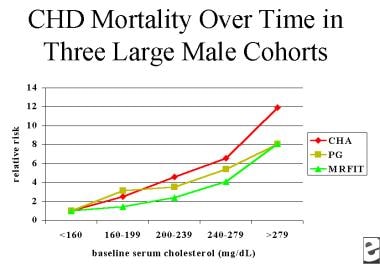
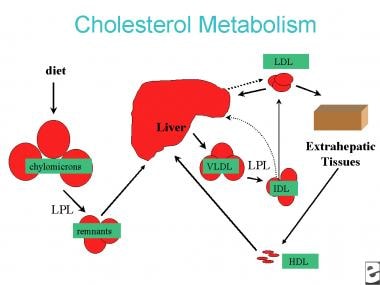
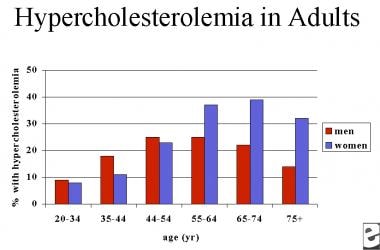
You are in: eMedicine Specialties > Endocrinology > Metabolic Disorders Hypercholesterolemia, PolygenicArticle Last Updated: May 15, 2006AUTHOR AND EDITOR INFORMATIONAuthor: William L Isley, MD, Senior Associate Consultant, Division of Endocrinology, Diabetes, Metabolism, and Nutrition, Associate Professor of Medicine, Mayo Clinic of Rochester William L Isley is a member of the following medical societies: Alpha Omega Alpha, American College of Physicians, American Diabetes Association, American Federation for Medical Research, Endocrine Society, and Phi Beta Kappa Editors: Elena Citkowitz, MD, PhD, Associate Clinical Professor of Medicine, Director, Cholesterol Management Center, Department of Medicine, Yale University School of Medicine; Director, Cardiac Rehabilitation, Hospital of St Raphael; Francisco Talavera, PharmD, PhD, Senior Pharmacy Editor, eMedicine; Yoram Shenker, MD, Chief of Endocrinology Section, VA Hospital of Madison, Section of Endocrinology, Diabetes and Metabolism, Interim Chief, Associate Professor, Department of Internal Medicine, University of Wisconsin at Madison; Mark Cooper, MD, Head, Vascular Division, Baker Medical Research Institute; Professor of Medicine, Monash University; George T Griffing, MD, Professor of Medicine, Director of General Internal Medicine, St Louis University Author and Editor Disclosure Synonyms and related keywords: polygenic hypercholesterolemia, nonfamilial hypercholesterolemia, non-familial hypercholesterolemia cholesterol, coronary heart disease, CHD, atherothrombotic stroke, statin therapy, atherosclerosis, heart disease, high cholesterol INTRODUCTIONBackgroundPolygenic hypercholesterolemia (nonfamilial hypercholesterolemia is the preferred term) is the most common form of elevated serum cholesterol concentrations. Generally, nonfamilial hypercholesterolemia manifests as moderate hypercholesterolemia (240-350 mg/dL) with serum triglyceride concentrations within the reference range. However, practically speaking, the material in this article is also relevant to patients with mixed dyslipidemias with triglyceride levels of less than 350 mg/dL. This condition is caused by a susceptible genotype aggravated by excessive saturated fat, trans fatty acid, and cholesterol intake (although the actual effect of cholesterol intake is small). The involved genes have yet to be discovered. Nonfamilial hypercholesterolemia is associated with an increased risk for coronary heart disease (CHD), as displayed in Image 1. Recent studies that show the efficacy of cholesterol-reduction strategies in the reduction of CHD events, even in patients with serum cholesterol concentrations of less than 240 mg/dL, suggest that lower cholesterol concentrations should be viewed as desirable. The first guidelines of the US National Cholesterol Education Program (NCEP) were published in 1988 and revised in 1993 and 2001. PathophysiologyLow-density lipoprotein (LDL) particles are the major plasma carriers of cholesterol. Therefore, the serum cholesterol measurement is usually a surrogate for the low-density lipoprotein cholesterol (LDL-C) concentration, except in patients with excessive very low-density lipoprotein (VLDL) levels and chylomicron particles that manifest as high serum triglyceride levels. For a simplified diagram of cholesterol metabolism, see Image 2. Elevated LDL-C concentrations may be the consequence of elevated LDL production or decreased LDL cellular uptake. Diets high in saturated fat, trans fat, and cholesterol appear to cause a reduction in LDL receptors in the liver, thus retarding LDL catabolism. Although the liver may directly secrete some LDL, whether increased direct hepatic LDL output is a factor in elevated LDL states is unknown. Overproduction of VLDL can obviously lead to increased LDL levels because VLDL is converted to LDL; however, many patients with elevated VLDL (triglyceride) levels have reduced LDL concentrations due to accelerated VLDL metabolism. Some patients with mixed dyslipidemias probably have nonfamilial hypercholesterolemia that manifests as elevated LDL-C concentrations and insulin resistance that manifests as low high-density lipoprotein cholesterol (HDL-C) levels, high triglyceride values, or both. FrequencyUnited StatesThe guidelines of the American Heart Association and the NCEP Adult Treatment Panel III (ATP III) define hypercholesterolemia as a blood cholesterol concentration of greater than or equal to 240 mg/dL. Desirable cholesterol concentrations are less than 200 mg/dL. The National Health and Nutrition Examination Survey III, performed from 1988-1991, discovered that 26% of American adults had high blood cholesterol concentrations and 49% had desirable values. According to the NCEP ATP III guidelines, all adults aged 20 years or older should have a fasting lipid profile determined at least every 5 years to assess CHD risk. Sixty-five million American adults qualify for therapeutic lifestyle changes, while 36 million US adults need pharmacologic therapy to reach NCEP ATP III goals. InternationalSerum cholesterol concentrations vary widely throughout the world. Generally, countries associated with low serum cholesterol concentrations (eg, Japan) have lower CHD event rates, while countries associated with very high serum cholesterol concentrations (eg, Finland) have very high CHD event rates. However, some populations with similar total cholesterol levels have very different CHD event rates, suggesting that other factors also influence CHD risk. Mortality/MorbidityThe primary manifestation of hypercholesterolemia is increased CHD risk. Data from epidemiological studies (eg, the Multiple Risk Factor Intervention Trial and the Framingham Heart Study) show a relationship between an increase in serum cholesterol concentrations and CHD events and CHD mortality rates. Recent studies have shown that CHD morbidity and mortality can be reduced with therapies that lower serum LDL-C levels. More recent data also suggest a relationship between thrombotic, but not hemorrhagic, stroke rates and serum cholesterol concentrations; furthermore, recent data indicate that therapy with statins reduces atherothrombotic stroke risk in patients with CHD. RaceAmong adults, National Health and Nutrition Examination Survey III data (1988-1992) show more frank hypercholesterolemia among non-Hispanic white persons (19%) than Mexican Americans (15%) or non-Hispanic black persons (16%). SexHypercholesterolemia is more common in men younger than 55 years and in women older than 55 years. AgeHypercholesterolemia increases with advancing age in adults (see Image 3). CLINICALHistoryHypercholesterolemia is usually discovered during routine screening and does not produce symptoms. Hypercholesterolemia is more common in individuals with a family history of the condition, but lifestyle factors (eg, a diet high in saturated fat) clearly play a major role. PhysicalTendon xanthomas are not present in persons with nonfamilial hypercholesterolemia. If tendon xanthomas are present, familial hypercholesterolemia or familial defective apoprotein B-100 is the correct diagnosis. Eruptive xanthomas signify extreme hypertriglyceridemia. Xanthelasma may be present but does not necessarily indicate hypercholesterolemia. Secondary hypercholesterolemia is suggested by stigmata of liver disease, hypothyroidism, hypopituitarism, nephrotic syndrome, and chronic renal disease. CausesSeveral drugs and disease states are associated with hypercholesterolemia; however, for the overwhelming majority of patients, the Western lifestyle of a high-fat diet superimposed on a susceptible genotype appears to cause hypercholesterolemia. Nonetheless, ensuring that the patient does not have untreated hypothyroidism, renal disease, or liver disease is important. Furthermore, progestins, anabolic steroids, and glucocorticoids may adversely affect low-density lipoprotein cholesterol (LDL-C) and high-density lipoprotein cholesterol (HDL-C) values. The risk factors for coronary heart disease (CHD), other than LDL-C, in the US National Cholesterol Education Program (NCEP) screening and treatment algorithm are as follows:
DIFFERENTIALSAnorexia Nervosa Biliary Obstruction Chronic Renal Failure Hypopituitarism (Panhypopituitarism) Hypothyroidism Nephrotic Syndrome Porphyria, Acute Intermittent
| |||||||||||||||||||||||||||||||||||||||||||||||||||||||||||||||||||||||||||||||||||||||||||||||||||||||||||||||||||||||||||||||||||||||||||||||||||||||||||||||||||||||||||||||||||||||||||||||||||||||||||||||||||||||||||||||||||||||||||||||||
| Drug Name | Atorvastatin (Lipitor) |
|---|---|
| Description | Highly efficacious at high doses, resulting in as much as a 60% reduction in LDL-C. Inhibits HMG-CoA reductase, which, in turn, inhibits cholesterol synthesis and increases cholesterol metabolism. Half-lives of atorvastatin and its active metabolites are longer than those of all other statins (ie, approximately 17 h for native drug, approximately 48 h for active metabolites, compared with 3-4 h for other drugs). Used for primary prevention (10-mg dose) in the ASCOT trial of subjects with hypertension and at the 80-mg dose in the AVERT, MIRACL, REVERSAL, PROVE-IT, and TNT trials. |
| Adult Dose | 10 mg PO qd; titrate to a maximum 80 mg/d |
| Pediatric Dose | 10-20 mg qd in familial hypercholesterolemia patients |
| Contraindications | Documented hypersensitivity; significant hepatic impairment; pregnancy; breastfeeding |
| Interactions | Toxicity increases when coadministered with triazole antifungals, CNS depressants, macrolide antibiotics, and mibefradil; increases action of anticoagulants and levothyroxine |
| Pregnancy | X - Contraindicated in pregnancy |
| Precautions | Do not exceed daily dose; caution in patients receiving drugs that prolong QRS or QT interval; monitor transaminase levels before treatment, at 6 wk and 12 wk, then q6mo; stop or decrease doses for elevations of >3 times the upper limit of normal; elevations generally resolve upon withdrawal; if symptoms of myopathy and rhabdomyolysis occur, stop drug and obtain creatine kinase (CK) value |
| Drug Name | Fluvastatin (Lescol) |
|---|---|
| Description | Least potent of statin drugs. The Lescol Intervention Prevention Study showed that in subjects with CHD monitored after a first percutaneous intervention, fluvastatin at 80 mg/d reduced CHD events compared with placebo. Synthetically prepared HMG-CoA reductase inhibitor with some similarities to lovastatin, simvastatin, and pravastatin. However, structurally distinct and has different biopharmaceutical profile (eg, no active metabolites, extensive protein binding, minimal CSF penetration). Fluvastatin has been shown to reduce CHD events after revascularization. |
| Adult Dose | 20-40 mg PO qhs; 40 mg PO bid; 80 mg of the SR preparation qhs |
| Pediatric Dose | Not established |
| Contraindications | Documented hypersensitivity; hepatic disease; pregnancy; breastfeeding |
| Interactions | Increased risk of developing myopathy with cyclosporine, erythromycin, clofibrate, gemfibrozil, fenofibrate, azole antifungals (eg, fluconazole, itraconazole, ketoconazole), or antilipemic doses of niacin |
| Pregnancy | X - Contraindicated in pregnancy |
| Precautions | Monitor transaminase levels before treatment, at 6 wk and 12 wk, then q6mo; stop or decrease dose for elevations >3 times the upper limit of normal; elevations generally resolve upon withdrawal; if symptoms of myopathy and rhabdomyolysis occur, stop drug and obtain CK value |
| Drug Name | Lovastatin (Mevacor, Altocor) |
|---|---|
| Description | First statin approved by the FDA. Has been shown to retard atherosclerosis in angiographic and carotid ultrasound trials and to reduce clinical events in primary prevention (AFCAPS/TexCAPS). Prodrug hydrolyzed in vivo to mevinolinic acid, one of several active metabolites. Once hydrolyzed, it competes with HMG-CoA for HMG-CoA reductase, a hepatic microsomal enzyme, thus reducing the quantity of mevalonic acid, a precursor of cholesterol. Cholesterol can also be taken up by the liver from LDL by endocytosis. The diminishing de novo synthesis of cholesterol leads to increased clearance of circulating LDL. In the AFCAPS/TexCAPS study, 20-40 mg lovastatin daily reduced the incidence of CHD events in a relatively low-risk primary prevention population. Available as IR (Mevacor and generic) and SR (Altocor) dosage forms. |
| Adult Dose | IR: 20-40 mg PO at evening meal as a single dose or bid; dosage range 10-80 mg/d SR: 10-20 mg PO hs initially; may increase dose q4wk, not to exceed 60 mg/d |
| Pediatric Dose | For heterozygous familial hypercholesterolemia only: 10-40 mg PO qd |
| Contraindications | Documented hypersensitivity; severe hepatic disease; breastfeeding |
| Interactions | Increased risk of developing myopathy with antiretroviral protease inhibitors, cyclosporine, erythromycin, clofibrate, gemfibrozil, fenofibrate, azole antifungals (eg, fluconazole, itraconazole, ketoconazole), or antilipemic doses of niacin |
| Pregnancy | X - Contraindicated in pregnancy |
| Precautions | Monitor transaminase levels before treatment, at 6 wk and 12 wk, then q6mo; after 1 y of therapy on a stable dose, transaminases no longer need to be monitored; stop drug or decrease dose for elevations of transaminases >3 times the upper limit of normal; elevations generally resolve upon withdrawal; if symptoms of myopathy and rhabdomyolysis occur, stop drug and obtain CK value |
| Drug Name | Pravastatin (Pravachol) |
|---|---|
| Description | Most-studied statin in clinical endpoint trials. Reduces CHD events when used in primary prevention in patients with marked LDL-C elevations (WOSCOPS). Also reduces CHD events and mortality rates in patients with CHD and moderate increases in LDL-C (LIPID study). Reduces CHD events in patients with cholesterol levels within reference range and known CHD (CARE study). Reduces cardiovascular events in elderly persons (PROSPER). |
| Adult Dose | 10-80 mg PO qd, usually given hs |
| Pediatric Dose | For heterozygous familial hypercholesterolemia only <8 years: Not established 8-13 years: 20 mg PO qd 14-18 years: 40 mg PO qd >18 years: Administer as in adults |
| Contraindications | Documented hypersensitivity; severe hepatic disease; pregnancy; breastfeeding |
| Interactions | Increased risk of developing myopathy with antiretroviral protease inhibitors, cyclosporine, erythromycin, clofibrate, gemfibrozil, fenofibrate, azole antifungals (eg, fluconazole, itraconazole, ketoconazole), or antilipemic doses of niacin (vitamin B-3) |
| Pregnancy | X - Contraindicated in pregnancy |
| Precautions | Monitor for myopathy and rhabdomyolysis; associated with elevated hepatic enzyme levels, which generally resolve upon withdrawal; perform LFTs before treatment, at 6 wk and 12 wk, then q6mo; if symptoms of myopathy occur, stop drug and obtain CK value |
| Drug Name | Simvastatin (Zocor) |
|---|---|
| Description | First drug shown to reduce total mortality rate by reducing LDL-C concentrations in patients with CHD with marked LDL-C elevations at baseline (4S). Markedly affects mortality rates and CHD events in patients with CHD and marked hypercholesterolemia (4S). Also reduces CHD events by >40% in similar patients with type 2 diabetes mellitus. Has also been shown to reduce CHD events in patients with a wide variety of cholesterol concentrations (>135 mg/dL) at baseline, ie, in the HPS. Adverse effects, including LFT abnormalities and myalgia, were minimal at this dose. |
| Adult Dose | 20-80 mg PO qhs |
| Pediatric Dose | Not established |
| Contraindications | Documented hypersensitivity; active liver disease; unexplained elevation of liver enzymes; breastfeeding |
| Interactions | Rifampin; nicotinic acid may decrease effects; clofibrate, itraconazole, erythromycin, cyclosporine, and niacin increase toxicity; coadministration of verapamil or amiodarone may increase risk for myopathy; protease inhibitors may increase risk for myopathy |
| Pregnancy | X - Contraindicated in pregnancy |
| Precautions | Monitor transaminase levels before treatment, at 6 wk and 12 wk, then q6mo; stop drug or decrease dose for elevations of transaminases >3 times the upper limit of normal; elevations generally resolve upon withdrawal; after 1 y of therapy on a stable dose, transaminases no longer need to be monitored; if symptoms of myopathy and rhabdomyolysis occur, stop drug and obtain a CK value; discontinue therapy if symptoms of myopathy or renal failure develop; caution in patients with a history of liver disease and patients who consume excessive amounts of alcohol |
| Drug Name | Rosuvastatin (Crestor) |
|---|---|
| Description | HMG-CoA reductase inhibitor that decreases cholesterol synthesis and increases cholesterol metabolism. Reduces total cholesterol, LDL-C, and triglyceride levels and increases HDL-C level. Used adjunctively with diet and exercise to treat hypercholesterolemia. Most efficacious of the statins. May raise HDL-C at higher doses than equally effective doses of atorvastatin. Not metabolized by cytochrome P450 system. Dose of 40 mg associated with hematuria and proteinuria, which is of unknown clinical significance. No clinical outcome studies completed as yet. |
| Adult Dose | 5-10 mg PO qd initially; may increase dose if needed, not to exceed 40 mg/d; for marked hypercholesterolemia (ie, LDL-C >190 mg/dL), initiate with 20 mg/d PO |
| Pediatric Dose | Not established |
| Contraindications | Documented hypersensitivity; active liver disease; unexplained serum transaminase elevation |
| Interactions | Cyclosporine or gemfibrozil significantly increase Cmax and AUC, thereby increasing myopathy and rhabdomyolysis risk; limit dose to 5 mg/d when coadministered with cyclosporine and 10 mg/d when coadministered with gemfibrozil; coadministration with aluminum and magnesium hydroxide antacids decrease plasma concentrations (administer antacids 2 h after rosuvastatin); may increase oral contraceptive plasma concentrations; alcohol may increase hepatotoxic risk |
| Pregnancy | X - Contraindicated in pregnancy |
| Precautions | Common adverse effects include muscle aches, stomach pain, constipation, nausea, and weakness; may cause myopathy, rhabdomyolysis, and kidney failure; monitor LFTs (ie, baseline, 12 wk after drug initiation and any dose elevation, semiannually); discontinue if elevation persists; decrease dose with CrCl <30 mL/min; doses >40 mg are associated with hematuria and proteinuria |
Older fibrates (eg, clofibrate, gemfibrozil) are used primarily for triglyceride lowering. The Helsinki Heart Study, published in 1987, showed a decrease in CHD events in patients with elevated non–HDL-C concentrations when used in primary prevention. With the advent of statins, fibrates have largely fallen out of favor when pure LDL-C lowering is needed. However, fenofibrate is more efficacious for LDL-C lowering than earlier fibrates. Ongoing studies may help determine if fenofibrate is useful in patients with mixed dyslipidemia, particularly subjects with type 2 diabetes mellitus. The Diabetes Atherosclerosis Intervention Study showed that such subjects with CHD have stabilization of angiographic findings when treated with fenofibrate compared with placebo. This trial was inadequately powered to assess an effect on CHD events. Currently, fenofibrate should probably be relegated to second-line therapy for LDL-C reduction in patients intolerant of statins.
The recent publication of the Veterans Affairs HDL Intervention Trial is notable. This trial consisted of male subjects with CHD, relatively low LDL-C concentrations (mean of 112 mg/dL), and low HDL-C concentrations (mean of 32 mg/dL). Coronary events were reduced 22% with gemfibrozil treatment compared with placebo treatment. This effect was thought to be due to an increase (6%) in HDL-C levels; however, the almost 30% decrease in triglyceride levels in subjects treated with gemfibrozil may also have played a role in risk reduction.
| Drug Name | Fenofibrate (Tricor, Lofibra, generics) |
|---|---|
| Description | Lowers LDL-C better than older fibrate drugs. Presently used primarily for triglyceride reduction and in mixed dyslipidemias. Induces lipoprotein lipase and decreases hepatic production of apolipoprotein CIII (an inhibitor of LPL) via PPAR alpha activity, which enhances plasma catabolism and clearance of triglyceride-rich particles. Fatty acid oxidation is enhanced by fenofibrate activation of acyl-CoA synthetase and other enzymes. Inhibition of acetyl-CoA carboxylase and fatty acid synthetase activity by fenofibrate further decreases synthesis of triglycerides. Result is a marked reduction in plasma triglyceride and VLDL levels and an increase in HDL-C levels. Diabetes Atherosclerosis Intervention Study associated with decreased progression of coronary atherosclerosis in subjects with type 2 diabetes mellitus. |
| Adult Dose | 145 mg (Tricor) PO qd with a meal; 160 mg or 200 mg (other preparations) PO qd with a meal; lower doses (48-67 mg [depending on preparation] PO qd/bid) in renal insufficiency |
| Pediatric Dose | Not established |
| Contraindications | Documented hypersensitivity; breastfeeding; hepatic disease; renal disease; gallbladder disease; biliary cirrhosis; cholelithiasis |
| Interactions | Increased risk of rhabdomyolysis and myoglobinuria, resulting in renal failure, when used with HMG-CoA reductase inhibitors (eg, atorvastatin, lovastatin, pravastatin, simvastatin, fluvastatin); potentiates effects of warfarin and other oral anticoagulants |
| Pregnancy | C - Safety for use during pregnancy has not been established. |
| Precautions | Instruct patients to report myalgia, muscle tenderness, and myasthenia; perform CK determinations and renal function assessment, including serum creatinine |
| Drug Name | Gemfibrozil (Lopid) |
|---|---|
| Description | Used primarily to lower serum triglyceride levels. Statin clinical endpoint trials have largely made use for pure cholesterol lowering obsolete. The Veterans Affairs HDL Intervention Trial suggests that gemfibrozil (and probably other fibrates) may be used in patients with CHD, low LDL-C, and low HDL-C. Mechanism of action is unknown but probably similar to fenofibrate. May inhibit lipolysis and secretion of VLDL and decrease hepatic fatty acid uptake. |
| Adult Dose | 600 mg PO bid 30 min prior to breakfast and dinner |
| Pediatric Dose | Not established |
| Contraindications | Documented hypersensitivity; gallbladder disease; renal or hepatic insufficiencies |
| Interactions | Increased risk of rhabdomyolysis and myoglobinuria, resulting in renal failure, when used with HMG-CoA reductase inhibitors (eg, atorvastatin, lovastatin, pravastatin, simvastatin, fluvastatin, cerivastatin [recalled from US market 8/8/01]); potentiates effects of warfarin and other oral anticoagulants |
| Pregnancy | C - Safety for use during pregnancy has not been established. |
| Precautions | Discontinue drug if no reduction in triglyceride levels observed after 3 mo of therapy; monitor for abnormal elevation of ALT, AST, LDH, bilirubin, and alkaline phosphatase serum levels; prevalence of myositis is higher among patients with renal impairment |
These agents are also called resins. Bile acid sequestrants are used primarily as additional therapy in patients with familial hypercholesterolemia who experience inadequate LDL-C lowering with statins. These agents are also useful in pediatric hypercholesterolemia. Several studies show that LDL-C lowering with resins retards the progression of atherosclerosis. The Lipid Research Clinics Coronary Primary Prevention Trial showed that cholestyramine therapy could reduce the risk for CHD events.
Interference with anionic drug absorption and patient compliance are major problems with this class of drugs. Resins may be used as an adjunct in primary hypercholesterolemia. These drugs form a nonabsorbable complex with bile acids in the intestine, which, in turn, inhibits enterohepatic reuptake of intestinal bile salts.
| Drug Name | Cholestyramine (Questran, Questran Light) |
|---|---|
| Description | Flavored to improve palatability. Light version is sweetened with aspartame and is more palatable to some patients. |
| Adult Dose | 4 g PO qd/bid; not to exceed 24 g/d or 6 doses/d; dose refers to anhydrous cholestyramine content |
| Pediatric Dose | 240 mg/kg/d PO divided tid; not to exceed 2 scoops or packets qd |
| Contraindications | Documented hypersensitivity |
| Interactions | Inhibits absorption of numerous drugs, including warfarin, thyroid hormone, amiodarone, NSAIDs, methotrexate, digitalis glycosides, glipizide, phenytoin, imipramine, niacin, methyldopa, tetracyclines, clofibrate, hydrocortisone, penicillin G, and statins |
| Pregnancy | C - Safety for use during pregnancy has not been established. |
| Precautions | Caution in patients with constipation and phenylketonuria |
| Drug Name | Colesevelam (WelChol) |
|---|---|
| Description | New high-capacity bile acid sequestrant. Better tolerated than older agents (eg, cholestyramine and colestipol), and drug interactions are less of a problem. Can lower LDL-C levels by 15-18% as monotherapy. Useful in patients who cannot tolerate statins, have contraindications for statin therapy, or request nonsystemic therapy. Can also be used in combination with a statin for additive LDL-C lowering. Has no effect on serum triglyceride levels and a modest beneficial effect on HDL-C. |
| Adult Dose | 6 tab (625 mg each) PO qd or divided bid with meals |
| Pediatric Dose | Not established |
| Contraindications | Documented hypersensitivity; complete biliary or bowel obstruction |
| Interactions | None reported; decreases AUC for SR verapamil (clinical significance is unknown) |
| Pregnancy | B - Usually safe but benefits must outweigh the risks. |
| Precautions | Safety has not been established in dysphagia, swallowing disorders, severe gastrointestinal motility disorders, or major gastrointestinal surgery |
| Drug Name | Colestipol (Colestid) |
|---|---|
| Description | Available in tabs, powder form, and flavored and unflavored varieties. Interference with anionic drug absorption and patient compliance are major problems. Forms a soluble complex after binding to bile acid, increasing fecal loss of bile acid–bound LDL-C. |
| Adult Dose | Granules: 5-30 g/d PO qd or divided bid/qid; increase dose by 5 g at 1- to 2-mo intervals Tabs: 2-16 g/d PO initial dose, 2 g PO qd/bid; increase dose by 2 g at 1- to 2-mo intervals |
| Pediatric Dose | 240 mg/kg/d PO divided tid; not to exceed 2 scoops or packets qd |
| Contraindications | Documented hypersensitivity; complete biliary obstruction; severe constipation |
| Interactions | Decreases absorption of methotrexate, glipizide, imipramine, phenytoin, tolbutamide, niacin, clindamycin, NSAIDs, gemfibrozil, ursodiol, clofibrate, phenobarbital, warfarin, digitalis glycosides, propranolol, phenobarbital, hydrocortisone, statins, and other drugs by inhibiting absorption in intestine |
| Pregnancy | C - Safety for use during pregnancy has not been established. |
| Precautions | May be associated with increase in bleeding tendencies from hypoprothrombinemia that results from decrease in vitamin K absorption; severe constipation |
Formulated to maximize the benefit of 2 drugs, perhaps at a lower dose than might maximally be used, in one formulation to achieve maximal lipid alterations. No clinical endpoint trials have been completed using these preparations.
| Drug Name | Niacin and lovastatin (Advicor) |
|---|---|
| Description | Niacin and lovastatin (Advicor) -- Niacin: Niacin functions in the body after conversion to NAD in the NAD coenzyme system. Niacin in gram doses reduces levels of total cholesterol, LDL-C, and triglycerides and increases HDL-C levels. The severity and type of underlying lipid abnormality may influence the magnitude of individual lipid and lipoprotein responses may be influenced. Lovastatin: Competitively inhibits HMG-CoA reductase, which catalyzes rate limiting step in cholesterol synthesis. Formulation contains lovastatin and niacin in pills of 20 mg lovastatin, with 500 mg, 750 mg, or 1000 mg of niacin (Niaspan). Not indicated for initial therapy of dyslipidemia. Combination therapy causes greater increases in HDL-C levels than statins alone. |
| Adult Dose | 20mg/500 mg (lovastatin/niacin) PO up to 40mg/2000 mg |
| Pediatric Dose | Not established |
| Contraindications | Documented hypersensitivity; active liver disease or unexplained significant increases in AST and ALT; substantial alcohol consumption; active peptic ulcer disease; active gout; hyperuricemia |
| Interactions | Niacin: HMG-CoA reductase inhibitors increase the risk of rhabdomyolysis; cutaneous vasodilation may be a problem if high dose is used with peripheral dilators such as nitroglycerin; taking aspirin 30-60 min before first dose of the day may help alleviate prostaglandin-mediated side effects of niacin (eg, flushing, itching); clonidine may inhibit niacin-induced flushing; separate dosing of bile acid sequestrants by at least 4-6 h; may increase PT when coadministered with warfarin Lovastatin: Coadministration with potent CYP3A4 inhibitors (eg, cyclosporine, ketoconazole, itraconazole, erythromycin, clarithromycin, HIV protease inhibitors, nefazodone, large quantities of grapefruit juice [>1 quart/d]), gemfibrozil, clofibrate, lipid-lowering doses (>1 g/d) of niacin, verapamil, or amiodarone increases myopathy or rhabdomyolysis risk (decrease lovastatin dose by 50-75%) |
| Pregnancy | X - Contraindicated in pregnancy |
| Precautions | Caution in patients with gallbladder disease or diabetes or in those predisposed to gout; monitor blood glucose; may elevate uric acid levels and lower blood phosphate levels; pregnancy category C when used at doses greater than RDA; may elevate aminotransferases; perform LFTs before therapy and every 4-6 wk for 12-15 mo, periodically thereafter |
Inhibit dietary cholesterol absorption.
| Drug Name | Ezetimibe (Zetia); Ezetimibe and simvastatin (Vytorin) |
|---|---|
| Description | First in a new class of cholesterol-lowering agents that inhibits cholesterol intestinal absorption. Approved as monotherapy or in addition to HMG-CoA reductase inhibitors. Reduces LDL-C by approximately 18-20% as monotherapy, and lowers approximately 15% more when added to statin. No clinical endpoint trials completed yet. Combination product lowers LDL-C levels 45-60%. Effect on CHD events compared with statin alone is unknown. |
| Adult Dose | Ezetimibe 10 mg PO qd Ezetimibe and simvastatin: 10 mg/10 mg, 10 mg/20 mg, 10 mg/40 mg, and 10 mg/80 mg (ezetimibe/simvastatin, respectively) |
| Pediatric Dose | Ezetimibe: <10 years: Not established >10 years: Limited data; administer as in adults Ezetimibe and simvastatin: Not established |
| Contraindications | Documented hypersensitivity |
| Interactions | Ezetimibe: Cholestyramine decreases bioavailability; fenofibrate and gemfibrozil increase bioavailability; cyclosporine may increase bioavailability Simvastatin: Effects increase with cholestyramine; increases toxicity of gemfibrozil, clofibrate, niacin, cyclosporine, and oral anticoagulants; itraconazole and ketoconazole increase toxicity of lovastatin; concurrent use with erythromycin may increase risk of rhabdomyolysis When coadministered with fibrates (eg, gemfibrozil), niacin (>1 g/d), or cyclosporine, do not exceed 10 mg/d; when coadministered with verapamil or amiodarone, do not exceed 20 mg/d |
| Pregnancy | C - Safety for use during pregnancy has not been established |
| Precautions | Initiate treatment at lower dose with severe renal insufficiency and discontinue if renal function worsens; discontinue therapy if symptoms of myopathy develop; caution in moderate-to-severe hepatic impairment and in patients who consume excessive amounts of alcohol |
Niacin lowers LDL-C and triglycerides and raises HDL-C, making it very attractive for lipid modification; however, patient tolerability and toxicity greatly limit use. Niacin has been shown to be useful in retarding progression of atherosclerosis and reducing CHD events when used in conjunction with a bile acid sequestrant or lovastatin. Niacin is the only agent to lower lipoprotein (a), but niacin increases insulin resistance and raises homocysteine levels, which may be deleterious to cardiovascular risk. This agent is probably most useful for the reduction of triglyceride levels and the elevation of HDL-C levels, particularly in patients with mixed dyslipidemia or marked hypertriglyceridemia.
| Drug Name | Niacin (Niaspan, Niacor, Slo-Niacin) |
|---|---|
| Description | Immediate release dosage form is less hepatotoxic than sustained-release (SR) form but not as well tolerated by patients because of prostaglandin-mediated flushing, itching, or rash. Immediate-release (IR) niacin started at low doses and gradually increased over several weeks allows some patients to accommodate these adverse effects. Higher doses (4-6 g/d) can be used more safely than SR niacin. Niacor and Nicolar are prescription formulations of IR niacin that, while more expensive than over-the-counter brands, may make a brand switch less likely among patients. Changing formulation of high-dose niacin may increase risk of hepatotoxicity. SR dosage form is more hepatotoxic than IR niacin; therefore, strongly advise against switching formulations or brands during treatment. Both over-the-counter and prescription SR niacin is available. Over-the-counter brands cost less, but if this option is used, recommend only reliable manufacturers. Slo-Niacin is an over-the-counter formulation available in 250-mg, 500-mg, and 750-mg tabs. Sundown also is a manufacturer of over-the-counter SR niacin. Prescription SR niacin, Niaspan, is available in 375-mg, 500-mg, and 1000-mg tabs. Niaspan with nocturnal dosing may be more tolerable than the other preparations. Niacin is not really useful in treating pure hypercholesterolemia because of the availability of statins. Adding niacin to statins to increase a low serum HDL-C, beyond that observed with a statin alone, is questionable. |
| Adult Dose | 1-2 g PO qd divided bid/tid with meals or pc Niaspan recommended dosage schedule: 500 mg PO qhs with small snack for 1 mo 1000 mg PO qhs with small snack for 1 mo 1500 mg PO qhs with small snack for 1 mo 2000 mg PO qhs with small snack for 1 mo Other SR formulations: usually require bid dosing, beginning with the smallest dose available and gradually increasing to a total dose not to exceed 3 g/d |
| Pediatric Dose | Not established |
| Contraindications | Documented hypersensitivity; active liver disease or unexplained significant increases in AST and ALT; large doses, especially when administered in SR form (associated with severe hepatotoxicity); definite or recent history of peptic ulcer disease |
| Interactions | Cutaneous vasodilation occurs if high dose used with peripheral dilators such as nitroglycerin; aspirin 30-60 min before first dose qd may help alleviate prostaglandin-mediated adverse effects (ie, flushing, itching); clonidine may inhibit niacin-induced flushing |
| Pregnancy | C - Safety for use during pregnancy has not been established |
| Precautions | Pregnancy category C when used at doses greater than RDA; caution in gallbladder disease, diabetes, and predisposition to gout; monitor blood glucose; may elevate uric acid levels; patients receiving >2 g of crystalline niacin may not be able to be switched to equal doses of SR niacin because of hepatotoxicity concerns |
| Media file 1: Relative risk of coronary heart disease (CHD) mortality versus baseline serum cholesterol over time in 3 large cohorts of young men. CHA is Chicago Heart Association Detection Project in Industry, PG is Chicago Peoples Gas Company, and MRFIT is Multiple Risk Factor Intervention Trial. Adapted from Stamler, 2000. | |
![]() | View Full Size Image | Media type: Graph |
| Media file 2: Simplified diagram of cholesterol metabolism. LDL is low-density lipoprotein, VLDL is very low-density lipoprotein, IDL is intermediate-density lipoprotein, HDL is high-density lipoprotein, and LPL is lipoprotein lipase. | |
![]() | View Full Size Image | Media type: Graph |
| Media file 3: National Health and Nutrition Examination Survey data for hypercholesterolemia among American adults. | |