You are in: eMedicine Specialties >
Endocrinology > Metabolic Disorders
Hypercholesterolemia, Familial
Article Last Updated: May 18, 2007
AUTHOR AND EDITOR INFORMATION
Section 1 of 11
Author: Elena Citkowitz, MD, PhD, FACP, Associate Clinical Professor of Medicine, Yale University School of Medicine; Director, Cardiac Rehabilitation, Director, Cholesterol Management Center, Department of Medicine, Hospital of St Raphael
Elena Citkowitz is a member of the following medical societies: American College of Physicians, American Heart Association, National Lipid Association, and Sigma Xi
Editors: Gregory William Rutecki, MD, Associate Professor, Program Director, Department of Internal Medicine, Feinberg School of Medicine, Northwestern University; Francisco Talavera, PharmD, PhD, Senior Pharmacy Editor, eMedicine; Yoram Shenker, MD, Chief of Endocrinology Section, VA Hospital of Madison, Interim Chief, Associate Professor, Department of Internal Medicine, Section of Endocrinology, Diabetes and Metabolism, University of Wisconsin at Madison; Mark Cooper, MD, Head, Vascular Division, Baker Medical Research Institute; Professor of Medicine, Monash University; George T Griffing, MD, Professor of Medicine, Director of General Internal Medicine, St Louis University
Author and Editor Disclosure
Synonyms and related keywords:
familial hypercholesterolemia, FH, heterozygous familial hypercholesterolemia, homozygous familial hypercholesterolemia, monozygous hypercholesterolemia, low-density lipoprotein cholesterol, LDL cholesterol, LDLc, hypercholesterolemia, coronary artery disease, CAD, premature CAD, coronary atherosclerosis, xanthelasma, xanthoma, valvular abnormalities, heart valve anomaly, aortic stenosis, heart disease, corneal arcus, planar xanthoma, tendon xanthoma, tuberous xanthoma, ischemic heart disease, peripheral vascular disease, cerebrovascular disease, lipid abnormalities, lipid abnormality, lipid disorder
lipid disease, coronary heart disease, CHD, high cholesterol, bad cholesterol, acute myocardial infarction, acute MI, palpebral xanthomas, Achilles tendonitis, cutaneous xanthomas, Achilles tendon xanthomas
Background
Familial hypercholesterolemia (FH) is an autosomal dominant disorder that causes severe elevations in total cholesterol and low-density lipoprotein cholesterol (LDLc). Although moderate hypercholesterolemia is a common finding in industrialized countries, heterozygous FH occurs in approximately 1 per 500 persons worldwide.
Because FH is associated with a high risk for premature coronary artery disease (CAD), health professionals should be alert to the signs found during a physical examination and to the laboratory values suggestive of FH. Early detection and aggressive management to lower the LDLc level helps prevent or slows the progression of coronary atherosclerosis. Moreover, if the first-degree relatives of a patient with FH are screened, other gene carriers can be identified and treated.
Pathophysiology
FH is a disorder of absent or grossly malfunctioning low-density lipoprotein (LDL) receptors. The LDL receptor gene is located on the short arm of chromosome 19, and the protein is composed of 860 amino acids. It is the primary determinant of hepatic LDL uptake, which normally processes approximately 70% of circulating LDL. Two ligands on LDL bind to the receptor, apolipoprotein B-100 (apoB-100) and apoE. The LDL receptor also binds another ligand, apoE, and is, therefore, more accurately termed the B,E receptor. ApoE is found on most lipoproteins other than LDL, including very low-density lipoprotein (VLDL) and chylomicrons and their remnants, intermediate-density lipoprotein (IDL), and a subclass of high-density lipoprotein (HDL). The LDL receptor binds apoE with higher affinity than apoB-100, and some mutations in the receptor may spare uptake of LDL by allowing binding to apoE.
Goldstein and Brown discovered the LDL receptor and determined that FH was caused by an autosomal dominant mutation. Since then, more than 700 mutations have been identified that have a meaningful impact on receptor function. LDL receptor function ranges from completely absent to approximately 25% of normal receptor activity.
Five classes of mutations have been defined as follows: - Class 1 includes null alleles that result in complete absence of the LDL receptor.
- Class 2 includes defective transport alleles, which disrupt normal folding of the receptor and cause either failure in transport to the cell surface or successful transport of truncated, mutated receptors.
- Class 2a mutations completely block the transport of the receptor from the endoplasmic reticulum to the Golgi apparatus.
- Class 2b mutations result in a partial blockade of transport of the receptor from the endoplasmic reticulum to the Golgi apparatus.
- Class 3 includes defective binding alleles that affect binding of LDL and, in some cases, binding of VLDL as well.
- Class 4 includes defective internalization alleles that affect the concentration of normal receptors in clathrin-coated pits for internalization by the hepatocyte.
- Class 5 includes defective recycling alleles that prevent dissociation of the receptor and the ligand and thereby interrupt recycling of the receptor.
Frequency
United States
The prevalence of heterozygous FH is approximately 1 case per 500 persons. The prevalence of homozygous FH is 1 case per 1 million persons.
International
The prevalence of heterozygous FH in Europe approximates that of the United States, but certain regions, such as Iceland and Finland, or populations have a higher incidence. The prevalence of heterozygous FH among French Canadians is 1 case per 270 persons and is 1 case per 170 persons in Christian Lebanese. Due to the founder effect and relatively isolated populations, 3 distinct populations within South Africa have an extremely high prevalence of FH: 1 case per 67 in Ashkenazi Jews and 1 case per 100 persons in both Afrikaners and South African Indians.
Mortality/Morbidity
- Homozygous FH
- Severe and widespread atherosclerosis affects all major arterial beds, including the carotid, coronary, femoral, and iliac.
- Children are at risk for early coronary events, and sudden death or acute myocardial infarction may occur in patients as young as 1-2 years. Without heroic interventions to lower blood cholesterol levels, survival beyond young adulthood is unlikely.
- Valve abnormalities are common, particularly aortic stenosis.
- Accumulation of cholesterol in nonvascular tissue is of less clinical significance. Corneal arcus and planar, tendon, and tuberous xanthomas are present early in childhood and sometimes at birth. Recognition of the cutaneous manifestations of FH permits early diagnosis and treatment to prevent the otherwise severe and inevitable cardiovascular complications.
- Heterozygous FH
- Premature CAD is the most serious and preventable manifestation. Untreated men are likely to develop symptoms by the fourth decade of life. The onset of symptoms in women lags behind men by approximately 10-15 years. No accurate estimates of mortality rates are available.
- Cholesterol deposition in nonvascular tissue is common, although heterozygous children do not usually have physical manifestations; adults do not invariably develop them. Corneal arcus is the most frequent finding, particularly in patients older than 30 years, but this finding is also common in older patients and African Americans without hypercholesterolemia. Similarly, xanthelasmas (palpebral xanthomas) can occur in older individuals with normal cholesterol levels. Neither xanthelasma nor corneal arcus is of clinical significance, except possibly cosmetically.
- Xanthomas, most commonly of the Achilles tendon and extensor tendons of the hands, are rare in children and common in untreated adults. Tendon xanthomas may occur with other conditions such as familial defective apoB-100 and type III hyperlipoproteinemia. These deposits can cause Achilles tendonitis and articular symptoms, particularly of the hands, wrists, knees, and ankles.
Race
Certain populations with Finnish, Lebanese, Ashkenazi Jewish, Afrikaner, or French Canadian origins have a higher prevalence of FH.
Sex
- The gene for FH is on chromosome 19; therefore, the inheritance pattern is the same for males and females.
- In heterozygous FH, the consequences of severe hypercholesterolemia manifest earlier in men than in women because of the sex protection that benefits women until the postmenopausal years. Although a woman with no other major risk factors for CAD may not develop symptomatic CAD during her lifetime, men are rarely so fortunate.
- Homozygous girls and boys have the same risk for a very early cardiovascular event.
Age
- The consequences of a defective LDL receptor and subsequent elevations of LDLc are present at birth, but age is relevant because the longer patients live with extremely elevated LDLc levels, the higher their risk of CAD.
- Early diagnosis and treatment to lower LDL levels and treat other coronary risk factors slows the progression of coronary atherosclerosis.
History
- Children with homozygous FH
- These patients may have symptoms consistent with ischemic heart disease, peripheral vascular disease, cerebrovascular disease, or aortic stenosis. Such symptoms may be confused with conditions that are more benign unless the diagnosis of homozygous FH is considered.
- Patients may have articular symptoms such as tendonitis or arthralgias.
- Patients have a history of unusual skin lesions.
- Because they are obligate heterozygous hypercholesterolemics, both parents must have severe elevations in LDLc; although they are often too young to have developed symptomatic CAD. Because each must have a parent with heterozygous FH, a history of significant hypercholesterolemia and premature CHD can be traced to the patient’s second degree relatives.
- Children with heterozygous FH
- Children with heterozygous FH do not have symptoms related to CHD.
- One parent will have severe hypercholesterolemia and will probably have either a personal or family history for early CAD.
- Statistically, because the gene for FH is dominant, 50% of the patient’s siblings will also have heterozygous FH.
- Adults with homozygous FH
- Most patients do not survive beyond age 30 years unless treated with unusual methods, such as liver transplantation, LDL apheresis, or ileal bypass surgery to dramatically lower their LDLc levels.
- Their family history should be positive for severe hypercholesterolemia and premature CAD in both parental family lines.
- Adults with heterozygous FH
- These patients have a long-standing history of severe hypercholesterolemia dating back to childhood.
- If an acute coronary event has not already occurred, symptoms consistent with ischemic heart disease are not uncommon, especially if other cardiovascular risk factors (especially smoking) are present.
- Past or present symptoms of recurrent Achilles tendonitis or arthritic complaints may be present.
- Premature CAD and severe hypercholesterolemia are present in one or more first-degree relatives.
- If carefully questioned, patients with either homozygous or heterozygous FH may describe first-degree relatives who had visible tendon xanthomas on their hands.
Physical
The presence of tendon xanthomas is usually stated to be pathognomonic for FH, but that is not the case. As described in Causes, patients with familial ligand defective apoB-100 may have tendon xanthomas and elevated LDLc levels. 27-hydroxylase deficiency (cerebrotendinous xanthomatosis) causes tendon xanthomas due to the accumulation of both cholesterol and cholestanol. However, this rare disease causes other abnormalities (eg, dementia, ataxia, cataracts) with reference range cholesterol levels and, therefore, cannot be confused with FH. Sitosterolemia (phytosterolemia), a rare autosomal recessive disease, is characterized by hyperabsorption of plant sterols. Tendon xanthomas are present at an early stage although cholesterol levels are within the reference range or only mildly elevated. Uncommonly, patients with dysbetahyperlipoproteinemia have tendon xanthomas.
- Homozygous FH
- These patients may have cutaneous xanthomas at birth or by early childhood.
- Several types of xanthomas are usually obvious in the first decade of life, and they include (1) planar xanthomas (on hands, elbows, buttocks, or knees), which are diagnostic for the homozygous state and are distinct from other cutaneous xanthomas because of their yellow-to-orange coloration; (2) tuberous xanthomas (on hands, elbows, or knees); and (3) tendon xanthomas (especially on extensor tendons of hands or Achilles tendon) will occur somewhat later.
- Children may have corneal arcus, which is sometimes circumferential. While occasionally present in older adults with normal cholesterol levels, corneal arcus is highly unusual in children, and this finding should prompt a workup for homozygous FH.
- The murmur of aortic stenosis may be heard.
- Heterozygous FH
- Most children with heterozygous FH do not develop tendon xanthomas or corneal arcus.
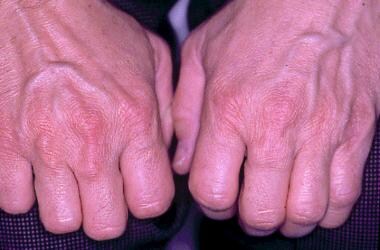
- By the third decade of life, more than 60% of patients with untreated FH develop tendon xanthomas (see Image 1).
- Xanthomas are noted commonly on the Achilles tendons and metacarpal phalangeal extensor tendons of the hands.
- The figures in many textbooks suggest that tendon xanthomas in heterozygous patients are readily apparent upon gross inspection. Unfortunately, this often is not the case. Careful palpation rather than simple inspection may be necessary for detection of Achilles tendon xanthomas. A diffusely thickened tendon or one with discreet irregularities is suggestive of a xanthoma.
- Tendon xanthomas of the metacarpophalangeal joints may be seen by careful inspection and palpation. Slowly flexing and extending the digits and watching for nodules that move with the motion of the tendon make these xanthomas more noticeable and distinguish them from cutaneous or subcutaneous nodules.
- Xanthelasmas may occur in older patients with normal cholesterol levels and this finding is, therefore, not specific for FH.
The presence of tendon xanthomas is often stated to be pathognomonic for FH but that is not the case.
- As described below, patients with familial ligand defective apoB-100 may have tendon xanthomas and equivalent laboratory values.
- 27-hydroxylase deficiency (cerebrotendinous xanthomatosis) causes tendon xanthomas due to the accumulation of both cholesterol and cholestanol. But this rare disease causes other abnormalities (dementia, ataxia, cataracts) with normal cholesterol levels and, therefore, cannot be confused with FH.
- Sitosterolemia (phytosterolemia), a rare autosomal recessive disease, is characterized by hyperabsorption of plant sterols. Tendon xanthomas may be present though cholesterol levels are normal or only mildly elevated.
- Uncommonly, patients with dysbetalipoproteinemia have tendon xanthomas.
Causes
A major change in the number or functional status of LDL receptors directly affects serum cholesterol levels. If the liver does not take up LDL particles, serum LDLc levels increase. Also, when LDL is not internalized by hepatocytes, hepatic synthesis of cholesterol is not suppressed. This leads to further cholesterol production despite high levels of circulating cholesterol. Therefore, circulating cholesterol levels are increased dramatically. The total and LDLc levels of infants and children with homozygous FH are higher than 600 mg/dL. In patients with heterozygous FH, half the LDL receptors are normal and half are rendered ineffective by the mutation. These patients' total cholesterol and LDLc levels are twice as high as the population average. LDLc levels of 200-400 mg/dL are common. High levels of LDLc increase cholesterol uptake in nonhepatic cells that is independent of LDL receptors. These scavenger pathways allow cholesterol uptake by monocytes and macrophages, leading to foam cell formation, plaque deposition in the endothelium of coronary arteries, and premature CAD. Cholesterol also accumulates in other areas, particularly the skin, causing xanthelasmas and a variety of xanthomas. Early corneal arcus is frequent, and, in patients with the homozygous condition, valvular abnormalities, most frequently aortic stenosis, are common secondary to the deposition of cholesterol. Several conditions other than FH cause severely elevated LDL levels, and each is caused by a single gene abnormality. Familial ligand defective apoB-100 Familial ligand defective apoB-100 (FLDB), also called familial defective apoB-100, is responsible for a syndrome almost indistinguishable from heterozygous FH. Instead of an abnormal or absent LDL receptor, this syndrome is caused by an abnormality at the binding site of apoB-100, which impedes its role as a ligand for the receptor. ApoB-100 is a single polypeptide chain composed of 4536 amino acids. The gene resides on the short arm of chromosome 2 and the first described mutation was a substitution of glycine for arginine at the codon for amino acid 3500. Different mutations at the same and different codons have since been described. Although the LDL receptors are normal in both number and function, LDL is taken up inefficiently, leading to elevated LDLc levels that can be indistinguishable from those associated with heterozygous FH. These patients can present with cutaneous manifestations and an increased risk of premature CAD similar to patients with heterozygous FH. Because LDL receptors function normally with respect to the apoE ligand, uptake of very low-density lipoprotein, very low-density lipoprotein remnants, and intermediate-density lipoprotein is normal. The consequence may be that patients with defective apoB-100 may have a clinically more benign course than patients with heterozygous FH. The finding that patients homozygous for familial defective apoB-100 are clinically similar to those with the heterozygous condition supports this supposition. Autosomal recessive hypercholesterolemia Another recently identified molecular defect that also causes severely elevated LDL levels is autosomal recessive hypercholesterolemia. These patients have LDLc levels that are higher 400 mg/dL; however, heterozygous individuals have normal levels.
Dysbetahyperlipoproteinemia (type III hyperlipidemia)
Familial ligand defective apoB-100, familial defective apoB-100
Homozygous autosomal recessive hypercholesterolemia
Sitosterolemia (Phytosterolemia)
Other Problems to be Considered
Familial combined hyperlipidemia Hypothyroidism Lipoprotein X Nephrotic syndrome Severe hypertriglyceridemia Polygenic hypercholesterolemia
Lab Studies
- The diagnosis of both homozygous and heterozygous FH is based primarily on the finding of severe LDLc elevations in the absence of secondary causes of hypercholesterolemia with triglyceride levels that are within the reference range or mildly elevated and HDL cholesterol (HDLc) levels that are within the reference range or slightly low. A probable diagnosis of heterozygous FH can be made if the LDLc level is greater than 330 mg/dL or if tendon xanthomas are present in a patient with an LDLc level above the 95th percentile. Definitive diagnosis can be made only with gene or receptor analysis.
- A substantial increase in serum triglyceride levels should raise the possibility of another lipid disorder.
- Lipid analysis
- Cholesterol levels are severely elevated in children and adults with homozygous FH, with total cholesterol and LDLc levels greater than 600 mg/dL and triglyceride levels within the reference range.
- In patients with heterozygous FH, LDLc levels are commonly higher than 250 mg/dL and usually increase with age. An LDLc level higher than 200 mg/dL in a patient younger than 20 years is highly suggestive of heterozygous FH or, possibly, familial ligand defective apoB-100 (see Pathophysiology). In adults, LDLc levels higher than 290-300 mg/dL suggest heterozygous FH.
- Lipoprotein (a) may be measured because patients with both heterozygous FH and high levels of lipoprotein (a) (>30 mg/dL) have a worse prognosis than those with normal levels of lipoprotein (a). However, all patients with FH are at very high risk for CAD and because no data are available to suggest that lipoprotein (a) should be specifically targeted for treatment.
- Tests to rule out secondary hypercholesterolemia
- Other laboratory testing may be suggestive by findings discerned thorough history and physical examination.
- In the absence of symptoms or signs suggestive of a particular disorder, a limited workup should be performed to rule out secondary hypercholesterolemia.
- Basic tests to rule out diabetes, hypothyroidism, hepatic disease, and renal disease are usually sufficient.
Imaging Studies
- An echocardiogram is indicated for children with homozygous FH, especially those who have a murmur or symptoms suggestive of aortic stenosis or another valve abnormality.
- Children with homozygous FH should be referred to a pediatric cardiologist for consideration of vascular imaging studies (Pet scan, determination of carotid intima medial thickness, coronary catheterization) that can direct treatment for hypercholesterolemia.
- Radiographic imaging of the Achilles tendon helps accurately measure Achilles tendon xanthomas, but the findings do not change lipid management.
Other Tests
- Lipoprotein electrophoresis is expensive and is unnecessary for the diagnosis of FH. Moreover, in the absence of preparative ultracentrifugation, it has no place in the workup of any lipid disorder. If fasting lipid analysis reveals elevated triglyceride levels and the diagnosis of FH is in doubt, beta quantification (ultracentrifugation and electrophoresis) may be performed at a major lipid center or one of the few commercial sites in the United States and other countries that performs this procedure.
- LDL receptor analysis can be used to identify the specific LDL receptor defect. However, this analysis can only be performed at certain research laboratories and is expensive; and the results have no impact on management. LDL receptor or apoB-100 studies can help distinguish heterozygous FH from the similar syndrome of familial defective apoB-100, but this finding would not alter treatment.
Procedures
- The presence of an unusually high LDLc level should make identifying a cutaneous lesion straightforward. Possible entities include xanthelasmas or xanthomas.
- If identification of a cutaneous lesion is unclear and the diagnosis of heterozygous FH is uncertain, a biopsy can be performed. Both xanthelasmas and the xanthomas of FH contain accumulations of cholesterol. By contrast, eruptive xanthomas in patients with severe hypertriglyceridemia (levels >1000 mg/dL) contain triglycerides (fat).
Medical Care
The National Cholesterol Education Program (NCEP) ATPIII defined LDLc goals and cutpoints for therapeutic intervention based on risk for CHD (see Table 2 and Table 3). The guidelines were updated in 2004 to reflect the findings of several interventional trials demonstrating that coronary event rate was reduced after lowering the LDLc well below 100 mg/dL. Risk categories CHD or CHD risk equivalent
- Clinical CHD
- Symptomatic carotid artery disease or carotid stenosis greater than 70%
- Peripheral artery disease
- Abdominal aortic aneurysm
- Diabetes
- Global 10-year risk of major CHD event (ie, fatal or nonfatal myocardial infarction) greater than 20%
Determination of risk
Treatment of elevated LDLc levels is based upon the risk for a coronary heart disease (CHD) event (see Table 1). The 2001 National Cholesterol Education Program (NCEP) Adult Treatment Panel III (ATPIII) defined target LDLc levels and levels based on risk for CHD. The 2004 update added optional lower LDLc goals to reflect the findings of several interventional trials demonstrating that more aggressive LDLc lowering further reduced coronary event rate. In patients without atherosclerotic disease, the risk for developing CHD is defined by the number of major risk factors for CHD and by the following: - Hypertension (blood pressure >140/90 mm Hg or treatment for hypertension)
- Cigarette smoking (any within the past mo)
- HDLc level below 40 mg/dL
- Male sex and age 45 years or older
- Female sex and age 55 years or older
- Family history of premature CHD: Clinical CHD or sudden death in first-degree male relative younger than 55 years or first-degree female relative younger than 65 years
An HDLc level of 60 mg/dL or greater is a negative risk factor for CHD and its presence removes one risk factor from the total. Percent risk for developing CHD or having a major CHD event (ie, fatal or nonfatal myocardial infarction) is determined by calculating the Framingham risk score, which is available through the US National Heart, Lung, and Blood Institute (see Risk Assessment Tool for Estimating 10-Year Risk of Developing Hard CHD).
- LDLc goal less than 100 mg/dL
- Therapeutic lifestyle changes (TLC) instituted at LDL 100 mg/dL or more
- Medical therapy initiated at LDL 100 mg/dL or more (new 2004 cut off point)
- Optional LDLc goal less than 70 mg/dL, especially for very high risk patients:
- Patients with CHD and multiple other major risk factors for CHD, especially diabetes
- Severe, poorly controlled risk factors, especially continued cigarette smoking
- Multiple risk factors of the metabolic syndrome
- Patients admitted with an acute coronary syndrome
Moderately high risk, more than 2 risk factors
- See Table 2
- Global risk 10-20%
- LDLc goal less than 130 mg/dL
- Optional LDLc goal less than 100 mg/dL
- Consider medical therapy for LDL 100-129
Moderate risk, 2 risk factors or more - Global risk less than 10%
- LDLc goal less than 130 mg/dL
Low risk - None to 1 major risk factor for CHD
- LDLc goal less than 160 mg/dL
- Low-risk patients have fewer than 2 risk factors and a 10-year risk for a major CHD event that is almost always less than 10%. The goal LDLc is less than 160 mg/dL.
- Moderate risk patients have 2 or more factors and a 10-year risk for CHD of less than 10%. The goal LDLc is less than 130 mg/dL.
- Moderately high risk patients have 2 or more risk factors and a 10-year risk of 10-20%. The goal LDLc is less than 130 mg/dL and the update suggested an optional goal LDLc of less than 100 mg/dL.
- The highest category of risk includes CHD and CHD risk equivalents
- Clinical CHD
- Symptomatic carotid artery disease (transient ischemic attack or stroke of carotid origin)
- Peripheral artery disease
- Abdominal aortic aneurysm
- Diabetes
- 10-year risk less than 20%
- The LDLc goal for high-risk patients is less than 100 mg/dL and the 10-year risk is greater than 20%. In addition to lifestyle changes, institution of medication is recommended if LDLc level is greater than 100 mg/dL. Patients at high or very high risk have an optional LDLc goal of less than 70 mg/dL.
- Patients with cardiovascular disease who are at very high risk have an optional LDLc goal of less than 70 mg/dL.
- Very high risk is defined as the presence of the following:
- Multiple other major risk factors for CHD, especially diabetes
- Severe, poorly controlled risk factors, especially continued cigarette smoking
- Multiple risk factors for the metabolic syndrome (especially triglycerides >200 mg/dL, non-HDLc >130 mg/dL, and HDLc <40 mg/dL)
- Patients with acute coronary syndromes
Table 1. LDLc Target Levels and Levels Indicating Therapeutic Lifestyle Changes (TLC) and Drug Therapy
Risk Category
|
LDLc Target Level, mg/dL
|
LDLc Level Indicating TLC, mg/dL
|
LDLc Level for Considering Drug Therapy, mg/dL*
| High risk: CHD or CHD risk equivalent (10-y risk >20%) | <100 Optional goal <70 | >100 | >100 | Moderately high risk: More than 2 risk factors (10-y risk 10-20%) | 130 Optional goal <100 | >130 | >130 (100-129 may consider drug options) | Moderate risk: More than 2 risk factors (10-y risk 10%) | <130 | >130 | >160 | Lower risk: 0-1 risk factor | <160 | >160 | >190 (160-189 LDL-lowering drug optional) | *The 2004 update recommended that when statin therapy is initiated in patients at high or moderately high risk, a dose and strength should be chosen that achieves at least a 30-40% LDLc reduction (see Table 3).
General treatment recommendations for homozygous FH - Healthy diet, regular exercise, and maintenance of desirable weight
- Because of improved diet normally results in upregulation of LDL receptors, the impact of diet changes on LDLc levels in homozygous patients is negligible (there are no receptors to upregulate), but lifestyle changes have other cardiovascular benefits and should be strongly encouraged.
- Because of the severity of CHD and lack of response, homozygous FH patients require heroic intervention.
- Occasionally, the LDL receptors retain some degree of function and diet control and high doses of HMG-CoA reductase inhibitors combined with bile acid sequestrants, ezetimibe, and niacin can be effective. Estrogen replacement therapy in postmenopausal women is also effective, but this therapy is not recommended because of its adverse effects in older women. However, in some women the benefits may outweigh risks.
- When the LDL receptors are absent or nonfunctional, one of the following is necessary:
- LDL apheresis for homozygous FH involves selective removal of lipoproteins that contain apo-B by heparin precipitation, dextran sulfate cellulose columns, or immunoadsorption columns.
- All methods reduce LDLc levels more than 50% and also lower lipoprotein (a), VLDL, and triglyceride levels. HDL is spared.
- The procedure takes 3 or more hours and is performed at 1- to 2-week intervals. Few adverse events are experienced, most of which are noncritical episodes of hypotension.
- LDL apheresis is an extremely expensive procedure and is not readily available.
- Portacaval anastomosis
- Compared to liver transplantation (see Surgical Care), this procedure is less hazardous and requires no immunosuppression.
- Although cholesterol levels are not reduced as dramatically when compared with transplantation or apheresis, the clinical benefits appear comparable.
- LDLc reductions 50% have been reported; regression of coronary lesions, aortic lesions, and xanthomas have been documented.
- The exact mechanism by which LDLc is lowered is unclear.
- Other treatments for homozygous FH
- Probucol, a medication with only mild LDL-lowering effects and an undesirable HDL-lowering impact, has been shown to cause regression of cutaneous and tendon xanthomas in patients with both homozygous and heterozygous FH. An animal model has demonstrated reduced coronary atherosclerosis. No long-term benefits have been documented for patients with FH.
- Gene therapy is still at the investigational stage. Initially, expectations were high that genetic manipulation would be a less hazardous method for providing functional LDL receptors compared with liver transplantation; however, advances have been slow.
Treatment for heterozygous FH
In patients with heterozygous FH, lifestyle modification should always be instituted but is unlikely to result in acceptable LDLc levels; therefore, cholesterol-lowering medication (usually more than one) is necessary. - A diet that severely limits saturated fats, trans fats, and cholesterol (see Table 2)
- Desirable weight should be attained. Significant weight loss should improve all lipid parameters (LDLc, HDLc, triglycerides).
- Aerobic and toning exercises improve blood lipid levels if performed for longer than 30 minutes, 4 or more days per week.
- While these efforts often have only a modest impact on LDLc levels, rigorous dietary intervention works synergistically with lipid-lowering medications, especially diet.
- With 50% functional LDL receptors, heterozygous FH patients have an excellent response to the usual cholesterol-lowering drugs, but treatment still remains difficult.
- To approach the recommended LDLc goals, a high dose of one of the 3 strongest HMG-CoA reductase inhibitors (statins), simvastatin, atorvastatin, or rosuvastatin, and one or more other LDL lowering medications, bile acid sequestrants, ezetimibe, or niacin, is recommended. To decrease the risk of myopathy, one step below the maximum dose of the statin should be considered. For additional resources, please visit Landmark Statin Trials.
- Because doubling the dose of any statin lowers the LDLc only 6-7%, adding a second, third, or even fourth agent is more effective.
- Fibrates have no place in treatment of patients with FH unless triglyceride levels are elevated.
- Estrogen replacement therapy in postmenopausal women also helps lower LDLc levels, but this therapy is not recommended because of its adverse effects in older women, although the benefits may sometimes outweigh risks.
- Patients with documented CHD whose LDLc level cannot be lowered below 200 mg/dL by conventional therapy are candidates for LDL apheresis. Patients without CHD but with an LDLc level of higher than 300 mg/dL also qualify for this intervention. However, health insurance coverage is not automatic, and decisions are made on a case-by-case basis because of the costs, which approach $3000 for each treatment, every 2 weeks, for the patient's lifetime.
Surgical Care
- Liver transplantation for homozygous FH
- Liver transplantation is rarely performed because of the considerable risks associated with the surgery itself and long-term immunosuppression. But a new liver provides functional LDL receptors and causes dramatic decreases in LDLc levels.
- If not normalized, LDLc levels then can be treated with the usual LDL-lowering medications.
- Portacaval anastomosis for homozygous FH
Consultations
- Homozygous FH
- Because the risk of sudden death or nonfatal myocardial infarction is so high, early or highly specialized treatment is necessary.
- As soon as a child is diagnosed with homozygous FH, a referral should be made to a medical center specializing in severe lipid disorders.
- Referral to center providing LDL apheresis
- Heterozygous FH
- Refer to qualified nutritionist to provide guidance in reducing intake of saturated and trans fats and cholesterol and assist in weight reduction if indicated.
- If patients do not reach recommended treatment goals under the care of their primary care physicians, they should be referred to an endocrinologist or lipid specialist and to a qualified nutritionist.
- If patients are considered candidates for LDL apheresis and are willing to undertake this arduous procedure, referral should be made to a medical facility offering this procedure.
Diet
- Predicting the degree of improvement in an individual's lipids levels with dietary change is difficult because many variables affect the response, including the makeup of the baseline diet, the degree of patient compliance, and the individual's LDL responsiveness to the diet, which is genetically determined. A decrease of at least 15% can be expected in heterozygous patients who are willing to make significant dietary changes.
- The 2001 NCEP ATPIII guidelines emphasize a multifaceted approach to the prevention of CHD. Designated therapeutic lifestyle changes (TLC), its features include increased physical activity, weight reduction, and diet modification. The same diet is recommended for all patients with lipid abnormalities.
- The NCEP recommendations for the dietary management of hypercholesterolemia are not highly restrictive, but a more stringent regimen may have a greater impact on lipid levels (see Table 2).
- Restricting total fat is less important than reducing the intake of saturated fat, trans fat, and cholesterol. Moreover, diets very low in total fat are high in carbohydrates, which may increase triglyceride levels and lower HDLc levels. Substituting monounsaturated fats (eg, olive and canola oils, avocados, nuts) for carbohydrates does not increase LDLc levels and, in the absence of weight gain, may increase HDLc levels and lower triglyceride levels in patients who have maintained a diet very low in fat.
- Diets should be rich in whole grains, whole fruit, and legumes and other vegetables. These foods are high in soluble fiber, which has a small (approximately 5%) cholesterol-lowering effect; they are also high in antioxidants and flavonoids, which may be cardioprotective.
Table 2. Recommended Dietary Intake
Food Category
|
Typical US Diet
|
NCEP Diet
|
Diet for FH
| Cholesterol, mg/d | 500 | <200 | 100 | Total fat, % energy (calories) | 40 | 25-35 | 20 | Saturated fat, % energy (calories) | 14 | <7 | <6 | Carbohydrate, % energy (calories) | 45 | 50-60 | 65 | Protein, % energy (calories) | Approximately 15 | 15 | N/A |
- Other features of the NCEP diet are as follows:
- Fiber (soluble fiber): Intake should be 20-30 g/d.
- Carbohydrates: Intake should be 50-60% of total energy (caloric) intake. Carbohydrates should be derived predominantly from foods rich in complex carbohydrates, including grains, especially whole grains, fruits, and vegetables.
- Plant sterols and stanols: Intake should be 2 g/d. These are present in commercial margarines (eg, Benacol, Take Control).
- Total energy (caloric) intake: Balance energy intake and expenditure to maintain desirable body weight and prevent weight gain. Daily energy expenditure should include at least moderate physical activity, contributing approximately 200 Kcal/d (eg, a brisk walk of 2 miles or more).
- Trans-fatty acids (trans fats): Intake should be avoided. Products made with hydrogenated fats contain variable amounts of trans fats. Similar to saturated fats, trans fats increase LDLc levels. However, unlike saturated fats, trans fats decrease HDLc levels. Hydrogenated fats and trans fats are found in many margarines, cakes, cookies, crackers, and frosting.
Activity
- Exercise has many cardiovascular benefits and can improve blood lipid levels. Although a greater proportion of time should be spent doing aerobic exercise because of its greater impact on lowering blood pressure and decreasing insulin resistance, resistance training also has benefits.
- Patients with CAD or symptoms suggestive of ischemic heart disease should undergo a symptom-limited exercise stress test before undertaking a new program of vigorous exercise.
HMG-CoA reductase inhibitors (statins) are the medications of choice for the treatment of LDLc elevations in patients with heterozygous FH because they have the greatest efficacy and are easily tolerated and because multiple randomized, placebo-controlled trials have shown that lowering LDLc levels with statins reduces coronary morbidity and mortality and, in some cases, total mortality. The strongest statins, rosuvastatin and atorvastatin, at their maximum approved doses, can be expected to reduce LDLc levels 50-60%.
The ATPIII update advises that the starting dose of a statin be sufficient to lower the LDLc 30-40% (see Table 3). Even the maximum doses of the strongest statins are usually inadequate for patients with FH, and the addition of one or more nonstatin cholesterol-lowering medications is necessary. Bile acid sequestrants (eg, cholestyramine, colestipol, colesevelam) can be added with no risk of drug interaction, with the exception of absorption of the statin (and many other medications) if taken at the same time. Bile acid sequestrants modestly decrease LDLc levels with a small increase in HDLc and triglyceride levels. Other medications should be taken 1 hour before or 4 hours after a bile acid sequestrant. Colesevelam, which is a polymer, has less gastrointestinal side effects than the older resins and is effective at a lower dose (maximum 7 tabs/d). Nicotinic acid (niacin) not only lowers LDLc levels but also has significant HDL-raising and triglyceride-lowering effects. There are few data to support the belief that niacin increases the risk of myopathy if combined with a statin. Fibric acid derivatives include gemfibrozil (Lopid) and fenofibrate (Tricor). Outside of the United States, bezafibrate is also available. The fibrates lower triglyceride levels and raise HDLc levels, but they do not reliably lower LDLc levels. They increase the risk of statin-induced myositis more so than niacin. Therefore, this class of drugs is not usually useful in patients with FH. Ezetimibe reduces LDLc levels approximately 18%, with small HDLc-raising and triglyceride-lowering effects. Because the mechanism by which it inhibits cholesterol absorption is quite specific, it does not interfere with the absorption of other drugs and does not cause the constipation associated with bile acid sequestrants. This medication has a major role in LDL-lowering when a statin alone is not sufficient and can be administered as a single tablet when combined with simvastatin (Vytorin). Another useful statin combination is lovastatin combined with extended-release niacin (Advicor). These statin combinations are particularly appropriate for patients with FH, most of whom will require 2 or more drugs to reach their LDLc goals. In addition, significantly greater than expected decreases in the LDLc level are frequently observed. Table 3. Statin and Statin Combination Approved Doses, Expected LDLc Decrease, and Dose Required for 30-40% LDLc Reduction
Statin |
FDA-Approved Dose |
Expected LDLc Decrease |
Dose Required for 30-40% LDLc Reduction | Atorvastatin
| 10-80 mg daily
| 35-60%
| 10 mg
| Fluvastatin
| 20-40 mg at bedtime
| 20-30%
| 40 mg qd/bid
| 40 mg bid
| 35%
| 40 mg bid
| Extended-release fluvastatin (Lescol XL)
| 80 mg at bedtime
| 35-38%
| 80 mg at bedtime
| Lovastatin
| 20-80 mg at supper
| 25-48%
| 40 mg at dinner
| Extended-release lovastatin (Altoprev)
| 20-60 mg at bedtime
| 25-45%
| 60 mg at bedtime
| Pravastatin
| 40-80 mg at bedtime
| 30-40%
| 40 mg at bedtime
| Rosuvastatin
| 10-40 mg daily
| 40-60%
| 5 mg daily
| Simvastatin
| 20-80 mg daily at bedtime
| 35-50%
| 20 mg at bedtime
| Lovastatin + extended-release niacin (Advicor)
| 20/500 mg 20/1000 mg at bedtime
| 25-40%
| 40/2000 mg at bedtime*
| Simvastatin + ezetimibe (Vytorin)
| |
|