Background
Gas gangrene and clostridial myonecrosis are interchangeable terms used to describe an infection of muscle tissue by toxin-producing clostridia. In 1861, Louis Pasteur identified the first clostridial species, Clostridium butyricum. In 1892 and later, Welch, Nuttall, and other scientists isolated a gram-positive anaerobic bacillus from gangrenous wounds. This organism, originally known as Bacillus aerogenes capsulatus, was later renamed Bacillus perfringens, and then Clostridium welchii. The organism is now named Clostridium perfringens.
Gas gangrene gained recognition for its wartime incidence, during which only a paucity of civilian cases occurred. During World War I, gas gangrene complicated 6% of open fractures and 1% of all open wounds. These figures steadily decreased to 0.7% during World War II, 0.2% during the Korean War, and 0.002% during the Vietnam War. No cases of gas gangrene were reported during the battle in the Falkland Islands in 1982. [1]
Despite numerous casualties caused by enormous firepower and improvised explosive devices (IEDs), no cases of gas gangrene were reported among US soldiers during the ongoing operation Iraqi Freedom. The lethality of war wounds has decreased from 24% during operation Desert Storm (1991) to an unprecedented 10% during operation Iraqi Freedom. The US military medicine has credited this to the mobility of the forward surgical teams (FSTs) in keeping up with the fast-moving military units. [2, 3, 4]
The incidence of gas gangrene was 0.96% in a study of 1970 survivors admitted to Sichuan Provincial People’s Hospital after the 2008 Wenchuan earthquake. [5] Another study of 226 patients during the same earthquake showed the importance of rapid and accurate screening, as well as isolation, in the successful treatment of gas gangrene and in helping to prevent nosocomial diffusion. Debridement, amputation, and supportive treatment yielded acceptable therapeutic results. [6]

Pathophysiology
Gas gangrene is caused by an anaerobic, gram-positive, spore-forming bacillus of the genus Clostridium. C perfringens is the most common etiologic agent that causes gas gangrene. Other common clostridial species that cause gas gangrene include Clostridium bifermentans, Clostridium septicum, Clostridium sporogenes, Clostridium novyi, Clostridium fallax, Clostridium histolyticum, and Clostridium tertium. [7]
These organisms are true saprophytes and are ubiquitous in soil and dust. Clostridia have been isolated from the mucous membranes of humans, including the GI tract and the female genital tract. Clostridia may also colonize the skin, especially around the perineum. Clostridia are obligate anaerobes, but some species are relatively aerotolerant. Bacterial multiplication and the production of soluble proteins called exotoxins require a low oxygen tension.
Other bacteria also are capable of producing gas, and nonclostridial organisms have been isolated in 60-85% cases of gas gangrene. A recent clinical series on gas gangrene demonstrated a predominance (83.3%) of aerobic gram-negative bacilli in wound cultures compared with anaerobic gram-positive bacilli, with Clostridium species accounting for 4.5% of the isolates. The most frequently identified aerobic gram-negative bacteria were Escherichia coli,Proteus species, Pseudomonas aeruginosa, and Klebsiella pneumoniae. [7, 8, 9]
C perfringens produces at least 20 exotoxins. The most important exotoxins and their biologic effects are as follows:
-
Alpha toxin - Lethal,* lecithinase, necrotizing, hemolytic, cardiotoxic
-
Beta toxin - Lethal,* necrotizing
-
Epsilon toxin - Lethal,* permease
-
Iota toxin - Lethal,* necrotizing
-
Delta toxin - Lethal,* hemolysin
-
Phi toxin - Hemolysin, cytolysin
-
Kappa toxin - Lethal,* collagenase, gelatinase, necrotizing
-
Lambda toxin - Protease
-
Mu toxin - Hyaluronidase
-
Nu toxin - Lethal,* deoxyribonuclease, hemolytic, necrotizing
-
*Lethal as tested by injection in mice
Significant variance exists among clostridial species as to the mechanism of action of the alpha toxin. In C septicum, the alpha toxin forms spores and induces necrosis by causing the rapid loss of intracellular potassium and depletion of adenosine triphosphate (ATP). Strains that do not produce alpha-toxin are less virulent, underscoring its importance. [10] In mice models, alpha-toxin–induced lethality was inhibited by the preadministration of erythromycin. Erythromycin resulted in a reduction of the release of cytokines tumor necrosis factor-alpha (TNF-alpha), interleukin 1, and interleukin 6. Additionally, TNF-alpha–deficient mice were resistant to C perfringens alpha-toxin, suggesting that TNF-alpha is an important contributor to the toxic effects of clostridial proteins. [11]
Genetic regulation of clostridial cytotoxic exotoxin production is under the control of several different regulatory systems, including the global VirR/VirS 2-component signal transduction system, and the RevR. The VirR, a membrane bound external sensor, and the VirS, a gene response regulator, together transmit and receive signals from the environment to the inside of the cell. The VirR/VirS system uses RNA intermediates to control 147 distinct genes and their associated operons. [12]
The phi-toxin is a hemolysin. Although it does not directly suppress myocardial function in vitro, it contributes to myocardial suppression in vivo, possibly by increasing the synthesis of secondary mediators that do suppress myocardial function in vitro. At higher concentrations, the phi-toxin can cause extensive cellular degeneration and direct vascular injury.
The kappa-toxin produced by C perfringens is a collagenase responsible for destruction of blood vessels and connective tissue. Other toxins include a deoxyribonuclease and hyaluronidase.
Contamination with clostridial spores in posttraumatic or postoperative lesions establishes the initial stage of infection. Local wound conditions are more important than the degree of clostridial contamination in the development of gas gangrene. Disrupted or necrotic tissue provides the necessary enzymes and a low oxidation/reduction potential, allowing for spore germination. Foreign bodies, premature wound closure, and devitalized muscle reduce the spore inoculum necessary to cause infection in laboratory animals.
The typical incubation period for gas gangrene is short (ie, < 24 h), but incubation periods of 1 hour to 6 weeks have been reported. Self-perpetuating destruction of tissue occurs via a rapidly multiplying microbial population and the production of locally and systemically acting exotoxins. Local effects include necrosis of muscle and subcutaneous fat and thrombosis of blood vessels. Marked edema may further compromise blood supply to the region. Fermentation of glucose is probably the main mechanism of gas production in gas gangrene. In C septicum spontaneous gas gangrene, nitrogen is the predominant gas component (74.5%), followed by oxygen (16.1%), hydrogen (5.9%), and carbon dioxide (3.4%). Production of hydrogen sulfide and carbon dioxide gas begins late and dissects along muscle bellies and fascial planes. These local effects create an environment that facilitates rapid spread of the infection. [13]
Systemically, exotoxins may cause severe hemolysis. Hemoglobin levels may drop to very low levels and, when occurring with hypotension, may cause acute tubular necrosis and renal failure. A rapidly progressive infection can quickly result in shock. The mechanism of shock is poorly understood. Unconcentrated filtrate from C perfringens, purified alpha-toxin, and purified phi-toxins cause hypotension, bradycardia, and decreased cardiac output when injected into laboratory animals. Because alpha-toxins and phi-toxins are lipophilic and may remain locally bound to tissue plasma membranes, the toxins may stimulate synthesis of secondary mediators that cause cardiovascular abnormalities.
C perfringens alpha toxin (CPA) and perfringolysin O (PFO) play an important role in the pathogenesis of extensive tissue destruction and hemolysis of gas gangrene. A number of compounds including verbascoside [51] , a phenylpropanoid glycoside found in many plants, and amentoflavone [52] , a biflavonoid constituent of a number of plants including Ginkgo biloba, have demonstrated the antivirulence activity in vitro and in vivo with an increased survival in clostridium-infected mice.
Epidemiology
Frequency
United States
Clostridia species are ubiquitous and widely distributed in the soil, especially in cultivated land. The density of clostridia in the soil is a contributing factor in the development of trauma-related gas gangrene. Civilian cases of gas gangrene are more common, with approximately 3000 cases per year. Gas gangrene can be classified as posttraumatic, postoperative, or spontaneous. Posttraumatic gas gangrene accounts for 60% of the overall incidence; most cases involve automobile collisions. [14]
From 1998-2002, C septicum was implicated in causing serious infections in recipients of contaminated musculoskeletal-tissue allografts. In addition, 5 pediatric patients who had hemolytic uremic syndrome (HUS) secondary to infection by Escherichia coli O157 were later infected by C septicum with fatal complications. [15] Recently, Clostridium sordellii, an uncommon human pathogen, caused fatal toxic shock syndrome, bacteremia, and extensive endometritis in 4 young women who underwent medical abortion with oral mifepristone and vaginal misoprostol. [16]
In 2018, the FDA issued a warning about Fournier gangrene in numerous patients with type 2 diabetes mellitus who took sodium-glucose cotransporter-2 (SGLT2) inhibitors; they required a new warning concerning this risk to be added to the prescribing information of all SGLT2 inhibitors. [17] SGLT2 inhibitors include canagliflozin, dapagliflozin, empagliflozin, and ertugliflozin.
In 2019, the FDA identified a total of 55 Fournier gangrene cases among patients treated with SGLT2 inhibitors during a six-year span (March 2013 to January 2019). All patients were critically ill and required surgical intervention, 3 of whom died. Although the causality of Fournier gangrene was not established, prescribers of SGLT2-inhibitors must be aware of this serious complication. [18]
A study published in 2022 that used the FDA Adverse Event Reporting System (FAERS) database and FG case reports from 2013 to 2020 identified 491 cases of Fournier’s gangrene associated with the use of SGLT2 inhibitors including empagliflozin, canagliflozin, and dapagliflozin. [50]
Although rare, 4 cases of C perfringens gas gangrene developed quickly among patients who injected epinephrine with an auto-injector. [19]
International
From April 2000 to June 2000, several users of injection drugs in Scotland, Ireland, and England developed serious clostridial infections (C novyi and C perfringens) complicated by a high mortality rate (97%). Most of these patients reported injecting heroin intramuscularly within the previous 2 weeks. [20]
With more than 200,000 liposuctions performed in Germany in 2003, several serious complications had been reported. Necrotizing fasciitis and gas gangrene were the most frequent, major and lethal complications observed in a review of 72 cases of complications caused by liposuction performed in Germany between 1998 and 2002. [21]
A tsunami ravaged Indonesia in December 2004 and killed more than 200,000 Indonesians. Soaking in contaminated water, several injured persons later died of tetanus or gas gangrene.
In May 2008, the Sichuan earthquake in China caused more than 70,000 deaths and approximately 400,000 injuries; several injured persons developed gas gangrene and later underwent amputations. Among 2131 survivors admitted to a public hospital in the Sichuan area, at least 19 patients (0.9%) developed gas gangrene. [5]
Mortality/Morbidity
Gas gangrene undoubtedly is an infection that carries a very high mortality rate. The reported mortality rates vary widely, with a rate of 25% in most recent studies. The mortality rate approaches 100% in individuals with spontaneous gas gangrene and in those in whom treatment is delayed. [22, 23]
Sex
Gas gangrene has no reported sexual predilection, and the sex of the individual does not affect the outcome.
Although clostridial species rarely cause gynecological infection, numerous reports in the literature have described clostridial endometritis occurring after amniocentesis, cordocentesis, molar pregnancy, vaginal delivery, cesarean section, medical or spontaneous abortion, endometrial ablation, and cervical procedures.
Five cases of uterine C perfringens infection in middle-aged women were reported between 1970 and 2009. All 5 cases showed abnormal uterine pathology: 2 with degenerating uterine leiomyoma and 3 with endometrial adenocarcinoma. Common symptoms included fever, hemolysis, hyperbilirubinemia, hemoglobinemia, hemoglobinuria, and/or hypotension. [24]
Age
Although age is not a prognostic factor in gas gangrene, advanced age and comorbid conditions are associated with a higher likelihood of mortality.
Prognosis
Failure to provide an early diagnosis and inadequate surgical intervention are the 2 most common mistakes in the management of gas gangrene. These factors eventually dictate the outcome.
The prognosis of gas gangrene is better if the incubation period is shorter than 30 hours, if the patient has limb involvement, and if he or she does not have concomitant serious medical conditions or complications (eg, shock, DIC, ARDS, renal failure).
Spontaneous gas gangrene frequently carries a much worse prognosis than other forms of gas gangrene.
A clinical algorithm based on 6 admission parameters was developed not only to predict the likelihood of unfavorable outcomes of patients with necrotizing soft tissue infections but also to guide appropriate aggressive therapy. [25]
Patient Education
Educate patients with spontaneous gas gangrene about the strong association with occult malignancies, especially malignancies of the GI tract.
Educate intravenous drug users about potential fatal complications of gas gangrene due to injection of contaminated heroin or other chemicals. [26]
Prescribers of SGLT2 inhibitors must educate their patients about the potential complication and seriousness of Fournier gangrene. Patients should seek medical attention immediately if they develop any symptoms of tenderness, redness, disproportional pain, fever, or swelling of the genitals or the area from the genitals to the rectum. [17, 18]
Educate patients with epinephrine auto-injectors about the rare but serious complication of gas gangrene associated with use of the device. [19]
-
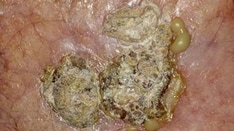
A patient developed gas gangrene after injecting cocaine. Clostridium septicum was isolated in both blood and wound cultures.
-
Gas feathering in the arm soft tissue of a patient with gas gangrene.
-
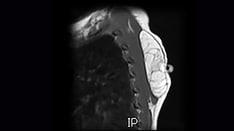
Extension of gas gangrene to the chest wall despite initial debridement.
Tables
Variable |
Score |
|---|---|
C-reactive protein level |
|
< 150 mg/L |
0 |
≥150 mg/L |
4 |
Total WBC count |
|
< 15 cells/µL |
0 |
15-25 cells/µL |
1 |
>25 cells/µL |
2 |
Sodium level |
|
≥135 mmol/L |
0 |
< 135 mmol/L |
2 |
Hemoglobin level |
|
>13.5 g/dL |
0 |
11-13.5 g/dL |
1 |
< 11 g/dL |
2 |
Creatinine level |
|
≤ 141 mmol/L |
0 |
>141 mmol/L |
2 |
Glucose level |
|
≤10 mmol/L |
0 |
>10 mmol/L |
1 |
Variable on Admission |
Points |
||
|---|---|---|---|
Heart rate >110 bpm |
1 |
||
Temperature < 36°C |
1 |
||
Serum creatinine level >1.5 mg/dL |
1 |
||
Age >50 years |
3 |
||
WBC count >40,000/µL |
3 |
||
Hematocrit >50% |
3 |
||
Group category |
Number of points |
Mortality risk (%) |
|
1 |
0-2 |
6 |
|
2 |
3-5 |
24 |
|
3 |
≥6 |
88 |
|