Continually Updated Clinical Reference
 
 
  All Sources     eMedicine     Medscape     Drug Reference     MEDLINE
 
eMedicine - Hepatitis C : Article by

Hepatitis Resource Center

View all Hepatitis Articles

Hepatitis Multimedia Library


Quick Find
Authors & Editors
Introduction
Clinical
Differentials
Workup
Treatment
Medication
Follow-up
Miscellaneous
Multimedia
References

Related Articles
Autoimmune Hepatitis

Cholangitis

Hepatitis, Viral


Patient Education
Hepatitis Center

Liver, Gallbladder, and Pancreas Center

Hepatitis C Overview

Hepatitis C Causes

Hepatitis C Symptoms

Hepatitis C Treatment

Cirrhosis Overview


Author: Sandeep Mukherjee, MB, BCh, MPH, FRCPC, Associate Professor, Department of Internal Medicine, Section of Gastroenterology and Hepatology, University of Nebraska Medical Center; Consulting Staff, Section of Gastroenterology and Hepatology, Veteran Affairs Medical Center

Sandeep Mukherjee is a member of the following medical societies: Royal College of Physicians and Surgeons of Canada

Coauthor(s): Vinod K Dhawan, MD, FACP, FRCP(C), Professor, Department of Clinical Medicine, University of California at Los Angeles; Professor of Medicine, Charles R Drew University of Medicine and Science; Chief, Division of Infectious Diseases, MLK-Harbor Hospital

Editors: George Y Wu, MD, PhD, Professor, Department of Medicine, Director, Hepatology Section, Herman Lopata Chair in Hepatitis Research, University of Connecticut School of Medicine; Francisco Talavera, PharmD, PhD, Senior Pharmacy Editor, eMedicine; Oscar S Brann, MD, FACP, Associate Clinical Professor, Department of Medicine, University of California at San Diego; Consulting Staff, Mecklenburg Medical Group; Alex J Mechaber, MD, FACP, Assistant Dean for Medical Curriculum, Associate Professor of Medicine, Division of General Internal Medicine, University of Miami Miller School of Medicine; Julian Katz, MD, Clinical Professor of Medicine, Drexel University College of Medicine; Consulting Staff, Department of Medicine, Section of Gastroenterology and Hepatology, Hospital of the Medical College of Pennsylvania

Author and Editor Disclosure

Synonyms and related keywords: hepatitis C virus, HCV, HCV infection, non-A non-B hepatitis, NANB hepatitis, acute hepatitis, hepatitis, virus infection, viral infection, virus, chronic liver disease, hepatocellular carcinoma, hepatoma, HCC, cirrhosis, orthotopic liver transplantation, OLT, quasispecies, interferon, IFN, sustained virologic response, sustained virological response, SVR, HIV-HCV coinfection, HIV-HCV co-infection, IFN therapy, interferon therapy, pegylated interferon therapy, PEG-IFN, pegylated interferon, hepatitis C viremia, hepatitis viremia

Background

The World Health Organization (WHO) estimates 170 million individuals worldwide are infected with hepatitis C virus (HCV). However, the prevalence of HCV infection varies throughout the world. For example, in 2000, Frank et al reported that Egypt has the highest number of reported infections, largely attributed to the use of contaminated parenteral antischistosomal therapy.1 This has led to a mean prevalence of HCV antibodies in persons in Egypt of 22%. According to the US Centers for Disease Control and Prevention, an estimated 1.8% of the US population is positive for HCV antibodies. Because 3 of 4 seropositive persons are also viremic, this corresponds to an estimated 2.7 million people with active HCV infection nationwide. Infection due to HCV accounts for 20% of all cases of acute hepatitis, an estimated 30,000 new acute infections, and 8000-10,000 deaths each year in the United States.

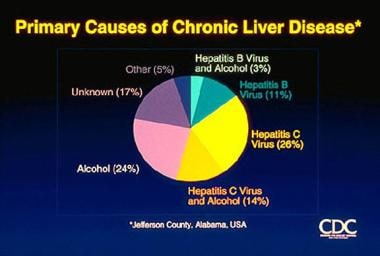
Medical care costs associated with the treatment of HCV infection in the United States are estimated to be more than $600 million a year. Most patients infected with HCV have chronic liver disease, which can progress to cirrhosis and hepatocellular carcinoma (HCC). Chronic infection with HCV is one of the most important causes of chronic liver disease (see Media file 1) and, according to a report by Davis et al from 2003, the most common indication for orthotopic liver transplantation (LT) in the United States.2

HCV is a spherical, enveloped, single-stranded RNA virus belonging to the Flaviviridae family and Flavivirus genus. In 2001, Lauer and Walker reported that HCV is closely related to hepatitis G, dengue, and yellow fever viruses. HCV can produce at least 10 trillion new viral particles each day. RNA-dependent RNA polymerase, an enzyme critical in HCV replication, lacks proofreading capabilities and generates a large number of mutant viruses known as quasispecies. These represent minor molecular variations with only 1-2% nucleotide heterogeneity. HCV quasispecies pose a major challenge to immune-mediated control of HCV and may explain the variable clinical course and the difficulties in vaccine development.

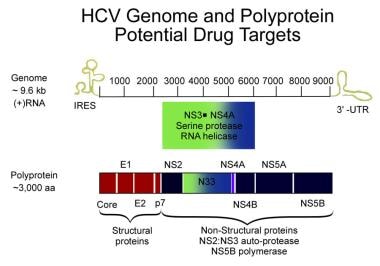
The HCV genome consists of a single, open reading frame and 2 untranslated, highly conserved regions, 5'-UTR and 3'-UTR, at both ends of the genome. The genome has approximately 9500 base pairs and encodes a single polyprotein of 3011 amino acids that are processed into 10 structural and regulatory proteins (see Media file 2).

Structural components include the core and 2 envelope proteins, E1 and E2. Two regions of the E2 protein, designated hypervariable regions 1 and 2, have an extremely high rate of mutation, thought to result from selective pressure by virus-specific antibodies. The envelope protein E2 also contains the binding site for CD-81, a tetraspanin receptor expressed on hepatocytes and B lymphocytes that acts as a receptor or coreceptor for HCV.

The nonstructural components include NS2, NS3, NS4A, NS4B, NS5A, NS5B, and p7, whose proteins function as helicase-, protease-, and RNA-dependent RNA polymerase, although the exact function of p7 is unknown. One region within NS5A is linked to an interferon (IFN) response and is called the IFN sensitivity-determining region. These enzymes are critical in viral replication and are attractive targets for future antiviral therapy.

Six major HCV genotypes and numerous subtypes have been identified. Molecular differences between genotypes are relatively large, and they have a difference of at least 30% at the nucleotide level. The major HCV genotype worldwide is genotype 1, which accounts for 40-80% of all isolates. Genotypes 1a and 1b are prevalent in the United States, whereas in other countries, genotype 1a is less frequent. Genotypes 2 and 3 are also found globally and account for a significant minority of infections. HCV genotype 1, particularly 1b, does not respond to therapy as well as genotypes 2 and 3. Genotype 1 also may be associated with more severe liver disease and a higher risk of HCC.

The other genotypes have a more specific geographical distribution. Genotype 3 is found in Australia, the Indian subcontinent, and Thailand. Genotype 4 is the most prevalent genotype in Egypt and the Middle East. Genotype 5 is found in South Africa, and genotype 6 is more common in Southeast Asia, particularly in Hong Kong, Macao, and Vietnam. Within a region, a specific genotype may also be associated with a specific mode of transmission, such as genotype 3 among Scottish persons who abuse intravenous drugs.

Currently, HCV is predominantly transmitted by means of percutaneous exposure to infected blood. In developed countries, most new HCV infections are related to intravenous drug abuse. The screening of blood donors for HCV antibody since 1990 has decreased the risk of transfusion-associated HCV infection to less than 1 case in 103,000 transfused units. With the use of more sensitive assays, such as polymerase chain reaction (PCR), Stramer et al reported in 2004 that the risk of acquiring HCV from blood transfusions is estimated to be 1 in 230,000 donations.3 The newer assays have decreased the window after infection to 1-2 weeks.

HCV may also be transmitted by means of acupuncture, tattooing, and sharing razors. Needlestick injuries in the health care setting result in a 3% risk of HCV transmission, but, according to Rischitelli et al in 2001, HCV prevalence among health care workers is similar to that of the general population.4 Nosocomial patient-to-patient transmission may occur by means of a contaminated colonoscope, via dialysis, or during surgery, including organ transplantation before 1992. Yeung et al reported in 2001 that uncommon routes of transmission of HCV, which affect less than 5% of the individuals at risk, include high-risk sexual activity and maternal-fetal transmission.5 Co-infection with HIV type 1 appears to increase the risk of both sexual and maternal-fetal transmission of HCV. Casual household contact and contact with the saliva of those infected are inefficient modes of transmission. No risk factors are identified in approximately 10% of cases.

Pathophysiology

The natural targets of HCV are hepatocytes and, possibly, B lymphocytes. Viral clearance is associated with the development and persistence of strong virus-specific responses by cytotoxic T lymphocytes and helper T cells. In most infected people, viremia persists and is accompanied by variable degrees of hepatic inflammation and fibrosis. Findings from studies suggest at least 50% of hepatocytes may be infected with HCV in patients with chronic hepatitis C.

Frequency

United States

HCV infections account for approximately 30,000 new infections and 8000-10,000 deaths each year in the United States, as reported by Alter et al in 1999.6 Of new infections, 60% occur in persons who use intravenous drugs; less than 20% are acquired through sexual exposure; and 10% are due to other causes, including occupational or perinatal exposure and hemodialysis. The overall prevalence of anti-HCV antibodies in the United States is 1.8% of the population. Approximately 74% of individuals are positive for HCV RNA; this rate indicates that an estimated 4 million persons are infected with HCV and 2.7 million persons in the United States have chronic infection. Three fourths of these individuals are infected with HCV genotype 1.

International

More than 170 million individuals throughout the world are infected with HCV. The prevalence rates in healthy blood donors are 0.01-0.02% in the United Kingdom and northern Europe, 1-1.5% in southern Europe, and 6.5% in parts of equatorial Africa. Prevalence rates as high as 22% are reported in Egypt and are attributed to the use of parenteral antischistosomal therapy.

Mortality/Morbidity

Hepatitis C is the major cause of chronic hepatitis in the United States. HCV infections account for 20% of all cases of acute hepatitis. HCV accounts for more than 40% of all referrals to active liver clinics.

  • Niederau et al reported in 1998 that severe progression of hepatitis C to cirrhosis occurs in approximately 20% of patients who have chronic infection.7 Bellentani et al and Hourigan et al, both in 1999, reported that the rate and chance of progression is influenced by alcohol use, immunosuppression, sex, iron status, concomitant hepatitis, and age of acquisition (see Media file 3).8
  • HCC develops in 1-4% of patients with cirrhosis each year. El-Serag et al reported in 2003 that HCV is largely responsible for the increase in the incidence of HCC in the United States.9
  • In the United States, the number of deaths due to HCV-related complications has increased from fewer than 10,000 in 1992 to just fewer than 15,000 in 1999. According to Kim, as reported in 2002, this number is expected to increase in the future because of the current large pool of patients with chronic infections.10

Race

In the United States, HCV infection is more common among minority populations, such as African Americans and Hispanic persons, than other populations. Furthermore, in the United States, genotype 1 is more prevalent in African Americans than in other racial groups.

Sex

Females infected with HCV have somewhat better outcomes than their male counterparts.

Age

In the United States, 65% of persons with HCV infection are aged 30-49 years. Those who acquire the infection at a younger age have a somewhat better prognosis than those who are infected later in life.


History

Most patients with chronic hepatitis C are asymptomatic or may have nonspecific symptoms such as fatigue or malaise in the absence of hepatic synthetic dysfunction. Patients with decompensated cirrhosis from HCV infection frequently have symptoms typically observed in other patients with decompensated liver disease, such as sleep inversion and pruritus.

Symptoms characteristic of complications from advanced or decompensated liver disease are related to synthetic dysfunction and portal hypertension. These include mental status changes (hepatic encephalopathy), ankle edema and abdominal distension (ascites), and hematemesis or melena (variceal bleeding).

Physical

Most patients do not have abnormal physical examination findings until they develop portal hypertension or decompensated liver disease. One exception is patients with extrahepatic manifestations of HCV infection, such as porphyria cutanea tarda or necrotizing vasculitis.

  • Palmar erythema
    • Spider nevi
    • Dupuytren contracture
    • Asterixis
    • Leuconychia
    • Clubbing
  • Icteric sclera
    • Temporal muscle wasting
    • Fetor hepaticus
    • Enlarged parotid
    • Cyanosis
  • Gynecomastia
  • Paraumbilical hernia
    • Ascites
    • Caput medusae
    • Hepatosplenomegaly
    • Abdominal bruit
    • Small testes
  • Ankle edema
  • Scant body hair
  • Other clues - Excoriations, petechia, and tattoos

Causes

Hepatitis C is caused by a spherical, enveloped, single-stranded RNA virus belonging to the family Flaviviridae, genus Flavivirus.


Autoimmune Hepatitis
Cholangitis
Hepatitis, Viral

Other Problems to be Considered

Drug-induced hepatitis


Lab Studies

  • Alanine aminotransferase
    • Determining the alanine aminotransferase (ALT) level is useful for monitoring the effectiveness of therapy for HCV infection.
    • Because ALT levels can fluctuate, a single value in the reference range does not rule out active infection, progressive liver disease, or cirrhosis. ALT normalization with therapy is not proof of cure.
  • Hepatitis C antibody test
    • Anti-HCV serologic screening involves an enzyme immunoassay (EIA), including second- and third-generation EIAs. These assays are 97% specific but cannot distinguish acute from chronic infection.
    • The most recent third-generation EIA involves detecting antibodies against core protein and nonstructural proteins 3, 4, and 5 and can yield positive results an average of 8 weeks after the onset of infection.
    • False-negative results for the presence of HCV antibody can occur in persons with compromised immune systems, such as those with HIV type 1 infection, renal failure, or HCV-associated essential mixed cryoglobulinemia. False-positive EIA results can occur in persons without risk factors and in those without signs of liver disease, such as blood donors or health care workers.
  • Recombinant immunoblot assay
    • The recombinant immunoblot assay is used to confirm HCV infection. A positive immunoblot assay result is defined as the detection of antibodies against 2 or more antigens and an indeterminate assay result defined as the detection of antibodies against a single antigen.
    • A positive immunoblot assay result followed by 2 or more instances of undetectable HCV RNA suggests HCV infection has resolved. A positive anti-HCV immunoassay result followed by a negative immunoblot assay result represents a false-positive immunoassay, and no further testing is required.
    • The recombinant immunoblot assay has limited usefulness in clinical practice.
  • Qualitative and quantitative assays for HCV RNA
    • Qualitative assays can be used to test for HCV RNA. HCV RNA can be detected in blood using amplification techniques such as PCR or transcription-mediated amplification (TMA). The US Food and Drug Administration (FDA) has approved 2 PCR-based tests for qualitative HCV RNA detection.
      • Amplicor Hepatitis C Virus Test, version 2.0 (Roche Molecular Systems; Pleasanton, Calif) - PCR with a lower limit of detection of 50 IU/mL
      • Cobas Amplicor Hepatitis C Virus Test, version 2.0 (Roche Molecular Systems; Branchburg, NJ) - PCR with a lower limit of detection of 50 IU/mL
      • Versant HCV RNA Qualitative Assay, (Bayer HealthCare; Tarrytown, NY) - TMA with a lower limit of detection of 9.6 IU/mL
    • Quantitative assays ascertain HCV RNA quantity on blood using signal amplification (branched DNA assay) or target amplification techniques (PCR, TMA). The HCV RNA level in blood helps predict the likelihood of a response to treatment, and the change in HCV RNA level can also be used to monitor response. The same quantitative test should be used throughout therapy to avoid confusion, and results should be reported in international units to standardize data. The only FDA-approved quantitative test is Versant HCV RNA, version 3.0 (Bayer HealthCare; Tarrytown, NY). It is based on branched DNA technology and has a dynamic range of 615-7,700,000 IU/mL.
  • HCV genotyping
    • Genotyping is helpful for predicting the likelihood of response and duration of treatment. Patients with genotypes 1 and 4 are generally treated for 12 months, whereas 6 months of treatment is sufficient for other genotypes.
    • Genotyping can be performed by direct sequence analysis, reverse hybridization to genotype-specific oligonucleotide probes, or restriction fragment length polymorphisms.
    • Two tests are available; however, neither has been approved by the FDA. They are as follows:
      • Trugene HCV 5'NC Genotyping kit (Visible Genetics; Toronto, Canada) - Based on direct sequencing followed by comparison with a reference sequence database
      • Line Probe Assay (Inno LiPA HCVII, Innogenetics; Ghent, Belgium) - Based on reverse hybridization of PCR amplicon on a nitrocellulose strip coated with genotype-specific oligonucleotide probes
  • Diagnostic algorithm for the evaluation of hepatitis C - See Media file 4
  • Baseline investigations
    • Perform a CBC count with differential.
    • Perform liver function tests, including an ALT level determination.
    • Obtain the patient's thyrotropin level.
    • Order an anti-HCV antibody EIA.
    • Genotyping should be performed as an aid for guiding treatment.
    • Order a quantitative HCV RNA assay. Reverse transcriptase PCR is more sensitive than bDNA testing.
    • Stress testing may be necessary in appropriate patients.
    • Screen the patient for co-infection with HIV or hepatitis B virus (HBV).
    • Screen the patient for alcohol abuse, drug abuse, and/or depression.
    • An ophthalmological examination may be necessary.
  • Treatment toxicity
    • Patients should be closely monitored for treatment toxicity.
    • Tests to help monitor drug toxicity include CBC count with differential, renal function testing, liver function tests (including ALT level), and thyrotropin level.

Imaging Studies

  • Ultrasonography of the liver

Procedures

  • Liver biopsy: Liver biopsy is not considered mandatory before the initiation of treatment, but this may be helpful for assessing the activity and severity of HCV-related liver disease. However, some experts recommend biopsy only in the following situations:
    • The diagnosis is uncertain.
    • Other co-infections or disease may be present.
    • The patient being considered for treatment has normal liver enzyme levels and no extrahepatic manifestations.
    • The patient is immunocompromised.

Histologic Findings

Lymphocytic infiltration, moderate degrees of inflammation and necrosis, and portal or bridging fibrosis are noted. Regenerative nodules are seen in patients with cirrhosis. Some patients also may have findings indicative of HCC.

Most pathologists give separate measurements of disease activity (grade) and fibrosis (stage). Many trials use the Ishak (6-point scale) and Knodell histological activity index (18-point score); both are useful for assessing improvements in histology findings in studies but are impractical for clinical use because of interobserver disagreement. The METAVIR score was developed by the French METAVIR Cooperative Study Group and reported by Bedossa and Poynard in 1996; it is frequently used in European trials. It consists of a 3-point activity scale and 4-point fibrosis score, with good agreement among pathologists. In the United States, many pathologists use a scale described by Batts and Ludwig in 1995, which consists of an activity grade (0-4) and a fibrosis stage (0-4).

Noninvasive methods of assessing hepatic fibrosis are in development. Current serum assays are directed at measuring breakdown products of extracellular matrix constituents (eg, glycoproteins, propeptides) and their regulatory enzymes (eg, lysyl oxidase, lysyl hydroxylase, propyl hydroxylase).


Medical Care

The goals of treatment of chronic HCV infection are to (1) achieve sustained eradication of HCV (ie, sustained virological response [SVR]), defined as the persistent absence of HCV RNA in serum 6 months or more after completing antiviral treatment, and (2) prevent progression to cirrhosis, HCC, and decompensated liver disease requiring LT.

At week 12 of treatment, the patient should be evaluated for an early virological response by repeating the quantitative HCV RNA and IFN-associated thyroid dysfunction screening. If the HCV RNA level is undetectable or if a greater than 2–log-fold reduction in HCV RNA level is present, therapy should be continued because, according to Fried et al in 2002, up to 65% of patients go on to develop an SVR.11 Conversely, if an early virological response is not present, treatment should be stopped because the chance of developing a sustained response of HCV eradication is less than 3%. Poynard et al reported in 1998 that the one exception is in the context of clinical trials or treatment of recurrent HCV infection in liver transplant recipients; improved fibrosis scores have been reported in patients in whom the virus has not been eradicated, thus identifying a subgroup of patients who may benefit from maintenance therapy.12

The HCV RNA level should be rechecked 6 months after the completion of treatment, and, if detectable, the patient has relapsed and should be considered for an alternative treatment. If HCV RNA is undetectable and test results remain negative, the patient has developed an SVR.

Antiviral therapy for chronic hepatitis C is currently recommended for patients with elevated serum ALT levels who (1) are older than 18 years; (2) have positive findings for HCV antibody and serum HCV RNA; (3) have liver biopsy findings consistent with a diagnosis of chronic hepatitis, although a biopsy is not essential; and (4) have no contraindications for treatment.

The treatment of hepatitis C has evolved over the years (see Media file 5). The early pivotal studies of IFN monotherapy, IFN in which polyethylene glycol (PEG) molecules are added (ie, PEG-IFN) monotherapy, and combination therapy with ribavirin (with either IFN or PEG-IFN) are described first, after which therapy for special patient groups will be discussed. Additionally, the impact of IFN on the development of HCC will be briefly discussed.

IFN therapy with and without ribavirin

Although the short courses of standard IFN monotherapy first introduced in the 1980s by Hoofnagle et al (1986), Davis et al (1989), and Di Bisceglie et al (1989) led to sustained improvement in liver disease and loss of virus in less than 10% of patients, these therapies were the first to cure chronic viral hepatitis.13, 2, 14 A major advance in the treatment of chronic hepatitis C was the addition of the oral nucleoside analogue ribavirin to the IFN regimen. As reported in the landmark 1998 studies by McHutchison et al and Poynard et al, IFN alfa-2b and ribavirin combination therapy for 6-12 months resulted in sustained eradication rates of 30-40%.15 However, patients with HCV genotype 1 who were treated for 12 months had a much less favorable response to therapy with IFN and ribavirin compared with patients infected with genotypes 2 and 3, in whom a 6-month course of therapy was sufficient.

IFN monotherapy appears to play a role in the treatment of acute HCV infection. In 2001, Jaeckel et al reported that treatment with IFN alfa-2b prevented chronic infection in 98% of a group of 44 German patients with acute hepatitis C.16 In this study, patients received 5 million U/d of IFN alfa-2b subcutaneously for 4 weeks and then 3 times per week for another 20 weeks; the IFN alfa-2b was well tolerated in all patients but one. Because spontaneous resolution is common, no definitive timing of therapy can be recommended; however, waiting 2-4 months after the onset of illness seems reasonable.

The 2 most frequently used recombinant IFN preparations in clinical trials are IFN alfa-2b (Intron-A; Schering-Plough, Kenilworth, NJ) and IFN alfa-2a (Roferon; Hoffmann-La Roche, Basel, Switzerland), which differ from each other by only a single amino acid residue. IFN alfacon-1 (Infergens; Amgen, Thousand Oaks, Calif), or consensus IFN, is a genetically engineered compound synthesized by combining the most common amino acid sequences from all 12 naturally occurring IFNs. It has greater cytokine-induction, antiviral, antiproliferative, natural killer cell, and gene-induction activities than both IFN alfa-2a and IFN alfa-2b on an equal-mass basis. However, initial studies of the recommended consensus IFN dose of 9 mcg in IFN-naive patients with chronic hepatitis C, such as that by Tong et al from 1997, have resulted in viral response rates similar to those of standard IFN-alfa monotherapy.17

PEG-IFN monotherapy

Developments in IFN technology have led to the development of long-lasting IFNs in which PEG molecules are added to IFN. These new PEG-IFNs have better sustained absorption, a slower rate of clearance, and a longer half-life than those of unmodified IFN. They permit more convenient once-weekly dosing. The FDA has approved PEG-IFNs for the treatment of chronic hepatitis C.

The 2 PEG-IFN preparations currently available are (1) PEG-Intron (Schering-Plough), which consists of IFN alfa-2b attached to a single 12-kd PEG chain and is metabolized predominantly by the liver, and (2) Pegasys (Hoffmann-La Roche), which consists of IFN alfa-2a attached to a 40-kd branched PEG molecule. Note that pegylated alfa-2b is excreted by the kidneys.

Several reports have documented the improved SVR with PEG-IFN monotherapy. In a 2000 randomized study of patients with chronic hepatitis C, Zeuzem et al found that PEG-IFN alfa-2a at 180 mcg subcutaneously administered once per week was associated with a higher rate of virologic response than IFN alfa-2a at 6 million U subcutaneously administered 3 times per week for 12 weeks followed by 3 million U 3 times per week for 36 weeks.18 Findings were 69% versus 28% (P = .001) at week 48 of therapy and 39% versus 19% (P = .001) at week 72 of therapy. Drug discontinuation in these treatment-naive patients and the frequencies of dose reduction were similar in the 2 treatment groups.

In 2000, Heathcote and colleagues reported on the use of PEG-IFN alfa-2a in a controlled trial of subjects with cirrhosis.19 The SVR rate was 30% after 48 weeks of therapy with 180 mcg, compared with 8% for patients treated with standard IFN alfa. Adverse effects did not significantly increase with the pegylated product.

PEG-IFN therapy with ribavirin

As previously described with IFN alfa monotherapy, the addition of ribavirin to PEG-IFN has heralded a new era in the treatment of chronic HCV, resulting in 3 landmark trials: Manns et al from 2001, Fried et al from 2002, and Hadziyannis et al from 2004.20, 11, 21

In 2001, Manns et al compared PEG-IFN alfa-2b plus ribavirin with IFN alfa-2b plus ribavirin in 1530 subjects with chronic hepatitis C.20 Subjects were randomly assigned to 3 groups, as follows: (1) IFN alfa-2b at 3 million U subcutaneously 3 times per week plus ribavirin at 1000-1200 mg/d orally, (2) PEG-IFN alfa-2b at 1.5 mcg/kg/wk plus ribavirin at 800 mg/d, and (3) PEG-IFN alfa-2b at 1.5 mcg/kg/wk for 4 weeks and then 0.5 mcg/kg/wk plus ribavirin at 1000-1200 mg/d for 48 weeks.

The SVR rate (see Media file 6) was significantly higher in the higher-dose PEG-IFN group (274 [54%] of 511 subjects) than in the lower-dose PEG-IFN (244 [47%] of 514 subjects; P = .01) or IFN (235 [47%] of 505 subjects; P = .01) groups. Among patients with HCV genotype 1 infection, the corresponding SVR rates were 42% (145 of 348 patients), 34% (118 of 349 patients), and 33% (114 of 343 patients). The rates for patients with genotype 2 and 3 infections were approximately 80% for all treatment groups. Adverse-effect profiles were similar among the treatment groups. Secondary analyses identified body weight and HCV RNA viral load less than 1 million copies per milliliter as important predictors of SVR. When the dose was optimized for the patient's body weight, with a dose of more than 10.6 mg/kg of ribavirin daily, the SVR with IFN regimens was 61% for all genotypes, 48% for genotype 1, and 88% for genotypes 2 and 3.

In 2002, Fried at al compared the efficacy and safety of PEG-IFN alfa-2a plus ribavirin to IFN alfa-2b plus ribavirin and PEG-IFN alfa-2a monotherapy in a multicenter, randomized, controlled trial.11 A total of 1121 subjects were randomly assigned to treatment and received at least one dose of study medication, consisting of 180 mcg of PEG-IFN alfa-2a once weekly plus daily ribavirin (1000 or 1200 mg, depending on body weight), weekly PEG-IFN alfa-2a plus daily placebo, or 3 million U of IFN alfa-2b thrice weekly plus daily ribavirin for 48 weeks.

This study showed that a significantly higher proportion of subjects who received PEG-IFN alfa-2a plus ribavirin had an SVR compared with subjects who received IFN alfa-2b plus ribavirin (56% vs 44%, P <.001) or PEG-IFN alfa-2a alone (56% vs 29%, P <.001). The SVR rates for patients with HCV genotype 1 were 46%, 36%, and 21%, respectively, for the 3 regimens. Among patients with HCV genotype 1 and high baseline levels of HCV RNA, the SVR rates were 41%, 33%, and 13%, respectively. The overall safety profiles of the 3 treatment regimens were similar; the prevalence of influenzalike symptoms and depression was lower in the groups receiving PEG-IFN alfa-2a than in the group receiving IFN alfa-2b plus ribavirin. Overall, once-weekly PEG-IFN alfa-2a plus ribavirin was tolerated as well as IFN alfa-2b plus ribavirin and produced significant improvements in the SVR rate compared with IFN alfa-2b plus ribavirin or PEG-IFN alfa-2a alone.

In 2004, Hadziyannis et al reported the efficacy and safety of 24 or 48 weeks of treatment with PEG-IFN alpha-2a plus a low or standard dose of ribavirin in a randomized, double-blinded trial.21 The 1311 subjects were randomized to PEG-IFN alfa-2a at 180 mcg/wk for 24 or 48 weeks plus a low dose (800 mg/d) or standard weight-based dose (1000 or 1200 mg/d) of ribavirin. An SVR was defined as undetectable HCV RNA at the end of treatment and during 12-24 weeks of follow-up.

Their study showed that in subjects infected with HCV genotype 1, 48 weeks of treatment was statistically superior to 24 weeks and that standard-dose ribavirin was statistically superior to low-dose ribavirin. In subjects with HCV genotype 1, absolute differences in SVR rates between 48 and 24 weeks of treatment were 11.2% (95% confidence interval [CI], 3.6-18.9%) and 11.9% (CI, 4.7-18.9%), respectively, between standard- and low-dose ribavirin. SVR rates for PEG-IFN alfa-2a and standard-dose ribavirin for 48 weeks were 63% (CI, 59-68%) overall and 52% (CI, 46-58%) in subjects with HCV genotype 1. In subjects with HCV genotypes 2 or 3, the SVR rates in the 4 treatment groups were not statistically significantly different.

In conclusion, treatment with PEG-IFN alfa-2a and ribavirin may be individualized by genotype. Patients with HCV genotype 1 require treatment for 48 weeks and a standard dose of ribavirin; those with HCV genotype 2 or 3 seem to be adequately treated with a low dose of ribavirin for 24 weeks.

Currently, no studies have compared PEG-IFN alfa-2b plus ribavirin versus PEG-IFN alfa-2a plus ribavirin. According to the 2002 US National Institutes of Health consensus statement on the management of hepatitis C, standard of care for the treatment of hepatitis C is PEG-IFN with ribavirin for 48 weeks in patients with genotype 1 and is 24 weeks for patients with genotype 2 or 3.

Adverse effects are common with IFN and ribavirin combination therapy, with approximately 75% of patients experiencing one or more of the following:

  • Interferon - Hematological complications (ie, neutropenia, thrombocytopenia), neuropsychiatric complications (ie, memory and concentration disturbances, visual disturbances, headaches, depression, irritability), flulike symptoms, metabolic complications (ie, hypothyroidism, hyperthyroidism, low-grade fever), gastrointestinal complications (ie, nausea, vomiting, weight loss), dermatological complications (ie, alopecia), and pulmonary complications (ie, interstitial fibrosis)
  • Ribavirin - Hematological complications (ie, hemolytic anemia), reproductive complications (ie, birth defects), and metabolic complications (ie, gout)

Growth factors, such as granulocyte-stimulating factor and erythropoietin, are frequently used to counteract the adverse hematological effects of IFN and ribavirin, respectively. Despite the encouraging results reported by Afdhal et al in 2004 and Van Thiel et al in 1995, cost-effectiveness data supporting their routine use as a means of avoiding IFN and ribavirin dose reductions are insufficient.22, 23

In patients who are at risk of depression or who develop depression during treatment, any antidepressant is better than none. Because available evidence suggests that all antidepressants will have an effect, Schaefer et al reported in 2002 that treatment must be individualized on the basis of adverse effect profile, drug-to-drug interactions, and general considerations (eg, speed of onset, efficacy).24

Special patient groups

HIV-HCV co-infection

Of persons infected with HIV, 30-50% are co-infected with HCV. Co-infection with HIV both accelerates the clinical progression of hepatitis C and increases the risk of perinatal HCV transmission from 5% (range, 3-8%) to 17% (range, 7-36%). Two 2004 studies have supported the use of PEG-IFN alfa-2a plus ribavirin for HIV patients with chronic HCV infection.

In the first, Torriani et al randomized 868 subjects with HIV and HCV co-infection (who had not previously been treated with IFN or ribavirin) to receive 1 of 3 regimens: (1) PEG-IFN alfa-2a (180 mcg/wk) plus ribavirin (800 mg/d), (2) PEG-IFN alfa-2a plus placebo, or (3) IFN alfa-2a (3 million IU 3 times/wk) plus ribavirin.25 Subjects were treated for 48 weeks and followed for an additional 24 weeks. The primary endpoint was an SVR (defined as a serum HCV RNA level <50 IU/mL at the end of 72-wk follow-up).

Their study showed the overall SVR rate was significantly higher among the recipients of PEG-IFN alfa-2a plus ribavirin than among those assigned to IFN alfa-2a plus ribavirin (40% vs 12%, P <.001) or PEG-IFN alfa-2a plus placebo (40% vs 20%, P <.001). Among subjects infected with HCV genotype 1, the SVR rates were 29% with PEG-IFN alfa-2a plus ribavirin, 14% with PEG-IFN alfa-2a plus placebo, and 7% with IFN alfa-2a plus ribavirin. The corresponding rates among subjects infected with HCV genotype 2 or 3 were 62%, 36%, and 20%.

Neutropenia and thrombocytopenia were more common among subjects treated with regimens that contained PEG-IFN alfa-2a, and anemia was more common among subjects treated with regimens containing ribavirin. In conclusion, among patients co-infected with HIV and HCV, the combination of PEG-IFN alfa-2a plus ribavirin is significantly more effective than either IFN alfa-2a plus ribavirin or PEG-IFN alfa-2a monotherapy.

For the second, Chung et al conducted a multicenter, randomized trial of patients co-infected with HIV and HCV.26 Sixty-six subjects were randomly assigned to receive 180 mcg of PEG-IFN alfa-2a weekly for 48 weeks, and 67 subjects were assigned to receive 6 million IU of IFN alfa-2a 3 times weekly for 12 weeks, followed by 3 million IU 3 times weekly for 36 weeks. Both groups received ribavirin according to a dose-escalation schedule. This study showed treatment with PEG-IFN and ribavirin was associated with a significantly higher SVR rate (an HCV RNA level <60 IU/mL 24 wk after completion of therapy) than treatment with IFN and ribavirin (27% vs 12%, P = .03). In the group given PEG-IFN and ribavirin, only 7 (14%) of 51 subjects with HCV genotype 1 infection had an SVR, compared with 11 (73%) of 15 subjects with an HCV genotype other than 1 (P <.001).

An important finding from the study was histologic improvement in 35% of subjects with no virologic response who underwent liver biopsy, suggesting that the effects of IFN and ribavirin on hepatic histology may be independent of its antiviral activity. In conclusion, in persons co-infected with HIV and HCV, the combination of PEG-IFN and ribavirin is superior to the combination of IFN and ribavirin in the treatment of chronic hepatitis C. These regimens may provide clinical benefit, even in the absence of virologic clearance.

No trials have compared PEG-IFN alfa-2a plus ribavirin with PEG-IFN alfa-2b plus ribavirin in patients with chronic hepatitis C and HIV infection. However, in a 2004 Spanish, open-label, randomized study comparing PEG-IFN alfa-2b plus ribavirin with IFN alfa-2b plus ribavirin, Laguno and colleagues reported SVRs were significantly better with the pegylated combination (44% vs 21%).27

HCV-HBV co-infection

This form of co-infection, in the absence of HIV infection, is relatively uncommon in the United States, and optimal treatment regimens have not been established. However, 2 important studies are worth mentioning.

In 2001, Villa et al reported that 9 million U of standard IFN thrice weekly for 3 months could clear HCV in 31% of patients.28

In 2003, Liu et al used standard IFN and ribavirin and discovered that sustained HCV eradication was achieved at rates comparable with patients with HCV alone and, interestingly, up to 21% of their patients lost the hepatitis B surface antigen.29 Given the increasing efficacy of PEG-IFN over standard IFN, these investigators are currently conducting a multicenter study using PEG-IFN and ribavirin on this group of co-infected patients.

African Americans and ethnic minorities

Several small studies have reported a lower response rate to IFN alfa among black patients with chronic hepatitis C infection than among white patients. The increased prevalence of infection with HCV genotype 1, which is associated with a lower response rate than other genotypes, has been suggested as the cause.

Muir et al treated 100 black patients and 100 non-Hispanic white patients with chronic hepatitis C with PEG-IFN alfa-2b and ribavirin for 48 weeks.30 Enrollment was controlled so the 2 groups had similar proportions of patients with genotype 1 infection. The primary endpoint was an SVR, defined as a negative test result for serum HCV RNA 6 months after the completion of therapy. In both cohorts, 98% of subjects had genotype 1 infection. The SVR rate was higher among non-Hispanic white subjects than among black subjects (52% vs 19%, P <.001). The black subjects also had significantly lower rates of virologic response at 12 weeks and at the end of treatment.

Multivariate analyses examining sociodemographic and clinical characteristics found that black race was the only variable significantly associated with the difference in response rates. In conclusion, black patients with chronic hepatitis C have a lower rate of response to treatment with PEG-IFN alfa-2b and ribavirin than non-Hispanic white patients, a difference that is not explained by differences in the viral genotype.

Hepburn et al analyzed data from 661 patients from 2 multicenter trials to determine predictors of successful viral eradication and the role of ethnicity.31 After performing multiple logistic regression analyses adjusted for factors known to impact outcome (eg, genotype), the authors reported that Asians were more likely to respond to treatment, whereas Hispanics and African Americans were less likely, in comparison to whites.31

End-stage renal disease

HCV is prevalent in patients with end-stage renal disease and can also be an important cause of renal failure. Treatment of HCV infection in patients with end-stage renal disease is problematic because ribavirin is contraindicated and IFN monotherapy is not as effective as combination therapy. IFN doses also frequently have to be reduced. Before undergoing kidney transplantation, patients are frequently referred for consideration of HCV treatment and liver-kidney transplantation in the event of having silent-but-advanced liver disease. Under these circumstances, liver biopsies are frequently performed to stage the degree of fibrosis, and, if cirrhosis is present and the patient is asymptomatic, he or she is frequently considered for combined liver-kidney transplantation. However, because IFN is contraindicated after kidney or kidney-liver transplantation, attempting to eradicate HCV in such patients prior to organ transplantation is recommended.

Fabrizi et al evaluated the efficacy of IFN monotherapy in dialysis patients with chronic hepatitis C by performing a systematic review of the literature with a meta-analysis of clinical trials.32 The primary outcome was an SVR, and the secondary outcome was the dropout rate. 

Fabrizi et al identified 14 clinical trials (269 unique patients); 2 were controlled studies.32 The mean overall estimates for the SVR and dropout rates were 37% (95% CI, 28-48) and 17% (95% CI, 10-28), respectively. The most frequent adverse effects requiring interruption of treatment were flulike symptoms (17%), neurological symptoms (21%), and gastrointestinal symptoms (18%). The overall weighted estimate for SVR in patients with HCV genotype 1 was 30.6% (95% CI, 20.9-48). In the subgroup of clinical trials (n = 5) with standard IFN administration (3 million U thrice weekly, subcutaneous route, 24-wk treatment), the overall mean estimate of SVR was 39% (95% CI, 25-56). The studies were heterogeneous with regard to SVR and dropout rate.

In conclusion, tolerance to initial IFN monotherapy was lower in dialysis patients than in nonuremic patients with chronic hepatitis C. However, more than one third of hemodialysis patients with chronic hepatitis C have been successfully treated with IFN. A longer duration of IFN monotherapy does not appear to have a beneficial effect on the response rate. Further studies are warranted to define the optimal antiviral regimen for chronic hepatitis C in patients on dialysis.

See related CME at Guidelines for Hepatitis C in Chronic Kidney Disease Issued.

Organ transplantation

IFN is contraindicated for HCV treatment after organ transplantation because of its high risk of precipitating rejection, in part due to up-regulation of the HLA system by IFN. However, allograft rejection is uncommon in liver transplant recipients with recurrent HCV infection who are treated with IFN-based therapies. As noted by Forman et al in 2002, recurrent HCV infection is universal after LT, can lead to cirrhosis in 30% of patients within 5 years, and is emerging as the most common cause of retransplantation in the United States.33

Since 1996, several pilot studies have been conducted to evaluate IFN-based therapies for recurrent HCV infection. One of the most important of these was reported by Samuel et al in 2003, who randomized subjects to receive either no treatment or therapy with IFN alfa-2b (3 million U 3 times/wk) plus 1000-1200 mg/d of ribavirin for 1 year.34 Subjects were followed for 6 months after the end of treatment. The primary endpoint was loss of HCV RNA 6 months after the end of treatment.

Fifty-two subjects were randomized to receive either treatment (n = 28) or placebo (n = 24). Sixteen subjects were withdrawn from the study; 12 (43%) were from the treatment group (mainly for anemia [7 patients]) and 4 (17%) were from the control group. In the treated group, serum HCV RNA was undetectable in 9 patients (32%) at the end of treatment and in 6 (21.4%) at the end of the follow-up period, whereas no patient in the control group lost HCV RNA at any point (P = .036 at the end of follow-up). However, no significant histologic improvement was noted.

Overall, the combination of IFN alfa-2b plus ribavirin induced an SVR in 21% of transplant recipients with recurrent hepatitis C. However, 43% discontinued therapy because of adverse events (primarily severe anemia). Despite the low rates of sustained viral eradication in these patients, as reported by Samuel and other investigators, Narayanan Menon et al identified a subgroup of patients who demonstrated improved fibrosis scores despite failure to eradicate the virus.34, 35 This suggests that some patients may benefit from maintenance therapy and emphasizes the benefit of performing pretreatment and posttreatment biopsies in this group of patients.

Two 2003 pilot studies, by Mukherjee et al and Rodriguez-Luna et al, reported on the use of PEG-IFN alfa-2b and ribavirin in these patients, and sustained eradication rates were less than 30%.36, 37 Currently, no evaluations of PEG-IFN alfa-2b and ribavirin for recurrent HCV infection or randomized studies using PEG-IFN and ribavirin have been reported in this cohort of patients.

Hepatitis C treatment in patients with normal liver enzyme levels

The treatment for these patients remains controversial because previous studies have demonstrated that they frequently have mild liver disease, do not tolerate therapy, or can develop new elevations in liver chemistry parameters after initiating treatment.

In 2003, Hui et al reported that ALT levels and histology findings are not well correlated and patients can have advanced fibrosis or cirrhosis in the presence of normal liver enzyme levels.38 In 2004, Jacobson et al reported that sustained HCV eradication rates in their patients with HCV infection and normal ALT values were comparable to patients with elevated liver enzyme levels.39 However, the authors used both high- (5 million U) and low-dose (3 million U) IFN with ribavirin in their study and only 1 patient had cirrhosis.39 The role of prior alcohol use on liver injury was not investigated, although all patients abstained from alcohol for at least 12 months.

Future trials will most likely evaluate PEG-IFN with ribavirin in this cohort of patients and, hopefully, will adjust for confounders, such as alcohol use.

Treatment of decompensated cirrhotic patients awaiting LT

The aim of treating decompensated cirrhotic patients is to achieve sustained viral eradication prior to LT in an attempt to prevent recurrent HCV infection. However, this intervention is not recommended outside clinical trials because, as reported by Crippin et al in 2002, the risks of treatment can outweigh the benefits.40 In 2004, Everson reported that although viral titers may decrease during treatment and possibly diminish the severity of recurrent HCV infection, complications and successful eradication are less likely in patients with more advanced liver disease.41

HCV treatment in patients actively engaging in alcohol and injection drug use

In 1998, Wiley et al reported that because of the strong association between alcohol use and rapid liver fibrosis, hepatoma, and deleterious effects on treatment response, complete alcohol abstinence is recommended during treatment.42

As reported by Strader et al in 2004, the practice guidelines of the American Association for the Study of Liver Diseases recommend that HCV treatment should not be withheld from persons who use illicit drugs or are on a methadone maintenance program, provided they are willing to maintain close monitoring, including practicing contraception.43 The complexity of HCV treatment in these patients is aided by a multidisciplinary team approach composed of physicians, nurses, and substance abuse and mental health professionals.

Effect of IFN on HCC recurrence

In 2002, Hayashi and Kasahara noted that exposure to IFN, irrespective of HCV eradication status, was associated with a reduced incidence of HCC.44 An important randomized study by Kubo et al, first conducted in 1996 with follow-up in 2002, also demonstrated that the administration of IFN to patients undergoing liver resection for HCC was associated with reduced tumor recurrence and improved survival.45 Although IFN may have a role in reducing the incidence of HCC, which subgroup of HCV patients are most likely to benefit remains unclear.

Surgical Care

Consultation with a surgeon may be necessary for patients in whom hepatic resection for HCC or LT is being considered.

Consultations

Consultation with a gastroenterologist and hepatologist is recommended. Consultation with a psychiatrist may be helpful prior to and during treatment in patients at risk of depression or other psychiatric illnesses.

Diet

No special diet is recommended unless a patient has developed decompensated cirrhosis.


Combination therapy with PEG-IFN alfa and the nucleoside analog ribavirin is the current standard of care in patients infected with HCV. Patients with HCV genotype 1 have a much less favorable response to therapy and are treated for 12 months, compared with patients infected with genotypes 2 and 3, in whom a 6-month course of therapy is sufficient. If viremia is present after 6 months, additional therapy has a negligible incremental benefit, and treatment should be stopped in all patients regardless of the viral genotype. With HIV co-infection, all patients with a response to therapy at the end of 6 months should receive an additional 6 months of combination therapy regardless of the genotype. Patients with acute HCV infection should be treated for 6 months.

Drug Category: Antivirals

Shorten clinical course, prevent complications, prevent latent and/or subsequent recurrences, decrease transmission, and eliminate established latency.

Drug NameInterferon alfa-2b (Intron-A)
DescriptionProtein product manufactured by recombinant DNA technology. Modulation of host immune response may play important roles in the treatment of viral diseases.
Adult Dose3 million U SC 3 times/wk
Pediatric DoseNot established
ContraindicationsDocumented hypersensitivity; decompensated liver disease; significant preexisting psychiatric disease; ongoing or recent alcohol use; platelet count <70,000/µL
InteractionsTheophylline may increase toxicity by reducing clearance; cimetidine may increase antitumor effects; zidovudine and vinblastine may increase toxicity
PregnancyD - Fetal risk shown in humans; use only if benefits outweigh risk to fetus
PrecautionsInsomnia; mental dysfunction (eg, mood dysfunction, depression, psychosis, aggressive behavior, hallucinations, violent behavior, suicidal ideation, suicide attempt, suicide, homicidal ideation [rare]), even without previous history of psychiatric illness; flulike symptoms; rash and pruritus; anorexia; neutropenia; thrombocytopenia

Drug NameInterferon alfa-2a (Roferon)
DescriptionProtein product manufactured by recombinant DNA technology. Modulation of host immune response may play important roles in the treatment of viral diseases.
Adult Dose3 million U SC 3 times/wk
Pediatric DoseNot established
ContraindicationsDocumented hypersensitivity; decompensated liver disease; significant preexisting psychiatric disease; ongoing or recent alcohol use; platelet count <70,000/µL
InteractionsTheophylline may increase toxicity by reducing clearance; cimetidine may increase antitumor effects; zidovudine and vinblastine may increase toxicity
PregnancyD - Fetal risk shown in humans; use only if benefits outweigh risk to fetus
PrecautionsInsomnia; mental dysfunction (eg, mood dysfunction, depression, psychosis, aggressive behavior, hallucinations, violent behavior, suicidal ideation, suicide attempt, suicide, homicidal ideation [rare]), even without previous history of psychiatric illness; flulike symptoms; rash and pruritus; anorexia; neutropenia; thrombocytopenia

Drug NameInterferon alfacon-1 (Infergens)
DescriptionProtein product manufactured by recombinant DNA technology. Modulation of host immune response may play important roles in the treatment of viral diseases.
Synthesized by combining most common amino acid sequences from all 12 naturally occurring IFNs.
Adult Dose9 mcg SC 3 times/wk
Pediatric DoseNot established
ContraindicationsDocumented hypersensitivity; decompensated liver disease; significant preexisting psychiatric disease; ongoing or recent alcohol use; platelet count <70,000/µL
InteractionsTheophylline may increase toxicity by reducing clearance; cimetidine may increase antitumor effects; zidovudine and vinblastine may increase toxicity
PregnancyD - Fetal risk shown in humans; use only if benefits outweigh risk to fetus
PrecautionsInsomnia; mental dysfunction (eg, mood dysfunction, depression, psychosis, aggressive behavior, hallucinations, violent behavior, suicidal ideation, suicide attempt, suicide, homicidal ideation [rare]), even without previous history of psychiatric illness; flulike symptoms; rash and pruritus; anorexia; neutropenia; thrombocytopenia; thyroid dysfunction; retinal abnormalities

Drug NamePegylated interferon alfa-2b (PEG-Intron)
DescriptionConsists of IFN alfa-2b attached to a single 12-kd PEG chain. Excreted by kidneys. Has sustained absorption, slower rate of clearance, and longer half-life than unmodified IFN. Permits more convenient once-weekly dosing. Significantly improves quality of life for patients.
Adult Dose1.5 mcg/kg SC qwk
Pediatric DoseNot established
ContraindicationsDocumented hypersensitivity; decompensated liver disease; significant preexisting psychiatric disease; ongoing or recent alcohol use; platelet count <70,000/µL
InteractionsTheophylline may increase toxicity by reducing clearance; cimetidine may increase antitumor effects; zidovudine and vinblastine may increase toxicity
PregnancyD - Fetal risk shown in humans; use only if benefits outweigh risk to fetus
PrecautionsInsomnia; mental dysfunction (eg, mood dysfunction, depression, psychosis, aggressive behavior, hallucinations, violent behavior, suicidal ideation, suicide attempt, suicide, homicidal ideation [rare]), even without previous history of psychiatric illness; flulike symptoms; rash and pruritus; anorexia; neutropenia; thrombocytopenia; thyroid dysfunction; retinal abnormalities

Drug NamePegylated interferon alfa-2a (Pegasys)
DescriptionConsists of IFN alfa-2a attached to a 40-kd branched PEG molecule. Predominantly metabolized by liver.
Adult Dose180 mcg SC qwk
Pediatric DoseNot established
ContraindicationsDocumented hypersensitivity; decompensated liver disease; significant preexisting psychiatric disease; ongoing or recent alcohol use; platelet count <70,000/µL
InteractionsTheophylline may increase toxicity by reducing clearance; cimetidine may increase antitumor effects; zidovudine and vinblastine may increase toxicity
PregnancyD - Fetal risk shown in humans; use only if benefits outweigh risk to fetus
PrecautionsInsomnia; mental dysfunction (eg, mood dysfunction, depression, psychosis, aggressive behavior, hallucinations, violent behavior, suicidal ideation, suicide attempt, suicide, homicidal ideation [rare]), even without previous history of psychiatric illness; flulike symptoms; rash and pruritus; anorexia; neutropenia; thrombocytopenia; thyroid dysfunction; retinal abnormalities

Drug NameRibavirin (Rebetol)
DescriptionAntiviral nucleoside analog. Chemical name is D-ribofuranosyl-1H-1,2,4-triazole-3-carboxamide. Given alone, has little effect on course of hepatitis C. Given with IFN, significantly augments SVR rate.
Adult Dose10.6 mg/kg PO qd or divided bid
Pediatric DoseNot established
ContraindicationsDocumented hypersensitivity
InteractionsDecreases effects of zidovudine
PregnancyX - Contraindicated; benefit does not outweigh risk
PrecautionsHemolytic anemia (vulnerable individuals, eg, those with significant cardiovascular disease or underlying anemia should not take ribavirin); teratogenicity (confirm negative pregnancy test before therapy; both male and female patients should be counseled about risks and advised to use birth control); cough and dyspnea; rash and pruritus; insomnia; anorexia


Further Inpatient Care

  • Severely ill patients with decompensated liver disease should be transferred to an intensive care unit.

Further Outpatient Care

  • Patients should be monitored closely for adverse effects and response to therapy.
  • Patients with cirrhosis should be screened for HCC and esophageal varices. They should also be monitored for the development of decompensated liver disease.
  • In 2004, Reiss and Keeffe reported that patients should be vaccinated for hepatitis A virus and HBV before or after completing HCV treatment.46

Transfer

  • Patients with decompensated liver disease should be referred to LT centers if they meet transplantation criteria.

Deterrence/Prevention

  • Currently, no products are available to prevent HCV infection.
  • The development of immunoprophylaxis for this disease is proving difficult; an effective neutralizing immune response has not been demonstrated after HCV infection.
  • Patients with hepatitis C should be advised to abstain from alcohol use.
  • Patients with hepatitis C should be advised to use barrier protection during sexual intercourse.
  • Screening high-risk patients and initiating appropriate treatment may decrease the prevalence of cirrhosis and HCC.

Complications

  • Chronic infection develops in 70-80% of patients infected with HCV.
  • Cirrhosis develops within 20 years of disease onset in 20% of those with chronic infection.
  • HCC develops in 1-4% of patients with cirrhosis each year. HCC may develop at an average of 30 years after the onset of infection and is more common in the presence of cirrhosis, alcoholism, and HBV co-infection.
  • HCV is associated with many extrahepatic manifestations. Among the most common are the following:
    • Cryoglobulinemia: In 2001, Della Rossa et al reported that cryoglobulins are found in as many as half the persons with HCV infection.47 HCV is the primary cause of essential mixed cryoglobulinemia (ie, type 2 cryoglobulinemia); as many as 90% of affected persons have HCV viremia. Cryoprecipitates usually contain large amounts of HCV antigens and antibodies. Approximately 10-15% of affected patients have symptoms such as weakness, arthralgias, and purpura; these are often related to vasculitis.
    • Membranoproliferative glomerulonephritis
    • Idiopathic thrombocytopenic purpura
    • Lichen planus
    • Keratoconjunctivitis sicca
    • Raynaud syndrome
    • Sjögren syndrome
    • Porphyria cutanea tarda
    • Necrotizing cutaneous vasculitis
    • Non-Hodgkin lymphoma
  • The precise pathogenesis of these extrahepatic complications has not been determined, although most are the clinical expression of autoimmune phenomena.

Prognosis

  • Infection with HCV is self-limited in only a small minority of infected persons. Chronic infection develops in 70-80% of patients infected with HCV.
  • Cirrhosis develops within 20 years of disease onset in 20% of persons with chronic infection.
  • HCC develops in 1-4% of patients with cirrhosis each year after an average of 30 years. HCC is more common in the presence of cirrhosis, alcoholism, and HBV co-infection.
  • With the currently recommended therapy for chronic hepatitis C, which includes PEG-IFN and ribavirin, cure rates are as high as 60%.

Patient Education

  • Patients with hepatitis C should be advised to abstain from alcohol use.
  • Optimally, patients should use barrier protection during sexual intercourse.
  • Patients with hepatitis C should not donate blood or organs. One exception is in patients with HCV who require LT. In 2003, Arenas et al showed that liver transplant recipients who receive liver grafts from HCV-positive donors have 5-year survival rates comparable to recipients who receive grafts from HCV-negative donors. Given the shortage of organs and the long waiting list, this strategy has proven safe and effective.48
  • For helpful patient education resources, visit eMedicine's Hepatitis Center and Liver, Gallbladder, and Pancreas Center. Also, see eMedicine's patient education articles Hepatitis C and Cirrhosis.
  • The author recommends the following book, which is a well-written text by an internationally known hepatologist and his patient: Everson GT, Weinberg H. Living With Hepatitis C: A Survivor's Guide. 3rd ed. Long Island City, NY: Hatherleigh Health; 2002.


Medical/Legal Pitfalls

  • Failure to recommend appropriate therapy for hepatitis C may cause legal problems.
  • Failure to monitor for adverse effects of therapy, especially depression due to IFN use, may cause legal problems.
  • IFN and ribavirin are contraindicated during pregnancy. Because ribavirin is teratogenic, strict contraception with monthly urine pregnancy tests must be performed during treatment and continued for 6 months after completion of therapy.
  • Patients with acute infection appear to have an excellent chance of responding to 6 months of standard therapy. Patients stuck by a needle used on a person who is infected should have an HCV PCR performed immediately and then every 2 months for 6 months. If the viral infection is diagnosed, therapy can be instituted.
  • Ribavirin increases the toxicity of didanosine; these agents should not be coadministered.
  • Liver biopsy is not mandatory before treating patients for hepatitis C. It may be helpful in certain situations such as in patients with normal transaminase levels, particularly those with a past history of alcohol dependence, in whom little correlation may exist between liver enzyme levels and histology findings. Patients with normal liver enzyme levels and minimal liver damage noted after biopsy may elect to defer treatment until more effective and less toxic medications are available, whereas patients with more advanced liver injury may prefer to initiate treatment sooner. Patients should be informed that the management of HCV infection in the presence of normal liver enzyme levels remains controversial.
  • IFN is contraindicated in organ transplantation (except LT patients) because of the high risk of graft rejection associated with IFN therapy.
  • Patients should be offered vaccination for hepatitis A virus and HBV before they develop decompensated liver disease, after which they may be less likely to mount an immune response.

Special Concerns

  • Patients should be closely monitored for adverse effects of therapy.
  • Recommend that patients and their spouses not become pregnant while either is on therapy and for 6 months after the completion of treatment.


Media file 1:  Hepatitis C. Causes of chronic liver disease. Courtesy of the US Centers for Disease Control and Prevention.
Click to see larger pictureClick to see detailView Full Size Image
Media type:  Graph

Media file 2:  Hepatitis C viral genome. Courtesy of Hepatitis Resource Network.
Click to see larger pictureClick to see detailView Full Size Image
Media type:  Graph

Media file 3:  Natural history of hepatitis C virus infection.
Click to see larger pictureClick to see detailView Full Size Image
Media type:  Graph

Media file 4:  Diagnostic algorithm for hepatitis C virus infection.
Click to see larger pictureClick to see detailView Full Size Image
Media type:  Graph

Media file 5:  Evolution of the treatment of hepatitis C virus infection.
Click to see larger pictureClick to see detailView Full Size Image
Media type:  Graph

Media file 6:  Pegylated interferon alfa-2b plus ribavirin therapy for chronic hepatitis C.
Click to see larger pictureClick to see detailView Full Size Image
Media type:  Graph


REFERENCES

Section 11 of 11 Click here to go to the previous section in this topic