Continually Updated Clinical Reference
 
 
  All Sources     eMedicine     Medscape     Drug Reference     MEDLINE
 
eMedicine - Emphysema : Article by

Quick Find
Authors & Editors
Introduction
Clinical
Differentials
Workup
Treatment
Medication
Follow-up
Miscellaneous
Multimedia
References

Related Articles
Bronchiectasis

Bronchitis

Chronic Bronchitis

Lymphangioleiomyomatosis


Patient Education
Public Health Center

Lung and Airway Center

Cigarette Smoking Overview

Cigarette Smoking Symptoms

Cigarette Smoking Treatment

Emphysema Overview

Emphysema Causes

Emphysema Symptoms

Emphysema Treatment


Author: Sat Sharma, MD, FRCPC, Professor and Head, Division of Pulmonary Medicine, Department of Internal Medicine, University of Manitoba; Site Director, Respiratory Medicine, St. Boniface General Hospital

Sat Sharma is a member of the following medical societies: American Academy of Sleep Medicine, American College of Chest Physicians, American College of Physicians-American Society of Internal Medicine, American Thoracic Society, Canadian Medical Association, Royal College of Physicians and Surgeons of Canada, Royal Society of Medicine, Society of Critical Care Medicine, and World Medical Association

Editors: Helen M Hollingsworth, MD, Director, Adult Asthma and Allergy Services, Associate Professor, Department of Internal Medicine, Division of Pulmonary and Critical Care, Boston Medical Center; Francisco Talavera, PharmD, PhD, Senior Pharmacy Editor, eMedicine; Robert S Crausman, MD, MMS, Chief Administrative Officer, Rhode Island Board of Medical Licensure and Discipline, Rhode Island Department of Health; Associate Professor, Department of Medicine, Brown University School of Medicine; Timothy D Rice, MD, Associate Professor, Departments of Internal Medicine and Pediatrics and Adolescent Medicine, Saint Louis University School of Medicine; Zab Mosenifar, MD, Director, Division of Pulmonary and Critical Care Medicine, Director, Women's Guild Pulmonary Disease Institute, Executive Vice Chair, Department of Medicine, Cedars Sinai Medical Center; Professor of Medicine, David Geffen School of Medicine at UCLA

Author and Editor Disclosure

Synonyms and related keywords: emphysema, chronic obstructive pulmonary disease, COPD, chronic obstructive lung disease, chronic lung, chronic bronchitis, airflow obstruction, centriacinar emphysema, centrilobular emphysema, panacinar emphysema, paraseptal emphysema, distal acinar emphysema, alpha1-antitrypsin deficiency, AAT

Background

The word emphysema is derived from Greek and means "to blow into," hence "air containing" or "air inflated." The term emphysema was initially applied to air within the tissues (ie, subcutaneous emphysema). In 1721, Ruysch described large air spaces in lung specimens of humans as emphysema. In 1799, Matthew Bailey subsequently provided the first clear illustration and description of emphysema as enlarged air spaces. Laennec contributed considerably to the understanding of emphysema and recognized that emphysema is associated with chronic bronchitis. In 1939, Cournand introduced the notion that emphysema causes airflow obstruction.

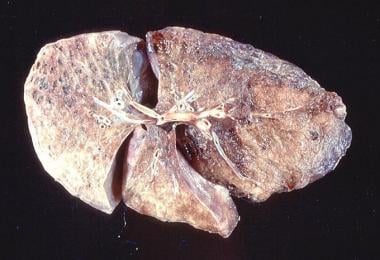
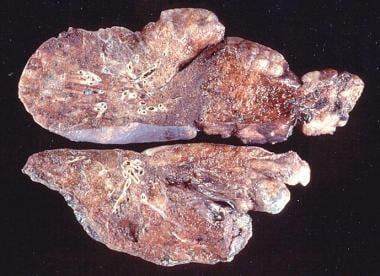
Emphysema is defined as abnormal permanent enlargement of air spaces distal to the terminal bronchioles, accompanied by the destruction of the walls and without obvious fibrosis. The 3 described morphological types of emphysema are centriacinar, panacinar, and paraseptal.

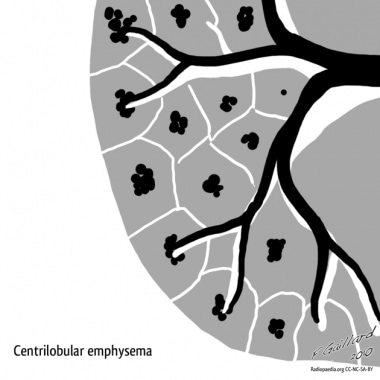
The first type, centriacinar emphysema, begins in the respiratory bronchioles and spreads peripherally. Also called centrilobular emphysema, this form is associated with long-standing cigarette smoking and predominantly involves the upper half of the lungs.

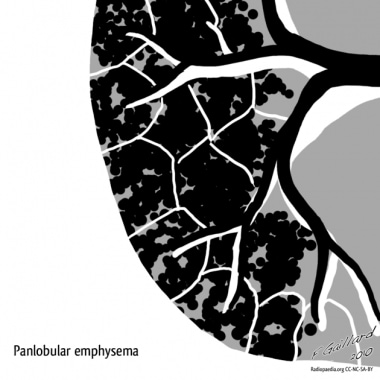
The second type is panacinar emphysema, which destroys the entire alveolus uniformly and is predominant in the lower half of the lungs. This type of emphysema generally is observed in patients with homozygous alpha1-antitrypsin (AAT) deficiency. In people who smoke, focal panacinar emphysema at the lung bases may accompany centriacinar emphysema.

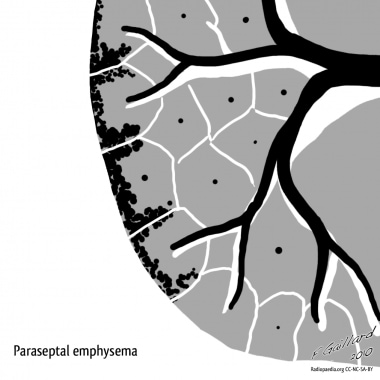
The third type, distal acinar emphysema (also known as paraseptal emphysema), preferentially involves the distal airway structures, alveolar ducts, and alveolar sacs. The process is localized around the septae of the lungs or pleura. Although airflow frequently is preserved, the apical bullae may lead to spontaneous pneumothorax. Giant bullae occasionally cause severe compression of adjacent lung tissue.

Pathophysiology

Emphysema commonly presents with chronic bronchitis, and the pathological changes occur not only in the lung parenchyma but also in the large and small airways. Chronic bronchitis is characterized by mucous gland enlargement, focal squamous metaplasia, ciliary abnormalities, variable amounts of airway smooth muscle hyperplasia, inflammation, and bronchial wall thickening. The respiratory bronchioles display a mononuclear inflammatory process, lumen occlusion by mucus plugging, goblet cell metaplasia, smooth muscle hyperplasia, and distortion due to fibrosis. These changes, combined with loss of supporting alveolar attachments, cause airflow limitation by allowing airway walls to deform and narrow the airway lumen.

Emphysema, on the other hand, is characterized by focal destruction limited to the airspaces distal to the respiratory bronchioles. Both emphysematous destruction and small airway inflammation often are found in combination in individual patients. When emphysema is moderate or severe, loss of elastic recoil, rather than bronchiolar disease, is the mechanism of airflow limitation. By contrast, when emphysema is mild, bronchiolar abnormalities are most responsible for the airflow limitation. Although air flow obstruction in emphysema is virtually irreversible, bronchoconstriction due to inflammation accounts for a limited amount of reversibility.

Pathogenesis

Pathologically, various lesions may be found in the airways of emphysematous lungs. Some are the lesions of chronic bronchitis; others affect the small airways. The vascular changes develop simultaneously. Abnormal longitudinal muscle appears in the intima of arterioles and arteries; these may show intimal fibrosis and thickening of the muscular media. Enlargement of bronchial arteries and veins occurs in some patients. Bronchial venous enlargement may cause shunting of systemic venous blood to the left atrium.

Cigarette smoking

Cigarette smoking leads to neutrophil activation and retention in the lung parenchyma. A number of neutrophil-derived and macrophage-derived enzymes known as proteinases and elastases (ie, proteolytic enzymes) can destroy various components of the extracellular matrix of the lung and cause emphysema. In addition, neutrophils produce serine proteinases. Macrophages synthesize various metalloproteinases and cysteine proteinases.

Proteinase/antiproteinase hypothesis

Normally, the locally synthesized plasma proteinase inhibitors, especially AAT, permeate the lung tissue and prevent proteolytic enzymes from digesting structural proteins of the lungs. Lung destruction results from an excess of proteinase release in the lungs, a reduction in the antiproteinase defense within the lung, or a combination of both increased proteinase burden and decreased proteinase inhibitor capacity. Therefore, emphysema is the product of an imbalance between the proteinases and antiproteinases in favor of proteinases.

Role of inflammation in COPD

In contrast to the eosinophil, which is the most prominent inflammatory cell in asthma, the cellular composition of the airway inflammation in COPD is predominantly mediated by the neutrophils. Cigarette smoking induces macrophages to release neutrophil chemotactic factors and elastases, thus unleashing tissue destruction. Severity of airflow obstruction has correlated with greater induced sputum neutrophilia that is also more prevalent in patients with chronic cough and sputum production and is associated with an accelerated decline in lung function.

Macrophages also play an important role through macrophage-derived matrix metalloproteinases (MMPs). Cigarette smoke causes neutrophil influx and is required for the secretion of MMPs, therefore suggesting that both neutrophils and macrophages are required for the development of emphysema. Studies have also shown that T lymphocytes, particularly CD8+, in addition to the macrophages, play an important role in the pathogenesis of smoking-induced airflow limitation. To support the inflammation hypothesis further, a stepwise increase in alveolar inflammation occurs in surgical specimens from patients without COPD versus patients with mild or severe emphysema.

Alpha1-antitrypsin deficiency

AAT is a glycoprotein member of the serine protease inhibitor family that is synthesized in the liver and is secreted into the blood stream. The main purpose of this 394–amino acid, single-chain protein is to neutralize neutrophil elastase in the lung interstitium and to protect the lung parenchyma from elastolytic breakdown. Severe AAT deficiency predisposes to unopposed elastolysis with clinical sequela of early onset of panacinar emphysema.

Deficiency of AAT is inherited as an autosomal codominant condition. The gene is located on the long arm of chromosome 14 and has been sequenced and cloned. The most common type of severe AAT deficiency occurs in individuals who are homozygous for the Z-type protein. Homozygous individuals (PIZZ) have serum levels well below the reference range levels (reference range is 20-53 mmol/L). The risk of emphysema occurs below a threshold of 11 mmol/L.

Frequency

United States

Four to 6% of male adults and 1-3% of female adults are estimated to have emphysema.

Current estimates suggest that 60,000-100,000 Americans have severe AAT deficiency, but only 4% have been identified. The major risk factor for developing emphysema among PIZZ individuals is cigarette smoking, which accelerates the onset of dyspnea by 19 years.

International

Few data are available on the prevalence of chronic obstructive pulmonary disease (COPD) worldwide, but it is likely higher than in the United States. In addition, the rates are rising as more than 1.2 billion humans are exposed to the ravages of cigarette smoking.

Based on pooled data from a number of studies, global prevalence of COPD was 7.5%, chronic bronchitis alone was 6.4%, and emphysema alone was 1.8%. The prevalence from 26 spirometric estimates was 8.9%. The most common spirometric definitions were those of the Global Initiative for Obstructive Lung Disease (GOLD). Thus, the prevalence of physiologically defined COPD in adults aged 40 years and older is approximately 9-10%.

Mortality/Morbidity

In recent decades, the death rates in the United States have been rising. COPD is now the fourth most common cause of death, accounting for nearly 4.5% of all deaths. Furthermore, COPD may be a contributory factor in another 4.3% of deaths.

Sex

Estimates show that 4-6% of white male adults and 1-3% of white female adults have emphysema or COPD. Men have a higher mortality rate than women.


History

Most patients with emphysema have smoked at least 20 cigarettes per day for 20 or more years before the common symptoms of cough and dyspnea develop.

  • Commonly, patients present in their fifth decade of life with productive cough or acute chest illness. The cough usually is worse in the morning and produces small amounts of colorless sputum from concomitant chronic bronchitis.
  • Breathlessness, the most significant symptom, does not occur until the sixth decade of life. By the time forced expiratory volume in 1 second (FEV1) has fallen to 30% of predicted, the patient is breathless on minimal exertion.
  • Wheezing may occur in some patients, particularly during exertion and exacerbations.
  • With disease progression, the intervals between acute exacerbations become shorter; cyanosis and right heart failure may develop.
  • Alpha1-antitrypsin deficiency
    • Severe AAT deficiency mainly affects the lungs and the liver. Liver dysfunction dominates the clinical picture in the first decade of life. The patients who are homozygous (ie, PIZZ) develop emphysema with the following distinctive features: early presentation ( <50 y), predilection for the lung bases, and panacinar morphological pattern.
    • Bronchiectasis and asthma also are associated with AAT deficiency.

Physical

The sensitivity of the physical evaluation in mild-to-moderate disease is relatively poor; however, the physical signs are quite sensitive and specific for severe disease. Patients with severe disease experience tachypnea and respiratory distress with simple activities.

  • The respiratory rate increases in proportion to disease severity. Use of accessory respiratory muscles and paradoxical indrawing of lower intercostal spaces are evident.
  • In advanced disease, cyanosis, elevated jugular venous pressure (JVP), and peripheral edema can be observed.
  • Measurement of the forced expiratory time (FET) maneuver is a simple bedside test; FET greater than 6 seconds indicates severe expiratory airflow obstruction.
  • Thoracic examination reveals hyperinflation (ie, barrel chest), wheezing, diffusely decreased breath sounds, hyperresonance on percussion, and prolonged expiration.

Causes

Cigarette smoking is by far the single most clearly established environmental risk factor for emphysema. The prevalence and incidence of emphysema are increased in relation to smoking by 2.8 times. Mortality rates from emphysema are increased substantially in people who smoke for more than 20 pack years. Emphysema also develops in patients who have AAT deficiency syndrome. The other causes of emphysema are described below.

  • Persons who use intravenous drugs
    • Emphysema occurs in approximately 2% of persons who use intravenous drugs and is attributed to pulmonary vascular damage that results from the insoluble filler (eg, cornstarch, cotton fibers, cellulose, talc) contained in methadone or methylphenidate.
    • The bullous cysts found in association with IV use of cocaine or heroin occur predominantly in upper lobes. In contrast, methadone and methylphenidate injections are associated with basilar and panacinar emphysema.
  • Immune deficiency syndromes
    • Apical and cortical bullous lung damage occurs in patients who have autoimmune deficiency syndrome and Pneumocystis carinii infection. Reversible pneumatoceles are observed in 10-20% of patients with this infection.
    • Human immunodeficiency virus (HIV) infection is associated with development of emphysemalike disease, to which malnutrition, direct cytotoxicity, and enhanced cytokine or elastase release contribute.
  • Vasculitis syndrome
    • Hypocomplementemic vasculitis urticaria syndrome (HVUS) may be associated with obstructive lung disease.
    • Other symptoms
      • Angioedema
      • Nondeforming arthritis
      • Sinusitis
      • Conjunctivitis
      • Pericarditis
    • Emphysema develops in more than one half of patients.
  • Connective tissue disorders
    • Cutis laxa is a disorder of elastin that is characterized most prominently by the appearance of premature aging. The disease usually is congenital, with various forms of inheritance (ie, dominant, recessive). Precocious emphysema has been described in association with cutis laxa as early as the neonatal period or infancy. The pathogenesis of this disorder includes a defect in the synthesis of elastin or tropoelastin.
    • Marfan syndrome is an autosomal dominant inherited disease of type I collagen characterized by abnormal length of the extremities, subluxation of the lenses, and cardiovascular abnormality. Pulmonary abnormalities, including emphysema, have been described in approximately 10% of cases.
    • Ehlers-Danlos syndrome refers to a group of inherited connective tissue disorders with manifestations that include hyperextensibility of the skin and joints, easy bruisability, and pseudotumors.
  • Salla disease
    • Salla disease is an autosomal recessive storage disorder described in Scandinavia; the disease is characterized by intralysosomal accumulation of sialic acid in various tissues.
    • The most important clinical manifestations are severe mental retardation, ataxia, and nystagmus.
    • Precocious emphysema has been described and likely is secondary to impaired inhibitory activity of serum trypsin.
  • HIV is a risk factor of premature development of emphysema. These patients also smoke cigarettes heavily and present in the fifth decade of life with the clinical symptoms of emphysema.


Bronchiectasis
Bronchitis
Chronic Bronchitis
Lymphangioleiomyomatosis

Other Problems to be Considered

Common alternative diagnoses and suggestive diagnostic features

Congestive heart failure: This condition may produce wheezing and often may be difficult to differentiate from emphysema. However, a history of orthopnea and paroxysmal nocturnal dyspnea, the presence of fine basal crackles, typical findings on chest radiograph, and nonobstructed pulmonary function tests (PFTs) lead to the diagnosis of congestive heart failure.

Bronchiectasis: Patients with bronchiectasis have chronic production of copious purulent sputum, have coarse crackles and clubbing on physical examination, and exhibit abnormal findings on chest radiographs and CT scan.

Bronchiolitis obliterans: Obliterative bronchiolitis is observed in younger persons who are nonsmokers and in persons with collagen vascular diseases. A CT scan characteristically shows areas of mosaic perfusion without evidence of generalized emphysema.

Chronic asthma: The delayed onset of severe asthma may be difficult to distinguish in older patients, but the important distinction is a significant bronchodilator response and normal diffusion (ie, diffusing capacity of lung for carbon monoxide [DLCO]) on PFTs.


Lab Studies

  • Alpha1-antitrypsin level
    • Of the approximately 75 different alleles for AAT variants, 10-15 are associated with serum levels below the protective threshold of 11 mmol/L. The most common severe variant is the Z allele, which accounts for 95% of the clinically recognized cases of severe AAT deficiency. The diagnosis of severe AAT deficiency is confirmed when the serum level falls below the protective threshold value (ie, 3-7 mmol/L). Specific phenotyping is reserved for cases in which serum levels are 7-11 mmol/L or when genetic counseling or family analysis is needed.
    • Measure the AAT level in all patients younger than 40 years or with a family history of emphysema at an early age.
    • The defining laboratory features of HVUS are decreased levels of C1q and detectable immunoglobulin G antibodies to C1q. Laboratory evaluation also demonstrates decreased serum complement levels consistent with the characteristic feature of complement activation. A positive serum antinuclear antibody test result is observed in 61% of these individuals.
  • Polycythemia may develop in severe COPD or in patients who smoke excessively. A hematocrit greater than 52% in men and greater than 47% in women is indicative of the condition. Patients should be evaluated for hypoxemia at rest, with exertion, or during sleep. Correction of hypoxemia should reduce secondary polycythemia in patients who have quit smoking.
  • Sputum evaluation
    • In stable chronic bronchitis, the sputum is mucoid, and the predominant cells are macrophages. With an exacerbation, the sputum becomes purulent, with excessive neutrophils and a mixture of organisms visualized through a Gram stain.
    • Streptococcus pneumoniae and Haemophilus influenzae are pathogens that are cultured frequently during exacerbations.

Imaging Studies

  • Chest radiograph
    • Frontal and lateral chest radiographs reveal signs of hyperinflation, which involves flattening of diaphragms, increased retrosternal air space, and a long narrow heart shadow.
    • Rapid tapering vascular shadows accompanied by hyperlucency of the lungs are signs of emphysema.
    • With complicating pulmonary hypertension, the hilar vascular shadows are prominent; with right ventricular enlargement, opacity in the lower retrosternal air space may occur.
  • CT scan: A high-resolution CT (HRCT) scan is more sensitive than a standard chest radiograph. HRCT scan is highly specific for diagnosing emphysema and outlines bullae that are not always observed on radiographs. This information does not alter therapy; therefore, a CT scan has no place in the routine care of patients with COPD. Studies are underway to assess the role of CT scans in early detection of lung cancer in patients with COPD and in predicting response to lung reduction surgery.

Other Tests

  • Pulmonary function tests
    • These measurements are necessary for the diagnosis of obstructive airway disease and assessment of its severity. In addition, spirometry is helpful for assessing response to treatment and disease progression.
    • FEV1 is a reproducible test and is the most common index of airflow obstruction. Lung volume measurements show an increase in total lung capacity (TLC), functional residual capacity, and residual volume. The vital capacity is decreased.
    • DLCO is decreased in proportion to the severity of emphysema.
    • Arterial blood gases reveal mild-to-moderate hypoxemia without hypercapnia in the early stages. As the disease progresses, hypoxemia becomes more severe and hypercapnia supervenes. Hypercapnia is observed commonly as the FEV1 falls below 1 L/s or 30% of predicted. Some patients may have hypercapnia without a significant increase in the alveolar-arterial oxygen gradient.
    • Lung mechanics and gas exchange worsen during acute exacerbations.
    • As many as 30% of patients have an increase in FEV1 of 15% or more after inhalation of a bronchodilator. The absence of bronchodilator response does not justify withholding bronchodilator therapy.


Medical Care

The goal of treatment is to improve the activities of daily living and the quality of life by preventing symptoms and recurrence of exacerbations and by preserving optimal lung function. Once the diagnosis of COPD is established, the patient should be educated about the disease and should be encouraged to participate actively in therapy. Smoking cessation is the most important therapeutic intervention.

Smoking cessation

Many patients with COPD have a history of smoking and are current smokers. A smoking cessation plan is an essential part of a comprehensive treatment plan. The success rates for smoking cessation are low because of the addictive potential of nicotine, the conditioned response to smoking-associated stimuli, psychosocial problems (eg, depression, poor education), and forceful promotional campaigns by the tobacco industry. The process of smoking cessation must involve multiple interventions.

Smoking cessation, physician intervention

The transition from smoking to nonsmoking status involves 5 stages. These stages are (1) precontemplation, (2) contemplation, (3) preparation, (4) action, and (5) maintenance. Smoking intervention programs include self-help, group, physician-delivered, workplace, and community programs. Setting a target date to quit may be helpful. Physicians and other healthcare providers should participate in setting the target date and should follow up with respect to maintenance. Successful cessation programs usually employ the following resources and tools:

  • Patient education
  • A target date to quit
  • Follow-up support
  • Relapse prevention
  • Advice for healthy lifestyle changes
  • Social support systems
  • Adjuncts to treatment (ie, pharmacological agents)

Smoking cessation, pharmacologic intervention

Supervised use of pharmacologic agents is an important adjunct to self-help and group smoking cessation programs. Nicotine is the ingredient in cigarettes primarily responsible for the addiction of smoking. Withdrawal from nicotine may cause unpleasant adverse effects (eg, anxiety, irritability, difficulty concentrating, anger, fatigue, drowsiness, depression, sleep disruption). These effects usually occur during the first weeks after quitting smoking. Nicotine replacement therapies after smoking cessation reduce withdrawal symptoms. A person who smokes and who requires the first cigarette within 30 minutes of waking, is likely to be highly addicted and would benefit from nicotine replacement therapy. Several nicotine replacement therapies are available.

Nicotine polacrilex is a chewing gum and produces better quit rates than counseling alone. Transdermal nicotine patches are available readily for replacement therapy. Long-term success rates have been 22-42%, compared to 2-25% with placebos. These agents are well tolerated, and the adverse effects are limited to localized skin reactions. The use of an antidepressant medication, Zyban (150 mg bid) has been shown to be effective for smoking cessation and may be used in combination with nicotine replacement therapy.

The most recent drug to receive approval for smoking cessation is varenicline (Chantix). It is a partial agonist selective for alpha4, beta2 nicotinic acetylcholine receptors. Action is thought to result from activity at a nicotinic receptor subtype, where its binding produces agonist activity while simultaneously preventing nicotine binding. Agonistic activity is significantly lower than nicotine.

Alpha1-antitrypsin deficiency

The treatment strategies for AAT deficiency involve reducing the neutrophil elastase burden, primarily by smoking cessation, and augmenting the levels of AAT. Augmentation strategies include the following:

  • Available augmentation strategies include pharmacologic attempts to increase endogenous production of AAT by the liver (eg, danazol, tamoxifen) or administration of purified AAT by periodic IV infusion or by inhalation.
  • Gene therapy represents another augmentation strategy, but this approach has been confined to animal models.
  • Tamoxifen can increase endogenous production of AAT to a limited extent, so this may be beneficial in persons with the PISZ phenotype. IV augmentation therapy is the only available approach that can increase serum levels above 11 mmol/L, the protective threshold. Studies show that the infusions can maintain levels of more than 11 mmol/L, and replacement is administered weekly (60 mg/kg), biweekly (120 mg/kg), or monthly (250 mg/kg). The ability of IV AAT augmentation to alter the clinical course of patients with AAT deficiency has not been demonstrated. Uncontrolled observations of patients suggest that the FEV1 may fall at a slow rate in patients who receive AAT replacement.

Emphysema associated with hypocomplementemic vasculitis urticaria syndrome

Therapy for the emphysema associated with HVUS generally includes bronchodilators and corticosteroids, which have been reported to relieve bronchospasm. Cytotoxic therapy (eg, cyclophosphamide, azathioprine) has been used with variable success, and administration of dapsone has resulted in improvement in a small number of patients.

Pharmacologic therapy of emphysema

Bronchodilators

In COPD, beta2 agonists produce less bronchodilatation compared to asthma. Furthermore, spirometric changes may be insignificant despite symptomatic benefits.

Beta2 agonists are used primarily for relief of symptoms of COPD. Inhaled beta2 agonists are the initial treatment of choice for acute exacerbations of COPD. In stable patients, beta2 agonists have an additive effect when used with an anticholinergic agent (eg, ipratropium bromide). Although oral preparations of beta2 agonists are available, the preferred route of administration is inhalation. A spacer should be used, if indicated, to improve aerosol delivery and reduce adverse effects.

Treatment with aerosolized anticholinergic agents (eg, ipratropium bromide) may be more effective than beta2 agonists in patients with COPD. Ipratropium bromide has bronchodilatory activity with minimum adverse effects and is administered via metered-dose inhaler. Studies in patients with stable COPD have shown that ipratropium bromide has equivalent or superior activity when compared with a beta2 agonist. In combination with a beta2 agonist, an additional 20-40% bronchodilation occurs. This medication has slower onset and longer duration than beta2 agonists, and it is less suitable for use as needed. Appropriate dosage is 2-4 puffs 3-4 times a day, but some patients require a larger dose (eg, 4-6 puffs 4-6 times per d). Therefore, regular therapy with ipratropium at 2-4 puffs 4 times a day is initiated, and a beta2 agonist is added as needed. Inhaled anticholinergic bronchodilators do not influence the long-term decline of FEV1.

Long-acting bronchodilators (eg, theophylline) improve respiratory muscle function and stimulate the respiratory center in addition to bronchodilatation. Anti-inflammatory effects also may occur. Adding theophylline to the combination of bronchodilators can result in further benefit in patients with stable COPD. The response to theophylline therapy also may vary among patients with severe COPD. Theophylline is metabolized primarily by the hepatic enzyme system and is affected by age, heart abnormalities, and liver abnormalities. Serum levels of theophylline should be monitored during therapy because of the drug's potential for toxicity. Adverse effects include anxiety, tremors, insomnia, nausea, cardiac arrhythmia, and seizures.

Anti-inflammatory therapy

The use of corticosteroids requires a careful evaluation in patients on adequate bronchodilator therapy who do not improve sufficiently or who develop an exacerbation. Most studies suggest that 20-30% of patients with COPD improve if administered long-term oral steroid therapy. Carefully document the effectiveness of such therapy (>20% improvement in FEV1) before administering prolonged daily or alternate-day treatment.

A positive correlation was found between bronchial eosinophilia and bronchodilator response in patients who had mild-to-moderate airflow obstruction.

Oral steroids have been used with success to treat outpatients with acute exacerbations; however, after stabilization, oral corticosteroids should be weaned gradually because of the potential for adverse effects. A minority of patients who respond to oral corticosteroids can be maintained on long-term inhaled steroids. Despite a lack of conclusive evidence to support the role of inhaled corticosteroids in the management of COPD, the use of these agents is widespread. Three large placebo-controlled trials investigating the use of these agents in severe, mild, and very mild disease have been completed. Based on the rate of decline in FEV1, results from these 3 trials suggest that inhaled corticosteroids do not slow the decline in lung function but decrease the frequency of exacerbations and improve disease-specific, health-related quality of life. Furthermore, because 2 of these 3 studies included patients who smoked during the study; these results may not truly reflect the efficacy of

inhaledcorticosteroids in favorably altering the natural history of emphysema.

Phosphodiesterase IV inhibitors

Cilomilast and roflumilast are systemically available, second-generation, selective phosphodiesterase-4 inhibitors. They cause a reduction of the inflammatory process (macrophages and CD8+ lymphocytes) in patients with COPD. Cilomilast is completely absorbed following oral administration and its elimination half-life is approximately 6.5 hours. A dose of 15 mg twice daily has been found to be clinically effective. Nausea, presumably of central origin, is the principal adverse reaction. The preliminary clinical studies suggest a favorable clinical effect in COPD.

Antibiotics

In patients with COPD, chronic infection or colonization of the lower airways is common with S pneumoniae, H influenzae, and Moraxella catarrhalis. The goal of antibiotic therapy in COPD is not to eliminate organisms, but to treat acute exacerbations. The exacerbations are indicated by increased sputum purulence and volume and development of dyspnea with other features (eg, fever, leukocytosis, infiltrate on chest radiograph).

The first-line treatment choices include amoxicillin, cefaclor, and trimethoprim/sulfamethoxazole. Second-line antibiotic regimens include antibiotics that are more expensive (eg, azithromycin, clarithromycin, fluoroquinolones).

The use of antibiotics in patients with COPD is supported by the results of a meta-analysis showing that patients who received oral antibiotic therapy had a small but clinically significant improvement in peak expiratory flow rate and a rapid resolution of symptoms. The patients who benefited most from antibiotic therapy were those with exacerbations that were characterized by at least 2 of the following: increases in dyspnea, sputum production, and sputum purulence (ie, Winnipeg criteria).

Mucolytic agents

These agents reduce sputum viscosity and improve secretion clearance. Viscous lung secretions in patients with COPD consist of mucus-derived glycoproteins and leukocyte-derived DNA. The use of mucolytic agents in clinical practice currently is not recommended because of the lack of evidence for their benefit.

  • Pharmacologic treatment of COPD is targeted to symptom reduction. With the exception of smoking cessation and continuous long-term oxygen treatment, drug therapy does not modify the natural history of COPD. Recent long-term pharmacologic studies in COPD have evaluated prevention of exacerbations and/or hospitalization as the primary outcome. Tiotropium, a long-acting anticholinergic agent, reduces the frequency of exacerbations and the use of health care resources in patients with moderate-to-severe COPD. Inhaled steroids may also reduce the frequency and severity of exacerbations in patients with severe COPD. Whether the combination of inhaled steroids and long-acting bronchodilators has additive effects on lung function and/or exacerbations is still unclear.

Surgical Care

Over the past 50-75 years, various surgical approaches to improve symptoms and restore function in patients with emphysema have been described. Only giant bullectomy and, possibly, lung volume reduction surgery (LVRS) are useful.

  • Bullectomy for giant bullae
    • Removal of giant bullae has been a standard approach in selected patients for many years.
    • The bullae in patients with emphysema generally range from 1-4 cm in diameter; however, on occasion, bullae known as giant bullae can occupy more than one third of the hemithorax. Giant bullae may compress adjacent lung tissue, reducing the blood flow and ventilation to the relatively normal lung. Removal of these bullae may result in expansion of compressed lungs and improvement of function.
    • Patients who are symptomatic and have an FEV1 of less than 50% of the predicted value have a better outcome after bullectomy. Bullectomy is performed through either midline sternotomy or a lateral incision, with or without video-assisted thoracoscopy. Postoperative leaks are the major potential complications.
    • Giant bullectomy can produce subjective and objective improvement in selected patients, ie, those who have bullae that occupy at least 30%—and preferably 50%—of the hemithorax that compress adjacent lung, with an FEV1 of less than 50% of predicted and relatively preserved lung function otherwise.
  • Lung volume reduction surgery
    • Nearly 40 years ago, Brantigan et al first reported resectional surgery for diffuse emphysema in 33 patients. They resected 20-30% of the portion of each lung that appeared most diseased. The hypothesis suggested that removal of a portion of the emphysematous lung increased the radial traction on the airways in the remaining lung, improving expiratory airflow and mechanical function of the respiratory system, thereby reducing symptoms.
    • LVRS has gained considerable momentum recently, after a marked improvement in the FEV1 (ie, +82%) and forced vital capacity ([FVC] +27%), improvement in 6-minute walk distance, and improvement in quality of life indices were observed in one randomized controlled trial. Functional and physiologic improvements can be detected following the procedure, including improvement in subjective dyspnea, exercise tolerance, and quality of life. Improvement generally is observed within the first 6 months after surgery and continues for as long as 3 years.
    • In one study, at 4 years after LVRS, improved FEV1 over baseline and decreased oxygen dependence were observed in 27% and 22% of patients, respectively. Although palliation of symptoms of end-stage emphysema is an important benefit of the procedure, improvement in patient survival would be a major finding to support wider application of lung reduction surgery. In the United States and Canada, large prospective studies to evaluate the effectiveness of LVRS are being undertaken.
    • The indications and patient selection criteria for LVRS have not been defined rigorously. Generally, candidates for LVRS have symptoms secondary to severe emphysema, marked hyperinflation (defined as elevated respiratory volume [RV]–to–total lung capacity [TLC] ratio), and evidence of heterogeneous emphysema on a CT scan. Patients who are hypercapnic or have pulmonary hypertension or other cardiac risk factors are excluded.
    • The surgical approach uses a midline sternotomy with stapling of the resected lung margins. Resection of 20-30% of each lung from the upper zones generally is performed.
    • The LVRS procedure has a mortality rate ranging from 0-18%. Several complications, including pneumonia and prolonged air leaks, have been observed.
    • Criteria for LVRS candidates are still being evaluated in clinical trials. Until further information is available, the following criteria may provide some guidance. Inclusion criteria are as follows: severe emphysema with hyperinflation, FEV1 10-40% of predicted, residual volume greater than 180% of predicted, and TLC over 110% of predicted.
    • Relative contraindications and/or exclusion criteria to the procedure are numerous and include the following:
      • General - Age older than 75 (80) years, obesity, current smoking, bronchiectasis, malignancy, active ischemia or severe heart disease, prior median sternotomy or lung resection, significant pleural abnormalities, 6-minute walk less than 250 feet (after rehabilitation), disease likely to limit survival to less than 5 years, mental incompetency or active psychiatric illness, and associated interstitial lung disease (these patients are directed to transplant)
      • Pulmonary - A PaCO2 greater than 50 mm Hg, DLCO less than 25% of predicted, patient requiring either invasive or noninvasive ventilatory support, supplemental oxygen requirement over 6 L/min (for arterial oxygen saturation [SaO2] >87%), more than 1 cup of sputum production per day, or pulmonary arterial hypertension
  • Lung transplantation
    • Lung transplantation is a relatively new therapy for advanced lung disease.
    • Patients with COPD make up the largest single category of patients who undergo lung transplantation. The timing of transplant is difficult; the patients selected to receive transplants should have a life expectancy of 2 years or less.
    • With lung transplantation, the profound dyspnea and limited lifestyle is exchanged for improved quality of life at the risk of worsening survival.

Consultations

Consultation with a pulmonary specialist is recommended.

Diet

Inadequate nutritional status associated with low body weight in patients with COPD is associated with impaired pulmonary status, reduced diaphragmatic mass, lower exercise capacity, and higher mortality rates. Nutritional support is an important part of their comprehensive care.


Oral and inhaled medications are used for patients with stable disease to reduce dyspnea and improve exercise tolerance. Most of the medications used are directed at the 4 potentially reversible mechanisms of airflow limitation: (1) bronchial smooth muscle contraction, (2) bronchial mucosal congestion and edema, (3) airway inflammation, and (4) increased airway secretions.

Drug Category: Bronchodilators

These agents decrease muscle tone in both the small and large airways of the lungs, thereby increasing ventilation. This category includes subcutaneous medications, beta-adrenergic agents, methylxanthines, and anticholinergics.

Tiotropium (Spiriva), a bronchodilator similar to ipratropium, has recently been approved by the US Food and Drug Administration. Tiotropium is a quaternary ammonium compound. Elicits anticholinergic/antimuscarinic effects with inhibitory effects on M3 receptors on airway smooth muscles, leading to bronchodilation. Available as a capsule dosage form containing a dry powder for oral inhalation via the HandiHaler inhalation device. For adults, the contents of one capsule (18 mcg) are inhaled every day via the HandiHaler device. Contraindications, drug interactions, and adverse effects are similar to those of ipratropium.

Drug NameAlbuterol (Proventil, Ventolin)
DescriptionBeta2 agonist that relaxes bronchial smooth muscle by action on beta2 receptors, with little effect on cardiac muscle contractility. Most patients (even those who have no measurable increase in expiratory flow) benefit from treatment. Inhaled beta agonists initially are prescribed as needed. Frequency may be increased. Institute regular schedule in patients on anticholinergic drugs who remain symptomatic. Available as liquid for nebulizer, metered-dose inhalers, and dry powder inhalers.
Adult DoseMDI: 1-4 puffs q3-4h; use of a spacer/chamber device may improve delivery and reduce adverse effects
Nebulizer: 0.2-0.3 mL of 5% solution diluted to 2.5 mL with NS tid/qid
Pediatric DoseNot established
ContraindicationsDocumented hypersensitivity
InteractionsBeta-adrenergic blockers antagonize effects; inhaled ipratropium may increase duration of bronchodilatation by albuterol; cardiovascular effects may increase with MAOIs, inhaled anesthetics, TCAs, and sympathomimetic agents
PregnancyC - Fetal risk revealed in studies in animals but not established or not studied in humans; may use if benefits outweigh risk to fetus
PrecautionsCaution in hyperthyroidism, diabetes mellitus, pheochromocytoma, and cardiovascular disorders; adverse effects include muscle tremors, nervousness, insomnia, transient hypoxemia, and tachycardia

Drug NameMetaproterenol (Alupent)
DescriptionRelaxes bronchial smooth muscle by action on beta2 receptors, with little effect on cardiac muscle contractility. Most patients (even those who have no measurable increase in expiratory flow) benefit from treatment. Inhaled beta agonists initially are prescribed as needed. Frequency may be increased. Institute regular schedule in patients on anticholinergic drugs who remain symptomatic. Available as liquid for nebulizer, metered-dose inhalers, and dry powder inhalers.
Adult DoseMDI: 2 puffs q3-4h; use of a spacer/chamber device may improve delivery and reduce adverse effects
Nebulizer: 0.2-0.3 mL of 5% solution diluted to 2.5 mL with NS tid/qid
Pediatric DoseNot established
ContraindicationsDocumented hypersensitivity; cardiac arrhythmia
InteractionsBeta-adrenergic blockers antagonize effects; inhaled ipratropium may increase duration of bronchodilatation by albuterol; cardiovascular effects may increase with MAOIs, inhaled anesthetics, TCAs, and sympathomimetic agents
PregnancyC - Fetal risk revealed in studies in animals but not established or not studied in humans; may use if benefits outweigh risk to fetus
PrecautionsCaution in hyperthyroidism, diabetes mellitus, pheochromocytoma, and cardiovascular disorders; adverse effects include muscle tremors, nervousness, insomnia, transient hypoxemia, and tachycardia

Drug NameIpratropium (Atrovent)
DescriptionChemically related to atropine. Has antisecretory properties, and, when applied locally, inhibits secretions from serous and seromucous glands lining the nasal mucosa. Used on a fixed schedule with a beta agonist.
Adult DoseMDI: 2-4 puffs q4-6h; use of a spacer/chamber device may improve delivery and reduce adverse effects
Nebulizer: 250 mcg diluted with 2.5 mL NS q4-6h
Pediatric DoseNot established
ContraindicationsDocumented hypersensitivity
InteractionsDrugs with anticholinergic properties (eg, dronabinol) may increase toxicity; albuterol increases effects of ipratropium
PregnancyC - Fetal risk revealed in studies in animals but not established or not studied in humans; may use if benefits outweigh risk to fetus
PrecautionsBecause of slower onset of action than albuterol, ipratropium is less suitable for acute bronchoconstriction; on the other hand, it should be included in the regimen for exacerbations of COPD; caution in narrow-angle glaucoma, prostatic hypertrophy, and bladder neck obstruction; medication delivery may cause pupillary dilatation; may cause constipation

Drug NameTheophylline (Aminophylline, Theo-24, Theo-Dur, Slo-bid)
DescriptionPotentiates exogenous catecholamines. Stimulates endogenous catecholamine release and diaphragmatic muscular relaxation, which stimulates bronchodilation.
Popularity has decreased because of narrow therapeutic range and frequent toxicity. Bronchodilation may require near-toxic (>20 mg/dL) levels. However, clinical efficacy is controversial, especially in the acute setting.
Shown to increase exercise capacity, decrease dyspnea, and improve gas exchange. A longer-acting agent is used qd or bid.
Target concentration is 5-10 mcg/mL. Dosing = (target concentration - current level) X 0.5 (ideal body weight). Alternatively, 1 mg/kg results in approximately a 2-mcg/mL increase in serum levels.
Adult DoseInitial: 10 mg/kg/d PO divided q8-12h
Maintenance: 10 mg/kg/d PO divided qd or bid; adjust dose in 25% increments to maintain serum theophylline level of 5-15 mcg/mL; not to exceed 800 mg/d
Pediatric DoseNot established
ContraindicationsDocumented hypersensitivity; uncontrolled arrhythmias; peptic ulcers; hyperthyroidism; uncontrolled seizure disorders
InteractionsAminoglutethimide, barbiturates, carbamazepine, ketoconazole, loop diuretics, charcoal, hydantoins, phenobarbital, phenytoin, rifampin, isoniazid, and sympathomimetics may decrease effects of theophylline; theophylline effects may increase with allopurinol, beta-blockers, ciprofloxacin, corticosteroids, disulfiram, quinolones, thyroid hormones, ephedrine, carbamazepine, cimetidine, erythromycin, macrolides, propranolol, and interferon
PregnancyC - Fetal risk revealed in studies in animals but not established or not studied in humans; may use if benefits outweigh risk to fetus
PrecautionsCaution in peptic ulcer, hypertension, tachyarrhythmias, hyperthyroidism, and compromised cardiac function; do not inject IV solution faster than 25 mg/min; patients diagnosed with pulmonary edema or liver dysfunction are at greater risk of toxicity because of reduced drug clearance; adverse effects include nausea, vomiting, tremor, seizures, coma, esophageal reflux, and atrial and ventricular arrhythmias

Drug NameSalmeterol (Serevent)
DescriptionBy relaxing the smooth muscles of the bronchioles in conditions associated with bronchitis, emphysema, asthma, or bronchiectasis, salmeterol can relieve bronchospasm. Effect also may facilitate expectoration. May be useful when bronchodilators are used frequently. More studies are needed to establish the role for these agents. When administered at high or more frequent doses than recommended, the incidence of adverse effects is higher. The bronchodilating effect lasts >12 h. Used on a fixed schedule in addition to regular use of anticholinergic agents.
Adult Dose2 puffs bid; use of a spacer/chamber device may improve delivery and reduce adverse effects
Diskus device: 1 inhalation bid; no spacer needed with diskus
Pediatric DoseNot established
ContraindicationsDocumented hypersensitivity; angina and cardiac arrhythmias associated with tachycardia
InteractionsConcomitant use of beta-blockers may decrease bronchodilating and vasodilating effects of beta agonists (eg, salmeterol); concurrent administration with methyldopa may increase pressor response; coadministration with oxytocic drugs may result in severe hypotension; ECG changes and hypokalemia resulting from diuretics may worsen when coadministered with salmeterol
PregnancyC - Fetal risk revealed in studies in animals but not established or not studied in humans; may use if benefits outweigh risk to fetus
PrecautionsNot indicated to treat acute asthmatic symptoms; adverse effects are tremors, nervousness, and tachycardia

Drug NameFormoterol (Oxis, Foradil)
DescriptionCurrently not available in the United States (investigational beta agonist with rapid onset and long duration of action). By relaxing the smooth muscles of the bronchioles in conditions associated with bronchitis, emphysema, asthma, or bronchiectasis, it can relieve bronchospasms. Effect also may facilitate expectoration.
Shown to improve symptoms and morning peak flows in asthma. May be useful when bronchodilators are used frequently. More studies are needed to establish the role for these agents.
When administered at high or more frequent doses than recommended, the incidence of adverse effects is higher. The bronchodilating effect lasts >12 h. Used on a fixed schedule in addition to regular use of anticholinergic agents.
Adult Dose12-25 mcg via inhalation bid
Pediatric DoseNot established
ContraindicationsDocumented hypersensitivity; angina and cardiac arrhythmias associated with tachycardia
InteractionsConcomitant use of beta-blockers may decrease bronchodilating and vasodilating effects of beta agonists (eg, formoterol); concurrent administration with methyldopa may increase pressor response; coadministration with oxytocic drugs may result in severe hypotension; ECG changes and hypokalemia resulting from diuretics may worsen when coadministered with formoterol
PregnancyC - Fetal risk revealed in studies in animals but not established or not studied in humans; may use if benefits outweigh risk to fetus
PrecautionsNot indicated to treat acute asthmatic symptoms; adverse effects are tremors, nervousness, and tachycardia

Drug Category: Corticosteroids

A recent meta-analysis of 16 controlled trials in stable COPD found that approximately 10% of patients respond to these drugs. The responders should be identified carefully. An increase in FEV1 greater than 20% is used as a surrogate marker for steroid response. In acute exacerbation, steroids improve symptoms and lung functions. Inhaled steroids have fewer adverse effects compared to oral agents. Although effective, these agents improve expiratory flows less effectively than oral preparations, even at high doses. These agents may be beneficial in slowing the rate of progression in a subset of COPD patients who have rapid decline.

Drug NameFluticasone (Flovent, Cutivate, Flonase)
DescriptionHas extremely potent vasoconstrictive and anti-inflammatory activity. Has weak inhibitory effects on hypothalamic-pituitary-adrenocortical axis when used at high doses for prolonged periods of time. Effectiveness is not established in COPD.
Adult Dose250-500 mcg inhaled orally bid
Pediatric DoseNot established
ContraindicationsDocumented hypersensitivity; viral, fungal, and bacterial skin infections
InteractionsNone reported
PregnancyC - Fetal risk revealed in studies in animals but not established or not studied in humans; may use if benefits outweigh risk to fetus
PrecautionsProlonged use, applying over large surface areas, application of potent steroids, and occlusive dressings may increase systemic absorption of corticosteroids and may cause Cushing syndrome, reversible HPA axis suppression, hyperglycemia, and glycosuria; adverse effects include oral thrush, hoarseness, adrenal suppression, glaucoma, skin bruising, and alteration in bone metabolism

Drug NameBudesonide (Pulmicort Turbuhaler)
DescriptionHas extremely potent vasoconstrictive and anti-inflammatory activity. Has weak inhibitory effects on hypothalamic-pituitary-adrenocortical axis when used at high doses for prolonged periods of time. Effectiveness is not established in COPD.
Adult Dose400-800 mcg inhaled orally bid
Pediatric DoseNot established
ContraindicationsDocumented hypersensitivity; viral, fungal, and bacterial skin infections
InteractionsNone reported
PregnancyC - Fetal risk revealed in studies in animals but not established or not studied in humans; may use if benefits outweigh risk to fetus
PrecautionsProlonged use, applying over large surface areas, application of potent steroids, and occlusive dressings may increase systemic absorption of corticosteroids and may cause Cushing syndrome, reversible HPA axis suppression, hyperglycemia, and glycosuria; adverse effects include oral thrush, hoarseness, adrenal suppression, glaucoma, skin bruising, and alteration in bone metabolism

Drug NamePrednisone (Deltasone, Orasone, Meticorten)
DescriptionConduct steroid trial to identify responders. Inhibits hypothalamic-pituitary-adrenocortical axis when used at high doses for prolonged periods of time. Start corticosteroid therapy at 0.5-1 mg/kg of prednisone daily for 2-3 wk. If the FEV1 increases by 20% or more, taper dose to the minimum to maintain improvement.
Adult Dose0.5-1 mg/kg/d PO qd, gradually taper to minimum 10-20 mg/d, the dose that maintains improvement is continued long-term
Pediatric DoseNot established
ContraindicationsDocumented hypersensitivity; viral infection; peptic ulcer disease; hepatic dysfunction; connective tissue infections; fungal or tubercular skin infections; GI disease
InteractionsCoadministration with estrogens may decrease prednisone clearance; concurrent use with digoxin may cause digitalis toxicity secondary to hypokalemia; phenobarbital, phenytoin, and rifampin may increase metabolism of glucocorticoids (consider increasing maintenance dose); monitor for hypokalemia with coadministration of diuretics
PregnancyB - Fetal risk not confirmed in studies in humans but has been shown in some studies in animals
PrecautionsAbrupt discontinuation of glucocorticoids may cause adrenal crisis; hyperglycemia, edema, osteonecrosis, myopathy, peptic ulcer disease, hypokalemia, osteoporosis, euphoria, psychosis, myasthenia gravis, growth suppression, and infections may occur with glucocorticoid use

Drug Category: Smoking cessation therapies

Most effective when used in conjunction with a support program (eg, counseling, group therapy, behavioral therapy).

Bupropion is used as a nonnicotine aid to smoking cessation. A recent study demonstrated 23% sustained cessation with bupropion tablets at 1 y, compared with a 12% sustained cessation with placebo. Bupropion also may be effective in patients who do not quit with nicotine replacement therapy.

Varenicline (Chantix) is a partial agonist selective for alpha4, beta2 nicotinic acetylcholine receptors. It is used in conjunction with support groups and/or behavioral counseling. Gradually titrate dose upward within 1 wk before quit date to 1 mg PO bid pc. Decrease dose with severe renal impairment or end-stage renal disease.

Drug NameNicotine transdermal system (Nicotrol, Habitrol, Nicoderm CQ)
DescriptionIndividuals who smoke > 1 pack per d initially need a 21-mg patch followed by 14-mg and 7-mg patches.
Adult DoseHabitrol/Nicoderm CQ: one 21-mg patch qd for 3-4 wk, then one 14-mg patch qd for 3-4 wk, followed by one 7-mg patch qd for 3-4 wk
Nicotrol: one 15-mg patch qd for 6 wk, then one 10-mg patch qd for 2 wk, followed by one 5-mg patch qd for 2 wk
Pediatric DoseNot established
ContraindicationsDocumented hypersensitivity; people who do not smoke; children; pregnancy; life-threatening arrhythmias; severe or worsening angina pectoris
InteractionsMay decrease diuretic effects of furosemide and decrease cardiac output; may decrease absorption of glutethimide; may increase circulating cortisol and catecholamines; do not use if patient continues to smoke, use snuff, chew tobacco, or use other nicotine products because these may increase toxicity of nicotine
PregnancyX - Contraindicated; benefit does not outweigh risk
PrecautionsCaution in peptic ulcer, coronary artery disease, angina, hypertension, peripheral arterial disease, diabetes, severe renal dysfunction, and hepatic dysfunction; may cause skin irritation

Drug NameNicotine polacrilex (Nicorette)
DescriptionNicotine is absorbed through the oral mucosa. Quickly absorbed and closely approximates time course of plasma nicotine levels observed after cigarette smoking.
Available as 2-mg or 4-mg gum in box containing 96 pieces. Careful adherence to chewing instructions is important for effective use. The manufacturer recommends that the gum not be used longer than 6 mo.
An individual who smokes 1 pack per d should use 4-mg pieces. The 2-mg pieces are to be used by individuals who smoke <1 pack per d. Instruct the patient to chew hourly and for initial cravings for 2 wk, then gradually reduce amount chewed over 3 mo.
Adult Dose1 piece of gum (2 mg) per h as needed to abstain from smoking; not to exceed 30 mg/d
Pediatric DoseNot established
ContraindicationsDocumented hypersensitivity; people who do not smoke; children; pregnancy; life-threatening arrhythmias; severe or worsening angina pectoris; recent MI
InteractionsMay decrease diuretic effects of furosemide and decrease cardiac output; may decrease absorption of glutethimide; may increase circulating cortisol and catecholamines; do not use if patient continues to smoke, use snuff, chew tobacco, or use other nicotine products because these may increase toxicity of nicotine
PregnancyX - Contraindicated; benefit does not outweigh risk
PrecautionsCaution in peptic ulcer, coronary artery disease, angina, hypertension, peripheral arterial disease, diabetes, severe renal dysfunction, and hepatic dysfunction

Drug NameBupropion (Zyban)
DescriptionUsed in conjunction with a support group and/or behavioral counseling. Inhibits neuronal dopamine reuptake in addition to being a weak blocker of serotonin and norepinephrine reuptake.
Adult Dose150 mg PO qd for 3 d, then increased to 150 mg bid with at least 8 h between each dose for 7-12 wk
Pediatric DoseNot established
ContraindicationsDocumented hypersensitivity; seizure disorder; anorexia nervosa; concurrent use with MAOIs
InteractionsCarbamazepine, cimetidine, phenytoin, and phenobarbital may decrease effects; toxicity increases with concurrent administration of levodopa and MAOIs
PregnancyB - Fetal risk not confirmed in studies in humans but has been shown in some studies in animals
PrecautionsCaution in renal or hepatic insufficiency; doses >450 mg/d significantly decrease seizure threshold; adverse effects include pruritus, angioedema, dyspnea, and insomnia; delusions and/or hallucinations may occur in patients who are depressed

Drug NameVarenicline (Chantix)
DescriptionPartial agonist selective for alpha4, beta2 nicotinic acetylcholine receptors. Action is thought to be the result of activity at a nicotinic receptor subtype where its binding produces agonist activity, while simultaneously preventing nicotine binding. The agonistic activity is significantly lower than nicotine. Also elicits moderate affinity for 5-HT3 receptors. Maximum plasma concentrations occur within 3-4 h after oral administration. Following regular dosing, steady state is reached within 4 d.
Adult DoseInitiate 1 wk before date chosen to stop smoking
Days 1-3: 0.5 mg PO qd pc
Days 4-7: 0.5 mg PO bid pc
Day 8 to end of treatment: 1 mg PO bid pc
Continue treatment for 12 wk, if successfully stopped smoking at end of 12 wk, an additional course of 12 wk treatment is recommended; take after meals with full glass of water
Severe renal impairment (ie, CrCl <30 mL/min): Do not exceed 0.5 mg PO bid
End-stage renal disease with hemodialysis: Do not exceed 0.5 mg PO qd
Pediatric Dose<18 years: Not established
ContraindicationsDocumented hypersensitivity
InteractionsData limited; coadministration with nicotine replacement therapy (NRT) may increase incidence of nausea, headache, vomiting, dizziness, and dyspepsia compared to NRT alone
PregnancyC - Fetal risk revealed in studies in animals but not established or not studied in humans; may use if benefits outweigh risk to fetus
PrecautionsCommon adverse effects include nausea, headache, vomiting, flatulence, insomnia, abnormal dreams, and dysgeusia; decrease dose with severe renal impairment (ie, CrCl <30 mL/min) or ESRD undergoing hemodialysis
Serious neuropsychiatric symptoms have been reported during postmarketing surveillance and may include changes in behavior, agitation, depressed mood, suicidal ideation, and attempted and completed suicide; these adverse events have been exhibited in patients without preexisting psychiatric illness, and patients with preexisting psychiatric illness have reported worsening symptoms during varenicline treatment; for more information, see the FDA MedWatch Safety Information

Drug Category: Antibiotics

Empiric antimicrobial therapy must be comprehensive and should cover all likely pathogens in the context of the clinical setting.

Drug NameCefoxitin (Mefoxin)
DescriptionSecond-generation cephalosporin indicated for gram-positive cocci and gram-negative rod infections. Infections caused by cephalosporin-resistant or penicillin-resistant, gram-negative bacteria may respond to cefoxitin.
Adult Dose2 g IV q6-8h
Pediatric DoseNot established
ContraindicationsDocumented hypersensitivity
InteractionsProbenecid may increase effects of cefoxitin; coadministration with aminoglycosides or furosemide may increase nephrotoxicity (closely monitor renal function)
PregnancyB - Fetal risk not confirmed in studies in humans but has been shown in some studies in animals
PrecautionsBacterial or fungal overgrowth of nonsusceptible organisms may occur with prolonged use or repeated treatment; caution in patients with previously diagnosed colitis

Drug NameAzithromycin (Zithromax)
DescriptionThese agents are replacing erythromycin as therapy for community-acquired pneumonia. They cover most potential etiologic agents, including Mycoplasma. The newer macrolides offer decreased GI upset and potential for improved compliance through reduced dosing frequency. They also afford improved action against H influenzae.
Adult DoseDay 1: 500 mg PO
Days 2-5: 250 mg PO qd
Alternatively, 500 mg IV qd
Pediatric DoseNot established
ContraindicationsDocumented hypersensitivity; hepatic impairment; do not administer with pimozide
InteractionsMay increase toxicity of theophylline, warfarin, and digoxin; effects are reduced with coadministration of aluminum and/or magnesium antacids; nephrotoxicity and neurotoxicity may occur when coadministered with cyclosporine
PregnancyB - Fetal risk not confirmed in studies in humans but has been shown in some studies in animals
PrecautionsSite reactions can occur with IV route; bacterial or fungal overgrowth may result with prolonged antibiotic use; may increase hepatic enzymes and cholestatic jaundice; caution in patients with impaired hepatic function, prolonged QT intervals, or pneumonia; caution in hospitalized, geriatric, or debilitated patients

Drug NameClarithromycin (Biaxin)
DescriptionInhibits bacterial growth, possibly by blocking dissociation of peptidyl tRNA from ribosomes, causing RNA-dependent protein synthesis to arrest. Initial therapy in otherwise uncomplicated pneumonia.
Adult Dose250-500 mg PO q12h for 10 d
Pediatric DoseNot established
ContraindicationsDocumented hypersensitivity; coadministration of pimozide
InteractionsToxicity increases with coadministration of fluconazole and pimozide; clarithromycin effects decrease and GI adverse effects may increase with coadministration of rifabutin or rifampin; may increase toxicity of anticoagulants, cyclosporine, tacrolimus, digoxin, omeprazole, carbamazepine, ergot alkaloids, triazolam, and HMG CoA-reductase inhibitors; plasma levels of certain benzodiazepines may increase, prolonging CNS depression; arrhythmias and increase in QTc intervals occur with disopyramide; coadministration with omeprazole may increase plasma levels of both agents
PregnancyC - Fetal risk revealed in studies in animals but not established or not studied in humans; may use if benefits outweigh risk to fetus
PrecautionsCoadministration with ranitidine or bismuth citrate is not recommended with CrCl <25 mL/min; administer half dose or increase dosing interval if CrCl <30 mL/min; diarrhea may be a sign of pseudomembranous colitis; superinfections may occur with prolonged or repeated antibiotic therapies


Further Inpatient Care

  • Acute exacerbation of COPD
    • Acute exacerbation of COPD is a major reason for hospital admission in the United States.
    • Causes of acute exacerbations include upper respiratory infection, myocardial ischemia, congestive heart failure, thromboembolism, and recurrent aspiration.
    • Because of the lack of clinical studies, the general consensus supports the need for hospitalization in patients who develop severe respiratory dysfunction, disease progression, or other comorbid conditions (eg, pneumonia) who have poor response to outpatient treatment. The purpose of hospitalization is to manage patients' acute decompensation and to prevent further deterioration.
  • Pharmacotherapy for COPD exacerbations
    • A stepwise approach to drug therapy is recommended, taking into consideration the causes and complications related to the exacerbation, the degree of reversible bronchospasm, recent drug use, and contraindications to treatment. Sedation and pain management must be provided, despite a potential for respiratory depression, to ensure the comfort and safety of the patient.
    • Most patients with exacerbations respond to inhaled beta2 agonists and anticholinergic aerosols. Treatment is initiated with an inhaled beta2 agonist delivered via a spacer or nebulizer; inhaled ipratropium bromide usually is added. The combination therapy may act synergistically and may allow lower dosages of beta agonists to be used. The efficacy of theophylline or IV aminophylline is not definitely established, but these may cause toxicity.
    • Corticosteroids generally are recommended and may be used IV for a short period. Although the optimal dose is not known, most clinicians begin therapy with methylprednisolone 40-80 mg IV every 6-8 hours. When response occurs, the dosage needs to be lowered. Careful observation and spirometric evaluation are needed to prove the continuing benefit of steroids after a course of 1-2 weeks.
  • Antibiotic therapy
    • When patients have 2 or more of the Winnipeg criteria, an antibiotic should be prescribed.
    • A risk stratification scheme for antibiotic selection is recommended. Low-risk patients should be treated with amoxicillin, trimethoprim/sulfamethoxazole, or doxycycline. High-risk patients, ie, those who had multiple exacerbations in the past and/or have underlying cardiopulmonary dysfunction, should be treated with a new-generation macrolide, a second-generation cephalosporin, or a fluoroquinolone.
  • Indications for intensive care unit admission
    • Confusion
    • Lethargy or respiratory muscle fatigue
    • Worsening hypoxemia or respiratory acidosis (ie, pH <7.30)
    • Requirement of invasive or noninvasive mechanical ventilation
  • Assisted ventilation
    • Progressive airflow obstruction may impair oxygenation and/or ventilation to the degree that assisted ventilation is required. The general guidelines for determining the ideal time to initiate ventilatory support are as follows:
      • Patients who have experienced progressive worsening of respiratory acidosis and/or altered mental status
      • Clinically significant hypoxemia despite supplemental oxygen
    • Patients may be treated with noninvasive mask ventilation or endotracheal intubation and mechanical ventilation. For noninvasive ventilation, adequate patient supervision should be provided, and patients' mental alertness and tolerance of appliances should be ensured. The staff should be prepared for emergent intubation if noninvasive ventilation is unsuccessful.
    • Hemodynamic instability, difficulty clearing secretions, and copious secretions are the contraindications.
    • The main goals of assisted positive-pressure ventilation in acute respiratory failure complicating COPD are to rest the ventilatory muscles and restore gas exchange.
    • The major risks of mechanical ventilation are ventilator-associated pneumonia, barotrauma, and laryngotracheal complications associated with intubation.

Further Outpatient Care

  • Pulmonary rehabilitation
    • Many patients with COPD are unable to enjoy life to the fullest because of shortness of breath, physical limitations, and inactivity. Pulmonary rehabilitation encompasses an array of therapeutic modalities designed to improve patients' quality of life by decreasing airflow limitation, preventing secondary medical complications, and alleviating respiratory symptoms.
    • The 3 major goals of the comprehensive management of COPD are as follows: (1) lessen air flow limitation, (2) prevent and treat secondary medical complications (eg, hypoxemia, infection), and (3) decrease respiratory symptoms and improve quality of life.
  • Pulmonary rehabilitation - A multidisciplinary team approach
    • Successful implementation of a pulmonary rehabilitation program usually requires a team approach, with individual components provided by healthcare professionals who have experience in managing COPD. These individuals include physicians, nurses, dietitians, respiratory therapists, exercise physiologists, physical therapists, occupational therapists, recreational therapists, cardiorespiratory technicians, pharmacists, and psychosocial professionals.
    • This multidisciplinary approach emphasizes the following:
      • Patient and family education
      • Smoking cessation
      • Medical management (including oxygen and immunization)
      • Respiratory and chest physiotherapy
      • Physical therapy with bronchopulmonary hygiene, exercise, and vocational rehabilitation
      • Psychosocial support
  • Benefits of pulmonary rehabilitation
    • Following pulmonary rehabilitation, improvements have been demonstrated in objective measures of quality of life, well-being, and health status, including reduction in respiratory symptoms, increases in exercise tolerance and functional activities (eg, walking), less anxiety and depression, and increased feelings of control and self-esteem.
    • Pulmonary rehabilitation also results in substantial savings in healthcare costs by reducing hospital and medical resource use.
  • Components of pulmonary rehabilitation
    • Pulmonary rehabilitation programs usually are conducted in an inpatient or outpatient setting. A rehabilitation program may include a number of components and should be tailored to the needs of the individual patient. All patients who complete the program should be provided guidelines for home continuation of the program.
    • Education is the key component of a comprehensive pulmonary rehabilitation program. The educational component prepares patients and their families to be actively involved in providing care. This reliance on patients to assume charge of their care is known as collaborative self-management.
    • Exercise training is a mandatory component of pulmonary rehabilitation. Patients with COPD should perform aerobic lower extremity endurance exercises regularly to enhance performance of daily activities and reduce dyspnea. Upper extremity exercise training improves dyspnea and allows increased activities of daily living requiring the use of the upper extremities.
    • Breathing retraining techniques (eg, diaphragmatic and pursed-lip breathing) may improve the ventilatory pattern and may prevent dynamic airway compression.
  • Oxygen therapy
    • COPD is associated commonly with progressive hypoxemia. Reversal of hypoxemia with supplemental oxygen reduces mortality rates in patients with advanced COPD because of the favorable effects on pulmonary hemodynamics.
    • Two landmark trials, the British Medical Research Counsel (MRC) study and the National Heart, Lung, Blood Institute's Nocturnal Oxygen Therapy Trial (NOTT) showed that long-term oxygen therapy improves survival by 2-fold or more in hypoxemic patients with COPD. Hypoxemia was defined as PaO2 of less than 55 mm Hg or oxygen saturation of less than 90%; oxygen was used from 15 hours per day to 19 hours per day.
    • Therefore, long-term oxygen therapy is recommended for patients with a PaO2 of less than 55 mm Hg or a PaO2 of less than 59 mm Hg with evidence of polycythemia or cor pulmonale. These patients should be reevaluated 1-3 months after initiating therapy because some patients may not require long-term oxygen therapy.
    • Many patients with COPD who are not hypoxemic at rest worsen during exertion. Studies designed to determine the long-term benefit of oxygen solely