Continually Updated Clinical Reference
 
 
  All Sources     eMedicine     Medscape     Drug Reference     MEDLINE
 
eMedicine - Cryptococcosis : Article by

Quick Find
Authors & Editors
Introduction
Clinical
Differentials
Workup
Treatment
Medication
Follow-up
Miscellaneous
References

Related Articles
Acanthamoeba

Basal Cell Carcinoma

Histoplasmosis

Lipomas

Molluscum Contagiosum

Pneumocystis Carinii Pneumonia

Syphilis

Toxoplasmosis

Tuberculosis


Patient Education
Brain and Nervous System Center

Brain Infection Overview

Brain Infection Causes

Brain Infection Symptoms

Brain Infection Treatment


Author: John W King, MD, Professor of Medicine, Section of Infectious Diseases, Louisiana State University Health Sciences Center; Director, Viral Therapeutics Clinics for Hepatitis; Consulting Staff, Department of Infectious Diseases, Overton Brook Veterans Affairs Medical Center

John W King is a member of the following medical societies: American College of Physicians-American Society of Internal Medicine, American Society for Microbiology, Infectious Diseases Society of America, and Sigma Xi

Coauthor(s): Anjali Dasgupta, MD, Fellow in Infectious Diseases, Louisiana State University Health Sciences Center

Editors: Jeffrey D Band, MD, Clinical Professor of Medicine, Wayne State University School of Medicine; Director, Division of Infectious Diseases and International Medicine, William Beaumont Hospital Corporation; Francisco Talavera, PharmD, PhD, Senior Pharmacy Editor, eMedicine; John W King, MD, Professor of Medicine, Section of Infectious Diseases, Louisiana State University Health Sciences Center; Director, Viral Therapeutics Clinics for Hepatitis; Consulting Staff, Department of Infectious Diseases, Overton Brook Veterans Affairs Medical Center; Eleftherios Mylonakis, MD, Clinical and Research Fellow, Department of Internal Medicine, Division of Infectious Diseases, Massachusetts General Hospital; Burke A Cunha, MD, Professor of Medicine, State University of New York School of Medicine at Stony Brook; Chief, Infectious Disease Division, Winthrop-University Hospital

Author and Editor Disclosure

Synonyms and related keywords: cryptococcosis, Busse-Buschke disease, European blastomycosis, torulosis, Cryptococcus neoformans, C neoformans, Cryptococcus neoformans var gattii, C neoformans var gattii, C neoformans var neoformans, Cryptococcus neoformans var neoformans, cryptococcal infection, yeast infection, cryptococci, fungal infection, cryptococcoma, pigeon feces, bird feces, pigeon excreta, bird excreta, avian feces, avian excreta, meningitis, cryptococcal meningitis, cryptococcal lung infection

Background

Cryptococcus neoformans is an encapsulated yeast. In 1984, a pathologist named Busse first described the yeast in a paper he presented to the Greifswald Medical Society. Busse isolated the yeast from the tibia of a 31-year-old woman, noted its resistance to sodium hydroxide, and published the case report that same year. The following year, a surgeon named Buschke reported the same isolate from the same patient, thus establishing the early eponym of Busse-Buschke disease. This single case served to identify a new yeast and to prove its pathogenic potential.

Since the initial reports, researchers have identified the diverse spectrum of host responses to cryptococcal infection. The responses range from a harmless colonization of the airways and asymptomatic infection in laboratory workers (resulting in a positive skin test result) to meningitis or disseminated disease. Although virulence in animals and, possibly, humans varies among strains of cryptococci, virulence probably plays a relatively small role in the outcome of an infection. The crucial factor is the immune status of the host. The most serious infections usually develop in patients with defective cell-mediated immunity. For example, patients with AIDS, patients undergoing organ transplantation, patients with reticuloendothelial malignancy, patients undergoing corticosteroid treatment (but not those with neutropenia or immunoglobulin deficiency), and patients with sarcoidosis develop the most serious infections.

With the global emergence of AIDS, the incidence of cryptococcosis is increasing and now represents a major life-threatening fungal infection in these patients.

Mycology

C neoformans has 2 varieties—neoformans and gattii. The species has 4 serotypes based on antigenic specificity of the capsular polysaccharide; these include serotypes A and D (C neoformans var neoformans) and serotypes B and C (C neoformans var gattii). The C neoformans var neoformans is the most common variety in the United States and other temperate climates throughout the world and is found in aged pigeon droppings. C neoformans var gattii develops in tropical and subtropical climates and is not associated with birds, but it grows in the litter around certain species of eucalyptus trees (ie, Eucalyptus camaldulensis, Eucalyptus tereticornis).

Worldwide, C neoformans var neoformans serotype A causes most cryptococcal infections in immunocompromised patients, including patients infected with HIV. For unknown reasons, C neoformans var gattii rarely infects persons with HIV infection and other immunosuppressed patients. Patients infected with C neoformans var gattii are usually immunocompetent, respond slowly to treatment, and are at risk for developing intracerebral mass lesions (eg, cryptococcomas).

C neoformans reproduces by budding and forms round yeastlike cells that are 3-6 µm in diameter. Within the host and in certain culture media, a large polysaccharide capsule surrounds each cell. C neoformans forms smooth, convex, yellow or tan colonies on solid media at 20-37°C (68-98.6°F). This fungus is identified based on its microscopic appearance, biochemical test results, and ability to grow at 37°C (98.6°F); most nonpathogenic Cryptococcus strains do not grow at this temperature. In addition, C neoformans does not assimilate lactose and nitrates or produce pseudomycelia on cornmeal or rice-Tween agar.

Most strains of C neoformans can use creatinine as a nitrogen source, which may partially explain the growth of the organism in creatinine-rich avian feces. Another useful biochemical characteristic of C neoformans, which distinguishes it from nonpathogenic strains, is its ability to produce melanin. The fungal enzyme phenol oxidase acts on certain substrates (eg, dihydroxyphenylalanine, caffeic acid) to produce melanin.

C neoformans var gattii contains genotypes VGI and the more commonly identified VGIIa and VDIIb. Cryptococcus species can reproduce via same-sex mating, and VGIIa may have arisen from the same-sex mating of VGIIb and another strain that has yet to be identified. 

In 1976, Kwon-Chung described the perfect (ie, sexual, teleomorphic) form of C neoformans, which was named Filobasidiella neoformans. Prior to the identification of F neoformans, which is mycelial, C neoformans was considered monomorphic yeast. F neoformans var neoformans results from the mating of suitable strains of serotypes A and D. The perfect state of C neoformans var gattii is Filobasidiella bacillisporus and results from the mating of serotypes B and C. Some strains of A and D can mate with strains of B and C.

Epidemiology

C neoformans is distributed worldwide. Most cases of cryptococcosis involve serotypes A and D. Serotypes B and C are restricted to tropical and subtropical areas and are isolated from certain species of eucalyptus trees and the air beneath them. C neoformans var neoformans, which is recovered from aged pigeon feces, bird nests, and guano, is invariably serotype A or D. Although serotypes A and D exist in high concentrations in the pigeon feces, the fungus does not infect the birds. In moist or desiccated pigeon excreta, C neoformans may remain viable for 2 years or longer. In saprobic environments, C neoformans grows unencapsulated; however, unencapsulated strains regain their virulence following reacquisition of their polysaccharide capsule. C neoformans var gattii usually causes disease in patients with intact cell-mediated immunity.

Naturally occurring cryptococcosis occurs in both animals and humans, but neither animal-to-human transmission nor person-to-person transmission via the pulmonary route has not been documented. Transmission via organ transplantation has been reported when infected donor organs were used. C neoformans var neoformans causes the vast majority of cryptococcal infections in immunosuppressed hosts, including patients with AIDS, whereas C neoformans var gattii causes 70-80% of cryptococcal infections among immunocompetent hosts.

Although C neoformans var neoformans is found worldwide, C neoformans var gattii is usually identified in subtropical areas such as Australia, South America, Southeast Asia, and Central and sub-Saharan Africa. In the United States, C neoformans var gattii is found in Southern California.

As noted above, C neoformans var gattii may be found in association with several different trees, such as river red gum trees (E camaldulensis) and forest red gum trees (E tereticornis). Infection is acquired by inhalation of air-borne propagules that infect the lungs and may extend via fungemia to involve the CNS.

In 1999, C neoformans var gattii emerged on Vancouver Island, British Columbia, Canada. Infections were reported among residents and visitors to the island, as well as among domesticated and wild animals. Disease has been most often identified in cats, dogs and ferrets. Marine mammals have also been identified to carry the infection. Vectors can disperse the spores from an endemic area to a previously unaffected area. This may have been the route of spread in the case of Vancouver Island. Since 2003, cryptococcal disease has become a provincially notifiable infection in British Columbia. Isolates have been identified in coastal Douglas fir and coastal western hemlock biogeoclimatic zones.

The incidence of infection related to age, race, or occupation does not significantly differ. Healthy persons with a history of exposure to pigeons or bird feces and laboratory workers exposed to an aerosol of the organism have a higher rate of positive delayed skin reaction to cryptococcal antigen or cryptococci. Occasionally, laboratory accidents result in transmission of C neoformans, but pulmonary and disseminated disease is rare in this setting. Accidental cutaneous inoculation with C neoformans causes localized cutaneous disease.

Pathophysiology

Of the 19 species that comprise the genus Cryptococcus, human disease is associated with only C neoformans. Animal models provide much of the understanding of the pathogenesis and the host defense mechanisms involved in C neoformans infections. The organism is primarily transmitted via the respiratory route and not directly from human to human.

Following inhalation, the yeast are deposited into the pulmonary alveoli, where they must survive the neutral-to-alkaline pH and physiologic concentrations of carbon dioxide before they are phagocytized by alveolar macrophages. Glucosylceramide synthase (GCS) has recently been identified as an essential factor in the survival of C neoformans in this extracellular environment. Although GCS is a critical factor in extracellular survival of the yeast, the yeast no longer requires GCS to survive the intracellular, more acidic, environment of within the macrophage once it is phagocytized by alveolar macrophages.

Unencapsulated yeast are readily phagocytosed and destroyed, whereas encapsulated organisms are more resistant to phagocytosis. A cryptococcal polysaccharide capsule has antiphagocytic properties and may be immunosuppressive. The antiphagocytic properties of the capsule block recognition of the yeast by phagocytes and inhibit leukocyte migration into the area of fungal replication.

The host response to cryptococcal infection includes both cellular and humoral components. Animal models demonstrate that natural killer cells participate in the early killing of cryptococci and, possibly, antibody-dependent cell-mediated killing. In vitro monocyte-derived macrophages, natural killer cells, and T lymphocytes can inhibit or kill cryptococci. A successful host response includes an increase in helper T-cell activity, skin test conversion, and a reduction in the number of viable organisms in the tissues. In addition to cellular mechanisms, anticryptococcal antibodies and soluble anticryptococcal factors have been described. Antibodies to a cryptococcal antigen and its complement play a critical role in enhancing the macrophage- and lymphocyte-mediated immune response to the organism. Researchers use monoclonal antibodies to capsular polysaccharide to passively immunize mice against C neoformans.

C neoformans infection is usually characterized by little or no necrosis or organ dysfunction until late in the disease. Organ damage may accelerate in persons with heavy infections. The lack of identifiable endotoxins or exotoxins partly causes the absence of extensive necrosis early in cryptococcal infections. Organ damage is primarily due to tissue distortion secondary to the expanding fungal burden. Extensive inflammation or fibrosis is rare. The characteristic lesion of C neoformans consists of a cystic cluster of yeast with no well-defined inflammatory response. Well-formed granulomas are generally absent.

C neoformans can cause an asymptomatic pulmonary infection followed later by the development of meningitis, which is often the first indication of disease. If limited to the lungs, C neoformans infection may cause pneumonia, poorly defined mass lesions, pulmonary nodules, and, rarely, pleural effusion. Although immune defects are common in patients with meningitis or disseminated infection, patients with disease that is confined to the lungs are usually immunocompetent.

Frequency

United States

Prior to 1946, only 200 patients with cryptococcal disease had been reported in the medical literature. The development and use of corticosteroids and improvement in patient survival with some malignancies increased the reported incidence of cryptococcal disease. Since the mid 1980s, most cryptococcal disease has occurred in patients with AIDS. A study published in March 2005 that reviewed data from 1981-2000, the first 2 decades of the AIDS epidemic, showed that the annual incidence per million person-years was 19 cases in men and 2.6 cases in women. The highest incidence occurred from 1981-1992, and the incidence then began to decline. In women, the peak incidence occurred in 1997. The overall incidence in cryptococcal disease decreased and preceded the availability of highly active antiretroviral therapy for AIDS.

Approximately 7-15% of patients with AIDS develop cryptococcal infections. In 1993, the US Centers for Disease Control and Prevention reported that 6% of 274,150 patients with AIDS developed cryptococcal disease. Furthermore, patients with AIDS-associated cryptococcal infections now account for 80-90% of all patients with cryptococcosis.

International

C neoformans has a worldwide distribution and, similar to in the United States, preferentially infects immunosuppressed individuals, especially those with AIDS. In sub-Saharan Africa, 15-30% of all patients with AIDS develop cryptococcal disease. However, in some areas, such as Zimbabwe, 88% of patients with AIDS have cryptococcal infection as their AIDS-defining illness. Overall, most case reports of C neoformans var gattii have been from Australia, with a few case reports from the southern California coast and tropical regions of Central and South America.

Mortality/Morbidity

Prior to the use of amphotericin B (Throughout this article, the term amphotericin B refers to amphotericin B desoxycholate.), cryptococcal meningitis and disseminated disease were invariably fatal; however, with the availability of amphotericin B, flucytosine, fluconazole, and the azoles, the mortality rate of cryptococcal disease dramatically decreased. In 1995, Speed and Dunt reported a 14% mortality rate among patients with cryptococcal disease who were treated with amphotericin B plus flucytosine and a 28% mortality rate among patients treated with other regimens.1

Race

No clear racial predilection has been reported for either cryptococcal infection or disease. No occupational predilection has been defined.

Sex

In most studies, cryptococcal disease is reportedly more common in men than in women.

Age

In a 1972 review, Lewis and Rabinovich reported that almost two thirds of patients with cryptococcal disease were older than 40 years2; furthermore, in patients aged 50 years and older, cryptococcal disease was more than 3 times as common in men as in women. However, the pandemic of AIDS has lead to a simultaneous and dramatic rise in the incidence of cryptococcal disease and a reduction in the average age of affected patients.


History

The principal site or sites of infection (ie, pulmonary, CNS, disseminated disease) dictate the medical history of patients with symptomatic cryptococcal disease. Factors that are especially important include the presence of coexisting conditions associated with immunosuppression (eg, steroid use, malignant disease, transplantation) or HIV infection. Other key factors in the history often relate to organ-specific problems (eg, cough, headaches, focal neurological defects, skin rashes).

  • Pulmonary cryptococcosis

    • The pattern of cryptococcal pulmonary disease varies greatly, ranging from asymptomatic saprophytic airway colonization to acute respiratory distress syndrome, which affects immunocompromised hosts (eg, patients with AIDS, organ transplant recipients). On occasion, cryptococcal pulmonary disease may even manifest as a slowly progressive mass that may compress thoracic structures such as the vena cava.
    • A patient with pulmonary cryptococcosis may present with mild-to-moderate symptoms, including fever, malaise, cough with scant sputum, pleuritic pain, and hemoptysis (rare). More specific and unusual findings include rales or pleural rub. Pleural effusions may be present but are uncommon.
    • Cavitation and hilar lymphadenopathy are uncommon.
    • Calcification and pulmonary fibrosis or stranding are usually absent.
    • Although chronic infection can occur, immunocompetent patients usually have spontaneous regression of both clinical and radiological manifestations.
    • Among patients who are HIV positive and have pulmonary Cryptococcus infection, 5-25% present with cough and dyspnea.
    • Adult respiratory distress syndrome may ensue.
    • Pulmonary disease more likely progresses in these patients, requiring antifungal therapy.
    • Pulmonary disease may occur in the absence of extrapulmonary disease. Conversely, extrapulmonary disease (eg, meningitis) may develop in the absence of identifiable pulmonary pathology.
  • CNS cryptococcosis

    • Meningitis and meningoencephalitis are the most common manifestations and are usually subacute or chronic in nature.
    • This form of infection is invariably fatal without appropriate therapy; death may occur from 2 weeks to several years after symptom onset.
    • The clinical presentation and course of cryptococcal meningitis vary, relating in part to underlying medical conditions (eg, diabetes, sarcoidosis, glucocorticoid use) and the immune status of the host.
    • The most common symptoms are headache and altered mental status, including personality changes, confusion, lethargy, obtundation, and coma.
    • Nausea and vomiting are common; fever and stiff neck are less common.
    • Some patients who are HIV positive may have minimal or nonspecific symptoms at presentation. Patients are often afebrile or have a mildly elevated temperature.
    • Symptoms, including blurred vision, photophobia, and diplopia, may occur secondary to arachnoiditis, papilledema, optic nerve neuritis, and chorioretinitis.
    • Other findings include hearing defects, seizures, ataxia, aphasia, and choreoathetoid movements.
    • Dementia is a potential sequela and may indicate the presence of hydrocephalus as a late complication.
  • Cryptococcosis in other sites

    • After lung and CNS infection, the next most commonly involved organs in disseminated cryptococcosis include the skin, prostate, and medullary cavity of the bones.
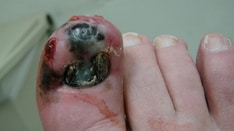
    • Cutaneous manifestations occur in 10-15% of cases and usually take the form of papules, pustules, nodules, ulcers, or draining sinuses.
    • Umbilicated papules in patients with AIDS may resemble molluscum contagiosum.
    • Cellulitis with necrotizing vasculitis is reported in patients who undergo organ transplantation.
    • Bone lesions develop in 5-10% of patients and are usually osteolytic or resemble cold abscesses. These lesions may be confused with tuberculosis or neoplasm.
    • Other less common forms of cryptococcosis include the following:

      • Myocarditis
      • Chorioretinitis
      • Hepatitis
      • Peritonitis
      • Renal abscess
      • Prostatitis
      • Myositis
      • Adrenal involvement
    • Prostatic foci may persist after therapy for CNS disease and may act as a reservoir for relapse in men with AIDS.

Physical

The physical findings of patients with cryptococcal infection primarily depend on the patient immune status prior to infection and the site or sites involved. Because the inflammatory responses to encapsulated cryptococci are blunted, tissues may be extensively involved before the patient presents for medical care; furthermore, the limited inflammatory response associated with the encapsulated yeast can result in mild clinical findings.

  • Pulmonary cryptococcosis

    • Although C neoformans most often infects patients via the pulmonary route, less than 15% of patients present with a clinical picture of pneumonia. On occasion, isolation of Cryptococcus from sputum may represent colonization rather than true infection.


    • One third of immunocompetent patients who develop pulmonary infection are asymptomatic or have symptoms so mild that they do not seek medical care.


    • When symptoms develop immunocompetent hosts, they include cough (54%), cough with the production of scant mucoid sputum (32%), and pleuritic chest pain (46%). Low-grade fever, dyspnea, weight loss, and malaise may also be present.


    • Night sweats, as observed in tuberculosis, are uncommon in cryptococcal pulmonary disease but may occur with disseminated or CNS disease.


    • In immunocompromised patients who do not have HIV infection, cryptococcal pulmonary infection is associated with an accelerated course, often with early dissemination. As many as 83% of these patients present with constitutional symptoms (eg, fever, malaise).


    • Patients co-infected with HIV and Cryptococcus present with fever (84%), cough (63%), dyspnea (50%), headache (41%), and weight loss (47%). Often, patients with co-infection have cryptococcal antigens and cultures that are positive in cerebrospinal fluid (CSF), blood, and urine. Any part of a lung may be involved, and infiltrates may be bilateral, unilateral, multilobar, or lobar.
       
  • CNS cryptococcosis

    • Although C neoformans enters the body via the lungs, the CNS is the main site of clinically evident infection in both immunocompetent and immunocompromised hosts. Following pulmonary infection, cryptococci disseminate widely and may infect any organ. The organs most often involved include the CNS, bones, prostate, eyes, and skin. Prior to the discovery of amphotericin B in 1955, 80% of patients with CNS involvement died within 2 years of diagnosis.


    • Cryptococcal CNS infections usually involve both the brain and meninges, causing diffuse disease. Immunocompetent hosts may present with either meningitis or focal cryptococcomas. Meningitis manifests with diffuse, nonfocal findings (eg, altered mental status, vomiting), whereas cryptococcomas often manifest with focal neurologic defects.
       
  • Cryptococcal skin infection

    • Approximately 10-15% of patients infected with C neoformans develop skin involvement. In immunocompetent hosts, the skin may be the only site of infection; however, immunosuppressed patients, especially those with AIDS, have skin involvement that must be considered evidence of disseminated disease.


    • Cutaneous lesions include nodules, ulcers, papules, and vasculitic lesions.
       
  • Cryptococcal osteomyelitis

    • Bone involvement is documented in 5-10% of patients with cryptococcal infection.


    • Bone lesions are usually osteolytic and may be misinterpreted as neoplastic lesions or osseous tuberculosis.
       
  • Other sites of cryptococcal infection

    • The eyes and prostate are often involved. Eye involvement often manifests as vision loss caused by optic neuritis or endophthalmitis. Rapid diagnosis and treatment are essential to preserve the patient's sight.


    • In men, eradication of cryptococci from the prostate is often difficult; furthermore, the prostate can act as a reservoir for relapse of systemic infections.
       
  • Other considerations

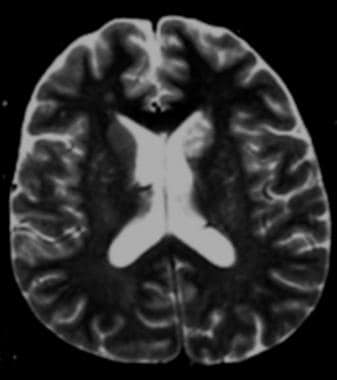
    • A CT scan or MRI in patients with cryptococcal infection may reveal diffuse atrophy or cerebral edema with focal, homogenous, or contrast-enhanced areas. These findings may help distinguish cryptococcal infection from other causes of intracranial mass lesions and infections.


    • Early cryptococcal meningitis may resemble other mycoses, syphilis, tuberculosis, or meningeal metastases. Do not confuse this condition with chronic meningitis caused by other infections or by noninfectious causes (eg, sarcoidosis, chronic benign lymphocytic meningitis).


    • Pulmonary findings may be indistinguishable from those of patients with acute pneumonia caused by Pneumocystis carinii, Mycobacterium tuberculous, Histoplasma capsulatum, or other organisms.


    • Cutaneous lesions are nonspecific and may be mistaken for a large variety of lesions related to other causes, including acne, syphilis, lipoma, tuberculosis, molluscum contagiosum, or basal cell carcinoma.


    • Bone lesions may be mistaken for tubercular cold abscess or neoplasm.

Causes

Infection with either C neoformans var neoformans or C neoformans var gattii causes cryptococcal disease. The most common pathogen of the genus Cryptococcus in immunocompromised patients is C neoformans var neoformans. The most common variety that causes disease in immunocompetent patients is C neoformans var gattii.


Acanthamoeba
Basal Cell Carcinoma
Histoplasmosis
Lipomas
Molluscum Contagiosum
Pneumocystis Carinii Pneumonia
Syphilis
Toxoplasmosis
Tuberculosis

Other Problems to be Considered

Following are other causes of intracranial mass lesions and infections:

Pyogenic abscess
Nocardial abscess
Aspergillus abscess
Hemorrhages
Lymphomas
Other neoplasms
Mycoses
Meningeal metastases
Chronic, benign lymphocytic meningitis
Mycobacterium tuberculous infection
Histoplasma capsulatum infection
Acne


Lab Studies

  • The physician establishes the diagnosis based on skin biopsy findings evaluated after fungal staining and culture.
  • Blood and CSF

    • Even with widespread disease, the routine laboratory tests (eg, leukocyte count, hematocrit, sedimentation rate) may yield normal results.
    • Conduct a CSF examination, which is essential in diagnosing CNS disease. Elevated opening pressure is associated with a poor prognosis. CSF glucose levels are depressed, the protein concentration is usually elevated, and the leukocyte counts are 20/µL or higher, with lymphocytes generally outnumbering neutrophils. CSF can be normal at times, as in cases involving patients with AIDS who are unable to mount an adequate inflammatory response or in persons with early asymptomatic infection.
    • Culturing Cryptococcus may be appropriate, even when the CSF profile is normal. In patients with an indolent waxing and waning course, CSF abnormalities may persist, indicating continued disease activity.
  • Smear and culture

    • An India ink preparation is commonly used with CSF to identify the organism and to support a presumptive diagnosis. If performed correctly, 25-50% of patients with cryptococcal meningitis show cryptococci.
    • Diagnosis depends on detecting the organism with culture; therefore, always confirm positive smears with cultures.
    • Culture centrifuged CSF specimens on 3 or more occasions to increase the yield.
    • Obtain urine and sputum cultures, even if renal or pulmonary disease is not clinically evident.
    • In patients with AIDS and with cryptococcal pneumonia, the culture sensitivity of bronchoalveolar lavage washings is better than that of transbronchial biopsy specimens.
    • Positive blood culture results indicate extensive infection, and the organism may be observed within peripheral leukocytes or bone marrow macrophages in these patients. Use the lysis-centrifugation method of blood culture, which is the most sensitive and rapid.
    • Whenever cryptococcosis occurs at any site, carefully search for lesions elsewhere, both inside and outside the CNS.
    • Pathogenic C neoformans can be primarily isolated by streaking clinical specimens on Sabouraud dextrose agar, with or without antibiotics for bacterial growth suppression. C neoformans grows at 37°C (98.6°F), assimilates inositol, produces urease, and does not produce mycelia on cornmeal agar. C neoformans also produces melanin when incubated on agar and contains seeds from the common weed Guizotia abyssinica.
  • Serology

    • Obtain a latex agglutination test to detect cryptococcal polysaccharide in serum or CSF, which is an extremely important adjunct to the diagnosis.
    • In patients with meningitis, detection of cryptococcal antigen has a sensitivity of 94.1% in CSF and a sensitivity of 93.6% in serum.  
    • Some clinicians use bronchoalveolar lavage fluid, pleural fluid, and urine specimens to obtain a cryptococcal antigen; however, these tests are not standardized.
    • Confirm positive test results by cultures before definitely diagnosing cryptococcosis.
    • Anticryptococcal antibodies do not have diagnostic significance, and low concentrations develop in a significant percentage of healthy people.
    • Newer tests include monoclonal antibody–based latex agglutination and enzyme immunoassays, but experience with these tests is limited.
  • Histopathology

    • In tissue specimens, C neoformans is difficult to observe with routine hematoxylin and eosin stains.
    • Use methenamine silver or periodic acid-Schiff stains to clearly demarcate C neoformans and to permit recognition of its characteristic shape and size, identifying it as a yeast-shaped organism that reproduces by the formation of narrow-based buds.
    • Other stains that can be used to identify C neoformans include the Mayer mucicarmine stain and Masson-Fontan silver stain.

Imaging Studies

  • Prior to performing a lumbar puncture, conduct CT scanning or MRI of the brain in patients who present with focal neurologic deficits or a history compatible with slowly progressive meningitis. If a mass lesion appears, do not perform a lumbar puncture to obtain spinal fluid; rather, consult a neurosurgeon for an alternative procedure.
  • In patients who are asymptomatic and immunocompetent, radiographic findings can include patchy pneumonitis, granulomas ranging from 2-7 cm, or miliary disease similar to that observed in persons with tuberculosis.

Procedures

  • Because of the neurotropism of C neoformans, perform a lumbar puncture in all patients with known or suspected cryptococcal disease. Most patients do not present with acute pyogenic meningitis; thus, the patient may undergo CT scan or MRI prior to a lumbar puncture. This procedure allows the physician to detect a mass lesion, which contraindicates a lumbar puncture. Both CT scanning and MRI can also reveal the presence of hydrocephalus caused by basilar meningitis. Once invasive cryptococcal disease is confirmed, initiate effective antifungal therapy.

Histologic Findings

In spinal fluid, urine, and tissue, pathogenic strains of C neoformans grow as round-to-oval yeast, surrounded by a polysaccharide capsule composed of mannose, xylose, and glucuronic acid. The yeast may be single or may have a single budding daughter cell. Cell size varies widely and ranges from 3.5-8 µm in diameter. Rarely, pseudohyphae develop.

Add India ink, which outlines the organisms by negative contrast, to easily identify the yeast cells in fluids or macerated tissue samples. In fixed tissue, the capsule of C neoformans also may be stained with mucicarmine, which preferentially stains mucopolysaccharides. Stain tissue sections with the Fontana-Masson stain to detect melanin precursors in the yeast cell wall, which is also useful in differentiating C neoformans from other yeasts.


Medical Care

  • Infection categories

    • These include (1) pulmonary cryptococcosis in immunocompetent hosts, (2) pulmonary cryptococcosis in immunosuppressed hosts, (3) CNS cryptococcosis, and (4) disseminated nonpulmonary non-CNS cryptococcosis.
    • Although pulmonary cryptococcosis resolves without specific therapy in most immunocompetent patients, patients with infections who fall under the remaining 3 categories require antifungal therapy.
    • In patients who are co-infected with HIV and C neoformans, the therapeutic goal may differ from that in patients with cryptococcal infection uncomplicated by HIV infection. For cryptococcal infections in patients with concomitant HIV infection without a CD4 count of greater than 100 cells/μL, the therapeutic goal is to control the acute infection, followed by life-long suppression of C neoformans. For patients infected with HIV with a CD4 count of greater than 100-200 CD4 cells/μL, suppressive therapy may be safe to discontinue as long as their CD4 counts do not fall below 100 CD4 cells/μL. For patients with cryptococcal disease not complicated by HIV infection, the therapeutic goal is to achieve a permanent cure of the fungal infection.
  • Patients with AIDS

    • Patients who have AIDS and cryptococcal meningitis account for more than 80% of the patients with cryptococcosis. Many authorities now recommend an initial aggressive treatment course.
    • Initially, administer amphotericin B at 0.7-1 mg/kg/d for 2 weeks, with or without 2 weeks of flucytosine at 100 mg/kg/d, followed by fluconazole at 400 mg/d for a minimum of 10 weeks.
    • Follow the initial therapy with maintenance therapy by administering fluconazole at 200-400 mg/d for life. A recent study of patients in the maintenance treatment phase demonstrated that itraconazole is inferior to fluconazole. The same study showed that no clear benefits are evident after adding flucytosine to the 2-week initial course of amphotericin B.
    • Although earlier guidelines suggested that life-long suppressive therapy with oral fluconazole was considered superior to therapy with weekly amphotericin B given as 1 mg/kg intravenously 1-3 times per week, more recent guidelines indicate that patients with AIDS who regain and maintain a CD4 count of more than 100-200 cells/μL for 6 months or more may safely discontinue suppressive therapy for adequately treated and asymptomatic cryptococcal infection.
    • CSF pressure should be monitored during the initial phase of therapy, and elevated pressures should be controlled by therapeutic CSF removal. Although repeat lumbar puncture was once recommended in all patients 2 weeks after the initiation of therapy to ensure that CSF cultures are responding, forgoing further spinal taps in patients who have normal neurologic function and no other evidence of inadequately treated cryptococcal infection is now considered acceptable.
    • Some have proposed an alternative initial therapy of fluconazole plus flucytosine for 6 weeks, followed by life-long fluconazole maintenance therapy. However, pilot studies have indicated that initial therapy with fluconazole and flucytosine is not as reliably effective as therapy that includes amphotericin B during the initial phase. Furthermore, the combination of flucytosine plus fluconazole has significant toxicity.
  • Patients without AIDS

    • Administering amphotericin B alone or in combination with flucytosine may provide the appropriate therapy. Amphotericin B can be administered alone for 6-10 weeks or in conjunction with flucytosine for 2 weeks, followed by fluconazole for a minimum of 10 weeks.
    • Base therapy duration on CSF examination results.
    • Consider examining the patient's CSF weekly until culture conversion is documented and cultures remain negative for 4 weeks. In most cases, 6-10 weeks of therapy is adequate.
    • At the end of therapy, most patients have CSF glucose without abnormalities, but protein abnormalities may persist for years; therefore, do not allow this to dictate prolonging therapy.
    • Positive cultures persist or recur during active antifungal therapy in some patients.
    • The prostate may represent a sequestered focus of infection in men with recurrent disease.
  • Pulmonary cryptococcosis

    • Most of these patients do not have concomitant immunosuppression or immunodeficiency; therefore, their condition may resolve without antifungal therapy.
    • Observing the patient and not administering antifungal therapy can be the plan as long as the CSF chemistry parameters are normal, the CSF culture and serology results are negative, urine culture results are negative, the lesion is small and stable or shrinking, and the patient has no predisposing conditions for disseminated disease.
    • For mild-to-moderate cryptococcal pulmonary disease, the National Institute of Allergy and Infectious Diseases Mycoses Study Group (NIAID-MSG) recommends fluconazole for 6-12 months, itraconazole for 6-12 months, or amphotericin B (see "Study Shows Promise of Fluconazole for Treatment of AIDS-Related Cryptococcal Meningitis").
    • For severe pulmonary disease, the NIAID-MSG recommends the following treatment for CNS disease: amphotericin B (0.7-1 mg/kg/d) plus flucytosine (100 mg/kg/d) for 6-10 weeks. Alternatively, amphotericin B plus flucytosine in the above doses can be administered for 2 weeks, followed by fluconazole at 400 mg/kg/d for at least 10 weeks. Some physicians recommend further consolidation therapy for 6-12 months.
  • Treatment of extraneural, nonpulmonary disease

    • For patients without AIDS, treat cryptococcal lesions of the skin, bones, or other organs with amphotericin B plus flucytosine or with amphotericin B alone. All patients with evidence of cryptococcal infection undergo lumbar puncture to ensure the absence of CNS infection.
    • Surgical therapy is unnecessary in most cases.
  • Medications

    • The drug of choice (DOC) for initial therapy in disseminated or CNS cryptococcosis is amphotericin B. Amphotericin B may be used alone or in combination with flucytosine. Amphotericin B has a rapid onset of action and often leads to clinical improvement more rapidly than either intravenous or oral fluconazole. Because amphotericin B is nephrotoxic, monitor renal function carefully throughout its administration. Amphotericin B administered as a continuous infusion over 24 hours appears to have significantly less nephrotoxicity than the same doses administered over a 6- to 8-hour period. Lipid formulations (eg, lipid complexes), liposome-associated amphotericin B, or amphotericin B colloidal dispersion may be used in patients who do not respond to amphotericin B desoxycholate or who cannot tolerate its adverse effects, including nephrotoxicity.
    • Other preparations of amphotericin B include liposomal amphotericin B (AmBisome), amphotericin B lipid complex (Abelcet), amphotericin B cholesteryl complex (Amphotec), and amphotericin B colloidal dispersion (Amphocin). None of these alternative forms of amphotericin B is superior to standard nonlipid amphotericin B, and they all cost much more. The lipid preparations may have an advantage in sparing renal function, but they may be associated with higher relapse rates than amphotericin B desoxycholate. When used properly, standard amphotericin B–associated elevations in serum creatinine and BUN levels usually return to normal after therapy is completed.
    • Flucytosine is unreliable if used alone, and resistance develops rapidly; in cryptococcal disease, administer this drug in conjunction with amphotericin B. Data on the use of fluconazole plus flucytosine are limited, but some investigators use this combination. If flucytosine is used with amphotericin B, serum concentrations of flucytosine should be kept in the range of 25-100 mcg/mL to reduce the risk of gastrointestinal toxicity and bone marrow suppression. The latter often precludes its use in patients with AIDS and cryptococcal disease.
    • Do not use currently available azoles (ketoconazole and itraconazole) in the initial treatment of disseminated or CNS cryptococcal disease. Azoles do not cross the blood-brain barrier adequately, and their onset of action is slower than amphotericin B.
    • Fluconazole is a bis-triazole that differs from other azoles by the substitution of a triazole group for the imidazole group. Because of the triazole substitution, fluconazole is water soluble and easily absorbed from the gut. Intravenous fluconazole can be used in early or mild disease; then, change to oral fluconazole in the same dose for 10 weeks to 2 years.
    • Data regarding relapse with fluconazole are limited. Intravenous fluconazole may be administered to patients with cryptococcal meningitis, but its onset of action can be prolonged compared with that of amphotericin B; however, in patients with AIDS and cryptococcal meningitis, oral fluconazole provides excellent long-term therapy once amphotericin B has controlled the acute meningitis. Furthermore, fluconazole enters the prostate better than amphotericin B and can eradicate cryptococcal infection at this site. Control of prostatic foci of cryptococcal yeast is important because relapses may occur if this site is not adequately treated.
    • Presently available echinocandins are not active against Cryptococcus species and should not be used.

Surgical Care

Rarely, patientp develop complete obstruction of the ventricles and require a CSF shunt to relieve intracranial pressure.

Consultations

Consultation with infectious disease specialists can help in the treatment of patients with invasive cryptococcal infections that require antifungal therapy with either amphotericin B or fluconazole.


The goal of pharmacotherapy is either to terminate the infection when possible or to control the infection and to reduce morbidity when cure is not possible.

Drug Category: Antifungal agents

The mechanism of action of antifungal agents differs by agent and may involve an alteration of RNA of DNA metabolism, allow for an intracellular accumulation of peroxide that is toxic to the fungal cells, or allow for intracellular potassium to be lost while intracellular sodium levels increase.

Drug NameAmphotericin B (Amphocin, Fungizone)
DescriptionBecause of its rapid onset of action, this is the DOC for cryptococcal meningitis. Antifungal activity results from its ability to insert itself into fungal cytoplasmic membrane at sites that contain ergosterol or other sterols. Aggregates accumulate at sterol sites, resulting in an increase in cytoplasmic membrane permeability to monovalent ions (eg, potassium, sodium). At low concentrations, main effect is increased intracellular loss of potassium, resulting in reversible fungistatic activity; however, at higher concentrations, pores of 40-105 nm are produced in cytoplasmic membrane, leading to large losses of ions and other molecules. A second effect is its ability to cause auto-oxidation of cytoplasmic membrane and release of lethal free radicals. Main fungicidal activity may reside in its ability to cause auto-oxidation of cell membranes.
If therapy is supplemented by oral flucytosine, therapy can be used until the patient is afebrile and alert and spinal fluid cultures are negative for 6 wk; then, patient can be placed on fluconazole.
Adult DosePatients with AIDS: 0.7-1 mg/kg/d or amphotericin B given IV plus oral flucytosine 100 mg/kg/d for 2 wk, followed by fluconazole 400 mg/d for at least 10 wk; the patient is then treated with fluconazole 200 mg/d for life
Immunocompetent patients with cryptococcal CNS disease: 0.7-1 mg/kg/d plus flucytosine 100 mg/kg/d for 6-10 wk; alternatively, same doses of amphotericin B and flucytosine for 2 wk, followed by fluconazole 400 mg/d for at least 10 wk (some continue 6-12 mo)
Pediatric Dose0.7-1 mg/kg IV
ContraindicationsDocumented hypersensitivity
InteractionsAntineoplastic agents may enhance potential for renal toxicity, bronchospasm, and hypotension; corticosteroids, digitalis, and thiazides may potentiate hypokalemia; risk of renal toxicity increased with cyclosporine.
PregnancyB - Usually safe but benefits must outweigh the risks.
PrecautionsHypokalemia and total body depletion of potassium can occur in patients with normal renal function; adjust doses to prevent associated renal failure; mild-to-moderate elevations of serum creatinine levels are common and reversible; renal dysfunction is dose dependent; monitor renal function, serum electrolytes (eg, magnesium, potassium), liver function, CBC count, and hemoglobin concentrations; resume therapy at lowest level (eg, 0.25 mg/kg) when therapy is interrupted for >7 d; hypoxemia, acute dyspnea, and interstitial infiltrates may occur in patients who are neutropenic and receiving leukocyte transfusions (separate time of amphotericin infusion from time of leukocyte transfusion)

Drug NameFlucytosine (Ancobon)
DescriptionMetabolized to fluorouracil after penetrating fungal cells. Inhibits RNA and protein synthesis. Active against Candida and Cryptococcus species and generally used in combination with amphotericin B. Always use with another active antifungal agent (eg, amphotericin B).
Adult Dose100-150 mg/kg/d PO divided qid
Combination with amphotericin B: 100 mg/kg/d PO or 25-37.5 mg/kg PO q6h
Pediatric Dose50-100 mg/kg/d PO divided qid
ContraindicationsDocumented hypersensitivity
InteractionsSynergistic with amphotericin B and fluconazole against C neoformans; cytosine may inactivate flucytosine
PregnancyC - Safety for use during pregnancy has not been established.
PrecautionsCan cause leukopenia and thrombocytopenia, usually at levels of 125 mcg/mL or higher; nausea and vomiting, skin rashes, and photosensitivity can occur; adjust dose in renal impairment; do not use as monotherapy

Drug NameFluconazole (Diflucan)
DescriptionAn antifungal agent active against many yeast and dimorphic fungi. In general, has poor activity against molds and filamentous fungi. Selectively inhibits fungal cytochrome P-450 and sterol C-14-alpha demethylation.
Adult DoseOropharyngeal candidiasis loading dose: 200 mg PO/IV, then 100 mg PO/IV qd for at least 14 d
Cryptococcal infection loading dose: 400 mg PO/IV, then 200-400 mg PO/IV qd
Resistant infections: 800-1600 mg/d has been used by some investigators
Combination with amphotericin B: 400 mg/d PO/IV for 10 wk
Pediatric DoseTherapeutic dose: 12 mg/kg/d PO/IV; not to exceed 600 mg/d
Suppressive dose: 3-6 mg/kg/d PO/IV
Premature neonates: 3-6 mg/kg/d PO/IV q72h
Combination with amphotericin B: 6 mg/kg/d
ContraindicationsDocumented hypersensitivity
InteractionsLevels may increase with hydrochlorothiazides; levels may decrease with long-term coadministration of rifampin; may increase concentrations of theophylline, phenytoin, tolbutamide, cyclosporine, glyburide, and glipizide; effects of anticoagulants may increase with coadministration
PregnancyC - Safety for use during pregnancy has not been established.
PrecautionsEnsure that patients receiving warfarin undergo frequent PT assays to prevent bleeding caused by a prolonged PT; ensure that patients on phenytoin have serum levels checked to prevent toxicity caused by a fluconazole-associated reduction in phenytoin metabolism; monitor closely if rashes develop and discontinue drug if lesions progress; may cause clinical hepatitis, cholestasis, and fulminant hepatic failure (including death) with underlying medical conditions (eg, AIDS) or a malignancy and while taking multiple concomitant medications; not recommended for nursing mothers; convenience and efficacy of single-dose regimen for treatment of vaginal yeast infections should be weighed against difficulties resulting from higher prevalence of adverse reactions reported with oral fluconazole versus intravaginal agents


Further Inpatient Care

  • Provide immediate care of invasive cryptococcal infections in the hospital.
  • Because cryptococcal infections may have a rapid onset, administer amphotericin B desoxycholate with or without the addition of flucytosine to patients with CNS involvement, disseminated disease, or invasive pulmonary disease.
  • Carefully perform a lumbar puncture in patients who do not have symptomatic CNS disease but who do have invasive pulmonary or disseminated disease.
  • Measure opening and closing pressures and send CSF for an India ink preparation, stains, and cultures for fungi, mycobacteria, and cryptococcal antigen. In addition, obtain spinal fluid cell counts and glucose and protein concentrations.
  • After the patient demonstrates significant improvement, consider switching to intravenous or oral fluconazole. Although amphotericin B lipid complex does not appear as reliable as amphotericin B desoxycholate in patients with cryptococcal meningitis, amphotericin B liposome is approved for patients with cryptococcal disease who do not respond to or tolerate amphotericin B desoxycholate.

Further Outpatient Care

  • Following control of acute life-threatening cryptococcal infection, consider continuing outpatient therapy with intravenous amphotericin B, oral fluconazole, or oral itraconazole (if no evidence of CNS disease is present). Itraconazole does not cross the blood-brain barrier well; therefore, do not use it as initial therapy in patients with cryptococcal disease or in patients with known or suspected CNS involvement.
  • Following initial therapy with amphotericin B, maintenance therapy with itraconazole is still less effective than with fluconazole. A new oral solution of itraconazole is available and has improved bioavailability compared with the capsules.

In/Out Patient Meds

  • Amphotericin B desoxycholate is the DOC for initial therapy of cryptococcal infection. This drug has a faster onset of action than fluconazole (even when fluconazole is administered intravenously) and crosses the blood-brain barrier more reliably than the azoles (eg, itraconazole, ketoconazole).
  • Lipid preparations of amphotericin B are very expensive and, although less nephrotoxic, are not more effective. Further, giving the daily dose of amphotericin B desoxycholate as a continuous infusion over 24 hours instead of 4-8 hours significantly reduces its nephrotoxicity.

Transfer

  • Once stable, patients with cryptococcal meningitis or disseminated cryptococcal disease can be considered for transfer to a facility where they can receive their therapy closer to their families.
  • If a patient's condition continues to deteriorate while on appropriate medical therapy, consider transferring the patient to a facility with neurosurgical and infectious disease support. Some patients may benefit from a reduction in intracranial pressure by placement of a shunt or other device.

Deterrence/Prevention

  • The principal vector of C neoformans var neoformans is the pigeon, Columba livia. Pigeons contaminate their roosts with their excreta, which provides the high-nitrogen, high-salt, alkaline environment conducive to the growth of C neoformans var neoformans. Because of their high regular temperature (42°C [107.6°F]), pigeons rarely infect themselves; however, cryptococci do survive gut transport through the pigeon's intestines. Pigeon excreta contaminated with cryptococci may remain infectious for up to 2 years; thus, the principal method of prevention of infection with C neoformans var neoformans is to avoid contact with areas inhabited by pigeons.
  • Unlike C neoformans var neoformans, C neoformans var gattii is not associated with pigeon excreta. The distribution of C neoformans var gattii is tropical and subtropical and is associated with exposure to the river red gum tree (ie, E camaldulensis) and the forest red gum tree (ie, E tereticornis). During the flowering seasons, from November to February, the organism contaminates the air surrounding these tree species. Preventing exposure to an environment containing flowering eucalyptus trees may reduce the likelihood of infection; however, epidemiologic evidence indicates that eucalyptus trees are not the sole source of environmental exposure.

Complications

  • In patients with AIDS and other causes of immunosuppression who are infected with C neoformans var neoformans, cure often is impossible and patients require life-long suppressive therapy.
  • In immunocompromised patients, the overall mortality rate following treatment of cryptococcal meningitis is approximately 25-30%. Of those who survive, 40% have significant neurological deficits, including loss of vision, decreased mental function, hydrocephalus, and cranial nerve palsies. Relapse occurs in 20-25% of patients.

Prognosis

  • With early diagnosis, infections from cryptococcal organisms, including CNS and disseminated infections, are usually amenable to therapy. In patients with no demonstrable immunosuppression, amphotericin B therapy, with or without flucytosine, is effective in controlling or terminating infection in 70-75% of patients.
  • In patients with AIDS, amphotericin B can usually control the disease, but life-long suppression with fluconazole is usually required to prevent relapse.

Patient Education

  • Presently, patients with AIDS or HIV infection constitute the population at greatest risk for cryptococcal disease.
  • Alert patients with HIV infection or AIDS to seek early medical attention if they begin to have experience severe headaches or other neurological symptoms. This may allow treatment of cryptococcal disease, if present, before permanent damage occurs.
  • For excellent patient education resources, visit eMedicine's Brain and Nervous System Center. Also, see eMedicine's patient education article Brain Infection.


Medical/Legal Pitfalls

  • Failure to diagnose C neoformans CNS infection early enough to avoid disease progression (ie, because of the nonspecific nature of symptoms): This condition can manifest as a fever of undetermined origin, with chronic headaches, mental confusion, stroke syndrome, intracranial mass, or meningitis.  
  • Failure to consider cryptococcosis, mycobacterial infections, and other fungal infections in any patient with a fever of undetermined origin or new neurologic findings that are unexplained  
  • Failure to include cryptococcal disease as a diagnostic possibility because the patient is afebrile or has minimal fever.

Special Concerns

  • Elderly patients require close monitoring of their renal function, electrolytes (especially serum potassium), and blood cell counts while they are taking amphotericin B, with or without flucytosine.
  • The principal vector of C neoformans var neoformans is the pigeon; removing roosts near human dwellings can help avoid disease.


  1. Speed B, Dunt D. Clinical and host differences between infections with the two varieties of Cryptococcus neoformans. Clin Infect Dis. Jul 1995;21(1):28-34; discussion 35-6. [Medline].
  2. Lewis JL, Rabinovich S. The wide spectrum of cryptococcal infections. Am J Med. Sep 1972;53(3):315-22. [Medline].
  3. Anderson DJ, Schmidt C, Goodman J, Pomeroy C. Cryptococcal disease presenting as cellulitis. Clin Infect Dis. Mar 1992;14(3):666-72. [Medline].
  4. Benson CA, Kaplan JE, Masur H. Treating Opportunistic Infections Among HIV-Infected Adults and Adolescents: Recommendations from DCD, the National Institutes of Health, and the HIV Medicine Association/Infectious Diseases Society of America. [Full Text].
  5. Buschke A. Ueber eine durch Coccidien Hervergerufene Krankheit des menschen. Deutsche Med. Wochenschr. 1895;21 (3):14.
  6. Busse O. Ueber parasitare zelleninschlusse und ihre zuchtung. Zentralbl. Bakterial. 1894;16:175-80.
  7. Chuck SL, Sande MA. Infections with Cryptococcus neoformans in the acquired immunodeficiency syndrome. N Engl J Med. Sep 21 1989;321(12):794-9. [Medline].
  8. Dykstra MA, Friedman L, Murphy JW. Capsule size of Cryptococcus neoformans: control and relationship to virulence. Infect Immun. Apr 1977;16(1):129-35. [Medline].
  9. Ellis DH, Pfeiffer TJ. Natural habitat of Cryptococcus neoformans var. gattii. J Clin Microbiol. Jul 1990;28(7):1642-4. [Medline].
  10. Friedman GD, Jeffrey Fessel W, Udaltsova NV, Hurley LB. Cryptococcosis: the 1981-2000 epidemic. Mycoses. Mar 2005;48(2):122-5. [Medline].
  11. Graybill JR, Sobel J, Saag M, et al. Diagnosis and management of increased intracranial pressure in patients with AIDS and cryptococcal meningitis. The NIAID Mycoses Study Group and AIDS Cooperative Treatment Groups. Clin Infect Dis. Jan 2000;30(1):47-54. [Medline].
  12. Hayashi Y, Ito G, Takeyama S. [Clinical study on fluconazole (FLCZ) in the treatment of primary pulmonary cryptococcosis]. Kansenshogaku Zasshi. Dec 1998;72(12):1261-8. [Medline].
  13. Hoban DJ, Zhanel GG, Karlowsky JA. In vitro susceptibilities of Candida and Cryptococcus neoformans isolates from blood cultures of neutropenic patients. Antimicrob Agents Chemother. Jun 1999;43(6):1463-4. [Medline].
  14. Klepser ME, Wolfe EJ, Pfaller MA. Antifungal pharmacodynamic characteristics of fluconazole and amphotericin B against Cryptococcus neoformans. Journal of Antimicrobial Chemotherapy. 1998;41(3):397-401. [Medline].
  15. Kralovic SM, Rhodes JC. Utility of routine testing of bronchoalveolar lavage fluid for cryptococcal antigen. Journal of Clinical Microbiology. 1998;36(10):3088-9. [Medline].
  16. Levitz SM. The ecology of Cryptococcus neoformans and the epidemiology of cryptococcosis. Rev Infect Dis. Nov-Dec 1991;13(6):1163-9. [Medline].
  17. Mitchell TG, Perfect JR. Cryptococcosis in the era of AIDS--100 years after the discovery of Cryptococcus neoformans. Clin Microbiol Rev. Oct 1995;8(4):515-48. [Medline].
  18. Mitchell AP. Cryptococcal virulence: beyond the usual suspects. J Clin Invest. Jun 2006;116(6):1481-3. [Medline][Full Text].
  19. Morris MI, Villmann M. Echinocandins in the management of invasive fungal infections, Part 2. Am J Health Syst Pharm. Oct 1 2006;63(19):1813-20. [Medline][Full Text].
  20. National Institute of Allergy and Infectious Diseases, National Institutes of Health. Study Shows Promise of Fluconazole for Treatment of AIDS-Related Cryptococcal Meningitis. Available at: http://www.aegis.com/pubs/Cdc_Fact_Sheets/1993/CDC93043.html. Atlanta, Ga: Centers for Disease Control and Prevention; 1992[Full Text].
  21. Nielsen K, Cox GM, Wang P, et al. Sexual cycle of Cryptococcus neoformans var. grubii and virulence of congenic a and alpha isolates. Infect Immun. Sep 2003;71(9):4831-41. [Medline].
  22. Powderly WG, Saag MS, Cloud GA, et al. A controlled trial of fluconazole or amphotericin B to prevent relapse of cryptococcal meningitis in patients with the acquired immunodeficiency syndrome. The NIAID AIDS Clinical Trials Group and Mycoses Study Group. N Engl J Med. Mar 19 1992;326(12):793-8. [Medline].
  23. Rittershaus PC, Kechichian TB, Allegood JC, Merrill AH Jr, Hennig M, Luberto C. Glucosylceramide synthase is an essential regulator of pathogenicity of Cryptococcus neoformans. J Clin Invest. Jun 2006;116(6):1651-9. [Medline][Full Text].
  24. Robinson PA, Bauer M, Leal MA, et al. Early mycological treatment failure in AIDS-associated cryptococcal meningitis. Clinical Infectious Diseases. 1999;28(1):82-92. [Medline].
  25. Saag MS, Graybill RJ, Larsen RA, Pappas PG, Perfect JR, Powderly WG. Practice guidelines for the management of cryptococcal disease. Infectious Diseases Society of America. Clin Infect Dis. Apr 2000;30(4):710-8. [Medline].
  26. Saag MS, Powderly WG, Cloud GA, et al. Comparison of amphotericin B with fluconazole in the treatment of acute AIDS-associated cryptococcal meningitis. The NIAID Mycoses Study Group and the AIDS Clinical Trials Group. N Engl J Med. Jan 9 1992;326(2):83-9. [Medline].
  27. Selik RM, Chu SY, Ward JW. Trends in infectious diseases and cancers among persons dying of HIV infection in the United States from 1987 to 1992. Ann Intern Med. Dec 15 1995;123(12):933-6. [Medline].
  28. Singh N, Alexander BD, Lortholary O, Dromer F, Gupta KL, John GT, et al. Cryptococcus neoformans in Organ Transplant recipients: Impact of Calcineurin-Inhibitor Agents on Mortality. Journal of Infectious Diseases. March/2007;195:756-764. [Medline].
  29. Sundstrom JB, Cherniak R. T-cell-dependent and T-cell-independent mechanisms of tolerance to glucuronoxylomannan of Cryptococcus neoformans serotype A. Infect Immun. Apr 1993;61(4):1340-5. [Medline].
  30. Torres HA, Prieto VG, Raad II, Kontoyiannis DP. Proven pulmonary cryptococcosis due to capsule-deficient Cryptococcus neoformans does not differ clinically from proven pulmonary cryptococcosis due to capsule-intact Cr. neoformans. Mycoses. Jan 2005;48(1):21-4. [Medline].
  31. van der Horst CM, Saag MS, Cloud GA, et al. Treatment of cryptococcal meningitis associated with the acquired immunodeficiency syndrome. National Institute of Allergy and Infectious Diseases Mycoses Study Group and AIDS Clinical Trials Group. N Engl J Med. Jul 3 1997;337(1):15-21. [Medline].
  32. Voss A, de Pauw BE. High-dose fluconazole therapy in patients with severe fungal infections. Eur J Clin Microbiol Infect Dis. Mar 1999;18(3):165-74. [Medline].

Cryptococcosis excerpt

Article Last Updated: Jun 15, 2007