Continually Updated Clinical Reference
 
 
  All Sources     eMedicine     Medscape     Drug Reference     MEDLINE
 
eMedicine - Testicular Trauma : Article by

Quick Find
Authors & Editors
Introduction
Indications
RELEVANT ANATOMY
Contraindications
Workup
Treatment
Complications
Outcome And Prognosis
Acknowledgments
Multimedia
References


Patient Education
Men's Health Center

Testicular Pain Overview

Testicular Pain Causes

Testicular Pain Symptoms

Testicular Pain Treatment


Author: Richard A Santucci, MD, FACS, Chief of Urology, Detroit Receiving Hospital; Specialist-in-Chief of Urology, Detroit Medical Center; Chief of Urologic Trauma Surgery, Sinai Grace Hospital; Director, The Center for Urologic Reconstruction

Richard A Santucci is a member of the following medical societies: American College of Surgeons, American Urological Association, and Société Internationale d'Urologie (International Society of Urology)

Coauthor(s): Benjamin S Battino, MD, Consulting Staff, Urology Specialists of Wisconsin; Ryan P Terlecki, MD, Staff Physician, Department of Urology, Wayne State University Health Center

Editors: Gamal Mostafa Ghoniem, MD, FACS, Fellowship Program Director, Clinical Professor of Surgery, Head, Section of Voiding Dysfunction, Female Urology and Reconstruction, Cleveland Clinic Florida; Francisco Talavera, PharmD, PhD, Senior Pharmacy Editor, eMedicine; Shlomo Raz, MD, Professor, Department of Surgery, Division of Urology, University of California at Los Angeles School of Medicine; J Stuart Wolf, Jr, MD, FACS, David A Bloom Professor of Urology, Director, Division of Minimally Invasive Urology, Department of Urology, University of Michigan Medical Center; Stephen W Leslie, MD, FACS, Founder and Medical Director of the Lorain Kidney Stone Research Center, Clinical Assistant Professor, Department of Urology, Medical College of Ohio

Author and Editor Disclosure

Synonyms and related keywords: testicular trauma, scrotum, scrotal trauma, penile injury, testicular rupture, ruptured testicle, ruptured testis, scrotal hematoma, testicular hematoma, blunt testicular trauma, penetrating testicular trauma, degloving testicular trauma, fractured testis, testicular fracture, tunica albuginea, tunica vaginalis, scrotal pain, testicle, testicles, testis, testes, testicular dislocation, genital mutilation, spermatogenesis, penetrating testicular injury, blunt testicular injury, hematocele, epididymitis, orchiopexy, orchiotomy, orchiectomy, testicular torsion, testicular atrophy

Despite the vulnerable position of the testicles, testicular trauma is relatively uncommon. Mobility of the scrotum may be one reason severe injury is rare. Given the importance of preserving fertility, traumatic injuries of the testicle deserve careful attention.

Testicular injuries can be divided into 3 broad categories based on the mechanism of injury. These categories include (1) blunt trauma, (2) penetrating trauma, and (3) degloving trauma. Injuries are typically seen in males aged 15-40 years.

A thorough history and detailed physical examination are essential for an accurate diagnosis. Scrotal ultrasound with Doppler flow evaluation is particularly helpful in determining the nature and extent of injury. This is especially true in blunt trauma cases, given the difficulty of scrotal examination and the repercussions of missing a testicular rupture. The sensitivity and specificity of ultrasound in this situation has been reported to be 93.5% and 100%, respectively.

Penetrating testicular trauma usually requires scrotal exploration to determine the severity of testicular injury, to assess the structural integrity of the testis, and to control intrascrotal hemorrhage. If the tunica albuginea is violated, early surgical exploration, debridement, and closure of the tunica albuginea are necessary.

Blunt injuries are encountered more often than penetrating injuries and are usually unilateral, whereas penetrating injuries involve both testes in a third of cases. Most cases of blunt trauma to the testicles are minor and usually require only conservative therapy. However, in one study, Buckley and McAninch (2006) reported that 46% of patients presenting with blunt scrotal trauma underwent surgical exploration and were found to have rupture of the tunica albuginea.1 Operative indications for blunt trauma include suspicion of rupture, expanding hematomas, dislocation refractory to manual reduction, avulsion, and scrotal degloving.

Problem

Testicular trauma is defined as any injury sustained by the testicle. Types of injuries include blunt, penetrating, or degloving.

Blunt trauma refers to injuries sustained from objects applied with any significant force to the scrotum and testicles. This can occur with various types of activity. Examples include a kick to the groin or a baseball injury. A report even exists of testicular rupture from a paint ball injury.2 Also, one study reported an increased incidence of testicular calcifications in extreme mountain bikers over nonbikers, suggesting repeated testicular trauma in these individuals.3

Penetrating trauma refers to injuries sustained from sharp objects or high-velocity missiles. Examples include gunshot and stab wounds.

Degloving injuries (or avulsion injuries) are less common. With these, scrotal skin is sheared off, for example, when a testicle becomes trapped in heavy machinery.

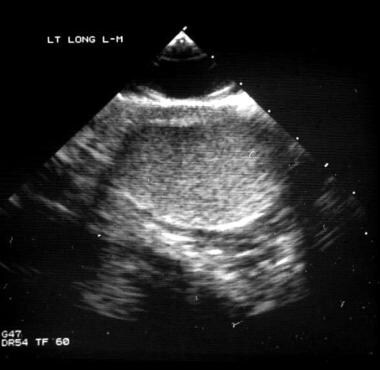
Testicular rupture or fractured testis refers to a rip or tear in the tunica albuginea resulting in extrusion of the testicular contents (see Image 2).

Testicular dislocation is an uncommon and sometimes easily overlooked event that refers to a testis that has been relocated from its orthotopic position to another location secondary to blunt trauma. Indirect inguinal hernias and atrophic testicles may be predisposing factors. Most cases are the result of motorcycle crashes, and one third involve both testicles. Possible routes include superficial inguinal, pubic, preputial, acetabular, canalicular, penile, intra-abdominal, retrovesical, perineal, and crural dislocations. Diagnosis should be followed by early treatment in the form of manual closed reduction and surgical fixation if closed reduction is unsuccessful.

Genital self-mutilation is another potential source of testicular trauma. The offending patient is often psychotic, although nonpsychotic patients practicing autoeroticism and motivated yet desperate transsexuals may find themselves requiring an urgent urologic consultation. Most cases of genital self-mutilation involve men castrating themselves. If the patients seek care promptly and the testicles are vital, reimplantation may be considered.

Frequency

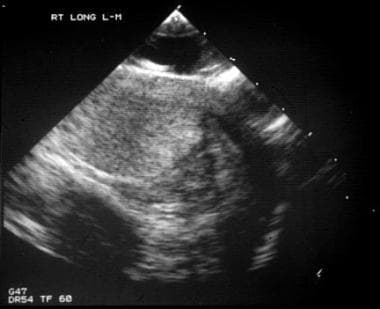
Testicular trauma is relatively uncommon. Blunt trauma accounts for approximately 85% of cases, and penetrating trauma accounts for 15%. As many as 80% of hematoceles (blood in the tunica vaginalis) are associated with testicular rupture (see Image 3).

Blunt testicular injuries can be managed either medically or surgically, depending on the clinical presentation. Early surgical intervention for blunt trauma is associated with higher salvage rates (94% vs 79%).

Testicular dislocation is seen in less than 0.5% of cases of abdominal trauma. One retrospective review of emergency department records found that all instances were missed initially, even with CT demonstrating an empty scrotum and displaced testis. The average delay in diagnosis was 19 days.4

Etiology

The most common cause of blunt testicular trauma is sports injuries. For example, a study of rugby players in Australia and New South Wales from 1980 to 1993 revealed 14 players with testicular injuries, with the most unfortunate losing both testicles. However, the risk of sports-related testicular injury in American children is likely less than previously suspected. Wan et al (2003) reviewed the National Pediatric Trauma Registry for all 50 states and referenced commonly played contact sports. Of 5,439 reported sports injuries, there were no reported testicular injuries.5 The American Academy of Pediatrics Committee on Sports Medicine and Fitness gives an "unqualified yes" to the question of whether or not a boy with only one testicle can play sports. Protective cups may be required in some instances.

The second most common cause of testicular trauma is a kick to the groin. Less common etiologies include motor vehicle accidents, falls, and straddle injuries.

The most common cause of penetrating testicular injuries is a gunshot wound to the genital area. Other causes include stab wounds, self-mutilation, animal bites (usually dog), and emasculation.

The most common cause of degloving testicular injuries is accidents incurred while operating heavy machinery (eg, industrial or farming accidents).

Pathophysiology

The testis is enveloped by layers of white fibrous connective tissue called the tunica vaginalis and the tunica albuginea (see Image 1). The tunica albuginea is the visceral layer that covers the testis, and the tunica vaginalis is the parietal layer that lines the hydrocele sac.

The tunica albuginea is the layer that is violated during a testicular rupture. Approximately 50 kg of force is required to rupture the testicle. A tear in the tunica albuginea leads to extrusion of the seminiferous tubules and allows an intratesticular hemorrhage to escape into the tunica vaginalis. This is referred to as a hematocele. Disruption of the tunica vaginalis or extension to the epididymis leads to bleeding into the scrotal wall, resulting in a scrotal hematoma.

Two factors allow testes to be protected from minor external trauma. First, a thin layer of serous fluid (ie, physiologic hydrocele) separates the tunica albuginea from the tunica vaginalis and allows the testis to slide freely within the scrotal sac. Second, the testes are suspended within the scrotum by the spermatic cord, allowing them to move freely within the genital area. In cases of penetrating trauma or severe blunt trauma, these protective features are insufficient to prevent injury to the testis proper.

Clinical

Patients typically present to the emergency department with a straightforward history of injury (eg, sports injury, kick to the groin, gunshot wound) soon after the event occurs.

Patients who have sustained severe blunt trauma usually exhibit symptoms of extreme scrotal pain, frequently associated with nausea and vomiting. When evaluating a patient with a clinical history of only minor trauma, do not overlook the possibility of testicular torsion or epididymitis. Physical examination often reveals a swollen, severely tender testicle with a visible hematoma. Scrotal or perineal ecchymosis may be present. Bilateral testicular examination and perineal examination should always be performed to rule out associated pathologies. However, because of the severe pain the patient experiences, performing a thorough examination is often difficult, and radiologic evaluation or surgical exploration may be required.

The majority of blunt testicular injuries are unilateral and isolated (ie, without other associated injuries). The absence of scrotal swelling and hematoma may indicate a relatively benign injury. Additional imaging tests or scrotal exploration is required if testicular rupture is suggested because of clinical findings or when a patient experiences pain out of proportion to the physical examination findings. Blunt trauma to the testes may manifest itself as a hematocele or a ruptured testis. The complete absence of pain in a patient with scrotal swelling and hematoma raises the possibility of testicular infarction or spermatic cord torsion.

For penetrating injuries, determine the entrance and exit sites of the wound. As many as 75% of men with penetrating injuries to the genitalia demonstrate additional associated injuries. Carefully examine the contralateral hemiscrotum and the perineal area. Rule out injuries to the contralateral testicle, bulbar urethra, and rectum. Also evaluate the femoral vessels, as major vascular insult in the thigh region is the most commonly reported associated injury. Although uncommon, vascular injury subsequently leading to an ischemic testis has been reported.

Using universal precautions when evaluating these injuries is important. One review of 40 men with penetrating trauma revealed that 38% tested positive for hepatitis B, hepatitis C, or both. Furthermore, according to Cline et al in 1998, 60% of these patients were legally intoxicated at the time of injury.6

Screening urinalysis is an important adjunct to the physical examination to rule out urinary tract infection or epididymo-orchitis.

Scrotal ultrasound imaging with Doppler studies is valuable for diagnosing and staging testicular injuries. The presence of a disrupted tunica albuginea is pathognomonic for testicular rupture. A scrotal hematoma often has associated scrotal skin thickening.

Perform Doppler studies during the scrotal ultrasound because they provide information on the vascular status of the testes. Blood flow to the testis indicates that the vascular pedicle is intact. An absence of flow implies that a torsion or devascularizing injury has occurred to the spermatic cord.

Other imaging studies, such as nuclear imaging or MRI, may be used to obtain additional information in equivocal cases. However, the definitive diagnosis of testicular rupture is made in the operating room, and time is a factor in testicular preservation. Scrotal exploration is truly the best diagnostic tool for any equivocal testicular trauma.


Indications for scrotal exploration include the following:

  • Uncertainty in diagnosis after appropriate clinical and radiographic evaluations
  • Clinical findings consistent with testicular injury
  • Disruption of the tunica albuginea
  • Absence of blood flow on scrotal ultrasound images with Doppler studies

Clinical hematoceles that are expanding or of considerable size (eg, 5 cm or larger) should be explored. Collections of smaller size are also often explored, because it has been shown that such practice allows for more optimal pain control and shorter hospital stays.

If the testis is fractured, testicular debridement and surgical closure of the tunica albuginea are necessary.

Penetrating testicular trauma usually requires exploration to ascertain the degree of injury, to assess the integrity of the testis, and to identify and control intratesticular hemorrhage.

Degloving injuries are another indication for operative evaluation and often require debridement. Skin closure may or may not be possible in the acute setting.

The absence of blood flow on ultrasound may represent spermatic cord torsion, avulsion, or infarction.


To properly evaluate and treat testicular injuries, a thorough knowledge of scrotal and testicular anatomy is required.

The outermost layer of the scrotum is the scrotal skin. The next most superficial layer is the dartos muscle/fascia, which is contiguous with the Scarpa fascia of the abdomen, the Colles fascia of the perineum, and the dartos fascia of the penis. The dartos layer is followed by the external, middle, and internal spermatic fasciae, which are contiguous with the external oblique, internal oblique, and transversalis fasciae, respectively. The middle spermatic fascia forms the cremasteric muscle of the spermatic cord. In most cases, the testicle is tethered to the scrotum inferiorly by the gubernaculum.

The next layer is the tunica vaginalis, which is composed of an outer (parietal) layer and an inner (visceral) layer. The tunica albuginea is a tough, white, fibrous, capsulelike layer surrounding the seminiferous tubules of the testis. The visceral layer of the tunica vaginalis adheres to this layer.

Immediately beneath the tunica albuginea is the final layer, the tunica vascularis, which contains the arterial blood supply to the seminiferous tubules. The tunica albuginea extends inward posteriorly to form the mediastinum testis, the point where vessels and ducts traverse the testicular capsule. The epididymis attaches posterolaterally.

Blood supply to the testes is threefold.

  • The testicular artery is the principal artery, rising from the aorta, just below the renal artery.
  • The cremasteric artery is a branch of the inferior epigastric artery.
  • The deferential artery is a branch of the superior vesical artery.

These 3 vessels collateralize and anastomose in the spermatic cord and near the epididymis.


Surgical therapy is unnecessary in cases of minor trauma in which the testes are unequivocally spared and the scrotum has not been violated.

Documented testicular injuries necessitate immediate repair. Inappropriately protracted expectant management promotes testicular infection, atrophy, and necrosis. Delay in repair may herald the loss of spermatogenesis and hormonal functions.


Lab Studies

  • Obtain a urinalysis to rule out urinary tract infection or epididymo-orchitis.

Imaging Studies

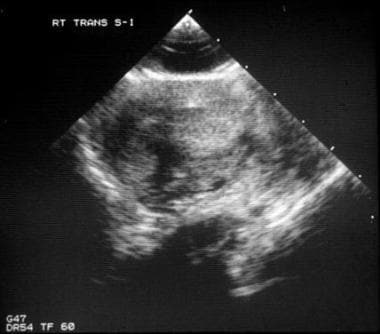
  • Scrotal ultrasound imaging with Doppler studies (performed by an experienced ultrasonographer or radiologist) is valuable for diagnosing and staging testicular injuries. A normal parenchymal echo pattern, with normal blood flow in cases of blunt trauma, can safely exclude significant injury. Acute bleeding or contusion of the testicular parenchyma typically appears as a hyperechoic area, whereas old blood appears as a hypoechoic lesion. Acute and chronic hematoceles are observed as mixed hypoechoic and hyperechoic areas confined by the tunica vaginalis. The most specific finding for testicular rupture is a discrete fracture plane, but this is only seen 17% of the time.
  • Perform Doppler studies during the scrotal ultrasound. Doppler studies provide information on the vascular status of the testes. Blood flow to the testis indicates that the vascular pedicle is intact. Absence of flow implies that a torsion or devascularizing injury has occurred to the spermatic cord.
  • Other imaging studies, such as nuclear imaging or MRI, have been used to obtain additional information in equivocal cases. An animal-based study by Srinivas et al demonstrated that MRI after blunt testicular trauma could assist in stratifying the extent of injury and provide information regarding prognosis.


Medical therapy

Institute conservative treatment for patients with minor trauma in which the testes are unequivocally spared and the scrotum has not been violated. The usual treatment consists of scrotal support, nonsteroidal anti-inflammatory medications, ice packs, and bed rest for 24-48 hours.

Scrotal support decreases scrotal mobility and the likelihood of aggravating the injury. Anti-inflammatory medications decrease scrotal edema and provide nonsedating analgesia. Ice packs applied to the groin at least every 3-4 hours decrease swelling in the acute phase.

If associated epididymitis is suggested or if urinary tract infection is present, administer appropriate antibiotic therapy.

Failure of medical management after an appropriate period of observation warrants imaging of the scrotum with ultrasound and Doppler studies.

In the case of testicular dislocation, manual reduction has been used successfully in 15% of cases. Future elective orchiopexy should still be performed to minimize the risk of torsion.

Attempts have been made to apply injury severity scales, such as that of the American Association for the Surgery of Trauma (AAST), to dictate if nonoperative management is appropriate in certain cases of testicular trauma. However, prospective validation and long-term outcome data are lacking

Surgical therapy

With the possible exception of a superficial skin injury, explore penetrating testicular trauma in the operating room. Patients with a history of blunt trauma and associated hematoceles often undergo surgical exploration for earlier resolution of pain and shorter convalescence. However, some institutions defer surgical exploration of nonexpanding hematoceles following blunt trauma if they are smaller than 5 cm.

Documented testicular injuries command immediate repair. Inappropriately protracted expectant management promotes testicular infection, atrophy, and necrosis. Delay in repair may herald the loss of spermatogenesis and hormonal functions.

Proper operative management is adequate debridement of necrotic or devitalized tissue, copious irrigation, meticulous attention to hemostasis, and closure of the tunica albuginea. This is true even if 50% of the parenchyma is destroyed. A small, dependently placed drain and broad-spectrum antibiotic coverage are also indicated.

Injury to the vas deferens or epididymis may be repaired using microsurgical techniques. This is usually performed as a staged procedure several months later to avoid operating in a potentially contaminated field.

Orchiectomy is rarely indicated, unless the testis is completely infarcted or shattered. Testicular injuries may be associated with significant loss of scrotal covering. Loss of scrotal skin from degloving injuries most commonly is the result of industrial or large machinery accidents and may be treated in 1 of 3 ways, as follows:

  • The preferred method is primary closure of the testis using the remaining scrotal skin. A minimum of 20% of the original scrotal skin provides adequate coverage of the scrotal contents. Adequate debridement and copious irrigation are required before attempting primary closure.
  • If the amount of remaining scrotal skin is insufficient, mobilize the testis to adjacent areas to obtain coverage. The optimal locations are subcutaneous thigh pouches, with delayed scrotal reconstruction in 4-6 weeks. The temperature of the thigh is approximately 10° lower than core body temperature, favoring spermatogenesis.
  • As a last resort, allow the testicles to remain exposed and apply daily moist-to-dry normal saline dressings until adequate granulation tissue forms. Within 1 week, follow this with a split-thickness skin graft, preferably harvested from the inner thigh.

Bilateral or unilateral testicular amputation treated within 8 hours with microvascular reimplantation techniques may allow successful revascularization. Do not place a testicular prosthesis until complete healing has occurred. If reimplantation is not possible, the ductus deferens should be cleaned and ligated with subsequent primary closure. It is important to note that in the case of psychotic and transsexual men, 20-25% will reattempt autoemasculation following reconstruction after genital self-mutilation.

Preoperative details

Begin broad-spectrum antibiotics preoperatively and continue postoperatively; gangrenous infection is the most feared complication of scrotal trauma.

Obtain proper informed consent. Risks specific to scrotal exploration include bleeding, infection, and loss of the testicle. During the consent process, discuss the possibility of partial or total orchiectomy. Loss of one testicle should not affect sexual function, libido, or fertility, assuming the contralateral testis is functioning properly. If the injured testis is repaired and left in situ, inform the patient of the possibility that it may undergo gradual atrophy as a result of the injury. Furthermore, violation of the blood-testis barrier as a result of the inciting trauma may increase the patient's risk for secondary infertility.

Intraoperative details

After inducing general anesthesia, position the patient in a supine fashion and meticulously examine the entire genital area. Examination under anesthesia may allow for a more complete and possibly more informative assessment.

Prepare the scrotum with povidone-iodine solution, and drape in sterile fashion. Incise the affected hemiscrotum transversely. Carry the incision down to the tunica vaginalis; incising the tunica vaginalis exposes the testis.

Evacuate any associated hematocele. Deliver the testis into the operative field. Copiously irrigate the testis, the spermatic cord, and the tunica vaginalis with normal saline, and remove any foreign bodies. Carefully inspect for spermatic cord injury or injury to the testis proper.

If vascular injury is considered, wrap the testis with warm saline-soaked gauze to improve blood flow. Sharply incise the tunica albuginea to assess the viability of the testis. Brisk red bleeding signifies adequate blood flow to the testis. Return of dark black fluid is indicative of testicular infarction. Testicular infarction suggests that the vascular pedicle has sustained significant injury and that the testis is no longer viable. In this situation, orchiectomy is mandatory. If bilateral orchiectomy is required, sperm-preserving measures (eg, microsurgical sperm extraction or milking of the ductus) must be considered.

If extrusion of testicular contents has occurred, remove contaminated seminiferous tubules. Sharp debridement of the seminiferous tubules involves resecting as little of the tubules as possible. Close the tunica albuginea with a running, fine, absorbable suture. Leave the tunica vaginalis open, and consider placing a small Penrose drain in situ, away from the suture line. The decision to leave a drain must be made on a case-by-case basis because the drain itself may become a source of infection. Close the dartos layer and scrotal skin using absorbable sutures.

Postoperative details

Continue intravenous antibiotics until patient discharge. Drainage usually becomes minimal within the first 24 hours, and the Penrose drain may be removed the day after surgery. If the drainage is persistent, discharge the patient home with the drain in place.

If associated perineal or penile injury has been sustained, leaving an indwelling catheter is advisable to prevent soilage of the operative site by urine. Discharge medications should include oral antibiotics and analgesics. Recommend scrotal support, ice packs to the groin area, and bed rest.

Follow-up

Instruct the patient to return for a follow-up visit in 1 week. If drain removal is necessary, instruct the patient to return for a follow-up visit in 24 hours.

Inspect the scrotal area for incision integrity and the presence of infection. Expect the scrotum to be somewhat enlarged and edematous from postsurgical edema and hematoma. This swelling and ecchymosis gradually subside over the next 4 weeks.

The final office visit usually occurs in 1 month.

For excellent patient education resources, visit eMedicine's Men's Health Center. Also, see eMedicine's patient education article Testicular Pain.


Complications associated with untreated testicular injuries are significant and include the following:

  • Testicular infarction
  • Testicular torsion
  • Testicular or epididymal abscess
  • Infertility
  • Testicular necrosis
  • Testicular atrophy

Complications associated with scrotal exploration and testicular salvage include the following:

  • Bleeding
  • Infection
  • Loss of testis

Nearly all of the aforementioned complications are irreversible. However, Yoshimura et al reported restoration of spermatogenesis in a patient by orchiopexy 13 years after bilateral traumatic testicular dislocation. Although the patient was azoospermic before surgery and was found to have atrophic testicles rotated 180° intraoperatively, he was able to father a child 10 months later.7

Animal-based research has found that grade I unilateral blunt testicular trauma, defined as intratesticular hemorrhage with an intact tunica albuginea, significantly affects germ cell maturation bilaterally and alters the sex hormone profile. Ischemia-reperfusion of the testis, which is possible in a trauma patient, has been shown to cause germ cell–specific apoptosis and subsequent aspermatogenesis. Lysiak et al (2003) suggested that this may be due to a cytokine–stress-related kinase pathway.8

Progressive testicular atrophy may occur in spite of a successful repair. Testicular atrophy is most likely the result of the original testicular trauma rather than efforts to salvage the testis. Cross and colleagues (1999) performed a follow-up sonographic study of unilateral testicular trauma patients. Half of the patients in that study were found to have atrophy of the injured side, defined as a reduction in volume of more than 50%, as compared with the unaffected side.9

Trauma-related torsion was described as early as the 19th century by Mikulicz and Gervais, and recent data suggest that trauma may account for 5-6% of torsion cases.


Traumatic testicular injuries are relatively uncommon. When present, they are most often caused by blunt trauma. History, physical examination, and scrotal ultrasound with Doppler studies are important in diagnosing and staging these injuries.

Surgical exploration of all testicular penetrating injuries and many blunt injuries has proven to increase testicular salvage rates and decrease morbidity. Early surgical intervention leads to higher salvage rates, shorter hospitalizations, and a more rapid return to baseline activity.

Following repair of penetrating testicular trauma caused by conventional bullet wounds, fertility results are approximately 62%. If the wound sustained was the product of high-velocity ammunition, fertility rates are much lower.


The authors and editors of eMedicine gratefully acknowledge the contributions of previous author, Jong M. Choe, MD, FACS, to the development and writing of this article.


Media file 1:  This scrotal ultrasound shows a healthy testis.
Click to see larger pictureClick to see detailView Full Size Image
Media type:  Photo

Media file 2:  This scrotal ultrasound shows a fractured testis with a disrupted tunica albuginea and testicular contents surrounded by tunica vaginalis.
Click to see larger pictureClick to see detailView Full Size Image
Media type:  Photo

Media file 3:  This scrotal ultrasound shows intratesticular hematoma in a fractured testis.

Click to see larger pictureClick to see detailView Full Size Image
Media type:  Photo


  1. Buckley JC, McAninch JW. Use of ultrasonography for the diagnosis of testicular injuries in blunt scrotal trauma. J Urol. Jan 2006;175(1):175-8. [Medline].
  2. Joudi FN, Lux MM, Sandlow JI. Testicular rupture secondary to paint ball injury. J Urol. Feb 2004;171(2 Pt 1):797. [Medline].
  3. Frauscher F, Klauser A, Stenzl A, Helweg G, Amort B, zur Nedden D. US findings in the scrotum of extreme mountain bikers. Radiology. May 2001;219(2):427-31. [Medline].
  4. Ko SF, Ng SH, Wan YL, et al. Testicular dislocation: an uncommon and easily overlooked complication of blunt abdominal trauma. Ann Emerg Med. Mar 2004;43(3):371-5. [Medline].
  5. Wan J, Corvino TF, Greenfield SP, DiScala C. Kidney and testicle injuries in team and individual sports: data from the national pediatric trauma registry. J Urol. Oct 2003;170(4 Pt 2):1528-3; discussion 1531-2. [Medline].
  6. Cline KJ, Mata JA, Venable DD, Eastham JA. Penetrating trauma to the male external genitalia. J Trauma. Mar 1998;44(3):492-4. [Medline].
  7. Yoshimura K, Okubo K, Ichioka K, Terada N, Matsuta Y, Arai Y. Restoration of spermatogenesis by orchiopexy 13 years after bilateral traumatic testicular dislocation. J Urol. Feb 2002;167(2 Pt 1):649-50. [Medline].
  8. Lysiak JJ, Nguyen QA, Kirby JL, Turner TT. Ischemia-reperfusion of the murine testis stimulates the expression of proinflammatory cytokines and activation of c-jun N-terminal kinase in a pathway to E-selectin expression. Biol Reprod. Jul 2003;69(1):202-10. [Medline].
  9. Cross JJ, Berman LH, Elliott PG, Irving S. Scrotal trauma: a cause of testicular atrophy. Clin Radiol. May 1999;54(5):317-20. [Medline].
  10. Baskin LS, McAninch JW. Reconstruction of testicular rupture. In: McAninch JW, ed. Traumatic and Reconstructive Urology. Philadelphia: WB Saunders; 1996:733-6.
  11. Bedir S, Yildirim I, Sümer F, Tahmaz L, Dayanç M, Peker AF. Testicular dislocation as a delayed presentation of scrotal trauma. J Trauma. Feb 2005;58(2):404-5. [Medline].
  12. Bromberg W, Wong C, Kurek S, Salim A. Traumatic bilateral testicular dislocation. J Trauma. May 2003;54(5):1009-11. [Medline].
  13. Brown SL, Dinchman KH. Testicular trauma. In: Atlas of the Urologic Clinics of North America. Vol 6. Philadelphia: WB Saunders; 1998:119-25.
  14. Cass AS. Testicular trauma. J Urol. Feb 1983;129(2):299-300. [Medline].
  15. Cass AS, Luxenberg M. Testicular injuries. Urology. Jun 1991;37(6):528-30. [Medline].
  16. Fournier GR, McAninch JW. Sonography in the staging of testicular trauma. In: McAninch JW, ed. Traumatic and Reconstructive Urology. Philadelphia: WB Saunders; 1996:727-32.
  17. Hendry WF. Testicular, epididymal and vasal injuries. BJU Int. Aug 2000;86(3):344-8. [Medline].
  18. Lrhorfi H, Manunta A, Rodriguez A, Lobel B. Trauma induced testicular torsion. J Urol. Dec 2002;168(6):2548. [Medline].
  19. Mohr AM, Pham AM, Lavery RF, Sifri Z, Bargman V, Livingston DH. Management of trauma to the male external genitalia: the usefulness of American Association for the Surgery of Trauma organ injury scales. J Urol. Dec 2003;170(6 Pt 1):2311-5. [Medline].
  20. Muttarak M, Lojanapiwat B. The painful scrotum: an ultrasonographical approach to diagnosis. Singapore Med J. Jul 2005;46(7):352-7; quiz 358. [Medline].
  21. O'Brien MF, Collins DA, McElwain JP, Akhtar M, Thornhill JA. Traumatic retrovesical testicular dislocation. J Urol. Feb 2004;171(2 Pt 1):798. [Medline].
  22. Sagalowsky AI, Peters PC. Genitourinary trauma. In: Walsh PC, Retik AB, eds. Campbell's Urology. 7th ed. Philadelphia: WB Saunders; 1998:3116-7.
  23. Srinivas M, Chandrasekharam VV, Degaonkar M, Gupta DK, Jha P, Jagannathan NR. Effects of unilateral grade I testicular injury in rat. Urology. Sep 2002;60(3):548-51. [Medline].
  24. Srinivas M, Degaonkar M, Chandrasekharam VV, Gupta DK, Hemal AK, Shariff A. Potential of MRI and 31P MRS in the evaluation of experimental testicular trauma. Urology. Jun 2002;59(6):969-72. [Medline].
  25. van der Horst C, Martinez Portillo FJ, Seif C, Groth W, Jünemann KP. Male genital injury: diagnostics and treatment. BJU Int. May 2004;93(7):927-30. [Medline].

Testicular Trauma excerpt

Article Last Updated: Jun 29, 2006