Background
A personality disorder, as defined in the Diagnostic and Statistical Manual of the American Psychiatric Association, Fifth Edition (DSM-5) is an enduring pattern of inner experience and behavior that differs markedly from the expectations of the individual's culture, is pervasive and inflexible, has an onset in adolescence or early adulthood, is stable over time, and leads to distress or impairment. (See Prognosis and Presentation.)
Although the most common etiologies for personality disorders are multifactorial, these conditions may also be secondary to biologic, developmental, or genetic abnormalities. Stressful situations may often result in decompensation, revealing a previously unrecognized personality disorder. Indeed, personality disorders are aggravated by stressors, external or self-induced. Individuals may have more than 1 personality disorder. (See Pathophysiology and Etiology.)
Cluster
Ten personality disorders, grouped into 3 clusters (ie, A, B, C), are defined in the DSM-5. [1] Cluster A disorders include the following (see Prognosis and Treatment):
-
Paranoid personality disorder
-
Schizoid personality disorder
-
Schizotypal personality disorder
Cluster B disorders include the following:
-
Antisocial personality disorder
-
Histrionic personality disorder
Cluster C disorders include the following:
-
Dependent personality disorder
Personality
A concept has emerged that personality may be expressed in terms of the following 5 basic dimensions: [2]
-
Extraversion
-
Agreeableness
-
Conscientiousness
-
Neuroticism
-
Openness to experience
This model is termed the 5-factor model, and it has developed a significant amount of acceptance among personality psychologists.
The model has been used to describe the different accepted types of personality disorders. Most current research suggests that personality disorders may be differentiated by their interactions among the 5 dimensions rather than differences on any single dimension.

Pathophysiology
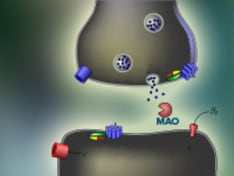
In patients with personality disorder, abnormalities may be seen in the frontal, temporal, and parietal lobes. These abnormalities may be caused by perinatal injury, encephalitis, trauma, or genetics. Personality disorders are also seen with diminished monoamine oxidase (MAO) and serotonin levels. However, the relationships of anatomy, receptors, and neurotransmitters to personality disorders are purely speculative at this point.
Frequently, a history of psychiatric disorders is present. In some cases, the patient has developmental abnormalities secondary to abuse or incest.
Etiology
The origin of personality disorders is a matter of considerable controversy. Traditional thinking holds that these maladaptive patterns are the result of dysfunctional early environments that prevent the evolution of adaptive patterns of perception, response, and defense. A body of data points toward genetic and psychobiologic contributions to the symptomology of these disorders; however, the inconsistency of the data prevents authorities from drawing definite conclusions. [5]
Paranoid personality disorder
A genetic contribution to paranoid traits and a possible genetic link between this personality disorder and schizophrenia exist. Psychosocial theories implicate projection of negative internal feelings and parental modeling.
Schizoid personality disorder
Support for the heritability of this disorder exists.
Schizotypal personality disorder
This disorder is genetically linked with schizophrenia. Evidence for dysregulation of dopaminergic pathways in these patients exists.
Antisocial personality disorder
A genetic contribution to antisocial behaviors is strongly supported. Low levels of behavioral inhibition may be mediated by serotonergic dysregulation in the septohippocampal system. There may also be developmental or acquired abnormalities in the prefrontal brain systems and reduced autonomic activity in antisocial personality disorder. This may underlie the low arousal, poor fear conditioning, and decision-making deficits described in antisocial personality disorder. [6]
Borderline personality disorder
Psychosocial formulations point to the high prevalence of early abuse (sexual, physical, and emotional) in these patients, and the borderline syndrome is often formulated as a variant of posttraumatic stress disorder. Mood disorders in first-degree relatives are strongly linked.
Biologic factors, such as abnormal monoaminergic functioning (especially in serotonergic function) and prefrontal neuropsychological dysfunction, have been implicated but have not been well established by research. [7, 8]
Histrionic personality disorder
Little research has been conducted to determine the biologic sources of this disorder. Psychoanalytic theories incriminate seductive and authoritarian attitudes by fathers of these patients.
Narcissistic personality disorder
No data on biologic features of this disorder are available. In the classic model, narcissism functions as a defense against awareness of low self-esteem. More modern psychodynamic models postulate that this disorder can arise from an imbalance between positive mirroring of the developing child and the presence of an adult figure who can be idealized.
Avoidant personality disorder
This personality disorder appears to be an expression of extreme traits of introversion and neuroticism. No data on biologic causes are available, although a diagnostic overlap with social phobia probably exists.
Dependent personality disorder
No studies of genetics or of biologic traits of these patients have been conducted. Central to their psychodynamic constellation is an insecure form of attachment to others, which may be the result of clinging parental behavior.
Obsessive-compulsive personality disorder
Modest evidence points toward the heritability of this disorder. Psychodynamically, these patients are viewed as needing control as a defense against shame or powerlessness.
Epidemiology
Occurrence in the United States
Personality disorders affect 10-15% of the adult US population. The following are prevalences for specific personality disorders in the general population, across five studies from 2001 to 2010: [9]
-
Paranoid personality disorder - 0.7-2.4%
-
Schizotypal personality disorder - 0.6-4.9%
-
Antisocial personality disorder - 0.7-4.1%
-
Borderline personality disorder - 0.7-2.7%
-
Histrionic personality disorder - 0.2-2.0%
-
Narcissistic personality disorder - Less than 1%
-
Avoidant personality disorder - 0.8-5.2%
-
Obsessive-compulsive personality disorder - 0.9-2.4%
Variance in prevalence rates across studies mostly reflects different thresholds of severity adopted by investigators.
International occurrence
Because the DSM-5 criteria are heavily bound to North American cultural definitions, epidemiologic data about personality disorders in other countries are notoriously unreliable.
Sex-related demographics
As previously mentioned, personality disorders, grouped into 3 clusters (ie, A, B, C), as defined in the DSM-5. [1] Sex-related demographics for disorders within these clusters include the following:
-
Cluster A - Schizoid personality disorder is slightly more common in males than in females
-
Cluster B - Antisocial personality disorder is 3 times more prevalent in men than in women; borderline personality disorder is 3 times more common in women than in men; of patients with narcissistic personality disorder, 50-75% are male
-
Cluster C - Obsessive-compulsive personality disorder is diagnosed twice as often in men as in women
Age-related differences in incidence
Personality disorders generally should not be diagnosed in children and adolescents because personality development is not complete and symptomatic traits may not persist into adulthood. Therefore, the rule of thumb is that personality diagnosis cannot be made until the person is at least 18 years of age. Because the criteria for diagnosis of personality disorders are closely related to behaviors of young and middle adulthood, DSM-5 diagnoses of personality disorders are notoriously unreliable in the elderly population.
Prognosis
Personality disorders are lifelong conditions, although attributes of cluster A and B disorders tend to become less severe and intense in middle age and late life. Individuals with a personality disorder are at risk for the following:
-
Suicide [10]
-
Substance abuse
-
Accidental injury
-
Depression
-
Homicide - A potential complication, particularly in paranoid and antisocial personality disorders
Patients with a cluster B personality disorder are particularly susceptible to problems of substance abuse, impulse control, and suicidal behavior, which may shorten their lives. Cluster C characteristics tend to become exaggerated in later life
Morbidity and mortality
In patients with a personality disorder, risk of death is usually related to conditions or behaviors resulting from the disorder. Consequently, death may result from suicide, substance abuse, trauma from motor vehicle accidents, or injuries from fighting.
Patients with personality disorders are at higher risk than the general population for many (axis I) psychiatric disorders. Mood disorders are a particular risk across all personality diagnoses. Some comorbidities are more specific to particular personality disorders and clusters.
Cluster A
Cluster A disorders and their morbidities include the following:
-
Paranoid personality disorder - May appear as a prodrome to delusional disorder or frank schizophrenia; these individuals are at risk for agoraphobia, major depression, obsessive-compulsive disorder, and substance abuse
-
Schizoid personality disorder - Patients may develop major depression
-
Schizotypal personality disorder - Patients may develop brief psychotic disorder, schizophreniform disorder, or delusional disorder; at the time of diagnosis, 30-50% of patients have concurrent major depression, and most have a history of at least 1 major depressive episode
Cluster B
Cluster B disorders and their morbidities include the following:
-
Antisocial personality disorder - Associated with a risk for anxiety disorders, substance abuse, somatization disorder, and pathologic gambling
-
Borderline personality disorder - Associated with a risk for substance abuse, eating disorders (particularly bulimia), and posttraumatic stress disorder; suicide is a particular risk in borderline patients
-
Histrionic personality disorder - Associated particularly with somatoform disorders
-
Narcissistic personality disorder - Patients are at risk for anorexia nervosa and substance abuse, as well as depression
Cluster C
Cluster C disorders and their morbidities include the following:
-
Avoidant personality disorder - Associated with anxiety disorders (especially social phobia)
-
Dependent personality disorder - Carries a risk for anxiety disorders and adjustment disorder
-
Obsessive-compulsive personality disorder - Patients may be at risk for myocardial infarction, because of their common type A lifestyles; they may also be at risk for anxiety disorders; notably, they are probably not at increased risk for obsessive-compulsive disorder
Patient Education
Patients should be advised that their patterns of perception and response result from some combination of inheritance and personal history and that recovery is therefore likely to be a prolonged process, requiring effort and attention. The relevance of ongoing psychotherapy to long-standing vulnerabilities requires frequent reemphasis by the physician.
Alcoholism and drug abuse are not merely complications of personality disorders, they are also aggravating factors. Patients need constant reminding that yielding to the temptation to drink or use drugs is likely to make their emotional distress worse and is certain to increase the risk of complications, including suicide.
With the patient's permission, education can be provided to the family to alert them to the possibilities of disruptive and destructive behavior and can provide guidelines for limit setting and safety.
Family support groups exist in some communities, and family support resources, such as Borderline Personality Disorder Family Groups and Stigma, are available online.
The National Institute of Mental Health provides a fact sheet on borderline personality disorder that may be of use to families of persons with that condition.
A resource for patients and families dealing specifically with borderline personality disorder is the National Educational Alliance for Borderline Personality Disorder.