Continually Updated Clinical Reference
 
 
  All Sources     eMedicine     Medscape     Drug Reference     MEDLINE
 
You are in: eMedicine Specialties > Emergency Medicine > Pediatric

Pediatrics, Limp

Last Updated: April 5, 2006
Email to a Colleague
Synonyms and related keywords: limping, limping in children, steppage gait, shuffling gait, peripheral nerve palsies, Marie-Charcot-Tooth disease, posttraumatic peroneal nerve palsy, ataxia, labyrinthitis, alcohol-induced organic brain disease, inherited diseases, Friedreich ataxia, otitis media, antalgic gaits, truncal lurch gait, exaggerated trunk swing, osteomyelitis, slapping gait, leg injuries, leg fractures, toddler's fractures, abuse injuries, sprains, avascular necrosis, Legg-Calve-Perthes disease, cerebral palsy, spastic paralysis, scissoring gait, vaulting gait, abnormal gait, toe-walking gait, leg length discrepancy, abductor lurch, Trendelenburg gait, waddling gait, stooped gait

  AUTHOR INFORMATION Section 1 of 11    Click here to go to the next section in this topic
Author Information Introduction Clinical Differentials Workup Treatment Medication Follow-up Miscellaneous Pictures Bibliography

Author: Martin I Herman, MD, FAAP, FACEP, Assistant Director, Emergency Services, Professor, Pediatrics, Pediatrics, Division of Critical Care and Emergency Medicine Division, Emergency Services, LeBonheur Children's Medical Center

Martin I Herman, MD, FAAP, FACEP, is a member of the following medical societies: American Academy of Pediatrics, and American College of Emergency Physicians

Editor(s): Garry Wilkes, MD, Director, Emergency Medicine, Adjunct Associate Professor, Edith Cowan University, Department of Emergency Medicine, Bunbury Health Service; Francisco Talavera, PharmD, PhD, Senior Pharmacy Editor, eMedicine; Grace M Young, MD, Associate Professor, Department of Pediatrics, University of Maryland Medical Center; John Halamka, MD, Chief Information Officer, CareGroup Healthcare System, Assistant Professor of Medicine, Department of Emergency Medicine, Beth Israel Deaconess Medical Center; Assistant Professor of Medicine, Harvard Medical School; and Richard G Bachur, MD, Assistant Professor of Pediatrics, Harvard Medical School; Associate Chief and Fellowship Director, Division of Emergency Medicine, Children's Hospital of Boston

Disclosure


  INTRODUCTION Section 2 of 11   Click here to go to the previous section in this topic Click here to go to the top of this page Click here to go to the next section in this topic
Author Information Introduction Clinical Differentials Workup Treatment Medication Follow-up Miscellaneous Pictures Bibliography

Background: Limping is a common presenting symptom in children. It may be caused by a myriad of conditions ranging from a simple foreign body in the child's shoe to a metastatic bone cancer. The diagnosis of this common childhood problem can test the mettle of the best diagnosticians.

Pathophysiology: Walking is the culmination of the successful integration of numerous biomechanical systems. Almost every major system of the body can be involved. Birth injury, resulting in anoxia and cerebral palsy, may be detected in the spastic gait (toe walking and/or scissoring) of an afflicted child. Trendelenburg gaits may occur after strokes or in cases of muscular dystrophy.

Peripheral nerve palsies, such as Marie-Charcot-Tooth disease or posttraumatic peroneal nerve palsy, can result in a steppage gait. The shuffling gait of Parkinson disease, well known to most physicians, can be induced by reactions to phenothiazine medications. Ataxia, with its broad-based gait may be a manifestation of labyrinthitis; alcohol-induced organic brain disease; inherited diseases, such as Friedreich ataxia; or simply a complication of otitis media.

Antalgic gaits are typically due to a painful lesion in the extremity or back. Toddler's fractures, abuse injuries, sprains, and avascular necrosis (eg, vertebrae, femur, tarsals, metatarsals) are all possible contributors to the antalgic gait. A truncal lurch gait or the exaggerated trunk swing has been associated with Legg-Calve-Perthes disease or epiphyseal dysplasias. Posttraumatic, infectious, or degenerative back and spine disease also can produce alterations in gait.

In addition to the acute infectious problems such as osteomyelitis, the physician has to consider the destruction of the dorsal columns, loss of proprioception, and subsequent slapping gait from neurosyphilis.

Frequency:

  • In the US: The incidence of limping is not known.

Sex:

  • Limping due to trauma and trauma-related conditions (eg, Legg-Calve-Perthes disease, toxic synovitis, tibial osteitis, groin strains) is observed more commonly in males than in females.
  • Incidence of congenital conditions (eg, limp associated with congenital hip dysplasia and meningomyelocele) corresponds to the sex predilection of the underlying condition.
  • Some systemic illnesses associated with limping (eg, rheumatoid arthritis [RA], systemic lupus erythematosus [SLE]) have a predilection for females.

Age: Each age group is associated with distinct considerations when it comes to limping.

  • Toddlers (aged 1-3 y)

    • These children are up and running around but have immature gaits leading to falls, especially with a torsional component.

    • Infections play a major role, as the bony cortex is developing and its ability to resist bacterial invasion is limited.

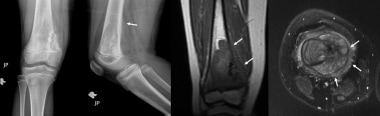
    • Common causes of limp in the toddler are infections (eg, septic arthritis, osteomyelitis), trauma (eg, toddler's fracture, stress fractures, puncture wounds, lacerations), neoplasm, developmental dysplasia of the hips, neuromuscular disease, cerebral palsy, and congenital hypotonia.
  • Children (aged 4-10 y)

    • Being more ambulatory and rambunctious carries with it more risks of injuries, such as fractures, dislocations, and ligamentous injuries.

    • Microtrauma to the vascular supply of the femoral head is thought to be a cause of Legg-Calve-Perthes disease, a common source of limping in this age group.

    • Infections continue to plague these children, and rheumatoid conditions begin to emerge.
  • Adolescents (older than 11 y)

    • The bony architecture is more mature and resilient, but muscle strength also has increased dramatically.

    • A slipped capital femoral epiphysis is an example of how bone maturation, strength, and weight mismatches can result in problems.

    • At this age, arthritis, sexually transmitted diseases (with arthralgias and arthritis), and neoplasms may present as a limp.

    • Common causes of limping in the adolescent are slipped capital femoral epiphysis, juvenile arthritis, trauma, leg length discrepancy, and neoplasia.


  CLINICAL Section 3 of 11   Click here to go to the previous section in this topic Click here to go to the top of this page Click here to go to the next section in this topic
Author Information Introduction Clinical Differentials Workup Treatment Medication Follow-up Miscellaneous Pictures Bibliography

History: When evaluating a child with a limp, a complete history is essential. By taking a comprehensive history, the examiner gains the confidence of the parents and patient. Rushing an examination on a child in pain can result in a more difficult and unreliable examination. The history should include questions about the following associated qualities or risk factors:

  • Fever, chills, or other constitutional symptoms
  • Malignancies, infectious arthritis, osteomyelitis, Kawasaki syndrome (KS), Henoch-Schönlein purpura (HSP), and RA all can present with fever.
  • A careful history may reveal a traumatic cause that has been forgotten or overlooked. Conversely, trauma often is offered in the history when a nontraumatic diagnosis is present.
  • Early morning stiffness may be the first indication of RA.
  • Nocturnal pain suggests osteoid osteoma or other bone neoplasms.
  • Muscle pain, ligamentous strains, bruises, and injection sites all can cause limps.
  • Back pain is associated with diskitis.
  • Joint pain may be from local pathology or referred pain.
  • Long-standing and progressive symptoms may be due to nontraumatic conditions.
  • Is the child able to play and keep up with his peers?
  • Pain aggravated by activity may be due to over-use syndromes, stress fractures, or hypermobility syndrome.
  • Pain easing with activity suggests an inflammatory etiology (eg, arthritis).
  • New footwear or a change in the amount of walking may be reported.
  • Signs of weakness or acute spinal cord syndromes with paresthesias or incontinence.
  • Family history may include short stature, vitamin D–resistant rickets, Charcot-Marie-Tooth disease, SLE, RA, or a history of developmental delay (eg, cerebral palsy).
  • Changes in urine can be seen with myositis.
  • Bruisability, weight loss, or bone pain may be seen with neoplastic or other infiltrative disease.
  • History of urethral discharge or vaginal discharge may point toward the diagnosis; testicular pain in males often presents as a limp.

Physical: The examination should be thorough and encompass an orthopedic examination, an assessment of gait, and an extensive general medical examination. Physical examination of the limping child begins when the child first walks into the ED, as this may be the only opportunity to assess the patient's gait. A child who does not look well is more likely to have some systemic etiology for his or her limp.

  • The human gait typically is a smooth and unlabored fluid movement, transferring weight from one leg to the other.

    • The stance phase begins with the heel strike, continues into midstance, and finishes with the toe-off or push-off movement.

    • Both feet are in contact with the ground for only 20% of the gait cycle.

    • The swing phase comprises the remainder of the gait and is the amount of time the foot is not in contact with the floor. It is divided into the 3 phases as follows: acceleration, swing, and deceleration.

    • In order for gait to be smooth and fluid, joint flexibility, pelvic rotation, pelvic tilt, balance, and strength all have to be unimpaired.
  • Orthopedic examination

    • Evaluate gait (see Assessment of gait disorder).

    • Shoes: The pattern of wear reflects gait abnormalities. Items such as a stone in the shoe or a cobbler's nail protruding into the foot box, plantar warts, tight shoes, ingrown toenails, and tinea pedis may only be found by including the feet and shoes in the examination.

    • Skin folds: Asymmetry is associated with congenital hip dysplasias.

    • Asymmetry of the thigh or the legs: Neuromuscular pathologies produce weakness and wasting.

    • Leg lengths: A discrepancy of only one half of an inch can lead to gait changes.

    • Edema or tenderness may be present.

    • Look for deformities or abnormal masses.

    • Joints: Evaluate for warmth, effusion, and range of motion.

    • Back examination: Tufts of hair or spinal dimples may overlay a spina bifida.
  • A careful neurologic examination must be performed assessing tone, power, all sensory modalities, and reflexes.
  • A rectal examination may uncover a tumor, decreased sphincter tone, or evidence of inflammatory bowel disease (IBD).
  • Skin examination

    • Purpuric lesions may be a clue for Henoch-Schönlein purpura, and when present with fever, may represent invasive bacterial infection or endocarditis.

    • Petechiae can also be seen with invasive infections or leukemia.

  • Genital examination

    • Examination of the scrotum may reveal a tender testicle as a source of limp.

    • Urethral discharge can be associated with both rheumatologic conditions as well as infectious arthritis.
  DIFFERENTIALS Section 4 of 11   Click here to go to the previous section in this topic Click here to go to the top of this page Click here to go to the next section in this topic
Author Information Introduction Clinical Differentials Workup Treatment Medication Follow-up Miscellaneous Pictures Bibliography

Anemia, Sickle Cell
Ankle Injury, Soft Tissue
Appendicitis, Acute
Arthritis, Rheumatoid
Back Pain, Mechanical
Bites, Insects
Catscratch Disease
Erythema Multiforme
Fractures, Ankle
Fractures, Femur
Fractures, Foot
Fractures, Hip
Fractures, Knee
Fractures, Pelvic
Fractures, Tibia and Fibula
Gout and Pseudogout
Hemophilia, Type A
Hemophilia, Type B
Inflammatory Bowel Disease
Legg-Calve-Perthes Disease
Neoplasms, Spinal Cord
Pediatrics, Meningitis and Encephalitis
Pediatrics, Sickle Cell Disease
Rheumatic Fever
Toxicity, Heavy Metals
Warts, Plantar


Other Problems to be Considered:

Hemiatrophy
Absent tibia
Accessory navicular
Congenital hip dislocation
Scoliosis
Rubella
Reaction to rubella vaccine
Osteochondritis desiccans
IBD
Baker cyst
Chondromalacia patellae
Diskitis
Leukemia
Osteosarcoma
Ewing sarcoma
Neuroblastoma
Osteoid osteoma
Rickets
Scurvy
Hypervitaminosis
Glycogen storage diseases
Porphyria
Hyperparathyroidism
Hurler syndrome
Muscular dystrophy
Peripheral nerve trauma
Friedreich Ataxia
Charcot-Marie-Tooth disease
Cerebral palsy
Neurofibromatosis
Retroperitoneal abscess
Yersinia enterocolitica
Leg length discrepancy

Quick Find
Author Information
Introduction
Clinical
Differentials
Workup
Treatment
Medication
Follow-up
Miscellaneous
Pictures
Bibliography

Click for related images.

Related Articles
Anemia, Sickle Cell

Ankle Injury, Soft Tissue

Appendicitis, Acute

Arthritis, Rheumatoid

Back Pain, Mechanical

Bites, Insects

Catscratch Disease

Erythema Multiforme

Fractures, Ankle

Fractures, Femur

Fractures, Foot

Fractures, Hip

Fractures, Knee

Fractures, Pelvic

Fractures, Tibia and Fibula

Gout and Pseudogout

Hemophilia, Type A

Hemophilia, Type B

Inflammatory Bowel Disease

Legg-Calve-Perthes Disease

Neoplasms, Spinal Cord

Pediatrics, Meningitis and Encephalitis

Pediatrics, Sickle Cell Disease

Rheumatic Fever

Toxicity, Heavy Metals

Warts, Plantar


Patient Education
Click here for patient education.


  WORKUP Section 5 of 11   Click here to go to the previous section in this topic Click here to go to the top of this page Click here to go to the next section in this topic
Author Information Introduction Clinical Differentials Workup Treatment Medication Follow-up Miscellaneous Pictures Bibliography

Lab Studies:

  • Although children with a limp rarely require laboratory testing, a CBC and erythrocyte sedimentation rate (ESR) or C-reactive protein (CRP) level are usually the most helpful and often are requested by consultants. A blood culture should be considered for patients with limp and fever.
  • Complete blood count
    • Any abnormal value in the WBC count, hemoglobin or hematocrit, or platelet count warrants further investigation, especially for signs of neoplastic disease. Bone pain, which may cause a limp, is a subtle but early and important sign of neoplastic disease in children, namely, leukemia or osteocarcinoma.
    • An elevated WBC count, ESR, or CRP level is helpful in differentiating an infectious etiology from a benign one, such as toxic synovitis. Patients with fever and point tenderness or joint edema may have osteomyelitis or septic arthritis. A markedly elevated ESR may be suggestive of an underlying rheumatoid condition if no clear infectious source or supportive clinical findings are found.
  • Serum chemistries - Serum electrolytes including calcium, magnesium, and liver function tests
  • Urinalysis

    • Hematuria may be associated with endocarditis, HSP, acute glomerulonephritis, and SLE.

    • Pyuria often is associated with appendicitis or salpingitis, both of which may result in a shuffling gait.

    • The presence of uric acid crystals may support the diagnosis of gout.
  • Obtain sickle cell preparation if history of sickle cell disease is unknown.
  • Obtain serum uric acid level if gout is suspected.
  • Stool cultures - Salmonella enteritis and Yersinia infection may cause joint symptoms.
  • Lyme disease titers

Imaging Studies:

  • Plain radiographs often are obtained on the initial ED visit to evaluate for obvious bony pathology. Other imaging studies may be scheduled or obtained on an inpatient basis depending on suspicion of disease.
  • Plain films should include views of the entire limb, bearing weight when possible. Consider spine films with associated pain or tenderness or any neurologic complaints.
  • Bone scan
    • Intravenous technetium 99m–labeled methylene diphosphonate tracer accumulates in areas of increased cellular activity and blood flow.

    • Scintigraphy is useful in detecting early Legg-Calve-Perthes disease, osteomyelitis, stress fractures, and osteoid osteomas. Scintigraphy is 84-100% sensitive and 70-96% specific for osteomyelitis.
  • Ultrasonography is particularly useful for diagnosing joint pathology and confirming the presence of an effusion and guiding aspiration. Ultrasonography is also used for evaluating the hip for effusions.
  • Computerized tomography scan
    • One advantage of the CT scan is the ability to visualize soft tissue as well as bone. CT can also help identify periosteal abscesses or pyomyositis in association with osteomyelitis.
    • Tarsal coalition is one disorder that has been better studied since the advent of CT scanning.
  • Magnetic resonance imaging
    • This technique can distinguish living bone from dead bone, which is helpful in studying conditions such as Legg-Calve-Perthes disease or avascular necrosis. MRI can also help differentiate fracture from osteomyelitis.
    • MRI also is one of the best ways to assess the CNS, including the spinal canal.

Other Tests:

  • Joint or bone aspirates: Joint or bone aspirates should be obtained emergently if septic arthritis or osteomyelitis is strongly suspected.
    • Aspirates should be sent for cell counts, glucose, and culture (including fungal).
    • Aspirates may be analyzed for uric acid (gout) or calcium pyrophosphate (pseudogout) crystals.
  • Cerebrospinal fluid

    • A CSF analysis should be obtained if meningitis is strongly suspected (ie, symptoms including fever, headache, meningismus).

    • Meningitis has been associated with limping, probably due to meningismus.
  • Other tests (informational): These usually are obtained on subsequent visits (not on the first ED visit) with similar complaints of limp, unless given a very strong history of collagen vascular or rheumatoid diseases.
    • Sickle cell preparation
    • Lupus erythematosus (LE) preparation
    • Lupus antibodies
    • Antinuclear antibody (ANA)
    • Anti-DNA (rheumatoid arthritis, scleroderma, SLE)
    • Antimuscle antibodies (myasthenia gravis)
    • Human leukocyte antigen (HLA) (specific HLA types are associated with various rheumatoid disorders)
    • Rheumatoid factors
    • Creatinine phosphokinase
    • Aldolase
    • Serologies such as Lyme disease, parvovirus, or antistreptolysin-O (ASLO)

Procedures:

  • Sputum or bone aspirates
    • Potts disease
    • Tuberculous arthritis is rare but is becoming more common in association with immune deficiency states.
  TREATMENT Section 6 of 11   Click here to go to the previous section in this topic Click here to go to the top of this page Click here to go to the next section in this topic
Author Information Introduction Clinical Differentials Workup Treatment Medication Follow-up Miscellaneous Pictures Bibliography

Prehospital Care: Splinting and transportation make up the majority of services that prehospital personnel render to a limping patient.

Emergency Department Care:

  • Emergency care of the limping patient is broken into 4 segments as follows:
    • Identification of the cause
    • Relief of acute pain
    • Initiation of therapy for the source of the limping
    • Referral to the appropriate person for follow-up care
  • Acetaminophen or ibuprofen usually is adequate for pain relief, although opiates or local or regional anesthesia may be required for more painful or extensive conditions.
  • For fractures, sprains, and acute traumatic injuries, immobilization and pain relief may suffice.
  • Reduction of dislocations and displaced fractures reduce discomfort.
  • Whenever crutches are dispensed or prescribed, the provider has a duty to train the patient in the proper application, including walking forwards and backwards, plus ascending and descending a few steps. Document training in a chart note.
  • Various fractures and sprains may require splints; knee immobilizers are particularly helpful.

Consultations: In most cases, the diagnosis is clear and no further consultation is necessary. Specific conditions may require consultation from the following specialists:

  • Orthopedic surgeon
  • Infectious diseases specialist
  • Neurologist or rheumatologist
  • Neurosurgeon
  • Child protective services: Any child with an unexplained fracture or injury also should be referred for evaluation by Child Protective Services.

  MEDICATION Section 7 of 11   Click here to go to the previous section in this topic Click here to go to the top of this page Click here to go to the next section in this topic
Author Information Introduction Clinical Differentials Workup Treatment Medication Follow-up Miscellaneous Pictures Bibliography

Pediatric patients with limping usually can be treated with nonnarcotic analgesic or nonsteroidal anti-inflammatory medications. Some require glucocorticoids, muscle relaxants, or anti-infectives. Opiate analgesia rarely is needed.

Drug Category: Analgesics -- Pain control is essential to quality patient care and ensures patient comfort.
Drug Name
Ibuprofen (Motrin, Advil) -- NSAID DOC for patients with mild to moderate pain. Inhibits inflammatory reactions and pain by decreasing prostaglandin synthesis.
Adult Dose400-800 mg/dose PO tid/qid prn pain; not to exceed 3.2 g/d
Pediatric Dose10-15 mg/kg/dose PO q6h
ContraindicationsDocumented hypersensitivity; peptic ulcer disease, recent GI bleeding or perforation, renal insufficiency, or high risk of bleeding; asthma with nasal polyps
Interactions Coadministration with aspirin increases risk of inducing serious NSAID-related adverse effects; probenecid may increase concentrations and, possibly, toxicity of NSAIDs; may decrease effect of hydralazine, captopril, and beta-blockers; may decrease diuretic effects of furosemide and thiazides; monitor PT closely (instruct patients to watch for signs of bleeding); may increase risk of methotrexate toxicity; phenytoin levels may be increased when administered concurrently
Pregnancy B - Usually safe but benefits must outweigh the risks.
PrecautionsCategory D in third trimester of pregnancy; caution in congestive heart failure, hypertension, and decreased renal and hepatic function; caution in anticoagulation abnormalities or during anticoagulant therapy; adverse effects include CNS effects (eg, dizziness, fatigue) and GI effects (eg, abdominal pain, nausea, heartburn)
Drug Name
Acetaminophen (Tylenol) -- DOC for pain in patients with documented hypersensitivity to aspirin or NSAIDs, with upper GI disease, or who are taking oral anticoagulants. Inhibits cyclooxygenase in the CNS.
Adult Dose325-650 mg PO q4-6h or 1000 mg tid/qid; not to exceed 4g/d
Pediatric Dose10-15 mg/kg/dose PO/PR q4-6h
ContraindicationsDocumented hypersensitivity; G-6-P deficiency
InteractionsRifampin can reduce analgesic effects of acetaminophen; coadministration with barbiturates, carbamazepine, hydantoins, and isoniazid may increase hepatotoxicity
Pregnancy B - Usually safe but benefits must outweigh the risks.
PrecautionsHepatotoxicity possible in persons with chronic alcoholism following various dose levels; severe or recurrent pain or high or continued fever may indicate a serious illness; acetaminophen is contained in many OTC products and combined use with these products may result in cumulative acetaminophen doses exceeding recommended maximum dose
Drug Category: Benzodiazepines -- These agents may act in the spinal cord to induce muscle relaxation.
Drug Name
Diazepam (Valium) -- Depresses all levels of CNS (eg, limbic and reticular formation), possibly by increasing activity of GABA.
Adult Dose2-4 mg PO bid/qid; 2-10 mg IV may repeat in 3-4 h prn
Individualize dosage and increase cautiously to avoid adverse effects; do not administer >5 mg/min in adults
Pediatric Dose0.1 mg/kg PO; 0.04-0.2 mg/kg IV; 0.5 mg/kg PR; not to exceed 10 mg
Individualize dosage and increase cautiously to avoid adverse effects; do not administer >1-2 mg/min IV in children
ContraindicationsDocumented hypersensitivity; narrow-angle glaucoma
InteractionsIncreases toxicity of benzodiazepines in CNS with coadministration of phenothiazines, barbiturates, alcohols, and MAOIs
Pregnancy D - Unsafe in pregnancy
PrecautionsCaution with other CNS depressants, low albumin levels, or hepatic disease (may increase toxicity)
Drug Category: Glucocorticoids -- These agents are used as anti-inflammatories for inflamed muscle and soft tissues.
Drug Name
Prednisone (Deltasone, Orasone, Sterapred) -- May decrease inflammation by reversing increased capillary permeability and suppressing PMN activity.
Adult Dose5-60 mg/d PO qd or divided bid/qid
Pediatric Dose1-2 mg/kg/d PO in divided doses
ContraindicationsDocumented hypersensitivity; connective tissue, fungal, tubercular skin, or viral infections; peptic ulcer disease; hepatic dysfunction; GI disease
InteractionsCoadministration with estrogens may decrease clearance; concurrent use with digoxin, may cause digitalis toxicity secondary to hypokalemia; phenobarbital, phenytoin, and rifampin may increase metabolism of glucocorticoids (consider increasing maintenance dose); monitor for hypokalemia with coadministration of diuretics
Pregnancy B - Usually safe but benefits must outweigh the risks.
PrecautionsAbrupt discontinuation of glucocorticoids may cause adrenal crisis; hyperglycemia, edema, osteonecrosis, myopathy, peptic ulcer disease, hypokalemia, osteoporosis, euphoria, psychosis, myasthenia gravis, growth suppression, and infections may occur with glucocorticoid use
Drug Category: Antibiotics -- Empiric antimicrobial therapy must be comprehensive and should cover all likely pathogens in the context of the clinical setting.
Drug Name
Ceftriaxone (Rocephin) -- Third-generation cephalosporin with broad-spectrum, gram-negative activity; lower efficacy against gram-positive organisms; higher efficacy against resistant organisms. Arrests bacterial growth by binding to one or more penicillin-binding proteins.
Its long half-life allows for once-daily dosing.
Adult Dose1-2 g IV qd
Pediatric Dose50-100 mg/kg/d IV qd or divided q12h
ContraindicationsDocumented hypersensitivity; hyperbilirubinemic neonates
InteractionsProbenecid may increase ceftriaxone levels; coadministration with ethacrynic acid, furosemide, and aminoglycosides may increase nephrotoxicity
Pregnancy B - Usually safe but benefits must outweigh the risks.
PrecautionsAdjust dose in renal impairment; caution in breastfeeding women and allergy to penicillin; adverse effects include skin rash, diarrhea, and pain at injection site
Drug Name
Cefuroxime (Ceftin) -- Second-generation cephalosporin maintains gram-positive activity that first-generation cephalosporins have; adds activity against Proteus mirabilis, Haemophilus influenzae, Escherichia coli, Klebsiella pneumoniae, and Moraxella catarrhalis.
Condition of patient, severity of infection, and susceptibility of microorganism determines proper dose and route of administration.
Adult Dose750-1500 mg IV q8h
Pediatric Dose50 mg/kg/dose IV q8h
ContraindicationsDocumented hypersensitivity
InteractionsDisulfiramlike reactions may occur when alcohol is consumed within 72 h after taking cefuroxime; may increase hypoprothrombinemic effects of anticoagulants; may increase nephrotoxicity in patient receiving potent diuretics (eg, loop diuretics); coadministration with aminoglycosides increase nephrotoxic potential; probenecid increases cefuroxime serum concentration
Pregnancy B - Usually safe but benefits must outweigh the risks.
PrecautionsAdminister half dose if creatinine clearance is 10-30 mL/min and one-quarter dose if less than 10 mL/min; fungal and microorganism overgrowth may occur with prolonged therapy; caution in allergy to penicillin; adverse effects include skin rash and GI upset (including diarrhea)
Drug Name
Nafcillin (Nafcil, Unipen) -- Initial therapy for suspected penicillin G-resistant streptococcal or staphylococcal infections.
Use parenteral therapy initially in severe infections. Change to oral therapy as condition warrants.
Because of thrombophlebitis, particularly in children and elderly persons, administer parenterally only for short term (1-2 d); change to oral route as clinically indicated.
Adult Dose500-1000 IV mg q4-6h
Pediatric Dose50 mg/kg IV q6h
ContraindicationsDocumented hypersensitivity
InteractionsProbenecid increases nafcillin serum concentration; associated with warfarin resistance when administered concurrently; effects may decrease with bacteriostatic action of tetracycline derivatives
Pregnancy B - Usually safe but benefits must outweigh the risks.
PrecautionsTo optimize therapy, determine causative organisms and susceptibility; >10 d treatment to eliminate infection and prevent sequelae (eg, endocarditis, rheumatic fever); take cultures after treatment to confirm that infection is eradicated; caution in patients allergic to cephalosporins
  FOLLOW-UP Section 8 of 11   Click here to go to the previous section in this topic Click here to go to the top of this page Click here to go to the next section in this topic
Author Information Introduction Clinical Differentials Workup Treatment Medication Follow-up Miscellaneous Pictures Bibliography

Further Inpatient Care:

Further Outpatient Care:

Complications:

Prognosis:

  MISCELLANEOUS Section 9 of 11   Click here to go to the previous section in this topic Click here to go to the top of this page Click here to go to the next section in this topic
Author Information Introduction Clinical Differentials Workup Treatment Medication Follow-up Miscellaneous Pictures Bibliography

Medical/Legal Pitfalls:

  • Be vigilant in the approach to the limping individual because some pitfalls do exist. Missing a case of septic arthritis or a fracture is hard to defend, as is missing a malignancy. Some of the conditions associated with limping that should not be missed include the following:
    • Congenital hip dysplasia, dislocation
    • Septic arthritis of the hip, knee, or ankle
    • Slipped capital femoral epiphysis
    • Fractures of the tarsal bones and some involving the ankles can be very subtle.
    • Salter-Harris type I fractures are often missed and may lead to long-term growth disturbance. Patients with open physes and traumatic injuries should not be casually considered to have a sprain without adequate follow-up.
    • Tumors of the CNS may cause a progressive loss of gait, and a history of deterioration demands investigation. Ewing sarcoma and osteogenic sarcoma can be devastating if early detection does not occur.

Special Concerns:

  • A system to follow-up the radiologist's reading is essential when incidental tumors are identified.
  PICTURES Section 10 of 11   Click here to go to the previous section in this topic Click here to go to the top of this page Click here to go to the next section in this topic
Author Information Introduction Clinical Differentials Workup Treatment Medication Follow-up Miscellaneous Pictures Bibliography

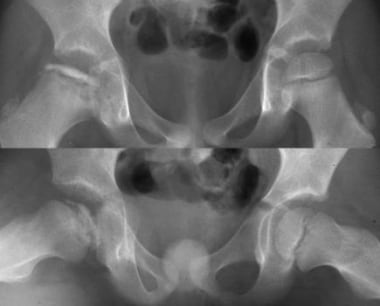
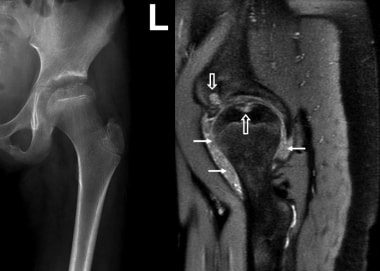
Caption: Picture 1. Patient with a painful hip and limp for several months. Reproduced with permission from Loren Yamamoto, Radiology Cases in Pediatric Emergency Medicine.
Click to see larger pictureClick to see detailView Full Size Image
Picture Type: X-RAY
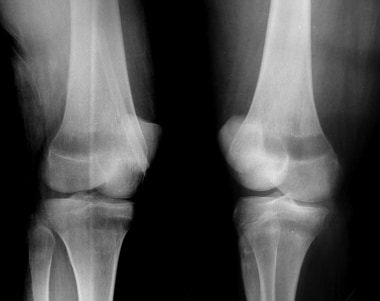
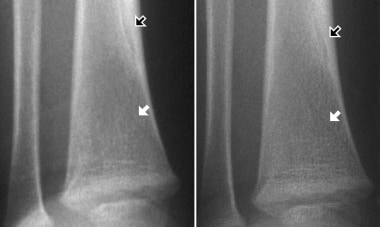
Caption: Picture 2. Toddler's fracture. Reproduced with permission from Radiology Cases in Pediatric Emergency Medicine, Volume 4, Case 18 Melinda D. Santhany, MD. Kapiolani Medical Center for Women And Children, University of Hawaii, John A. Burns School of Medicine.
Click to see larger pictureClick to see detailView Full Size Image
Picture Type: X-RAY
  BIBLIOGRAPHY Section 11 of 11   Click here to go to the previous section in this topic Click here to go to the top of this page
Author Information Introduction Clinical Differentials Workup Treatment Medication Follow-up Miscellaneous Pictures Bibliography

  • Berezin S, Newman LJ, Wasserman E: Limp in a child associated with Yersinia enterocolitica infection. N Y State J Med 1984 May; 84(5): 230-1[Medline].
  • Carraccio CL, Lomonico MP, Fisher MC: Limp as a presenting sign of meningitis. Pediatr Infect Dis J 1990 Sep; 9(9): 673-4[Medline].
  • Causey AL, Smith ER, Donaldson JJ: Missed slipped capital femoral epiphysis: illustrative cases and a review. J Emerg Med 1995 Mar-Apr; 13(2): 175-89[Medline].
  • Dabney KW, Lipton G: Evaluation of limp in children. Curr Opin Pediatr 1995 Feb; 7(1): 88-94[Medline].
  • Gavalas M, Potts H, Galasko CS: Bone infection and the limping child in the accident & emergency department: a diagnosis to be considered. Arch Emerg Med 1992 Sep; 9(3): 323-5[Medline].
  • Hensinger RN: Limp. Pediatr Clin North Am 1986 Dec; 33(6): 1355-64[Medline].
  • Herman MI: A limping 6 year old. In: Yamamoto L, et al, eds. Radiology Cases in Pediatric Emergency Medicine. 1997: Vol 4 Case 16.
  • Lee RW, Demos TC: Limp and altered gait. In: Rosen P, Doris PE, Berkin RM, et al, eds. Diagnostic Radiology in Emergency Medicine. 1992:509-40.
  • Madhok R: Limping child--osteochondritis dissecans of the talus. A case report. Orthop Rev 1987 Oct; 16(10): 757-9[Medline].
  • Mankin KP, Zimbler S: Gait and leg alignment: What's normal and what's not. Contemp Pediatr 1997 Nov; 41-70.
  • Markowitz C, Wynkoop W, Dvonch V: Limping toddlers. Orthopedics 1986 Jul; 9(7): 1021-3[Medline].
  • Myers MT, Thompson GH: Imaging the child with a limp. Pediatr Clin North Am 1997 Jun; 44(3): 637-58[Medline].
  • Phillips WA: The child with a limp. Orthop Clin North Am 1987 Oct; 18(4): 489-501[Medline].
  • Renshaw TS: The child who has a limp. Pediatr Rev 1995 Dec; 16(12): 458-65[Medline].
  • Scrutton DS, Robson MB: The gait of 50 normal children. Physiotherapy 1968 Oct; 54(10): 363-8[Medline].
  • Simonian PT, Vahey JW, Rosenbaum DM: Fracture of the cuboid in children. A source of leg symptoms. J Bone Joint Surg Br 1995 Jan; 77(1): 104-6[Medline].
  • Singer J: Evaluation of acute and insidious gait disturbance in children less than five years of age. Adv Pediatr 1979; 26: 209-73[Medline].
  • Snook ME, LiPuma JJ: Pelvic muscle abscess. An unusual cause of gait disturbance in young children. Clin Pediatr (Phila) 1993 May; 32(5): 298-9[Medline].
  • Swischuk LE: Limp in young child. Pediatr Emerg Care 1990 Mar; 6(1): 65-6[Medline].
  • Tolo V, Wood B: The limping child. In: Pediatric Orthopedics Primary Care. Baltimore Md: Williams & Wilkins; 1993:278-83.
  • Tuten HR, Gabos PG, Kumar SJ: The limping child: a manifestation of acute leukemia. J Pediatr Orthop 1998 Sep-Oct; 18(5): 625-9[Medline].

Pediatrics, Limp excerpt