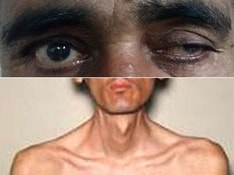
Continually Updated Clinical Reference
 
 
  All Sources     eMedicine     Medscape     Drug Reference     MEDLINE
 
eMedicine - Hyperthyroidism, Thyroid Storm, and Graves Disease : Article by

Quick Find
Authors & Editors
Introduction
Clinical
Differentials
Workup
Treatment
Medication
Follow-up
Miscellaneous
Acknowledgments
References

Related Articles
Anxiety

Congestive Heart Failure and Pulmonary Edema

Delirium Tremens

Diabetes Mellitus, Type 1 - A Review

Diabetes Mellitus, Type 2 - A Review

Heat Exhaustion and Heatstroke

Munchausen Syndrome

Neuroleptic Malignant Syndrome

Panic Disorders

Shock, Septic

Toxicity, Anticholinergic

Toxicity, Selective Serotonin Reuptake Inhibitor

Toxicity, Sympathomimetic

Withdrawal Syndromes


Patient Education
Endocrine System Center

Thyroid Problems Overview

Thyroid Problems Causes

Thyroid Problems Symptoms

Thyroid Problems Treatment

Thyroid Storm Overview


Author: Erik D Schraga, MD, Consulting Staff, Department of Emergency Medicine, Mills-Peninsula Emergency Medical Associates; Consulting Staff, Permanente Medical Group, Kaiser Permanente, Santa Clara Medical Center

Editors: Robin R Hemphill, MD, MPH, Associate Professor, Director, Disaster Preparedness, Department of Emergency Medicine, Vanderbilt University Medical Center; Francisco Talavera, PharmD, PhD, Senior Pharmacy Editor, eMedicine; Howard A Bessen, MD, Professor of Medicine, Department of Emergency Medicine, UCLA School of Medicine; Program Director, Harbor-UCLA Medical Center; John D Halamka, MD, MS, Associate Professor of Medicine, Harvard Medical School, Beth Israel Deaconess Medical Center; Chief Information Officer, CareGroup Healthcare System and Harvard Medical School; Attending Physician, Division of Emergency Medicine, Beth Israel Deaconess Medical Center; Rick Kulkarni, MD, Medical Director, Assistant Professor of Surgery, Section of Emergency Medicine, Yale-New Haven Hospital

Author and Editor Disclosure

Synonyms and related keywords: thyroid hormone, thyroxine, T4, triiodothyronine, T3, elevated levels of thyroid hormone, diffuse toxic goiter, goiter, exophthalmos, pretibial myxedema, thyrotoxicosis, toxic multinodular goiter, congestive heart failure, thyromegaly, atrial fibrillation, myopathy, periodic paralysis, thyroid bruit, infrequent blinking, lid lag, pulmonary infection, diabetic ketoacidosis, hyperosmolar coma, insulin-induced hypoglycemia, withdrawal of antithyroid medication, vigorous palpation of thyroid gland, thyroid hormone overdose, toxemia of pregnancy

Background

Hyperthyroidism, thyroid storm, and Graves disease are conditions of excess thyroid hormone. The elevated level of thyroid hormones can result in clinical manifestations ranging from mild to severely toxic with resultant morbidity and mortality for affected patients.

Hyperthyroidism

Hyperthyroidism presents as a constellation of symptoms due to elevated levels of circulating thyroid hormones. Because of the many actions of thyroid hormone on various organ systems in the body, the spectrum of clinical signs produced by the condition is broad. The presenting symptoms can be subtle and nonspecific, making hyperthyroidism difficult to diagnose in its early stages without the aid of laboratory data.

The term hyperthyroidism refers to inappropriately elevated thyroid function. Though often used interchangeably, the term thyrotoxicosis, which is an excessive amount of circulating thyroid hormone, is not synonymous with hyperthyroidism. Increased levels of hormone can occur despite normal thyroid function, such as in instances of inappropriate exogenous thyroid hormone or excessive release of stored hormone from an inflamed thyroid gland.

Graves disease

Graves disease (diffuse toxic goiter), the most common form of overt hyperthyroidism, is an autoimmune condition in which autoantibodies are directed against the thyroid-stimulating hormone (TSH) receptor. As a result, the thyroid gland is inappropriately stimulated with ensuing gland enlargement and increase of thyroid hormone production. Risk factors for Graves disease include family history of hyperthyroidism or various other autoimmune disorders, high iodine intake, stress, use of sex steroids, and smoking. The disease is classically characterized by the triad of goiter, exophthalmos, and pretibial myxedema.

Thyroid storm

Thyroid storm is a rare and potentially fatal complication of hyperthyroidism. It typically occurs in patients with untreated or partially treated thyrotoxicosis who experience a precipitating event such as surgery, infection, or trauma. Thyroid storm must be recognized and treated on clinical grounds alone, as laboratory confirmation often cannot be obtained in a timely manner. Patients typically appear markedly hypermetabolic with high fevers, tachycardia, nausea and vomiting, tremulousness, agitation, and psychosis. Late in the progression of disease patients may become stuporous or comatose with hypotension.

For more information, see Medscape's Thyroid Disease Resource Center.

For a related CME activity, see CME/CE Endocrine Emergencies.

Pathophysiology

In healthy patients, the hypothalamus produces thyrotropin-releasing hormone (TRH), which stimulates the anterior pituitary gland to secrete thyroid-stimulating hormone (TSH); this in turn triggers the thyroid gland to release thyroid hormone.

Thyroid hormone concentration is regulated by negative feedback by circulating free hormone primarily on the anterior pituitary gland and to a lesser extent on the hypothalamus. The secretion of TRH is also partially regulated by higher cortical centers.

The thyroid gland produces the prohormone thyroxine (T4), which is deiodinated primarily by the liver and kidneys to its active form, triiodothyronine (T3). The thyroid gland also produces a small amount of T3 directly. T4 and T3 exist in 2 forms: a free, unbound portion that is biologically active and a portion that is protein bound to thyroid-binding globulin (TBG). Despite consisting of less than 0.5% of total circulating hormone, free or unbound T4 and T3 levels best correlate with the patient's clinical status.

Frequency

United States

The overall incidence of hyperthyroidism is estimated between 0.05 to 1.3%, with the majority consisting of subclinical disease. The prevalence of hyperthyroidism is approximately 5-10 times less than hypothyroidism.

Thyroid storm is a rare disorder. Approximately 1-2% of patients with hyperthyroidism progress to thyroid storm.

Mortality/Morbidity

  • Thyroid storm, if unrecognized and untreated, is often fatal.
  • Adult mortality rate from thyroid storm is approximately 10-20%, but it has been reported to be as high as 75% in hospitalized populations. Underlying precipitating illness may contribute to high mortality.

Race

  • White and Hispanic populations in the United States have a slightly higher prevalence of hyperthyroidism in comparison with black populations.

Sex

  • A slight predominance of hyperthyroidism exists among females.

Age

  • Thyroid storm may occur at any age but is most common in those in their third through sixth decades of life.
  • Graves disease predominantly affects those aged 20-40 years.
  • The prevalence of toxic multinodular goiter increases with age and becomes the primary cause of hyperthyroidism in elderly persons.

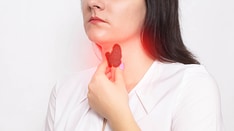
History

The clinical presentation of hyperthyroidism ranges from an array of nonspecific historical features to an acute life-threatening event. Historical features common to hyperthyroidism and thyroid storm are numerous and represent a hypermetabolic state with increased beta-adrenergic activity.

  • Weight loss
    • Patients typically report an average loss of approximately 15% of their prior weight.
    • Basal metabolic rate is increased with a stimulation of lipolysis and lipogenesis.
  • Palpitations
  • Chest pain - Often occurs in the absence of cardiovascular disease
  • Psychosis
  • Menstrual irregularity
  • Disorientation
  • Tremor
  • Nervousness, anxiety, or emotional lability
  • Heat intolerance
  • Increased perspiration
  • Fatigue
  • Weakness - Typically affects proximal muscle groups
  • Edema
  • Dyspnea
  • Frequent bowel movements

Physical

  • Fever
  • Tachycardia (often out of proportion to the fever)
  • Diaphoresis (often profuse)
  • Dehydration secondary to GI losses and diaphoresis
  • Warm, moist skin
  • Widened pulse pressure
  • Congestive heart failure (may be a high output failure)
  • Thyromegaly
    • Nontender, diffuse enlargement in Graves disease
    • Tender, diffusely enlarged gland in thyroiditis
    • Thyroid nodules, either single or multinodular goiter
  • Exophthalmos
  • Shock
  • Atrial fibrillation
    • Typically in elderly patients
    • May be refractory to attempted rate control with digitalis
    • Converts after antithyroid therapy in 20-50% of patients
  • Myopathy
  • Thyroid bruit - Relatively specific for thyrotoxicosis
  • Fine, resting tremor

Causes

Hyperthyroidism results from numerous etiologies, including autoimmune, drug-induced, infectious, idiopathic, iatrogenic, and malignancy.

  • Autoimmune
    • Graves disease
    • Chronic thyroiditis (Hashimoto thyroiditis) - Although the primary cause of hypothyroidism, the disease process occasionally presents initially with thyrotoxicosis
    • Subacute thyroiditis (de Quervain thyroiditis) - Diffuse, painful inflammation of the thyroid producing a transient state leakage of stored hormone
    • Postpartum thyroiditis - Presents similarly to subacute thyroiditis 2-6 months postpartum but typically painless with mild symptoms
  • Drug-induced
    • Iodine-induced - Occurs after administration of either supplemental iodine to those with prior iodine deficiency or pharmacologic doses of iodine (contrast media, medications) in those with underlying nodular goiter
    • Amiodarone - Its high iodine content is primarily responsible for producing a hyperthyroid state, though the medication may itself induce autoimmune thyroid disease.
  • Infectious
    • Suppurative thyroiditis - Often bacterial, results in a painful gland commonly in those with underlying thyroid disease or in immunocompromised individuals
    • Postviral thyroiditis
  • Idiopathic
    • Toxic multinodular goiter - The second most common cause of hyperthyroidism, characterized by functionally autonomous nodules, typically after age 50 years
  • Iatrogenic
    • Thyrotoxicosis factitia - A psychiatric condition in which high quantities of exogenous thyroid hormone are consumed
    • Surgery - Now uncommon secondary to preventative measures, manipulation of the thyroid gland during thyroidectomy historically caused a flood of hormone release, often resulting in highly toxic blood levels
  • Malignancy
    • Toxic adenoma - A single, hyperfunctioning nodule within a normally functioning thyroid gland commonly among patients in their 30s and 40s
    • Thyrotropin-producing pituitary tumors
    • Struma ovarii - Ovarian teratoma with ectopic thyroid tissue
  • Thyroid storm can be triggered by many different events, classically in patients with underlying Graves disease or toxic multinodular goiter.
    • Infection
    • Surgery
    • Cardiovascular events
    • Toxemia of pregnancy
    • Diabetic ketoacidosis, hyperosmolar coma, and insulin-induced hypoglycemia
    • Thyroidectomy
    • Discontinuation of antithyroid medication
    • Radioactive iodine
    • Vigorous palpation of the thyroid gland in hyperthyroid patients


Anxiety
Congestive Heart Failure and Pulmonary Edema
Delirium Tremens
Diabetes Mellitus, Type 1 - A Review
Diabetes Mellitus, Type 2 - A Review
Heat Exhaustion and Heatstroke
Munchausen Syndrome
Neuroleptic Malignant Syndrome
Panic Disorders
Shock, Septic
Toxicity, Anticholinergic
Toxicity, Selective Serotonin Reuptake Inhibitor
Toxicity, Sympathomimetic
Withdrawal Syndromes

Other Problems to be Considered

Psychosis
Anxiety
Malignancy
Pregnancy
Pheochromocytoma


Lab Studies

  • Thyroid function studies confirm the diagnosis in the appropriate clinical setting.
    • Elevation of free T4 and low to undetectable TSH levels are diagnostic of thyrotoxicosis.
    • Excessive TSH levels in the setting of elevated free T4 indicate hyperthyroidism of pituitary origin.
    • There is little utility in obtaining total T4 levels, as variations in serum thyroid-binding proteins alter the ability to interpret results.
    • Particularly in thyroid storm, the diagnosis must be made on the basis of the clinical examination as rapid assays are not universally available.
    • Thyroid function studies do not distinguish thyrotoxicosis from thyroid storm; however, several laboratory abnormalities may be encountered in thyroid storm.
  • Hyperglycemia
  • Hypercalcemia
  • Hepatic function abnormalities
  • Low serum cortisol
  • Leukocytosis
  • Hypokalemia (in thyrotoxic periodic paralysis)

Imaging Studies

  • Chest radiography may identify congestive heart failure or pulmonary infections, often associated with progression to thyroid storm.
  • Nuclear thyroid scan
    • Diffuse uptake in Graves disease
    • Focal uptake in toxic nodular thyroiditis

Other Tests

  • Electrocardiogram
    • Sinus tachycardia most common
    • Atrial fibrillation (often in elderly patients)
    • Complete heart block (rare)


Emergency Department Care

  • Do not delay treatment once thyroid storm is suspected.
  • Patients with severe thyrotoxicosis must be placed on a cardiac monitor. The patient should be intubated if profoundly altered. Supplemental oxygen may be required. Aggressive fluid resuscitation may be indicated.
  • Fevers are treated with cooling measures and antipyretics. However, aspirin should be avoided to prevent decreased protein binding and subsequent increases in free T3 and T4 levels. Only in the setting of subacute thyroiditis is aspirin indicated.
  • Aggressive hydration of up to 3-5 L/d of crystalloid compensates for potentially profound GI and insensible losses.
  • Appropriate electrolyte replacement should be directed by laboratory values.
  • Atrial fibrillation due to thyroid storm may be refractory to rate control, and conversion to sinus rhythm may be impossible until after antithyroid therapy has been initiated.
  • Intravenous glucocorticoids are indicated if adrenal insufficiency is suspected. Large doses of dexamethasone (2 mg q6h) inhibit hormone production and decrease peripheral conversion from T4 to T3.
  • Antithyroid medications such as propylthiouracil (PTU) and methimazole (MMI) oppose synthesis of T4 by inhibiting the organification of tyrosine residues.
    • PTU also inhibits the conversion of T4 to active T3, although this effect is minimal and not usually clinically significant.
    • Clinical effects may be seen as soon as 1 hour after administration. Both agents are administered orally or via a nasogastric tube.
    • PTU and MMI inhibit the synthesis of new thyroid hormone but are ineffective in blocking the release of preformed thyroid hormone. Iodide administration serves this purpose well; however, it should be delayed until 1 hour after the loading dose of antithyroid medication to prevent the utilization of iodine in the synthesis of new thyroid hormone. Lithium may be used as an alternative in those with iodine allergy.
    • Antithyroid medications appear to also have an immunosuppressive effect, evidenced by decreased serum concentrations of antithyrotropin-receptor antibodies.
    • Primary antithyroid treatment (as an alternative to surgery) is often suggested  for Graves disease, as remission after cessation of medical management is possible. In those with toxic multinodular goiters and solitary autonomous nodules, first-line treatment with antithyroid drugs is not recommended since spontaneous remission is rare. 
  • Beta-adrenergic blocking agents are the mainstays of symptomatic therapy for thyrotoxicosis. Propranolol has been used with the greatest success due to the additional benefit of inhibition of peripheral conversion of T4 to T3.

Consultations

  • An intensivist should be consulted for admission to an ICU when thyroid storm is the presumptive diagnosis.
  • An endocrinologist or internist may be helpful in confirming the diagnosis and in assisting in patient management.


The goals of medical therapy are blockade of peripheral effects, inhibition of hormone synthesis, blockade of hormone release, and prevention of peripheral conversion of T4 to T3. Restoration of a clinical euthyroid state may take up to 8 weeks.

Blocking agents such as beta-blockers reduce sympathetic hyperactivity and decrease peripheral conversion of T4 to T3.

Guanethidine and reserpine have been used to provide sympathetic blockade and may be effective agents if beta-blockers are contraindicated or not tolerated.

Iodides and lithium work to block release of preformed thyroid hormone.

Thionamides prevent synthesis of new thyroid hormone.

Drug Category: Inhibitors of hormone synthesis

Thionamides (eg, propylthiouracil, methimazole) prevent hormone synthesis by inhibiting both the organification of iodine to tyrosine residues and the coupling of iodotyrosines. The drug must be given orally or via a nasogastric tube. PTU has the added benefit of inhibiting peripheral conversion of T4 to T3.

Drug NamePropylthiouracil (PTU)
DescriptionDOC; effects may be seen soon after drug is started, but therapy may need to be continued for 4-12 wk. Laboratory monitoring of T4 and T3 levels may be required to adjust therapy. Although classified as pregnancy category D, recommended as DOC for women who are pregnant or breastfeeding.
Adult DoseMild-to-moderate thyrotoxicosis: 150-450 mg/d PO or via nasogastric tube
Thyroid storm: 600-1200 mg loading dose followed by 200-250 mg PO q4-6h
Pediatric Dose<6 years: Not established
6-10 years: 50-150 mg/d PO
>10 years: 150-300 mg/d PO
ContraindicationsDocumented hypersensitivity; breastfeeding mothers
InteractionsHas antivitamin K activity; may potentiate activity of oral anticoagulants
PregnancyD - Fetal risk shown in humans; use only if benefits outweigh risk to fetus
PrecautionsRashes are common; agranulocytosis may occur; rarely associated with hepatitis, hepatic necrosis, and liver failure; monitor prothrombin time during treatment; once symptoms of hyperthyroidism have resolved, lower maintenance dose if serum TSH levels elevated

Drug NameMethimazole (Tapazole)
DescriptionAn effective inhibitor of thyroid synthesis; however, it does not inhibit peripheral conversion of thyroid hormone
Adult DoseMild-to-moderate thyrotoxicosis: 15-30 mg/d PO divided q8h
Thyroid storm: 20 mg PO q4h
Pediatric Dose0.4-0.7 mg/kg/d PO divided q8h; maintenance dose is usually one half of initial
ContraindicationsDocumented hypersensitivity; breastfeeding mothers
InteractionsHas antivitamin K activity; may potentiate activity of oral anticoagulants
PregnancyD - Fetal risk shown in humans; use only if benefits outweigh risk to fetus
PrecautionsRashes are common; agranulocytosis may occur; rarely associated with hepatitis, hepatic necrosis, and liver failure; monitor prothrombin time during treatment; once symptoms of hyperthyroidism have resolved, lower maintenance dose if serum TSH levels elevated

Drug Category: Blockade of hormone release

Iodides and lithium are used effectively to block the release of thyroid hormone. Effects are exerted directly on the thyroid gland. Lithium is used only as a secondary agent due to difficulty in titrating to an effective dose and its narrow therapeutic window. These agents should be administered at least 1 hour after PTU is given to ensure the advance blockade of thyroid hormone formation; otherwise, administering iodides could worsen symptoms. Iodide preparations are known to cause serum sickness–type reactions. Iodides should not be used for long-term therapy in thyrotoxicosis. Preparations include saturated solution of potassium iodide (SSKI), iopanoic acid, and Lugol iodine.

Drug NameIopanoic acid
DescriptionAbsorption from GI tract is rapid and complete. Iodine equilibrates in extracellular fluids and is concentrated specifically by thyroid gland. For treatment of thyrotoxicosis, parenteral iodine may be used.
Adult Dose1 g via slow IV drip q8h for first 24 h then 500 mg bid
Pediatric Dose<12 years: Not established
>12 years: Administer as in adults
ContraindicationsDocumented hypersensitivity to iodinated compounds; burn patients
InteractionsIncreases lithium toxicity by producing additive hypothyroid effects; decreased anticoagulant effectiveness of warfarin
PregnancyD - Fetal risk shown in humans; use only if benefits outweigh risk to fetus
PrecautionsAvoid infusion in phlebitis; do not give undiluted into peripheral vein by direct injection

Drug NameSaturated solution of potassium iodide (SSKI, PIMA)
DescriptionInhibits thyroid hormone secretion. Solution contains 50 mg of iodide per drop and may be mixed with juice or water.
Adult Dose1-5 gtt PO tid until stable
Pediatric DoseInfants: 150-250 mg (3-6 gtt) PO tid
Children: Administer as in adults
ContraindicationsDocumented hypersensitivity; pulmonary edema; severe bronchitis; renal disorders; tuberculosis; hyperkalemia
InteractionsIncreases lithium toxicity by producing additive hypothyroid effects; decreased anticoagulant effectiveness of warfarin
PregnancyD - Fetal risk shown in humans; use only if benefits outweigh risk to fetus
PrecautionsProlonged use may result in hypothyroidism; caution in renal failure and GI obstruction; iododerma, coryza, cough, nausea, rhinorrhea, and parotiditis may occur

Drug NameLugol solution
DescriptionInhibits thyroid hormone secretion. Contains 8 mg of iodide per drop. May be mixed with juice or water for intake.
Adult Dose5-10 gtt PO tid until stable
Pediatric DoseAdminister as in adults
ContraindicationsDocumented hypersensitivity; pulmonary edema; bronchitis; tuberculosis; hyperkalemia
InteractionsIncreases lithium toxicity by producing additive hypothyroid effects; decreased anticoagulant effectiveness of warfarin
PregnancyD - Fetal risk shown in humans; use only if benefits outweigh risk to fetus
PrecautionsProlonged use may result in hypothyroidism; caution in renal failure or GI obstruction

Drug Category: Beta-adrenergic blockers

Beta-blockade is mainstay of symptomatic therapy; antiadrenergic effects block effects of excess thyroid hormone. Beta-blockade also plays a role in the prevention of peripheral conversion of T4 to T3. Propranolol is the best studied in this class, but other beta-blockers have similar effects in hyperthyroidism.

Effects are relatively dramatic, and results may be seen within 10 minutes after administration.

Use of beta-blockers improves heart failure that is due to thyrotoxic tachycardia or thyrotoxic myocardial depression but may worsen heart failure that is due to other causes. When in doubt, therapy may be begun with a short-acting titratable agent, such as esmolol.

Reserpine and guanethidine are effective autonomic blockers that may be used if beta-blockers are contraindicated.

Drug NamePropranolol (Inderal)
DescriptionDOC; can control cardiac and psychomotor manifestations within minutes.
Adult Dose20-80 mg PO q4h
1-2 mg IV q10-15min or until symptoms controlled
Pediatric Dose2 mg/kg/d PO divided q6h
0.05-0.15 mg/kg IV; administer half of desired dose and observe for effect; remainder may be given in 2 min, if required
ContraindicationsDocumented hypersensitivity; uncompensated congestive heart failure; bradycardia; cardiogenic shock; AV conduction abnormalities; bronchospasm
InteractionsAluminum salts, barbiturates, NSAIDs, penicillins, calcium salts, cholestyramine, and rifampin may decrease effects; calcium channel blockers, cimetidine, loop diuretics, and MAOIs may increase toxicity; may increase toxicity of hydralazine, haloperidol, benzodiazepines, and phenothiazines
PregnancyC - Fetal risk revealed in studies in animals but not established or not studied in humans; may use if benefits outweigh risk to fetus
PrecautionsBeta-adrenergic blockade may decrease signs of acute hypoglycemia and hyperthyroidism; abrupt withdrawal may exacerbate symptoms of hyperthyroidism, including thyroid storm; withdraw drug slowly and monitor closely

Drug Category: Corticosteroids

These agents play a role in the prevention of peripheral conversion of T4 to T3

Drug NameDexamethasone (Decadron)
DescriptionBlocks conversion of T4 to T3 and does not interfere with cortisol stimulation testing.
Adult Dose2 mg PO/IV q6h
Pediatric DoseLoading dose: 0.15 mg/kg/dose PO/IV q6h
ContraindicationsDocumented hypersensitivity; active bacterial or fungal infection
InteractionsBarbiturates, phenytoin, and rifampin decrease effects; decreases effects of salicylates and vaccines used for immunization
PregnancyB - Fetal risk not confirmed in studies in humans but has been shown in some studies in animals
PrecautionsIncreases risk of multiple complications, including severe infections; monitor for adrenal insufficiency when tapering drug; abrupt discontinuation of glucocorticoids may cause adrenal crisis; hyperglycemia, edema, osteonecrosis, myopathy, peptic ulcer disease, hypokalemia, osteoporosis, euphoria, psychosis, myasthenia gravis, growth suppression, and infections are possible complications


Further Inpatient Care

  • Admit patients with thyroid storm to the intensive care unit.
  • Severely thyrotoxic patients should be admitted to a monitored setting.
  • Confirm the diagnosis with laboratory analysis.
  • Clinical improvement should be evident within hours of initiating therapy.
  • Monitor therapy by laboratory values and clinical assessment. Titrate medications to optimize antithyroid and antiadrenergic effects.
  • Therapy may be required for 4-8 weeks.
  • Aggressively treat infection and any other underlying precipitant.

Further Outpatient Care

  • Patients with mild-to-moderate hyperthyroidism or Graves disease should follow up with their primary care physician or endocrinologist after a period of ED monitoring.

Transfer

  • Initiate antithyroid therapy for patients with thyrotoxicosis.
  • Ensure hemodynamic stability prior to transfer.
  • Consider transfer if intensivist or endocrinologist is not available to assist inpatient management.

Complications

  • Surgical complications
    • Hypoparathyroidism
    • Damage to recurrent laryngeal nerve
    • Hypothyroidism with subtotal thyroidectomy
  • Development of hypothyroidism following radioiodine treatment
  • Visual loss or diplopia due to severe ophthalmopathy
  • Localized pretibial myxedema
  • High-output cardiac failure
  • Muscle wasting and proximal muscle weakness

Prognosis

  • Thyroid storm is usually fatal if untreated.
    • Overall rate of mortality due to thyroid storm is approximately 10-20% but has been reported as high as 75%; the precipitating factor or underlying illness is often the cause of death.
    • With early diagnosis and adequate treatment, the prognosis is good.

Patient Education

  • Stress the importance of medication compliance.
  • Provide return precautions including symptoms suggestive of secondary hypothyroidism and undertreated hyperthyroidism.
  • For excellent patient education resources, visit eMedicine's Endocrine System Center. Also, see eMedicine's patient education articles Thyroid Problems and Thyroid Storm.


Medical/Legal Pitfalls

  • Because of the variable presentation of hyperthyroidism, even severe forms may be missed initially, particularly when patients present obtunded or comatose.
  • Apathetic thyrotoxicosis often is missed in the elderly (ie, aged 70-80 y). Symptoms consistent with apathetic thyrotoxicosis include prolonged duration of symptoms, increased weight loss, cardiovascular abnormalities (common), and ocular findings (less common).
  • Consider the possibility of thyrotoxicosis whenever a patient with acute behavioral changes is referred for psychiatric evaluation.

Special Concerns

  • Secondary hypothyroidism is a risk after thyroid surgery, radioablation, or thyroiditis.
  • Symptoms of thyrotoxicosis may be overlooked in pregnancy, as they may be indistinguishable from normal physiologic changes.
  • Hyperthyroidism during pregnancy warrants especially close attention and almost always should be treated with antithyroid medications.
  • Although surgery has been performed successfully during pregnancy, no data show that it has any significant advantage over antithyroid drugs as treatment. Since the necessary pretreatment with radioiodine is contraindicated, surgery should only be used if medical management is unsuccessful.
  • Iodide should not be used in pregnancy unless the benefits outweigh the risks, as it can lead to goiter development in the fetus.
  • During pregnancy, PTU should be used preferentially over methimazole. Each of these agents crosses the placental barrier and inhibits fetal thyroid function, but PTU crosses less readily.


The authors and editors of eMedicine gratefully acknowledge the contributions of previous author, Craig A Manifold, DO, to the development and writing of this article.


  • Basaria S, Cooper DS. Amiodarone and the thyroid. Am J Med. Jul 2005;118(7):706-14. [Medline].
  • Braverman LE, Utiger RD. Werner and Ingbar's The Thyroid: A Fundamental and Clinical Text. 7th ed. 1996.
  • Burch HB, Wartofsky L. Life-threatening thyrotoxicosis. Thyroid storm. Endocrinol Metab Clin North Am. Jun 1993;22(2):263-77. [Medline].
  • Canaris GJ, Manowitz NR, Mayor G, Ridgway EC. The Colorado thyroid disease prevalence study. Arch Intern Med. Feb 28 2000;160(4):526-34. [Medline].
  • Cappola AR, Fried LP, Arnold AM, et al. Thyroid status, cardiovascular risk, and mortality in older adults. JAMA. Mar 1 2006;295(9):1033-41. [Medline].
  • Carlson HE. Gynecomastia. N Engl J Med. Oct 2 1980;303(14):795-9. [Medline].
  • Cooper DS. Antithyroid drugs. N Engl J Med. Mar 2005;352(9):905-17. [Medline].
  • Fisher JN. Management of thyrotoxicosis. South Med J. May 2002;95(5):493-505. [Medline].
  • Gharib H. Changing concepts in the diagnosis and management of thyroid nodules. Endocrinol Metab Clin North Am. Dec 1997;26(4):777-800. [Medline].
  • Glauser J, Strange GR. Hypothyroidism and hyperthyroidism in the elderly. Emerg Med Rep. 2002;1(2):1-12.
  • Hollowell JG, Staehling NW, Flanders WD, et al. Serum TSH, T(4), and thyroid antibodies in the United States population (1988 to 1994): National Health and Nutrition Examination Survey (NHANES III). J Clin Endocrinol Metab. Feb 2002;87(2):489-99. [Medline].
  • Kudrjavcev T. Neurologic complications of thyroid dysfunction. Adv Neurol. 1978;19:619-36. [Medline].
  • McKeown NJ, Tews MC, Gossain VV, Shah SM. Hyperthyroidism. Emerg Med Clin North Am. Aug 2005;23(3):669-85, viii. [Medline].
  • Pimentel L, Hansen KN. Thyroid disease in the emergency department: a clinical and laboratory review. J Emerg Med. Feb 2005;28(2):201-9. [Medline].
  • Ragland E, Urbanic RC. Thyroid emergencies. In: Harwood-Nuss Al, Linden CH, eds. The Clinical Practice of Emergency Medicine. 2nd ed. Lippincott Williams & Wilkins; 1996:736-41.
  • Ragland G. Thyroid storm. In: Emergency Medicine: A Comprehensive Study Guide. 4th ed. New York, NY: McGraw-Hill; 1996:736-9.
  • Ringel MD. Management of hypothyroidism and hyperthyroidism in the intensive care unit. Crit Care Clin. Jan 2001;17(1):59-74. [Medline].
  • Rozien MF. Anesthetic implications of concurrent diseases. In: Anesthesia. Churchill Livingstone; 1994:926-8.
  • Rozien MF, Fleisher LA. Essence of Anesthesia Practice. WB Saunders Co; 1997:177.
  • Scott SK. Thyroid disorders. In: Markovchick VJ, Pons PT, Wolfe RE, eds. Emergency Medicine Secrets. Hanley and Belfus; 1993:178-82.
  • Sniezek JC, Francis TB. Inflammatory thyroid disorders. Otolaryngol Clin North Am. Feb 2003;36(1):55-71. [Medline].
  • Streetman DD, Khanderia U. Diagnosis and treatment of Graves disease. Ann Pharmacother. Jul-Aug 2003;37(7-8):1100-9. [Medline].
  • Tietgens ST, Leinung MC. Thyroid storm. Med Clin North Am. Jan 1995;79(1):169-84. [Medline].
  • Waldstein SS, Slodki SJ, Kaganiec GL. A clinical study of thyroid storm. Ann Intern Med. 1960;52:626-42.
  • Warofsky L, Ingbar SH. Diseases of the thyroid. In: Wilson JD, Brunwald E, et al, eds. Harrison's Principles of Internal Medicine. McGraw-Hill; 1991:1692-1712.
  • Weetman AP. Graves' disease. N Engl J Med. Oct 26 2000;343(17):1236-48. [Medline].
  • Wogan JM. Endocrine disorders. In: Rosen P, Barkin RM, et al, eds. Emergency Medicine: Concepts and Clinical Practice. Mosby-Year Book; 1992:2242-59.

Hyperthyroidism, Thyroid Storm, and Graves Disease excerpt

Article Last Updated: Jun 4, 2008