Practice Essentials
Type 1 diabetes is a chronic illness characterized by the body’s inability to produce insulin due to the autoimmune destruction of the beta cells in the pancreas. Although onset frequently occurs in childhood, the disease can also develop in adults. [1]
ICD-10 code
The International Classification of Diseases, 10th Revision, Clinical Modification (ICD-10-CM) code for type 1 diabetes without complications is E10.9.
Signs and symptoms
The classic symptoms of type 1 diabetes are as follows:
-
Polyuria
-
Polydipsia
-
Polyphagia
-
Unexplained weight loss
Other symptoms may include fatigue, nausea, and blurred vision.
The onset of symptomatic disease may be sudden. It is not unusual for patients with type 1 diabetes to present with diabetic ketoacidosis (DKA).
See Clinical Presentation for more detail.
Diagnosis
Diagnostic criteria by the American Diabetes Association (ADA) include the following [2] :
-
A fasting plasma glucose (FPG) level ≥126 mg/dL (7.0 mmol/L), or
-
A 2-hour plasma glucose level ≥200 mg/dL (11.1 mmol/L) during a 75-g oral glucose tolerance test (OGTT), or
-
A random plasma glucose ≥200 mg/dL (11.1 mmol/L) in a patient with classic symptoms of hyperglycemia or hyperglycemic crisis
Lab studies
A fingerstick glucose test is appropriate for virtually all patients with diabetes. All fingerstick capillary glucose levels must be confirmed in serum or plasma to make the diagnosis. All other laboratory studies should be selected or omitted on the basis of the individual clinical situation.
An international expert committee appointed by the ADA, the European Association for the Study of Diabetes (EASD), and the International Diabetes Association recommended the HbA1c assay for diagnosing type 1 diabetes only when the condition is suspected but the classic symptoms are absent. [3]
Screening
Screening for type 1 diabetes in asymptomatic low-risk individuals is not recommended. [2] However, in patients at high risk (eg, those who have first-degree relatives with type 1 diabetes), it may be appropriate to perform annual screening for anti-islet antibodies before the age of 10 years, along with 1 additional screening during adolescence. [4]
See Workup for more detail.
Management
Glycemic control
The ADA recommends using patient age as one consideration in the establishment of glycemic goals, with different targets for preprandial, bedtime/overnight, and hemoglobin A1c (HbA1c) levels in patients aged 0-6, 6-12, and 13-19 years. [5] Benefits of tight glycemic control include not only continued reductions in the rates of microvascular complications but also significant differences in cardiovascular events and overall mortality.
Self-monitoring
Optimal diabetic control requires frequent self-monitoring of blood glucose levels, which allows rational adjustments in insulin doses. All patients with type 1 diabetes should learn how to self-monitor and record their blood glucose levels with home analyzers and adjust their insulin doses accordingly.
Real-time continuous monitoring of glucose—using continuous glucose monitors (CGMs)—can help patients improve glycemic control. [6, 7] CGMs contain subcutaneous sensors that measure interstitial glucose levels every 1-5 minutes, providing alarms when glucose levels are too high or too low or are rapidly rising or falling.
Insulin therapy
Patients with type 1 diabetes require lifelong insulin therapy. Most require 2 or more injections of insulin daily, with doses adjusted on the basis of self-monitoring of blood glucose levels. Insulin replacement is accomplished by giving a basal insulin and a preprandial (premeal) insulin. The basal insulin is either long-acting (glargine or detemir) or intermediate-acting (NPH). The preprandial insulin is either rapid-acting (lispro, aspart, insulin inhaled, or glulisine) or short-acting (regular).
Common insulin regimens include the following:
-
Split or mixed: NPH with rapid-acting (eg, lispro, aspart, or glulisine) or regular insulin before breakfast and supper
-
Split or mixed variant: NPH with rapid-acting or regular insulin before breakfast, rapid-acting or regular insulin before supper, and NPH before bedtime (the idea is to reduce fasting hypoglycemia by giving the NPH later in the evening)
-
Multiple daily injections (MDI): A long-acting insulin (eg, glargine or detemir) once a day in the morning or evening (or twice a day in about 20% of patients) and a rapid-acting insulin before meals or snacks (with the dose adjusted according to the carbohydrate intake and the blood glucose level)
-
Continuous subcutaneous insulin infusion (CSII): Rapid-acting insulin infused continuously 24 hours a day through an insulin pump at 1 or more basal rates, with additional boluses given before each meal and correction doses administered if blood glucose levels exceed target levels
Diet and activity
All patients on insulin should have a comprehensive diet plan, created with the help of a professional dietitian, that includes the following:
-
A daily caloric intake prescription
-
Recommendations for amounts of dietary carbohydrate, fat, and protein
-
Instructions on how to divide calories between meals and snacks
Exercise is also an important aspect of diabetes management. Patients should be encouraged to exercise regularly.
See Treatment and Medication for more detail.

Background
Type 1 diabetes mellitus (DM) is a multisystem disease with both biochemical and anatomic/structural consequences. It is a chronic disease of carbohydrate, fat, and protein metabolism caused by the lack of insulin, which results from the marked and progressive inability of the pancreas to secrete insulin because of autoimmune destruction of the beta cells. [1] (See Pathophysiology.) (See also Glucose Intolerance.)
Type 1 DM can occur at any age. Although it frequently arises in juveniles, it can also develop in adults. (See Epidemiology.)
Unlike people with type 2 DM, those with type 1 DM usually are not obese and usually present initially with diabetic ketoacidosis (DKA). The distinguishing characteristic of a patient with type 1 DM is that if his or her insulin is withdrawn, ketosis and eventually ketoacidosis develop. Therefore, these patients are dependent on exogenous insulin. (See Presentation.)
Treatment of type 1 DM requires lifelong insulin therapy. A multidisciplinary approach by the physician, nurse, and dietitian, with regular specialist consultation, is needed to control glycemia, as well as to limit the development of its devastating complications and manage such complications when they do occur. (See Treatmentand Medication.)
Despite the differences between type 1 and type 2 DM, the costs of the 2 conditions are often combined. In a study that focused on type 1 alone, Tao et al estimated that in the United States, type 1 DM is responsible for $14.4 billion in medical costs and lost income each year. [8]
Pathophysiology
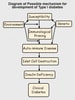
Type 1 DM is the culmination of lymphocytic infiltration and destruction of insulin-secreting beta cells of the islets of Langerhans in the pancreas. As beta-cell mass declines, insulin secretion decreases until the available insulin no longer is adequate to maintain normal blood glucose levels. After 80-90% of the beta cells are destroyed, hyperglycemia develops and diabetes may be diagnosed. Patients need exogenous insulin to reverse this catabolic condition, prevent ketosis, decrease hyperglucagonemia, and normalize lipid and protein metabolism.
Currently, autoimmunity is considered the major factor in the pathophysiology of type 1 DM. In a genetically susceptible individual, viral infection may stimulate the production of antibodies against a viral protein that trigger an autoimmune response against antigenically similar beta cell molecules.
Approximately 85% of type 1 DM patients have circulating islet cell antibodies, and the majority also have detectable anti-insulin antibodies before receiving insulin therapy. The most commonly found islet cell antibodies are those directed against glutamic acid decarboxylase (GAD), an enzyme found within pancreatic beta cells.
The prevalence of type 1 DM is increased in patients with other autoimmune diseases, such as Graves disease, Hashimoto thyroiditis, and Addison disease. Pilia et al found a higher prevalence of islet cell antibodies (IA2) and anti-GAD antibodies in patients with autoimmune thyroiditis. [9]
A study by Philippe et al used computed tomography (CT) scans, glucagon stimulation test results, and fecal elastase-1 measurements to confirm reduced pancreatic volume in individuals with DM. [10] This finding, which was equally present in both type 1 and type 2 DM, may also explain the associated exocrine dysfunction that occurs in DM.
Polymorphisms of the class II human leukocyte antigen (HLA) genes that encode DR and DQ are the major genetic determinants of type 1 DM. Approximately 95% of patients with type 1 DM have either HLA-DR3 or HLA-DR4. Heterozygotes for those haplotypes are at significantly greater risk for DM than homozygotes. HLA-DQs are also considered specific markers of type 1 DM susceptibility. In contrast, some haplotypes (eg, HLA-DR2) confer strong protection against type 1 DM. [11]
Sensory and autonomic neuropathy
Sensory and autonomic neuropathy in people with diabetes are caused by axonal degeneration and segmental demyelination. Many factors are involved, including the accumulation of sorbitol in peripheral sensory nerves from sustained hyperglycemia. Motor neuropathy and cranial mononeuropathy result from vascular disease in blood vessels supplying nerves.
Angiopathy
Using nailfold video capillaroscopy, Barchetta et al detected a high prevalence of capillary changes in patients with diabetes, particularly those with retinal damage. This reflects a generalized microvessel involvement in both type 1 and type 2 DM. [12]
Microvascular disease causes multiple pathologic complications in people with diabetes. Hyaline arteriosclerosis, a characteristic pattern of wall thickening of small arterioles and capillaries, is widespread and is responsible for ischemic changes in the kidney, retina, brain, and peripheral nerves.
Atherosclerosis of the main renal arteries and their intrarenal branches causes chronic nephron ischemia. It is a significant component of multiple renal lesions in diabetes.
Vitamin D deficiency is an important independent predictor of development of coronary artery calcification in individuals with type 1 DM. [13] Joergensen et al determined that vitamin D deficiency in type 1 diabetes may predict all causes of mortality but not development of microvascular complications. [14]
Nephropathy
In the kidneys, the characteristic wall thickening of small arterioles and capillaries leads to diabetic nephropathy, which is characterized by proteinuria, glomerular hyalinization (Kimmelstiel-Wilson), and chronic renal failure. Exacerbated expression of cytokines such as tumor growth factor beta 1 is part of the pathophysiology of glomerulosclerosis, which begins early in the course of diabetic nephropathy.
Genetic factors influence the development of diabetic nephropathy. Single-nucleotide polymorphisms affecting the factors involved in its pathogenesis appear to influence the risk for diabetic nephropathy in different people with type 1 DM. [15]
Double diabetes
In areas where rates of type 2 DM and obesity are high, individuals with type 1 DM may share genetic and environmental factors that lead to their exhibiting type 2 features such as reduced insulin sensitivity. This condition is termed double diabetes.
In a study that included 207 patients with type 1 DM, Epstein et al used the estimated glucose disposal rate (eGDR) to assess insulin resistance and found that mean eGDR was significantly lower (and, thus, insulin resistance was higher) in black patients (5.66 mg/kg/min) than in either Hispanic patients (6.70 mg/kg/min) or white patients (7.20 mg/kg/min). In addition, low eGDR was associated with an increased risk of vascular complications of diabetes (eg, cardiovascular disease, diabetic retinopathy, or severe chronic kidney disease). [16, 17]
Etiology
Type 1A DM results from autoimmune destruction of the beta cells of the pancreas and involves both genetic predisposition and an environmental component.
Genetic factors
Although the genetic aspect of type 1 DM is complex, with multiple genes involved, there is a high sibling relative risk. [18] Whereas dizygotic twins have a 5-6% concordance rate for type 1 DM, [19] monozygotic twins will share the diagnosis more than 50% of the time by the age of 40 years. [20]
For the child of a parent with type 1 DM, the risk varies according to whether the mother or the father has diabetes. Children whose mother has type 1 DM have a 2-3% risk of developing the disease, whereas those whose father has the disease have a 5-6% risk. When both parents are diabetic, the risk rises to almost 30%. In addition, the risk for children of parents with type 1 DM is slightly higher if onset of the disease occurred before age 11 years and slightly lower if the onset occurred after the parent’s 11th birthday.
The genetic contribution to type 1 DM is also reflected in the significant variance in the frequency of the disease among different ethnic populations. Type 1 DM is most prevalent in European populations, with people from northern Europe more often affected than those from Mediterranean regions. [21] The disease is least prevalent in East Asians. [22]
Genome-wide association studies have identified several loci that are associated with type 1 DM, but few causal relations have been established. The genomic region most strongly associated with other autoimmune diseases, the major histocompatibility complex (MHC), is the location of several susceptibility loci for type 1 DM—in particular, class II HLA DR and DQ haplotypes. [23, 24, 25]
A hierarchy of DR-DQ haplotypes associated with increased risk for type 1 DM has been established. The most susceptible haplotypes are as follows [26] :
-
DRB1*0301 - DQA1*0501 - DQB1*0201 (odds ratio [OR] 3.64)
-
DRB1*0405 - DQA1*0301 - DQB1*0302 (OR 11.37)
-
DRB1*0401 - DQA1*0301 - DQB*0302 (OR 8.39)
-
DRB1*0402 - DQA1*0301 - DQB1*0302 (OR 3.63)
-
DRB1*0404 - DQA1*0301 - DQB1*0302 (OR 1.59)
-
DRB1*0801 - DQB1*0401 - DQB1*0402 (OR 1.25)
Other haplotypes appear to offer protection against type 1 DM. These include the following [26] :
-
DRB1*1501 - DQA1*0102 - DQB1*0602 (OR 0.03)
-
DRB1*1401 - DQA1*0101 - DQB1*0503 (OR 0.02)
-
DRB1*0701 - DQA1*0201 - DQB1*0303 (OR 0.02)
From 90% to 95% of young children with type 1 DM carry HLA-DR3 DQB1*0201, HLA-DR4 DQB1*0302, or both. Carriage of both haplotypes (ie, DR3/4 heterozygotes) confers the highest susceptibility.
These high-risk haplotypes are found primarily in people of European descent; other ethnic groups are less well studied. In African Americans, the DRB1*07:01 - DQA1*03:01 -DQB1*02:01g haplotype is associated with increased risk (OR 3.96), whereas the DRB1*07:01-DQA1*02:01 - DQB1*02:01g haplotype appears to be protective (OR 0.34). [27]
The insulin gene (INS), which encodes for the pre-proinsulin peptide, is adjacent to a variable number of tandem repeats (VNTR) polymorphism at chromosome 11p15.5. [28] Different VNTR alleles may promote either resistance or susceptibility to type 1 DM through their effect on INS transcription in the thymus; for example, protective VNTRs are associated with higher INS expression, which may promote deletion of insulin-specific T cells. [29]
Other genes that have been reported to be involved in the mechanism of type 1 DM include CTLA4 (important in T-cell activation), PTPN22 (produces LYP, a negative regulator of T-cell kinase signaling), and IL2RA (encodes for CD25 which is involved with regulating T-cell function). UBASH3A (also known as STS2), may be involved in the increased risk not only of type 1 DM but also of other autoimmune disease and Down syndrome; it is located on locus chromosome 21q22.3. [30]
In addition, genome-wide association studies have implicated numerous other genes, including the following [31] :
-
SH2B3
-
ERBB3
-
CLEC16A
-
IL18RAP
-
PTPN2
-
CCR5
Environmental factors
Extragenetic factors also may contribute. Potential triggers for immunologically mediated destruction of the beta cells include viruses (eg, enterovirus, [32] mumps, rubella, and coxsackievirus B4), toxic chemicals, exposure to cow’s milk in infancy, [33] and cytotoxins.
Combinations of factors may be involved. Lempainen et al found that signs of an enterovirus infection by 12 months of age were associated with the appearance of type 1 DM–related autoimmunity among children who were exposed to cow's milk before 3 months of age. These results suggest an interaction between the 2 factors and provide a possible explanation for the contradictory findings obtained in studies that examined these factors in isolation. [34]
One meta-analysis found a weak but significant linear increase in the risk of childhood type 1 DM with increasing maternal age. [35] However, little evidence supports any substantial increase in childhood type 1 DM risk after pregnancy complicated by preeclampsia. [36]
A study by Simpson et al found that neither vitamin D intake nor 25-hydroxyvitamin D levels throughout childhood were associated with islet autoimmunity or progression to type 1 DM. [37] This study was based in Denver, Colorado, and has been following children at increased risk of diabetes since 1993.
Early upper respiratory infection may also be a risk factor for type 1 diabetes. In an analysis of data on 148 children considered genetically at risk for diabetes, upper respiratory infections in the first year of life were associated with an increased risk for type 1 diabetes . [38, 39] All children in the study who developed islet autoimmunity had at least 2 upper respiratory infections in the first year of life and at least 1 infection within 6 months before islet autoantibody seroconversion.
Children with respiratory infections in the first 6 months of life had the greatest increased hazard ratio (HR) for islet autoantibody seroconversion (HR = 2.27), and the risk was also increased in those with respiratory infections at ages 6 to almost 12 months (HR = 1.32). [38, 39] The rate of islet autoantibody seroconversion was highest among children with more than 5 respiratory infections in the first year of year of life. Respiratory infections in the second year of life were not related to increased risk. [38, 39]
Evidence exists that coronavirus disease 2019 (COVID-19) may actually lead to the development of type 1 and type 2 diabetes. One theory is that diabetes arises when severe acute respiratory syndrome coronavirus 2 (SARS-CoV-2), the virus that causes COVID-19, binds “to angiotensin-converting enzyme 2 (ACE2) receptors in key metabolic organs and tissues, including pancreatic beta cells and kidneys.” The CoviDiab registry was established by an international group of diabetes researchers to gather data on COVID-19–related diabetes. [40]
A report by Xie and Al-Aly found that among study patients who had survived the first 30 days of COVID-19, the risk for diabetes at 1 year was increased by about 40%. More specifically, the hazard ratios (HRs) for diabetes at 1 year among patients who, during the acute infection, were not hospitalized, were hospitalized, or were admitted to intensive care were 1.25, 2.73, and 3.76, respectively. The investigators stated that diabetes "should be considered as a facet of the multifaceted long COVID syndrome." [41, 42]
A study by Tang et al detected SARS-CoV-2 antigen in pancreatic beta cells, as taken from autopsy samples from individuals who had had COVID-19. The research indicated that insulin expression decreases in SARS-CoV-2–infected beta cells, with these cells possibly undergoing transdifferentiation. [43] A study by Wu et al also indicated that infected beta cells secrete less insulin, with the investigators finding evidence that SARS-CoV-2 can induce beta-cell apoptosis. [44]
A study from the US Centers for Disease Control and Prevention (CDC) indicates that SARS-CoV-2 infection increases the likelihood of diabetes developing in children under age 18 years, more than 30 days post infection. The investigators, using two US health claims databases, reported that pediatric patients with COVID-19 in the HealthVerity database were 31% percent more likely than other youth to receive a new diabetes diagnosis, while those in the IQVIA database were 166% more likely. The study could not specify the type or types of diabetes specifically related to COVID-19, with the report saying that the disease could be causing both type 1 and type 2 diabetes but through differing mechanisms. The researchers suggested, however, that COVID-19 may induce diabetes by directly attacking pancreatic cells that express ACE2 receptors, that it may give rise to diabetes “through stress hyperglycemia resulting from the cytokine storm and alterations in glucose metabolism caused by infection,” or that COVID-19 may cause diabetes via the conversion of prediabetes to diabetes. Whether the diabetes is transient or chronic was also unknown. [45, 46]
A study by Kendall et al found that compared with pediatric subjects with a non–SARS-CoV-2 respiratory infection, the proportion of children who were diagnosed with new-onset type 1 DM within 6 months after a SARS-CoV-2 infection was 72% greater. According to the investigators, who looked at patients aged 18 years or younger, the rate of new-onset type 1 DM among the two groups was 0.025% and 0.043%, respectively, at 6 months. [47]
However, a study by Cromer et al looked at adult patients with newly diagnosed diabetes mellitus at the time of hospital admission for COVID-19, finding that a number of them subsequently regressed to a state of normoglycemia or prediabetes. The investigators reported that out of 64 survivors in the study with newly diagnosed diabetes (62 of whom had type 2 diabetes), 26 (40.6%) were known to undergo such regression (median 323-day follow-up). [48]
Epidemiology
United States statistics
A 2011 report from the US Centers for Disease Control and Prevention (CDC) estimated that approximately 1 million Americans have type 1 DM. [49] The CDC estimated that each year from 2002 to 2005, type 1 DM was newly diagnosed in 15,600 young people. Among children younger than 10 years, the annual rate of new cases was 19.7 per 100,000 population; among those 10 years or older, the rate was 18.6 per 100,000 population. [49]
Type 1 DM is the most common metabolic disease of childhood. About 1 in every 400-600 children and adolescents has type 1 DM. In adults, type 1 DM constitutes approximately 5% of all diagnosed cases of diabetes. [49]
A study by Mayer-Davis et al indicated that between 2002 and 2012, the incidence of type 1 and type 2 DM saw a significant rise among youths in the United States. According to the report, after the figures were adjusted for age, sex, and race or ethnic group, the incidence of type 1 (in patients aged 0-19 years) and type 2 DM (in patients aged 10-19 years) during this period underwent a relative annual increase of 1.8% and 4.8%, respectively. The greatest increases occurred among minority youths. [50]
International statistics
Internationally, rates of type 1 DM are increasing. In Europe, the Middle East, and Australia, rates of type 1 DM are increasing by 2-5% per year. [51] The prevalence of type 1 DM is highest in Scandinavia (ie, approximately 20% of the total number of people with DM) and lowest in China and Japan (ie, fewer than 1% of all people with diabetes). Some of these differences may relate to definitional issues and the completeness of reporting.
The 10th edition of the International Diabetes Federation Diabetes Atlas, published in December 2021, reported that worldwide, 1 in 10 adults has diabetes. The data predicted that there would be a global increase in the number of adults with diabetes from 537 million in 2021 to 786 million by 2045, a 46% rise. Although increases are expected throughout the world, Africa, the Middle East, and Southeast Asia are predicted to have the greatest expansion. [52]
Age-related demographics
Previously referred to as juvenile-onset diabetes, type 1 DM is typically diagnosed in childhood, adolescence, or early adulthood. Although the onset of type 1 DM often occurs early in life, 50% of patients with new-onset type 1 DM are older than 20 years of age.
Type 1 DM usually starts in children aged 4 years or older, appearing fairly abruptly, with the peak incidence of onset at age 11-13 years (ie, in early adolescence and puberty). There is also a relatively high incidence in people in their late 30s and early 40s, in whom the disease tends to present less aggressively (ie, with early hyperglycemia without ketoacidosis and gradual onset of ketosis). This slower-onset adult form of type 1 DM is referred to as latent autoimmune diabetes of the adult (LADA). [49]
A study by Thomas et al, using data from the UK Biobank, determined that in 42% of type 1 DM cases reviewed, disease onset occurred in patients aged 31 to 60 years. The report also found that because type 2 DM is far more common than type 1 in individuals in the 31- to 60-year age group, with type 1 DM making up only 4% of all diabetes cases in this population, identification of type 1 DM is difficult in patients over age 30 years. The presence of type 1 DM was identified in the study using a genetic risk score that employed 29 common genetic variants. [53, 54]
The risk of development of antibodies (anti-islet) in relatives of patients with type 1 DM decreases with increasing age. This finding supports annual screening for antibodies in relatives younger than 10 years and 1 additional screening during adolescence. [4]
Sex- and race-related demographics
Type 1 DM is more common in males than in females. In populations of European origin, the male-to-female ratio is greater than 1.5:1.
Type 1 DM is most common among non-Hispanic whites, followed by African Americans and Hispanic Americans. It is comparatively uncommon among Asians.
Prognosis
Type 1 DM is associated with a high morbidity and premature mortality. More than 60% of patients with type 1 DM do not develop serious complications over the long term, but many of the rest experience blindness, end-stage renal disease (ESRD), and, in some cases, early death. The risk of ESRD and proliferative retinopathy is twice as high in men as in women when the onset of diabetes occurred before age 15 years. [55]
Patients with type 1 DM who survive the period 10-20 years after disease onset without fulminant complications have a high probability of maintaining reasonably good health. Other factors affecting long-term outcomes are the patient’s education, awareness, motivation, and intelligence level. The 2012 American Diabetes Association (ADA) standard of care emphasizes the importance of long-term, coordinated care management for improved outcomes and suggests structural changes to existing systems of long-term care delivery. [5]
The morbidity and mortality associated with diabetes are related to the short- and long-term complications. Such complications include the following:
-
Hypoglycemia from management errors
-
Increased risk of infections
-
Microvascular complications (eg, retinopathy and nephropathy)
-
Neuropathic complications
-
Macrovascular disease
These complications result in increased risk for ischemic heart disease, cerebral vascular disease, peripheral vascular disease with gangrene of lower limbs, chronic renal disease, reduced visual acuity and blindness, and autonomic and peripheral neuropathy. Diabetes is the major cause of blindness in adults aged 20-74 years, as well as the leading cause of nontraumatic lower-extremity amputation and ESRD.
In both diabetic and non-diabetic patients, coronary vasodilator dysfunction is a strong independent predictor of cardiac mortality. In diabetic patients without coronary artery disease, those with impaired coronary flow reserve have event rates similar to those with prior coronary artery disease, while patients with preserved coronary flow reserve have event rates similar to non-diabetic patients. [56]
A study by Bode et al indicated that among patients with coronavirus disease 2019 (COVID-19), the US in-hospital death rate for individuals living with diabetes, patients with an HbA1c of 6.5% or higher, and those with hyperglycemia throughout their stay is 29%, a figure over four times greater than that for patients without diabetes or hyperglycemia. Moreover, the in-hospital death rate for patients with no evidence of preadmission diabetes who develop hyperglycemia while admitted was found to be seven times higher (42%). [57, 58]
A whole-population study from the United Kingdom (UK) reported that the risk of in-hospital death for patients with COVID-19 was 2.0 times greater for those with type 2 diabetes and 3.5 times higher for individuals with type 1 diabetes. However, patients under age 40 years with either type of diabetes were at extremely low risk for death. [59, 60]
A French study, by Wargny et al, indicated that among patients with diabetes who are hospitalized with COVID-19, approximately 20% will die within 28 days. Individuals particularly at risk for mortality over this 4-week period include patients of advanced age, as well as those with a history of microvascular complications (especially those who have had kidney or eye damage), who have dyspnea on admission or inflammatory markers (increased white blood cell [WBC] count, raised C-reactive protein, elevated aspartate transaminase), or who have undergone routine insulin and statin treatment. It should be kept in mind, however, that the data was gathered between March 10 and April 10, 2020, with a statement from Diabetes UK explaining that in people with diabetes, COVID-19–associated mortality has decreased over time as treatment has improved. [61, 62]
Another study, by Barrera et al, looking at 65 observational reports (15,794 participants), found that among COVID-19 patients with diabetes, the unadjusted relative risk for admission to an intensive care unit (ICU) was 1.96, and for mortality, 2.78. [63, 64]
Another study from the United Kingdom found that risk factors for mortality in COVID-19 patients with type 1 or type 2 diabetes include male sex, older age, renal impairment, non-White ethnicity, socioeconomic deprivation, and previous stroke and heart failure. Moreover, patients with type 1 or type 2 diabetes had a significantly greater mortality risk with an HbA1c level of 86 mmol/mol or above, compared with persons with an HbA1c level of 48-53 mmol/mol. In addition, an HbA1c of 59 mmol/mol or higher in patients with type 2 diabetes increased the risk as well. The study also found that in both types of diabetes, body mass index (BMI) had a U-shaped relationship with death, the mortality risk being increased in lower BMI and higher BMI but being reduced between these (25.0-29.9 kg/m2). [65, 60]
A literature review by Schlesinger et al strengthened the association between severe diabetes and COVID-19–related mortality, finding that among study patients with diabetes, the likelihood of death from COVID-19 was 75% greater in chronic insulin users. The study also indicated that the chance of death from COVID-19 is 50% less in individuals undergoing metformin therapy than in other patients with diabetes. The investigators suggested that the medications themselves did not impact survival but were indicators of the severity of diabetes in each group, with the prognosis being poorer among those with more severe diabetes. [66, 67]
However, a Belgian study, by Vangoitsenhoven et al, indicated that in most people, the presence of type 1 diabetes mellitus is not associated with a greater risk of hospitalization for COVID-19. The investigators found that during the first 3 months of the pandemic in Belgium, the COVID-19 hospitalization rate was similar between individuals with type 1 diabetes and those without (0.21% vs 0.17%, respectively). Among the patients with type 1 diabetes, older persons had a greater tendency toward COVID-19–related hospitalization, although glucose control, comorbidity profile, and angiotensin-converting enzyme (ACE) inhibitor/angiotensin II receptor blocker (ARB) therapy did not significantly differ between the hospitalized and non-hospitalized groups. This and other research suggest that in persons with type 1 diabetes, an increased risk of death from COVID-19 is found primarily in particularly vulnerable individuals instead of in such patients overall. [68, 69]
A retrospective, multicenter study by Carrasco-Sánchez et al indicated that among noncritical patients with COVID-19, the presence of hyperglycemia on hospital admission independently predicts progression to critical status, as well as death, whether or not the patient has diabetes. The in-hospital mortality rate in persons with a blood glucose level of higher than 180 mg/dL was 41.1%, compared with 15.7% for those with a level below 140 mg/dL. Moreover, the need for ventilation and intensive care unit admission were also greater in the presence of hyperglycemia. The report involved over 11,000 patients with confirmed COVID-19, only about 19% of whom had diabetes. [70, 71]
In contrast to the above study, a report by Klonoff et al on over 1500 US patients with COVID-19 found no association between hyperglycemia on hospital admission and mortality, in non-ICU patients. However, the in-hospital mortality rate was significantly greater in such patients if they had a blood glucose level above 13.88 mmol/L on the second or third hospital day, compared with those with a level below 7.77 mmol/L. Findings for patients admitted directly to the ICU differed from these, with the investigators determining that mortality was associated with the presence of hyperglycemia on admission but was not significantly linked with a high glucose level on the second hospital day. [72, 73]
Type 1 diabetic patients also have a high prevalence of small-fiber neuropathy. [74, 75] In a prospective study of 27 patients who had type 1 diabetes with a mean disease duration of 40 years, almost 60% of the subjects showed signs or symptoms of neuropathy, including sensory neuropathy symptoms (9 patients), pain (3 patients), and carpal-tunnel symptoms (5 patients). [74, 75] Of the 27 patients, 22 were diagnosed with small-fiber dysfunction by means of quantitative sensory testing.
Abnormal results on intraepidermal nerve-fiber density measurement (IENFD) were seen in 19 patients. [75] IENFD was negatively correlated with HbA1c, but this relation was no longer significant after adjustment for age, body mass index, and height. N-ε-(carboxymethyl) lysine (CML), which is linked to painful diabetic neuropathy, remained independently associated with IENFD even after adjustment for these variables. Large-fiber neuropathy was also common, being found in 16 patients.
Although ESRD is one of the most severe complications of type 1 DM, its incidence is relatively low: 2.2% at 20 years after diagnosis and 7.8% at 30 years after diagnosis. [76] A greater risk is that mild diabetic nephropathy in type 1 diabetic persons appears to be associated with an increased likelihood of cardiovascular disease. [77] Moreover, the long-term risk of an impaired glomerular filtration rate (GFR) is lower in persons treated with intense insulin therapy early in the course of disease than in those given conventional therapy. [78]
Although mortality from early-onset type 1 DM (onset age, 0-14 y) has declined, the same may not be true for late-onset type 1 DM (onset age, 15-29 y). One study suggest that women tend to fare worse in both cohorts and that alcohol and drug use account for more than one third of deaths. [79]
Control of blood glucose, hemoglobin A1c (HbA1c), lipids, blood pressure, and weight significantly affects prognosis. Excess weight gain with intensified diabetes treatment is associated with hypertension, insulin resistance, dyslipidemia and extensive atherosclerotic cardiovascular disease. [80]
Patients with diabetes face a lifelong challenge to achieve and maintain blood glucose levels as close to the normal range as possible. With appropriate glycemic control, the risk of both microvascular and neuropathic complications is decreased markedly. In addition, aggressive treatment of hypertension and hyperlipidemia decreases the risk of macrovascular complications.
A study by Zheng et al indicated that HbA1c levels in persons with diabetes are longitudinally associated with long-term cognitive decline, as found using a mean 4.9 cognitive assessments of diabetes patients over a mean 8.1-year follow-up period. The investigators saw a significant link between each 1 mmol/mol rise in HbA1c and an increased rate of decline in z scores for global cognition, memory, and executive function. Patients in the study had a mean age of 65.6 years. The report cited a need for research into whether optimal glucose control in people with diabetes can affect their cognitive decline rate. [81, 82]
A study indicated that children with type 1 DM who have an HbA1c level of 9% or above are at greater risk of mortality, intubation, and sepsis due to COVID-19 than are children without type 1 DM. However, the report also found evidence that such risk is not greater in children with an HbA1c level at or below 7%. The investigators found the COVID-19 mortality rates in children without type 1 DM, those with type 1 DM, and those with type 1 DM with an HbA1c of 7% or lower to be 0.047%, 0.328%, and 0%, respectively. [83]
The benefits of glycemic control and control of comorbidities in type 1 DM must be weighed against the risk of hypoglycemia and the short-term costs of providing high-quality preventive care. However, studies have shown cost savings due to a reduction in acute diabetes-related complications within 1-3 years of starting effective preventive care.
Patient Education
Education is a vital aspect of diabetes management. Patients with new-onset type 1 DM require extensive education if they are to manage their disease safely and effectively and to minimize long-term complications. Such education is best coordinated by the patient’s long-term care providers.
At every encounter, the clinician should educate the patient—and, in the case of children, the parents—about the disease process, management, goals, and long-term complications. In particular, clinicians should do the following:
-
Make patients aware of the signs and symptoms of hypoglycemia and knowledgeable about ways to manage it
-
Help patients understand and acknowledge the course of diabetes (eg, by teaching patients that they have a chronic condition that requires lifestyle modification and that they are likely to have chronic complications if they do not take control of their disease)
-
Reassure patients about the prognosis in properly managed type 1 DM
ADA guidelines urge that attention be paid to older adolescent patients who may be leaving their home and their current health care providers. At the transition between pediatric and adult health care, older teens can become detached from the health care system, putting their medical care and their glycemic control at risk. [5] The guidelines identify the National Diabetes Education Program (NDEP) as a source of materials that can help smooth the transition to adult health care.
Education about an appropriate treatment plan and encouragement to follow the plan are especially important in patients with diabetes. Physicians must ensure that the care for each patient with diabetes includes all necessary laboratory tests, examinations (eg, foot and neurologic examinations), and referrals to specialists (eg, an ophthalmologist or podiatrist).
A dietitian should provide specific diet control education to the patient and family. A nurse should educate the patient about self–insulin injection and performing fingerstick tests for blood glucose level monitoring.
For patient education information, see the Diabetes Center, as well as Diabetes.
Tables

What would you like to print?
- Overview
- Presentation
- DDx
- Workup
- Treatment
- Approach Considerations
- Self-Monitoring of Glucose Levels
- Continuous Glucose Monitoring
- Insulin Therapy
- Management of Hypoglycemia
- Management of Hyperglycemia
- Diet
- Activity
- Management of Complications
- Glycemic Control During Serious Medical Illness and Surgery
- Glycemic Control During Pregnancy
- Prevention
- Consultations
- Show All
- Guidelines
- Medication
- Questions & Answers
- References