| Patient Education |
|
Click here for patient education.
|
|
You are in: eMedicine Specialties >
Emergency Medicine > GASTROINTESTINAL
Cholangitis
Article Last Updated: Jun 8, 2006
AUTHOR AND EDITOR INFORMATION
Section 1 of 11
Author: Adam J Rosh, MD, MS, Staff Physician, Department of Emergency Medicine, New York University/Bellevue Hospital Center
Adam J Rosh is a member of the following medical societies: American College of Emergency Physicians, Emergency Medicine Residents Association, Medical Society of the State of New York, and Society for Academic Emergency Medicine
Coauthor(s):
Jeffrey A Manko, MD, Assistant Professor of Clinical Surgery/Emergency Medicine, Associate Director, Emergency Medicine Residency Program, Consulting Staff, Emergency Medicine Services, New York University/Bellevue Medical Center;
Sally Santen, MD, Program Director, Assistant Professor, Department of Emergency Medicine, Vanderbilt University
Editors: David FM Brown, MD, Assistant Professor, Department of Medicine, Division of Emergency Medicine, Harvard Medical School; Associate-Chief, Attending Physician, Department of Emergency Medicine, Massachusetts General Hospital; Francisco Talavera, PharmD, PhD, Senior Pharmacy Editor, eMedicine; Eugene Hardin, MD, FACEP, FAAEM, Chair and Associate Professor, Department of Emergency Medicine, Charles R Drew University of Medicine and Science; Chair, Department of Emergency Medicine, Martin Luther King, Jr/Drew Medical Center; John D Halamka, MD, MS, Associate Professor of Medicine, Harvard Medical School, Beth Israel Deaconess Medical Center; Chief Information Officer, CareGroup Healthcare System and Harvard Medical School; Attending Physician, Division of Emergency Medicine, Beth Israel Deaconess Medical Center; Barry E Brenner, MD, PhD, FACEP, Program Director, Department of Emergency Medicine, University Hospitals, Case Medical Center
Author and Editor Disclosure
Synonyms and related keywords:
cholangitis, common bile duct obstruction, CBD, CBD stones
Background
Acute cholangitis is a bacterial infection superimposed on an obstruction of the biliary tree most commonly from a gallstone, but it may be associated with neoplasm or stricture.
Pathophysiology
The main factors in the pathogenesis of acute cholangitis are biliary tract obstruction, elevated intraluminal pressure, and infection of bile. It is believed that biliary obstruction diminishes host antibacterial defenses, causes immune dysfunction, and subsequently increases small bowel bacterial colonization. Although the exact mechanism is unclear, it is believed that bacteria gain access to the biliary tree by retrograde ascent from the duodenum or from portal venous blood. As a result, infection ascends into the hepatic ducts, causing serious infection. Increased biliary pressure pushes the infection into the biliary canaliculi, hepatic veins, and perihepatic lymphatics, leading to bacteremia (25-40%). The infection can be suppurative in the biliary tract.
The bile is normally sterile. In the presence of gallbladder or common duct stones (CBD), however, the, incidence of bactibilia increases. The most common organisms cultured in cholangitis are Escherichia coli (39%), Klebsiella (54%) and Enterobacter (34%) species, enterococci (34%), and group D streptococci. The infection may also be polymicrobial. For related pathophysiology, please see the Cholelithiasis and Cholecystitis and Biliary Colic articles.
Frequency
United States
Cholangitis is relatively uncommon. It occurs in association with other diseases that cause biliary obstruction and bactibilia (eg, after endoscopic retrograde cholangiopancreatography [ERCP], 1-3% of patients develop cholangitis). Risk is increased if dye is injected retrograde.
International
Oriental cholangiohepatitis is endemic in Southeast Asia. This is a recurrent pyogenic cholangitis with intrahepatic and extrahepatic stones in 70-80% of patients and cholelithiasis in 50-70%.
Mortality/Morbidity
- Mortality of cholangitis is high due to the predisposition in people with underlying disease. Historically, mortality was 100%. Currently, mortality ranges from 7-40%.
- The following patient characteristics are associated with a higher morbidity and mortality:
- Hypotension
- Acute renal failure
- Liver abscess
- Cirrhosis
- Inflammatory bowel disease
- High malignant strictures
- Radiologic cholangitis – Post percutaneous transhepatic cholangiography
- Female gender
- Age older than 50 years
- Failure to respond to antibiotics and conservative therapy
- Advanced age, concurrent medical problems, and delay in decompression increase emergent operative mortality (17-40%). Mortality of elective surgery after medical stabilization is significantly less (approximately 3%). In the past, suppurative cholangitis was thought to have increased morbidity; however, prospective studies have not found this to be true.
Race
- Cholangitis is frequently associated with gallstones and risk factors are the same. Prevalence of gallstones is highest in fair-skinned people of Northern European descent as well as Hispanic populations, Native Americans, and Pima Indians.
- In addition, certain Asian populations and inhabitants of countries where intestinal parasites are common are also at increased risk. Asians are more likely to have primary stones due to chronic biliary infections, parasites, bile stasis, and biliary strictures. Recurrent pyogenic cholangitis (oriental cholangiohepatitis) rarely is observed in the US but may be observed in Asian populations. Although it tends to be less severe, the ducts and liver are damaged.
- African Americans are only at increased risk if they have a hematologic disorder (eg, sickle cell anemia).
Sex
- While gallstones are more common in women, the male-to-female ratio is equal in cholangitis.
Age
- Elderly patients are more likely to progress from asymptomatic gallstones to serious complications of gallstones and cholangitis without gallbladder colic.
- Suspect cholangitis in older patients presenting with sepsis and mental status changes. Elderly patients are more prone to gallstones and CBD stones and, therefore, cholangitis.
- The median age at presentation is between 50 and 60 years.
History
In 1877, Charcot described cholangitis as a triad of findings of right upper quadrant (RUQ) pain, fever, and jaundice. The Reynolds pentad adds mental status changes and sepsis to the triad. A spectrum of cholangitis exists, ranging from mild symptoms to fulminant overwhelming sepsis. With septic shock, diagnosis can be missed in up to 25% of patients. Consider cholangitis in any patient who appears septic, especially with patients who are elderly, jaundiced, or who have abdominal pain. History of abdominal pain or past symptoms of gallbladder colic helps make the diagnosis.
- Charcot triad of fever, RUQ pain, and jaundice is found in 50-70% of patients presenting with cholangitis.
- Fever is present in approximately 90% of cases. Abdominal pain and jaundice is thought to occur in 70% and 60% of patients, respectively.
- Patients present with altered mental status 10-20% of the time and hypotension approximately 30% of the time. These signs combined with Charcot triad constitute Reynolds pentad.
- Most patients complain of RUQ pain; however, some patients (ie, elderly persons) are too ill to localize the source of infection.
- Other symptoms include the following:
- Jaundice
- Fever, chills, and rigors
- Pruritus
- Acholic or hypocholic stools
- The patient's past medical history may be helpful. For example, a history of the following increases the risk of cholangitis:
- Gallstones, CBD stones
- Recent cholecystectomy
- Endoscopic manipulation or ERCP, cholangiogram
- History of cholangitis
- History of HIV or AIDS: AIDS-related cholangitis is characterized by extrahepatic biliary edema, ulceration, and obstruction. Etiology is uncertain but may be related to cytomegalovirus or cryptosporidium infections. Manage cholangitis as described below, although decompression usually is not necessary.
Physical
- Patients with cholangitis generally are quite ill and frequently present in septic shock without an apparent source.
- Physical examination may reveal the following:
- Fever (90%), although elderly patients may have no fever
- RUQ tenderness (65%)
- Mild hepatomegaly
- Jaundice (60%)
- Mental status changes (10-20%)
- Sepsis
- Hypotension (30%)
- Tachycardia
- Peritonitis (unusual; should lead to a search for an alternative diagnosis)
Causes
Choledocholithiasis is the most common cause of acute cholangitis, followed by ERCP and tumors.
Stasis or obstruction of bile in the CBD leads to bacterial infection and cholangitis. Partial obstruction is associated with a higher rate of infection than complete obstruction.
- CBD stones predispose patients to cholangitis.
- Approximately 10-15% of patients with cholecystitis have CBD stones.
- Approximately 1% of patients post-cholecystectomy have retained CBD stones. Most CBD stones are immediately symptomatic, while some remain asymptomatic for years.
- Some CBD stones are formed primarily rather than secondary to gallstones.
- Obstructive tumors cause cholangitis. Partial obstruction is associated with an increased rate of infection compared with that of complete neoplastic obstruction.
- Pancreatic cancer
- Cholangiocarcinoma
- Ampullary cancer
- Porta hepatis tumors or metastasis
- Additional causes of cholangitis include the following:
- Strictures or stenosis
- Endoscopic manipulation of the CBD
- Choledochocele
- Sclerosing cholangitis (from biliary sclerosis)
- AIDS cholangiopathy
- Ascaris lumbricoides infections
Cholecystitis and Biliary Colic
Diverticular Disease
Hepatitis
Mesenteric Ischemia
Pancreatitis
Shock, Septic
Other Problems to be Considered
Cirrhosis
Liver failure
Liver abscess
Acute appendicitis
Perforated peptic ulcer
Pyelonephrosis
Right colon diverticulitis
Lab Studies
- CBC: Leukocytosis: In patients with cholangitis, 79% had a WBC greater than 10,000, with a mean of 13.6. Septic patients may be leukopenic.
- Comprehensive metabolic panel with bicarbonate
- Expect liver function test results to be consistent with cholestasis, hyperbilirubinemia (88-100%), and increased alkaline phosphatase (78%).
- Aspartate aminotransferase (AST) and alanine aminotransferase (ALT) levels are usually mildly elevated.
- Check renal function and electrolytes as well. Calcium is necessary if concern from pancreatitis exists.
- Prothrombin time and activated partial thromboplastin time: Do not expect either to be elevated unless sepsis is associated with disseminated intravascular coagulation or underlying cirrhosis exists. A coagulation profile may be required if the patient needs operative intervention.
- Blood cultures (2 sets): Between 20 and 30% of blood cultures are positive. Many exhibit polymicrobial infections.
- Urinalysis (usually normal)
- Blood type, screen, and crossmatch: With urgent operating room dispatch, patients need to have blood available.
- Amylase and/or lipase: Involvement of the lower CBD may cause elevated amylase and frank pancreatitis. One third of patients have mildly elevated amylase.
- Biliary cultures (not an ED procedure): Send biliary cultures if the patient has biliary drainage by interventional radiology or endoscopy.
Imaging Studies
- Imaging studies are important to confirm the presence and cause of biliary obstruction and to rule out other conditions. Ultrasonography and CT scanning are the most commonly used first-line imaging modalities.
- Endoscopic retrograde cholangiopancreatography (ERCP) is both diagnostic and therapeutic and is considered the criterion standard for imaging the biliary system.
- ERCP should be reserved for patients who may require therapeutic intervention.
- Diagnostic use of ERCP carries a complication rate of approximately 1.38% and a mortality rate of 0.21%. The major complication rate of therapeutic ERCP is 5.4% and a mortality rate of 0.49%.
- In general, abdominal films aid little in the diagnosis of acute cholangitis.
- An ileus may be observed.
- Between 10 and 30% of gallstones have a ring of calcium and as a result are radiopaque.
- Patients may show air in the biliary tree after endoscopic manipulation or if they have emphysematous cholecystitis, cholangitis, or a cholecystic-enteric fistula.
- Air in the gallbladder wall indicates emphysematous cholecystitis.
- Ultrasound is excellent for gallstones and cholecystitis and is fairly sensitive for intrahepatic and extrahepatic dilation, including CBD dilation; however, it is not as useful in detecting choledocholithiasis.
- Ultrasound can differentiate intrahepatic from extrahepatic obstruction and image dilated ducts.
- In one study of cholangitis, only 13% of CBD stones were observed on ultrasound, but dilated CBD was found in 64%.
- Advantages to sonography include the ability to be performed rapidly at the bedside by the ED physician, capacity to image other structures (eg, aorta, pancreas, liver), identification of complications (eg, perforation, empyema, abscess), and lack of radiation.
- Disadvantages to sonography include operator and patient dependence, no possible imaging of the cystic duct, and decreased sensitivity for CBD stones.
- A normal sonogram does not rule out acute cholangitis.
- CT scan is adjunctive to and may replace ultrasound. Spiral or helical CT scan improves imaging of the biliary tree. A CT cholangiography uses a contrast agent that is taken up by the hepatocytes and secreted into the biliary system. This enhances the ability to visualize radiolucent stones and increases detection of other biliary pathology.
- Dilated intrahepatic and extrahepatic ducts and inflammation of the biliary tree are imaged.
- Gallstones are poorly visualized with traditional CT scan.
- Advantages of CT scan include the following:
- Other pathologies that are causes or complications of cholangitis (eg, ampullary tumors, pericholecystic fluid, liver abscesses) can be imaged.
- Pathology that must be distinguished from cholangitis also can be observed (eg, right-sided diverticulitis, papillary necrosis, some evidence of pyelonephrosis or mesenteric ischemia, ruptured appendix).
- Detection of biliary pathology with CT cholangiography approaches that of ERCP.
- Disadvantages of CT scan include poor imaging of gallstones, allergic reaction to contrast, and diminished ability to visualize the biliary tree with elevated serum bilirubin.
- Magnetic resonance cholangiopancreatography (MRCP) is a noninvasive imaging modality that is increasingly being used in the diagnosis of biliary stones and other biliary pathology.
- MRCP is accurate for detecting choledocholithiasis, neoplasms, strictures, and dilations within the biliary system.
- Limitations of MRCP include the inability for invasive diagnostic tests such as bile sampling, cytologic testing, stone removal, or stenting.
- Absolute contraindications are the same for a traditional MRI, which include the presence of a cardiac pacemaker, cerebral aneurysm clips, ocular or cochlear implants, and ocular foreign bodies. Relative contraindications include the presence of cardiac prosthetic valves, neurostimulators, metal prostheses, and penile implants.
- The risk of MRCP during pregnancy is not known.
Other Tests
- Biliary scintigraphy (hepatic 2,6-dimethyliminodiacetic acid [HIDA] and diisopropyl iminodiacetic acid [DISIDA])
- HIDA and DISIDA scans are functional studies of the gallbladder.
- Obstruction of the CBD causes nonvisualization of the small intestine. A HIDA scan with complete biliary obstruction does not visualize the biliary tree.
- Advantages include its ability to assess function, and positive results may appear before the ducts are enlarged sonographically.
- One disadvantage is that high bilirubin levels (>4.4) may decrease the sensitivity of the study. Recent eating or no food in 24 hours also may affect the study. In addition, anatomic imaging for other structures is lacking. The study takes several hours, so it may be ill advised for unstable patients.
Procedures
- ED physicians generally do not perform procedures for cholangitis, ERCP, and transhepatic decompression.
- If an obstruction is observed, ERCP provides direct visualization and potential treatment. It is best performed after 72 hours of antibiotics or after resolution of fever.
- In unstable patients, a reasonable option for decompression of the biliary tract is percutaneous transhepatic cholangiogram and biliary drain. The biliary ducts are observed, even when no ductal dilatation is present.
Prehospital Care
- Diagnosis of cholangitis is not a prehospital diagnosis. Mild cholangitis may present with abdominal pain, jaundice, and fever. When transporting these patients to the hospital, place the patient on a monitor and insert an intravenous (IV) line.
- In unstable patients with cholangitis, prehospital care should include the following:
- Immediate assessment of ABCs
- Monitoring (eg, pulse oximetry, cardiac monitor, frequent blood pressure measurements, blood glucose measurement)
- Stabilization (eg, oxygen, placement of 2 large-bore IVs, administration of IV fluids to unstable patients)
- Rapid transport
Emergency Department Care
- Suspect mild cholangitis in patients with jaundice and a fever; consider cholangitis in all patients with sepsis.
- Degree of urgency of treatment depends on severity of illness. Important points are resuscitation, diagnosis, and treatment.
- After assessment of the ABCs, place the patient on a monitor with pulse oximetry, provide oxygen via nasal canula, and obtain an ECG. Draw and send labs (including blood cultures) when the IV is placed.
- Administer parenteral antibiotics empirically after blood cultures are drawn. Do not delay administration of antibiotics if blood cultures cannot be drawn.
- For management of patients in septic shock, see Shock, Septic.
- Standard therapy for cholangitis consists of broad-spectrum antibiotics with close observation to determine the need for emergency decompression of the biliary tree.
- A nasogastric tube may be helpful for patients with vomiting.
- Patient should be nothing by mouth (NPO). Place a Foley catheter in ill patients to monitor urine output.
- The surgical literature states that, in patients with mild cholangitis, 70-85% respond to medical therapy. Approximately 15% do not respond and subsequently require immediate surgical or endoscopic decompression.
- Mortality rates approach 100% for patients who fail medical therapy and do not have surgical decompression.
- In severely ill patients, treatment is immediate biliary decompression. The method depends on the degree of illness. In the past, drainage was performed surgically. Today, options of percutaneous or endoscopic drainage exist in addition to medical management with antibiotics. Endoscopic drainage has been shown to decrease mortality from 30% to 10%.
- Medical therapy can be complementary to surgical or endoscopic treatments. In less ill patients, medical treatment may be all that is necessary. Most of the literature recommends medical therapy with IV antibiotics for 12-24 hours.
- Maintain medical therapy and consider elective surgery with patients who show improvement. Refer patients who deteriorate to ERCP and sphincterotomy or percutaneous drainage.
Consultations
- Immediately consult surgery and gastroenterology.
- While most patients respond to antibiotics and conservative care, a subset requires emergent procedures. In deciding to drain, consult with gastroenterology and surgery.
- Increased mortality is observed in patients with hypotension, acute renal failure, liver abscess, cirrhosis, high malignant strictures, female gender, and advanced age. Therefore, consider these patients earlier for decompression. Patients with malignant obstruction usually do not respond to antibiotics (59% compared to 85%).
- Unstable septic patients require clinical judgment to determine if they will survive until medical therapy has a chance to work or if they require emergency decompression with its associated high mortality.
Debate exists as to whether the most effective antibiotics must have high biliary concentrations. When high intrabiliary pressures exist due to biliary obstruction, whether any antibiotic is excreted effectively into the bile is doubtful, thus making biliary levels irrelevant. The choice of antibiotics should be guided by local sensitivity patterns.
Traditional therapy with ampicillin and an aminoglycoside is now a less ideal regimen secondary to weakened activity of ampicillin against both aerobic and anaerobic gram-negative bacilli, and concern for nephrotoxicity of aminoglycosides.
Many newer combinations have been shown to be effective as either a single agent or combination therapy. Combinations include extended-spectrum cephalosporin, metronidazole, and ampicillin. Single agent regimens include piperacillin and tazobactam; mezlocillin; imipenem; meropenem; ticarcillin and clavulanate; or ampicillin and sulbactam, which can also be combined with metronidazole.
The following dosages are general recommendations. Please check current sources prior to administration.
Drug Category: Antibiotics
The antibiotic regimen must cover enteric microbes, including the most common organisms: E coli (39%), Klebsiella (54%) and Enterobacter (34%) species, enterococci (34%), and group D streptococci.
| Drug Name | Ampicillin (Omnipen, Marcillin) |
| Description | Interferes with bacterial cell wall synthesis during active multiplication, causing bactericidal activity against susceptible organisms. Must be used in combination. |
| Adult Dose | 2 g IV q6h |
| Pediatric Dose | 50 mg/kg IV q6h |
| Contraindications | Documented hypersensitivity |
| Interactions | Probenecid and disulfiram elevate ampicillin levels; allopurinol decreases ampicillin effects and has additive effects on ampicillin rash; may decrease effects of oral contraceptives |
| Pregnancy | B - Usually safe but benefits must outweigh the risks.
|
| Precautions | Adjust dose in renal failure; evaluate rash and differentiate from hypersensitivity reaction |
| Drug Name | Piperacillin (Pipracil) |
| Description | Inhibits biosynthesis of cell wall mucopeptide and is effective during stage of active multiplication. Has antipseudomonal activity. |
| Adult Dose | 4 g IV q6h |
| Pediatric Dose | Not established |
| Contraindications | Documented hypersensitivity |
| Interactions | Tetracyclines may decrease effects; piperacillin at high concentrations may physically inactivate aminoglycosides; probenecid may increase levels of piperacillin; coadministration with aminoglycosides has synergistic effects |
| Pregnancy | B - Usually safe but benefits must outweigh the risks.
|
| Precautions | Caution in renal impairment and in history of seizures |
| Drug Name | Metronidazole (Flagyl) |
| Description | Imidazole ring-based antibiotic active against various anaerobic bacteria and protozoa. Usually employed in combination with other antimicrobial agents. |
| Adult Dose | 1 g IV loading dose, followed by 500 mg IV q6h or 1 g IV q12h |
| Pediatric Dose | 7.5-15 mg/kg/d IV divided bid |
| Contraindications | Documented hypersensitivity |
| Interactions | May increase toxicity of anticoagulants, lithium, and phenytoin; cimetidine may increase toxicity of metronidazole; disulfiram reaction may occur with orally ingested ethanol |
| Pregnancy | B - Usually safe but benefits must outweigh the risks.
|
| Precautions | Adjust dose in hepatic disease; monitor for seizures and development of peripheral neuropathy |
| Drug Name | Gentamicin (Gentacidin, Garamycin) |
| Description | Aminoglycoside antibiotic for gram-negative coverage. Used in combination with both an agent against gram-positive organisms and one that covers anaerobes. Not DOC. Consider if penicillins or other less toxic drugs are contraindicated, when clinically indicated, and in mixed infections caused by susceptible staphylococci and gram-negative organisms. Dosing regimens are numerous; adjust dose based on CrCl and changes in volume of distribution. May be given IV/IM. Follow each regimen by at least a trough level drawn on the third or fourth dose (0.5 h before dosing); may draw a peak level 0.5 h after 30-min infusion. |
| Adult Dose | 3-5 mg/kg/d IV divided tid |
| Pediatric Dose | 5-7 mg/kg/d IV divided tid |
| Contraindications | Documented hypersensitivity; nondialysis-dependent renal insufficiency |
| Interactions | Coadministration with other aminoglycosides, cephalosporins, penicillins, and amphotericin B may increase nephrotoxicity; aminoglycosides enhance effects of neuromuscular blocking agents, thus prolonged respiratory depression may occur Coadministration with loop diuretics may increase auditory toxicity of aminoglycosides; possible irreversible hearing loss of varying degrees may occur (monitor regularly) |
| Pregnancy | D - Unsafe in pregnancy
|
| Precautions | Monitor gentamicin levels to prevent ototoxicity; narrow therapeutic index (not intended for long-term therapy); caution in patients with renal failure who are not on dialysis, myasthenia gravis, hypocalcemia, and conditions that depress neuromuscular transmission; adjust dose in renal impairment |
| Drug Name | Piperacillin/tazobactam (Zosyn) |
| Description | Antipseudomonal penicillin plus beta-lactamase inhibitor. Inhibits biosynthesis of cell wall mucopeptide and is effective during stage of active multiplication. Used in combination therapy. |
| Adult Dose | 3.375 g IV q6h |
| Pediatric Dose | 75 mg/kg IV q6h |
| Contraindications | Documented hypersensitivity; do not treat severe pneumonia, bacteremia, pericarditis, emphysema, meningitis, and purulent or septic arthritis with oral penicillin during acute stage |
| Interactions | Tetracyclines may decrease effects of ticarcillin; high concentrations of ticarcillin may physically inactivate aminoglycosides if administered in same IV line; effects when administered concurrently with aminoglycosides are synergistic; probenecid may increase penicillin levels |
| Pregnancy | B - Usually safe but benefits must outweigh the risks.
|
| Precautions | Tetracyclines may decrease effects of ticarcillin; high concentrations of ticarcillin may physically inactivate aminoglycosides if administered in same IV line; effects when administered concurrently with aminoglycosides are synergistic; probenecid may increase penicillin levels |
| Drug Name | Cefotaxime (Claforan) |
| Description | Third-generation cephalosporin that has broad gram-negative spectrum, lower efficacy against gram-positive organisms, and higher efficacy against resistant organisms. Arrests bacterial cell wall synthesis and inhibits bacterial growth by binding to one or more of the penicillin-binding proteins. Can be used in combination with metronidazole or clindamycin. |
| Adult Dose | 1 g IV q8-12h |
| Pediatric Dose | 80-180 mg/kg/d IV divided tid/qid |
| Contraindications | Documented hypersensitivity |
| Interactions | Probenecid may increase cefotaxime levels; coadministration with furosemide and aminoglycosides may increase nephrotoxicity |
| Pregnancy | B - Usually safe but benefits must outweigh the risks.
|
| Precautions | Adjust dose in severe renal impairment; has been associated with severe colitis |
| Drug Name | Clindamycin (Cleocin) |
| Description | Lincosamide for treatment of serious skin and soft tissue staphylococcal infections. Also effective against aerobic and anaerobic streptococci (except enterococci). Inhibits bacterial growth, possibly by blocking dissociation of peptidyl tRNA from ribosomes, causing RNA-dependent protein synthesis to arrest. |
| Adult Dose | 600 mg IV q6-8h |
| Pediatric Dose | 15-40 mg/kg IV divided tid/qid |
| Contraindications | Documented hypersensitivity; regional enteritis; ulcerative colitis; hepatic impairment; antibiotic-associated colitis |
| Interactions | Increases duration of neuromuscular blockade induced by tubocurarine and pancuronium; erythromycin may antagonize effects of clindamycin; antidiarrheals may delay absorption of clindamycin |
| Pregnancy | B - Usually safe but benefits must outweigh the risks.
|
| Precautions | Adjust dose in severe hepatic dysfunction; no adjustment necessary in renal insufficiency; associated with severe and possibly fatal colitis |
| Drug Name | Mezlocillin (Mezlin) |
| Description | During growth phase, interferes with bacterial cell wall synthesis, causing death in susceptible microorganisms. Has antipseudomonal activity. Use in combination therapies. |
| Adult Dose | 3 g IV q4h |
| Pediatric Dose | 300 mg/kg/d IV/IM divided q4-6h; not to exceed 24 g/d |
| Contraindications | Documented hypersensitivity |
| Interactions | Administered concomitantly with aminoglycosides, has synergistic effects; probenecid increases mezlocillin blood levels; administered concurrently with vecuronium, duration of neuromuscular blockade increases; enhances anticoagulant effects of heparin; may decrease effectiveness of oral contraceptives; bacteriostatic effects of tetracyclines may decrease effectiveness of penicillins |
| Pregnancy | B - Usually safe but benefits must outweigh the risks.
|
| Precautions | Caution in preexisting sinus node dysfunction and renal impairment, bradycardias, antiarrhythmic agents, thrombocytopenia, electrolyte disturbances, or congestive heart failure |
| Drug Name | Imipenem and cilastatin (Primaxin) |
| Description | A carbapenem; may be used alone or in combination. Used for treatment of multiple-organism infections for which other agents do not have wide-spectrum coverage or are contraindicated due to potential for toxicity. |
| Adult Dose | 0.5 g IV q6h |
| Pediatric Dose | <12 years: Not established; 15-25 mg/kg/dose IV q6h suggested for > 3 mo Fully susceptible organisms: Not to exceed 2 g/d Moderately susceptible organisms: Not to exceed 4 g/d >12 years: Administer as in adults |
| Contraindications | Documented hypersensitivity |
| Interactions | Coadministration with cyclosporine may increase CNS adverse effects of both agents; coadministration with ganciclovir may result in generalized seizures |
| Pregnancy | C - Safety for use during pregnancy has not been established.
|
| Precautions | Adjust dose in renal insufficiency; avoid use in children <12 y |
| Drug Name | Meropenem (Merrem) |
| Description | A carbapenem; may be used alone or in combination. Broad-spectrum carbapenem antibiotic that inhibits cell-wall synthesis and has bactericidal activity. Effective against most gram-positive and gram-negative bacteria. Has slightly increased activity against gram-negative organisms and slightly decreased activity against staphylococci and streptococci compared to imipenem. |
| Adult Dose | 0.5-1 g IV q6h |
| Pediatric Dose | 40 mg/kg IV q8h |
| Contraindications | Documented hypersensitivity |
| Interactions | Probenecid may inhibit renal excretion of meropenem, increasing meropenem levels |
| Pregnancy | B - Usually safe but benefits must outweigh the risks.
|
| Precautions | Pseudomembranous colitis and thrombocytopenia may occur, requiring immediate discontinuation of medication |
| Drug Name | Ticarcillin and clavulanate potassium (Timentin) |
| Description | Inhibits biosynthesis of cell wall mucopeptide and is effective during stage of active growth. Antipseudomonal penicillin plus a beta-lactamase inhibitor that provides coverage against most gram-positive and gram-negative organisms and most anaerobes. |
| Adult Dose | 3.1 g IV q4-6h |
| Pediatric Dose | 75 mg/kg IV q6h |
| Contraindications | Documented hypersensitivity; severe pneumonia, bacteremia, pericarditis, emphysema, meningitis, and purulent or septic arthritis should not be treated with oral penicillin during acute stage |
| Interactions | Tetracyclines may decrease effects of ticarcillin; high concentrations of ticarcillin may physically inactivate aminoglycosides if administered in same IV line; effects when administered concurrently with aminoglycosides are synergistic; probenecid may increase penicillin levels |
| Pregnancy | B - Usually safe but benefits must outweigh the risks.
|
| Precautions | Perform CBCs prior to initiation of therapy and at least weekly during therapy; monitor for liver function abnormalities by measuring AST and ALT during therapy; exercise caution in patients diagnosed with hepatic insufficiencies; perform urinalysis and BUN and creatinine determinations during therapy and adjust dose if values become elevated; monitor blood levels to avoid possible neurotoxic reactions |
| Drug Name | Ampicillin and sulbactam sodium (Unasyn) |
| Description | Combination antimicrobial agent that uses a beta-lactamase inhibitor with ampicillin. Covers skin, enteric flora, and anaerobes. Not ideal for nosocomial pathogens. |
| Adult Dose | 1.5 (1 g ampicillin + 0.5 g sulbactam) to 3 g (2 g ampicillin + 1 g sulbactam) IV/IM q6-8h; not to exceed 4 g/d sulbactam or 8 g/d ampicillin |
| Pediatric Dose | 3 months to 12 years: 100-200 mg ampicillin/kg/d (150-300 mg Unasyn) IV divided q6h >12 years: Administer as in adults; not to exceed 4 g/d sulbactam or 8 g/d ampicillin |
| Contraindications | Documented hypersensitivity |
| Interactions | Probenecid and disulfiram elevate ampicillin levels; allopurinol decreases ampicillin effects and has additive effects on ampicillin rash; may decrease effects of oral contraceptives |
| Pregnancy | B - Usually safe but benefits must outweigh the risks.
|
| Precautions | Adjust dose in renal failure; evaluate rash and differentiate from hypersensitivity reaction |
Further Inpatient Care
- Admission to ICU for ill patients is appropriate.
- Continue IV antibiotics.
- Monitor blood cultures and narrow spectrum of antibiotics as appropriate.
- Administer IV antibiotics 12-24 hours.
- Refer worsening patients to emergent ERCP for sphincterotomy or percutaneous drainage.
- Cholecystectomy or ERCP is best after resolution of the cholangitis.
Transfer
- Transfer is appropriate in hospitals unable to manage significantly ill patients with intensive medical care and surgery and endoscopic consultation.
- Optimize patient stabilization prior to transfer.
- Minimum initial stabilization includes the following:
- Appropriate diagnostics
- ABCs (including volume resuscitation)
- Administration of broad-spectrum antibiotics
- Critical care transport
Deterrence/Prevention
- Prophylactic antibiotics prior to ERCP may decrease risk of cholangitis.
- Prompt recognition and treatment of symptomatic cholelithiasis in patients at higher risk for complications (eg, those with diabetes) decrease risk of cholangitis.
- Aggressive search for CBD stones during diagnosis and treatment of cholecystitis may be necessary to prevent cholangitis.
Complications
- Patients are increasingly likely to have complications with greater degrees of illness, as follows:
- Liver failure, hepatic abscesses, and microabscesses
- Bacteremia (25-40%); gram-negative sepsis
- Acute renal failure
- Catheter-related problems in patients treated with percutaneous or endoscopic drainage
- Bleeding (intra-abdominally or percutaneously)
- Catheter-related sepsis
- Fistulae
- Bile leak (intraperitoneally or percutaneously)
Prognosis
- Prognosis depends on several factors.
- Early recognition and treatment of cholangitis
- Response to therapy
- Underlying medical conditions of the patient
- Mortality ranges from 7-40%, with much higher mortality in patients who require emergency decompression or surgery.
- In patients responding to antibiotic therapy, the prognosis is good.
Special Concerns
- Since pregnant women are prone to symptomatic gallstones, consider cholangitis in pregnant, febrile, or jaundiced patients. Differentiate cholangitis from HELLP syndrome (hemolysis, elevated liver enzymes, low platelet count) of preeclampsia, which also can cause abdominal pain and elevated LFTs. Blood pressure is elevated in preeclampsia and may be hypotensive in cholangitis.
- Cholelithiasis and cholangitis are uncommon in children, except those with underlying hemolytic disorders or biliary anomalies.
- The incidence of cholangitis is higher in elderly persons, most likely due to the increased prevalence of common bile duct stones with age. As in other infections and abdominal processes, elderly patients frequently do not manifest pathology in a classic pattern. Consider cholangitis in febrile or hypotensive elderly patients.
| Media file 2:
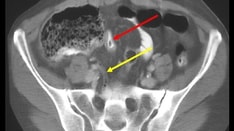
CT scan of common bile duct occluded by stone. Image courtesy of David Schwartz, MD, New York University Hospital. |
 | View Full Size Image | |
Media type: CT
|
| Media file 3:
CT scan of 1-cm dilated common bile duct at portal triad. Image courtesy of David Schwartz, MD, New York University Hospital. |
 | View Full Size Image | |
Media type: CT
|
| Media file 4:
CT scan of dilated intrahepatic bile ducts. Image courtesy of David Schwartz, MD, New York University Hospital. |
 | View Full Size Image | |
Media type: CT
|
- Bornman PC, van Beljon JI, Krige JE. Management of cholangitis. J Hepatobiliary Pancreat Surg. 2003;10(6):406-14. [Medline].
- Hanau LH, Steigbigel NH. Acute (ascending) cholangitis. Infect Dis Clin North Am. Sep 2000;14(3):521-46. [Medline].
- Lai EC. Management of severe acute cholangitis. Br J Surg. Jun 1990;77(6):604-5. [Medline].
- Lipsett PA, Pitt HA. Acute cholangitis. Surg Clin North Am. Dec 1990;70(6):1297-312. [Medline].
- Muir CA. Acute ascending cholangitis. Clin J Oncol Nurs. Apr 2004;8(2):157-60. [Medline].
- Romagnuolo J, Bardou M, Rahme E, et al. Magnetic resonance cholangiopancreatography: a meta-analysis of test performance in suspected biliary disease. Ann Intern Med. Oct 7 2003;139(7):547-57. [Medline].
- Sievert W, Vakil NB. Emergencies of the biliary tract. Gastroenterol Clin North Am. Jun 1988;17(2):245-64. [Medline].
- Sinanan MN. Acute cholangitis. Infect Dis Clin North Am. Sep 1992;6(3):571-99. [Medline].
- Yusoff IF, Barkun JS, Barkun AN. Diagnosis and management of cholecystitis and cholangitis. Gastroenterol Clin North Am. Dec 2003;32(4):1145-68. [Medline].
- van den Hazel SJ, Speelman P, Tytgat GN, et al. Role of antibiotics in the treatment and prevention of acute and recurrent cholangitis. Clin Infect Dis. Aug 1994;19(2):279-86. [Medline].
Cholangitis excerpt Article Last Updated: Jun 8, 2006
|