Continually Updated Clinical Reference
 
 
  All Sources     eMedicine     Medscape     Drug Reference     MEDLINE
 
eMedicine - HIV Infection and AIDS : Article by

Quick Find
Authors & Editors
Introduction
Clinical
Differentials
Workup
Treatment
Medication
Follow-up
Miscellaneous
Multimedia
References

Related Articles
Candidiasis

Cholecystitis and Biliary Colic

Esophagitis

Gastroenteritis

Herpes Zoster

Idiopathic Thrombocytopenic Purpura

Meningitis

Needle-stick Guideline

Pancreatitis

Pneumonia, Immunocompromised

Pneumothorax, Iatrogenic, Spontaneous and Pneumomediastinum

Shock, Septic

Syphilis

Tuberculosis


Patient Education
Immune System Center

Sexually Transmitted Diseases Center

Yeast and Fungal Infections Center

HIV/AIDS Overview

HIV/AIDS Causes

HIV/AIDS Symptoms

HIV/AIDS Treatment

Yeast Infection Overview

Rapid Oral HIV Test Introduction


Author: Jeff Dubin, MD, Medical Director, Emergency Department, Washington Hospital Center, Assistant Professor, Department of Emergency Medicine, Georgetown University School of Medicine

Editors: David S Howes, MD, Residency Program Director, Professor of Medicine, Section of Emergency Medicine, University of Chicago/Pritzker School of Medicine; Francisco Talavera, PharmD, PhD, Senior Pharmacy Editor, eMedicine; Eric L Weiss, MD, DTM&H, Director of Stanford Travel Medicine, Medical Director of Stanford Lifeflight, Assistant Professor, Departments of Emergency Medicine and Infectious Diseases, Stanford University School of Medicine; John D Halamka, MD, MS, Associate Professor of Medicine, Harvard Medical School, Beth Israel Deaconess Medical Center; Chief Information Officer, CareGroup Healthcare System and Harvard Medical School; Attending Physician, Division of Emergency Medicine, Beth Israel Deaconess Medical Center; Steven C Dronen, MD, FAAEM, Director of Emergency Services, Director of Chest Pain Center, Department of Emergency Medicine, Ft Sanders Sevier Medical Center

Author and Editor Disclosure

Synonyms and related keywords: HIV infection, HIV, AIDS, STD, sexually transmitted disease, human immunodeficiency virus, acquired immune deficiency syndrome, highly active antiretroviral therapy, HAART, Lentivirus, retroviruses, HIV-related illnesses, Pneumocystis carinii pneumonia, P carinii pneumonia, PCP, cryptococcal meningitis, tuberculosis, TB, cytomegalovirus retinitis, CMV retinitis, CNS toxoplasmosis, central nervous system toxoplasmosis, toxoplasmosis, HIV-associated malignancies, oral candidiasis

Background

Clinically apparent human immunodeficiency virus (HIV) infection first was recognized in 1981 in homosexual men in New York City who presented with evidence of a profound acquired immune deficiency syndrome (AIDS). We now appreciate that HIV infection is a worldwide health problem that affects millions of men and women. HIV has the capability to affect every organ system in the body by direct damage by the virus or by rendering the host susceptible to opportunistic infections. This article discusses some of the more common HIV-related illnesses that are seen frequently in the ED.

Pathophysiology

HIV is a Lentivirus, a subgroup of retroviruses. This family of viruses is known for latency, persistent viremia, infection of the nervous system, and weak host immune responses. HIV has high affinity for CD4 T lymphocytes and monocytes. HIV binds to CD4 cells and becomes internalized. The virus replicates itself by generating a DNA copy by reverse transcriptase. Viral DNA becomes incorporated into the host DNA, enabling further replication.

HIV is transmitted primarily through sexual contact (>70%). Worldwide, it is more common in heterosexual men and women than in homosexual men. Although the majority of initial HIV-related AIDS cases in the United States were in homosexual men, more recently the majority of new cases of HIV infection are in the heterosexual population. Parenteral transmission occurs largely among intravenous drug users; transmission by contaminated blood products is rare in the United States, although this remains a serious problem in developing countries. Since the introduction of universal precaution practices, infection of health care workers through parenteral exposure remains rare. Children are infected primarily by perinatal transmission.

Frequency

United States

More than 944,000 persons have been diagnosed with AIDS (cumulative estimate), and an estimated 1-1.2 million persons have asymptomatic HIV infection.

International

Since the AIDS epidemic began, more than 20 million deaths have been attributed to AIDS. The current estimate of worldwide disease prevalence is more than 38 million HIV infections. Ninety-five percent of these cases are in developing countries, generally in sub-Saharan Africa and Southeast Asia.

Mortality/Morbidity

The course of HIV infection is characterized primarily by latency. Unfortunately, profound immune suppression eventually develops and the illness appears to be almost uniformly lethal. More than 500,000 persons have died of AIDS in the United States.

Progression from HIV infection to AIDS occurs at a median of 11 years after infection. In the recent past, most patients would not survive more than 1-2 years following diagnosis of AIDS. However, since the introduction of highly active antiretroviral therapy (HAART) and prophylaxis against opportunistic pathogens, death rates from AIDS have begun to decline significantly.

Race

In the United States, the breakdown of HIV infections by race is as follows:

  • Whites - 40% of all cases
  • African Americans - 40%
  • Hispanics - 19%

Sex

Most HIV infections still occur in men via homosexual contact; however, the frequency of infection in women is increasing, especially in developing countries. In the United States, fewer than 19% of all HIV cases are in women, whereas worldwide an estimated 50% of all HIV patients are women.

Age

Most AIDS cases occur in adults aged 25-44 years. Children represent fewer than 1% of AIDS cases in the United States. Internationally, children younger than 15 years are estimated to account for close to 10% of all HIV cases.


History

  • Constitutional
    • Fever
    • Weight loss
    • Night sweats
  • Eyes
    • Blurry vision
    • Floaters
  • Ear, nose, and throat
    • Dysphagia
    • Thrush
  • Respiratory
    • Shortness of breath/dyspnea on exertion
    • Cough
    • Chest pain
  • Gastrointestinal
    • Diarrhea
    • Abdominal pain
    • Vomiting
  • Skin lesions and rashes
  • Neurologic
    • Headache
    • Altered mental status/dementia
  • Psychiatric
    • Depression
    • Suicidal ideation

Physical

  • Head, eyes, ears, nose, and throat
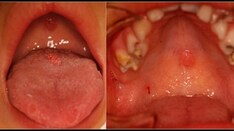
    • Oral candidiasis
    • Oral hairy leukoplakia
    • Retina with cottage cheese and ketchup appearance
  • Neck
    • Persistent generalized adenopathy
    • Meningismus (frequently absent in cryptococcal meningitis)
  • Pulmonary
    • Normal findings
    • Dry rales
    • Consolidation changes
  • Abdomen
    • Tenderness (eg, pancreatitis, biliary tract disease)
    • Hepatosplenomegaly
  • Neurologic
    • Confusion
    • Dementia
    • Focal deficit
  • Skin
    • Maculopapular rash (primary HIV infection)
    • Eosinophilic folliculitis
    • Chronic herpes simplex
    • Kaposi sarcoma
    • Molluscum contagiosum
    • Bacillary angiomatosis
    • Drug rash

Causes

  • Primary HIV infection
    • Unprotected sex
    • Anal intercourse
    • Occupational needlestick or body fluid splash (estimated transmission rate <0.3%)
    • Contaminated blood products
  • Opportunistic infections
    • CD4 count less than 200 cells/mm3
    • Not taking prophylactic drugs
  • Risk factors
    • Sexual activity
    • Intravenous drug use
    • Recipients of blood products (highest risk, 1975 to March 1985)
    • Hemophiliacs who receive pooled plasma


Candidiasis
Cholecystitis and Biliary Colic
Esophagitis
Gastroenteritis
Herpes Zoster
Idiopathic Thrombocytopenic Purpura
Meningitis
Needle-stick Guideline
Pancreatitis
Pneumonia, Immunocompromised
Pneumothorax, Iatrogenic, Spontaneous and Pneumomediastinum
Shock, Septic
Syphilis
Tuberculosis

Other Problems to be Considered

Adult respiratory distress syndrome
Pediatric AIDS


Lab Studies

  • Arterial blood gases
    • Suspected Pneumocystis carinii pneumonia (PCP)
    • Prednisone recommended for PaO2 <70 mm Hg
  • Complete blood count
    • Granulocytopenia
    • Drug-induced neutropenia
    • Anemia from blood loss or bone marrow infection (eg, mycobacterium)
  • Electrolytes, BUN, and creatinine levels
    • Diarrhea
    • Dehydration
    • Vomiting
  • Blood culture
    • Recurrent fever without a source
    • Mycobacterial, bacterial, and fungal
  • Stool sample
    • Culture
    • Ova and parasites
    • Clostridium difficile (if current or recent antibiotic use)
    • Cryptosporidium species
    • Acid-fast stain
  • Serum chemistries
    • Suspected hepatitis or biliary tract disease
    • Suspected pancreatitis

Imaging Studies

  • Chest radiography
    • Cough or dyspnea
    • Fever without a source
    • History of night sweats, fever, or weight loss
    • P carinii pneumonia
      • Diffuse bilateral interstitial infiltrates (see Image 1)
      • Normal (6-23% with normal chest radiograph)
      • Spontaneous pneumothorax
    • Tuberculosis
      • Upper lobe infiltrates or cavitation
      • Hilar adenopathy
      • Pleural effusions
      • Miliary tuberculosis (TB) pattern
  • Head CT scanning
    • Indicated for complaints of headache or focal neurologic deficit
    • Toxoplasmosis - Multiple, hypodense, and ring-enhancing lesions (see Image 2)

Other Tests

  • Cerebrospinal fluid analysis
    • Cell count
    • Gram stain and culture
    • India ink stain
    • Cryptococcal antigen
    • Acid-fast stain
    • Fungal culture
  • HIV antibodies - Enzyme-linked immunosorbent assay
    • Sensitivity and specificity greater than 95%
    • Reported as reactive or nonreactive
      • Reactive tests should be repeated.
      • Confirm repeatedly reactive tests.
  • HIV antibodies - Western blot
    • Test results are positive, negative, or indeterminate. Indeterminate tests result from nonspecific reactions of HIV-negative sera with some HIV proteins.
    • Centers for Disease Control and Prevention (CDC) recommends reaction with 2 of the following bands as criteria for positivity:
      • P24
      • Gp 41
      • Gp 120/160
    • If the test is indeterminate, repeat in 3-6 months.

Procedures

  • Lumbar puncture
    • Indicated for complaint of headache or altered mental status
    • Opening pressure often elevated in cryptococcal meningitis


Prehospital Care

  • Supportive care
    • Oxygen for dyspnea
    • Intravenous fluids for dehydration or hypotension

Emergency Department Care

  • ED care of an HIV-infected patient consists of supportive care and identification and treatment of myriad HIV-related illnesses.
  • ED management may range from critical care management of a patient with PCP who requires intubation and chest tube placement to prescribing clotrimazole to a patient with thrush.

Consultations

Infectious disease specialists are invaluable consultants to those caring for HIV-infected patients. Formal consultation in the ED rarely is necessary. However, phone discussion of potential inpatient or outpatient management can provide the most up-to-date treatment and, in some cases, prevent an unnecessary admission.


The goals of pharmacotherapy are to inhibit viral replication and to reduce morbidity and death. The following section is not a complete list of all the medications used in HIV-infected patients.

Enfuvirtide (Fuzeon) is the first agent in a new class of anti-HIV drugs known as fusion inhibitors. Enfuvirtide blocks HIV from entering the human immune cell by inhibiting gp41 protein, thereby disrupting structural rearrangement for the virus to fuse with healthy immune cells and preventing HIV replication. Clinical trials have shown immunologic improvements were twice as likely to achieve undetectable HIV-1 plasma levels (ie, <40 copies/mL) when enfuvirtide was added to antiretroviral optimized regimens. The adult dose is 90 mg SC bid. The dose for pediatric patients older than 6 years is 2 mg/kg/dose SC bid, not to exceed 90 mg/dose. The most common adverse effect is local injection site reactions. Other common adverse effects may include diarrhea, nausea, fatigue, headache, peripheral neuropathy, dizziness, myalgia, or pancreatitis. Enfuvirtide may cause systemic allergic reaction (eg, shortness of breath, fever, rash, chills, vomiting, hypotension). Monitoring for bacterial pneumonia is recommended

(although uncommon, those receiving enfuvirtide developed pneumonia more often than those not taking enfuvirtide).

Drug Category: Antibiotics

Therapy must cover all likely pathogens in the context of the clinical setting. The treatment of P carinii pneumonia is one of the first concerns in HIV treatment.

Drug NameTrimethoprim/sulfamethoxazole (Bactrim)
DescriptionDOC for PCP. Inhibits bacterial synthesis of dihydrofolic acid by competing with para-aminobenzoic acid, inhibiting folic acid synthesis and, thus, bacterial growth.
Adult Dose2 double-strength tabs PO tid for 21 d
240 mg IV q6h
Pediatric Dose<2 months: Not recommended
>2 months: 15-20 mg TMP/kg/d IV divided q6h
ContraindicationsDocumented hypersensitivity; megaloblastic anemia caused by folate deficiency
InteractionsMay increase PT when used with warfarin (perform coagulation tests and adjust dose accordingly); dapsone may increase blood levels of both drugs; diuretics increase incidence of thrombocytopenia purpura in elderly patients; may increase phenytoin levels; may potentiate effects of methotrexate in bone marrow depression; may increase hypoglycemic response to sulfonylureas; may increase levels of zidovudine
PregnancyC - Safety for use during pregnancy has not been established.
PrecautionsDiscontinue at first appearance of rash or sign of adverse reaction; obtain CBCs frequently—discontinue therapy if significant hematologic changes occur; goiter, diuresis, and hypoglycemia may occur with sulfonamides; prolonged IV infusions or high doses may cause bone marrow depression (if signs occur, give 5-15 mg/d leucovorin); caution in folate deficiency (eg, chronic alcoholism, elderly persons, those receiving anticonvulsant therapy, malabsorption syndrome); hemolysis may occur in G-6-PD–deficient individuals; AIDS patients may not tolerate or respond to TMP-SMZ; caution in renal or hepatic impairment (perform urinalyses and renal function tests during therapy); give fluids to prevent crystalluria and stone formation

Drug NamePentamidine (Pentam-300 injection, Pentacarinat)
DescriptionInhibits growth of protozoa by blocking oxidative phosphorylation and inhibiting incorporation of nucleic acids into RNA and DNA, causing inhibition of protein and phospholipid synthesis. DOC for hospitalized patients with PCP who are allergic to TMP/SMZ.
Adult Dose4 mg/kg/d IV/IM qd for 10-14 d
Pediatric DoseAdminister as in adults
ContraindicationsDocumented hypersensitivity
InteractionsNone reported
PregnancyC - Safety for use during pregnancy has not been established.
PrecautionsCaution in diabetes mellitus, hypertension or hypotension, hepatic dysfunction, hypoglycemia, leukopenia, and thrombocytopenia

Drug Category: Glucocorticoids

These agents are used to treat patients with PCP and PaO2 <70 mm Hg. Early administration of corticosteroid therapy in the treatment of PCP decreases the risk of respiratory failure in patients with moderately severe to severe PCP infection, improving survival.

Drug NamePrednisone (Deltasone, Orasone, Sterapred)
DescriptionBy reversing increased capillary permeability and suppressing PMN activity, may decrease inflammatory reactions.
Adult DoseDays 1-5: 40 mg PO bid
Days 6-10: 40 mg PO qd
Days 11-20 or for duration of therapy: 20 mg PO qd
Pediatric DoseNot established
ContraindicationsDocumented hypersensitivity; viral, fungal, or tubercular skin infections
InteractionsEstrogens may decrease clearance; concurrent use with digoxin may cause digitalis toxicity secondary to hypokalemia; phenobarbital, phenytoin, and rifampin may increase metabolism (consider increasing maintenance dose); monitor for hypokalemia with coadministration of diuretics
PregnancyB - Usually safe but benefits must outweigh the risks.
PrecautionsAbrupt discontinuation may cause adrenal crisis; hyperglycemia, edema, osteonecrosis, myopathy, peptic ulcer disease, hypokalemia, osteoporosis, euphoria, psychosis, myasthenia gravis, growth suppression, and infections may occur

Drug Category: Antifungals

These agents are used to treat cryptococcal meningitis and oral candidiasis and to prevent relapse.

Drug NameAmphotericin B (AmBisome)
DescriptionDOC for treatment of cryptococcal meningitis. Depending on concentration attained in body fluids and on susceptibility of fungus, can be fungistatic or fungicidal. Polyene antibiotic produced by strain of Streptomyces nodosus.
Changes membrane permeability by binding to sterols (eg, ergosterol) in fungal cell membrane, causing a variety of intracellular components to leak and leading to fungal cell death.
Adult Dose0.7-3 mg/kg/d IV for 14 d; infuse over 2-6 h
Pediatric DoseAdminister as in adults
ContraindicationsDocumented hypersensitivity
InteractionsAntineoplastic agents may enhance potential of amphotericin B for renal toxicity, bronchospasm, and hypotension; corticosteroids, digitalis, and thiazides may potentiate hypokalemia; cyclosporine increases risk of renal toxicity
PregnancyB - Usually safe but benefits must outweigh the risks.
PrecautionsMonitor renal function, serum electrolyte levels (eg, magnesium, potassium), liver function, CBC, and hemoglobin concentrations; resume therapy at lowest level (eg, 0.25 mg/kg) if interrupted for more than 7 d; hypoxemia, acute dyspnea, and interstitial infiltrates may occur in neutropenic patients receiving leukocyte transfusions (amphotericin infusion should be separated in time from leukocyte transfusion); fever and chills not uncommon after first few administrations of drug; rare acute reactions may include hypotension, bronchospasm, arrhythmias, and shock

Drug NameFlucytosine (Ancobon)
DescriptionConverted to fluorouracil after penetrating fungal cells and inhibits RNA and protein synthesis. Active against candidal and cryptococcal species, and generally used in combination with amphotericin B.
Adult Dose100 mg/kg/d IV for 2 wk
Pediatric DoseNot established; suggested dose similar to adult dose
ContraindicationsDocumented hypersensitivity
InteractionsAmphotericin B may increase effects; cytosine may inactivate
PregnancyC - Safety for use during pregnancy has not been established.
PrecautionsCaution in bone marrow suppression; adjust dose in patients with renal impairment

Drug NameClotrimazole (Femizole-7, Lotrimin AF, Mycelex)
DescriptionBroad-spectrum antifungal agent that inhibits yeast growth by altering cell membrane permeability. Pruritus usually relieved within first week of treatment.
Adult Dose10 mg PO 5 times/d for 14 d
Pediatric Dose<3 years: Not established
>3 years: Administer as in adults
ContraindicationsDocumented hypersensitivity
InteractionsNone reported
PregnancyB - Usually safe but benefits must outweigh the risks.
PrecautionsNot for treatment of systemic fungal infections; avoid contact with eyes; if irritation or sensitivity develops, discontinue use and institute appropriate therapy

Drug Category: Antivirals

The goals in the use of antivirals are to shorten clinical course, prevent complications, prevent development of latency and/or subsequent recurrences, decrease transmission, and eliminate established latency.

Drug NameZidovudine (Retrovir)
DescriptionNucleosidase (thymidine) analog that inhibits viral replication by blocking reverse transcriptase.
Adult Dose200 mg PO tid
1-2 mg/kg/dose IV q4h
Pediatric Dose90-180 mg/m2/dose PO q6h
1-2 mg/kg/dose IV q4h
ContraindicationsDocumented hypersensitivity
InteractionsAcetaminophen may decrease bioavailability; amphotericin B, flucytosine, Adriamycin, vincristine, vinblastine, doxorubicin, cimetidine, indomethacin, probenecid, lorazepam, aspirin, acyclovir, ganciclovir, dapsone, and pentamidine may increase toxicity
PregnancyB - Usually safe but benefits must outweigh the risks.
PrecautionsCaution in impaired hepatic or renal function; reduce or stop therapy in hematologic disorders, such as thrombocytopenia, granulocytopenia, and severe anemia

Drug NameLamivudine (Epivir)
DescriptionNucleosidase (thymidine) analog that inhibits viral replication by blocking reverse transcriptase.
Adult Dose150 mg PO bid
Pediatric Dose4 mg/kg PO bid
ContraindicationsDocumented hypersensitivity
InteractionsTMP/SMZ increases bioavailability; increases zidovudine concentrations
PregnancyC - Safety for use during pregnancy has not been established.
PrecautionsAdjust dose in renal impairment; caution in children with history of pancreatitis

Drug NameAbacavir, lamivudine, and zidovudine (Trizivir)
DescriptionNucleoside reverse transcriptase inhibitor, which interferes with HIV viral RNA-dependent DNA polymerase, and inhibits viral replication. Lamivudine and zidovudine are thymidine analogs that inhibit viral replication.
Adult Dose<40 kg: Not recommended
>40 kg: 1 tab PO bid
Pediatric Dose<12 years: Not recommended
>12 years: Administer as in adults
ContraindicationsDocumented hypersensitivity
InteractionsEthanol may increase risk of toxicity of abacavir; methadone concentrations may decrease with concomitant administration of abacavir
Trimethoprim/sulfamethoxazole increases bioavailability of lamivudine; lamivudine increases concentration of zidovudine when administered concurrently
Acetaminophen may decrease bioavailability of zidovudine; zidovudine toxicity increases when administered concurrently with amphotericin B, flucytosine, Adriamycin, vincristine, vinblastine, doxorubicin, cimetidine indomethacin, probenecid, lorazepam, aspirin, acyclovir, ganciclovir, dapsone, and pentamidine
PregnancyC - Safety for use during pregnancy has not been established.
PrecautionsFatal hypersensitivity may occur with abacavir following reintroduction of therapy; caution in hepatic dysfunction, prior liver disease, and prolonged use
With lamivudine, adjust dose in renal impairment; caution in history of pancreatitis
With zidovudine, caution in impaired hepatic or renal function; reduce or stop therapy in hematologic disorders, such as thrombocytopenia, granulocytopenia, and severe anemia

Drug NameNevirapine (Viramune)
DescriptionNonnucleoside reverse transcriptase inhibitor that limits virus replication by mechanism different from that of nucleosidase inhibitors such as zidovudine and lamivudine.
Adult Dose200 mg tab PO bid (should take 1 tab/d for first 2 wk to decrease risk of rash)
Pediatric DoseNot established
ContraindicationsDocumented hypersensitivity
InteractionsRifampin and rifabutin may decrease effects; decreases concentrations of protease inhibitors; may decrease effectiveness of oral contraceptives
PregnancyC - Safety for use during pregnancy has not been established.
PrecautionsResistant HIV may emerge rapidly when administered as monotherapy; high incidence of rash (especially early in treatment); Stevens-Johnson syndrome, severe skin reactions, and hepatotoxicity may occur

Drug NameGanciclovir (Cytovene, Vitrasert)
DescriptionSynthetic guanine derivative active against CMV. Acyclic nucleoside analog of 2'-deoxyguanosine inhibits replication of herpes viruses both in vitro and in vivo.
Levels of ganciclovir-triphosphate are as much as 100-fold greater in CMV-infected cells than in uninfected cells. This may be result of preferential phosphorylation of ganciclovir in virus-infected cells.
For patients who experience progression of CMV retinitis while receiving maintenance treatment with either dosage form of ganciclovir, administer reinduction regimen.
Adult DoseInitial dose: 5 mg/kg IV bid for 14 d
Maintenance: 5 mg/kg IV qd for 5-7 d/wk; alternative, 500 mg PO q4h or 1 g tid for life
Pediatric Dose<3 months: Not established
>3 months: Administer as in adults
ContraindicationsDocumented hypersensitivity; severe thrombocytopenia or neutropenia
InteractionsCytotoxic drugs such as dapsone, vinblastine, Adriamycin, pentamidine, flucytosine, vincristine, amphotericin B, TMP/SMZ combinations, or other nucleoside analogs may result in additive toxicity in bone marrow, spermatogonia, and germinal layers of skin and GI mucosa (coadminister only if potential benefits outweigh risks); imipenem-cilastatin may cause generalized seizures (use only if potential benefits outweigh risks); concurrent cyclosporine or amphotericin B may increase serum creatinine level; probenecid reduces renal clearance; administration of didanosine within 2 h before or simultaneously with ganciclovir may increase bioavailability; zidovudine may decrease bioavailability, while ganciclovir may increase bioavailability of zidovudine
PregnancyC - Safety for use during pregnancy has not been established.
PrecautionsClinical toxic effects of ganciclovir include granulocytopenia, anemia, and thrombocytopenia; because oral ganciclovir is associated with a higher rate of CMV retinitis progression than IV formulation, use only when benefits outweigh risks (in advanced HIV disease); half-life and plasma/serum concentrations may be increased as a result of reduced renal clearance; dosages > 6 mg/kg IV may result in increased toxicity; rapid infusions may result in increased toxicity; initially, reconstituted solutions of IV ganciclovir have high pH (eg, 11); phlebitis or pain may occur at site of IV infusion despite further dilution in IV fluids; administration should be accompanied by adequate hydration; photosensitization (photoallergy or phototoxicity) may occur

Drug NameTenofovir disoproxil fumarate (Viread)
DescriptionAntiretroviral agent used in the treatment of AIDS. Inhibits activity of HIV reverse transcriptase by competing with the natural substrate deoxyadenosine 5'-triphosphate and, after incorporation into DNA, by DNA chain termination. Administered as prodrug bis-isopropoxycarbonyloxymethyl ester derivative of tenofovir, which is converted, through various enzymatic processes, to tenofovir, an acyclic nucleoside phosphonate (nucleotide) analog of adenosine 5'-monophosphate. Bioavailability is enhanced by a high fat meal. Prolonged intracellular distribution allows for once-daily dosing.
Adult Dose300 mg PO qd pc
Pediatric DoseNot established
ContraindicationsDocumented hypersensitivity
InteractionsCoadministration with drugs eliminated by active tubular secretion in the kidney may increase serum concentrations of either tenofovir or the coadministered drug; drugs that decrease renal function (eg, acyclovir, ganciclovir, cidofovir) may increase serum concentrations of tenofovir
PregnancyB - Usually safe but benefits must outweigh the risks.
PrecautionsThe CDC recommends women with AIDS not to breastfeed due to potential HIV transmission to infant; lactic acidosis and hepatomegaly with steatosis reported with nucleoside analogs (suspend treatment if clinical or laboratory findings suggest presence of lactic acidosis or pronounced hepatotoxicity); peripheral wasting, facial wasting, breast enlargement, and cushingoid appearance reported with antiretroviral therapy; common adverse effects include GI complaints (eg, nausea, diarrhea, vomiting, flatulence); monitor for changes in serum creatinine and serum phosphorus levels in patients at risk or with history of renal dysfunction

Drug Category: Protease inhibitors

These agents block the modification of precursor polyproteins responsible for synthesis of reverse transcriptase and HIV-1 protease itself. These agents are used for treatment of HIV infection and postexposure prophylaxis.

Drug NameLopinavir and ritonavir (Kaletra)
DescriptionInhibits HIV protease and renders the enzyme incapable of processing polyprotein precursor, which leads to production of noninfectious immature HIV particles. Ritonavir inhibits CYP3A metabolism of lopinavir, which increases plasma levels of lopinavir.
Adult Dose400 mg lopinavir/100 mg ritonavir PO bid
Pediatric Dose<6 months: Not established
6 months to 12 years:
7-15 kg: 12 mg/kg PO bid
15-40 kg: 10 mg/kg PO bid
>40 kg or >12 years: Administer as in adults
ContraindicationsDocumented hypersensitivity; concomitant administration with benzodiazepines, narcotics, anesthetics, antiarrhythmics, and amiodarone
InteractionsCoadministration with quinidine, amiodarone, encainide, bepridil, flecainide, rifabutin, and propafenone may cause arrhythmias
Toxicity of alprazolam, propoxyphene, bupropion, clorazepate, diazepam, estazolam, meperidine, flurazepam, midazolam, triazolam, and zolpidem may significantly increase with concomitant use of lopinavir
Carbamazepine, phenobarbital, dexamethasone, phenytoin, rifampin, efavirenz, and nevirapine may decrease levels of lopinavir
PregnancyC - Safety for use during pregnancy has not been established.
PrecautionsPancreatitis may occur (suspend therapy if symptoms of pancreatitis occur); may exacerbate diabetes mellitus; caution in hepatic impairment; large increases of total cholesterol and triglycerides reported; hemophilia type A and type B reported with protease inhibitors

Drug NameIndinavir (Crixivan)
DescriptionPrevents formation of protein precursors necessary for HIV infection of uninfected cells and viral replication.
Adult Dose800 mg PO q8h
Pediatric DoseNot established
ContraindicationsDocumented hypersensitivity
InteractionsIncreases blood concentrations of astemizole, cisapride, midazolam, isoniazid, stavudine, trimethoprim, terfenadine, triazolam, and oral contraceptives; fluconazole and rifampin decrease blood concentrations; quinidine and ketoconazole increase blood concentrations; decreases blood concentration of lamivudine
PregnancyC - Safety for use during pregnancy has not been established.
PrecautionsCaution in hepatic impairment

Drug Category: Antiparasitics

These agents are indicated for treatment of toxoplasmosis. Therapy usually is initiated in patients with AIDS who test positive for Toxoplasma gondii, in those who have clinical symptoms suggestive of toxoplasmosis, or when neuroradiography studies show findings consistent with toxoplasmosis.

Drug NamePyrimethamine (Daraprim)
DescriptionFolic acid antagonist that selectively inhibits plasmodial dihydrofolate reductase. Highly selective against plasmodia and T gondii. Does not destroy gametocytes but arrests sporogony in mosquito. Possesses blood schizonticidal and some tissue schizonticidal activity against malaria parasites of humans.
Extend regimens to include suppressive cure through any characteristic periods of early recrudescence and late relapse for at least 6-10 wk in each case.
Adult Dose50-75 mg PO qd
Pediatric DoseLoading dose: 1-2 mg/kg/d PO divided bid for 1-3 d, followed by 1 mg/kg/d bid for 4 wk; not to exceed 25 mg/d
ContraindicationsDocumented hypersensitivity; megaloblastic anemia resulting from folate deficiency
InteractionsConcurrent use of antifolic acids, such as methotrexate, may increase risk of bone marrow suppression; discontinue if signs of folate deficiency develop; lorazepam may cause mild hepatotoxicity
PregnancyC - Safety for use during pregnancy has not been established.
PrecautionsIf signs of folate deficiency develop, reduce dose or discontinue drug depending on patient response; caution in hepatic or renal impairment; monitor for toxoplasmosis by performing semiweekly CBC, including platelet counts; may precipitate hemolytic anemia in G-6-PD deficiency, generally in presence of other stressful events


Further Inpatient Care

  • P carinii pneumonia
    • Hypoxemia or unable to take oral medications
    • ICU for respiratory distress
  • Cryptococcal meningitis
  • Tuberculosis (new diagnosis)
  • Cytomegalovirus (CMV) retinitis
  • Toxoplasmosis

Further Outpatient Care

  • P carinii pneumonia
    • Oral antibiotics for 21 d
    • Return visit for worsening shortness of breath

In/Out Patient Meds

  • P carinii pneumonia (inpatient)
    • IV TMP/SMZ or IV pentamidine
    • Prednisone for PaO2 less than 70 mm Hg
  • P carinii pneumonia (outpatient) - TMP/SMZ (Bactrim DS): 2 tabs PO tid for 21 d
  • Cryptococcal meningitis - IV amphotericin and flucytosine
  • Oral candidiasis - Clotrimazole troches (outpatient)
  • Toxoplasmosis - Pyrimethamine (inpatient)

Deterrence/Prevention

  • Transmission of HIV
    • Safe sex practice
    • Abstinence
    • Needle exchange programs
    • Universal precautions
    • Antiretroviral drugs for pregnant HIV patients
  • PCP prophylaxis - TMP/SMZ or aerosolized pentamidine for CD4 less than 200
  • Toxoplasmosis prevention
    • Avoid contact with raw meat and cat litter
    • Wash produce

Complications

  • P carinii pneumonia
    • Progressive hypoxia and respiratory failure
    • Pneumothorax
  • Cryptococcal meningitis - Hydrocephalus
  • CMV retinitis
    • Progressive blindness
    • Retinal detachment
  • Toxoplasmosis
    • Intracranial hypertension (may need steroids)
    • Seizures
  • HIV-associated malignancies
  • Neuropsychiatric symptoms

Prognosis

  • P carinii pneumonia
    • 70-80% fully recover
    • Mortality rate for intubated patients is less than 50%.
  • Cryptococcal meningitis - Mortality rate with treatment is 15%.
  • CMV retinitis
    • 80% of treated patients with slight improvement or no worsening of vision
    • Without treatment or chronic suppressive treatment, 90% with progressive visual loss
  • When untreated HIV infection leads to AIDS, the life expectancy is 2-3 years.
  • AIDS-defining opportunistic infections usually do not develop until the CD4 count is less than 200/mm3.
  • In untreated HIV infection, the CD4 counts decline at a rate of 50-80 per year with more rapid decline as counts drop below 200.

Patient Education


Medical/Legal Pitfalls

  • P carinii pneumonia
    • Have a low threshold to obtain arterial blood gas levels.
    • Pulse oximetry reading may be in the normal range despite low PaO2.
  • Cryptococcal meningitis
    • Indolent presentation
    • Mild symptoms
    • Maintain a low threshold to obtain head CT scan and lumbar puncture for patients with headache.
  • Tuberculosis
    • Pulmonary tuberculosis without cough (eg, fevers, weight loss) in advanced AIDS
    • Extrapulmonary tuberculosis

Special Concerns

  • Protect patient confidentiality. Patients may not have informed family members or friends of the diagnosis.


Media file 1:  HIV infection and AIDS. Pneumocystis carinii pneumonia. Bilateral interstitial infiltrates.
Click to see larger pictureClick to see detailView Full Size Image
Media type:  X-RAY

Media file 2:  HIV infection and AIDS. CNS toxoplasmosis. Multiple ring-enhancing lesions with edema and midline shift.
Click to see larger pictureClick to see detailView Full Size Image
Media type:  CT


  • Barnes PF, Bloch AB, Davidson PT, Snider DE Jr. Tuberculosis in patients with human immunodeficiency virus infection. N Engl J Med. Jun 6 1991;324(23):1644-50. [Medline].
  • Centers for Disease Control and Prevention. Divisions of HIV/AIDS Prevention. Accessed November 19, 2004. [Full Text].
  • Chang R, Wong G, Gold J, Armstrong D. HIV-related emergencies: frequency, diagnoses, and outcome. J Gen Intern Med. Sep 1993;8(9):465-9. [Medline].
  • Clavel F, Hance AJ. HIV drug resistance. N Engl J Med. Mar 4 2004;350(10):1023-35. [Medline].
  • Gallant JE. Infectious complications of HIV disease. Emerg Med Clin North Am. Feb 1995;13(1):73-104. [Medline].
  • Greene WC. The molecular biology of human immunodeficiency virus type 1 infection. N Engl J Med. Jan 31 1991;324(5):308-17. [Medline].
  • Horsburgh CR. Mycobacterium avium complex infection in the acquired immunodeficiency syndrome. N Engl J Med. May 9 1991;324(19):1332-8. [Medline].
  • Kilby JM, Eron JJ. Novel therapies based on mechanisms of HIV-1 cell entry. N Engl J Med. May 29 2003;348(22):2228-38. [Medline].
  • Porter SB, Sande MA. Toxoplasmosis of the central nervous system in the acquired immunodeficiency syndrome. N Engl J Med. Dec 3 1992;327(23):1643-8. [Medline].
  • Reed C, Daar ES. Novel Antiretroviral Agents in HIV Therapy. Curr Infect Dis Rep. Nov 2006;8(6):489-96. [Medline].
  • Sande M, Volberding P. The medical management of AIDS. In: The Medical Management of AIDS. 1992;67-87, 129-160, 176-192, 234-246, 261-283, 297-310, 319-345.
  • Stebbing J, Gazzard B, Douek DC. Where does HIV live?. N Engl J Med. Apr 29 2004;350(18):1872-80. [Medline].
  • Thomas CF, Limper AH. Pneumocystis pneumonia. N Engl J Med. Jun 10 2004;350(24):2487-98. [Medline].
  • Treat Guidel Med Lett. Drugs for HIV Infection. Treat Guidel Med Lett. Jan 2004;2(17):1-8. [Medline].
  • Varghese GK, Crane LR. Evaluation and treatment of HIV-related illnesses in the emergency department. Ann Emerg Med. Sep 1994;24(3):503-11. [Medline].
  • van der Horst CM, Saag MS, Cloud GA, et al. Treatment of cryptococcal meningitis associated with the acquired immunodeficiency syndrome. National Institute of Allergy and Infectious Diseases Mycoses Study Group and AIDS Clinical Trials Group. N Engl J Med. Jul 3 1997;337(1):15-21. [Medline].

HIV Infection and AIDS excerpt

Article Last Updated: Jul 10, 2008