Continually Updated Clinical Reference
 
 
  All Sources     eMedicine     Medscape     Drug Reference     MEDLINE
 
eMedicine - Rhinoscleroma : Article by

Quick Find
Authors & Editors
Introduction
Clinical
Differentials
Workup
Treatment
Medication
Follow-up
References

Related Articles
Actinomycosis

Basal Cell Carcinoma

Leishmaniasis

Leprosy

Nasopalatine Duct Cyst

Sarcoidosis

Sporotrichosis

Syphilis

Verrucous Carcinoma

Wegener Granulomatosis


Patient Education
Click here for patient education.


Author: Robert A Schwartz, MD, MPH, Professor and Head of Dermatology, Professor of Medicine, Professor of Pediatrics, Professor of Pathology, Professor of Preventive Medicine and Community Health, UMDNJ-New Jersey Medical School

Robert A Schwartz is a member of the following medical societies: Alpha Omega Alpha, American Academy of Dermatology, American College of Physicians, and Sigma Xi

Coauthor(s): Egle Goriniene, MD, Staff Physician, Department of Infectious Diseases, New Jersey Medical School

Editors: Jacek C Szepietowski, MD, PhD, Professor and Vice-Head, Department of Dermatology, Venereology and Allergology, University of Medicine at Wroclaw, Poland; David F Butler, MD, Professor of Dermatology, Texas A&M University College of Medicine; Director, Division of Dermatology, Scott and White Clinic; Director Dermatology Residency Training Program, Scott and White Clinic; Jeffrey P Callen, MD, Professor of Medicine, Chief, Division of Dermatology, University of Louisville School of Medicine; Glen H Crawford, MD, Assistant Clinical Professor, Department of Dermatology, University of Pennsylvania School of Medicine; Chief, Division of Dermatology, The Pennsylvania Hospital; Dirk M Elston, MD, Director, Department of Dermatology, Geisinger Medical Center

Author and Editor Disclosure

Synonyms and related keywords: respiratory scleroma, scleroma, Mikulich disease, rhinosclerosis, Klebsiella rhinoscleromatis, K rhinoscleromatis, scleroma respiratorium, nasal polyposis, scleroma respiratorium

Background

Rhinoscleroma is a chronic granulomatous condition of the nose and other structures of the upper respiratory tract. Rhinoscleroma is a result of infection by the bacterium Klebsiella rhinoscleromatis. After the Polish surgeon Johann von Mikulich described the histologic features in 1877, von Frisch identified the organism in 1882. In 1932, Belinov proposed the use of the term scleroma respiratorium because the pathologic process in rhinosclerosis may involve not only the upper airways but also the lower airways. In 1961, Steffen and Smith demonstrated that K rhinoscleromatis conformed to Koch's postulates and that it was an etiologic factor in the inflammatory changes typical of scleroma.

Pathophysiology

Rhinoscleroma is contracted by means of the direct inhalation of droplets or contaminated material. The disease probably begins in areas of epithelial transition such as the vestibule of the nose, the subglottic area of the larynx, or the area between the nasopharynx and oropharynx. Cellular immunity is impaired in patients with rhinoscleroma; however, their humoral immunity is preserved.

The CD4/CD8 cell ratio in the lesion is altered with decreased levels of CD4 lymphocytes; this change possibly induces a diminished T-cell response. Macrophages are not fully activated. Mucopolysaccharides in the bacterial capsule probably contribute to the inhibition of phagocytosis. Otherwise, patients are immunocompetent in every regard except for the ineffective phagocytosis of the organism by the Mikulicz cells.

Rhinoscleroma usually affects the nasal cavity, but lesions associated with rhinoscleroma may also affect the larynx; nasopharynx; oral cavity; paranasal sinuses; or soft tissues of the lips, nose, trachea, and bronchi.

Although it is usually caused by K pneumoniae subsp rhinoscleromatis, K pneumoniae subsp ozaenae was isolated from the pharynx of a woman with laryngeal scleroma.1

A Mexican study showed that DQA1*03011-DQB1*0301 haplotype is a strong risk factor for its development.2

Frequency

United States

The incidence of rhinoscleroma appears to be increasing in the United States. Rare sporadic cases occur in the United States, usually in immigrant populations arriving from the countries in which the disease is endemic.

International

Rhinoscleroma is considered endemic in Central America, Egypt, tropical Africa, India, and Indonesia. Worldwide, 5% of all cases occur in Africa.

Mortality/Morbidity

  • Rhinoscleroma is rarely lethal, unless it causes airway obstruction.
  • The diagnosis may elude the clinician for years, and this delay can substantially increase the rate or severity of resultant morbidity.

Race

Patients of all races can be affected.

Sex

Rhinoscleroma tends to affect females somewhat more often than it does males.

Age

Typically, rhinoscleroma appears in patients aged 10-30 years.


History

Rhinoscleroma is rare chronic granulomatous infection that should be considered in patients from countries in which the disease is endemic if they have nasal polyps that significantly adhere to the nasal septum with relative sparing of the sinuses. Most often, the presentation is nonspecific. Because of its mundane clinical presentation resembling chronic rhinitis, it often goes unrecognized.3 Chronic nasal infection caused by K rhinoscleromatis is often a misdiagnosed infectious disease.4 Chronic rhinitis, even in developed countries, should prompt its consideration, especially because specific diagnostic tools and effective treatments are available.

  • Nasal obstruction (most common complaint)
  • Rhinorrhea
  • Epistaxis
  • Dysphagia
  • Nasal deformity
  • Anesthesia of the soft palate
  • Difficulty breathing that progresses to stridor
  • Dysphonia
  • Anosmia
  • In persons with pseudotumoral rhinoscleromas in the septum and in the rhinopharynx, respectively, CT scanning permitted a precise evaluation of the extent of the lesions.

Physical

The disease commonly affects the nasal cavity (95-100% of patients), but it can also affect the nasopharynx (18-43%), larynx (15-40%), trachea (12%), and bronchi (2-7%). The oral cavity, paranasal sinuses, and soft tissues of the lips and nose can be affected as well. In rare cases, rhinoscleroma spreads to the orbit.

Most often, the presentation is nonspecific.

Rhinoscleroma is divided into 3 stages: (1) the catarrhal, or atrophic, stage; (2) the granulomatous stage; and (3) the sclerotic stage.

  • Catarrhal, or atrophic, stage
    • This first stage begins with a nonspecific rhinitis that evolves into purulent fetid rhinorrhea and crusting.
    • This stage can last for weeks or months.

  • Granulomatous, or hypertrophic, stage
    • The nasal mucosa becomes bluish red and granular, with the formation of rubbery nodules or polyps in the nose.
    • Epistaxis occurs with nasal enlargement, deformity, and destruction of the nasal cartilage (Hebra nose).
    • The damage may progress to anosmia, anesthesia of the soft palate, enlargement of the uvula, dysphonia, and various degrees of airway obstruction.

  • Lesions occur in the form of atrophic changes and granulomas, and in the fibrotic, thick, healed stage.
  • The anterior-inferior part of the antrum and its medial wall are more commonly affected than other structures.
  • Involvement of the maxillary antrum is suggested in scleroma, and the maxillary antrum may act as a reservoir of infection.
  • The soft palate is markedly thickened at its attachment to the hard palate, which tapers off toward its free edge. This sign can help in the early diagnosis of the condition.
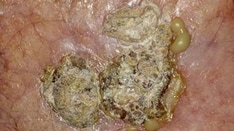
  • Physical examination frequently reveals erythematous granular or nodular swellings covered with crusts.
  • The tumorlike appearance and local spread are suggestive of malignancy. The pseudotumoral rhinoscleromas may be located in a variety of sites, including the septum and in the rhinopharynx.3
  • Sclerotic stage
  • The sclerotic stage is characterized by sclerosis and fibrosis.
  • The sclerotic stage develops where the nodules are replaced by fibrous tissue leading to extensive scarring and possible stenosis.

Causes

  • Rhinoscleroma is caused by the gram-negative coccobacillus K rhinoscleromatis.
  • Although crowded conditions, poor hygiene, and poor nutrition appear to be necessary for transmission of the infectious agent, the actual pathogenesis of infection remains elusive.


Actinomycosis
Basal Cell Carcinoma
Leishmaniasis
Leprosy
Nasopalatine Duct Cyst
Sarcoidosis
Sporotrichosis
Syphilis
Verrucous Carcinoma
Wegener Granulomatosis

Other Problems to be Considered

Vasculitis
Neoplastic disease (eg, lymphoma)
Extranodal Rosai-Dorfman disease

Infectious granulomatous processes may include those caused by bacteria (tuberculosis, actinomycosis, syphilis, leprosy), fungi (histoplasmosis, blastomycosis, paracoccidioidomycosis, sporotrichosis), and parasites (mucocutaneous leishmaniasis).

Rhinoscleroma can mimic various inflammatory and neoplastic processes, including leprosy, paracoccidioidomycosis, sarcoidosis, basal cell carcinoma, and Wegener granulomatosis. Rhinoscleroma should be added to the list of opportunistic infections that can occur in patients infected with the human immunodeficiency virus.

Granulomatous lesions of the craniofacial area are common. These lesions vary in nature. They can be lymphohistiocytic with or without eosinophils; they can be tuberculoid with epithelioid cells and giant cells; or, occasionally, they are composed of essentially giant cells. The etiology of these lesions may be known or easy to find; their causes include foreign body granulomas, sarcoidosis, leprosy, rhinoscleroma, fungal diseases (especially zygomycosis and rhinosporidiosis), and parasitic diseases.

Lethal midline granuloma is a clinical entity characterized by a necrotic and relentlessly progressive destructive presentation. After a malignant process (especially lymphoid) and Wegener granulomatosis are eliminated from the differentials, the diagnosis is idiopathic midline nonhealing granuloma. Some lesions remain in the facial area, whereas others disseminate as a malignant disease.

Central giant cell granuloma and histiocytosis X (especially eosinophilic granuloma) are 2 other varieties of granuloma that differ from the aforementioned granulomatous infiltrates in their clinical presentation and evolution.


Lab Studies

  • Laboratory markers
    • A positive result with culturing in MacConkey agar is diagnostic of rhinoscleroma.
    • However, culture results are positive in only 50-60% of patients.
  • Bacterial identification
    • Bacteria can be seen by using periodic acid-Schiff, Giemsa, Gram, and silver stains.
    • A highly sensitive and specific method for identifying K rhinoscleromatis organisms is the analysis of a biopsy specimen with the immunoperoxidase technique.

Imaging Studies

  • CT findings in primary nasal and nasopharyngeal rhinoscleroma include soft-tissue masses of variable sizes.
    • The lesions are characteristically homogeneous and nonenhancing, and they have distinct edge definition.
    • Adjacent fascial planes are not invaded.
    • The subglottic area is involved in laryngeal and tracheal scleroma.
    • The lesions primarily cause concentric irregular narrowing of the airway.
    • In the trachea, cryptlike irregularities are diagnostic of scleroma.
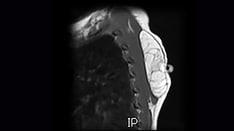
  • MRI should be performed in patients with rhinoscleroma.
    • Nasal masses can obstruct the ostiomeatal units, and secretions may be retained in the related sinuses.
    • In the hypertrophic stage of rhinoscleroma, both T1- and T2-weighted images show characteristic mild-to-marked high signal intensity.

Procedures

  • Diagnosis is facilitated by the use of cytologic methods that are easy to perform and do not cause pain in the patient (see Further Outpatient Care).
    • Cytologic analysis is performed on brushing specimens of a lesion.
    • The characteristic cells of the Mikulicz type may be observed in the smear.

  • This chronic infectious disease of the upper respiratory tract is routinely diagnosed by means of tissue biopsy of the lesions.
  • Nasal endoscopy reveals signs of all 3 stages of scleroma: catarrhal, granulomatous, and sclerotic.
  • Bronchoscopy has a role in the early diagnosis of rhinoscleroma.

Histologic Findings

Histopathologic analysis has a definite role in the diagnosis of rhinoscleroma. Classic histopathologic findings include large vacuolated Mikulicz cells and transformed plasma cells with Russell bodies. The Mikulicz cell is a large macrophage with clear cytoplasm that contains the bacilli; this cell is specific to the lesions in rhinoscleroma. The disease is most commonly diagnosed during the proliferative phase, in which the clinical and histologic presentations are most easily recognized.

The histologic findings correspond to the 3 clinical stages. In the catarrhal (or atrophic) stage, squamous metaplasia and a nonspecific subepithelial infiltrate of polymorphonuclear leukocytes with granulation tissue are observed. In the granulomatous stage, the diagnostic features include chronic inflammatory cells, Russell bodies, pseudoepitheliomatous hyperplasia, and groups of large vacuolated histiocytes that contain K rhinoscleromatis organisms (Mikulicz cells). If numerous, these bacteria can be seen with hematoxylin and eosin staining, but periodic acid-Schiff, silver impregnation, or immunohistochemical staining may be required to confirm their presence and identity. In the sclerotic stage, extensive fibrosis may lead to stenosis and disfiguration.

Microscopically, the connective tissue is highly vascular, with an inflammatory infiltrate consisting primarily of plasma cells and lymphocytes and a possible sprinkling of eosinophils. Russell bodies in the plasma cells are common. However, the groups, clusters, or sheets of large (100- to 200-μm) vacuolated histiocytes (ie, Mikulicz cells) that contain the causative agent are most striking. Although the organisms are occasionally visible on standard hematoxylin and eosin stains, they are more readily demonstrated by using silver impregnation Warthin-Starry stains. The exudative stage results in a dense nonspecific fibrosis. In the exudative and cicatricial stages, Mikulicz cells may be difficult to detect.

Electron microscopy reveals large phagosomes filled with bacilli and surrounded by a finely granular or fibrillar material that is arranged in a radial pattern. This finding represents the accumulation of antibodies on the bacterial surface (type A granules), as well as the aggregation of bacterial mucopolysaccharides surrounded by antibodies (type B granules).


Medical Care

Bronchoscopy has a role in the initial treatment of symptoms. Treatment should also include long-term antimicrobial therapy and surgical intervention in patients with symptoms of obstruction.

  • Bacterial overinfection responds to treatment with third-generation cephalosporins and clindamycin.
  • Sclerotic lesions respond well to treatment with ciprofloxacin.

Surgical Care

Surgery combined with antibiotic therapy is beneficial in patients with granulomatous disease and nasal or pharyngeal obstruction or nasal sinus involvement due to the proliferation of lesions.

  • Tracheotomy should be considered in patients with laryngeal obstruction of the second degree (granulomatous stage) and above (sclerotic stage).
  • Plastic surgery is necessary in patients with cicatricial stenosis or when imperforation remains in the nasal cavity, pharynx, larynx, or trachea.5
  • Extensive granulomatous lesions are treated by means of open excision by using the laryngofissure approach, which is the best method for a quick recovery in patients without evidence of subglottic stenosis.
  • Surgery and laser therapy are required to treat airway compromise and tissue deformity. Fiberoptic intubation allows assessment of the pathology and subsequent passage of a cuffed tracheal tube to secure the airway. To overcome respiratory obstruction as the fiberscope passes through the opening in the membrane, either rapid intubation or a technique of preoxygenation and voluntary hyperventilation followed by breath holding during bronchoscopy is used. The thin caliber and maneuverability of the flexible fiberoptic bronchoscope makes fiberoptic intubation an excellent technique for airway management in cicatricial membranes of the pharynx.
  • Treatment of the advanced cicatrix with carbon dioxide laser vaporization yields excellent results.
    • Obstructive lesions of the larynx and subglottic space are always a challenging problem for the endoscopist and anesthetist. At this level of the obstruction, the effectiveness and innocuous nature of carbon dioxide laser treatment are related to the degree of endoscopic exposure. Because of the transtracheal high-frequency jet ventilator, ensuring a free laryngeal endoscopic operative field is now possible. The transtracheal catheter is introduced percutaneously through the cricothyroid membrane into the trachea under endoscopic control and connected to a high-frequency jet ventilator.
    • Among many advantages of this technique, the most convincing include a clear operating field for the surgeon, complete relaxation of the patient, good respiratory gas exchange, elimination of the risk of igniting an endotracheal tube with the laser, decrease in the risk of aspiration of blood and debris, and the ability to provide oxygen and/or mechanical ventilation in the postoperative period.

  • Palatal symptoms may be relieved by means of uvulopalatopharyngoplasty.

Consultations

  • Consultation with a plastic surgeon may be helpful in patients with cicatricial stenosis or in those with imperforation of the nasal cavity, pharynx, larynx, or trachea.
  • An endoscopist and an anesthetist may be required to perform vaporization with a carbon dioxide laser.


The goals of pharmacotherapy are to eradicate the infection, reduce morbidity, and prevent complications.

Drug Category: Antibiotic agents

Tetracycline is the drug of choice. Other antibiotics include ciprofloxacin and rifampin. Bacterial overinfection responds to treatment with clindamycin and third-generation cephalosporins. Sclerotic lesions respond well to treatment with ciprofloxacin. Ciprofloxacin has the following advantages: Its oral administration is convenient, it achieves good tissue penetration, it is concentrated in macrophages, and it may prove useful in the treatment of patients with rhinoscleroma.

Drug NameCiprofloxacin (Cipro)
DescriptionFluoroquinolone with activity against Pseudomonas species, streptococci, MRSA, Staphylococcus epidermidis, and most gram-negative organisms but no activity against anaerobes. Inhibits bacterial DNA synthesis and, consequently, growth. Continue treatment for at least 2 d (7-14 d typical) after signs and symptoms have disappeared.
Adult Dose250-500 mg PO bid for 7-14 d
Pediatric Dose<18 years: Not recommended
>18 years: Administer as in adults
ContraindicationsDocumented hypersensitivity
InteractionsAntacids, iron salts, and zinc salts may reduce serum levels; administer antacids 2-4 h before or after fluoroquinolone dose; cimetidine may interfere with metabolism of fluoroquinolones; reduces therapeutic effects of phenytoin; probenecid may increase serum concentrations; may increase toxicity of theophylline, caffeine, cyclosporine, and digoxin (monitor digoxin levels); may increase effects of anticoagulants (monitor PT)
PregnancyC - Safety for use during pregnancy has not been established.
PrecautionsIn prolonged therapy, periodically evaluate organ system (eg, renal, hepatic, hematopoietic) function; adjust dose in renal function impairment; superinfections may occur with prolonged or repeated antibiotic therapy

Drug NameCefixime (Suprax)
DescriptionThird-generation cephalosporin. Arrests bacterial cell wall synthesis and inhibits bacterial growth by binding to one or more penicillin-binding proteins.
Adult Dose200 mg PO q12h or 400 mg/d PO qd or divided q12h
Pediatric Dose<12 years: 8 mg/kg/d susp PO qd or 4 mg/kg PO bid
>50 kg or >12 years: Administer as in adults
ContraindicationsDocumented hypersensitivity
InteractionsCoadministration with aminoglycosides increases nephrotoxicity; probenecid may increase effects
PregnancyB - Usually safe but benefits must outweigh the risks.
PrecautionsAdjust dose in severe renal insufficiency (high doses may cause CNS toxicity); prolonged or repeated use may cause superinfections and promote growth of nonsusceptible organisms

Drug NameRifampin (Rifadin, Rimactane)
DescriptionInhibits DNA-dependent bacteria by binding to beta subunit of DNA-dependent RNA polymerase, blocking RNA transcription.
Adult Dose600 mg/d PO/IV single daily dose
Pediatric Dose10-20 mg/kg PO/IV; not to exceed 600 mg/d
ContraindicationsDocumented hypersensitivity
InteractionsInduces microsomal enzymes, which may decrease effects of acetaminophen, oral anticoagulants, barbiturates, benzodiazepines, beta-blockers, chloramphenicol, oral contraceptives, corticosteroids, mexiletine, cyclosporine, digitoxin, disopyramide, estrogens, hydantoins, methadone, clofibrate, quinidine, dapsone, tazobactam, sulfonylureas, theophyllines, tocainide, and digoxin; coadministration with enalapril may increase BP; coadministration with isoniazid may increase rate of hepatotoxicity more than with either agent alone (discontinue 1 or both if LFT results change)
PregnancyC - Safety for use during pregnancy has not been established.
PrecautionsObtain CBC counts and baseline clinical chemical values prior to and throughout therapy; in liver disease, weigh benefits against risk of further liver damage; interruption of therapy and high-dose intermittent therapy associated with thrombocytopenia (reversible if therapy discontinued as soon as purpura appears); if treatment continued or resumed after purpura appears, cerebral hemorrhage or death may occur

Drug NameClindamycin (Cleocin)
DescriptionLincosamide for treatment of serious skin and soft tissue staphylococcal infections. Also effective against aerobic and anaerobic streptococci (except enterococci). Inhibits bacterial growth, possibly by blocking dissociation of peptidyl tRNA from ribosomes and causing arrest of RNA-dependent protein synthesis.
Adult Dose150-450 mg/dose PO q6-8h; not to exceed 1.8 g/d
600-1200 mg/d IV/IM divided q6-8h depending on degree of infection
Pediatric Dose8-20 mg/kg/d (hydrochloride) PO divided tid/qid
8-25 mg/kg/d (palmitate) PO divided tid/qid
20-40 mg/kg/d (phosphate) IV/IM divided tid/qid
ContraindicationsDocumented hypersensitivity; regional enteritis; ulcerative colitis; hepatic impairment; antibiotic-associated colitis
InteractionsIncreases duration of neuromuscular blockade induced by tubocurarine and pancuronium; erythromycin may antagonize effects; antidiarrheals may delay absorption
PregnancyB - Usually safe but benefits must outweigh the risks.
PrecautionsAdjust dose in severe hepatic dysfunction; no adjustment necessary in renal insufficiency; associated with severe and possibly fatal colitis by allowing overgrowth of Clostridium difficile

Drug Category: Corticosteroid agents

These agents have anti-inflammatory properties and cause profound and varied metabolic effects. Corticosteroids modify the body's immune response to diverse stimuli.

Drug NamePrednisone (Deltasone, Meticorten, Orasone)
DescriptionMay decrease inflammation by reversing increased capillary permeability and suppressing PMN activity.
Adult Dose5-60 mg/d PO qd or divided bid/qid; taper over 2 wk as symptoms resolve
Pediatric Dose4-5 mg/m2/d PO; alternatively, 0.05-2 mg/kg PO divided bid/qid; taper over 2 wk as symptoms resolve
ContraindicationsDocumented hypersensitivity; viral, fungal, connective tissue, or tubercular skin infections; peptic ulcer disease; hepatic dysfunction; GI tract disease
InteractionsCoadministration with estrogens may decrease clearance; concurrent digoxin may cause digitalis toxicity secondary to hypokalemia; phenobarbital, phenytoin, and rifampin may increase metabolism of glucocorticoids (consider increasing maintenance dose); monitor for hypokalemia with coadministration of diuretics
PregnancyB - Usually safe but benefits must outweigh the risks.
PrecautionsAbrupt discontinuation of glucocorticoids may cause adrenal crisis; hyperglycemia, edema, osteonecrosis, myopathy, peptic ulcer disease, hypokalemia, osteoporosis, euphoria, psychosis, myasthenia gravis, growth suppression, and infections may occur with glucocorticoid use


Further Inpatient Care

  • Bronchoscopy plays a role in the follow-up care of patients.

Further Outpatient Care

  • Owing to the high rate of recurrence, prolonged antibiotic therapy (months to years) is necessary.
  • Nasal cytology is an easy and noninvasive investigation.
    • This method can be performed on an outpatient basis as an adjuvant to clinical and histopathologic studies, along with nasal endoscopy.
    • Nasal cytology is a simple, reliable, and timesaving procedure that can be used with further therapy.
  • Relapses occur, and close observation is the key to the long-term follow-up care of the patient.

In/Out Patient Meds

  • The choice of long-term antibiotic therapy should be guided by the patient's age and sex.
  • Repeat biopsy can be performed to help determine the appropriate duration of the antibiotic therapy.

Complications

  • Rhinoscleroma is a rare cause of upper airway obstruction. Only isolated studies in the literature report isolated tracheal obstruction.
  • Scleroma is known to cause slowly progressive asphyxia.

Prognosis

  • The course is usually chronic.
  • Relapses can occur.


  1. De Champs C, Vellin JF, Diancourt L, Brisse S, Kemeny JL, Gilain L, et al. Laryngeal scleroma associated with Klebsiella pneumoniae subsp. ozaenae. J Clin Microbiol. Nov 2005;43(11):5811-3. [Medline].
  2. Sanchez-Marin LA, Bross-Soriano D, Arrieta J, Kawa-Karasik S, Martinez-Vilchis V, Jimenez-Lucio R, et al. Association of HLA-DQA1*03011-DQB1*0301 haplotype with the development of respiratory scleroma. Otolaryngol Head Neck Surg. Mar 2007;136(3):481-3. [Medline].
  3. Salima K, Samia S, Mounir T, Fethi J, Ghazi B, Neïla BN, et al. [Rhinoscleroma: a report of 2 cases]. Tunis Med. Sep 2005;83(9):568-71. [Medline].
  4. Botelho-Nevers E, Gouriet F, Lepidi H, Couvret A, Amphoux B, Dessi P. Chronic nasal infection caused by Klebsiella rhinoscleromatis or Klebsiella ozaenae: two forgotten infectious diseases. Int J Infect Dis. Mar 2 2007;[Medline].
  5. Sun Y, Sun W, Lu X. [Clinical analysis of 19 cases of scleroma respiratorium treated surgically]. Lin Chuang Er Bi Yan Hou Ke Za Zhi. Jul 1998;12(7):314-6. [Medline].
  6. Abalkhail A, Satti MB, Uthman MA, Al Hilli F, Darwish A, Satir A. Rhinoscleroma: a clinicopathological study from the Gulf region. Singapore Med J. Feb 2007;48(2):148-51. [Medline].
  7. Al Jahdali H, Bamefleh H, Memish Z, Al-Zuwayed M, Al Othman A. Upper airway obstruction due to rhinoscleroma: case report. J Chemother. Apr 2001;13 Suppl 1:69-72. [Medline].
  8. Ammar ME, Rosen A. Rhinoscleroma mimicking nasal polyposis. Ann Otol Rhinol Laryngol. Mar 2001;110(3):290-2. [Medline].
  9. Azevedo-Bernarda R. Rhinoscleroma. Cent Afr J Med. Nov 1971;17(11):225-8. [Medline].
  10. Batsakis JG, el-Naggar AK. Rhinoscleroma and rhinosporidiosis. Ann Otol Rhinol Laryngol. Oct 1992;101(10):879-82. [Medline].
  11. Busch RF. Rhinoscleroma occurring with airway obstruction. Otolaryngol Head Neck Surg. Nov 1993;109(5):933-6. [Medline].
  12. Claveau AM. [Scleroma and rhinoscleroma]. Med Trop (Mars). Jul-Sep 1992;52(3):291-7. [Medline].
  13. Cone LA, Barton SM, Woodard DR. Treatment of scleroma with ceforanide. Arch Otolaryngol Head Neck Surg. Apr 1987;113(4):374-6. [Medline].
  14. Divatia JV, Upadhye SM, Sareen R. Fibreoptic intubation in cicatricial membranes of the pharynx. Anaesthesia. Jun 1992;47(6):486-9. [Medline].
  15. Escalera CL, Torres JS. [Rhinoscleroma (bibliographic review)]. ADM. Jul-Aug 1975;32(4):29-32. [Medline].
  16. Issing WJ, Bodlaj R. [Rhinoscleroma: a case report]. Laryngorhinootologie. Apr 1999;78(4):200-3. [Medline].
  17. Karchev T, Kabakchiev P. [Ultrastructural studies of Klebsiella rhinoscleromatis]. Vestn Otorinolaringol. Jan-Feb 1990;(1):31-8. [Medline].
  18. Maru YK, Munjal S, Gupta Y. Brush cytology and its comparison with histopathological examination in cases of diseases of the nose. J Laryngol Otol. Nov 1999;113(11):983-7. [Medline].
  19. Sedano HO, Carlos R, Koutlas IG. Respiratory scleroma: a clinicopathologic and ultrastructural study. Oral Surg Oral Med Oral Pathol Oral Radiol Endod. Jun 1996;81(6):665-71. [Medline].
  20. Shum TK, Whitaker CW, Meyer PR. Clinical update on rhinoscleroma. Laryngoscope. Oct 1982;92(10 Pt 1):1149-53. [Medline].
  21. Soni NK. Scleroma of the lower respiratory tract: a bronchoscopic study. J Laryngol Otol. Jun 1994;108(6):484-5. [Medline].
  22. Yigla M, Ben-Izhak O, Oren I, Hashman N, Lejbkowicz F. Laryngotracheobronchial involvement in a patient with nonendemic rhinoscleroma. Chest. Jun 2000;117(6):1795-8. [Medline].

Rhinoscleroma excerpt

Article Last Updated: Jun 6, 2007