You are in: eMedicine Specialties >
Dermatology > BACTERIAL INFECTIONS
Rocky Mountain Spotted Fever
Article Last Updated: Feb 1, 2007
AUTHOR AND EDITOR INFORMATION
Section 1 of 11
Author: Nicole L Lacz, MD, Staff Physician, Department of Medicine, Memorial Sloan-Kettering Cancer Center
Nicole L Lacz is a member of the following medical societies: Alpha Omega Alpha and Phi Beta Kappa
Coauthor(s):
Robert A Schwartz, MD, MPH, Professor and Head of Dermatology, Professor of Medicine, Professor of Pediatrics, Professor of Pathology, Professor of Preventive Medicine and Community Health, UMDNJ-New Jersey Medical School;
Rajendra Kapila, MD, MBBS, Associate Professor, Department of Medicine, UMDNJ, New Jersey Medical School
Editors: Noah S Scheinfeld, MD, JD, FAAD, Assistant Clinical Professor, Department of Dermatology, Columbia University; Consulting Staff, Department of Dermatology, St Luke's Roosevelt Hospital Center, Beth Israel Medical Center, New York Eye and Ear Infirmary; Private Practice; David F Butler, MD, Professor of Dermatology, Texas A&M University College of Medicine; Director, Division of Dermatology, Scott and White Clinic; Director Dermatology Residency Training Program, Scott and White Clinic; Jeffrey Meffert, MD, Assistant Clinical Professor of Dermatology, University of Texas Health Science Center-San Antonio; Joel M Gelfand, MD, MSCE, Medical Director, Clinical Studies Unit, Assistant Professor, Department of Dermatology, Associate Scholar, Center for Clinical Epidemiology and Biostatistics, University of Pennsylvania; Dirk M Elston, MD, Director, Department of Dermatology, Geisinger Medical Center
Author and Editor Disclosure
Synonyms and related keywords:
RMSF, Rickettsia rickettsii, R rickettsii, tick-borne diseases, rickettsioses, Amblyomma cajennense, A cajennense, Rhipicephalus sanguineous, R sanguineous, Dermacentor andersoni, D andersoni, tick fever, spotted fever
Background
All rickettsioses are classified as zoonoses with arthropods as the natural host. The rickettsiae organisms causing the spotted fever group of diseases are tick-borne with transovarial and transstadial passage. Humans are accidental hosts.
Rocky Mountain spotted fever (RMSF) is the most commonly reported rickettsial disease. It is caused by the obligate intracellular pathogen, Rickettsia rickettsii. Initial descriptions of the disease, then referred to as "black measles," date back to 1896 in the Snake River Valley of Idaho. Not until the early 1900s did Howard T. Ricketts (who ironically died of the rickettsial disease, typhus, in 1910) identify the causative agent, while the geographic distribution of the disease grew throughout the midwest region of the country. Contrary to its name, the disease has been reported throughout the United States, with the exceptions of Maine and Vermont.
Despite advances in health care and effective treatment options, RMSF remains a killer for a small percentage of those affected. As a prevalent and potentially fatal infection, RMSF is an important condition to recognize, especially because of the difficult clinical diagnosis and the lack of a variety of sensitive and specific diagnostic tests available in the acute stage.
Pathophysiology
Endothelial cells are important components of vessel walls that function to provide vascular tone, angiogenesis, and proper inflammatory responses and to aid in normal hemostasis. Because of the tropism of R rickettsii for the endothelium, the organism spreads centripetally, cell to cell via filopodia propulsion, resulting in injury to the microcirculation (small-to-medium–sized vessels) of various organ systems with little host response. The organism is able to replicate within the nucleus or cytoplasm of host cells. R rickettsii attaches to and invades the vascular endothelial and smooth muscle cells of many organs, including the brain, liver, skin, lungs, kidneys, and gastrointestinal tract, which may lead to major complications.
The pulmonary interstitial pneumonia, which may complicate RMSF, may be the direct result of pulmonary microcirculation vasculitis. Similarly, vascular injury–induced myocardial edema has emerged as the likely cause of myocarditis occurring with RMSF. Portal triaditis and vasculitis have been found in liver specimens during postmortem examination. Vascular injury of the pancreas and the gastrointestinal tract, including the stomach, the small intestine, and the colon, may result in nausea, vomiting, diarrhea, and abdominal cramping. The emergence of such common and nonspecific gastrointestinal symptoms early in the disease may lead to diagnostic confusion.
Infected endothelial cells display an activated phenotype causing hemostatic system changes that may result in severe coagulopathies. Up-regulation of gene expression for proinflammatory and procoagulation proteins occurs. Activation of the coagulation cascade with thrombin production, platelet activation, increased antifibrinolytic factors, and anticoagulant factor consumption leads to a hypercoagulable state. Note that most patients with RMSF will have thrombocytopenia and abnormal liver function test results as a consequence of these system disruptions. Infected endothelial cells also generate oxygen free radicals. Leaking of blood through vessel walls into adjacent tissue creates the rash for which RMSF is known.
Frequency
United States
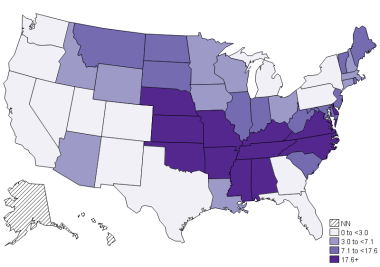
RMSF is the most common fatal tick-borne disease in the United States. Approximately 1253 cases occurred from 1993-1996, which calculates to an annual incidence of 2.2 cases per million persons. Although RMSF has been a reportable illness with data compiled by the US Centers for Disease Control and Prevention (CDC) since the 1920s, the number of cases may be grossly underreported considering some infections with R rickettsii may be subclinical. Approximately 45-52% of confirmed cases come from the South Atlantic region of the United States, with Oklahoma, Tennessee, North Carolina, and South Carolina ranking highest. Of note, the Rocky Mountain states have only contributed to approximately 3% of total reported cases in recent years. Approximately 90% of cases occur between April and September.
International
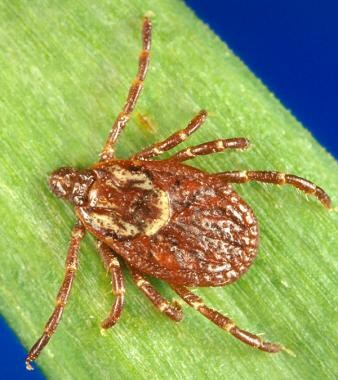
Canada, Mexico, Central America, Colombia, and Brazil are all areas with widespread infection by R rickettsii; however, the vectors differ. The principal vector in South America is Amblyomma cajennense, whereas Rhipicephalus sanguineous is the primary vector in Mexico and Central America. Dermacentor variabilis (American dog tick) and Dermacentor andersoni (Rocky Mountain wood tick) are widely spread throughout the United States, while only the latter predominates in Canada.
Mortality/Morbidity
In general, males, whites, and children are the groups mostly likely to be afflicted. Although the incidence is lowest for the population older than 70 years, the case-fatality rate of 9% is the highest. It is lowest among adults aged 40-49 years at 0.6%. The overall annual case-fatality rate is 1.1-4.9%. Although it is a nationally surveyed illness, this number may be an underrepresentation because discrepancies exist between independent sources of RMSF mortality data. With appropriate treatment, the mortality rate ranges from 3-5%. Without treatment, and prior to the advent of tetracycline and chloramphenicol, the mortality rate was as high as 30%. If antibiotic therapy is delayed for more than 5 days from symptom onset, the case-fatality ratio is 3-4 times higher.
Race
Although whites are more likely to become affected with the disease, the mortality rate among African Americans is higher compared with whites. This may be due, in part, to the high percentage (22-66%) of dark-skinned individuals who do not experience a rash when infected with R rickettsii. The lack of a rash has been associated with mortality, possibly because of the delay in diagnosis and treatment. In addition, approximately 10% of American black males have from glucose-6-phosphate dehydrogenase deficiency, the presence of which has been linked to a more severe course of illness and fatality from RMSF.
Sex
Males have a higher incidence and higher rate of more severe disease compared with females.
Age
Children aged 5-9 years have the highest incidence in the United States. An estimated 3.3 cases per million occur in this age group, whereas only 1.4 cases per million occur in people older than 70 years.
History
A detailed history eliciting information concerning recent travel, drug ingestion, animal exposure, ill contacts, occupation, and home environment are very important in identifying any disease that presents with fever and a rash. Specific details about the rash, if present, should include time and site of onset, rate and direction of spread, presence of pruritus, and relationship to fever.
- Signs and symptoms occur 2-14 days after infection.
- In 60-70% of patients with RMSF, the classic triad of fever (94%), headache (86%), and rash occurs 1-2 weeks post tick bite. Although the triad may not be present, headache, myalgias, and fever almost always occur and should alert the physician to the possibility of RMSF.
- Approximately 15% of patients with RMSF may not report a history of a tick bite.
- Less diagnostic symptoms include gastrointestinal disturbances (eg, nausea, vomiting, diarrhea, abdominal pain, anorexia), malaise, myalgias (83%), irritability, severe headache, and photophobia.
Physical
- Vital signs and general appearance should be noted in all patients.
- A fever greater than 102°F is usually present.
- Approximately 84-91% of patients experience a rash 2-5 days after the onset of fever. Realizing that the absence of a rash does not exclude RMSF as the causative illness is important since cutaneous manifestations are not appreciated in 10-15% of patients.
- In older patients and in severe or fatal cases of RMSF, the rash tends to appear later and with less frequency.
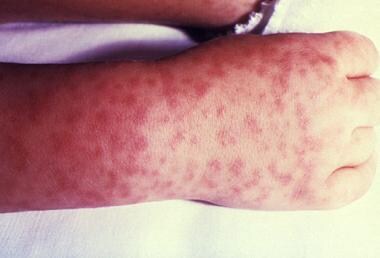
- The rash initially consists of pink to bright red, discrete macules that are 1-5 mm in diameter. The macules blanch with pressure and may or may not be pruritic.
- The lesions start on the wrists and the ankles then spread centripetally to cover the soles, and most importantly, the palms. The hands and the feet are both involved 49-74% of the time. The rash continues moving centrally to eventually involve the proximal extremities and the trunk. The face is usually spared. Involvement of the scrotum or the vulva is a diagnostic clue.
- Within days of presentation, the macules progress to papules and petechiae that may coalesce to form ecchymoses yielding the characteristic spotted appearance. The rash is most commonly macular followed by maculopapular; petechial; and less commonly, petechial-hemorrhagic.
- The involved areas may be tender and desquamate as the rash fades. The presence of an eschar is rare, as opposed to other rickettsial illnesses, but has been reported.
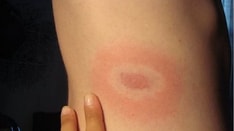
- Other cutaneous abnormalities may include postinflammatory hyperpigmentation, jaundice, and mucosal ulcers. An erythema migrans–like rash has also been reported.
- Other, less diagnostic, physical findings may include lymphadenopathy, hepatosplenomegaly, and signs of nuchal rigidity.
- The clinical course of RMSF is more severe in individuals with a glucose-6-phosphate dehydrogenase enzyme deficiency. This likely contributes to the higher fatality rate seen in African Americans.
Causes
RMSF is caused by the obligate intracellular pathogen, R rickettsii. See Pathophysiology.
Dengue
Lyme Disease
Measles, Rubeola
Other Problems to be Considered
Meningococcal infections
Coxsackievirus A9
Drug reactions (McGinley-Smith, 2003)
Echovirus 9
Epstein-Barr virus
Cytomegalovirus
Disseminated gonococcal infections
Staphylococcus aureus septicemia
Idiopathic thrombocytopenia purpura
Thrombotic thrombocytopenic purpura
Acute abdomen
Appendicitis (Walker, 1986)
Acute cholecystitis (Walker, 1985)
Other tick borne illnesses, such as Lyme disease; Q fever; and especially, ehrlichiosis (Taege, 2000)
Lab Studies
- CBC count with differential
- The white blood count may be depressed, normal, or elevated.
- Thrombocytopenia is usually evident.
- The patient may be anemic.
- Chemistry panel
- Hyponatremia is sometimes present.
- An elevated blood urea nitrogen level may indicate azotemia.
- Liver function tests: Elevated serum transaminase levels are present in most patients.
- Weil-Felix assay: This assay is no longer used because of its poor sensitivity and specificity.
- Indirect fluorescent antibody
- Indirect fluorescent antibody (IFA) test is the best and most widely used serologic test. It has a high specificity and sensitivity (94%), thus making it the reference standard and test currently used by the CDC.
- Antibodies do not usually appear until 7-14 days after infection. A 4-fold rise of titers to greater than or equal to 1:64 of two sequential samples is diagnostic. A single sample should not be considered valid since antibodies can be detected for years after initial exposure.
- Routine IFA detects both immunoglobulin M and immunoglobulin G antibodies but cannot distinguish between infection with R rickettsii and other spotted fever pathogens, such as Rickettsia akari and Rickettsia conorii. Immunofluorescence using species-specific monoclonal antibodies is specific for R rickettsii, but it is not widely available.
- Direct immunofluorescence/immunostaining: This test can be used in the acute setting, with a sensitivity of 70%, to directly visualize organisms within a skin biopsy specimen.
- Immunoperoxidase staining of paraffin-embedded biopsy tissue
- This staining can be examined by bright-field microscopy.
- Its sensitivity and specificity is identical to IFA.
- Immunoperoxidase staining has easier antigen localization and viewing of histopathology, but it is not as quick as IFA.
- Polymerase chain reaction techniques: This method may provide a more timely diagnosis, but it is not sensitive until late in the clinical course.
- Light microscopy: Giemsa and Gimenez stains can be used to visualize R rickettsii.
- Electron microscopy: A round/oval electron-dense organism surrounded by an electron-lucent halo may be seen.
Imaging Studies
- Although not common, abnormal findings on neuroimaging studies do occur. These findings include infarctions, prominent perivascular spaces, meningeal enhancement, and cerebral edema.
- Abnormal findings on CT or MRI are associated with unfavorable clinical outcomes; however, such imaging techniques do not alter the patient's treatment.
Other Tests
- Electrocardiographic abnormalities ranging from atrial fibrillation to nonspecific ST-wave changes have been reported.
- EEG should be performed if neurologic manifestations, such as generalized hyperreflexia and impaired mental status, persist.
Procedures
- A lumbar puncture may be performed. A lymphocytic cerebrospinal fluid pleocytosis may be found.
Histologic Findings
Examination of a biopsy specimen usually reveals a lymphohistiocytic vasculitis in the mid dermis and the reticular dermis with predominantly perivascular extravasation of erythrocytes, as well as edema. This may progress to a leukocytoclastic vasculitis with vacuolar degeneration in the basal layer. Apoptotic keratinocytes and acute neutrophilic eccrine hidradenitis may also be seen. Extravasation of erythrocytes is present, and, often times, focal, occluding fibrin thrombi are present in the small vessels, which may lead to microinfarcts and capillary wall necrosis. The 0.3 X 1 µm organism can be identified by using immunocytochemistry of the skin lesions or Giemsa and Gimenez stains with light microscopy. R rickettsii may be found in the cytoplasm and nuclei of endothelial cells.
Medical Care
- Any patient presenting with fever and a rash must be considered for hospitalization and antimicrobial therapy.
- Antibiotics and supportive care must be initiated for any patient suspected to have RMSF, even in the absence of diagnostic testing.
Consultations
- RMSF is a nationally reportable disease.
- Specialties to consider for evaluation of a patient include a dermatologist, an infectious disease specialist, a neurologist, and an ophthalmologist.
The mainstay of treatment of RMSF is antimicrobial therapy, which must be initiated at first suspicion of the illness. Doxycycline is the antibiotic agent of choice for treating adults and even children because of its effectiveness, broad margin of safety, and convenient dosing schedule (Cale, 1997). As many as 5 courses of doxycycline can be used for cases of reinfection, with minimal risk of dental staining (Cale, 1997). Chloramphenicol is the medication of choice in pregnant women, even though gray baby syndrome is a risk (Herbert, 1982; Markley, 1998).
Drug Category: Antibiotics
Empiric antimicrobial therapy must be comprehensive and should cover all likely pathogens in the context of this clinical setting.
| Drug Name | Doxycycline (Bio-Tab, Doryx, Vibramycin) |
| Description | DOC for RMSF in adults and children. Inhibits protein synthesis and, thus, bacterial growth by binding to 30S and, possibly, 50S ribosomal subunits of susceptible bacteria. |
| Adult Dose | 100 mg bid for 7 d and for at least 72 h after defervescence; give PO if outpatient and IV if inpatient |
| Pediatric Dose | 2-5 mg/kg/d divided bid for 7 d and for at least 72 h after defervescence; give PO if outpatient and IV if inpatient; not to exceed 200 mg/d |
| Contraindications | Documented hypersensitivity; severe hepatic dysfunction |
| Interactions | Bioavailability decreases with antacids containing aluminum, calcium, magnesium, iron, or bismuth subsalicylate; tetracyclines can increase hypoprothrombinemic effects of anticoagulants; tetracyclines can decrease effects of oral contraceptives, causing breakthrough bleeding and increased risk of pregnancy |
| Pregnancy | D - Unsafe in pregnancy
|
| Precautions | Photosensitivity may occur with prolonged exposure to sunlight or tanning equipment; reduce dose in renal impairment; consider drug serum level determinations in prolonged therapy; tetracycline use during tooth development (last one half of pregnancy through age 8 y) can cause permanent discoloration of teeth; Fanconilike syndrome may occur with outdated tetracyclines |
| Drug Name | Chloramphenicol (Chloromycetin) |
| Description | Drug of choice for RMSF in pregnant women and alternative choice for patients who are allergic to doxycycline. Binds to 50S bacterial ribosomal subunits and inhibits bacterial growth by inhibiting protein synthesis. |
| Adult Dose | Pregnant patients: 50-75 mg/kg/d IV divided qid for 7 d and for at least 48 h after defervescence Patients allergic to doxycycline: 500 mg IV divided qid for 7 d and for at least 72 h after defervescence |
| Pediatric Dose | 50-100 mg/kg/d IV qid for 7 d and for at least 48 h after defervescence |
| Contraindications | Documented hypersensitivity |
| Interactions | Administered concurrently with barbiturates, serum levels may decrease while barbiturate levels may increase causing toxicity; manifestations of hypoglycemia may occur with sulfonylureas; rifampin may reduce serum levels, presumably through hepatic enzyme induction; may increase effects of anticoagulants; may increase serum hydantoin levels, possibly resulting in toxicity; chloramphenicol levels may be increased or decreased |
| Pregnancy | C - Safety for use during pregnancy has not been established.
|
| Precautions | Use only for indicated infections or as prophylaxis for bacterial infections; serious and fatal blood dyscrasias (eg, aplastic anemia, hypoplastic anemia, thrombocytopenia, granulocytopenia) can occur; evaluate baseline and perform periodic blood studies approximately every 2 d while on therapy; discontinue upon appearance of reticulocytopenia, leukopenia, thrombocytopenia, anemia, or findings attributable to chloramphenicol; adjust dose in liver or kidney dysfunction; caution in pregnancy at term or during labor because of potential toxic effects on fetus (gray baby syndrome) |
Further Inpatient Care
- All patients with unstable vital signs, neurologic symptoms, elevated creatinine, or vomiting should be hospitalized for administration of intravenous therapy and supportive care.
Further Outpatient Care
- Patients who are in the early phases of the disease or who have only mild illness may be treated on an outpatient basis with oral antibiotics.
In/Out Patient Meds
Deterrence/Prevention
- Patients can reduce the risk of tick bites by adhering to the following guidelines:
- Avoid a tick's natural habitat (wooded areas).
- Wear light-colored, long-sleeved clothing.
- Tuck pants into socks, and tape the exposed edges.
- Promptly remove and decontaminate clothing after tick exposure.
- Use the tick repellent, diethyltoluamide (DEET), on bare skin.
- Use Permethrin on the clothes as acaricide.
- Perform frequent tick checks so they can be removed before prolonged attachment.
- Environmental approaches to reduce vectors and hosts include the following:
- Keep lawns and brush properly maintained.
- Remove animal nests and unnecessary vegetation.
- Avoid leaving trash around the outside of the home.
- Check family pets daily for tick exposure.
- In the future, vaccinations may become the best means to rid endemic areas of RMSF. Recombinant DNA and recombinant Mycobacterium vaccae vaccines exploit the immunity-conferring rickettsial outer membrane to stimulate protective immunity.
Complications
- Mild hemodynamic complications are common and include thrombocytopenia (<150 X 109/L) in 32-52% of patients.
- Disseminated intravascular coagulation occurs in 9% of cases.
- Capillary leakage may result in hypoalbuminemia and contribute to severe hypotension.
- Gangrene can result from small vessel occlusion. If systemic medications cannot reach the distal extremities due to ischemia, amputation may be necessary leading to permanent disfigurement for the patient.
- Cases of acute disseminated encephalomyelitis and meningoencephalitis have been reported.
- The presence of acute renal failure, which has been associated with severe RMSF, is strongly associated with a worse prognosis, including death.
- An acute, aseptic monarticular arthritis that resolves with treatment of the systemic illness has occurred in association with RMSF.
- Obtundation and coma requiring mechanical ventilation may occur.
- Central nervous system abnormalities, such as ataxia, hyperreflexia, and global decrement in cognitive capability, have persisted, in some instances, for up to a month and beyond after resolution of RMSF. Paraparesis; hearing loss; peripheral neuropathy; language disorders; and cerebellar, vestibular, and motor dysfunction are all potential long-term neurologic sequelae.
- Others complications include interstitial pneumonia, myocarditis, and bowel and bladder incontinence.
Prognosis
- Most patients recover without sequelae; however, morbidity during the illness may be severe.
- As stated in Morbidity/Mortality, fatalities are more likely to occur if a delay in diagnosis and treatment occurs. In addition, factors associated with increased risk of death include patient age older than 40 years, severe disease, lack of classic symptoms, and absence of a tick bite.
Patient Education
- Advise patients that historical methods of tick removal, such as heat from matches, turpentine, kerosene, petroleum jelly, glycerin, nail polish remover, and rubbing alcohol should not be used in attempt to remove an imbedded tick. Gentle traction with curved forceps or fine point tweezers, as close to the skin as possible, should be used to slowly and steadily pull the tick straight outward from its site of attachment. The body of the tick should not be manipulated in any way as fluid containing infectious organisms may be expressed. The tick should be saved in a plastic bag for future identification. A thorough cleansing of the site with soap and water should follow removal.
- For excellent patient education resources, visit eMedicine's Bites and Stings Center. Also, see eMedicine's patient education article Ticks.
Medical/Legal Pitfalls
- Failure to elicit an appropriate detailed history
- Dismissing RMSF as a diagnosis when no history of a tick bite exists
- Rejecting RMSF as a diagnosis when no rash is present
- Waiting for laboratory results before initiating treatment
- Excluding RMSF as a diagnosis based on geography
- Not including RMSF as a diagnosis based on season
- Failing to treat all nonpregnant patients, including children, with doxycycline
Special Concerns
- A diagnosis of RMSF was made in a patient after testing was performed because of the patient's dog being afflicted by the disease.
| Media file 1:
The palm of a patient with Rocky Mountain spotted fever exhibiting the classic petechial rash associated with the disease. Courtesy of Sadhana Sathe, MD, PhD. |
 | View Full Size Image | |
Media type: Photo
|
| Media file 2:
The petechial rash of Rocky Mountain spotted fever affecting the sole and the dorsum of the patient's foot. Courtesy of Sadhana Sathe, MD, PhD. |
 | View Full Size Image | |
Media type: Photo
|
- Abrahamian FM. Consequences of delayed diagnosis of Rocky Mountain spotted fever in children--West Virginia, Michigan, Tennessee, and Oklahoma, May--July 2000. Ann Emerg Med. May 2001;37(5):537-40. [Medline].
- Amsden JR, Warmack S, Gubbins PO. Tick-borne bacterial, rickettsial, spirochetal, and protozoal infectious diseases in the United States: a comprehensive review. Pharmacotherapy. Feb 2005;25(2):191-210. [Medline].
- Archibald LK, Sexton DJ. Long-term sequelae of Rocky Mountain spotted fever. Clin Infect Dis. May 1995;20(5):1122-5. [Medline].
- Baganz MD, Dross PE, Reinhardt JA. Rocky Mountain spotted fever encephalitis: MR findings. AJNR Am J Neuroradiol. Apr 1995;16(4 Suppl):919-22. [Medline].
- Benson P. Rocky Mountain Spotted Fever, another important cause of fever and rash. J Emerg Med. Nov 2004;27(4):415-6; author reply 416. [Medline].
- Bergeron JW, Braddom RL, Kaelin DL. Persisting impairment following Rocky Mountain Spotted Fever: a case report. Arch Phys Med Rehabil. Nov 1997;78(11):1277-80. [Medline].
- Bonawitz C, Castillo M, Mukherji SK. Comparison of CT and MR features with clinical outcome in patients with Rocky Mountain spotted fever. AJNR Am J Neuroradiol. Mar 1997;18(3):459-64. [Medline].
- Cale DF, McCarthy MW. Treatment of Rocky Mountain spotted fever in children. Ann Pharmacother. Apr 1997;31(4):492-4. [Medline].
- Callahan EF, Adal KA, Tomecki KJ. Cutaneous (non-HIV) infections. Dermatol Clin. Jul 2000;18(3):497-508, x. [Medline].
- Centers for Disease Control and Prevention. From the Centers for Disease Control and Prevention. Consequences of delayed diagnosis of Rocky Mountain Spotted fever in children--West Virginia, Michigan, Tennessee, and Oklahoma, May-July 2000. JAMA. Oct 25 2000;284(16):2049-50. [Medline].
- Centers for Disease Control and Prevention. Rocky Mountain spotted fever--United States, 1990. MMWR Morb Mortal Wkly Rep. Jul 12 1991;40(27):451-3, 459. [Medline].
- Chapman AS, Murphy SM, Demma LJ. Rocky Mountain spotted fever in the United States, 1997-2002. Vector Borne Zoonotic Dis. 2006;6(2):170-8. [Medline].
- Chapman AS, Bakken JS, Folk SM, et al. Diagnosis and management of tickborne rickettsial diseases: Rocky Mountain spotted fever, ehrlichioses, and anaplasmosis--United States: a practical guide for physicians and other health-care and public health professionals. MMWR Recomm Rep. Mar 31 2006;55(RR-4):1-27. [Medline].
- Cherry JD. Contemporary infectious exanthems. Clin Infect Dis. Feb 1993;16(2):199-205. [Medline].
- Childs JE, Paddock CD. Passive surveillance as an instrument to identify risk factors for fatal Rocky Mountain spotted fever: is there more to learn?. Am J Trop Med Hyg. May 2002;66(5):450-7. [Medline].
- Conlon PJ, Procop GW, Fowler V, et al. Predictors of prognosis and risk of acute renal failure in patients with Rocky Mountain spotted fever. Am J Med. Dec 1996;101(6):621-6. [Medline].
- Crocquet-Valdes PA, DÃaz-Montero CM, Feng HM, et al. Immunization with a portion of rickettsial outer membrane protein A stimulates protective immunity against spotted fever rickettsiosis. Vaccine. Dec 12 2001;20(5-6):979-88. [Medline].
- Dalton MJ, Clarke MJ, Holman RC, et al. National surveillance for Rocky Mountain spotted fever, 1981-1992: epidemiologic summary and evaluation of risk factors for fatal outcome. Am J Trop Med Hyg. May 1995;52(5):405-13. [Medline].
- Demma LJ, Traeger MS, Nicholson WL, et al. Rocky Mountain spotted fever from an unexpected tick vector in Arizona. N Engl J Med. Aug 11 2005;353(6):587-94. [Medline].
- Drage LA. Life-threatening rashes: dermatologic signs of four infectious diseases. Mayo Clin Proc. Jan 1999;74(1):68-72. [Medline].
- Drancourt M, Alessi MC, Levy PY, et al. Secretion of tissue-type plasminogen activator and plasminogen activator inhibitor by Rickettsia conorii- and Rickettsia rickettsii-infected cultured endothelial cells. Infect Immun. Aug 1990;58(8):2459-63. [Medline].
- Dumler JS, Walker DH. Diagnostic tests for Rocky Mountain spotted fever and other rickettsial diseases. Dermatol Clin. Jan 1994;12(1):25-36. [Medline].
- Elghetany MT, Walker DH. Hemostatic changes in Rocky Mountain spotted fever and Mediterranean spotted fever. Am J Clin Pathol. Aug 1999;112(2):159-68. [Medline].
- Fuder H, Schopf J, Unckell J, et al. Different muscarine receptors mediate the prejunctional inhibition of [3H]-noradrenaline release in rat or guinea-pig iris and the contraction of the rabbit iris sphincter muscle. Naunyn Schmiedebergs Arch Pharmacol. Dec 1989;340(6):597-604. [Medline].
- Gayle A, Ringdahl E. Tick-borne diseases. Am Fam Physician. Aug 1 2001;64(3):461-6. [Medline].
- Hattwick MA, O''Brien RJ, Hanson BF. Rocky Mountain spotted fever: epidemiology of an increasing problem. Ann Intern Med. Jun 1976;84(6):732-9. [Medline].
- Helmick CG, Bernard KW, D''Angelo LJ. Rocky Mountain spotted fever: clinical, laboratory, and epidemiological features of 262 cases. J Infect Dis. Oct 1984;150(4):480-8. [Medline].
- Herbert WN, Seeds JW, Koontz WL, Cefalo RC. Rocky Mountain spotted fever in pregnancy: differential diagnosis and treatment. South Med J. Sep 1982;75(9):1063-6. [Medline].
- Hilton E, DeVoti J, Benach JL, et al. Seroprevalence and seroconversion for tick-borne diseases in a high-risk population in the northeast United States. Am J Med. Apr 1999;106(4):404-9. [Medline].
- Holman RC, Paddock CD, Curns AT, et al. Analysis of risk factors for fatal Rocky Mountain Spotted Fever: evidence for superiority of tetracyclines for therapy. J Infect Dis. Dec 1 2001;184(11):1437-44. [Medline].
- Horney LF, Walker DH. Meningoencephalitis as a major manifestation of Rocky Mountain spotted fever. South Med J. Jul 1988;81(7):915-8. [Medline].
- Hove MG, Walker DH. Persistence of rickettsiae in the partially viable gangrenous margins of amputated extremities 5 to 7 weeks after onset of Rocky Mountain spotted fever. Arch Pathol Lab Med. May 1995;119(5):429-31. [Medline].
- Hughes C. Rocky Mountain "spotless" fever with an erythema migrans-like skin lesion. Clin Infect Dis. Nov 1995;21(5):1328-9. [Medline].
- Jackson MD, Kirkman C, Bradford WD, Walker DH. Rocky mountain spotted fever: hepatic lesions in childhood cases. Pediatr Pathol. 1986;5(3-4):379-88. [Medline].
- Jones TF, Craig AS, Paddock CD, et al. Family cluster of Rocky Mountain spotted fever. Clin Infect Dis. Apr 1999;28(4):853-9. [Medline].
- Joshi SG, Francis CW, Silverman DJ, Sahni SK. Nuclear factor kappa B protects against host cell apoptosis during Rickettsia rickettsii infection by inhibiting activation of apical and effector caspases and maintaining mitochondrial integrity. Infect Immun. Jul 2003;71(7):4127-36. [Medline].
- Kao GF, Evancho CD, Ioffe O, et al. Cutaneous histopathology of Rocky Mountain spotted fever. J Cutan Pathol. Nov 1997;24(10):604-10. [Medline].
- Kaplan JE, Schonberger LB. The sensitivity of various serologic tests in the diagnosis of Rocky Mountain spotted fever. Am J Trop Med Hyg. Jul 1986;35(4):840-4. [Medline].
- Kaplan LI. Other spotted fevers. Clin Dermatol. May-Jun 1996;14(3):259-67. [Medline].
- Kaplanski G, Teysseire N, Farnarier C, et al. IL-6 and IL-8 production from cultured human endothelial cells stimulated by infection with Rickettsia conorii via a cell-associated IL-1 alpha-dependent pathway. J Clin Invest. Dec 1995;96(6):2839-44. [Medline].
- Kaufmann JM, Zaenglein AL, Kaul A, Chang MW. Fever and rash in a 3-year-old girl: Rocky Mountain spotted fever. Cutis. Sep 2002;70(3):165-8. [Medline].
- Kirk JL, Fine DP, Sexton DJ, Muchmore HG. Rocky Mountain spotted fever. A clinical review based on 48 confirmed cases, 1943-1986. Medicine (Baltimore). Jan 1990;69(1):35-45. [Medline].
- Kirkland KB, Marcom PK, Sexton DJ, et al. Rocky Mountain spotted fever complicated by gangrene: report of six cases and review. Clin Infect Dis. May 1993;16(5):629-34. [Medline].
- Lacz NL, Schwartz RA, Kapila R. Rocky Mountain spotted fever. J Eur Acad Dermatol Venereol. Apr 2006;20(4):411-7. [Medline].
- Markley KC, Levine AB, Chan Y. Rocky Mountain spotted fever in pregnancy. Obstet Gynecol. May 1998;91(5 Pt 2):860. [Medline].
- Marshall GS, Stout GG, Jacobs RF, et al. Antibodies reactive to Rickettsia rickettsii among children living in the southeast and south central regions of the United States. Arch Pediatr Adolesc Med. May 2003;157(5):443-8. [Medline].
- Marx RS, McCall CE, Abramson JS, Harlan JE. Rocky Mountain spotted fever. Serological evidence of previous subclinicalinfection in children. Am J Dis Child. Jan 1982;136(1):16-8. [Medline].
- Masters EJ, Olson GS, Weiner SJ, Paddock CD. Rocky Mountain spotted fever: a clinician''s dilemma. Arch Intern Med. Apr 14 2003;163(7):769-74. [Medline].
- McDade JE. Evidence supporting the hypothesis that rickettsial virulence factors determine the severity of spotted fever and typhus group infections. Ann N Y Acad Sci. 1990;590:20-6. [Medline].
- McGinley-Smith DE, Tsao SS. Dermatoses from ticks. J Am Acad Dermatol. Sep 2003;49(3):363-92; quiz 393-6. [Medline].
- McKinnon HD Jr, Howard T. Evaluating the febrile patient with a rash. Am Fam Physician. Aug 15 2000;62(4):804-16. [Medline].
- McQuiston JH, Holman RC, Groom AV, et al. Incidence of Rocky Mountain spotted fever among American Indians in Oklahoma. Public Health Rep. Sep-Oct 2000;115(5):469-75. [Medline].
- Myers SA, Sexton DJ. Dermatologic manifestations of arthropod-borne diseases. Infect Dis Clin North Am. Sep 1994;8(3):689-712. [Medline].
- Needham GR. Evaluation of five popular methods for tick removal. Pediatrics. Jun 1985;75(6):997-1002. [Medline].
- Paddock CD, Holman RC, Krebs JW, Childs JE. Assessing the magnitude of fatal Rocky Mountain spotted fever in the United States: comparison of two national data sources. Am J Trop Med Hyg. Oct 2002;67(4):349-54. [Medline].
- Paddock CD, Brenner O, Vaid C, et al. Short report: concurrent Rocky Mountain spotted fever in a dog and its owner. Am J Trop Med Hyg. Feb 2002;66(2):197-9. [Medline].
- Perlman SJ, Hunter MS, Zchori-Fein E. The emerging diversity of Rickettsia. Proc Biol Sci. Sep 7 2006;273(1598):2097-106. [Medline].
- Procop GW, Burchette JL Jr, Howell DN, Sexton DJ. Immunoperoxidase and immunofluorescent staining of Rickettsia rickettsii in skin biopsies. A comparative study. Arch Pathol Lab Med. Aug 1997;121(8):894-9. [Medline].
- Radulovic S, Speed R, Feng HM, et al. EIA with species-specific monoclonal antibodies: a novel seroepidemiologic tool for determination of the etiologic agent of spotted fever rickettsiosis. J Infect Dis. Nov 1993;168(5):1292-5. [Medline].
- Randall MB, Walker DH. Rocky Mountain spotted fever. Gastrointestinal and pancreatic lesions andrickettsial infection. Arch Pathol Lab Med. Dec 1984;108(12):963-7. [Medline].
- Raoult D, Lena D, Perrimont H, et al. Haemolysis with Mediterranean spotted fever and glucose-6-phosphatedehydrogenase deficiency. Trans R Soc Trop Med Hyg. 1986;80(6):961-2. [Medline].
- Razzaq S, Schutze GE. Rocky mountain spotted fever: a physician's challenge. Pediatr Rev. Apr 2005;26(4):125-30. [Medline].
- Roggli VL, Keener S, Bradford WD, et al. Pulmonary pathology of Rocky Mountain spotted fever (RMSF) in children. Pediatr Pathol. 1985;4(1-2):47-57. [Medline].
- Rudakov NV, Shpynov SN, Samoilenko IE, Tankibaev MA. Ecology and epidemiology of spotted fever group Rickettsiae and new data from their study in Russia and Kazakhstan. Ann N Y Acad Sci. Jun 2003;990:12-24. [Medline].
- Sanchez JL, Candler WH, Fishbein DB, et al. A cluster of tick-borne infections: association with military training andasymptomatic infections due to Rickettsia rickettsii. Trans R Soc Trop Med Hyg. May-Jun 1992;86(3):321-5. [Medline].
- Schlossberg D. Fever and rash. Infect Dis Clin North Am. Mar 1996;10(1):101-10. [Medline].
- Sebastian L, Elder D, et al, eds. Bacterial diseases. Rocky Mountain spotted fever. In: Lever's Histopathology of the Skin. 8th ed. 1997:490.
- Sexton DJ, Kaye KS. Rocky mountain spotted fever. Med Clin North Am. Mar 2002;86(2):351-60, vii-viii. [Medline].
- Sexton DJ, Corey GR. Rocky Mountain "spotless" and "almost spotless" fever: a wolf in sheep''sclothing. Clin Infect Dis. Sep 1992;15(3):439-48. [Medline].
- Silber JL. Rocky Mountain spotted fever. Clin Dermatol. May-Jun 1996;14(3):245-58. [Medline].
- Silverman DJ. Adherence of platelets to human endothelial cells infected by Rickettsia rickettsii. J Infect Dis. Apr 1986;153(4):694-700. [Medline].
- Singh-Behl D, La Rosa SP, Tomecki KJ. Tick-borne infections. Dermatol Clin. Apr 2003;21(2):237-44, v. [Medline].
- Stallings SP. Rocky Mountain spotted fever and pregnancy: a case report and review of the literature. Obstet Gynecol Surv. Jan 2001;56(1):37-42. [Medline].
- Sundy JS, Allen NB, Sexton DJ. Rocky Mountain spotted fever presenting with acute monarticular arthritis. Arthritis Rheum. Jan 1996;39(1):175-6. [Medline].
- Taege AJ. Tick trouble: overview of tick-borne diseases. Cleve Clin J Med. Apr 2000;67(4):241, 245-9. [Medline].
- Taylor JP, Tanner WB, Rawlings JA, et al. Serological evidence of subclinical Rocky Mountain spotted fever infections in Texas. J Infect Dis. Feb 1985;151(2):367-9. [Medline].
- Thorner AR, Walker DH, Petri WA Jr. Rocky mountain spotted fever. Clin Infect Dis. Dec 1998;27(6):1353-9; quiz 1360. [Medline].
- Treadwell TA, Holman RC, Clarke MJ, et al. Rocky Mountain spotted fever in the United States, 1993-1996. Am J Trop Med Hyg. Jul-Aug 2000;63(1-2):21-6. [Medline].
- Walker DH, Fishbein DB. Epidemiology of rickettsial diseases. Eur J Epidemiol. May 1991;7(3):237-45. [Medline].
- Walker DH. Rocky Mountain spotted fever: a seasonal alert. Clin Infect Dis. May 1995;20(5):1111-7. [Medline].
- Walker DH, Crawford CG, Cain BG. Rickettsial infection of the pulmonary microcirculation: the basis for interstitial pneumonitis in Rocky Mountain spotted fever. Hum Pathol. May 1980;11(3):263-72. [Medline].
- Walker DH, Paletta CE, Cain BG. Pathogenesis of myocarditis in Rocky Mountain spotted fever. Arch Pathol Lab Med. Apr 1980;104(4):171-4. [Medline].
- Walker DH, Gay RM, Valdes-Dapena M. The occurrence of eschars in Rocky Mountain spotted fever. J Am Acad Dermatol. May 1981;4(5):571-6. [Medline].
- Walker DH, Kirkman HN. Rocky Mountain spotted fever and deficiency in glucose-6-phosphate dehydrogenase. J Infect Dis. Nov 1980;142(5):771. [Medline].
- Walker DH, Hawkins HK, Hudson P. Fulminant Rocky Mountain spotted fever. Its pathologic characteristics associated with glucose-6-phosphate dehydrogenase deficiency. Arch Pathol Lab Med. Mar 1983;107(3):121-5. [Medline].
- Walker DH, Henderson FW, Hutchins GM. Rocky Mountain spotted fever: mimicry of appendicitis or acute surgicalabdomen?. Am J Dis Child. Aug 1986;140(8):742-4. [Medline].
- Walker DH, Lesesne HR, Varma VA, Thacker WC. Rocky Mountain spotted fever mimicking acute cholecystitis. Arch Intern Med. Dec 1985;145(12):2194-6. [Medline].
- Walker DH, Burday MS, Folds JD. Laboratory diagnosis of Rocky Mountain spotted fever. South Med J. Nov 1980;73(11):1443-6, 1449. [Medline].
- Weber DJ, Walker DH. Rocky Mountain spotted fever. Infect Dis Clin North Am. Mar 1991;5(1):19-35. [Medline].
- Wei TY, Baumann RJ. Acute disseminated encephalomyelitis after Rocky Mountain spotted fever. Pediatr Neurol. Jul 1999;21(1):503-5. [Medline].
- Wilson ME. Prevention of tick-borne diseases. Med Clin North Am. Mar 2002;86(2):219-38. [Medline].
- Yang H, Wong H, Walsh JH, Tache Y. Effect of gastrin monoclonal antibody 28.2 on acid response to chemicalvagal stimulation in rats. Life Sci. 1989;45(25):2413-8. [Medline].
Rocky Mountain Spotted Fever excerpt Article Last Updated: Feb 1, 2007
|