You are in: eMedicine Specialties >
Dermatology > PEDIATRIC DISEASES
Niemann-Pick Disease
Article Last Updated: Apr 30, 2008
AUTHOR AND EDITOR INFORMATION
Section 1 of 9
Author: Robert A Schwartz, MD, MPH, Professor and Head of Dermatology, Professor of Medicine, Professor of Pediatrics, Professor of Pathology, Professor of Preventive Medicine and Community Health, UMDNJ-New Jersey Medical School
Robert A Schwartz is a member of the following medical societies: Alpha Omega Alpha, American Academy of Dermatology, American College of Physicians, and Sigma Xi
Coauthor(s):
Santiago A Centurion, MD, Staff Physician, Department of Dermatology, New Jersey Medical School, University of Medicine and Dentistry of New Jersey;
Danielle Lann, MD, Staff Physician, Dermatology, UMDNJ-New Jersey Medical School;
Naomi Bartnoff, MS, Former Genetics Counselor, Center for Human and Molecular Genetics, University of Medicine and Dentistry of New Jersey, New Jersey Medical School
Editors: Albert C Yan, MD, Section Chief, Associate Professor, Department of Pediatrics, Section of Dermatology, Children's Hospital of Philadelphia and University of Pennsylvania; David F Butler, MD, Professor of Dermatology, Texas A&M University College of Medicine; Director, Division of Dermatology, Scott and White Clinic; Director Dermatology Residency Training Program, Scott and White Clinic; Van Perry, MD, Assistant Professor, Department of Medicine, Division of Dermatology, University of Texas Health Science Center; Glen H Crawford, MD, Assistant Clinical Professor, Department of Dermatology, University of Pennsylvania School of Medicine; Chief, Division of Dermatology, The Pennsylvania Hospital; Dirk M Elston, MD, Director, Department of Dermatology, Geisinger Medical Center
Author and Editor Disclosure
Synonyms and related keywords:
NPD, Crocker's syndrome, Crocker syndrome, Crocker-Farber syndrome, Niemann's disease, Niemann disease, Pick's disease, Pick disease, essential lipoid histiocytosis, lipid histiocytosis, phosphatid lipoidosis, phosphatidosis sphingomyelin lipidosis, sphingomyelinosis, sphingomyelin reticuloendotheliosis
Background
Niemann-Pick disease (NPD) comprises an autosomal recessively inherited group of congenital lipidoses in which sphingolipids accumulate in cells, especially reticuloendothelial cells, throughout the body. The following 6 types of NPD have been described:
- Type A - Acute neuronopathic form
- Type B - Visceral form
- Type C - Chronic neuronopathic form
- Type D - Nova Scotia variant
- Type E - Adult form
- Type F - Sea-blue histiocyte disease
Other variants include an acute form with hydrops; an early form with neonatal hepatitis; and a more slowly evolving, chronic form with progressive neurologic deterioration that extends well into adulthood. Niemann and Pick, and later Crocker and Farber, defined NPD on the basis of its clinical and pathologic features in the beginning of the 20th century. The Niemann-Pick group of diseases can be subclassified into 2 categories: (1) those with a primary deficiency in acid sphingomyelinase (ASM) activity (ie, types A and B) and (2) those with defective intracellular processing and transporting of low-density lipoprotein (LDL)–derived cholesterol (ie, type C). The disease is clinically characterized by progressive degeneration of the central nervous system with visceral accumulation of cholesterol and sphingomyelin. The clinical phenotype is extremely variable, ranging from an acute neonatal form, with mainly liver involvement and rapid neurologic deterioration, to an adult late-onset form, with slowly progressive ataxia and a movement disorder. The late infantile and juvenile forms are considered to be the most common classic presentations, with the insidious onset of ataxia, vertical supranuclear gaze palsy, and cognitive impairment in as many as 80% of patients. Foam-cell infiltration and visceromegaly are common features in all forms, but neurologic involvement occurs only in types A and C and not in type B.
The eMedicine pediatrics article Niemann-Pick Disease may be of interest, as may Lysosomal Storage Disease.
Pathophysiology
The sphingomyelin that accumulates in the lysosomes of NPD-affected cells is thought to arise from the degradation of the cells and their organelles because it is a major component of all mammalian cell membranes. In NPD type C, the main lipid that accumulates in patients' cells is not sphingomyelin but cholesterol; however, sphingomyelin metabolism and cholesterol metabolism are closely related. Sphingomyelinase is an acidic lysosomal hydrolase that catalyses the cleavage of sphingomyelin to phosphoryl choline and ceramide. In patients with NPD, its activity is deficient in all lysosome-containing tissues. In patients with NPD type A, the infantile form, sphingomyelinase activity is 0.7% of that of healthy individuals, whereas in patients with adult-onset neuronopathic or nonneuronopathic disease, the activity is 0-19% of that of healthy individuals. This enzyme defect explains the massive deposition of sphingomyelin in tissues of the reticuloendothelial systems. In patients with the group A variant, sphingomyelin and other lipids are stored in the brain in increased amounts, a finding consistent with the neuronopathic features, whereas in patients with the group B form, the nervous tissue does not appear to store sphingomyelin. In both healthy individuals and patients with NPD types A and B, fibroblasts synthesize sphingomyelinase polypeptides with the same molecular mass of 110 kd, in the same amount. During further processing, the 110-kd polypeptide is reduced to a molecular weight of 84 kd. The deficiency of sphingomyelinase is due to intragenic defects. Findings from experiments conducted so far suggest that the specific defects could be small inframe deletions, inframe additions, or point mutations. The differences in the clinical courses of types A and B suggest that the mutations are different. Sphingomyelinase follows the same intracellular targeting and posttranslational processes as most of the lysosomal hydrolases. However, unlike any other enzyme, the polypeptide exists in 2 forms of different sizes. Each polypeptide is differentially distributed in the tissues. In tissues, such as the brain, the smaller polypeptide (80 kd) is found, whereas the kidneys contain both polypeptides (110 and 80 kd). No precise explanation exists for the occurrence of one form of the polypeptide in some tissues and the presence of both forms in tissues, such as the kidneys. The discovery of the NPC1 gene by Carstea et al1 in 1997 has stimulated much research in NPD, the NPC1 gene product, sterol trafficking, and gene therapy in animal models. The NPC1 gene was cloned after it was mapped to the long arm of chromosome 18 by using linkage and positional cloning techniques. The NPC1 complementary DNA (cDNA) sequence suggests a protein of 1,278 amino acids with an estimated molecular mass of 142 kd. Topological analysis of the NPC-1 protein has revealed the existence of 13 transmembrane domains, 7 luminal loops, 6 cytoplasmic loops, and a cytoplasmic tail with a signal sequence for targeting to the endoplasmic reticulum and a dileucine motif that directs the NPC-1 protein to lysosomes. Of particular importance is the presence of a sterol-sensing region in the NPC1 sequence that has extensive homology to other mediators of cholesterol homeostasis, including 3-hydroxy-3-methylglutaryl coenzyme A (HMG-CoA) reductase and sterol regulatory element–binding protein cleavage-activation protein. The region also has homology to the human PATCHED gene, which serves as the transmembrane receptor for sonic hedgehog morphogen. Defective sonic hedgehog morphogen in humans can lead to basal cell nevoid syndrome and holoprosencephaly. To date, more than 100 NPC1 mutations, mostly missense mutations, have been identified throughout the gene, with no apparent hot spots. Most patients with NPC1 mutations have compound heterozygosity with unique mutations. The 2 known exceptions are a common I1061T mutation that is found in the United Kingdom; in France; and in the upper Rio Grande Valley in the southwestern United States, where it is present in the Hispanic population. The G992W mutation is found in the Acadian population of Nova Scotia. NPC1 mutations are responsible for the disease in approximately 95% of patients.2 The NPC1 gene was evaluated in 5 Taiwanese/Chinese patients with NPC in the Republic of China. Six novel NPC1 mutations (N968S, G1015V, G1034R, V1212L, S738Stop, and I635fs) were identified, 3 of which were missense mutations located in the cysteine-rich domain. The function of the NPC-1 protein is of great interest because it could enhance the understanding of the cholesterol exchange among the various subcellular compartments. The accumulation of unesterified cholesterol in NPC-1 lysosomes implies that NPC-1 is involved in the transport of free cholesterol from this organelle. Three putative functions can be assigned to NPC-1, as outlined below.
- NPC-1 may function as a cholesterol transporter by directly collecting cholesterol from the membranes of the endosomal-lysosomal system and transporting the lipid to the trans-Golgi network (TGN). Such a function could explain the transient interaction observed between the NPC-1 protein and lysosomes and the TGN. This function could also explain the observation that mutated NPC-1 protein localizes to the membranes of cholesterol-filled organelles but that it is unable to effect cholesterol mobilization.
- NPC-1 may act as a docking and/or fusion protein that allows cholesterol-filled vesicles to dock and fuse with recycling endosomes for subsequent delivery to the TGN.
- NPC-1 may act as a pump that drives the movement of cholesterol and possibly other lipids away from the endosome and to the TGN. However, NPC-1 lacks an ATP-binding cassette, which is typical in cellular molecular pumps.
In fibroblasts, the NPC1 gene product is localized to vesicles that test positive for lysosome-associated membrane protein-2 (LAMP2) and negative for the mannose 6-phosphate receptor. These vesicles transiently interact with cholesterol-laden lysosomes to facilitate sterol relocation. The cargo transported by means of this interaction is not limited to sterol but probably also involves glycolipids, which accounts for accumulations of glycolipids, such as GM2-ganglioside, in NPD type C neurons and fibroblasts. Sphingomyelin hydrolysis is a key component of a signal transduction pathway involved in cell proliferation, differentiation, and programmed cell death. A number of extracellular agents, including inflammatory cytokines, hormones, growth factors, nitric oxide, and other stressors, trigger the release of ceramide, which acts as an intracellular second messenger to regulate various cellular activities. To further examine the role of ASM in cell signaling and apoptosis, investigators are using ASM-deficient cells obtained from patients with NPD type A and cells obtained from ASM-deficient mice. In many instances, fully normal responses were observed, but, in others, the responses differed depending on whether NPD cells or healthy cells were being tested. Correction of the enzyme deficiency by means of transfection with a plasmid encoding ASM could, in certain circumstances, correct the defect in signaling. Bone marrow transplantation into newborn ASM knockout mice, performed by using donor cells from healthy animals in the colony, improves survival, delays the onset of ataxia, results in less lipid accumulation, and improves the histologic appearance of the brain and the visceral organs. Naturally occurring murine and feline models of NPD type C that are clinically, biochemically, and morphologically equivalent to human NPD type C have been characterized. Studies of apolipoprotein D metabolism in mice with NPD type C show abnormalities in the apolipoprotein D gene and in protein expression. Plasma levels were increased 6-fold, and higher levels were also found in NPD type C brain astrocytes and cultured astrocytes. Because apolipoprotein D is important in cellular cholesterol transport for the synthesis, the assembly, and the maintenance of myelin, its sequestration could reflect the reduced myelin turnover and the deficiency in myelin, which are characteristic of NPD type C. One well-known NPC1 gene mutation causes a unique phenotype limited to descendants of a single Acadian ancestor in Nova Scotia, Canada.3
Frequency
United States
NPD type A occurs most frequently, and it accounts for about 85% of all cases of the disease. NPD type C affects an estimated 500 children in the United States.
Mortality/Morbidity
- Patients with NPD type A die in infancy.
- Patients with NPD type B may live a comparatively long time, but many require supplemental oxygen because of lung involvement.
- The life expectancies of patients with NPD types C and D are variable. Some patients die in childhood, whereas others who appear to be less drastically affected live into adulthood.
Race
One in 75 Ashkenazi Jews is a carrier.
Sex
Males and females are equally affected.
Age
NPD affects infants, children, and adults.
- NPD type A begins in the individual's first few months of life.
- NPD type B has a more variable course, with the first symptoms occurring in early childhood. Many persons with NPD type B survive into adulthood.
- Persons with NPD type C have normal development for their first 2 years or more of life.
History
Patients with NPD type A have a progressive neurodegenerative course in infancy, and patients with NPD type B have nervous system involvement that is linked to the appearance of a cherry-red macula. The amounts and the types of lipid storage in the reticuloendothelial system and the visceral organs in patients with type A and those with type B are also similar. - NPD type A begins in the individual's first few months of life. Symptoms include the following:
- Feeding difficulties
- Abdominal enlargement within 3-6 months
- Progressive loss of early motor skills
- Rapid decline leading to death by the time the patient is aged 2-3 years
- Biochemically, NPD type B is similar to NPD type A, but the symptoms are more variable.
- Abdominal enlargement may be detected in early childhood.
Respiratory infections recur. - No neurologic involvement is present.
- NPD type C usually affects school-aged children, but the disease may occur at any time from early infancy to adulthood. Symptoms may include the following:
- Unsteadiness of gait, clumsiness, problems in walking
- Difficulty in posturing of the limbs
- Slurred, irregular speech
- Learning difficulties and progressive intellectual decline
- Sudden loss of muscle tone, which may lead to falls
- Seizures
- Tremors accompanying movement
- A subclinical course of adult visceral NPD type C1 appears to be rare.4 NPD type C may rarely lack neurological symptoms. This adult visceral form of NPD type C is usually dominated by neurovisceral symptoms, may represent an underdiagnosed disease form, and should be considered in patients with isolated hepatosplenomegaly with foam cells in adulthood.
- NPD type C may be first seen with cataplexy, which may lead to its diagnosis.3, 5 Cataplexy is rare and evident as a brief episode of bilateral loss of muscle tone with intact consciousness, triggered by a variety of strong emotions and, in particular, with unexpected laughter. The patient may develop "drop attacks" upon laughing. This inherited lipid storage disorder has considerable phenotypic variability.6
Physical
Physical signs include the following:
- Neurologic features
- Mental retardation
- Difficulty with upward and downward eye movements
- Vertical supranuclear gaze palsy (Vertical supranuclear gaze palsy is highly suggestive of NPD type C.)
- Spasticity
- Seizures
- Myoclonic jerks
- Ataxia
- GI features
- Hepatosplenomegaly
- Jaundice
- Hepatic failure
- Ascites
- Growth characteristics - Retarded physical growth
- Head, ears, eyes, nose, and throat characteristics
- Cherry-red macular spot
- Corneal opacification
- Brown discoloration of the anterior lens capsule
- Skin characteristics - Nodular xanthoma
- Blood characteristics
- Bone marrow foam cells
- Easy bruisability
- Anemia
- Respiratory features - Interstitial pulmonary infiltration
- Cardiac features - Coronary artery disease
Causes
See Pathophysiology. An interesting parallel also exists between the up-regulation of apolipoprotein D in mice with NPD type C and its enhanced expression in oligodendroglia in Alzheimer disease. Neurofibrillary tangles are a common neuropathologic feature of the 2 disorders; this finding suggests a relationship between apolipoprotein D and neurofibrillary tangles. Thus, the expression of apolipoprotein D appears to be coordinately impaired in NPD type C as part of a generalized defect in cellular cholesterol trafficking.
Other Problems to be Considered
Systemic lipid storage diseases
Lab Studies
- NPD types A and B are diagnosed by measuring the ASM activity in white blood cells.
- This test can be performed after a small blood sample is obtained from individuals who are suspected of having the disease.
- Although this test can be used to identify persons with NPD type A or B, it is not reliable in identifying carriers.
- Carriers of NPD type A or B can be identified by means of DNA testing because the SMPD1 gene, which codes for ASM, has been mapped to band 11p15, and many of its mutations have been identified.
- This test is particularly useful in the Ashkenazi Jewish community in which known mutations account for more than 92% of the mutations surveyed and in the Maghreb Northern African population in which a single mutation accounts for virtually all cases.
- In other populations, the mutations must first be identified in each family before DNA testing can be performed.
- Prenatal diagnosis of NPD is possible with chorionic villi sampling or amniocentesis, which are performed early in the pregnancy.
- NPD type C is initially diagnosed by obtaining a skin biopsy sample, growing the fibroblasts in the laboratory, and then studying their ability to transport and store cholesterol.
- The transport of cholesterol in the cells is studied by measuring the esterification or conversion of the cholesterol from one form to another.
- The storage of cholesterol is assessed by staining the cells with filipin, a compound that glows under ultraviolet light.
- Both of the transport and storage tests mentioned should be performed because relying on one or the other can cause the diagnosis to be missed.
Other Tests
- See Patient Education.
- An NPD type C gene variation database has been created (Niemann-Pick Disease Type C Gene Variation Database).7 This database aims to provide a comprehensive overview, including information on the functional consequences and associated haplotypes for professionals and nonprofessionals dealing with NPD type C on a clinical, diagnostic, research, or personal basis.
Medical Care
Therapeutic trials for NPD have had only limited effectiveness.
- NPD type A: Currently, no effective treatment exists for patients with NPD type A.
- NPD type B
- Bone marrow transplantation has been attempted in a few patients with NPD type B, and encouraging results are reported. Successful hematopoietic stem cell transplantation for NPD type B has been described, although the child had persistent graft versus host disease.8
- Because NPD type B resembles type 1 Gaucher disease to a considerable degree, one might anticipate that enzyme replacement and, ultimately, gene therapy will eventually be helpful in patients with NPD type B.
- NPD types C and D
- Patients with NPD type C or D are commonly prescribed a low-cholesterol dietary regimen.
- Initial trials of enzyme replacement therapy by means of bone marrow transplantation and somatic gene therapy in ASM-deficient mice have begun. Similar trials may be expected in mice with NPD type C.
- In patients with NPD type C, cholesterol-lowering agents have some effect on the hepatic storage of lipid but not on the progression of central nervous system disease.
- A trial of dietary pectin should perhaps be considered on the basis of a recent report that indicates its ability to activate both lysosomal and plasma membrane sphingomyelinase and to reduce LDL cholesterol levels and sphingomyelin concentrations.
Consultations
Patients should consult with a geneticist. See Patient Education.
Diet
Patients should be on a low-cholesterol diet, and a trial of dietary pectin should be considered.
Complications
- Mental retardation
- Delayed development of physical skills
- Blindness
- Deafness
- Progressive deterioration (NPD is a fatal disorder.)
Prognosis
- Patients with NPD type A die in infancy.
- Patients with NPD type B may live a comparatively long time, but many require supplemental oxygen because of lung involvement.
- The life expectancies of patients with NPD types C and D are variable. Some patients die in childhood, whereas others who appear to be less drastically affected live into adulthood.
Patient Education
- Genetic counseling may be helpful.
- Carrier detection testing for all families is not yet reliable. The mutations in NPD types A and B have been extensively studied, particularly in the Ashkenazi Jewish population, and DNA tests for these forms of NPD are available. Antenatal diagnosis (ie, diagnosis in the fetus) of NPD is possible in a limited number of centers. Carrier detection is possible in families only after their specific mutation is identified.
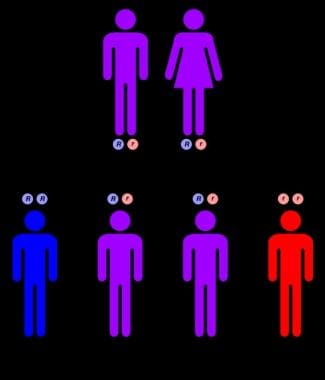
- NPD is inherited in an autosomal recessive manner. A couple who has a child with NPD is at a 25% risk with each pregnancy of having another child who is affected; prenatal testing is available for such pregnancies. The phenotype (eg, age of onset, severity of symptoms) is usually consistent in families. Unaffected siblings of the proband have a 66% risk of being carriers of the gene for NPD.
- Biochemical testing can be used when the proband has a classic biochemical phenotype but not when the proband has a variant biochemical phenotype.
- Molecular genetic testing can be used when the proband has mutations in the NPC1 gene that have been identified.
- For excellent patient education resources, visit eMedicine's Cholesterol Center and Statins Center. Also, see eMedicine's patient education articles High Cholesterol, Cholesterol FAQs, and Atorvastatin (Lipitor).
Medical/Legal Pitfalls
- Failure to perform a workup for NPD in patients with nodular xanthomas, foamy cells on histologic examination, and other systemic manifestations
Special Concerns
- All types of NPD are autosomal recessive, which means that both parents carry 1 copy of the abnormal gene, without having any signs of the disease.
- When both parents are carriers, in each pregnancy, they have a 1 in 4 risk of having a child who is affected with the disease and a 1 in 2 risk that the child will be a carrier.
- Carstea ED, Morris JA, Coleman KG, Loftus SK, Zhang D, Cummings C, et al. Niemann-Pick C1 disease gene: homology to mediators of cholesterol homeostasis. Science. Jul 11 1997;277(5323):228-31. [Medline].
- Yang CC, Su YN, Chiou PC, Fietz MJ, Yu CL, Hwu WL, et al. Six novel NPC1 mutations in Chinese patients with Niemann-Pick disease type C. J Neurol Neurosurg Psychiatry. Apr 2005;76(4):592-5. [Medline].
- Oyama K, Takahashi T, Shoji Y, Oyamada M, Noguchi A, Tamura H, et al. Niemann-Pick disease type C: cataplexy and hypocretin in cerebrospinal fluid. Tohoku J Exp Med. Jul 2006;209(3):263-7. [Medline].
- Dvorakova L, Sikora J, Hrebicek M, Hulkova H, Bouckova M, Stolnaja L, et al. Subclinical course of adult visceral Niemann-Pick type C1 disease. A rare or underdiagnosed disorder?. J Inherit Metab Dis. Aug 2006;29(4):591. [Medline].
- Smit LS, Lammers GJ, Catsman-Berrevoets CE. Cataplexy leading to the diagnosis of Niemann-Pick disease type C. Pediatr Neurol. Jul 2006;35(1):82-4. [Medline].
- Imrie J, Dasgupta S, Besley GT, Harris C, Heptinstall L, Knight S, et al. The natural history of Niemann-Pick disease type C in the UK. J Inherit Metab Dis. Feb 2007;30(1):51-9. [Medline].
- Runz H, Dolle D, Schlitter AM, Zschocke J. NPC-db, a Niemann-Pick type C disease gene variation database. Hum Mutat. Mar 2008;29(3):345-50. [Medline].
- Shah AJ, Kapoor N, Crooks GM, Parkman R, Weinberg KI, Wilson K, et al. Successful hematopoietic stem cell transplantation for Niemann-Pick disease type B. Pediatrics. Oct 2005;116(4):1022-5. [Medline].
- Adinolfi M, Akle CA, McColl I, Fensom AH, Tansley L, Connolly P, et al. Expression of HLA antigens, beta 2-microglobulin and enzymes by human amniotic epithelial cells. Nature. Jan 28 1982;295(5847):325-7. [Medline].
- Barness LA, Wiederhold S, Chandra S, Odell GB, Shahidi NT, Gilbert EF. One-year-old infant with hepatosplenomegaly and developmental delay. Am J Med Genet. Oct 1987;28(2):411-31. [Medline].
- Bembi B, Comelli M, Scaggiante B, Pineschi A, Rapelli S, Gornati R, et al. Treatment of sphingomyelinase deficiency by repeated implantations of amniotic epithelial cells. Am J Med Genet. Nov 1 1992;44(4):527-33. [Medline].
- Blankenship RM, Greenburg BR, Lucas RN, Reynolds RD, Beutler E. Familial sea-blue histiocytes with acid phosphatemia. A syndrome resembling Gaucher disease: the Lewis variant. JAMA. Jul 2 1973;225(1):54-6. [Medline].
- Brady RO. The sphingolipidoses. N Engl J Med. Aug 11 1966;275(6):312-8. [Medline].
- Brady RO, Kanfer JN, Mock MB, Fredrickson DS. The metabolism of sphingomyelin. II. Evidence of an enzymatic deficiency in Niemann-Pick diseae. Proc Natl Acad Sci U S A. Feb 1966;55(2):366-9. [Medline].
- Breen L, Morris HH, Alperin JB, Schochet SS Jr. Juvenile Niemann-Pick disease with vertical supranuclear ophthalmoplegia. Two cases reports and review of the literature. Arch Neurol. Jun 1981;38(6):388-90. [Medline].
- Bukhari I. Idiopathic nodular panniculitis in Niemann-Pick disease. J Eur Acad Dermatol Venereol. Sep 2005;19(5):600-2. [Medline].
- Candoni A, Doretto P, Bembi B. Sea-blue histiocytes in bone marrow of patient with Niemann-Pick disease type B. Haematologica. Aug 2001;86(8):896. [Medline].
- da Veiga Pereira L, Desnick RJ, Adler DA, Disteche CM, Schuchman EH. Regional assignment of the human acid sphingomyelinase gene (SMPD1) by PCR analysis of somatic cell hybrids and in situ hybridization to 11p15.1----p15.4. Genomics. Feb 1991;9(2):229-34. [Medline].
- Daloze P, Delvin EE, Glorieux FH, Corman JL, Bettez P, Toussi T. Replacement therapy for inherited enzyme deficiency: liver orthotopic transplantation in Niemann-Pick disease type A. Am J Med Genet. 1977;1(2):229-39. [Medline].
- Elleder M, Cihula J. Niemann-Pick disease (variation in the sphingomyelinase deficient group). Neurovisceral phenotype (A) with an abnormally protracted clinical course and variable expression of neurological symptomatology in three siblings. Eur J Pediatr. Sep 1983;140(4):323-8. [Medline].
- Ferlinz K, Hurwitz R, Sandhoff K. Molecular basis of acid sphingomyelinase deficiency in a patient with Niemann-Pick disease type A. Biochem Biophys Res Commun. Sep 30 1991;179(3):1187-91. [Medline].
- Ferlinz K, Hurwitz R, Weiler M, Suzuki K, Sandhoff K, Vanier MT. Molecular analysis of the acid sphingomyelinase deficiency in a family with an intermediate form of Niemann-Pick disease. Am J Hum Genet. Jun 1995;56(6):1343-9. [Medline].
- Fried K, Beer S, Krespin HI, Leiba H, Djaldetti M, Zitman D, et al. Biochemical, genetic and ultrastructural study of a family with the sea-blue histiocyte syndrome/chronic non-neuronopathic Niemann-Pick disease. Eur J Clin Invest. Aug 1978;8(4):249-53. [Medline].
- Gal AE, Brady RO, Hibbert SR, Pentchev PG. A practical chromogenic procedure for the detection of homozygotes and heterozygous carriers of Niemann-Pick disease. N Engl J Med. Sep 25 1975;293(13):632-6. [Medline].
- Gevry N, Lacroix D, Song JH, Pescador N, Dobias M, Murphy BD. Porcine Niemann Pick-C1 protein is expressed in steroidogenic tissues and modulated by cAMP. Endocrinology. Feb 2002;143(2):708-16. [Medline].
- Gluck I, Zeigler M, Bargal R, Schiff E, Bach G. Niemann Pick Disease type A in Israeli Arabs: 677delT, a common novel single mutation. Mutations in brief no. 161. Online. Hum Mutat. 1998;12(2):136. [Medline].
- Golde DW, Schneider EL, Bainton DF, Pentchev PG, Brady RO, Epstein CJ, et al. Pathogenesis of one variant of sea-blue histiocytosis. Lab Invest. Oct 1975;33(4):371-8. [Medline].
- Grassme H, Gulbins E, Brenner B, Ferlinz K, Sandhoff K, Harzer K, et al. Acidic sphingomyelinase mediates entry of N. gonorrhoeae into nonphagocytic cells. Cell. Nov 28 1997;91(5):605-15. [Medline].
- Greer WL, Riddell DC, Murty S, Gillan TL, Girouard GS, Sparrow SM, et al. Linkage disequilibrium mapping of the Nova Scotia variant of Niemann-Pick disease. Clin Genet. Apr 1999;55(4):248-55. [Medline].
- Horinouchi K, Erlich S, Perl DP, Ferlinz K, Bisgaier CL, Sandhoff K, et al. Acid sphingomyelinase deficient mice: a model of types A and B Niemann-Pick disease. Nat Genet. Jul 1995;10(3):288-93. [Medline].
- Horinouchi K, Sakiyama T, Pereira L, Lalley PA, Schuchman EH. Mouse models of Niemann-Pick disease: mutation analysis and chromosomal mapping rule out the type A and B forms. Genomics. Nov 1993;18(2):450-1. [Medline].
- Ida H, Rennert OM, Maekawa K, Eto Y. Identification of three novel mutations in the acid sphinogomyelinase gene of Japanese patients with Niemann-Pick disease type A and B. Hum Mutat. 1996;7(1):65-7. [Medline].
- Kampine JP, Brady RO, Kanfer JN, Feld M, Shapiro D. Diagnosis of gaucher's disease and niemann-pick disease with small samples of venous blood. Science. Jan 6 1967;155(758):86-8. [Medline].
- Kornfeld M, Appenzeller O, Saiki J, Troup GM. Sea-blue histiocytes and sural nerve in neurovisceral storage disorder with vertical ophthalmoplegia. J Neurol Sci. Jul 1975;25(3):291-302. [Medline].
- Kurimasa A, Ohno K, Oshimura M. Restoration of the cholesterol metabolism in 3T3 cell lines derived from the sphingomyelinosis mouse (spm/spm) by transfer of a human chromosome 18. Hum Genet. Sep 1993;92(2):157-62. [Medline].
- Landas S, Foucar K, Sando GN, Ellefson R, Hamilton HE. Adult Niemann-Pick disease masquerading as sea blue histiocyte syndrome: report of a case confirmed by lipid analysis and enzyme assays. Am J Hematol. Dec 1985;20(4):391-400. [Medline].
- Levran O, Desnick RJ, Schuchman EH. Identification and expression of a common missense mutation (L302P) in the acid sphingomyelinase gene of Ashkenazi Jewish type A Niemann-Pick disease patients. Blood. Oct 15 1992;80(8):2081-7. [Medline].
- Levran O, Desnick RJ, Schuchman EH. Niemann-Pick disease: a frequent missense mutation in the acid sphingomyelinase gene of Ashkenazi Jewish type A and B patients. Proc Natl Acad Sci U S A. May 1 1991;88(9):3748-52. [Medline].
- Levran O, Desnick RJ, Schuchman EH. Niemann-Pick type B disease. Identification of a single codon deletion in the acid sphingomyelinase gene and genotype/phenotype correlations in type A and B patients. J Clin Invest. Sep 1991;88(3):806-10. [Medline].
- Levran O, Desnick RJ, Schuchman EH. Type A Niemann-Pick disease: a frameshift mutation in the acid sphingomyelinase gene (fsP330) occurs in Ashkenazi Jewish patients. Hum Mutat. 1993;2(4):317-9. [Medline].
- Lowden JA, LaRamee MA, Wentworth P. The subacute form of Niemann-Pick disease. Arch Neurol. Sep 1967;17(3):230-7. [Medline].
- Marathe S, Miranda SR, Devlin C, Johns A, Kuriakose G, Williams KJ, et al. Creation of a mouse model for non-neurological (type B) Niemann-Pick disease by stable, low level expression of lysosomal sphingomyelinase in the absence of secretory sphingomyelinase: relationship between brain intra-lysosomal enzyme activity and central nervous system function. Hum Mol Genet. Aug 12 2000;9(13):1967-76. [Medline].
- Mendelson DS, Wasserstein MP, Desnick RJ, Glass R, Simpson W, Skloot G, et al. Type B Niemann-Pick disease: findings at chest radiography, thin-section CT, and pulmonary function testing. Radiology. Jan 2006;238(1):339-45. [Medline].
- Mihaylova V, Hantke J, Sinigerska I, Cherninkova S, Raicheva M, Bouwer S. Highly variable neural involvement in sphingomyelinase-deficient Niemann-Pick disease caused by an ancestral Gypsy mutation. Brain. Apr 2007;130(Pt 4):1050-61. [Medline].
- Millat G, Chikh K, Naureckiene S, Sleat DE, Fensom AH, Higaki K, et al. Niemann-Pick disease type C: spectrum of HE1 mutations and genotype/phenotype correlations in the NPC2 group. Am J Hum Genet. Nov 2001;69(5):1013-21. [Medline].
- Miyawaki S, Yoshida H, Mitsuoka S, Enomoto H, Ikehara S. A mouse model for Niemann-Pick disease. Influence of genetic background on disease expression in spm/spm mice. J Hered. Nov-Dec 1986;77(6):379-84. [Medline].
- Morris JA, Zhang D, Coleman KG, Nagle J, Pentchev PG, Carstea ED. The genomic organization and polymorphism analysis of the human Niemann-Pick C1 gene. Biochem Biophys Res Commun. Aug 2 1999;261(2):493-8. [Medline].
- Otterbach B, Stoffel W. Acid sphingomyelinase-deficient mice mimic the neurovisceral form of human lysosomal storage disease (Niemann-Pick disease). Cell. Jun 30 1995;81(7):1053-61. [Medline].
- Philippart M, Martin L, Martin JJ, Menkes JH. Niemann-Pick disease. Morphologic and biochemical studies in the visceral form with late central nervous system involvement (Crocker's group C). Arch Neurol. Mar 1969;20(3):227-38. [Medline].
- Quintern LE, Schuchman EH, Levran O, Suchi M, Ferlinz K, Reinke H. Isolation of cDNA clones encoding human acid sphingomyelinase: occurrence of alternatively processed transcripts. EMBO J. Sep 1989;8(9):2469-73. [Medline].
- Ribeiro I, Marcao A, Amaral O, Sa Miranda MC, Vanier MT, Millat G. Niemann-Pick type C disease: NPC1 mutations associated with severe and mild cellular cholesterol trafficking alterations. Hum Genet. Jul 2001;109(1):24-32. [Medline].
- Sakiyama T, Kitagawa T, Jhou H, Miyawaki S. Bone marrow transplantation for Niemann-Pick mice. J Inherit Metab Dis. 1983;6(3):129-30. [Medline].
- Sane SY. Urinary sediment in storage diseases: differential diagnosis of Nieman-Pick disease by cytologic means. Diagn Cytopathol. 1990;6(2):122-3. [Medline].
- Santana P, Pena LA, Haimovitz-Friedman A, Martin S, Green D, McLoughlin M, et al. Acid sphingomyelinase-deficient human lymphoblasts and mice are defective in radiation-induced apoptosis. Cell. Jul 26 1996;86(2):189-99. [Medline].
- Scaggiante B, Pineschi A, Sustersich M, Andolina M, Agosti E, Romeo D. Successful therapy of Niemann-Pick disease by implantation of human amniotic membrane. Transplantation. Jul 1987;44(1):59-61. [Medline].
- Schneider EL, Pentchev PG, Hibbert SR, Sawitsky A, Brady RO. A new form of Niemann-Pick disease characterised by temperature-labile sphingomyelinase. J Med Genet. Oct 1978;15(5):370-4. [Medline].
- Schneider PB, Kennedy EP. Sphingomyelinase in normal human spleens and in spleens from subjects with Niemann-Pick disease. J Lipid Res. May 1967;8(3):202-9. [Medline].
- Schuchman EH, Levran O, Pereira LV, Desnick RJ. Structural organization and complete nucleotide sequence of the gene encoding human acid sphingomyelinase (SMPD1). Genomics. Feb 1992;12(2):197-205. [Medline].
- Sevin M, Lesca G, Baumann N, Millat G, Lyon-Caen O, Vanier MT, et al. The adult form of Niemann-Pick disease type C. Brain. Jan 2007;130(Pt 1):120-33. [Medline].
- Sogawa H, Horino K, Nakamura F, Kudoh T, Oyanagi K, Yamanouchi T, et al. Chronic Niemann-Pick disease with sphingomyelinase deficiency in two brothers with mental retardation. Eur J Pediatr. Jul 19 1978;128(4):235-40. [Medline].
- Somers KL, Brown DE, Fulton R, Schultheiss PC, Hamar D, Smith MO, et al. Effects of dietary cholesterol restriction in a feline model of Niemann-Pick type C disease. J Inherit Metab Dis. Aug 2001;24(4):427-36. [Medline].
- Sperl W, Bart G, Vanier MT, Christomanou H, Baldissera I, Steichen-Gersdorf E, et al. A family with visceral course of Niemann-Pick disease, macular halo syndrome and low sphingomyelin degradation rate. J Inherit Metab Dis. 1994;17(1):93-103. [Medline].
- Strisciuglio P, Di Maio S, Parenti G, Franzese A, Lubrano P, Mariano A, et al. Evidence of polyglandular involvement in Niemann-Pick disease type B. Eur J Pediatr. Jul 1987;146(4):431-3. [Medline].
- Suchi M, Dinur T, Desnick RJ, Gatt S, Pereira L, Gilboa E, et al. Retroviral-mediated transfer of the human acid sphingomyelinase cDNA: correction of the metabolic defect in cultured Niemann-Pick disease cells. Proc Natl Acad Sci U S A. Apr 15 1992;89(8):3227-31. [Medline].
- Takahashi T, Desnick RJ, Takada G, Schuchman EH. Identification of a missense mutation (S436R) in the acid sphingomyelinase gene from a Japanese patient with type B Niemann-Pick disease. Hum Mutat. 1992;1(1):70-1. [Medline].
- Takahashi T, Suchi M, Desnick RJ, Takada G, Schuchman EH. Identification and expression of five mutations in the human acid sphingomyelinase gene causing types A and B Niemann-Pick disease. Molecular evidence for genetic heterogeneity in the neuronopathic and non-neuronopathic forms. J Biol Chem. Jun 25 1992;267(18):12552-8. [Medline].
- Taniguchi M, Shinoda Y, Ninomiya H, Vanier MT, Ohno K. Sites and temporal changes of gangliosides GM1/GM2 storage in the Niemann-Pick disease type C mouse brain. Brain Dev. Oct 2001;23(6):414-21. [Medline].
- Vanier MT, Boue J, Dumez Y. Niemann-Pick disease type B: first-trimester prenatal diagnosis on chorionic villi and biochemical study of a foetus at 12 weeks of development. Clin Genet. Oct 1985;28(4):348-54. [Medline].
- Vanier MT, Ferlinz K, Rousson R, Duthel S, Louisot P, Sandhoff K, et al. Deletion of arginine (608) in acid sphingomyelinase is the prevalent mutation among Niemann-Pick disease type B patients from northern Africa. Hum Genet. Oct 1993;92(4):325-30. [Medline].
- Viana MB, Giugliani R, Leite VH, Barth ML, Lekhwani C, Slade CM, et al. Very low levels of high density lipoprotein cholesterol in four sibs of a family with non-neuropathic Niemann-Pick disease and sea-blue histiocytosis. J Med Genet. Aug 1990;27(8):499-504. [Medline].
- Walton DS, Robb RM, Crocker AC. Ocular manifestations of group A Niemann-Pick disease. Am J Ophthalmol. Feb 1978;85(2):174-80. [Medline].
- Wenger DA, Barth G, Githens JH. Nine cases of sphingomyelin lipidosis, a new variant in Spanish-American Children. Juvenile variant of Niemann-Pick Disease with foamy and sea-blue histiocytes. Am J Dis Child. Sep 1977;131(9):955-61. [Medline].
- Wenger DA, Kudoh T, Sattler M, Palmieri M, Yudkoff M. Niemann-Pick disease type B: prenatal diagnosis and enzymatic and chemical studies on fetal brain and liver. Am J Hum Genet. May 1981;33(3):337-44. [Medline].
- Wenger DA, Sattler M, Kudoh T, Snyder SP, Kingston RS. Niemann-Pick disease: a genetic model in Siamese cats. Science. Jun 27 1980;208(4451):1471-3. [Medline].
- Wenger DA, Wharton C, Sattler M, Clark C. Niemann-Pick disease: prenatal diagnoses and studies of sphingomyelinase activities. Am J Med Genet. 1978;2(4):345-56. [Medline].
- Wood WS, Dimmick JE, Dolman CL. Niemann-Pick disease and juvenile xanthogranuloma. Are they related?. Am J Dermatopathol. Oct 1987;9(5):433-7. [Medline].
- Yatziv S, Leibovitz-Ben Gershon Z, Ornoy A, Bach G. Clinical heterogeneity in a sibship with Niemann-Pick disease type C. Clin Genet. Feb 1983;23(2):125-31. [Medline].
Niemann-Pick Disease excerpt Article Last Updated: Apr 30, 2008
|