Continually Updated Clinical Reference
 
 
  All Sources     eMedicine     Medscape     Drug Reference     MEDLINE
 
eMedicine - Acromegaly : Article by

Quick Find
Authors & Editors
Introduction
Clinical
Differentials
Workup
Treatment
Medication
Follow-up
Miscellaneous
References

Related Articles
Pachydermoperiostosis


Patient Education
Acromegaly Center

Acromegaly Overview

Acromegaly Causes

Acromegaly Symptoms

Acromegaly Treatment

Acromegaly FAQs

Understanding Acromegaly Medications


Author: Robert A Schwartz, MD, MPH, Professor and Head of Dermatology, Professor of Medicine, Professor of Pediatrics, Professor of Pathology, Professor of Preventive Medicine and Community Health, UMDNJ-New Jersey Medical School

Robert A Schwartz is a member of the following medical societies: Alpha Omega Alpha, American Academy of Dermatology, American College of Physicians, and Sigma Xi

Coauthor(s): Santiago A Centurion, MD, Staff Physician, Department of Dermatology, New Jersey Medical School, University of Medicine and Dentistry of New Jersey

Editors: Shyam Verma, MBBS, DVD, FAAD, Adjunct Clinical Assistant Professor, Department of Dermatology, University of Virginia, State University of New York at Stonybrook, Penn State University; Richard P Vinson, MD, Assistant Clinical Professor, Department of Dermatology, Texas Tech University School of Medicine; Consulting Staff, Mountain View Dermatology, PA; Jeffrey J Miller, MD, Associate Professor, Department of Dermatology, Penn State University, Milton S Hershey Medical Center; Glen H Crawford, MD, Assistant Clinical Professor, Department of Dermatology, University of Pennsylvania School of Medicine; Chief, Division of Dermatology, The Pennsylvania Hospital; William D James, MD, Paul R Gross Professor of Dermatology, University of Pennsylvania School of Medicine; Vice-Chair, Program Director, Department of Dermatology, University of Pennsylvania Health System

Author and Editor Disclosure

Synonyms and related keywords: growth hormone, GH, gigantism, GH-secreting pituitary adenomas, somatomedins, SMs, somatotropin-mediating hormones, insulinlike growth factors, IGFs

Background

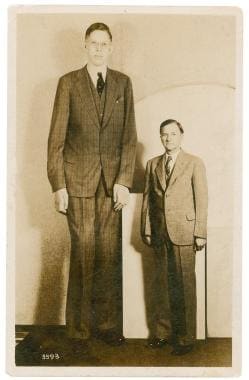
Excess secretion of growth hormone (GH) induces gigantism in prepubertal children and acromegaly in adults. Acromegaly arises from GH-secreting pituitary adenomas. GH is necessary for normal linear growth. GH is not the principal stimulator of growth, but it acts indirectly by stimulating the formation of other hormones. These hormones are termed somatomedins (SMs, ie, somatotropin-mediating hormones) or insulinlike growth factors (IGFs).

Somatomedin C (SM-C; insulinlike growth factor I [IGF-I]), the most important SM in postnatal growth, is produced in the liver, chondrocytes, kidney, muscle, pituitary, and gastrointestinal tract.

Also see eMedicine's endocrinology article, Acromegaly, and pediatrics article, Gigantism and Acromegaly

Pathophysiology

GH secretion from the pituitary gland is controlled by a combined hypothalamic regulation. Secretion is stimulated by growth hormone–releasing hormone (GHRH) and inhibited by GH release–inhibitory hormone or somatostatin (also termed somatotropin release–inhibitory factor or SRIF).

Syndromes of excessive secretion of GH or acromegaly are caused 95% of the time by a pituitary adenoma of the somatotrophs. A few cases of ectopic GHRH-producing tumors, usually seen in the lung or pancreas, also have been described.

Isolated familial somatotropinoma is a rare disease; at least 2 cases of acromegaly or gigantism has been reported in a family that does not exhibit features of Carney complex or multiple endocrine neoplasia type 1.1 It appears to be inherited as an autosomal dominant disease with incomplete penetrance. Although an association exists between the disease and loss of heterozygosity on 11q13, the responsible gene remains unknown.

Approximately 40% of somatotroph tumors have a mutation in the alpha subunit of a stimulatory G protein. Activation of this G protein is associated with binding of guanosine triphosphate (GTP) to the alpha subunit, which allows the alpha subunit to stimulate cyclic adenosine monophosphate (AMP) production. The normal free subunit has intrinsic GTPase activity, which inactivates GTP, preventing continued cyclic AMP stimulation. The mutant alpha subunit in acromegalic patients does not possess GTPase activity; therefore, continued cyclic AMP stimulation results.

GHRH-induced acromegaly is rare but is clinically indistinguishable from acromegaly caused by pituitary adenomas.

High levels of IGF-I are found in acromegaly, and low levels are found in children with GH deficiency. Insulin and IGF-I are similar peptides, and either can bind to IGF-I receptors.

Activation of this receptor leads to the growth and differentiation of many different cell lines, including keratinocytes, fibroblast, and the pilar unit of the skin.

Epidermal growth factor (EGF) and its homologs, transforming growth factor-alpha and amphiregulin, play a pivotal role in the regulation of keratinocyte growth and differentiation. All 3 growth factors stimulate cell growth by activating the epidermal growth factor receptor (EGF-R) that is expressed on keratinocytes in culture and in situ. Active proliferation of keratinocytes is associated with increased expression of the EGF-R and of its ligands (ie, transforming growth factor-alpha and amphiregulin) in the epidermis.

IGF-I and insulin, both of which stimulate keratinocyte growth through the IGF-I receptor, have been identified as primary keratinocyte mitogens. Proliferation induced by insulin and IGF-I requires the presence of other growth factors (notably EGF), and IGF-I stimulates keratinocyte proliferation in the absence of any other polypeptide growth factor at physiologic concentrations, through the IGF-I receptor. Thus, IGF-I is 1 of the factors inducing the growth factor component of the EGF-R–dependent autocrine loop in keratinocytes.

Frequency

United States

Acromegaly is uncommon, with an incidence of 3-4 cases per million per year. This figure easily may be an underestimation because of the insidiousness of this disease.

Mortality/Morbidity

Acromegaly is a severe disease often diagnosed late. Morbidity and mortality rates are high, in particular, because of associated cardiovascular, cerebrovascular, and respiratory disorders and malignancies.

  • Acromegaly is associated with an increase in left ventricular mass, even in the absence of systemic hypertension. Pathologic studies on acromegalic hearts have shown extensive interstitial fibrosis, suggesting the existence of a specific acromegalic cardiomyopathy.
  • Alveolar hypertrophy or hyperplasia is the mechanism for lung growth in this condition.
  • Increased colon and breast cancers have been associated with acromegaly.

Sex

Male-to-female ratio is equal.

Age

Acromegaly occurs most frequently in middle age. The mean age of diagnosis is 40 years in men and 45 years in women.


History

Acromegaly symptoms are present many years before the diagnosis is made.

  • Initial symptoms commonly are caused by the tumor and its mass effect (ie, headaches, change in vision).
  • Acromegalic patients often complain of various skin changes.
    • Sponginess and puffiness of hands and feet
    • Increased body hair
    • Excessive sweating
    • Oily skin
    • Increased number of skin tags
    • Thickening of heel pads
    • Hard and thickened nails
    • Coarsening of facial features
    • Noticeably large pores
    • Swollen eyelids
    • Enlargement of the nose
    • Hollow-sounding voice
    • Darkening of the skin (accentuated in intergluteal areas)
  • Other symptoms include the following:
    • Fatigue
    • Back and joint pain
    • Change in glove and shoe sizes
    • Spaces between the teeth
    • Underbite
    • Decreased libido and impotence
    • Polyuria
    • Polydipsia
    • Weakness
    • Sleep apnea
    • Hypersomnolence
    • Galactorrhea
    • Amenorrhea in younger women
    • Depression
    • Arthralgias
    • Muscle weakness
    • Paresthesias

Physical

Involvement of the skin has long been recognized as an important component of acromegaly. Steinberg provided the following description in 1899, "The skin of the palms of hands and soles of the feet is... often spongy and puffy; in the soles of the feet, it swells over the sides when putting the foot to the ground." The skin changes have been considered a classic feature of acromegaly, and as activity of the disease diminishes, the skin changes become stationary and regress.

  • Signs and symptoms of acromegaly include the following:
    • Doughy-feeling skin over face and extremities (one of the earliest signs in acromegaly is swelling of soles and palms)
    • Thick and hard nails
    • Deepening of creases on the forehead and nasolabial folds
    • Noticeably large pores
    • Thick and edematous eyelids
    • Enlargement of lower lip and nose (nose takes on triangular configuration)
    • Wide spacing of the teeth and prognathism
    • Cutis verticis gyrata (ie, furrows resembling gyri of scalp): Acromegaly may be first evident as cutis verticis gyrata.2
    • Small sessile and pedunculated fibromas, ie, skin tags (association between skin tags and polypoid lesions has been described in the literature, but currently, no conclusive studies exist to substantiate this finding)
    • Hypertrichosis in approximately one half of acromegaly patients (hypertrichosis of acromegaly does not affect beard area, as opposed to virilizing disorders)
    • Oily skin (acne is not common)
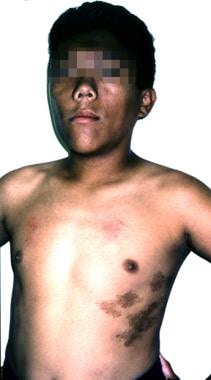
    • Hyperpigmentation in 40% of patients and acanthosis nigricans in a small percentage (excessive stimulation of keratinocytes and fibroblasts in skin accounts for development of acanthosis nigricans)
    • Excessive eccrine and apocrine sweating
    • Breast tissue becoming atrophic; galactorrhea
    • High blood pressure
    • Mitral valvular regurgitation
  • Acromegaly has been associated with other dermatologic syndromes to include the following:
    • Carney complex (NAME syndrome [nevi, atrial myxoma, myxoid neurofibroma, and ephelides], Carney complex, LAMB syndrome [lentigines, atrial myxoma, mucocutaneous myxomas, and blue nevi]). GH-producing pituitary tumors have been described in individuals with Carney complex (CNC). CNC is a familial multiple neoplasia and lentiginosis syndrome.
      • Manifestations and primary findings in CNC include cardiocutaneous syndrome characterized by pigmented skin lesions and atrial myxomas, lentigines (mucocutaneous), atrial myxomas (may be fatal), mucocutaneous myxomas, blue nevi, congenital melanocytic nevi, and schwannomas.
      • Endocrine abnormalities of CNC include acromegaly, endocrine overactivity, Cushing syndrome, sexual precocity in boys, thyroid hyperplasia, primary pigmented nodular adrenocortical disease, testicular tumors, and uterine myxomas.
    • McCune-Albright syndrome
      • The pathogenetic mechanisms involved in the development of the endocrinopathies are unknown, and 2 hypotheses have arisen. For many years, hypothalamic dysfunction was assumed to be the cause in most cases; an alternate hypothesis postulates that hyperfunctioning endocrine organs work with relative autonomy from hypothalamic control.
      • This syndrome is manifested clinically by the presence of polyostotic fibrous dysplasia of bone, hyperpigmented skin macules, precocious sexual development in children, goiter, hyperthyroidism, acromegaly, Cushing syndrome, hyperprolactinemia, sexual precocity, hyperparathyroidism, and hypophosphatemic hyperphosphaturic rickets.

Causes

  • Several lines of evidence indicate that GH may regulate skin growth and architecture directly and/or indirectly.
  • Ferguson et al3 showed that the mean skin thickness of 22 patients with acromegaly was increased many fold compared to 55 control subjects matched by age. Subsequently, this finding was correlated with changes found on histopathologic specimens.
  • Lobie et al4 have shown immunoreactivity of the GH receptor in neonatal and adult animals in nearly every cell on the skin.
    • The reactivity was localized consistently in the stratum basale and stratum spinosum, with intermittent staining in the stratum granulosum.
    • Intense GH-receptor immunoreactivity was observed in all histologic layers of the lower one third of hair follicles and in hair matrix cells of the dermal papillae.
  • Immunoreactivity also has been detected in sebaceous glands and in fibroblasts of the connective tissue sheath surrounding the follicle.
    • GH-receptor immunoreactivity also is present in the secretory duct and myoepithelial cells of human eccrine sweat glands.
    • Fibroblasts, Schwann cells of peripheral nerve fascicles, skeletal muscle cells, and adipocytes of the dermis also are immunoreactive, as are medial smooth muscle and endothelial cells of arteries.
  • Philpott et al5 showed that physiologic concentrations of IGF-I and insulinlike growth factor II were potent stimulators of hair follicle growth, and in the absence of insulin, hair follicles showed premature entry into a catagenlike state.


Pachydermoperiostosis

Other Problems to be Considered

Pseudoacromegaly is defined as the presence of acromegaloid features in the absence of elevated levels of GH or IGF-I in patients with severe insulin resistance.

Pachydermoperiostosis syndrome is manifested clinically by finger clubbing, extremity enlargement, hypertrophic skin changes, and periosteal bone formation.

Cancer risk is controversial in acromegalic patients.6 Patients with acromegaly may have an increased risk of developing colorectal, breast, and prostate tumors.7 However, the prevalence of cancers in patients with acromegaly remains controversial. A 2008 study suggested that patients with acromegaly have an increased risk of colon cancer and polyps, and the risk for thyroid cancer is increased in males. Patients with acromegaly might be advised to undergo screening colonoscopy and thyroid ultrasonography.


Lab Studies

  • Patients with active acromegaly have abnormal dynamics of GH secretion. A simple diagnostic approach is to measure serum GH 1 hour after oral administration of 100 g of glucose. Clearly elevated GH levels (>10 ng/mL) after oral glucose, combined with the clinical picture, secure the diagnosis of acromegaly, while a normal GH level (<5 ng/mL) after oral glucose essentially excludes the diagnosis.
    • Only a small percentage of patients investigated for acromegaly have a postglucose GH level that is intermediate (5-10 ng/mL). In these patients, other tests can be used to define their status.
    • Measurements of SM-C reflect the integrated production of GH. This marker also serves as a useful screening test to exclude acromegaly.
    • Since IGF-I has a long half-life, its measurement is useful to gauge integrated GH secretion, to screen for acromegaly, and to monitor the efficacy of therapy.
    • IGF-I concentrations vary with age. An assay is required in which the normal ranges have been stratified to account for this discrepancy.
    • Starvation, obesity, and diabetes mellitus decrease IGF-I concentration. Pregnancy increases IGF-I concentration.
    • Before immunoassays for IGF-I, GH measurement was the only method used in the biochemical assessment of acromegaly.8 IGF-I has been the most reliable biochemical indicator of acromegaly. The availability of supersensitive GH has changed many aspects of the interpretation of the GH value. Hypersecretion and abnormal neuroregulation characterize acromegaly. GH can be measured in many ways to give useful information on diagnosis, therapy, and prognosis. Measuring GH in the management of acromegaly complements the information IGF-I values provide.
    • Random GH measurements often are not diagnostic because of the episodic secretion of GH, its short half-life, and the overlap between GH concentration in individuals with acromegaly and individuals without the condition.
  • The definitive test for the diagnosis of acromegaly is the oral glucose tolerance test. A paradoxic rise in GH concentration is seen in 15-20% of patients with acromegaly following oral glucose administration.
  • Measurement of IGF binding protein 3, the primary binding protein for circulating IGF, is increased in acromegaly and may be useful in the diagnosis of acromegaly. It also may be helpful for monitoring the activity of the disease during treatment.
  • GHRH concentration may be obtained if clinically indicated. Levels higher than 300 pg/mL usually indicate an ectopic source of GHRH. In pituitary disease (GHRH independent), GHRH concentration is normal or suppressed.
  • Since as many as 20% of GH-secreting pituitary adenomas co-secrete prolactin, the prolactin level also may be elevated; however, a rise in prolactin may result from stalk compression or from co-secretion from a pituitary adenoma. Pituitary adenomas may be associated with deficiencies of other pituitary hormones. Consider evaluation of the adrenal, thyroid, and gonadal axes.

Imaging Studies

  • Obtain imaging studies only after a firm biochemical diagnosis of acromegaly has been made because of the relatively high incidence of nonfunctioning incidentally discovered pituitary adenomas.
  • Image the sella turcica first, since GH-secreting pituitary adenoma is the most common cause.
  • MRI is more sensitive than CT scan.
    • MRI provides detailed information about surrounding structures (eg, optic chiasm, cavernous sinuses).
    • If MRI findings of the sella are negative, appropriate studies to localize tumors causing ectopic secretion of GH or GHRH may be obtained.
    • Use CT scan of the abdomen/pelvis to evaluate for pancreatic, adrenal, and ovarian tumors secreting GH/GHRH.
    • Use chest CT scan to evaluate for bronchogenic carcinoma secreting GH/GHRH.
  • Radiographic studies show the following:
    • Increase in length and thickness of the mandible is noted.
    • Underbites can be recognized as a result of mandible enlargement.
    • Calvaria is thickened.
    • Bony ridges and muscle attachments are exaggerated.
    • Frontal, mastoid, and ethmoid sinuses are enlarged.
    • Ribs are elongated because of proliferation at the cartilage-bone junction.
    • Deep barrel chest often is pronounced in long-standing acromegaly as a result of continued costal growth.
    • Periosteal growth of the vertebrae occurs, and osteophytic proliferation of the articular margins of joints frequently is recognized.
    • Cartilage proliferation of the larynx is noted.
    • Cortical thickening and distal tufting are noted.
    • Deformities of the skull are noted.

Histologic Findings

Surgical specimens from pituitary tumor demonstrate a variety of histologic findings as follows:

  • Densely granulated somatotrope adenoma
  • Sparsely granulated somatotrope adenoma
  • Mixed somatotrope-lactotrope adenoma
  • Acidophilic stem cell adenoma
  • Mammosomatotroph adenoma
  • Plurihormonal adenoma producing GH and 1 or more glycoprotein hormones, principally alpha
  • Somatotrope carcinoma
  • Somatotrope hyperplasia
  • No distinct morphologic change

Skin biopsy may demonstrate histologic findings as follows:

  • Slight thinning of the epidermis
  • Papillary and upper reticular dermis (may appear edematous and myxoid)
  • Separation of the collagen fibers
  • Slightly increased number of fibroblasts
  • Fibrous component normal, both qualitatively and quantitatively
  • Observation of a dense glycosaminoglycan deposit (most consistent abnormality)
  • Infiltration by glycosaminoglycans (most prominent in papillary, upper reticular dermis, and in vicinity of sweat glands)


Medical Care

No single treatment modality consistently achieves control of the disease. A multimodality approach usually requires surgery as the first line of treatment, followed by medical therapy for residual disease. Radiation treatment usually is reserved for recalcitrant cases. The most effective and practical drugs currently in use include somatostatin analogs and dopamine agonists such as bromocriptine. While medical treatment options for acromegaly have improved in the last 30 years, limitations remain and a multispecialty team approach is necessary for effective long-term treatment of patients with acromegaly.9

This chronic debilitating disorder caused by a GH-producing pituitary adenomas is usually treated with transsphenoidal surgery as the treatment of choice; however, radiotherapy and medical treatment are important because surgery cures only approximately 60% in long-term studies.10 Slow-release formulations of somatostatin are now widely used, also as primary treatment, and appear to be safe and effective in 50-60% of the patients. A GH-receptor blocking agent, pegvisomant, appears to normalize IGF-1 levels in almost all patients.

  • Somatostatin is a natural inhibitor of GH secretion. Octreotide is used most extensively.
    • Octreotide binds to the somatostatin receptor subtypes II and V and inhibits GH secretion.
    • Treatment with octreotide reduces GH concentration to less than 5 ng/mL in 65% of patients and less than 2 ng/mL in 40%.
    • Octreotide normalizes the IGF-I concentration in 60% of patients.
    • Tumor shrinkage is seen in 20-50% of patients.
    • Primary treatment with depot octreotide and lanreotide has been found to induce tumor shrinkage in newly diagnosed acromegaly.11 The best predictor of tumor shrinkage was after treatment with IGF-l.
  • Bromocriptine lowers serum GH in as many as 75% of patients, but in only 20% are the levels reduced to normal.
    • Patients in whom prolactin is elevated are more likely to have a favorable response.
    • GH-secreting tumors usually do not decrease in size with bromocriptine.
    • Bromocriptine has an adjunctive role in patients who fail to achieve a cure by surgical treatment or who are to be treated with radiation.
  • Periodic reassessment of GH production is advisable after treatment.
  • Criteria for cure include a normal basal GH level and normal GH dynamic responses.
  • SM-C levels appear to correlate better with clinical activity than do GH levels; therefore, SM-C levels should be monitored.
  • Radiotherapy12 takes years to become effective. Approximately 60% of patients have GH concentration of less than 5 ng/mL 10 years after radiotherapy. A similar number develop panhypopituitarism as a result of treatment. Because of the disappointing results and adverse effects, radiotherapy is used as an adjunct treatment for large invasive tumors and when surgery is contraindicated. Some studies suggest that radiation is associated with the development of secondary tumors.

Surgical Care

Surgery is performed as first-line therapy.

  • Transsphenoidal hypophysectomy has the dual advantage of rapidly improving symptoms caused by mass effect of the tumor and significantly reducing or normalizing GH/IGF-I concentrations.
  • Remission rates of 80-85% can be expected for microadenomas and 50-65% for macroadenomas.
  • Carefully monitor patients for enlargement or recurrence of a pituitary mass lesion.
  • The biochemical activity of disease after pituitary surgery in persons with acromegaly has been evaluated.13 By definition, biochemical cure in acromegaly involves both the normalization of IGF-1 levels and a glucose-suppressed GH level of less than 1 ng/mL. A significant proportion of acromegalic patients were found have a change in biochemical status upon long-term follow-up after surgery. Most of these changes occurred within the first postoperative year and were more likely to occur if the initial GH postglucose and IGF-1 levels were discordant.


The goal of pharmacotherapy is to reduce morbidity and to prevent complications.

Drug Category: Somatostatin analogs

Reduce blood levels of GH and IGF-I in patients with an inadequate response to surgery, radiation, and bromocriptine.

Drug NameOctreotide (Sandostatin)
DescriptionActs primarily on somatostatin receptor subtypes II and V. Inhibits GH secretion. Also has a multitude of other endocrine and nonendocrine effects, including inhibition of glucagon, VIP, and GI peptides.
Adult DoseInitial: 50 mcg SC tid; may increase to 500 mcg tid
Doses of 300-600 mcg/d or higher seldom result in additional benefit
Pediatric DoseNot established
ContraindicationsDocumented hypersensitivity
InteractionsMay reduce cyclosporine effects; patients on insulin, oral hypoglycemics, beta-blockers, and calcium channel blockers may need dose adjustments
PregnancyB - Fetal risk not confirmed in studies in humans but has been shown in some studies in animals
PrecautionsAdverse effects primarily are related to effect on GI motility and include nausea, abdominal pain, diarrhea, increased incidence of gallstones and biliary sludge; hypoglycemia or hyperglycemia may be seen because of alteration in counter-regulatory hormones, insulin, glucagon, and GH; bradycardia, cardiac conduction abnormalities, and arrhythmias reported; hypothyroidism also may occur because of inhibition of TSH secretion; caution in renal impairment

Drug NameOctreotide LAR (Sandostatin LAR)
DescriptionLong-acting somatostatin analog given q4wk. Similar improvements in GH/IGF-I concentration compared to octreotide, but associated with fewer adverse effects. A trial of short-acting somatostatin analog is necessary to confirm patient's ability to tolerate the compound.
Do not administer in deltoid area because of significant discomfort at injection site.
Gluteal injection sites should be alternated.
Adult Dose10-30 mg IM q28d
Pediatric DoseNot established
ContraindicationsDocumented hypersensitivity
InteractionsMay reduce cyclosporine effects; patients on insulin, oral hypoglycemics, beta-blockers, and calcium channel blockers may need dose adjustments
PregnancyC - Fetal risk revealed in studies in animals but not established or not studied in humans; may use if benefits outweigh risk to fetus
PrecautionsAdverse effects primarily are related to effect on GI motility and include nausea, abdominal pain, diarrhea, and increased incidence of gallstones and biliary sludge; hypoglycemia or hyperglycemia may be seen because of alteration in counter-regulatory hormones, insulin, glucagon, and GH; bradycardia, cardiac conduction abnormalities, and arrhythmias reported; hypothyroidism may occur because of inhibition of TSH secretion; caution in renal impairment; cholelithiasis may occur

Drug Category: Dopamine agonists

Usually added to somatostatin analogs if complete remission is not achieved. Have modest effects if used as single agent.

Drug NameBromocriptine (Parlodel)
DescriptionActs on central dopamine receptors. More effective in tumors that co-secrete prolactin. Dose used to treat acromegaly usually is much higher than for hyperprolactinemia.
Adult Dose1.25 mg PO hs qd initial; increase gradually to 20-30 mg PO qd in divided doses
Safety not demonstrated with dosages >100 mg/d
Pediatric DoseNot established
ContraindicationsDocumented hypersensitivity; uncontrolled hypertension; ischemic heart disease; peripheral vascular disorders
InteractionsOther ergot alkaloids increase toxicity of bromocriptine; amitriptyline, butyrophenones, imipramine, methyldopa, phenothiazines, and reserpine may decrease bromocriptine effects
PregnancyB - Fetal risk not confirmed in studies in humans but has been shown in some studies in animals
PrecautionsAdverse effects include nausea, vomiting, headaches, nasal congestion, orthostatic hypotension, and digital vasospasm; patients tend to develop tolerance to adverse effects; caution in renal or hepatic disease

Drug Category: Growth hormone antagonists

The newest class of drugs used to decrease excessive GH effect. Blocks GH binding to receptors, thus, decreases IGF-I, IGF binding protein-3 (IGFBP-3), and acid-labile subunit (ALS).

Drug NamePegvisomant (Somavert)
DescriptionRecombinant DNA analog of human GH structurally altered to act as GH receptor antagonist. Selectively binds to GH receptors on cell surfaces, thereby blocking endogenous GH binding. This action interferes with GH signal transduction, resulting in decreased levels of IGF-I, IGFBP-3, and ALS.
Adult DoseLoading dose: 40 mg SC
Maintenance dose: 10 mg SC qd initially; may increase or decrease q4-6wk by 5-mg increments as determined by IGF-I levels; not to exceed 30 mg/d
Pediatric DoseNot established
ContraindicationsDocumented hypersensitivity
InteractionsMay decrease insulin or oral hypoglycemic effects; patients receiving opioid analgesics may require higher doses to suppress IGF-I production to recommended levels
PregnancyB - Fetal risk not confirmed in studies in humans but has been shown in some studies in animals
PrecautionsVial stopper contains latex; may cause GH-secreting tumors to grow; may increase insulin sensitivity; may induce GH deficiency; may increase liver enzyme levels


Further Outpatient Care

  • All patients with a history of GH excess require periodic lifelong evaluation. Perform an assessment of disease status on a regular basis using imaging studies and/or visual field evaluations.
  • Because an association exists between acromegaly and regurgitant valvular heart disease, patients with acromegaly require adequate cardiac evaluation and follow-up to establish if this is present and, if so, to determine the extent and progression of valvular involvement.14

Complications

  • Metabolic and endocrine
    • Diabetes mellitus in 10-20% of patients
    • Hypertriglyceridemia in 19-44% of patients
  • Respiratory
    • Increased lung capacity in 81% of men and 56% of women, small airway narrowing in 36% of patients, and upper airway narrowing in 26% of patients
    • Acute dyspnea and stridor
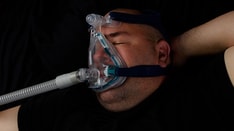
    • Obstructive sleep apnea syndrome (curing acromegaly does not necessarily correct sleep apnea)
  • Cardiovascular
    • Hypertension and cardiomyopathy
    • Impaired left ventricular function
    • Increased left ventricular mass
  • Calcium and bone metabolism
    • Hypercalciuria
    • Hyperphosphatemia
    • Urolithiasis
  • Neuromuscular
    • Weakness (although muscular appearance)
    • Nerve root compression
    • Radiculopathy
    • Spinal stenosis
    • Carpal tunnel syndrome
  • Colonic polyps and malignancies (ie, colon cancer)

Prognosis

  • No studies establish that treatment of acromegaly leads to a reduction in morbidity and mortality rates; however, reversal of excessive GH secretion leads to regression.
    • Decreased soft tissue swelling
    • Diminished sweating
    • Restoration of normal glucose tolerance
  • Early diagnosis of acromegaly results in early transsphenoidal pituitary microsurgery (which has better outcome), and currently, patients are more likely to be cured than in the past.

Patient Education


Medical/Legal Pitfalls

  • Failure to recognize and treat coexisting hyperprolactinemia and associated conditions, such as cardiovascular disease, tumors (eg, colon polyps, benign prostatic hypertrophy), and diabetes
  • Failure to monitor for and detect tumor recurrence after surgical treatment


  1. Soares BS, Eguchi K, Frohman LA. Tumor deletion mapping on chromosome 11q13 in eight families with isolated familial somatotropinoma and in 15 sporadic somatotropinomas. J Clin Endocrinol Metab. Dec 2005;90(12):6580-7. [Medline].
  2. Al-Bedaia M, Al-Khenaizan AS. Acromegaly presenting as cutis verticis gyrata. Int J Dermatol. Feb 2008;47(2):164. [Medline].
  3. Ferguson JK, Donald RA, Weston TS, Espiner EA. Skin thickness in patients with acromegaly and Cushing's syndrome and response to treatment. Clin Endocrinol (Oxf). Apr 1983;18(4):347-53. [Medline].
  4. Lobie PE, Breipohl W, Lincoln DT, Garcia-Aragon J, Waters MJ, et al. Localization of the growth hormone receptor/binding protein in skin. J Endocrinol. Sep 1990;126(3):467-71. [Medline].
  5. Philpott MP, Sanders DA, Kealey T. Effects of insulin and insulin-like growth factors on cultured human hair follicles: IGF-I at physiologic concentrations is an important regulator of hair follicle growth in vitro. J Invest Dermatol. Jun 1994;102(6):857-61. [Medline].
  6. Loeper S, Ezzat S. Acromegaly: Re-thinking the cancer risk. Rev Endocr Metab Disord. Dec 22 2007;[Medline].
  7. Kurimoto M, Fukuda I, Hizuka N, Takano K. The Prevalence of Benign and Malignant Tumors in Patients with Acromegaly at a Single Institute. Endocr J. Jan 17 2008;[Medline].
  8. Sata A, Ho KK. Growth hormone measurements in the diagnosis and monitoring of acromegaly. Pituitary. Jun 2007;10(2):165-172. [Medline].
  9. Bush ZM, Vance ML. Management of acromegaly: Is there a role for primary medical therapy?. Rev Endocr Metab Disord. Dec 28 2007;[Medline].
  10. Roelfsema F, Biermasz NR, Romijn JA, Pereira AM. Treatment strategies for acromegaly. Expert Opin Emerg Drugs. Nov 2005;10(4):875-90. [Medline].
  11. Colao A, Pivonello R, Auriemma RS, Briganti F, Galdiero M, Tortora F, et al. Predictors of Tumor Shrinkage after Primary Therapy with Somatostatin Analogues in Acromegaly: A Prospective Study in 99 Patients. J Clin Endocrinol Metab. Jun 2006;91(6):2112-8. Epub 2006 Mar 14. [Medline].
  12. Castinetti F, Morange I, Dufour H, Regis J, Brue T. Radiotherapy and radiosurgery in acromegaly. Pituitary. Jan 4 2008;[Medline].
  13. Espinosa-de-Los-Monteros AL, Sosa E, Cheng S, Ochoa R, Sandoval C, Guinto G, et al. Biochemical evaluation of disease activity after pituitary surgery in acromegaly: a critical analysis of patients who spontaneously change disease status. Clin Endocrinol (Oxf). Mar 2006;64(3):245-9. [Medline].
  14. van der Klaauw AA, Bax JJ, Roelfsema F, Bleeker GB, Holman ER, Corssmit EP, et al. Uncontrolled acromegaly is associated with progressive mitral valvular regurgitation. Growth Horm IGF Res. Apr 2006;16(2):101-7. Epub 2006 Apr 3. [Medline].
  15. Abs R, Beckers A, Van de Vyver FL, De Schepper A, Stevenaert A, Hennen G. Acromegaly, multinodular goiter and silent polyostotic fibrous dysplasia. A variant of the McCune-Albright syndrome. J Endocrinol Invest. Sep 1990;13(8):671-5. [Medline].
  16. Abu-Jamra F, Dimick DF. Cutis verticis gyrata. A report of a case secondary to acromegaly treated with plastic surgery and x-ray therapy. Am J Surg. Feb 1966;111(2):274-7. [Medline].
  17. Acqui M, Ferrante L, Matronardi L, d'Addetta R. Alteration of the collagen type III/type I ratio and intracranial saccular aneurysms in GH-secreting hypophyseal adenomas. Ital J Neurol Sci. Aug 1988;9(4):365-8. [Medline].
  18. Alexander L, Appleton D, Hall R, Ross WM, Wilkinson R. Epidemiology of acromegaly in the Newcastle region. Clin Endocrinol (Oxf). Jan 1980;12(1):71-9. [Medline].
  19. Aloia JF, Grover RW. Dermal changes in osteoporosis following prolonged treatment with human growth hormone. J Cutan Pathol. 1976;3(5):222-31. [Medline].
  20. Asa SL, Scheithauer BW, Bilbao JM, Horvath E, Ryan N, Kovacs K, et al. A case for hypothalamic acromegaly: a clinicopathological study of six patients with hypothalamic gangliocytomas producing growth hormone-releasing factor. J Clin Endocrinol Metab. May 1984;58(5):796-803. [Medline].
  21. Bach R, Leicht E, Langer HJ, Hartenstein R, Jung F, Berg G, et al. [Cardiac function and the skin microcirculation in acromegaly]. Dtsch Med Wochenschr. Mar 27 1992;117(13):483-9. [Medline].
  22. Barkan AL. Acromegaly. Diagnosis and therapy. Endocrinol Metab Clin North Am. Jun 1989;18(2):277-310. [Medline].
  23. Barkan AL, Shenker Y, Grekin RJ, Vale WW, Lloyd RV, Beals TF. Acromegaly due to ectopic growth hormone (GH)-releasing hormone (GHRH) production: dynamic studies of GH and ectopic GHRH secretion. J Clin Endocrinol Metab. Nov 1986;63(5):1057-64. [Medline].
  24. Barzilay J, Heatley GJ, Cushing GW. Benign and malignant tumors in patients with acromegaly. Arch Intern Med. Aug 1991;151(8):1629-32. [Medline].
  25. Baumann G. Growth hormone heterogeneity: genes, isohormones, variants, and binding proteins. Endocr Rev. Nov 1991;12(4):424-49. [Medline].
  26. Becker MD, Cook GC, Wright AD. Paradoxical elevation of growth hormone in active chronic hepatitis. Lancet. Nov 15 1969;2(7629):1035-9. [Medline].
  27. Bengtsson BA, Eden S, Ernest I, Oden A, Sjogren B. Epidemiology and long-term survival in acromegaly. A study of 166 cases diagnosed between 1955 and 1984. Acta Med Scand. 1988;223(4):327-35. [Medline].
  28. Bhatia SK, Hadden DR, Montgomery DA. Hand volume and skin thickness in a normal population and in acromegaly. Acta Endocrinol (Copenh). Jul 1969;61(3):385-92. [Medline].
  29. Bleasel NR, Stapleton KM. Carney complex: in a patient with multiple blue naevi and lentigines, suspect cardiac myxoma. Australas J Dermatol. Aug 1999;40(3):158-60. [Medline].
  30. Bliznak J, Staple TW. Roentgenographic measurement of skin thickness in normal individuals. Radiology. Jul 1975;116(1):55-60. [Medline].
  31. Brooke AM, Drake WM. Serum IGF-I levels in the diagnosis and monitoring of acromegaly. Pituitary. Jun 2007;10(2):173-179. [Medline].
  32. Brummer RJ, Rosen T, Bengtsson BA. Evaluation of different methods of determining body composition, with special reference to growth hormone-related disorders. Acta Endocrinol (Copenh). Jun 1993;128 Suppl 2:30-6. [Medline].
  33. Carcassi U. History of hypertrophic osteoarthropathy (HOA). Clin Exp Rheumatol. May-Jun 1992;10 Suppl 7:3-7. [Medline].
  34. Carney JA. The Carney complex (myxomas, spotty pigmentation, endocrine overactivity, and schwannomas). Dermatol Clin. Jan 1995;13(1):19-26. [Medline].
  35. Carney JA, Gordon H, Carpenter PC, Shenoy BV, Go VL. The complex of myxomas, spotty pigmentation, and endocrine overactivity. Medicine (Baltimore). Jul 1985;64(4):270-83. [Medline].
  36. Centurion SA, Schwartz RA. Cutaneous signs of acromegaly. Int J Dermatol. Oct 2002;41(10):631-4. [Medline].
  37. Colao A, Balzano A, Ferone D, Panza N, Grande G, Marzullo P, et al. Increased prevalence of colonic polyps and altered lymphocyte subset pattern in the colonic lamina propria in acromegaly. Clin Endocrinol (Oxf). Jul 1997;47(1):23-8. [Medline].
  38. Colao A, Ferone D, Marzullo P, Di Sarno A, Cerbone G, Sarnacchiaro F, et al. Effect of different dopaminergic agents in the treatment of acromegaly. J Clin Endocrinol Metab. Feb 1997;82(2):518-23. [Medline].
  39. Colao A, Merola B, Ferone D, Lombardi G. Acromegaly. J Clin Endocrinol Metab. Sep 1997;82(9):2777-81. [Medline].
  40. Colao A, Pivonello R, Marzullo P, Auriemma RS, De Martino MC, Ferone D, et al. Severe systemic complications of acromegaly. J Endocrinol Invest. 2005;28(5 Suppl):65-77. [Medline].
  41. Converse JM, Baker DC. Surgical correction of the facial deformities of acromegaly. Ann Plast Surg. Nov 1978;1(6):612-6. [Medline].
  42. Delaroudis SP, Efstathiadou ZA, Koukoulis GN, Kita MD, Farmakiotis D, Dara OG, et al. Amelioration of cardiovascular risk factors with partial biochemical control of acromegaly. Clin Endocrinol (Oxf). Jan 10 2008;[Medline].
  43. Denden A. [Diagnostic significance of verticillate cornea for Fabry-Anderson disease]. Klin Monatsbl Augenheilkd. 1970;156(1):49-62. [Medline].
  44. Deplewski D, Rosenfield RL. Growth hormone and insulin-like growth factors have different effects on sebaceous cell growth and differentiation. Endocrinology. Sep 1999;140(9):4089-94. [Medline].
  45. Doga M, Bonadonna S, Gola M, Nuzzo M, Giustina A. Diagnostic and therapeutic consensus on acromegaly. J Endocrinol Invest. 2005;28(5 Suppl):56-60. [Medline].
  46. Dogliotti GC. [Acromegaly: physiopathology and new therapeutic prospects]. Minerva Med. Jan 27 1969;60(8):287-97. [Medline].
  47. Doyle FH. Radiological measurement of skin thickness and bone mineral. Sci Basis Med Annu Rev. 1969;133-45. [Medline].
  48. Eastman RC, Gorden P, Roth J. Conventional supervoltage irradiation is an effective treatment for acromegaly. J Clin Endocrinol Metab. Jun 1979;48(6):931-40. [Medline].
  49. Eigenmann JE. Acromegaly in the dog. Vet Clin North Am Small Anim Pract. Jul; 1984;14(4):827-36. [Medline].
  50. Elkeles RS, Wright AD, Lowy C, Fraser TR. Serum-insulin in acromegaly. Lancet. Sep 20 1969;2(7621):615-8. [Medline].
  51. Erturk E, Tuncel E, Kiyici S, Ersoy C, Duran C, Imamoglu S. Outcome of surgery for acromegaly performed by different surgeons: importance of surgical experience. Pituitary. 2005;8(2):93-7. [Medline].
  52. Ezzat S, Laks D, Oster J, Melmed S. Growth hormone regulation in primary fetal and neonatal rat pituitary cell cultures: the role of thyroid hormone. Endocrinology. Feb 1991;128(2):937-43. [Medline].
  53. Ezzat S, Melmed S. Acromegaly: etiology, diagnosis and management. Compr Ther. Jul 1991;17(7):31-5. [Medline].
  54. Ezzat S, Melmed S. Clinical review 18: Are patients with acromegaly at increased risk for neoplasia?. J Clin Endocrinol Metab. Feb 1991;72(2):245-9. [Medline].
  55. Ezzat S, Ren SG, Braunstein GD, Melmed S. Octreotide stimulates insulin-like growth factor binding protein-1 (IGFBP-1) levels in acromegaly. J Clin Endocrinol Metab. Aug 1991;73(2):441-3. [Medline].
  56. Ezzat S, Serri O, Chik CL, Johnson MD, Beauregard H, Marcovitz S, et al. Canadian consensus guidelines for the diagnosis and management of acromegaly. Clin Invest Med. Feb 2006;29(1):29-39. [Medline].
  57. Ezzat S, Strom C, Melmed S. Colon polyps in acromegaly. Ann Intern Med. May 1 1991;114(9):754-5. [Medline].
  58. Feingold KR, Elias PM. Endocrine-skin interactions. Cutaneous manifestations of pituitary disease, thyroid disease, calcium disorders, and diabetes. J Am Acad Dermatol. Dec 1987;17(6):921-40. [Medline].
  59. Fesel R, Plewig G, Lentrodt J. [Cutis verticis gyrata]. Hautarzt. Sep 1990;41(9):502-5. [Medline].
  60. Fields ML, Greenberg BH, Burkett LL. Roentgenographic measurement of skin and heel-pad thickness in the diagnosis of acromegaly. Am J Med Sci. Oct 1967;254(4):528-33. [Medline].
  61. Fornage BD. Skin and subcutaneous tissues. Clin Diagn Ultrasound. 1995;30:85-98. [Medline].
  62. Frohman LA. Clinical review 22: Therapeutic options in acromegaly. J Clin Endocrinol Metab. Jun 1991;72(6):1175-81. [Medline].
  63. Gorozhanin VS. [Individual characteristics of the organization of the human endocrine system]. Probl Endokrinol (Mosk). Jul-Aug 1982;28(4):33-9. [Medline].
  64. Gray PI, Steyn AF. Touraine-Solenti-Golé syndrome. A case report. S Afr Med J. Dec 16 1978;54(25):1071-2. [Medline].
  65. Hayward RP, Emanuel RW, Nabarro JD. Acromegalic heart disease: influence of treatment of the acromegaly on the heart. Q J Med. Jan 1987;62(237):41-58. [Medline].
  66. Ho KK, Jenkins AB, Furler SM, Borkman M, Chisholm DJ. Impact of octreotide, a long-acting somatostatin analogue, on glucose tolerance and insulin sensitivity in acromegaly. Clin Endocrinol (Oxf). Mar 1992;36(3):271-9. [Medline].
  67. Holt PJ, Marks R. Epidermal architecture, growth, and metabolism in acromegaly. Br Med J. Feb 28 1976;1(6008):496-7. [Medline].
  68. Horan M, Newsway V, Yasmin, Lewis MD, Easter TE, Rees DA, et al. Genetic variation at the growth hormone (GH1) and growth hormone receptor (GHR) loci as a risk factor for hypertension and stroke. Hum Genet. Jun 2006;119(5):527-40. [Medline].
  69. Horvath A, Stratakis CA. Clinical and molecular genetics of acromegaly: MEN1, Carney complex, McCune-Albright syndrome, familial acromegaly and genetic defects in sporadic tumors. Rev Endocr Metab Disord. Jan 17 2008;[Medline].
  70. Ituarte EA, Petrini J, Hershman JM. Acromegaly and colon cancer. Ann Intern Med. Nov 1984;101(5):627-8. [Medline].
  71. Keiser HR, Sjoerdsma A. Direct measurement of the rate of collagen synthesis in skin. Clin Chim Acta. Feb 1969;23(2):341-6. [Medline].
  72. Kilmer SL, Berman B, Morhenn VB. Eruptive seborrheic keratoses in a young woman with acromegaly. J Am Acad Dermatol. Nov 1990;23(5 Pt 2):991-4. [Medline].
  73. Klein I. Acromegaly and cancer. Ann Intern Med. Nov 1984;101(5):706-7. [Medline].
  74. Klein I, Parveen G, Gavaler JS, Vanthiel DH. Colonic polyps in patients with acromegaly. Ann Intern Med. Jul 1982;97(1):27-30. [Medline].
  75. Korkij W, Plengvidhya CS. Multiple hamartoma syndrome with acromegaloidism. Int J Dermatol. Jan 1991;30(1):48-50. [Medline].
  76. Korostoff E, Rawnsley HM, Shelley WB. Normalized stress-strain relationship in human hair perturbation by hypothyroidism. Br J Dermatol. 1970;83:Suppl:27-36. [Medline].
  77. Kovacs K, Horvath E, Thorner MO, Rogol AD. Mammosomatotroph hyperplasia associated with acromegaly and hyperprolactinemia in a patient with the McCune-Albright syndrome. A histologic, immunocytologic and ultrastructural study of the surgically-removed adenohypophysis. Virchows Arch A Pathol Anat Histopathol. 1984;403(1):77-86. [Medline].
  78. Koyano T, Satoh T, Ohtaki N. [Familial cases of cutaneous myxomas and spotty pigmentation (Carney's complex)]. Nippon Hifuka Gakkai Zasshi. Sep 1990;100(10):1047-52. [Medline].
  79. Kozlova SI, Altshuler BA, Kravchenko VL. Self-limited autosomal recessive syndrome of skin ulceration, arthroosteolysis with pseudoacromegaly, keratitis, and oligodontia in a Kirghizian family. Am J Med Genet. Jun 1983;15(2):205-10. [Medline].
  80. Kunzler A, Farmand M. Typical changes in the viscerocranium in acromegaly. J Craniomaxillofac Surg. Nov 1991;19(8):332-40. [Medline].
  81. Kupchella CE, Matsuoka LY, Bryan B, Wortsman J, Dietrich JG. Histochemical evaluation of glycosaminoglycan deposition in the skin. J Histochem Cytochem. Oct 1984;32(10):1121-4. [Medline].
  82. Künzler A, Farmand M, De Giacomi B, Sailer HF. [Pathological changes in face and skull in acromegaly]. Swiss Dent. 1992;13(4):35-6, 39-42, 44. [Medline].
  83. Lamberg BA, Kivikangas V, Vartianen J, Raitta C, Pelkonen R. Conventional pituitary irradiation in acromegaly. Effect on growth hormone and TSH secretion. Acta Endocrinol (Copenh). Jun 1976;82(2):267-81. [Medline].
  84. Lawrence JH, Tobias CA, Linfoot JA, Born JL, Lyman JT, Chong CY, et al. Successful treatment of acromegaly: metabolic and clinical studies in 145 patients. J Clin Endocrinol Metab. Aug 1970;31(2):180-98. [Medline].
  85. Leavitt J, Klein I, Kendricks F, Gavaler J, VanThiel DH. Skin tags: a cutaneous marker for colonic polyps. Ann Intern Med. Jun 1983;98(6):928-30. [Medline].
  86. Leedman PJ, Cohen AK, Matz LR. The complex of myxomas, spotty pigmentation and endocrine overactivity. Clin Endocrinol (Oxf). Nov 1986;25(5):527-34. [Medline].
  87. Lipson A, Hsu TH. The Albright syndrome associated with acromegaly: report of a case and review of the literature. Johns Hopkins Med J. Jul 1981;149(1):10-4. [Medline].
  88. Lombardi G, Colao A, Ferone D, et al. Effect of growth hormone on cardiac function. Horm Res. 1997;48 Suppl 4:38-42. [Medline].
  89. Lombardi G, Colao A, Marzullo P, Ferone D, Longobardi S, Esposito V. Is growth hormone bad for your heart? Cardiovascular impact of GH deficiency and of acromegaly. J Endocrinol. Oct 1997;155 Suppl 1:S33-7; discussion S39. [Medline].
  90. Losa M, Alba-Roth J, Sobieszczyk S, Schopohl J, Müller OA, von Werder K. Effects of repetitive administration of thyrotropin-releasing hormone at short intervals in acromegaly. Acta Endocrinol (Copenh). Mar 1989;120(3):383-9. [Medline].
  91. Losa M, Oeckler R, Schopohl J, Muller OA, Alba-Lopez J, von Werder K. Evaluation of selective transsphenoidal adenomectomy by endocrinological testing and somatomedin-C measurement in acromegaly. J Neurosurg. Apr 1989;70(4):561-7. [Medline].
  92. Maison P, Demolis P, Young J, Schaison G, Giudicelli JF, Chanson P. Vascular reactivity in acromegalic patients: preliminary evidence for regional endothelial dysfunction and increased sympathetic vasoconstriction. Clin Endocrinol (Oxf). Oct 2000;53(4):445-51. [Medline].
  93. Mansell PI, Higgs E, Reckless JP. A young woman with spotty pigmentation, acromegaly, acoustic neuroma and cardiac myxoma: Carney's complex. J R Soc Med. Aug 1991;84(8):496-7. [Medline].
  94. Marcus R, Butterfield G, Holloway L, Gilliland L, Baylink DJ, Hintz RL, et al. Effects of short term administration of recombinant human growth hormone to elderly people. J Clin Endocrinol Metab. Feb 1990;70(2):519-27. [Medline].
  95. Materlik H, Slówko T, Jedrzejczak A. [Skin changes in acromegaly]. Pol Tyg Lek. May 13 1968;23(20):743-6. [Medline].
  96. Matsuoka LY, Wortsman J, Kupchella CE, Eng A, Dietrich JE. Histochemical characterization of the cutaneous involvement of acromegaly. Arch Intern Med. Oct 1982;142(10):1820-3. [Medline].
  97. Mauras N, Blizzard RM. The McCune-Albright syndrome. Acta Endocrinol Suppl (Copenh). 1986;279:207-17. [Medline].
  98. Melmed S. Acromegaly. N Engl J Med. Apr 5 1990;322(14):966-77. [Medline].
  99. Melmed S. Etiology of pituitary acromegaly. Endocrinol Metab Clin North Am. Sep 1992;21(3):539-51. [Medline].
  100. Melmed S, Braunstein GD, Chang RJ, Becker DP. Pituitary tumors secreting growth hormone and prolactin. Ann Intern Med. Aug 1986;105(2):238-53. [Medline].
  101. Merchant SR, Taboada J. Systemic diseases with cutaneous manifestations. Vet Clin North Am Small Anim Pract. Jul 1995;25(4):945-59. [Medline].
  102. Mims RB, Bethune JE. Acromegaly with normal fasting growth hormone concentrations but abnormal growth hormone regulation. Ann Intern Med. Dec 1974;81(6):781-4. [Medline].
  103. Moses AC, Molitch ME, Sawin CT, Jackson IM, Biller BJ, Furlanetto R. Bromocriptine therapy in acromegaly: use in patients resistant to conventional therapy and effect on serum levels of somatomedin C. J Clin Endocrinol Metab. Oct 1981;53(4):752-8. [Medline].
  104. Motta S, Ferone D, Colao A, Merola B, Motta G, Lombardi G. Fixity of vocal cords and laryngocele in acromegaly. J Endocrinol Invest. Dec 1997;20(11):672-4. [Medline].
  105. Muruais C, Cordido F, Morales MJ, Casanueva FF, Diéguez C. Corticosteroid-induced growth hormone secretion in normal and obese subjects. Clin Endocrinol (Oxf). Dec 1991;35(6):485-90. [Medline].
  106. Ng LL, Evans DJ. Leucocyte sodium transport in acromegaly. Clin Endocrinol (Oxf). Apr 1987;26(4):471-80. [Medline].
  107. Nishijima S, Kasahara M, Suzuki K, Kondoh M, Tsubura A. Pyodermia chronica glutealis complicated by acromegalic gigantism. J Dermatol. Apr 1998;25(4):242-5. [Medline].
  108. Nixon DW, Samols E. Acral changes associated with thyroid diseases. JAMA. May 18 1970;212(7):1175-81. [Medline].
  109. Pack SD, Kirschner LS, Pak E, Zhuang Z, Carney JA, Stratakis CA. Genetic and histologic studies of somatomammotropic pituitary tumors in patients with the "complex of spotty skin pigmentation, myxomas, endocrine overactivity and schwannomas" (Carney complex). J Clin Endocrinol Metab. Oct 2000;85(10):3860-5. [Medline].
  110. Popovic V, Damjanovic S, Micic D, Nesovic M, Djurovic M, Petakov M. Increased incidence of neoplasia in patients with pituitary adenomas. The Pituitary Study Group. Clin Endocrinol (Oxf). Oct 1998;49(4):441-5. [Medline].
  111. Raff SB, Carney JA, Krugman D, Doppman JL, Stratakis CA. Prolactin secretion abnormalities in patients with the "syndrome of spotty skin pigmentation, myxomas, endocrine overactivity and schwannomas" (Carney complex). J Pediatr Endocrinol Metab. Apr 2000;13(4):373-9. [Medline].
  112. Reichlin S. Somatostatin (second of two parts). N Engl J Med. Dec 22 1983;309(25):1556-63. [Medline].
  113. Reichlin S. Somatostatin. N Engl J Med. Dec 15 1983;309(24):1495-501. [Medline].
  114. Rodnan GP, Lipinski E, Luksick J. Skin thickness and collagen content in progressive systemic sclerosis and localized scleroderma. Arthritis Rheum. Feb 1979;22(2):130-40. [Medline].
  115. Ross DA, Wilson CB. Results of transsphenoidal microsurgery for growth hormone-secreting pituitary adenoma in a series of 214 patients. J Neurosurg. Jun 1988;68(6):854-67. [Medline].
  116. Roth J, Gorden P, Brace K. Efficacy of conventional pituitary irradiation in acromegaly. N Engl J Med. Jun 18 1970;282(25):1385-91. [Medline].
  117. Rudman SM, Philpott MP, Thomas GA, Kealey T. The role of IGF-I in human skin and its appendages: morphogen as well as mitogen?. J Invest Dermatol. Dec 1997;109(6):770-7. [Medline].
  118. Sano T, Asa SL, Kovacs K. Growth hormone-releasing hormone-producing tumors: clinical, biochemical, and morphological manifestations. Endocr Rev. Aug 1988;9(3):357-73. [Medline].
  119. Savchenko IA, Egart FM, Bukhman AI, Nekrasova LV. [Pachydermoperiostosis (certain problems of clinical course and differential diagnosis)]. Probl Endokrinol (Mosk). Nov-Dec 1976;22(6):58-62. [Medline].
  120. Schubert E, Vetter H, Juchems R. [Pachydermal periostosis Touraine-Solente-Golé-syndrome]. Munch Med Wochenschr. Feb 6 1970;112(6):229-35. [Medline].
  121. Schwarzer AC, Preston SJ, Brooks PM. Endocrine disorders with rheumatic manifestations. Curr Opin Rheumatol. Dec 1989;1(4):533-9. [Medline].
  122. Seale TW, Abla KA, Cao W, Parker KM, Rennert OM, Carney JM. Inherent hyporesponsiveness to methylxanthine-induced behavioral changes associated with supersensitivity to 5'-N- ethylcarboxamidoadenosine (NECA). Pharmacol Biochem Behav. Dec 1986;25(6):1271-7. [Medline].
  123. Sheppard RH, Meema HE. Skin thickness in endocrine disease. A roentgenographic study. Ann Intern Med. Mar 1967;66(3):531-9. [Medline].
  124. Shi YF. [Studies on the abnormal response of pituitary somatotropin to dopaminergic drugs in patients with acromegaly]. Zhongguo Yi Xue Ke Xue Yuan Xue Bao. Jun 1990;12(3):168-72. [Medline].
  125. Shimizu C, Kubo M, Kijima H, Uematsu R, Sawamura Y, Ishizu A. A rare case of acromegaly associated with pachydermoperiostosis. J Endocrinol Invest. May 1999;22(5):386-9. [Medline].
  126. Silverman ME, Hurst JW. The hand and the heart. Am J Cardiol. Nov 1968;22(5):718-28. [Medline].
  127. Sneppen SB, Main KM, Juul A, Pedersen LM, Kristensen LO, Skakkebaek NE, et al. Sweat secretion rates in growth hormone disorders. Clin Endocrinol (Oxf). Nov 2000;53(5):601-8. [Medline].
  128. Soler NG, Wortsman J, Chopra IJ. Lipoatrophic diabetes: endocrine dysfunction and the response to control hypertriglyceridemia. Metabolism. Jan 1982;31(1):19-24. [Medline].
  129. Tani T, Miyamoto Y, Kurozumi N. Surgical treatment of cutis verticis gyrata: a report of 2 cases. Br J Plast Surg. Jul 1977;30(3):235-9. [Medline].
  130. Thiboutot DM. Clinical review 74: Dermatological manifestations of endocrine disorders. J Clin Endocrinol Metab. Oct 1995;80(10):3082-7. [Medline].
  131. Totoonov BA, Totoonov OB. [Plicate pachyderma of the head]. Vestn Dermatol Venerol. 1990;(9):70-2. [Medline].
  132. Trivedi N, Mithal A, Sharma AK, Mishra SK, Pandey R, Trivedi B. Non-islet cell tumour induced hypoglycaemia with acromegaloid facial and acral swelling. Clin Endocrinol (Oxf). Apr