Continually Updated Clinical Reference
 
 
  All Sources     eMedicine     Medscape     Drug Reference     MEDLINE
 
eMedicine - Warts, Nongenital : Article by

Quick Find
Authors & Editors
Introduction
Clinical
Differentials
Workup
Treatment
Medication
Follow-up
Miscellaneous
Multimedia
References

Related Articles
Acquired Digital Fibrokeratoma

Actinic Keratosis

Arsenical Keratosis

Cutaneous Horn

Lichen Nitidus

Lichen Planus

Molluscum Contagiosum

Prurigo Nodularis

Seborrheic Keratosis

Squamous Cell Carcinoma

Warts, Genital


Patient Education
Warts Center

Warts Overview

Plantar Warts Overview

Plantar Warts Causes

Plantar Warts Symptoms

Plantar Warts Treatment


Author: Margaret H Rinker, MD, Staff Physician, Clinical Assistant Professor, Department of Dermatology and Cutaneous Surgery, University of South Florida

Margaret H Rinker is a member of the following medical societies: American Academy of Dermatology

Coauthor(s): Philip D Shenefelt, MD, MS, Associate Professor, Department of Dermatology, Division of Dermatology and Cutaneous Surgery, University of South Florida College of Medicine; Chief, Section of Dermatology, James A Haley Veterans Hospital

Editors: Mark W Cobb, MD, Consulting Staff, WNC Dermatological Associates; Richard P Vinson, MD, Assistant Clinical Professor, Department of Dermatology, Texas Tech University School of Medicine; Consulting Staff, Mountain View Dermatology, PA; Lester F Libow, MD, Dermatopathologist, South Texas Dermatopathology Laboratory; Catherine Quirk, MD, Clinical Assistant Professor, Department of Dermatology, Brown University; William D James, MD, Paul R Gross Professor of Dermatology, University of Pennsylvania School of Medicine; Vice-Chair, Program Director, Department of Dermatology, University of Pennsylvania Health System

Author and Editor Disclosure

Synonyms and related keywords: nongenital warts, human papilloma viruses, HPV, common warts, verruca vulgaris, flat warts, palmoplantar warts, myrmecia, focal epithelial hyperplasia, Heck disease, plantar cysts, epidermodysplasia verruciformis, verrucous carcinoma, filiform warts, Koebner phenomenon, butcher's warts, hyperproliferative cauliflowerlike lesions, mosaic wart, cystic warts, plantar epidermoid cysts, epidermal inclusion cyst

Background

Warts are benign proliferations of skin and mucosa caused by the human papilloma virus (HPV). Currently, more than 100 types of HPV have been identified. Certain HPV types tend to occur at particular anatomic sites; however, warts of any HPV type may occur at any site. The primary clinical manifestations of HPV infection include common warts, genital warts (see Warts, Genital), flat warts, and deep palmoplantar warts (myrmecia). Less common manifestations of HPV infection include focal epithelial hyperplasia (Heck disease), epidermodysplasia verruciformis (see Epidermodysplasia Verruciformis), and plantar cysts. Warts are transmitted by direct or indirect contact, and predisposing factors include disruption to the normal epithelial barrier. Treatment can be difficult, with frequent failures and recurrences. Many warts, however, resolve spontaneously within a few years.

A small subset of HPV types is associated with the development of malignancies, including types 6, 11, 16, 18, 31, and 35. Malignant transformation most commonly is seen in patients with genital warts and in immunocompromised patients. HPV types 5, 8, 20, and 47 have oncogenic potential in patients with epidermodysplasia verruciformis.

Pathophysiology

Warts can affect any area on the skin and mucous membranes. Infection is confined to the epithelium and does not result in systemic dissemination of the virus. Replication occurs in differentiated epithelial cells in the upper level of the epidermis; however, viral particles can be found in the basal layer.

Frequency

International

Warts are widespread in the worldwide population. Although the frequency is unknown, warts are estimated to affect approximately 7-12% of the population. In school-aged children, the prevalence is 10-20%. An increased frequency also is seen among immunosuppressed patients and meat handlers.

Mortality/Morbidity

Common warts are usually asymptomatic, but they may cause cosmetic disfigurement or tenderness. Plantar warts can be painful, and extensive involvement on the sole of the foot may impair ambulation. Malignant change in nongenital warts is rare but has been reported and is termed verrucous carcinoma. Verrucous carcinoma is considered to a slow-growing, locally invasive, well-differentiated squamous cell carcinoma that may be easily mistaken for a common wart. It can occur anywhere on the skin but is most common on the plantar surfaces. Although this type of cancer rarely metastasizes, it can be locally destructive.

Race

Although warts may affect any race, common warts appear approximately twice as frequently in whites as in blacks or Asians. Focal epithelial hyperplasia (Heck disease) is more prevalent among American Indians and Eskimos.

Sex

Male-to-female ratio approaches 1:1.

Age

Warts can occur at any age. They are unusual in infancy and early childhood, increase in incidence among school-aged children, and peak at 12-16 years.


History

HPV is spread by direct or indirect contact. It can resist desiccation, freezing, and prolonged storage outside of host cells. Autoinoculation also may occur, causing local spread of lesions. The incubation period for HPV ranges from 1-6 months; however, latency periods of up to 3 years or more are suspected.

Physical

  • Common warts: Common warts also are termed verruca vulgaris. They appear as hyperkeratotic papules with a rough, irregular surface. They range from smaller than 1 mm to larger than 1 cm. They can occur on any part of the body but are seen most commonly on the hands and knees (see Image 2).
  • Filiform warts: Filiform warts are long slender growths, usually seen on the face around the lips, eyelids, or nares.
  • Deep palmoplantar warts (myrmecia): Deep palmoplantar warts also are termed myrmecia. They begin as small shiny papules and progress to deep endophytic, sharply defined, round lesions with a rough keratotic surface, surrounded by a smooth collar of calloused skin (see Image 1). Because they grow deep, they tend to be more painful than common warts. Myrmecia warts that occur on the plantar surface usually are found on weight-bearing areas, such as the metatarsal head and heel. When they occur on the hand, they tend to be subungual or periungual.
  • Flat warts: Flat warts also are termed plane warts or verruca plana. They are characterized as flat or slightly elevated flesh-colored papules that may be smooth or slightly hyperkeratotic. They range from 1-5 mm or more, and numbers range from a few to hundreds of lesions that may become grouped or confluent. These warts may occur anywhere; however, the face, hands, and shins tend to be the most common areas. They may appear in a linear distribution as a result of scratching or trauma (Koebner phenomenon). Regression of these lesions may occur, which usually is heralded by inflammation.
  • Butcher's warts: Butcher's warts are seen in people who frequently handle raw meat. Their morphology is similar to common warts, with a higher prevalence of hyperproliferative cauliflowerlike lesions. They are seen most commonly on the hands.
  • Mosaic warts: A mosaic wart is a plaque of closely grouped warts. When the surface is pared, the angular outlines of tightly compressed individual warts can be seen. These usually are seen on the palms and soles.
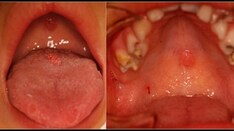
  • Focal epithelial hyperplasia (Heck disease): Focal epithelial hyperplasia, also termed Heck disease, is an HPV infection occurring in the oral cavity, usually on the lower labial mucosa. It also can be seen on the buccal or gingival mucosa and rarely, on the tongue. The lesions appear as multiple flat-topped or dome-shaped pink-white papules. They usually are 1-5 mm, with some lesions coalescing into plaques. They are seen most frequently in children of American Indian or Eskimo descent.
  • Cystic warts (plantar epidermoid cysts): A cystic wart appears as a nodule on the weight-bearing surface of the sole. The nodule usually is smooth with visible rete ridges but may become hyperkeratotic. If the lesion is incised, cheesy material may be expressed. The etiology of these lesions is uncertain. One theory is that a cyst forms, originating from the eccrine duct, and secondary HPV infection occurs. Another theory is that the epidermis infected with HPV becomes implanted into the dermis, forming an epidermal inclusion cyst.

Causes

Warts are caused by HPV, which is a double-stranded, circular, supercoiled DNA virus enclosed in an icosahedral capsid and comprising 72 capsomers. More than 100 types of HPV have been identified.

  • Common warts - HPV types 2 and 4 (most common), followed by types 1, 3, 27, 29, and 57
  • Deep palmoplantar warts (myrmecia) - HPV type 1 (most common), followed by types 2, 3, 4, 27, 29, and 57
  • Flat warts - HPV types 3, 10, and 28
  • Butcher's warts - HPV type 7
  • Focal epithelial hyperplasia (Heck disease) - HPV types 13 and 32
  • Cystic warts - HPV type 60


Acquired Digital Fibrokeratoma
Actinic Keratosis
Arsenical Keratosis
Cutaneous Horn
Lichen Nitidus
Lichen Planus
Molluscum Contagiosum
Prurigo Nodularis
Seborrheic Keratosis
Squamous Cell Carcinoma
Warts, Genital


Lab Studies

  • The diagnosis of warts is made primarily on the basis of clinical findings.
    • Immunohistochemical detection of HPV structural proteins may confirm the presence of virus in a lesion, but this has a low sensitivity.
    • Viral DNA identification using Southern blot hybridization is a more sensitive and specific technique used to identify the specific HPV type present in tissue.
    • Polymerase chain reaction may be used to amplify viral DNA for testing. Although HPV may be detected in younger lesions, it may not be present in older lesions.

Procedures

  • Paring of warts may reveal minute black dots, which represent thrombosed capillaries.
  • Obtain a biopsy if doubt exists regarding the diagnosis.

Histologic Findings

Common warts: Histopathologic features of common warts include digitated epidermal hyperplasia, acanthosis, papillomatosis, compact orthokeratosis, hypergranulosis, dilated tortuous capillaries within the dermal papillae, and vertical tiers of parakeratotic cells with entrapped red blood cells above the tips of the digitations. Elongated rete ridges may point radially toward the center of the lesion. In the granular layer, HPV-infected cells may have coarse keratohyaline granules and vacuoles surrounding wrinkled-appearing nuclei. Koilocytic (vacuolated) cells are pathognomonic for warts.

Deep palmoplantar warts (myrmecia): Deep palmoplantar warts appear similar to common warts except that most of the lesion lies deep to the plane of the skin surface. This endophytic epidermal growth often has the distinctive feature of polygonal, refractile-appearing, eosinophilic, cytoplasmic inclusions composed of keratin filaments, forming ringlike structures. Basophilic nuclear inclusions and basophilic parakeratotic cells loaded with virions may be in the upper layers of the epidermis.

Flat warts: Flat warts resemble common warts on light microscopy; however, the features tend to be muted. Cells with prominent perinuclear vacuolization around pyknotic, strongly basophilic, centrally located nuclei may be in the granular layer. These may be referred to as "owl's eye cells."

Butcher's warts: Butcher's warts have prominent acanthosis, hyperkeratosis, and papillomatosis. Small vacuolized cells with centrally located shrunken nuclei may be seen in clusters within the granular layer rete ridges.

Filiform warts: Filiform warts may appear similar to common warts but tend to have prominent papillomatosis.

Focal epithelial hyperplasia (Heck disease): Focal epithelial hyperplasia is characterized by a hyperplastic mucosa with thin parakeratotic stratum corneum, acanthosis, blunting and anastomosis of rete ridges, and pallor of epidermal cells as a result of intracellular edema. Some areas may have prominent keratohyaline granules, and some vacuolated cells may be present.

Cystic warts: A cyst filled with horny material characterizes cystic warts. The wall is composed of basal, squamous, and granular cells. Many of the epithelial cells may have large nuclei and clear cytoplasm with eosinophilic inclusion bodies. The cyst may rupture, resulting in a foreign body granuloma.


Medical Care

Multiple modalities are available for the treatment of warts, but none is uniformly effective. Start with the least painful, least expensive, and least time-consuming methods. Reserve the more expensive and invasive procedures for refractory extensive warts. Treatment methods are as follows:

  • Benign neglect: Providing no treatment at all is certainly safe and cost effective. Consider this as an option, since 65% of warts may regress spontaneously within 2 years. Without treatment, however, patients risk warts that may enlarge or spread to other areas. Treatment is recommended for patients with extensive, spreading, or symptomatic warts or warts that have been present for more than 2 years.
  • Topical agents
    • Salicylic acid is a first-line therapy used to treat warts. It is available without a prescription and can be applied by the patient at home. Cure rates from 70-80% are reported.
    • Several topical agents are available that can be applied by trained personnel in a physician's office.
      • Cantharidin is an extract of the blister beetle that causes epidermal necrosis and blistering.
      • Dibutyl squaric acid (SADBE) and diphencyclopropenone (DCP) are contact sensitizers.
      • Trichloroacetic acid is a caustic compound that causes tissue necrosis.
      • Podophyllin is a cytotoxic compound used more commonly in the treatment of genital warts.
      • Aminolevulinic acid (ALA) is a photosensitizer that has been successfully used topically in combination with blue light to treat flat warts.
    • Several prescription medications have proven beneficial in treating warts. These can be applied at home by the patient.
      • Imiquimod is an immune response modifier approved for the treatment of genital warts. Reports indicate successful treatment of common warts.
      • Cidofovir is an antiviral agent used for the treatment of cytomegalovirus infection in HIV patients. Reportedly, in 2 patients with recurrent persistent common warts in whom multiple standard therapies were not responsive, the warts were resolved using topical cidofovir gel applied 1-2 times per day. This remains an investigational drug for warts.
      • Podophyllotoxin is a purified ingredient of podophyllin. Since it tends to work better on mucosal surfaces, it is used primarily to treat genital warts. Little information is available regarding treatment of nongenital warts with this medication.
      • 5-Fluorouracil is a topical chemotherapeutic agent primarily used to treat actinic keratoses. It has been reported to be effective in treating warts when used under occlusion daily for up to 1 month.
      • Tretinoin is a topical retinoic acid that primarily is used to treat acne. It has been successful in treating flat warts.
  • Intralesional injections: When warts are persistent and refractory to topical agents, consider intralesional injections as an alternative.
    • Intralesional immunotherapy using injections of Candida, mumps, or Trichophyton skin test antigens has been shown to be effective in the treatment of warts, with reports of success in up to 74% of patients.
    • Bleomycin is a chemotherapeutic agent that inhibits DNA synthesis in cells and viruses. Cure rates have ranged from 33-92%.
    • Interferon-alfa is a naturally occurring cytokine with antiviral, antibacterial, anticancer, and immunomodulatory effects. Cure rates of 36-63% have been reported.
  • Systemic agents: Systemic agents that have been used to treat warts include cimetidine, retinoids, and intravenous cidofovir.
    • Cimetidine is a type-2 histamine receptor antagonist commonly used to treat peptic ulcer disease. Because of its immunomodulatory effects at higher doses, cimetidine was considered a possible treatment for warts; however, results have varied. Double-blind placebo-controlled studies have shown no benefit.
    • Retinoids are synthetic vitamin A analogs that may help with extensive disabling hyperkeratotic warts in immunocompromised patients. They may help alleviate pain and facilitate the use of other treatments. Retinoids also have helped reduce the number of lesions in immunosuppressed renal transplant patients. The limiting side effects include liver function abnormalities, increased serum lipid levels, and teratogenicity.
    • Two reports have described intravenous cidofovir used for the treatment of extensive, disfiguring, and refractory warts. This should be used with caution because of the risk of nephrotoxicity.
  • Alternative treatments: Several alternative treatments have been reported as successful in treating warts, including adhesiotherapy, hypnosis, hyperthermia, garlic, and vaccines.
    • Perform adhesiotherapy by applying duct tape to the wart daily. This method is painless and inexpensive and has reports of good success.
    • Hypnosis has been used to treat refractory warts. Several published studies have documented the success of hypnotherapy. Cure rates have been reported from 27-55%, with prepubertal children more likely to respond than adults.
    • Hyperthermia involves immersing the involved surface in hot water (113ºF) for 30-45 minutes, 2-3 times per week.
    • Raw garlic cloves have been demonstrated to have antiviral activity. This can be rubbed onto the wart nightly, followed by occlusion.
    • Vaccines currently are in development.

Surgical Care

  • Cryosurgery: Liquid nitrogen (-196ºC) is the most effective method of cryosurgery.
    • Apply liquid nitrogen using a cotton bud applicator or cryospray to the recommended 1-2 mm rim of normal skin tissue around the wart.
    • Repeat every 1-4 weeks for approximately 3 months, as needed.
    • Warn patients about pain and possible blistering after treatment.
    • Use with caution on the sides of fingers, since it can injure underlying structures and nerves.
    • Other side effects may include scarring, ulceration, or pigment alteration.
    • Cure rates of 50-80% have been reported.
    • Paring the wart, in addition to 2 freeze-thaw cycles, has been a valuable adjunct to cryosurgery for plantar warts.
  • Lasers: This is an expensive treatment, and is reserved only for large or refractory warts. Multiple treatments may be required. Local or general anesthesia may be necessary. A potential risk of nosocomial infection also exists in health care workers, since HPV can be isolated in the plume.
    • Carbon dioxide lasers have successfully treated resistant warts; however, the procedure can be painful and leave scarring. One retrospective study revealed a cure rate of 64% at 12 months with carbon dioxide lasers.
    • The flashlamp-pumped pulse dye laser has shown mixed results in treating warts, with decreased risk of scarring and transmission of HPV in the smoke plume.
    • Nd:Yag laser may be used for deeper, larger warts.
  • Electrodesiccation and curettage: Although electrodesiccation and curettage may be more effective than cryosurgery, it is painful, more likely to scar, and HPV can be isolated from the plume.
  • Surgical excision: Avoid using surgical excision in most circumstances because of the risks of scarring and recurrence.


The goals of pharmacotherapy are to reduce morbidity and prevent complications.

Drug Category: Keratolytic agents

Cause cornified epithelium to swell, soften, macerate, and then desquamate.

Drug NameSalicylic acid (Compound W)
DescriptionAvailable OTC in 5-40% concentration and in a variety of vehicles, including creams, paints, gels, karaya gum, impregnated plasters, collodion, or sodium carboxycellulose tape. Lactic acid may be a second ingredient in some wart varnishes. By dissolving the intercellular cement substance, salicylic acid desquamates the horny layer of skin. Therapeutic effect may be enhanced by removal of surface keratin prior to application.
Adult DoseApply topically qd/bid for several wk
Pediatric DoseAdminister as in adults
ContraindicationsDocumented hypersensitivity; prolonged use in diabetic persons and those with impaired circulation; do not use on moles, birthmarks, or lesions with hair growing from them; do not use on genital area, face, or mucous membranes; do not use on irritated skin or infected skin
InteractionsNone reported
PregnancyC - Safety for use during pregnancy has not been established.
PrecautionsAvoid contact with normal skin surrounding warts; immediately flush with water for 15 min if contact with eyes or mucous membranes occurs; avoid inhaling vapors; side effects may include irritation and maceration of surrounding normal skin or contact dermatitis to colophony in collodion bases

Drug NamePodophyllum resin (Podocon-25)
DescriptionResin extract derived from May Apple plant that contains several cytotoxic compounds. Has a powerful irritant effect and must be used with caution. Works better on mucosal surfaces than keratinized surfaces and is therefore more commonly used for treatment of genital warts.
Podophyllotoxin (Podofilox) is a purified ingredient of podophyllin and, therefore, is less irritating. Available by prescription and can be applied by patient at home.
Adult DosePodophyllin: Trained personnel must apply topically because of adverse effects; may be left on skin for 1-6 h before washing
Podophyllotoxin: 0.5% purified solution may be applied topically bid for 3 consecutive d, repeat qwk, not exceed 4 wk
Pediatric DoseAdminister as in adults
ContraindicationsDocumented hypersensitivity; prolonged use in diabetic persons and those with impaired circulation; do not use on moles, birthmarks, or lesions with hair growing from them; do not use on genital area, face, or mucous membranes; do not use on irritated skin or infected skin
InteractionsNone reported
PregnancyX - Contraindicated in pregnancy
PrecautionsPodophyllin may cause significant irritation, local erosion, ulceration, and scarring; systemic side effects may include fever, nausea, vomiting, confusion, coma, ileus, renal failure, paresthesias, polyneuritis, and leukopenia; avoid extensive application because of risk of systemic absorption; avoid in pregnancy because of teratogenicity

Drug NameCantharidin (Verr-Canth)
DescriptionDried extract of blister beetle (also termed Spanish fly). Causes epidermal necrosis and blistering.
Adult Dose0.7% solution: Apply sparingly with wooden end of cotton-tipped applicator in physician's office, and allow area to completely dry; do not cover area with bandage after application; repeat applications at 3- to 4-wk intervals may be required.
Pediatric DoseAdminister as in adults
ContraindicationsDocumented hypersensitivity; do not use near eyes, mucous membranes, or anogenital areas; use with caution in intertriginous areas (may lead to more intense painful reactions due to problems with spreading and body occlusion); do not use on lesions with other agents or if surrounding tissue is swollen or irritated
InteractionsNone reported
PregnancyC - Safety for use during pregnancy has not been established.
PrecautionsStrong vesicant; adverse effects include blistering, epidermal necrosis at site of application, and possible "ring wart phenomenon" in which virus is spread circumferentially

Drug NameTrichloroacetic acid (Tri-Chlor)
DescriptionCaustic compound that causes immediate superficial tissue necrosis.
Adult DoseAvailable as 80% solution that is painted onto lesions in physician's office; apply after excess keratotic debris is pared; repeat therapy qwk prn until wart is cured
Pediatric DoseNot established
ContraindicationsDocumented hypersensitivity; prolonged use in diabetic persons and those with impaired circulation; do not use on moles, birthmarks, or lesions with hair growing from them; do not use on genital area, face, or mucous membranes; do not use on irritated skin or infected skin
InteractionsNone reported
PregnancyC - Safety for use during pregnancy has not been established.
PrecautionsApplication may cause pain, burning, and ulceration; if not applied carefully, destruction with resultant scarring of normal surrounding skin may occur

Drug Category: Immunomodulators

Stimulate the release of key factors that regulate the immune system.

Drug NameImiquimod (Aldara)
DescriptionInduces secretion of interferon alpha and other cytokines; FDA approved for treatment of genital warts in adults; reports indicate success in treatment of common warts in children.
Adult Dose5% gel applied qd for 3 d/wk; may apply hs and wash off after 6-10 h; twice-daily administration for nongenital warts reported, but irritation may be increased
Pediatric Dose>12 years: Administer as in adults
ContraindicationsDocumented hypersensitivity; breastfeeding; prolonged use in diabetic persons and patients with impaired circulation; do not use on irritated skin or infected skin; avoid sun exposure
InteractionsNone reported
PregnancyC - Safety for use during pregnancy has not been established.
PrecautionsLocal irritation including redness, itching, and burning may occur at application sites

Drug NameDibutyl squaric acid/diphencyclopropenone
DescriptionContact sensitizers that induce allergic contact dermatitis, causing a localized inflammation and immune response.
Adult DoseApply solution in light-shielded accessible location (eg, arm) to achieve initial sensitization; repeat until reaction occurs; apply to warts q1-2wk
Pediatric Dose>12 years: Administer as in adults
ContraindicationsDocumented hypersensitivity
InteractionsNone reported
PregnancyC - Safety for use during pregnancy has not been established.
PrecautionsErythema and pruritus occur at treated sites; occasionally, allergic contact dermatitis may be severe (blistering) or become disseminated (unusual); recall dermatitis may occur at initial sensitization site (common); regional lymphadenopathy may occur

Drug Name5-Fluorouracil (Efudex, Adrucil, Fluoroplex)
DescriptionTopical chemotherapeutic agent that is approved to treat actinic keratoses and superficial BCC; has been found more successful in treatment of flat warts than plantar and common warts.
Adult DoseApply 5% solution or cream daily for up to 1 mo; may be used under occlusion, but risk of irritation increases
Pediatric DoseNot established
ContraindicationsDocumented hypersensitivity; breastfeeding
InteractionsNone reported
PregnancyX - Contraindicated in pregnancy
PrecautionsModerate-to-severe irritation may occur

Drug Category: Antineoplastic agents

Inhibit cell growth and proliferation.

Drug NameBleomycin (Blenoxane)
DescriptionCytotoxic polypeptide that inhibits DNA synthesis in cells and viruses. Has affinity for HPV-infected tissue and induces vascular changes that result in epidermal necrosis. Has been beneficial in treating resistant warts. Reserve as a third-line treatment when standard therapies have failed.
Adult DoseInject 0.5-1 U/mL solution directly into wart; not to exceed 1.5 U/treatment; less painful administration involves placing 1 mg/mL gtt onto wart and pricking it into wart with needle
Pediatric DoseNot established
ContraindicationsDocumented hypersensitivity; significant renal function impairment; compromised pulmonary function; breastfeeding
InteractionsMay decrease plasma levels of digoxin and phenytoin; cisplatin may increase toxicity of bleomycin when administered systemically
PregnancyD - Unsafe in pregnancy
PrecautionsMay cause pain with injection, local urticaria, vaso-occlusive phenomenon (Raynaud phenomenon) with distal necrosis of digit; permanent damage to nail matrix may occur when used periungually; may cause mutagenesis and pulmonary toxicity (10%); idiosyncratic reactions similar to anaphylaxis (1%) may occur; monitor for adverse effects during and after treatment

Drug Category: Interferons

Drug NameInterferon alfa-2a and alfa-2b (Roferon and Intron A)
DescriptionNaturally occurring cytokine with antiviral, antitumor, and immunomodulatory actions; intralesional administration more effective than systemic administration and associated only with mild flulike symptoms. Treatments may be required for several weeks to months before beneficial results are seen. Consider this treatment as third line, and reserve it for warts resistant to standard treatments.
Adult DoseInject directly into warts up to 3 times/wk for 3-6 wk
Pediatric DoseNot established
ContraindicationsDocumented hypersensitivity; use with caution in patients with brain metastases, severe hepatic or renal insufficiencies, seizure disorders, multiple sclerosis, or compromised CNS
InteractionsTheophylline may increase toxicity; cimetidine may increase antitumor effects; zidovudine and vinblastine may increase toxicity
PregnancyC - Safety for use during pregnancy has not been established.
PrecautionsTransient flulike symptoms may occur after initial injections; however, tolerance usually develops; pain at injection sites may occur

Drug Category: Histamine H2 receptor antagonists

Drug NameCimetidine (Tagamet)
DescriptionType 2 histamine receptor antagonist commonly used to treat peptic ulcer disease; due to immunomodulatory effects at higher doses, has been used as treatment for warts. Results have been variable, and double-blinded, placebo-controlled studies have shown no benefit.
Adult Dose20-40 mg/kg PO qd divided q6h; not to exceed 2400 mg/d
Pediatric Dose20-40 mg/kg/d divided q6h
ContraindicationsDocumented hypersensitivity
InteractionsCan increase blood levels of theophylline, warfarin, tricyclic antidepressants, triamterene, phenytoin, quinidine, propranolol, metronidazole, procainamide, and lidocaine. Multiple potential drug interactions exist (see full prescribing information for more details).
PregnancyB - Usually safe but benefits must outweigh the risks.
PrecautionsSerious reactions may include neutropenia, thrombocytopenia, agranulocytosis, and anemia; common reactions include headache, nausea, vomiting, diarrhea, and rash; older patients may experience confusional states; may cause impotence and gynecomastia in young males; may increase levels of many drugs; adjust dose or discontinue treatment if changes in renal function occur

Drug Category: Retinoids

May be helpful in immunocompromised patients with extensive disabling hyperkeratotic warts. May help alleviate pain and facilitate use of other treatments. In addition, retinoids have helped reduce the number of lesions in immunosuppressed renal transplant patients. Topical retinoids may be useful in treating flat warts.

Drug NameIsotretinoin (Accutane)
DescriptionSynthetic 13-cis isomer of the naturally occurring tretinoin (trans-retinoic acid); structurally related to vitamin A. Approved for severe nodular acne but has also been helpful in certain keratinization disorders.
Adult Dose0.5-2 mg/kg/d PO divided bid with food
Pediatric Dose>12 years: 0.5-2.0 mg/kg/d PO divided bid with food
ContraindicationsDocumented hypersensitivity, pregnancy, breastfeeding, paraben sensitivity, history of psychiatric disturbance
InteractionsToxicity may occur with vitamin A or acitretin coadministration; pseudotumor cerebri or papilledema may occur when coadministered with tetracyclines; reduced plasma levels of carbamazepine
PregnancyX - Contraindicated in pregnancy
PrecautionsCommon reactions include dry skin, cheilitis, photosensitivity, hypertriglyceridemia, hair loss, and decreased night vision; inflammatory bowel disease may occur; may be associated with development of hepatitis; diabetes patients may experience problems in controlling blood glucose while on therapy; discontinue treatment if rectal bleeding, abdominal pain, or severe diarrhea occurs; caution if history of depression or other psychiatric disorders; associated with severe birth defects; females must use 2 forms of birth control throughout therapy and pregnancy tests must be checked qmo

Drug Category: Antiviral agents

Drug NameCidofovir (Vistide)
DescriptionNucleotide analog that inhibits viral DNA polymerase and induces apoptosis. Currently, only available for IV administration to HIV patients for treatment of cytomegalovirus infection. A topical gel has been evaluated in clinical trials for use in treatment of HPV infection.
Adult DoseNot established
Pediatric DoseNot established
ContraindicationsDocumented hypersensitivity; coadministration with other nephrotoxic agents; serum creatinine >1.5 mg/dL; CrCl <55 mL/min; urine protein >100 mg/dL
InteractionsCoadministration of aminoglycosides, amphotericin B, IV pentamidine, and foscarnet may increase nephrotoxicity
PregnancyC - Safety for use during pregnancy has not been established.
PrecautionsMonitor neutrophil counts; IV prehydration with NS and coadministration of probenecid can minimize nephrotoxicity; monitor serum creatinine and urine protein 48 h prior to treatment (adjust dose accordingly); topical cidofovir may cause erythema and irritation


Prognosis

  • Approximately 65% of warts disappear spontaneously within 2 years.
  • When warts resolve on their own, no scarring is seen. However, scarring can occur as a result of different treatment methods.
  • Treatment failures and wart recurrences are common, more so among immunocompromised patients. Normal appearing perilesional skin may harbor HPV, which helps explain recurrences.

Patient Education

  • Alert patients to the risk factors for transmission of warts. These include trauma or maceration of the skin, frequent wet work involving hands, hyperhidrosis of feet, swimming pools, and nail biting.
  • Butchers and slaughterhouse workers also are at increased risk for developing warts.
  • Alert patients that some warts may require multiple treatments and may be resistant to several treatment modalities. In addition, some warts may regress spontaneously without treatment.
  • For excellent patient education resources, visit eMedicine's Warts Center. Also, see eMedicine's patient education articles Warts and Plantar Warts.


Medical/Legal Pitfalls

  • Treatment of warts can be difficult. Warn patients that multiple treatments often may be required.
  • Warn patients that treatments may result in pain, irritation, blistering, ulceration, and even scarring.
  • Perform surgical removal of warts with caution, since an increased risk of scarring exists, without an increased rate of cure.
  • Caustic substances, such as trichloroacetic acid, may result in frank necrosis.
  • If a wart is extremely large and resistant to conventional therapies, consider a diagnosis of verrucous carcinoma. This is a rare, low-grade, well-differentiated carcinoma that usually occurs on the plantar surface. It is slow growing and can become deeply invasive. Reports of metastases exist, although they are rare. A verrucous carcinoma can be misdiagnosed easily as a common wart, since the two share similar clinical and histologic characteristics. Be aware of this entity, and consider a deep incisional biopsy of any lesion that is extensive and not responsive to treatment.


Media file 1:  Plantar warts.
Click to see larger pictureClick to see detailView Full Size Image
Media type:  Photo

Media file 2:  Common wart on the hand.
Click to see larger pictureClick to see detailView Full Size Image
Media type:  Photo


  • Androphy EJ. Human papillomavirus. Current concepts. Arch Dermatol. May 1989;125(5):683-5. [Medline].
  • Baker GE, Tyring SK. Therapeutic approaches to papillomavirus infections. Dermatol Clin. Apr 1997;15(2):331-40. [Medline].
  • Bellew SG, Quartarolo N, Janniger CK. Childhood warts: an update. Cutis. Jun 2004;73(6):379-84. [Medline].
  • Benton EC. Therapy of cutaneous warts. Clin Dermatol. May-Jun 1997;15(3):449-55. [Medline].
  • Berth-Jones J, Hutchinson PE. Modern treatment of warts: cure rates at 3 and 6 months. Br J Dermatol. Sep 1992;127(3):262-5. [Medline].
  • Bourke JF, Berth-Jones J, Hutchinson PE. Cryotherapy of common viral warts at intervals of 1, 2 and 3 weeks. Br J Dermatol. Mar 1995;132(3):433-6. [Medline].
  • Bouwes Bavinck JN, Berkhout RJ. HPV infections and immunosuppression. Clin Dermatol. May-Jun 1997;15(3):427-37. [Medline].
  • Cobb MW. Human papillomavirus infection. J Am Acad Dermatol. Apr 1990;22(4):547-66. [Medline].
  • Cohen PR, Hebert AA, Adler-Storthz K. Focal epithelial hyperplasia: Heck disease. Pediatr Dermatol. Sep 1993;10(3):245-51. [Medline].
  • Drake LA, Ceilley RI, Cornelison RL, et al. Guidelines of care for warts: human papillomavirus. Committee on Guidelines of Care. J Am Acad Dermatol. Jan 1995;32(1):98-103. [Medline].
  • Ewin DM. Hypnotherapy for warts (verruca vulgaris): 41 consecutive cases with 33 cures. Am J Clin Hypn. Jul 1992;35(1):1-10. [Medline].
  • Focht DR 3rd, Spicer C, Fairchok MP. The efficacy of duct tape vs cryotherapy in the treatment of verruca vulgaris (the common wart). Arch Pediatr Adolesc Med. Oct 2002;156(10):971-4. [Medline].
  • Gloster HM Jr, Roenigk RK. Risk of acquiring human papillomavirus from the plume produced by the carbon dioxide laser in the treatment of warts. J Am Acad Dermatol. Mar 1995;32(3):436-41. [Medline].
  • Goldfarb MT, Gupta AK, Gupta MA, Sawchuk WS. Office therapy for human papillomavirus infection in nongenital sites. Dermatol Clin. Apr 1991;9(2):287-96. [Medline].
  • Guadara J, Sergi A, Labruna V, et al. Transformation of plantar verruca into squamous cell carcinoma. J Foot Surg. Nov-Dec 1992;31(6):611-4. [Medline].
  • Holland TT, Weber CB, James WD. Tender periungual nodules. Myrmecia (deep palmoplantar warts). Arch Dermatol. Jan 1992;128(1):105-6, 108-9. [Medline].
  • Horn TD, Johnson SM, Helm RM, Roberson PK. Intralesional immunotherapy of warts with mumps, Candida, and Trichophyton skin test antigens: a single-blinded, randomized, and controlled trial. Arch Dermatol. May 2005;141(5):589-94. [Medline].
  • Hughes PS, Hughes AP. Absence of human papillomavirus DNA in the plume of erbium:YAG laser-treated warts. J Am Acad Dermatol. Mar 1998;38(3):426-8. [Medline].
  • Jablonska S, Majewski S, Obalek S, Orth G. Cutaneous warts. Clin Dermatol. May-Jun 1997;15(3):309-19. [Medline].
  • James MP, Collier PM, Aherne W, et al. Histologic, pharmacologic, and immunocytochemical effects of injection of bleomycin into viral warts. J Am Acad Dermatol. Jun 1993;28(6):933-7. [Medline].
  • Kilkenny M, Marks R. The descriptive epidemiology of warts in the community. Australas J Dermatol. May 1996;37(2):80-6. [Medline].
  • Kolker AR, Wolfort FG, Upton J, et al. Plantar verrucous carcinoma following transmetatarsal amputation and renal transplantation. Ann Plast Surg. May 1998;40(5):515-9. [Medline].
  • Kottke MD, Parker SR. Intravenous cidofovir-induced resolution of disfiguring cutaneous human papillomavirus infection. J Am Acad Dermatol. Sep 2006;55(3):533-6. [Medline].
  • Mallory SB, Baugh LS, Parker RK. Warts in blacks versus whites. Pediatr Dermatol. Mar 1991;8(1):91. [Medline].
  • Matsukura T, Iwasaki T, Kawashima M. Molecular cloning of a novel human papillomavirus (type 60) from a plantar cyst with characteristic pathological changes. Virology. Sep 1992;190(1):561-4. [Medline].
  • Melton JL, Rasmussen JE. Clinical manifestations of human papillomavirus infection in nongenital sites. Dermatol Clin. Apr 1991;9(2):219-33. [Medline].
  • Mizuki D, Kaneko T, Hanada K. Successful treatment of topical photodynamic therapy using 5-aminolevulinic acid for plane warts. Br J Dermatol. Nov 2003;149(5):1087-8. [Medline].
  • Munn SE, Higgins E, Marshall M, Clement M. A new method of intralesional bleomycin therapy in the treatment of recalcitrant warts. Br J Dermatol. Dec 1996;135(6):969-71. [Medline].
  • Noel JC, Detremmerie O, Peny MO, et al. Transformation of common warts into squamous cell carcinoma on sun-exposed areas in an immunosuppressed patient. Dermatology. 1994;189(3):308-11. [Medline].
  • Perrett CM, Harwood C, Brown V. Topical 5% imiquimod treatment for refractory cutaneous warts. J Am Acad Dermatol. 2004;50(3):P41.
  • Rivera A, Tyring SK. Therapy of cutaneous human Papillomavirus infections. Dermatol Ther. 2004;17(6):441-8. [Medline].
  • Roark TR, Pandya AG. Combination therapy of resistant warts in a patient with AIDS. Dermatol Surg. Dec 1998;24(12):1387-9. [Medline].
  • Schachner L, Ling NS, Press S. A statistical analysis of a pediatric dermatology clinic. Pediatr Dermatol. Oct 1983;1(2):157-64. [Medline].
  • Siegfried EC. Warts on children: an approach to therapy. Pediatr Ann. Feb 1996;25(2):79-90. [Medline].
  • Silverberg NB. Human papillomavirus infections in children. Curr Opin Pediatr. Aug 2004;16(4):402-9. [Medline].
  • Silverberg NB. Garlic cloves for verruca vulgaris. Pediatr Dermatol. Mar-Apr 2002;19(2):183. [Medline].
  • Sloan K, Haberman H, Lynde CW. Carbon dioxide laser-treatment of resistant verrucae vulgaris: retrospective analysis. J Cutan Med Surg. Jan 1998;2(3):142-5. [Medline].
  • Yanagihara M, Sumi A, Mori S. Papillomavirus antigen in the epidermoid cyst of the sole. Immunohistochemical and ultrastructural study. J Cutan Pathol. Dec 1989;16(6):375-81. [Medline].
  • Yilmaz E, Alpsoy E, Basaran E. Cimetidine therapy for warts: a placebo-controlled, double-blind study. J Am Acad Dermatol. Jun 1996;34(6):1005-7. [Medline].
  • Young R, Jolley D, Marks R. Comparison of the use of standardized diagnostic criteria and intuitive clinical diagnosis in the diagnosis of common viral warts (verrucae vulgaris). Arch Dermatol. Dec 1998;134(12):1586-9. [Medline].
  • Zabawski EJ Jr, Sands B, Goetz D, et al. Treatment of verruca vulgaris with topical cidofovir. JAMA. Oct 15 1997;278(15):1236. [Medline].

Warts, Nongenital excerpt

Article Last Updated: Feb 7, 2007