AUTHOR AND EDITOR INFORMATION
Section 1 of 11
Author: Robert W Tolan Jr, MD, Chief of Allergy, Immunology and Infectious Diseases, The Children's Hospital at Saint Peter's University Hospital; Clinical Associate Professor of Pediatrics, Drexel University College of Medicine
Robert W Tolan, Jr, is a member of the following medical societies: American Academy of Pediatrics, American Medical Association, American Society for Microbiology, American Society of Tropical Medicine and Hygiene, Infectious Diseases Society of America, Pediatric Infectious Diseases Society, Phi Beta Kappa, and Physicians for Social Responsibility
Coauthor(s):
Antonio Muņiz, MD, Associate Professor of Emergency Medicine and Pediatrics, University of Texas Medical School at Houston; Medical Director of the Pediatric Emergency Department, Children's Memorial Hermann Hospital
Editors: Ashir Kumar, MBBS, MD, FAAP, Professor, Department of Pediatrics and Human Development, College of Human Medicine, Michigan State University; Consulting Staff, Department of Pediatrics, EW Sparrow Hospital; Mary L Windle, PharmD, Adjunct Assistant Professor, University of Nebraska Medical Center College of Pharmacy, Pharmacy Editor, eMedicine.com, Inc; Joseph Domachowske, MD, Associate Professor, Department of Pediatrics, Division of Infectious Diseases, State University of New York-Upstate Medical University; Daniel Rauch, MD, FAAP, Director, Pediatric Hospitalist Program, Associate Professor, Department of Pediatrics, New York University School of Medicine; Russell W Steele, MD, Professor and Vice Chairman, Department of Pediatrics, Head, Division of Infectious Diseases, Louisiana State University Health Sciences Center
Author and Editor Disclosure
Synonyms and related keywords:
airway obstruction, aryepiglottic folds, arytenoid soft tissue, epiglottiditis, epiglottis, epiglottitis, glottis, inflammatory edema, supraglottitis, uvula, upper airway obstruction, respiratory arrest, Haemophilus influenzae type B, Hib, Streptococcus pneumoniae, bacteremia, cyanosis, herpes simplex, parainfluenzae, varicella-zoster, Epstein-Barr virus, angioneurotic edema, acute leukemia, tracheal stenosis, pneumothorax, pneumomediastinum, cervical cellulitis, pulmonary edema, meningitis, pneumonia, septicemia, septic arthritis, otitis media, pericarditis
Background
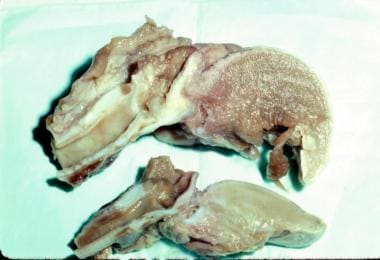
Epiglottitis, also termed supraglottitis or epiglottiditis, is an inflammation of structures above the insertion of the glottis. The condition is almost always caused by bacterial infection. Affected structures include the epiglottis, aryepiglottic folds, arytenoid soft tissue, and, occasionally, the uvula. The epiglottis is the most common site of swelling. Acute epiglottitis and associated upper airway obstruction has significant morbidity and mortality and may cause respiratory arrest and death.
Pathophysiology
Haemophilus influenzae type b (Hib) or Streptococcus pneumoniae (see Causes) can colonize the pharynges of otherwise healthy children through respiratory transmission from intimate contact. These bacteria may penetrate the mucosal barrier, invading the bloodstream and causing bacteremia and seeding of the epiglottis and surrounding tissues. Bacteremia may also lead to infection of the meninges, skin, lungs, ears, and joints. Hib infection of the epiglottis leads to acute onset of inflammatory edema, beginning on the lingual surface of the epiglottis where the submucosa is loosely attached. Swelling significantly reduces the airway aperture. Edema rapidly progresses to involve the aryepiglottic folds, the arytenoids, and the entire supraglottic larynx. The tightly bound epithelium on the vocal cords halts edema spread at this level. Aspiration of oropharyngeal secretions or mucous plugging can cause respiratory arrest.
Frequency
United States
The use of the Hib vaccine has reduced incidence of epiglottitis.1 Introduction of the polysaccharide vaccine in 1985, followed by the highly effective conjugate vaccine, has dramatically reduced the incidence of epiglottitis, with concomitant declines in hospital admissions. Studies show an annual incidence rate of 0.63 cases per 100,000 persons.2 Studies of children of all ages with epiglottitis report a seasonal variation in incidence.
International
Incidence widely varies. Epiglottitis is more prevalent in countries without universal immunization. The incidence rate in Stockholm, Sweden is 14.7 cases per 100,000 persons3 compared with 34 cases per 100,000 persons in Geneva, Switzerland.4
Mortality/Morbidity
Mortality rates as high as 10% can occur in children whose airways are not protected by endotracheal intubation; with endotracheal intubation, mortality is less than 1%.
Race
Most studies show no racial predominance, although a recent study showed higher incidence among African Americans and Hispanics.
Sex
Males represent 60% of cases.
Age
- In the past, epiglottitis occurred most commonly in children aged 2-7 years; however, it may occur at any age.
- Epiglottitis was once believed to occur exclusively in children. However, adult cases have been reported in recent years and some evidence suggests incidence in adults is increasing.
History
- Epiglottitis is characterized by abrupt onset of severe symptoms. Without airway control and medical management, symptoms may rapidly progress to respiratory obstruction and death in a matter of hours.
- Fever is usually the first symptom and temperatures often reach 40°C. This is rapidly followed by stridor and labored breathing.
- Dysphagia, refusal to eat, muffled (ie, guttural) or hoarse voice, and sore throat are common.
- Cough and ear pain are less frequent.
Physical
- The child appears toxic.
- Shock may occur early in the course of the disease.
- Marked restlessness, irritability, and extreme anxiety are common.
- The child may sit with chin hyperextended and body leaning forward (ie, tripod or sniffing position) to maximize air entry and improve diaphragmatic excursion. The mouth may be open wide and the tongue may protrude.
- An affected child often drools because swallowing is difficult or painful.
- Stridor can occur with marked suprasternal, subcostal, and intercostal retractions.
- Anterior neck examination may reveal tender adenopathy.
- An erythematous and swollen epiglottis can often be seen during careful examination of the oropharynx, although this should not be attempted if the examination may compromise respiratory effort.
- Cyanosis, which occurs late in the course of the condition, indicates a poor prognosis.
Causes
- Hib is the etiologic agent in more than 90% of pediatric epiglottitis cases.
- Other known bacterial causes include the following:
- S pneumoniae
- Group A and group C (ie, beta-hemolytic) streptococci
- Staphylococcus aureus
- Moraxella catarrhalis
- Haemophilus parainfluenzae
- Neisseria meningitidis
- Pseudomonas species
- Candida albicans
- Klebsiella pneumoniae
- Pasteurella multocida
- Although viruses normally do not cause epiglottitis, a prior viral infection may allow bacterial superinfection to occur. Viral agents may include herpes simplex, parainfluenzae, varicella-zoster, and Epstein-Barr.
- Noninfectious etiologies include thermal injuries, trauma-causing blind finger sweeps to remove a foreign body from the pharynx, angioneurotic edema, and acute leukemia.
Airway Foreign Body
Bacterial Tracheitis
Burns, Thermal
Croup
Diphtheria
Laryngomalacia
Measles
Mononucleosis and Epstein-Barr Virus Infection
Peritonsillar Abscess
Retropharyngeal Abscess
Vascular Ring, Right Aortic Arch
Other Problems to be Considered
Angioneurotic edema Caustic ingestion Laryngeal fracture Laryngeal stenosis Laryngeal tuberculosis Laryngeal tumor Laryngeal hemangioma Uvulitis Vocal cord paralysis
Lab Studies
- Laboratory evaluation is nonspecific and should be performed once the airway is secured.
- The WBC count may be elevated from 15,000-45,000 cells/µL with a predominance of bands.
- Blood cultures may show Hib in 12-90% of cases.
- Cultures of the surface of the epiglottis obtained during endotracheal intubation are positive in one half of cases.
Imaging Studies
- Although classic cases of epiglottitis require no radiographic evaluation, radiography may be needed in some cases to confirm the diagnosis and to exclude other potential causes of acute airway obstruction. An expert in pediatric airway management should always perform an endotracheal intubation on any child with suspected epiglottitis before radiography or blood work is performed.
- Never obtain a lateral neck radiograph before achieving definitive airway control. If radiography is required, the safest procedure is to perform portable radiography at the bedside.
- In classic epiglottitis, a lateral soft tissue radiograph of the neck reveals a swollen epiglottis (ie, thumbprint sign), thickened aryepiglottic folds, obliteration of the vallecula, and dilation of the hypopharynx.
- Chest radiography may reveal concomitant pneumonia in as many as 15% of patients.
Procedures
- Fiberoptic laryngoscopy
- Laryngoscopy can help exclude other diagnoses in an older child who is cooperative. However, do not perform a laryngoscopy if the procedure might increase anxiety, which can exacerbate the airway obstruction.
- The nares can be anesthetized with lidocaine jelly before inserting the fiberoptic laryngoscope. Insert the laryngoscope through the nares, advancing it slowly into the supraglottic region. The epiglottis should be easily visualized to determine the presence of swelling.
- Percutaneous transtracheal ventilation
- Also termed needle cricothyrotomy or translaryngeal ventilation, percutaneous transtracheal ventilation is a temporizing method used to treat cases of severe epiglottitis when the patient cannot be intubated prior to a formal tracheostomy.
- Percutaneous transtracheal ventilation involves inserting a needle through the cricothyroid membrane which lies inferior to the thyroid cartilage and superior to the cricoid cartilage. The cricothyroid arteries typically course through the superior portion of the membrane.
- The procedure is performed as follows:
- Begin by localizing the cricothyroid membrane. This can be accomplished by finding the thyroid cartilage prominence (ie, Adam's apple) and running a finger down until the depression of the cricothyroid membrane is felt. Another method is to find the trachea and run the fingers up along the tracheal rings until a more prominent bulge representing the cricoid ring is felt; the cricothyroid membrane is above this bulge. The latter technique has been shown to be more useful in small infants.
- Prepare the membrane area with antiseptic solution. If the patient is awake, use lidocaine to anesthetize the skin overlying the membrane.
- Use the thumb and middle finger of the nondominant hand to hold the trachea in place. In the dominant hand, hold a 3- or 5-mL syringe containing 2 mL of saline or lidocaine, which is attached to the needle and 16- or 18-gauge catheter.
- Place the needle through the inferior portion of the cricothyroid membrane at the midline, caudally directing the needle at a 45° angle, and puncture the skin and subcutaneous tissue. A small incision with a No. 11 scalpel facilitates needle and catheter insertion.
- Apply continuous negative pressure while advancing the needle. The needle should be inside the trachea when bubbles become visible in the syringe.
- Advance the catheter off the needle until its hub rests against the skin surface. Remove the needle and syringe.
- Connect high-pressure tubing to the catheter and administer 100% oxygen at 25-35 pounds per square inch for small children.
- Perform ventilations at a rate of 1 second of inhalation to 4-5 seconds of exhalation. Exhalation is easily accommodated by cutting a small hole in the distal end of the high-pressure tubing to create a side hole. Inhalation occurs when the hole is covered with a finger, exhalation when the hole is left open.
Histologic Findings
Histologic examination reveals massive infiltration with polymorphonuclear leukocytes and inflammatory edema.
Medical Care
- Direct treatment toward relieving the airway obstruction and eradicating the infectious agent.
- Procedures such as venipuncture and intravenous access, although appropriate in most cases involving children with acute epiglottitis, may heighten anxiety and precipitate airway compromise. Such procedures are often safer if performed after endotracheal intubation.
- Medical treatment begins by evaluating airway, breathing, and circulation.
- Supplemental oxygen administration, a nonthreatening initial step, is easily accomplished with blow-by oxygen administered by a parent.
- Place the equipment needed for emergent airway management at the bedside.
- Keep the patient in view at all times.
- If acute respiratory arrest occurs, ventilate the child with 100% supplemental oxygen, using a bag-valve-mask device, and arrange for intubation. When a child has a respiratory arrest and appropriate surgical personnel are unavailable, the attending physician may attempt intubation.
- Alternative methods to gain immediate control of the airway, such as needle cricothyrotomy, are considered temporary until a more permanent procedure (eg, tracheostomy) can be performed.
- Racemic epinephrine administration plays little role in the management of infectious or thermal epiglottitis and is not indicated.
- Appropriate antibiotics include ceftriaxone, cefotaxime, and cefuroxime (for nonmeningitic infections). As in all invasive Hib infections, contacts should receive rifampin chemoprophylaxis.
- Corticosteroid administration, although advocated in the past based on anecdotal reports, remains controversial. Corticosteroids have no proven efficacy for treating epiglottitis.
Surgical Care
- Once supplemental oxygen is provided, the next crucial step is to mobilize a team to establish an appropriate airway via endotracheal intubation. Mortality rates for children who receive endotracheal intubation are less than 1%. Children who do not receive intubation have mortality rates as high as 10%. At a minimum, the team should include an anesthesiologist and a surgeon capable of establishing a pediatric surgical airway (ie, tracheostomy). Ideal team members would be a pediatric anesthesiologist and a pediatric surgeon or pediatric otolaryngologist.
- The best setting for an endotracheal intubation is in an operating room with the patient under general anesthesia.
- Endotracheal intubation procedure details are as follows:
- Move the patient to the operating room and prepare the equipment needed for a tracheostomy and bronchoscopy.
- Place the precordial stethoscope and electrocardiograph and pulse oximetry leads; then, with the patient in a sitting position, induce anesthesia using a mask with oxygen and halothane.
- Once anesthetized, place the patient in a supine position and insert an intravenous line.
- Perform a laryngoscopy while the patient is under deep halothane anesthesia, inserting an orotracheal tube 0.5-1.0 mm smaller than predicted for the child.
- When the endotracheal tube is in place, an otolaryngologist should examine the supraglottic structures using direct laryngoscopy and obtain appropriate surface cultures of the epiglottis. A secured nasotracheal tube usually replaces the orotracheal tube.
- If endotracheal intubation is unsuccessful, perform a tracheostomy with percutaneous translaryngeal ventilation used as a temporizing measure.
Consultations
- Optimally, initial treatment is provided by a pediatric anesthesiologist and either a pediatric surgeon or a pediatric otolaryngologist. Once the airway is controlled, a pediatric intensivist is required for inpatient management.
Drug Category: Antibiotic agents
Initiate antibiotics to provide empiric coverage of the most likely bacterial pathogens.
| Drug Name | Ceftriaxone (Rocephin) |
| Description | A third-generation cephalosporin antibiotic with broad-spectrum activity against gram-negative bacteria, including H influenzae, Enterobacteriaceae, and Neisseria species and variable activity against gram-positive bacteria. Binds to PBPs and inhibits the final transpeptidation step of peptidoglycan synthesis, resulting in cell wall death. |
| Adult Dose | 1-2 g IV q12-24h |
| Pediatric Dose | 75-100 mg/kg/d IV once or divided bid |
| Contraindications | Documented hypersensitivity; hyperbilirubinemic neonates |
| Interactions | Probenecid increases serum concentration; aminoglycosides may increase risk of nephrotoxicity; may decrease effectiveness of PO contraceptives |
| Pregnancy | B - Fetal risk not confirmed in studies in humans but has been shown in some studies in animals
|
| Precautions | Caution in patients with penicillin allergy, seizure disorder, hyperbilirubinemia, renal dysfunction, pseudomembranous colitis, and use with other nephrotoxic agents; serious adverse effects include anaphylaxis, hypoprothrombinemia, and pseudomembranous colitis; most common reactions are rashes, thrombophlebitis, GI upset (eg, nausea, vomiting, diarrhea), eosinophilia, leukopenia, thrombocytosis, anemia, elevated liver transaminases, elevated BUN/creatinine levels, PO candidiasis, dizziness |
| Drug Name | Cefotaxime (Claforan) |
| Description | A third-generation cephalosporin antibiotic with broad-spectrum activity against gram-positive and gram-negative bacteria; binds to PBPs and inhibits final transpeptidation step of peptidoglycan synthesis, resulting in cell wall death. |
| Adult Dose | 1-2 g IV q6-8h; not to exceed 12 g/d |
| Pediatric Dose | 100-200 mg/kg/d IV divided q8h |
| Contraindications | Documented hypersensitivity |
| Interactions | Probenecid increases serum concentration; aminoglycosides may increase risk of nephrotoxicity; may decrease effectiveness of PO contraceptives |
| Pregnancy | B - Fetal risk not confirmed in studies in humans but has been shown in some studies in animals
|
| Precautions | Caution in patients with penicillin allergy, seizure disorder, hyperbilirubinemia, renal dysfunction, pseudomembranous colitis, and use with other nephrotoxic agents; serious adverse reactions may include thrombocytopenia, agranulocytosis, anaphylaxis, pseudomembranous colitis, interstitial nephritis, seizures, hemolytic anemia, neutropenia; most common adverse reactions are rashes, thrombophlebitis, GI upset (eg, nausea, vomiting, diarrhea), pruritus, fever, headache, eosinophilia, elevated liver transaminases, elevated BUN/creatinine levels, positive direct Coombs test result |
| Drug Name | Cefuroxime (Zinacef , Kefurox) |
| Description | A second-generation cephalosporin antibiotic with activity against gram-positive and some gram-negative bacteria, including H influenzae. Cefuroxime binds to PBPs and inhibits final transpeptidation step of peptidoglycan synthesis, resulting in cell wall death. |
| Adult Dose | 750-1500 mg IV q8h; not to exceed 6 g/d |
| Pediatric Dose | 75-100 mg/kg/d IV divided q8h |
| Contraindications | Documented hypersensitivity |
| Interactions | Probenecid increases serum concentration; aminoglycosides may increase risk of nephrotoxicity; may decrease effectiveness of PO contraceptives; antacids may decrease effectiveness of cefuroxime |
| Pregnancy | B - Fetal risk not confirmed in studies in humans but has been shown in some studies in animals
|
| Precautions | Caution in patients with penicillin allergy, seizure disorder, hyperbilirubinemia, renal dysfunction, pseudomembranous colitis, and use of other nephrotoxic agents; serious adverse reactions may include thrombocytopenia, agranulocytosis, anaphylaxis, pseudomembranous colitis, interstitial nephritis, seizures, hemolytic anemia, neutropenia, toxic epidermal necrolysis, Stevens-Johnson syndrome; most common adverse reactions are rashes, pruritus, stomatitis, thrombophlebitis, GI upset (eg, nausea, vomiting, diarrhea), fever, headache, eosinophilia, elevated liver transaminases, elevated BUN/creatinine levels, positive direct Coombs test result, dizziness, vertigo |
| Drug Name | Ampicillin and sulbactam (Unasyn) |
| Description | Drug combination of beta-lactamase inhibitor with ampicillin. Interferes with bacterial cell wall synthesis during active replication, causing bactericidal activity against susceptible organisms. Alternative to amoxicillin when unable to take medication orally. Covers skin, enteric flora, and anaerobes. Not ideal for nosocomial pathogens. |
| Adult Dose | 1.5 (1 g ampicillin + 0.5 g sulbactam) to 3 g (2 g ampicillin + 1 g sulbactam) IV/IM q 6-8h; not to exceed 4 g/d sulbactam or 8 g/d ampicillin |
| Pediatric Dose | <3 months: Not established 3 months to 12 years: 100-200 mg ampicillin/kg/d (150-300 mg Unasyn) IV divided q6h >12-years: Administer as in adults; not to exceed 4 g/d sulbactam (ie, 8 g/d ampicillin) |
| Contraindications | Documented hypersensitivity |
| Interactions | Probenecid and disulfiram elevate ampicillin levels; allopurinol decreases ampicillin effects and has additive effects on ampicillin rash; may decrease effects of PO contraceptives |
| Pregnancy | B - Fetal risk not confirmed in studies in humans but has been shown in some studies in animals
|
| Precautions | Adjust dose in renal failure; evaluate rash and differentiate from hypersensitivity reaction |
Further Inpatient Care
- Once an airway is established, admit the child to an intensive care unit, where the patient should be sedated and/or paralyzed to prevent inadvertent extubation.
- Patients recovering from epiglottitis may be extubated when repeated direct laryngoscopy at 24- to 48-hour intervals indicates reduced size and inflammation of the epiglottis. Criteria for extubation include decreased erythema and edema of the epiglottis and air leaks around the endotracheal tube.
- The intravenous catheter may be removed when the patient can tolerate oral fluids and antibiotics.
- After further observation for 24-36 hours, patients who are afebrile and healthy may be discharged.
- The total duration of antibiotic treatment is 7-10 days.
In/Out Patient Meds
Deterrence/Prevention
- Although epiglottitis has declined with use of the Hib conjugate vaccine, epiglottitis can still occur, albeit rarely, in a child who is adequately vaccinated.
- All close contacts (including daycare center staff and children) who are exposed to a child with epiglottitis should receive a 4-day prophylactic course of treatment with rifampin at 20 mg/kg (not to exceed 600 mg/d).
Complications
- Complications associated with a swollen epiglottis and surrounding tissues include airway obstruction, which can lead to respiratory arrest and death from hypoxia.
- Other complications include the following:
- Aspiration
- Endotracheal tube dislodgement
- Extubation
- Tracheal stenosis
- Pneumothorax or pneumomediastinum
- Epiglottic abscess
- Adenitis
- Cervical cellulitis
- Septic shock
- Pulmonary edema (rare)
- Cerebral anoxia
- Death from asphyxia
- In classic cases involving bacteremia with H influenzae, other structures may have concomitant infectious processes. These may include the following:
- Meningitis
- Pneumonia
- Septicemia
- Cellulitis
- Septic arthritis
- Otitis media
- Pericarditis (rare)
Prognosis
- Prognosis is good for patients whose airways have been secured; mortality is less than 1%.
Patient Education
Medical/Legal Pitfalls
- Do not underestimate the potential for sudden deterioration. As soon as epiglottitis is suspected, initiating and mobilizing a medical and surgical team capable of securing the airway is imperative (see Surgical Care).
- When radiography is required to exclude other diagnoses, perform portable radiography at the patient's bedside.
- Avoid procedures that might increase the child's anxiety (eg, venipuncture, establishing intravenous access).
- Never place a child in a supine position (other than during the endotracheal intubation procedure) because immediate respiratory arrest in this position has been reported.
- When a child has respiratory arrest, the first step is to administer bag-valve-mask ventilation with 100% oxygen. All of these children can be oxygenated and ventilated with good bag-valve-mask technique. Once the child is oxygenated and ventilated, the airway can be secured with an endotracheal tube, cricothyrotomy, or tracheostomy. These treatments should prevent cerebral anoxia, arrest, and death, the most feared complications.
| Media file 1:
Swollen epiglottis with characteristic thumbprint sign. |
 | View Full Size Image | |
Media type: Radiograph
|
- Adams WG, Deaver KA, Cochi SL, et al. Decline of childhood Haemophilus influenzae type b (Hib) disease in the Hib vaccine era. JAMA. Jan 13 1993;269(2):221-6. [Medline].
- Frantz TD, Rasgon BM. Acute epiglottitis: changing epidemiologic patterns. Otolaryngol Head Neck Surg. Sep 1993;109(3 Pt 1):457-60. [Medline].
- Berg S, Trollfors B, Nylen O, Hugosson S, Prellner K, Carenfelt C. Incidence, aetiology, and prognosis of acute epiglottitis in children and adults in Sweden. Scand J Infect Dis. 1996;28(3):261-4. [Medline].
- Clements DA, Booy R, Dagan R, et al. Comparison of the epidemiology and cost of Haemophilus influenzae type b disease in five western countries. Pediatr Infect Dis J. May 1993;12(5):362-7. [Medline].
- Afilalo M, Guttman A, Stern E, et al. Fiberoptic intubation in the emergency department: a case series. J Emerg Med. Jul-Aug 1993;11(4):387-91. [Medline].
- Alcaide ML, Bisno AL. Pharyngitis and epiglottitis. Infect Dis Clin North Am. Jun 2007;21(2):449-69, vii. [Medline].
- Bansal A, Miskoff J, Lis RJ. Otolaryngologic critical care. Crit Care Clin. Jan 2003;19(1):55-72. [Medline].
- Bass JW, Fajardo JE, Brien JH, Cook BA, Wiswell TE. Sudden death due to acute epiglottitis. Pediatr Infect Dis. Sep-Oct 1985;4(5):447-9. [Medline].
- Belfer RA. Group A beta-hemolytic streptococcal epiglottitis as a complication of varicella infection. Pediatr Emerg Care. Jun 1996;12(3):203-4. [Medline].
- Butt W, Shann F, Walker C, et al. Acute epiglottitis: a different approach to management. Crit Care Med. Jan 1988;16(1):43-7. [Medline].
- Cantrell RW, Bell RA, Morioka WT. Acute epiglottitis: intubation versus tracheostomy. Laryngoscope. Jun 1978;88(6):994-1005. [Medline].
- Damm M, Eckel HE, Jungehülsing M, Roth B. Management of acute inflammatory childhood stridor. Otolaryngol Head Neck Surg. Nov 1999;121(5):633-8. [Medline].
- Delaney WA, Kaiser RE Jr. Percutaneous transtracheal jet ventilation made easy. Anesthesiology. May 1991;74(5):952. [Medline].
- Ducic Y, O'Flaherty P, Walker CR, Bernard P. Epiglottitis diagnosed within hours of birth. Am J Otolaryngol. May-Jun 1997;18(3):224-5. [Medline].
- Edelson PJ. Radiographic examination in epiglottitis. J Pediatr. Nov 1972;81(5):1036-7. [Medline].
- Faden H. The dramatic change in the epidemiology of pediatric epiglottitis. Pediatr Emerg Care. Jun 2006;22(6):443-4. [Medline].
- Gonzalez Valdepena H, Wald ER, Rose E, et al. Epiglottitis and Haemophilus influenzae immunization: the Pittsburgh experience--a five-year review. Pediatrics. Sep 1995;96(3 Pt 1):424-7. [Medline].
- Gorelick MH, Baker MD. Epiglottitis in children, 1979 through 1992. Effects of Haemophilus influenzae type b immunization. Arch Pediatr Adolesc Med. Jan 1994;148(1):47-50. [Medline].
- Hammer J. Acquired upper airway obstruction. Paediatr Respir Rev. Mar 2004;5(1):25-33. [Medline].
- Harjacek M, Kornberg AE, Yates EW, Montgomery P. Thermal epiglottitis after swallowing hot tea. Pediatr Emerg Care. Dec 1992;8(6):342-4. [Medline].
- Hilsinger RL Jr, Rasgon BM. Changing aspects of epiglottitis. West J Med. Aug 1995;163(2):155-6. [Medline].
- Hopkins A, Lahiri T, Salerno R, Heath B. Changing epidemiology of life-threatening upper airway infections: the reemergence of bacterial tracheitis. Pediatrics. Oct 2006;118(4):1418-21. [Medline].
- Isaacson G, Isaacson DM. Pediatric epiglottitis caused by group G beta-hemolytic Streptococcus. Pediatr Infect Dis J. Sep 2003;22(9):846-7. [Medline].
- Jorden RC. Percutaneous transtracheal ventilation. Emerg Med Clin North Am. Nov 1988;6(4):745-52. [Medline].
- Kabbani M, Goodwin SR. Traumatic epiglottis following blind finger sweep to remove a pharyngeal foreign body. Clin Pediatr (Phila). Sep 1995;34(9):495-7. [Medline].
- Katori H, Tsukuda M. Acute epiglottitis: analysis of factors associated with airway intervention. J Laryngol Otol. Dec 2005;119(12):967-72. [Medline].
- Kimmons HC Jr, Peterson BM. Management of acute epiglottitis in pediatric patients. Crit Care Med. Apr 1986;14(4):278-9. [Medline].
- Loftis L. Acute infectious upper airway obstructions in children. Semin Pediatr Infect Dis. Jan 2006;17(1):5-10. [Medline].
- Low YM, Leong JL, Tan HK. Paediatric acute epiglottitis: re-visited. Singapore Med J. Oct 2003;44(10):539-41. [Medline].
- Mayo-Smith MF, Spinale JW, Donskey CJ, et al. Acute epiglottitis. An 18-year experience in Rhode Island. Chest. Dec 1995;108(6):1640-7. [Medline]. [Full Text].
- McEwan J, Giridharan W, Clarke RW, Shears P. Paediatric acute epiglottitis: not a disappearing entity. J Pediatr Otorhinolaryngol. Apr 2003;67(4):317-321. [Medline].
- Mlinek EJ Jr, Clinton JE, Plummer D, Ruiz E. Fiberoptic intubation in the emergency department. Ann Emerg Med. Apr 1990;19(4):359-62. [Medline].
- Murphy TV, White KE, Pastor P, et al. Declining incidence of Haemophilus influenzae type b disease since introduction of vaccination. JAMA. Jan 13 1993;269(2):246-8. [Medline].
- Nozicka CA, Naidu SH, McFadden J. Varicella-associated acute supraglottitis. Ann Emerg Med. Apr 1994;23(4):888-90. [Medline].
- O'Bier A, Muniz AE, Foster RL. Hereditary angioedema presenting as epiglottitis. Pediatr Emerg Care. Jan 2005;21(1):27-30. [Medline].
- Rafei K, Lichenstein R. Airway infectious disease emergencies. Pediatr Clin North Am. Apr 2006;53(2):215-42. [Medline].
- Rothstein P, Lister G. Epiglottitis--duration of intubation and fever. Anesth Analg. Sep 1983;62(9):785-7. [Medline].
- Rotta AT, Wiryawan B. Respiratory emergencies in children. Respir Care. Mar 2003;48(3):248-58; discussion 258-60. [Medline].
- Sakata H. Invasive Haemophilus influenzae infections in children in Kamikawa subprefecture, Hokkaido, Japan, 1996-2005, before the introduction of H. influenzae type b vaccination. J Infect Chemother. Feb 2007;13(1):30-4. [Medline].
- Schloss MD, Gold JA, Rosales JK, Baxter JD. Acute epiglottitis: current management. Laryngoscope. Apr 1983;93(4):489-93. [Medline].
- Sendi K, Crysdale WS. Acute epiglottitis: decade of change--a 10-year experience with 242 children. J Otolaryngol. Aug 1987;16(4):196-202. [Medline].
- Senior BA, Radkowski D, MacArthur C, et al. Changing patterns in pediatric supraglottitis: a multi-institutional review, 1980 to 1992. Laryngoscope. Nov 1994;104(11 Pt 1):1314-22. [Medline].
- Shah S, Sharieff GQ. Pediatric respiratory infections. Emerg Med Clin North Am. Nov 2007;25(4):961-79, vi. [Medline].
- Tan CK, Chan KS, Cheng KC. Adult epiglottitis. CMAJ. Feb 27 2007;176(5):620. [Medline].
- Tarnow-Mordi WO, Berrill AM, Darby CW, Davis P, Pook J. Precipitation of laryngeal obstruction in acute epiglottitis. Br Med J (Clin Res Ed). Feb 23 1985;290(6468):629. [Medline].
- Thoon KC, Chong CY, Ng WY, Kilgore PE, Nyambat B. Epidemiology of invasive Haemophilus influenzae type b disease in Singapore children, 1994-2003. Vaccine. Aug 29 2007;25(35):6482-9. [Medline].
- Verghese ST, Hannallah RS. Pediatric otolaryngologic emergencies. Anesthesiol Clin North America. Jun 2001;19(2):237-56, vi. [Medline].
- Wagle A, Jones RM. Acute epiglottitis despite vaccination with haemophilus influenzae type B vaccine. Paediatr Anaesth. 1999;9(6):549-50. [Medline].
- Ward MA. Emergency department management of acute respiratory infections. Semin Respir Infect. Mar 2002;17(1):65-71. [Medline].
- Wenger JK. Supraglottitis and group A Streptococcus. Pediatr Infect Dis J. Oct 1997;16(10):1005-7. [Medline].
- Yen K, Flanary V, Estel C, Farber N, Hennes H. Traumatic epiglottitis. Pediatr Emerg Care. Feb 2003;19(1):27-8. [Medline].
- Young N, Finn A, Powell C. Group B Streptococcal epiglottitis. Pediatr Infect Dis J. Jan 1996;15(1):95-6. [Medline].
Epiglottitis excerpt Article Last Updated: Feb 4, 2008
|