You are in: eMedicine Specialties > Pediatrics: General Medicine > Allergy and Immunology Systemic SclerosisArticle Last Updated: Jul 14, 2006AUTHOR AND EDITOR INFORMATIONAuthor: Donald A Person, MD, Medical Director, Senior Scientist, Department of Clinical Investigation, Tripler Army Medical Center, Honolulu; Professor of Pediatrics, F Edward Herbert School of Medicine, USUHS, John A Burns School of Medicine, University of Hawaii at Manoa Donald A Person is a member of the following medical societies: Ambulatory Pediatric Association, American Academy of Pediatrics, American College of Rheumatology, American Medical Association, American Pediatric Society, American Society for Microbiology, American Society of Tropical Medicine and Hygiene, Association of Military Surgeons of the US, Clinical Immunology Society, Federation of American Societies for Experimental Biology, Pediatric Infectious Diseases Society, and Society for Pediatric Research Editors: Ann O'Neill Shigeoka, MD †, Former Clinical Associate Professor, Department of Pediatrics, Division of Immunology-Rheumatology, University of Utah School of Medicine; Mary L Windle, PharmD, Adjunct Assistant Professor, University of Nebraska Medical Center College of Pharmacy, Pharmacy Editor, eMedicine.com, Inc; David J Valacer, MD, Consulting Staff, Hoffman La Roche Pharmaceuticals; David Pallares, MD, Clinical Assistant Professor, Department of Pediatrics, Division of Allergy and Immunology, University of Louisville; Mark Ballow, MD, Professor, Department of Pediatrics, State University of New York at Buffalo; Chief, Division of Allergy and Immunology, Women and Children's Hospital of Buffalo Author and Editor Disclosure Synonyms and related keywords: SSc, systemic sclerosis, scleroderma, Scl, progressive systemic sclerosis, PSS, progressive pulmonary fibrosis, cutaneous sclerosis, linear scleroderma, en coup de sabre, morphea, CREST syndrome, calcinosis, Raynaud phenomenon, Raynaud's phenomenon, Raynaud's, esophageal hypomotility, sclerodactyly, telangiectasia, dermatosclerosis, sclerosis corii, sclerosis cutanea, connective tissue disease INTRODUCTIONBackgroundSystemic sclerosis (SSc) is a connective tissue disease of unknown etiology. Fibrotic changes of the skin, subcutaneous tissue, and viscera; abnormalities of the microvasculature; and immune dysfunction characterize this disorder. In one of the first references to SSc in the medical literature, Addison referred to the skin changes as "keloid" in nature. PathophysiologySSc may affect any organ of the body, including the skin, GI tract, lungs, heart, kidneys, and musculoskeletal system. Altered connective tissue metabolism has been observed in SSc. Increased deposition of extracellular matrix components such as collagen, fibronectin, and glycosaminoglycans characterize this observation. Dermal fibroblasts caused by SSc synthesize collagen at an increased rate when compared with controls. Lymphokines such as interleukin (IL)–2, IL-4, and IL-6 were found in the sera of patients with scleroderma but not in healthy control subjects. Activated T cells, complement, or both likely stimulate the release of endothelial cytokines with subsequent endothelial damage, which facilitates adhesion and transvascular migration of CD4+CD8- T cells and monocytes. Integrins and cell adhesion molecules appear to contribute to the pathogenesis of SSc. The nearly universal presence of one or more antinuclear antibodies (ANAs) suggests that the humoral immune system is also likely involved. FrequencyUnited StatesIn early national surveys (1960s), the incidence of SSc was reported to be 12 cases per 1 million population annually. More recent studies in the general population in South Carolina reported the prevalence of SSc as 19-75 per 100,000 population. Mortality/MorbidityMorbidity and mortality rates vary considerably, depending on the extent of the disease. In its most devastating form, usually referred to as progressive systemic sclerosis (PSS), the disease may inexorably progress to death, usually after several years or even decades of severe and debilitating morbidity. Progressive pulmonary fibrosis leading to respiratory failure has replaced malignant hypertension, renal failure, and acute GI bleeding as the cause of death in patients with SSc. As SSc is an adult disease, the overall mortality rate is much higher in adults than in children. In the case of morphea, which is a small localized patch of cutaneous fibrosis, no mortality occurs, and the involved area is little more than a nuisance.
RaceAlthough reported worldwide, in the United States, adult SSc is more common in blacks than in whites, with a ratio of 2:1. SexFemales are affected more commonly than males, with an overall female-to-male ratio of approximately 2-3:1. The female-to-male ratio varies with the patient's age. During childbearing years, females predominate, with a female-to-male ratio of 15:1. AgeSSc is rare in children. Fewer than 5% of all cases are diagnosed in children. When SSc does occur in children, onset is usually in mid childhood. The diagnosis is often missed for months to several years. Conversely, limited forms of scleroderma are common in children, and at least 90% of pediatric cases are of such limited extent. Scleroderma was recently recognized in infants. CLINICALHistorySkin changes are the usual common presenting symptom in most pediatric cases of SSc. Such changes are often subtle and may take months to years to evolve. Swelling and puffiness of the hands and fingers; polyarthralgia or polyarthritis of the hands, fingers, feet, and toes; and Raynaud phenomenon often bring the patient to the physician's attention. Cold exposure or stress may induce vasoconstriction with the attendant episodic pallor or cyanosis, followed by vasodilation with suffusion and erythema. Episodes may be severe and may lead to digital necrosis with subsequent development of digital pitting or frank gangrene. Malaise, fatigue, weakness, weight loss, low-grade fever, and other constitutional symptoms are common in the early phases of the disease. In rare cases, esophageal, small bowel, pulmonary, or muscle involvement may be the first abnormality recognized. Physical
CausesIdiopathic SSc is without known cause. However, a number of intriguing disease conditions are associated with cutaneous features that resemble scleroderma, including the following:
DIFFERENTIALSAngioedema Aphthous Ulcers Arthrogryposis Aspiration Syndromes Autoimmune Chronic Active Hepatitis Behcet Syndrome Bone Marrow Transplantation Bruton Agammaglobulinemia Delayed-type Hypersensitivity Eating Disorder: Anorexia Fibromyalgia Frostbite Gastroesophageal Reflux Goodpasture Syndrome Histiocytosis Juvenile Rheumatoid Arthritis Kawasaki Disease Leprosy Osteomyelitis Polyarteritis Nodosa Superior Mesenteric Artery Syndrome Systemic Lupus Erythematosus
| |||||||||||||||||||||||||||||||||||||||||||||||||||||||||||||||||||||||||||||||||||||||||||||||||||||||||||||||||||||||||||||||||||||||||||||||||||||||||||||||||||||||||||||||||||||||||||||||||||||||||||||||||||||||||||||||||||
| Drug Name | Nifedipine (Adalat, Procardia) |
|---|---|
| Description | Effective in vasospastic conditions. Relaxes coronary smooth muscle and produces coronary vasodilation, which, in turn, improves myocardial oxygen delivery. |
| Adult Dose | 20-30 mg PO bid; not to exceed 120 mg/d; alternatively, use the sustained-release product qd |
| Pediatric Dose | 10 mg PO bid; safety and efficacy not established |
| Contraindications | Documented hypersensitivity |
| Interactions | Caution with coadministration of any agent that can lower BP, including beta-blockers and opioids; H2 blockers (eg, cimetidine) may increase toxicity |
| Pregnancy | C - Safety for use during pregnancy has not been established. |
| Precautions | May cause lower extremity edema; allergic hepatitis has occurred but is rare |
| Drug Name | Nicardipine (Cardene) |
|---|---|
| Description | For IV use when oral route is not possible. Individualized slow IV infusion at a concentration of 0.1 mg/mL with constant infusion; blood pressure falls within min (50% decrease in 45 min) |
| Adult Dose | 5 mg/h IV continuous infusion initially (concentration = 0.1 mg/mL); may titrate upward by increments of 2.5 mg/h to desired effect; not to exceed 15 mg/h |
| Pediatric Dose | 3-5 mg/h IV continuous infusion initially; safety and efficacy not established |
| Contraindications | Documented hypersensitivity; PVD; symptomatic hypotension; advanced aortic stenosis |
| Interactions | Caution with coadministration of any agent that can lower BP, including beta-blockers and opioids; H2-receptor blockers (eg, cimetidine) may increase toxicity; may increase cyclosporine levels |
| Pregnancy | C - Safety for use during pregnancy has not been established. |
| Precautions | To be administered in an intensive/critical care setting |
Previously, hypertensive renal crisis was the most dreaded complication of SSc. However, with the development of the ACE inhibitors (eg, captopril, enalapril), the prognosis of such patients has improved remarkably.
| Drug Name | Captopril (Capoten) |
|---|---|
| Description | Prevents conversion of angiotensin I to angiotensin II (a potent vasoconstrictor), resulting in lower aldosterone secretion. |
| Adult Dose | 25-50 mg PO bid/tid |
| Pediatric Dose | 0.5-6 mg/kg/d PO divided q8h; safety and efficacy not established |
| Contraindications | Documented hypersensitivity; renal impairment; previous angioedema with other ACE inhibitors |
| Interactions | NSAIDs may reduce hypotensive effects of captopril; ACE inhibitors may increase digoxin, lithium, and allopurinol levels; rifampin decreases captopril levels; probenecid may increase captopril levels; the hypotensive effects of ACE inhibitors may be enhanced when given concurrently with diuretics |
| Pregnancy | D - Unsafe in pregnancy |
| Precautions | Caution in renal impairment, valvular stenosis, or severe congestive heart failure |
| Drug Name | Enalapril (Vasotec) |
|---|---|
| Description | Competitive inhibitor of ACE. Reduces angiotensin II levels, decreasing aldosterone secretion. |
| Adult Dose | 5-40 mg/d PO qd or divided bid |
| Pediatric Dose | 0.15-0.5 mg/kg/d PO divided q12-24h Safety and efficacy not established in children |
| Contraindications | Documented hypersensitivity; angioedema |
| Interactions | NSAIDs may reduce hypotensive effects of enalapril; ACE inhibitors may increase digoxin, lithium, and allopurinol levels; rifampin decreases enalapril levels; probenecid may increase enalapril levels; the hypotensive effects of ACE inhibitors may be enhanced when given concurrently with diuretics |
| Pregnancy | D - Unsafe in pregnancy |
| Precautions | Caution in renal impairment, valvular stenosis, or severe congestive heart failure |
These agents are used to treat the arthritis of SSc. They have analgesic, antiinflammatory, and antipyretic activities. Their mechanism of action is not known, but may inhibit cyclooxygenase activity and prostaglandin synthesis. Other mechanisms may also exist (eg, inhibition of leukotriene synthesis, lysosomal enzyme release, lipoxygenase activity, neutrophil aggregation, various cell-membrane functions).
| Drug Name | Naproxen (Aleve, Naprosyn, Anaprox) |
|---|---|
| Description | Anti-inflammatory of the arylacetic acid group of derivatives with good benefit-risk ratio. Orally administrated drugs with a half-life of 12 h. |
| Adult Dose | 500-750 mg PO bid |
| Pediatric Dose | <2 years: Not established >2 years: 15-20 mg/kg/d PO divided bid; not to exceed 1 g/d |
| Contraindications | Documented hypersensitivity; peptic ulcer disease; recent GI bleeding or perforation; renal insufficiency; high risk of bleeding |
| Interactions | Coadministration with aspirin increases risk of inducing serious NSAID-related adverse effects; probenecid may increase concentrations and, possibly, toxicity of NSAIDs; may decrease effect of hydralazine, captopril, and beta-blockers; may decrease diuretic effects of furosemide and thiazides; may increase PT when taking anticoagulants (instruct patients to watch for signs of bleeding); may increase risk of methotrexate toxicity; phenytoin levels may be increased when administered concurrently |
| Pregnancy | C - Safety for use during pregnancy has not been established. |
| Precautions | Category D in third trimester of pregnancy; acute renal insufficiency, interstitial nephritis, hyperkalemia, hyponatremia, and renal papillary necrosis may occur; patients with preexisting renal disease or compromised renal perfusion risk acute renal failure; leukopenia occurs rarely, is transient, and usually returns to normal during therapy; persistent leukopenia, granulocytopenia, or thrombocytopenia warrants further evaluation and may require discontinuation of drug |
| Drug Name | Ibuprofen (Motrin, Ibuprin) |
|---|---|
| Description | Anti-inflammatory of the propionic acid group with good benefit-risk ratio. Orally administrated drugs with a half-life of 2-3 h, respectively. |
| Adult Dose | 800 mg PO tid/qid |
| Pediatric Dose | 20-40 mg/kg/d PO divided tid/qid; not to exceed 2.4 g/d |
| Contraindications | Documented hypersensitivity; peptic ulcer disease, recent GI bleeding or perforation, renal insufficiency, or high risk of bleeding |
| Interactions | Coadministration with aspirin increases risk of inducing serious NSAID-related adverse effects; probenecid may increase concentrations and, possibly, toxicity of NSAIDs; may decrease effect of hydralazine, captopril, and beta-blockers; may decrease diuretic effects of furosemide and thiazides; may increase PT when taking anticoagulants (instruct patients to watch for signs of bleeding); may increase risk of methotrexate toxicity; phenytoin levels may be increased when administered concurrently |
| Pregnancy | B - Usually safe but benefits must outweigh the risks. |
| Precautions | Category D in third trimester of pregnancy; caution in congestive heart failure, hypertension, and decreased renal and hepatic function; caution in anticoagulation abnormalities or during anticoagulant therapy |
Interstitial lung disease associated with SSc is a major therapeutic challenge. Treatment with high-dose corticosteroids, methotrexate, and cyclophosphamide has shown variable response among different patients. Slower-acting antirheumatic drug or disease-modifying antirheumatic drugs (eg, penicillamine) have been used for their anti-inflammatory and anticollagen effects.
| Drug Name | Cyclophosphamide (Cytoxan, Neosar) |
|---|---|
| Description | Chemically related to nitrogen mustards. As an alkylating agent, the mechanism of action of the active metabolites may involve cross-linking of DNA. |
| Adult Dose | 1000-1500 mg IV every mo; infuse over 1 h |
| Pediatric Dose | 30 mg/kg IV every mo; not to exceed 1000-1500 mg every mo; infuse over 1 h |
| Contraindications | Documented hypersensitivity; severely depressed bone marrow function |
| Interactions | Allopurinol may increase risk of bleeding or infection and enhance myelosuppressive effects; may potentiate doxorubicin-induced cardiotoxicity; may reduce digoxin serum levels and antimicrobial effects of uinolones Chloramphenicol may increase half-life while decreasing metabolite concentrations; may increase effect of anticoagulants; coadministration with high doses of phenobarbital may increase rate of metabolism and leukopenic activity; thiazide diuretics may prolong cyclophosphamide-induced leukopenia and neuromuscular blockade by inhibiting cholinesterase activity |
| Pregnancy | D - Unsafe in pregnancy |
| Precautions | Regularly examine hematologic profile (particularly neutrophils and platelets) to monitor for hematopoietic suppression; regularly examine urine for RBCs, which may precede hemorrhagic cystitis; if the patient's renal function permits, good prehydration is indicated; close observation during infusion is indicated by physician |
| Drug Name | Penicillamine (Cuprimine, Depen) |
|---|---|
| Description | The fact that penicillamine interferes with collagen cross-linking in vitro is the oft-quoted basis for its use in SSc. Retrospective studies using historic controls suggested its beneficial effect. |
| Adult Dose | Up to 500 mg/d PO |
| Pediatric Dose | 125-500 mg PO qd |
| Contraindications | Documented hypersensitivity; renal insufficiency; previous penicillamine-related aplastic anemia |
| Interactions | Increases effects of immunosuppressants, phenylbutazone, and antimalarials; decreases digoxin effects; effects may decrease with coadministration of zinc salts, antacids and iron |
| Pregnancy | C - Safety for use during pregnancy has not been established. |
| Precautions | Thrombocytopenia, agranulocytosis, and aplastic anemia may occur |
| Drug Name | Methotrexate (Folex PFS, Rheumatrex) |
|---|---|
| Description | Antimetabolite used for immunomodulatory therapy. |
| Adult Dose | 15-25 mg PO in divided doses on 1 d each wk |
| Pediatric Dose | 2.5-25 mg PO in divided doses on 1 d each wk |
| Contraindications | Documented hypersensitivity; alcoholism; hepatic insufficiency; documented immunodeficiency syndromes; preexisting blood dyscrasias (eg, bone marrow hypoplasia, leukopenia, thrombocytopenia, significant anemia); renal insufficiency |
| Interactions | Oral aminoglycosides may decrease absorption and blood levels of concurrent oral methotrexate (MTX); charcoal lowers MTX levels; coadministration with etretinate may increase hepatotoxicity of MTX; folic acid or its derivatives contained in some vitamins may decrease response to MTX Coadministration with NSAIDs may be fatal; indomethacin and phenylbutazone can increase MTX plasma levels; may decrease phenytoin serum levels; probenecid, salicylates, procarbazine, and sulfonamides, including TMP-SMZ, may increase effects and toxicity of MTX; may increase plasma levels of thiopurines |
| Pregnancy | D - Unsafe in pregnancy |
| Precautions | Monitor CBCs monthly and liver and renal function q1-3mo during therapy (monitor more frequently during initial dosing, dose adjustments, or upon risk of elevated MTX levels, eg, dehydration); MTX has toxic effects on hematologic, renal, GI, pulmonary, and neurologic systems Discontinue if significant drop in blood counts; aspirin, NSAIDs, or low-dose steroids may be administered concomitantly with MTX (possibility of increased toxicity with NSAIDs, including salicylates, has not been tested) |
| Drug Name | Prednisone (Deltasone, Orasone) |
|---|---|
| Description | Immunosuppressant for treatment of autoimmune disorders; may decrease inflammation by reversing increased capillary permeability and suppressing PMN activity. Stabilizes lysosomal membranes and suppresses lymphocytes and antibody production. |
| Adult Dose | 5-80 mg/d PO; not to exceed 100 mg/d |
| Pediatric Dose | 1-2 mg/kg/d PO; not to exceed 80-100 mg/d |
| Contraindications | Documented hypersensitivity; systemic fungal infections |
| Interactions | Coadministration with estrogens may decrease prednisone clearance; concurrent use with digoxin may cause digitalis toxicity secondary to hypokalemia; phenobarbital, phenytoin, and rifampin may increase metabolism of glucocorticoids (consider increasing maintenance dose); monitor for hypokalemia with coadministration of diuretics |
| Pregnancy | B - Usually safe but benefits must outweigh the risks. |
| Precautions | Abrupt discontinuation of glucocorticoids may cause adrenal crisis; hyperglycemia, edema, osteonecrosis, myopathy, peptic ulcer disease, hypokalemia, osteoporosis, euphoria, psychosis, myasthenia gravis, growth suppression, and infections may occur with glucocorticoid use |
This agent is purified preparation of gamma globulin. It is derived from large pools of human plasma and comprises 4 subclasses of antibodies, approximating the distribution of human serum. Used for immune modulation.
| Drug Name | Immune globulin intravenous (Gamimune, Gammagard, Sandoglobulin, Gammar-P) |
|---|---|
| Description | Neutralize circulating myelin antibodies through anti-idiotypic antibodies; down-regulates proinflammatory cytokines, including INF-gamma; blocks Fc receptors on macrophages; suppresses inducer T and B cells and augments suppressor T cells; blocks complement cascade; promotes remyelination; may increase CSF IgG (10%). |
| Adult Dose | Depends on indication, 100-1000 mg/kg/dose IV q4wk |
| Pediatric Dose | Depends on indication; 100-2000 mg/kg/dose IV q4wk |
| Contraindications | Documented hypersensitivity |
| Interactions | Globulin preparation may interfere with immune response to live virus vaccine (MMR) and reduce efficacy (do not administer within 3 mo of vaccine) |
| Pregnancy | C - Safety for use during pregnancy has not been established. |
| Precautions | Check serum IgA before IVIG (if IgA deficient, use an IgA-depleted product, eg, Gammagard S/D); infusions may increase serum viscosity and thromboembolic events; infusions may increase risk of migraine attacks, aseptic meningitis (10%), urticaria, pruritus, or petechiae (2-5 d postinfusion to 30 d) Increases risk of renal tubular necrosis in elderly patients and in patients with diabetes, volume depletion, and preexisting kidney disease; laboratory result changes associated with infusions include elevated antiviral or antibacterial antibody titers for 1 mo, 6-fold increase in ESR for 2-3 wk, and apparent hyponatremia |
Prostacyclins, specifically epoprostenol, are indicated for the long-term treatment of pulmonary hypertension associated with scleroderma disease. May also reduce pain and the occurrence of digital ulcerations. Additionally, prostacyclins may improve lesion scores and ischemic lesion scores. Other prostacyclin analogues being investigated for use in SSc include an orally administered prostacyclin (beraprost), iloprost (Ventavis), and SC-administered treprostinil (Remodulin). Iloprost and treprostinil are currently FDA-approved for PAH. Iloprost is available as an aerosolized inhaled agent, but an IV form is currently under investigation.
| Drug Name | Epoprostenol (Flolan) |
|---|---|
| Description | Analogue of PGI2 has potent vasodilatory properties, immediate onset of action, and half-life of approximately 5 min. Potent pulmonary and systemic vasodilator. In addition to vasodilator properties, contributes to inhibition of platelet aggregation and plays role in inhibition of smooth muscle proliferation. Requires permanent, tunnelized central venous catheter together with portable infusion pump for IV administration. Indicated for long-term IV treatment of primary pulmonary hypertension and pulmonary hypertension associated with the scleroderma spectrum of disease in NYHA Class III and Class IV patients in whom conventional therapy does not produce an adequate response. |
| Adult Dose | 0.5-4 ng/kg/min IV initially; may gradually increase dose as tolerated (typical incremental increase is by 2 ng/kg/min) Target dose in first 2-4 wk is approximately 5-10 ng/kg/min; ultimately, may require doses as high as 200 ng/kg/min |
| Pediatric Dose | Administer as in adults |
| Contraindications | Documented hypersensitivity; CHF with severe LV dysfunction; long-term use in patients who develop pulmonary edema during initiation |
| Interactions | Coadministration with anticoagulants may increase bleeding risk because of shared effects on platelet aggregation (although typically coadministered with anticoagulants to reduce thromboembolic risk); additional blood pressure reduction may occur with other drugs that lower BP (eg, diuretics, antihypertensive agents, other vasodilators) |
| Pregnancy | B - Usually safe but benefits must outweigh the risks. |
| Precautions | Abrupt withdrawal, interruptions in delivery, or large dose reductions may precipitate rebound pulmonary hypertension; dose-limiting adverse effects include nausea, vomiting, headache, and hypotension; unless contraindicated, coadminister with anticoagulants to reduce risk of thromboembolism |
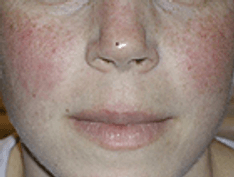
| Media file 1: An 8-year-old girl with overlap syndrome with evolution to progressive systemic sclerosis (PSS). | |
![]() | View Full Size Image | Media type: Photo |
| Media file 2: Photo of hands showing sclerodactyly. This demonstrates the progression of disease over the past 7 years. | |
![]() | View Full Size Image | Media type: Photo |
| Media file 3: Chest radiograph shows diffuse, coarse interstitial marking with bilateral lower lobe bronchiectasis. | |
![]() | View Full Size Image | Media type: X-RAY |
| Media file 4: Axial CT scan of the chest of a 15-year-old female adolescent with PSS. | |
![]() | View Full Size Image | Media type: CT |
| Media file 5: Esophagram demonstrating dysmotility. | |
![]() | View Full Size Image | Media type: X-RAY |
Article Last Updated: Jul 14, 2006