Continually Updated Clinical Reference
 
 
  All Sources     eMedicine     Medscape     Drug Reference     MEDLINE
 
eMedicine - Beckwith-Wiedemann Syndrome : Article by

Quick Find
Authors & Editors
Introduction
Clinical
Differentials
Workup
Treatment
Medication
Follow-up
Miscellaneous
References

Related Articles
Fluid, Electrolyte, and Nutrition Management of the Newborn

Glycogen-Storage Disease Type 0

Glycogen-Storage Disease Type I

Hyperinsulinemia

Hyperpituitarism

Hypoglycemia

Obesity

Omphalocele and Gastroschisis

Persistent Hyperinsulinemic Hypoglycemia of Infancy

Splenomegaly


Patient Education
Click here for patient education.


Author: Robert J Ferry Jr, MD, Tenured Associate Professor of Pediatrics, Division of Pediatric Endocrinology and Diabetes, The University of Texas Health Science Center at San Antonio; Consulting Staff, Christus-Santa Rosa Children's Faculty and Staff Hospital; Major (Medical Corps), Army Medical Department, Texas Army National Guard

Robert J Ferry, Jr, is a member of the following medical societies: American Academy of Pediatrics, American Diabetes Association, American Medical Association, Endocrine Society, Lawson-Wilkins Pediatric Endocrine Society, Society for Pediatric Research, and Texas Pediatric Society

Editors: Phyllis Speiser, MD, Professor, Department of Pediatrics, Division of Pediatric Endocrinology, New York University School of Medicine; Chief, Schneider Children's Hospital; Mary L Windle, PharmD, Adjunct Assistant Professor, University of Nebraska Medical Center College of Pharmacy, Pharmacy Editor, eMedicine.com, Inc; Barry B Bercu, MD, Professor, Departments of Pediatrics, Biochemistry and Molecular Biology, Pharmacology and Therapeutics, University of South Florida; Merrily P M Poth, MD, Professor, Department of Pediatrics and Neuroscience, Uniformed Services University of the Health Sciences; Stephen Kemp, MD, PhD, Professor, Department of Pediatrics, Section of Pediatric Endocrinology, University of Arkansas and Arkansas Children's Hospital

Author and Editor Disclosure

Synonyms and related keywords: Beckwith-Wiedemann syndrome, BWS, exomphalos, macroglossia, congenital exomphalos, congenital macroglossia, gigantism syndrome, EMG syndrome, Wilms tumor, omphalocele with macroglossia, hepatoblastoma, organomegaly, p57, IGF-2, H19, hypoglycemia, anterior abdominal wall defects, helical indentations, organ overgrowth, nephromegaly, hemihypertrophy, genitourinary abnormalities, embryonal tumors, adrenocortical neoplasias


Background

In 1964, Hans-Rudolf Wiedemann reported a familial form of omphalocele with macroglossia in Germany. In 1969, J. Bruce Beckwith of Loma Linda University, Calif, described a similar series of patients. Originally, Professor Wiedemann coined the term EMG syndrome to describe the combination of congenital exomphalos, macroglossia, and gigantism. Over time, this constellation was renamed Beckwith-Wiedemann syndrome (BWS).

Pathophysiology

Although the underlying causes of BWS remain unclear, approximately 80% of patients demonstrate genotypic abnormalities of the distal region of chromosome arm 11p. The BWS region of 11p was the first identified example of imprinting in mammals (ie, the process whereby the 2 alleles of a gene are expressed differentially). Authors have most often used the term imprinted to refer to the expressed allele. For example, the maternal allele of band 11p15.5 is normally expressed, or imprinted. Some authors, however, designate the silent allele as the imprinted gene. When reviewing the literature, a reader must bear in mind this inconsistent and confusing nomenclature. Imprinting has been associated with structural modifications of DNA near the gene, such as methylation or lack of acetylation. Several 11p genes are imprinted, including p57 (a cation-independent cyclase), IGF-2 (the gene for insulinlike growth factor-2 [IGF-2]), the gene for insulin, and H19.

H19 is particularly interesting because this gene is transcribed but not translated. H19 messenger RNA (mRNA) appears critical for proper imprinting of the nearby insulin and IGF-2 genes because deletion of H19 or transposition from its usual position relative to IGF-2 disrupts normal imprinting. Recent evidence reveals that H19 mRNA binds IGF-2 mRNA binding protein, which may be one mechanism by which it affects IGF-2 production. 

The mode of inheritance in BWS is complex. Reported patterns include autosomal dominance with variable expressivity, contiguous gene duplication at band 11p15.5, microdeletions, and aberrant genomic imprinting (resulting from a defective or absent copy of the maternally derived allele). Although not universal, the overgrowth associated with BWS appears to be most often the result of increased IGF-2 action within prenatal and postnatal tissues.

Frequency

United States

US frequency is estimated at 1 in 15,000 live births.

International

Worldwide frequency is estimated at 1 in 13,700 live births in other developed countries. Incidence is also higher in infants produced with in vitro fertilization.

Mortality/Morbidity

Mental retardation is common. Strict maintenance of euglycemia reduces the risk of nervous tissue damage.

Race

No race predilection is observed.

Sex

No sex predilection is noted.

Age

BWS is a congenital disorder. Wilms tumor is the most common cancer in children with BWS, occurring in about 5-7% of all children with BWS. Most children develop Wilms tumor before age 4 years; however, children with BWS can develop Wilms tumor when they are as old as 7 or 8 years. By age 8 years, 95% of all Wilms tumor cases have been diagnosed (DeBaun, 1998).


History

Affected infants present large for gestational age and, typically, with neonatal onset of hypoglycemia. The pregnancy is usually uncomplicated.

Physical

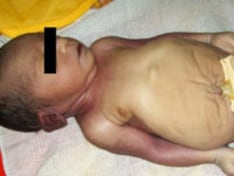
  • The cardinal features of Beckwith-Wiedemann syndrome (BWS) include prenatal and postnatal overgrowth, macroglossia, and anterior abdominal wall defects (most commonly, exomphalos).

  • Variable findings include posterior helical indentations (pits of the external ear) and organ overgrowth, particularly hepatomegaly and nephromegaly.

  • Although mental retardation has been reported as a feature of BWS, uncontrolled hypoglycemia during infancy, rather than congenital malformation of nervous tissue, may be a more significant etiologic factor.

  • Additional variable complications include organomegaly, hypoglycemia, hemihypertrophy, genitourinary abnormalities, and, in about 5-20% of children, embryonal tumors (most frequently Wilms tumor) and adrenal tumors such as adrenocortical neoplasias.

Causes

  • BWS pathogenesis involves disrupted imprinting of one or more genes because the sex of the transmitting parent determines the pattern and risk of transmission in familial cases.
    • Maternal transmission is associated with dramatically greater penetrance.

    • Duplications of band 11p15.5 in patients with BWS are always derived from the patient's father, whereas translocations and inversions are invariably derived from the patient's mother.

  • Approximately 15% of patients with BWS cluster in families; the remainder are sporadic.
    • Most patients with sporadic BWS lack apparent cytogenetic abnormalities; however, about 2% carry inversions, duplications, or translocations involving distal chromosome arm 11p.

    • At least 20% of sporadic cases manifest paternal uniparental disomy (UPD) for band 11p15.5, resulting from postzygotic mitotic recombination and mosaic paternal isodisomy.

    • Patients with BWS and UPD, BWSIC1 mutations or 11p duplications lack exomphalos, whereas BWSIC2 mutations are commonly associated with exomphalos.

  • Three distinct breakpoint cluster regions (BWS chromosome regions [BWSCRs]) encompass the maternally derived rearrangements associated with BWS.
    • The most common breakpoint is BWSCR1, which interrupts the KvLQT1 (KCNQ1) gene and maps at least 200 kilobases (kb) proximal to the IGF-2 gene.

    • KvLQT1 encodes multiple transcripts, including a potassium channel (unrelated to BWS), which, when mutated, results in cardiac conduction disorders (Jervell and Lange-Nielsen syndrome and long QT syndrome).

    • Rare breakpoint cluster regions, BWSCR2 and BWSCR3, map approximately 5 megabases (Mb) and 7 Mb centromeric to BWSCR1.

  • Most patients with BWS demonstrate biallelic expression of IGF-2 in various tissues. Some patients with BWS demonstrate elevated serum levels of IGF-2, which may reflect leakage into the vasculature from tissues with elevated production. Because 20% of patients with BWS have no identified genotypic disorder, one should not conclude that somatic overgrowth in patients with BWS must result from tissue IGF-2 overexpression. Several murine models have provided tantalizing glimpses into potential pathophysiologies for the diverse spectrum of BWS phenotypes.

  • IGF-2 overexpression in transgenic mice induces dose-dependent organomegaly, overgrowth, and macroglossia.
    • IGF-2–receptor null mice demonstrate elevated serum IGF-2 levels and fetal overgrowth (birthweight 135% of wild-type).

    • H19 null mice manifest loss of imprinted transcriptional regulation at the IGF-2 locus.

    • The crossing of H19 null with IGF-2–receptor null mice results in loss of imprinting at the IGF-2 locus and reduced clearance of IGF-2. These double null mice (H19–/–/IGF-2R–/–) display higher serum IGF-2 levels than the IGF-2 transgenic mice and exhibit exomphalos and overgrowth.

    • In a model of patients with BWS and germline mutations of CDKN1C (the gene for cyclin-dependent kinase inhibitor 1C), the CDKN1C knockout mouse manifests anterior abdominal wall defects, adrenal cortical cytomegaly, and renal medullary dysplasia but lacks overgrowth and other features of BWS.

    • Prenatal exomphalos without overgrowth develops in p57 (Kip2)—null mice, and death ensues shortly after birth. Defective closure of the secondary palate in p57 null mice allows aspiration of milk and swallowing of air, which inflates and then stretches the stomach and intestines. Renal medullary dysplasia in p57-null mice causes renomegaly.


Fluid, Electrolyte, and Nutrition Management of the Newborn
Glycogen-Storage Disease Type 0
Glycogen-Storage Disease Type I
Hyperinsulinemia
Hyperpituitarism
Hypoglycemia
Obesity
Omphalocele and Gastroschisis
Persistent Hyperinsulinemic Hypoglycemia of Infancy
Splenomegaly

Other Problems to be Considered

Several fetal overgrowth syndromes resemble Beckwith-Wiedemann syndrome. Some differential features are listed in Special Concerns, and the bibliography lists comprehensive monographs of these disorders. Simpson-Golabi-Behmel syndrome has been associated with deficient glypican-3, a glycosaminoglycan of the basement membrane, which binds IGF-2. Defects of this glycoprotein may result in increased tissue levels of free insulin-like growth factors, thus stimulating overgrowth.

Other causes of hypoglycemia to consider include the several genetic forms of congenital hyperinsulinism (congenital focal, diffuse sulfonylurea receptor type 1 mutations, diffuse Kir6.2 mutations, and diffuse glutamate dehydrogenase mutations), tumor-associated IGF-2 overproduction, inborn disorders of ketogenesis, and inborn errors of ketone utilization (beta-ketothiolase deficiency or succinyl CoA-transferase deficiency).


Lab Studies

  • Proper documentation of hypoglycemia (blood glucose <60 mg/dL) requires proper sample collection and processing.
    • Ideally, blood samples for glucose assessment should be processed immediately after collection. Cells in the blood sample continue to metabolize glucose, even at cold temperatures, leading to falsely low glucose values and falsely high lactate values. Collecting the blood in a sodium fluoride-lined tube (gray top tube) inhibits glycolysis, reducing the likelihood of falsely low values.

    • Measurements made with portable glucometers are useful for screening but not for diagnosis of hypoglycemia. Portable glucometers are widely available and relatively inexpensive, which are their primary advantages in the outpatient management of diabetes mellitus. These devices, however, were not designed for accuracy because distinguishing between blood glucose values of 200 and 220 mg/dL, for example, is less important than making the device convenient and affordable. When compared with central laboratory assays, these glucometers display as high as 20% inaccuracy at the lower ranges. For diagnostic purposes (during fasting studies and in other hospital settings), blood glucose should be measured in the central hospital laboratory, preferably by the well-established glucose oxidase method. Portable glucometers remain useful for monitoring blood sugar on an outpatient basis, but persistent low values should prompt consultation with the physician.

    • At the time of hypoglycemia, obtain plasma ketones (acetoacetate and b-hydroxybutyrate), plasma free fatty acid, serum insulin, and serum IGF levels (IGF-1 and IGF-2 by radioimmunoassay; large molecular weight forms of IGF-2 can be detected by Western ligand blot).

    • If intravenous or intramuscular administration of 1 mg glucagon at the time of hypoglycemia results in a rise of blood glucose of at least 30 mg/dL above baseline, the test is consistent with inappropriately conserved glycogen stores as observed in hyperinsulinism or panhypopituitarism.

  • Patients with Beckwith-Wiedemann syndrome (BWS) should be screened for hypercalciuria. A single random, nonfasting urine sample obtained at each health maintenance visit is adequate for this purpose.

Imaging Studies

  • Longitudinal abdominal sonography has been suggested to screen for embryonal tumors, although it should be performed concomitantly with training parents to examine their child's abdomen. Most authorities recommend at least biannual abdominal ultrasonographic examinations; however, in 1983, Professor Wiedemann recommended that children with BWS undergo renal sonography at 3-month intervals through the third year of life and at 6-month intervals thereafter. Recent reports of rapidly presenting Wilms tumors in patients with BWS continue to support this traditional guideline.
  • Chest radiography may exclude rare neural crest tumors such as thoracic neuroblastoma.

Procedures

  • Perform an inpatient fasting study to identify the cause of hypoglycemia. Acute insulin response testing (currently available only as research protocol at the Children's Hospital of Philadelphia) may be performed to differentiate from known forms of congenital hyperinsulinism.


Medical Care

Patients with Beckwith-Wiedemann syndrome (BWS) may require frequent feedings or diazoxide to treat their hypoglycemia.

  • Octreotide or glucagon by subcutaneous infusion or injection is seldom necessary.

  • The goal of therapy is maintenance of plasma glucose levels above 60 mg/dL at all times.

  • Infants and children must demonstrate the ability to maintain euglycemia during a fast of age-appropriate duration. The normal duration of fasting for an infant or child depends on body mass and the maturity of counterregulatory responses to hypoglycemia, which include gluconeogenesis, glycogenolysis, and ketogenesis.

Surgical Care

Embryonal tumors require appropriate oncologic treatment modalities, which often includes nephrectomy. Nephron-sparing partial nephrectomy is feasible if embryonal renal tumors are detected early, highlighting the need for frequent ultrasonographic screening. Macroglossia seldom requires resection to attain an independent airway. Macroglossia has been surgically reduced, with variable cosmetic outcomes.

Consultations

  • Pediatric oncologist

  • Pediatric surgeon

Diet

Patients with BWS may require frequent feedings in addition to medical therapy to maintain euglycemia, but their diet does not need to be restricted.

Activity

Patients with BWS do not require activity restrictions.


The first line of treatment for hypoglycemia remains infusion of dextrose. If the patient cannot be weaned from the dextrose infusion within a week of the Beckwith-Wiedemann syndrome (BWS) diagnosis, one should consider diazoxide.

Drug Category: Insulin secretion inhibiting agents

Insulin secretion may be altered by various mechanisms. Diazoxide inhibits pancreatic secretion of insulin, stimulates glucose release from the liver, and stimulates catecholamine release, which elevates blood glucose levels. Octreotide is a peptide with pharmacologic action similar to somatostatin, which inhibits insulin secretion. ATP-sensitive potassium channels (composed of the sulfonylurea receptor [SUR] and the potassium channel pore protein [Kir6.2]) are believed to function abnormally in nesidioblastosis. These channels initiate depolarization of the beta-cell membrane and opening of calcium channels. The resultant increase in intracellular calcium triggers insulin secretion. Calcium channel blockers block the action of these calcium channels, decreasing insulin secretion. Nifedipine is the only calcium channel blocker that has been reported in clinical trials in humans.

Drug NameDiazoxide (Proglycem)
DescriptionActs by binding the sulfonylurea receptor (SUR1) of the pancreatic beta cell, thereby inhibiting insulin secretion. Oral diazoxide (Proglycem) opens KATP channels and inhibits insulin secretion. Intravenous diazoxide (Hyperstat) is primarily used as an antihypertensive agent. This preparation is not used in hyperinsulinism.
Adult Dose1 mg/kg PO q8h initially; titrate to effect
Pediatric Dose5-15 mg/kg/d PO divided q8-12h
ContraindicationsDocumented hypersensitivity; aortic coarctation, pheochromocytoma, arteriovenous shunts, and aortic aneurysm; hypotension; diabetes mellitus
InteractionsHighly bound to serum protein and displaces other protein-bound substances such as bilirubin or coumarin, increasing their serum levels; may cause excessive hypotension, especially when given with other antihypertensive drugs; may decrease serum hydantoins, possibly resulting in decreased anticonvulsant effects; thiazide diuretics may potentiate hyperuricemic and antihypertensive effects of diazoxide
PregnancyC - Safety for use during pregnancy has not been established.
PrecautionsHypertrichosis resolves after discontinuation of medication and is treated by shaving unwanted hair; isotonic fluid retention can occur (caution in CHF or poor cardiac reserve), monitor weight to determine when to add diuretic; caution in hypersensitivity to other thiazides or sulfonamide derived drugs because cross-reactivity may occur; blood glucose levels should be closely monitored during use because severe hyperglycemia may occur; half-life may be prolonged in renal impairment


Further Inpatient Care

  • Weaning from diazoxide mandates an inpatient fasting study to ensure that the child can maintain euglycemia.

  • The tumor most commonly associated with Beckwith-Wiedemann syndrome (BWS) is Wilms tumor.
    • Once Wilms tumor has been diagnosed in a child, evaluation for a partial nephrectomy is strongly encouraged. Children with BWS who develop cancer and are screened in intervals of fewer than 4 months display an average Wilms tumor size of approximately 3.5 cm, as opposed to a size of 11-13 cm in children who are not screened for Wilms tumor.

    • Consideration for a partial nephrectomy is important because nonmalignant renal disease and metachronous Wilms tumor carry high risk of morbidity. Imaging findings and medical records of 152 neonates, infants, children, and adults with Beckwith-Wiedemann syndrome (age range, 1 d to 30 y; median age, 15 mo) were retrospectively reviewed by 3 radiologists.
      • Correlation to available pathologic material revealed 38 (25%) of 152 patients with Beckwith-Wiedemann syndrome had 45 nonmalignant renal abnormalities, including medullary renal cysts (n=19, 13%), caliceal diverticula (n=2, 1%), hydronephrosis (n=18, 12%), and nephrolithiasis (n=6, 4%).

      • Thirty-three (87%) of the 38 patients with nonmalignant renal disease were asymptomatic.

      • Clinical manifestations of the remaining 5 patients included urinary tract infections (n=4) and flank pain due to obstructive stone disease (n=1).

      • Nonmalignant renal disease was mistaken for Wilms tumor in 2 patients, resulting in unnecessary nephrectomies.

      • Seven children (18%) had Wilms tumor and nonmalignant renal disease (Choyke, 1998).

      • Children's Oncology Group is considering a submitted protocol for conducting the partial nephrectomy trial in children with BWS and Wilms tumor.

  • The second most common cancer occurring in patients with BWS is hepatoblastoma.

Further Outpatient Care

  • Routinely monitor somatic growth and development at 3-month intervals.

In/Out Patient Meds

  • Neonatal hypoglycemia in patients with BWS tends to be transient. Attempts to taper diazoxide may be initiated in the outpatient setting after age 6 months and then completed with an inpatient fasting study within a few days of discontinuing diazoxide.

Transfer

  • Maintain airway and euglycemia (with intravenous dextrose) en route to a tertiary care center.

Deterrence/Prevention

  • Screening for cancer is warranted if early identification of the tumor leads to improved survival and/or decreased morbidity associated with cancer treatment. The 2 most common cancers associated with BWS (Wilms tumor and hepatoblastoma) meet these criteria.

  • The authors recommend screening for cancer in children with BWS, despite the observation that cancer does not develop in most children with BWS. Cancer develops in approximately 1 in 10 children with BWS; however, this risk is high enough to warrant cancer screening. The risk of cancer is age-dependent; the risk is higher in patients younger than 4 years, lower in patients aged 5-10 years, and near the baseline risk of cancer in the general population in patients older than 10 years (DeBaun, 1998).

  • Prenatal ultrasonography permits early detection of severely affected patients with BWS. More critically, prenatal diagnosis allows physicians to anticipate the most serious health consequences associated with BWS, namely, hypoglycemia and abdominal tumors.

  • The length of screening intervals for ultrasonographic examination is not well established; however, the authors believe that screening in intervals fewer than 4 months is appropriate. Screening for Wilms tumor using abdominal ultrasonography at intervals no less frequently than every 4 months was been shown in one large series to detect every case of early-stage Wilms tumor.

  • A false perception is that the screening interval can be increased from 3 months to 6 months to 12 months as a child becomes older. This is not true because Wilms tumor grows too fast to justify screening every 6-12 months. In fact, the authors have several patients who underwent screening every 6 months and were found to have late-stage Wilms tumor.

  • Using routine abdominal ultrasonography to identify tumors has proven cost effective because physical examination (eg, palpation), even by experienced professionals or well-trained parents, is ineffective for early (small) tumors, which are most amenable to resection. However, in the absence of reliable ultrasonography, physical examination is the next best screening test available.

  • Repeated ultrasonography remains highly effective for detection of abdominal masses, despite its high cost compared with the cost of physical examination. In patients with tumors identified by ultrasonographic screening, the average size of the tumor was 4 cm, as opposed to 12 cm when palpation alone was used. Prenatal genetic testing is not commercially available.

  • As with Wilms tumor, hepatoblastoma can be identified using abdominal ultrasonography. However, abdominal ultrasonography does not view the entire liver. Fortunately, alpha-fetal protein (AFP), a protein generated by fetal liver, is a suitable marker for hepatoblastoma. At birth, AFP levels are high and then gradually decline to adult levels by 10 or 11 months of age. However, most infants with hepatoblastoma do not display a declining AFP measurement; rather, their AFP level rapidly increases. In a small, recent case series of 5 patients with BWS, early stage hepatoblastoma (stage 1) was identified by elevated AFP level after serial evaluation for a maximum 8 weeks (Clericuzio, 2003).

      • AFP levels that increase dramatically but do not continue to drop during the first year of life are worrisome. For example, an AFP level that increases from 18 to 180 ng/mL warrants further investigation, as would an AFP level that does not decline by the time the infant is age 6 months. When such situations occur, the authors recommend repeating the AFP measurement in about 2 weeks and considering imaging studies (eg, liver ultrasonography, CT, MRI). Reports describe several children with BWS in whom AFP measurements were elevated yet imaging studies did not initially reveal the tumor.

      • Hepatoblastoma is also a fast-growing cancer. Because of the fast growth, the authors recommend AFP measurement every 6 weeks and ultrasonography of the liver and kidney every 12 weeks. Liver and renal ultrasonography can be performed at the same time. Unlike the risk of Wilms tumor, the risk of hepatoblastoma declines after 4 years of age; thus, screening with AFP is recommended in patients as old as 4 years. The authors see no value in conducting liver ultrasonography after age 4 years.

  • As with all screening programs, the physician and family must consider the risk-benefit ratio for the child. The authors recommend screening with AFP level until age 4 years and with ultrasonography until age 8 years, based on the observation that most but not all hepatoblastomas and Wilms tumor occur by these ages. The decision to screen beyond these ages is individual, weighing benefits against the risks. The major risk of screening is misdiagnosis of cancer that results in inappropriate surgery. The authors have experienced 3 such incidents. A cost-effective model describing the costs and benefits of screening for cancer was conducted in this population. Although imperfect, the model, coupled with available data, strongly favors screening for Wilms tumor and hepatoblastoma (McNeil, 2001).

  • Children with BWS can develop other cancers, including neuroblastoma, rhabdomyosarcoma, or adrenocortical carcinoma. Fortunately, these cancers are rare in children with BWS, and screening for these has no proven benefit.

Complications

  • Medical and surgical complications are possible with treatment of abdominal tumors.

Prognosis

  • Prognosis is fair and depends primarily on the status of the airway and on aggressive prevention of hypoglycemia.

Patient Education

  • Instruct parents and caregivers how to perform monthly palpation for abdominal masses. Any unusual finding should prompt professional evaluation.


Medical/Legal Pitfalls

  • Regular physical examination is necessary to screen for abdominal tumors.

Special Concerns

  • Refer the child to an early childhood intervention program to reduce the risk of permanent developmental delays. Speech and occupational therapies are particularly important in light of macroglossia.

  • Commercial assays cannot detect all forms of IGF and IGF-binding proteins. The authors are happy to discuss and provide their IGF-related assays with clinicians caring for patients with Beckwith-Wiedemann syndrome (BWS).

  • BWS has features of fetal overgrowth, organomegaly, and risk of embryonal tumors, which often overlap other conditions; however, BWS can often be differentiated with its features of exomphalos and posterior helical pits.

    • Wilms tumor, aniridia, genitourinary defects, and mental retardation (WAGR) syndrome carries a more than 50% prevalence of Wilms tumor (compared with 5% in patients with BWS) and is differentiated from BWS because it is associated with 11p13 deletion or mutation of the WT1 tumor suppressor gene, aniridia, and genitourinary defects.

    • 11p trisomy is similar to BWS because of its associated feature of fetal overgrowth but is differentiated because of associated features of a high forehead with frontal upsweep of hair, beaked nose with wide central nasal bridge, chubby cheeks, and severe mental retardation.

    • Simpson-Golabi-Behmel syndrome is similar to BWS because of its prenatal and postnatal overgrowth, neonatal hypoglycemia, risk of embryonal tumors, and splenomegaly. Differentiating features include syndactyly, 13 ribs, slight obesity, cataract, retinal detachment, pectus excavatum, intestinal malrotation, Meckel diverticulum, hypospadias, advanced bone age, X-linked inheritance, high early perinatal and infant mortality, and cryptorchidism.

    • Sotos syndrome (cerebral gigantism) is similar to BWS because of its autosomal dominance and macrocephaly but is differentiated by advanced bone age, neonatal hypotonia, normal growth hormone production, rapid early growth, hypothyroidism or hyperthyroidism, arm span greater than height, dolichocephaly, alveolar ridge exostoses, and generalized neonatal edema.

    • Weaver syndrome is similar to BWS because of its features of accelerated growth, advanced bone age, and macrocephaly but is differentiated by camptodactyly, serrated gums, clinodactyly of fifth digit, and cryptorchidism.

    • Klippel-Trenaunay-Weber syndrome is similar to BWS because of its association with mental retardation and seizure but is differentiated by glaucoma and Kasabach-Merritt syndrome. The combination of macrosomia, obesity, macrocephaly, and ocular abnormalities (MOMO) may have overlapping features with BWS of macrosomia and macrocephaly but is differentiated by its associated morbid obesity and ocular abnormalities.


  • Azouz EM, Larson EJ, Patel J, Gyepes MT. Beckwith-Wiedemann syndrome: development of nephroblastoma during the surveillance period. Pediatr Radiol. 1990;20(7):550-2. [Medline].
  • Beckwith J. Macroglossia, omphalocele, adrenal cytomegaly, gigantism, and hyperplastic visceromegaly. Birth Defects. 1969;5:188.
  • Beckwith JB. Children at increased risk for Wilms tumor: monitoring issues. J Pediatr. Mar 1998;132(3 Pt 1):377-9. [Medline].
  • Bell AC, Felsenfeld G. Methylation of a CTCF-dependent boundary controls imprinted expression of the Igf2 gene. Nature. May 25 2000;405(6785):482-5. [Medline].
  • Chang AS, Moley KH, Wangler M, et al. Association between Beckwith-Wiedemann syndrome and assisted reproductive technology: a case series of 19 patients. Fertil Steril. 2005;83:349-354. [Medline].
  • Choyke PL, Siegel MJ, Oz O, et al. Nonmalignant renal disease in pediatric patients with Beckwith-Wiedemann syndrome. AJR Am J Roentgenol. Sep 1998;171(3):733-7. [Medline].
  • Clericuzio CL, Chen E, McNeil DE, et al. Serum alpha-fetoprotein screening for hepatoblastoma in children with Beckwith-Wiedemann syndrome or isolated hemihyperplasia. J Pediatr. Aug 2003;143(2):270-2. [Medline].
  • Cooper WN, Curley R, Macdonald F, Maher ER. Mitotic recombination and uniparental disomy in Beckwith-Wiedemann syndrome. Genomics. 2007;89:613-7. [Medline].
  • Craft AW, Parker L, Stiller C, Cole M. Screening for Wilms' tumour in patients with aniridia, Beckwith syndrome, or hemihypertrophy. Med Pediatr Oncol. Apr 1995;24(4):231-4. [Medline].
  • D'Ercole AJ. Actions of IGF system proteins from studies of transgenic and gene knockout models. In: Rosenfeld RG, Roberts CT Jr, eds. The Igf System: Molecular Biology, Physiology, and Cinical Applications. ed. Humana Press; 1999:545-574.
  • DeBaun MR, Niemitz EL, McNeil DE, et al. Epigenetic alterations of H19 and LIT1 distinguish patients with Beckwith-Wiedemann syndrome with cancer and birth defects. Am J Hum Genet. Mar 2002;70(3):604-11. [Medline][Full Text].
  • DeBaun MR, Siegel MJ, Choyke PL. Nephromegaly in infancy and early childhood: a risk factor for Wilms tumor in Beckwith-Wiedemann syndrome. J Pediatr. Mar 1998;132(3 Pt 1):401-4. [Medline].
  • DeBaun MR, Tucker MA. Risk of cancer during the first four years of life in children from The Beckwith-Wiedemann Syndrome Registry. J Pediatr. Mar 1998;132(3 Pt 1):398-400. [Medline].
  • Finegold DN, Stanley CA, Baker L. Glycemic response to glucagon during fasting hypoglycemia: an aid in the diagnosis of hyperinsulinism. J Pediatr. Feb 1980;96(2):257-9. [Medline].
  • Goldman M, Shuman C, Weksberg R, Rosenblum ND. Hypercalciuria in Beckwith-Wiedemann syndrome. J Pediatr. 2003;142:206-208. [Medline].
  • Gotlin RW. Diazoxide therapy in the syndrome of Beckwith-Weidemann-Coombs. J Pediatr. Aug 1973;83(2):342-3. [Medline].
  • Grandjean V, Smith J, Schofield PN, Ferguson-Smith AC. Increased IGF-II protein affects p57kip2 expression in vivo and in vitro: implications for Beckwith-Wiedemann syndrome. Proc Natl Acad Sci U S A. May 9 2000;97(10):5279-84. [Medline][Full Text].
  • Grati FR, Turolla L, D'Ajello P, Ruggeri A, Miozzo M, Bracalente G, et al. Chromosome 11 segmental paternal isodisomy in amniocytes from two fetuses with omphalocoele: new highlights on phenotype-genotype correlations in Beckwith-Wiedemann syndrome. J Med Genet. 2007;44:257-63. [Medline].
  • Greally JM. Genomic imprinting and chromatin insulation in Beckwith-Wiedemann syndrome. Mol Biotechnol. Apr 1999;11(2):159-73. [Medline].
  • Hatada I, Mukai T. Genomic imprinting and Beckwith-Wiedemann syndrome. Histol Histopathol. Jan 2000;15(1):309-12. [Medline].
  • Kacker A, Honrado C, Martin D, Ward R. Tongue reduction in Beckwith-Weidemann syndrome. Int J Pediatr Otorhinolaryngol. 2000;53:1-7. [Medline].
  • Krajewska-Walasek M, Gutkowska A, Mospinek-Krasnopolska M, Chrzanowska K. A new case of Beckwith-Wiedemann syndrome with an 11p15 duplication of paternal origin [46,XY,-21,+der(21), t(11;21)(p15.2;q22.3)pat]. Acta Genet Med Gemellol (Roma). 1996;45(1-2):245-50. [Medline].
  • Lau MM, Stewart CE, Liu Z, et al. Loss of the imprinted IGF2/cation-independent mannose 6-phosphate receptor results in fetal overgrowth and perinatal lethality. Genes Dev. Dec 15 1994;8(24):2953-63. [Medline].
  • Li T, Vu TH, Ulaner GA, et al. IVF results in de novo DNA methylation and histone methylation at an Igf2-H19 imprinting epigenetic switch. Mol Hum Reprod. Sep 2005;11(9):631-40. [Medline].
  • Ludwig T, Eggenschwiler J, Fisher P, et al. Mouse mutants lacking the type 2 IGF receptor (IGF2R) are rescued from perinatal lethality in Igf2 and Igf1r null backgrounds. Dev Biol. Aug 1 1996;177(2):517-35. [Medline].
  • Maher ER, Reik W. Beckwith-Wiedemann syndrome: imprinting in clusters revisited. J Clin Invest. Feb 2000;105(3):247-52. [Medline][Full Text].
  • Martin RA, Grange DK, Zehnbauer B. LIT1 and H19 methylation defects in isolated hemihyperplasia. Am J Med Genet A. 2005;134:129-131. [Medline].
  • McNeil DE, Brown M, Ching A, DeBaun MR. Screening for Wilms tumor and hepatoblastoma in children with Beckwith-Wiedemann syndromes: a cost-effective model. Med Pediatr Oncol. Oct 2001;37(4):349-56. [Medline].
  • McNeil DE, Langer JC, Choyke P, DeBaun MR. Feasibility of partial nephrectomy for Wilms' tumor in children with Beckwith-Wiedemann syndrome who have been screened with abdominal ultrasonography. J Pediatr Surg. Jan 2002;37(1):57-60. [Medline].
  • Moore ES, Ward RE, Escobar LF, Carlin ME. Heterogeneity in Wiedemann-Beckwith syndrome: anthropometric evidence. Am J Med Genet. Feb 14 2000;90(4):283-90. [Medline].
  • Moore T, Constancia M, Zubair M, et al. Multiple imprinted sense and antisense transcripts, differential methylation and tandem repeats in a putative imprinting control region upstream of mouse Igf2. Proc Natl Acad Sci U S A. Nov 11 1997;94(23):12509-14. [Medline][Full Text].
  • NCBI. Beckwith-Wiedemann Syndrome. National Center for Biotechnology Information Site. Available at: http://www.ncbi.nlm.nih.gov/htbin-post/Omim/dispmim. [Full Text].
  • Niemitz EL, DeBaun MR, Fallon J, et al. Microdeletion of LIT1 in familial Beckwith-Wiedemann syndrome. Am J Hum Genet. 2004;75:844-849. [Medline][Full Text].
  • Pfeifer K, Leighton PA, Tilghman SM. The structural H19 gene is required for transgene imprinting. Proc Natl Acad Sci U S A. Nov 26 1996;93(24):13876-83. [Medline][Full Text].
  • Reeve AE. Role of genomic imprinting in Wilms' tumour and overgrowth disorders. Med Pediatr Oncol. Nov 1996;27(5):470-5. [Medline].
  • Runge S, Nielsen FC, Nielsen J, et al. H19 RNA binds four molecules of insulin-like growth factor II mRNA- binding protein. J Biol Chem. Sep 22 2000;275(38):29562-9. [Medline][Full Text].
  • Schwienbacher C, Angioni A, Scelfo R, Veronese A, Calin GA, Massazza G. Abnormal RNA expression of 11p15 imprinted genes and kidney developmental genes in Wilms' tumor. Cancer Res. Mar 15 2000;60(6):1521-5. [Medline][Full Text].
  • Slatter RE, Elliott M, Welham K, et al. Mosaic uniparental disomy in Beckwith-Wiedemann syndrome. J Med Genet. Oct 1994;31(10):749-53. [Medline].
  • Sperandeo MP, Ungaro P, Vernucci M, et al. Relaxation of insulin-like growth factor 2 imprinting and discordant methylation at KvDMR1 in two first cousins affected by Beckwith-Wiedemann and Klippel-Trenaunay-Weber syndromes. Am J Hum Genet. Mar 2000;66(3):841-7. [Medline][Full Text].
  • Stanley CA, Baker L. The causes of neonatal hypoglycemia. N Engl J Med. Apr 15 1999;340(15):1200-1. [Medline].
  • Stumm M, Tonnies H, Wieacker PF. Molecular cytogenetic techniques for the diagnosis of chromosomal abnormalities in childhood disease. Eur J Pediatr. Jul 1999;158(7):531-6. [Medline].
  • Wangler MF, An P, Feinberg AP. Inheritance pattern of Beckwith-Wiedemann syndrome is heterogeneous in 291 families with an affected proband. Am J Med Genet A. 2005;137:16-21. [Medline][Full Text].
  • Wiedemann H. Complexe malformatif familial avec hernie ombilicale et macroglossie—un syndrome nouveau?. J Genet Hum. 1964;13:223.
  • Winter SC, Curry CJ, Smith JC, et al. Prenatal diagnosis of the Beckwith-Wiedemann syndrome. Am J Med Genet. May 1986;24(1):137-41. [Medline].

Beckwith-Wiedemann Syndrome excerpt

Article Last Updated: May 10, 2007