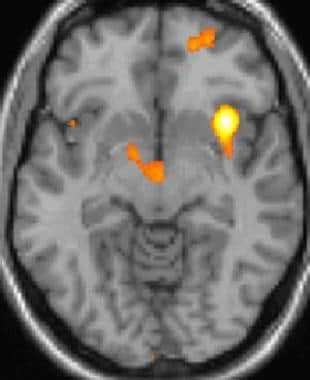
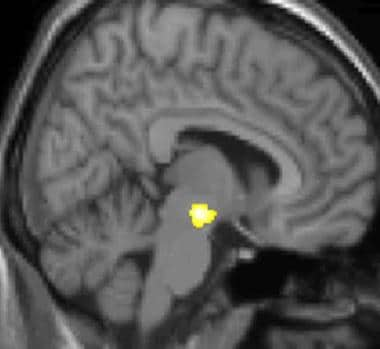
You are in: eMedicine Specialties > Neurology > Headache and Pain Cluster HeadacheArticle Last Updated: Oct 13, 2006AUTHOR AND EDITOR INFORMATIONAuthor: Jorge E Mendizabal, MD, Consulting Staff, Corpus Christi Neurology Jorge E Mendizabal is a member of the following medical societies: American Academy of Neurology, American Headache Society, National Stroke Association, and Stroke Council of the American Heart Association Editors: Joseph R Carcione, Jr, DO, MBA, Consultant in Neurology and Medical Acupuncture, Medical Management and Organizational Consulting, Central Westchester Neuromuscular Care, PC; Medical Director, Oxford Health Plans; Francisco Talavera, PharmD, PhD, Senior Pharmacy Editor, eMedicine; James H Halsey, MD, Professor, Department of Neurology, University of Alabama Medical Center; Selim R Benbadis, MD, Professor, Director of Comprehensive Epilepsy Program, Departments of Neurology and Neurosurgery, University of South Florida School of Medicine, Tampa General Hospital; Nicholas Y Lorenzo, MD, Chief Editor, eMedicine Neurology; Consulting Staff, Neurology Specialists and Consultants Author and Editor Disclosure Synonyms and related keywords: CH, Bing-Horton syndrome, histaminic cephalalgia, cluster migraine, paroxysmal nocturnal cephalalgia, red migraine, erythromelalgia of the head, sphenopalatine neuralgia, migrainous neuralgia, periorbital pain INTRODUCTIONBackgroundCluster headache (CH) is an idiopathic syndrome consisting of recurrent brief attacks of sudden, severe, unilateral periorbital pain. PathophysiologyThe pathophysiology of CH is not entirely understood. Its typical periodicity has been attributed to hypothalamic (particularly suprachiasmatic nuclei) hormonal influences. More recently, functional neuroimaging with positron emission tomography (PET) and anatomical imaging with voxel-based morphometry have identified the posterior hypothalamic grey matter as the key area for the basic defect in CH. Hypothalamic dysfunction has recently been confirmed by abnormal metabolism based on the N-acetylaspartate neuronal marker in magnetic resonance spectroscopy. CH pain is thought to be generated at the level of the pericarotid/cavernous sinus complex. This region receives sympathetic and parasympathetic input from the brain stem, possibly mediating occurrence of autonomic phenomena during an attack. The exact roles of immunologic and vasoregulatory factors, as well as the influence of hypoxemia and hypocapnia, in CH are still controversial. FrequencyUnited StatesThe exact prevalence is unknown. Kudrow estimated 0.4% in men and 0.08% in women. InternationalIn an extensive study of 100,000 inhabitants of the republic of San Marino, the prevalence was 0.07%. RaceCH has been suggested to be more prevalent in the black population. SexCH is more common in men than in women; the male-to-female ratio is 5:1. AgeCH affects middle-aged persons. CLINICALHistory
PhysicalThe association of prominent autonomic phenomena is a hallmark of CH. Such signs include ipsilateral nasal congestion and rhinorrhea, lacrimation, conjunctival hyperemia, facial diaphoresis, palpebral edema, and complete or partial Horner syndrome (which may persist between attacks). Tachycardia is a frequent finding.
CausesCases of CH affecting multiple members with an autosomal dominant pattern within a single family have been reported, suggesting that a genetic predisposition may exist in those families. Complex segregation analysis, however, has consistently resulted in a sporadic model of inheritance. DIFFERENTIALSAbsence Seizures Anisocoria Basilar Artery Thrombosis Brainstem Gliomas Cavernous Sinus Syndromes Chronic Paroxysmal Hemicrania Craniopharyngioma Headache: Pediatric Perspective Intracranial Hemorrhage Migraine Headache Migraine Variants Persistent Idiopathic Facial Pain Pituitary Tumors Postherpetic Neuralgia Subarachnoid Hemorrhage Tolosa-Hunt Syndrome Trigeminal Neuralgia
|
| Drug Name | High-flow oxygen |
|---|---|
| Description | Inhalation of high-flow, concentrated oxygen extremely effective for aborting CH attack. Precise mechanism of action poorly understood. Effective alternative to ergotamine. Despite immediate availability of oxygen in ED, its widespread use in outpatient setting limited by impracticality. |
| Adult Dose | 6-8 L/min concentrated (100%) oxygen by face mask for no longer than 15 min |
| Pediatric Dose | Not established |
| Contraindications | None reported |
| Interactions | None reported |
| Pregnancy | A - Safe in pregnancy |
| Precautions | Inspired oxygen concentrations between 50-100% have a substantial risk of lung damage |
These agents are highly effective in relieving acute CH pain.
| Drug Name | Ergotamine (Cafatine, Cafergot, Cafetrate, Ercaf) |
|---|---|
| Description | Vasoconstrictor of smooth muscle in cranial blood vessels, alpha-adrenergic blocker, and nonselective 5-HT agonist. PR or SL preparations of ergotamine tartrate preferred to PO because of immediate onset of action. Avoid exceeding maximum dosage guidelines to prevent rebound headaches. |
| Adult Dose | 2 tabs PO at first sign of onset, followed by 1 tab q30min prn; not to exceed 6 tabs/attack or 10 tabs/wk 1 tab SL at first sign of onset, followed by 1 tab q30min prn; not to exceed 3 tabs/24h or 5 tabs/wk 1 supp PR at first sign of onset, followed by second dose prn after 1 h; not to exceed 2 supp/attack or 5 supp/wk |
| Pediatric Dose | Not established |
| Contraindications | Documented hypersensitivity |
| Interactions | Erythromycin, troleandomycin, and other macrolide antibiotics may increase toxicity |
| Pregnancy | X - Contraindicated in pregnancy |
| Precautions | Use caution in patients with history of hypertension or coronary or peripheral arterial insufficiency; use caution in elderly persons, as may precipitate angina or MI or aggravate intermittent claudication; avoid prolonged administration or excessive dosage, since increases danger of ergotism or gangrene; patients who take for extended periods may become dependent |
| Drug Name | Dihydroergotamine (D.H.E. 45 injection, Migranal) |
|---|---|
| Description | Available in IV or intranasal preparations, tends to cause less arterial vasoconstriction than ergotamine tartrate. |
| Adult Dose | Up to 2 mg IV; not to exceed 2 mg/dose or 6 mg/wk 1 mg IM/SC at first sign of onset; not to exceed 3 mg total 1 spray (0.5 mg) into each nostril; not to exceed 6 sprays/d or 8 sprays/wk |
| Pediatric Dose | Not established |
| Contraindications | Documented hypersensitivity; within 24 h of sumatriptan, zolmitriptan, other serotonin agonists, or ergotlike agents; use of MAOIs within last 2 wk |
| Interactions | May increase effects of heparin; erythromycin, clarithromycin, nitroglycerin, propranolol, and troleandomycin may increase toxicity |
| Pregnancy | X - Contraindicated in pregnancy |
| Precautions | Use caution in patients with hypertension, angina, peripheral vascular disease, or impaired renal or hepatic function |
| Drug Name | Sumatriptan (Imitrex); naratriptan (Amerge, Naramig) |
|---|---|
| Description | zolmitriptan (Zomig, Zomig-ZMT); rizatriptan (Maxalt, Maxalt-MLT); almotriptan (Axert); frovatriptan (Frova); eletriptan (Relpax)--As selective agonists of serotonin 5HT1 receptors in cranial arteries, cause vasoconstriction and reduce inflammation associated with antidromic neuronal transmission in CH. Can reduce severity of headache within 15 min of SC injection. Intranasal form recently introduced in US, offering attractive alternative to self-injections. |
| Adult Dose | Sumatriptan: 6 mg SC, followed by second injection prn at least 1 h after first; not to exceed 2 injections/d 25-100 mg PO, followed by second dose 2 h later prn; not to exceed 300 mg/d 1 spray (5-20 mg) in 1 nostril or 1 spray (5 mg) in each nostril; may repeat in 2 h prn; not to exceed 40 mg/d Zolmitriptan: 2.5-5 mg PO; repeat after 2 h prn; not to exceed 10 mg/d; 5 mg intranasally prn may repeat in 2 h prn Naratriptan: 2.5 mg PO Rizatriptan: 10 mg PO Almotriptan: 6.25-12.5 mg PO at onset of migraine; may repeat once, not to exceed 25 mg/d Frovatriptan: 2.5 mg PO once at onset of migraine Eletriptan: 20-40 mg/dose PO at onset of migraine; if initial dose ineffective, may repeat dose once after 2 h; not to exceed 80 mg/d |
| Pediatric Dose | Not established |
| Contraindications | Documented hypersensitivity; ischemic heart disease; uncontrolled hypertension; use of MAOIs in last 2 wk |
| Interactions | Not to be used on the same day as another ergot derivative or triptan; toxicity increases when administered concomitantly with ergot-containing drugs, selective serotonin reuptake inhibitors, and MAOIs |
| Pregnancy | C - Safety for use during pregnancy has not been established. |
| Precautions | May cause facial flushing, numbness, paresthesias, and chest pain of noncardiac origin; significant elevation in blood pressure, including hypertensive crisis, has been reported in patients without history of hypertension; peripheral vascular ischemia, colonic ischemia with abdominal pain, and bloody diarrhea have occurred |
Local anesthetics stabilize the neuronal membrane so the neuron is less permeable to ions. This prevents initiation and transmission of nerve impulses, thereby producing the local anesthetic action.
| Drug Name | Intranasal lidocaine 4% (Xylocaine) |
|---|---|
| Description | An experimental abortive therapy in CH, blocks conduction of nerve impulses by decreasing neuronal membrane's permeability of sodium ions, which results in inhibition of depolarization and blockade of conduction. Effective in 2 separate clinical trials. Intranasal administration of lidocaine drops requires specific and, for many patients, difficult technique. |
| Adult Dose | 4% solution intranasally; actual dose not established |
| Pediatric Dose | Not established |
| Contraindications | Documented hypersensitivity |
| Interactions | May enhance effects of succinylcholine |
| Pregnancy | B - Usually safe but benefits must outweigh the risks. |
| Precautions | Use extreme caution in patients with marked hypoxia, severe respiratory depression, or bradycardia |
The short-lived and unpredictable character of CH precludes the effective use of oral narcotics or analgesics. Despite their lack of efficacy, these substances are abused by some CH sufferers.
| Drug Name | Intranasal capsaicin |
|---|---|
| Description | This experimental therapy successfully tested in clinical trials. Derived from chili peppers, induces release of substance P, principal chemomediator of pain impulses from periphery to CNS. After repeated applications, depletes neuron of substance P and prevents reaccumulation. |
| Adult Dose | Few drops of capsaicin solution applied to ipsilateral nostril |
| Pediatric Dose | Not established |
| Contraindications | Documented hypersensitivity |
| Interactions | None reported |
| Pregnancy | C - Safety for use during pregnancy has not been established. |
| Precautions | Avoid contact with eyes; irritant to mucosal membranes, should be used with caution; warn patients about nasal cavity irritation, burning, congestion, drainage, and sneezing while using |
These agents inhibit the initial vasoconstrictive phase of CH.
| Drug Name | Verapamil (Calan, Verelan, Covera-HS) |
|---|---|
| Description | Perhaps most effective calcium channel blocker for CH prophylaxis, inhibits calcium ions from entering slow channels, select voltage-sensitive areas, or vascular smooth muscle, thereby producing vasodilation. |
| Adult Dose | Immediate release: 120-360 mg/d PO divided tid/qid Extended release form may be given qd |
| Pediatric Dose | Not established |
| Contraindications | Documented hypersensitivity; sinus bradycardia; cardiogenic shock; advanced heart block; ventricular tachycardia; congestive heart failure; atrial fibrillation or flutter associated with accessory conduction pathways |
| Interactions | Phenobarbital, hydantoins, vitamin D, sulfinpyrazone, and rifampin may decrease serum concentrations by increasing hepatic metabolism; amiodarone may increase toxicity; beta blockers may increase cardiac depressant effects on AV conduction; cimetidine may increase serum levels; may increase cyclosporine, doxorubicin, theophylline, carbamazepine, vecuronium, and digoxin serum levels |
| Pregnancy | C - Safety for use during pregnancy has not been established. |
| Precautions | Use caution in patients with sick-sinus syndrome, severe left ventricular dysfunction, hepatic or renal impairment, or hypertrophic cardiomyopathy; monitor ECG and blood pressure closely in patients with supraventricular tachycardia receiving IV therapy; adverse effects include constipation and water retention; patients intolerant of verapamil should try nimodipine, diltiazem, or nifedipine |
Mechanism of action of lithium in CH is unclear, although preliminary evidence suggests that it may interfere with substance P and vasoactive intestinal peptide–induced arterial relaxation.
| Drug Name | Lithium carbonate (Eskalith, Lithane, Lithobid, Lithonate, Lithotabs) |
|---|---|
| Description | Effectively prevents CH (particularly in its more chronic forms) and treats bipolar mood disorder, another cyclic illness. Responses variable, but still recommended first-line agent in CH. Narrow therapeutic window requires close monitoring of levels and adverse effects. Plasma lithium level of 0.6-1.2 mEq/L measured at steady state, 12 h after last dose (ie, just before next dose), usually sought, but optimal plasma levels for prevention of CH not established. Thought effective in CH at serum concentrations lower than those required in bipolar disorder (0.3-0.8 mEq/L). |
| Adult Dose | 600-900 mg/d PO in divided doses; increase to 600-1200 mg/d divided bid/qid prn |
| Pediatric Dose | Not established |
| Contraindications | Documented hypersensitivity; severe cardiovascular or renal disease |
| Interactions | Thiazide diuretics, NSAIDs, haloperidol, phenothiazines, neuromuscular blockers, carbamazepine, fluoxetine, and ACE inhibitors may increase serum levels and toxicity; theophylline, caffeine, and other xanthines decrease effects |
| Pregnancy | D - Unsafe in pregnancy |
| Precautions | Lithium toxicity can occur at therapeutic doses; use caution in patients with cardiovascular or thyroid disease, severe debilitation, dehydration, or sodium depletion, or in patients taking diuretics; adverse effects include tremor, polyuria, diarrhea, nausea, fatigue, weight gain, and thyroid dysfunction; renal toxicity with tubular damage and interstitial fibrosis may occur; CNS toxicity manifested by confusion and ataxia |
Efficacy in the prophylaxis of CH has been demonstrated in a few relatively small controlled studies. Unclear mechanism of action for the prevention of CH. May act by regulating central sensitization.
| Drug Name | Divalproex sodium (Depakene, Depakote) |
|---|---|
| Description | Few adequate studies available, with mixed results. |
| Adult Dose | Typically started at 500 mg PO qd; may titrate up to 3,000 mg/d (bid dosing for doses >1,500 mg) |
| Pediatric Dose | Not established |
| Contraindications | Documented hypersensitivity; liver impairment; urea cycle disorders; pregnancy (high risk of teratogenesis) |
| Interactions | Coadministration with cimetidine, salicylates, felbamate, and erythromycin may increase toxicity; rifampin may significantly reduce valproate levels; in pediatric patients, protein binding and metabolism of valproate decrease when taken concomitantly with salicylates; coadministration with carbamazepine may result in variable changes of carbamazepine concentrations with possible loss of seizure control; valproate may increase diazepam and ethosuximide toxicity (monitor closely); valproate may increase phenobarbital and phenytoin levels while either one may decrease valproate levels; valproate may displace warfarin from protein binding sites (monitor coagulation tests); may increase zidovudine levels in HIV seropositive patients |
| Pregnancy | D - Unsafe in pregnancy |
| Precautions | Should be used with caution in patients with renal insufficiency, in elderly patients, and in patients with bleeding diathesis |
| Drug Name | Topiramate (Topamax) |
|---|---|
| Description | Effective in several small prospective studies. Exact mechanism of action in CH headache unknown. |
| Adult Dose | Typically started at 25 mg qhs; titrate up very slowly by 25-mg weekly increments to a bid dosing; target dose should be 100-200 mg/d |
| Pediatric Dose | Not established |
| Contraindications | Documented hypersensitivity |
| Interactions | May increase phenytoin levels; use with ethosuximide may augment risk for CNS depression; may reduce effectiveness of estrogen-containing contraceptives; concomitant use with carbonic anhydrase inhibitors may increase risk of nephrolithiasis |
| Pregnancy | C - Safety for use during pregnancy has not been established. |
| Precautions | Caution in patients with history of nephrolithiasis; caution in severe dehydration or diarrhea |
These agents are extremely effective in terminating a CH cycle and in preventing immediate headache recurrence. High-dose prednisone is prescribed for the first few days, followed by a gradual taper. The simultaneous use of standard prophylactic agents (eg, verapamil) is recommended. The mechanism of action in CH is still subject to speculation.
| Drug Name | Prednisone (Deltasone, Orasone, Sterapred) |
|---|---|
| Description | Very effective in aborting CH cycle or as intermediate prophylaxis (bridging therapy between acute and prophylactic agents). Effective for treatment of CH not responsive to lithium or methysergide. Effects in CH may occur via inhibition of prostaglandin synthesis. Long-term use not recommended. |
| Adult Dose | 40-60 mg/d PO in divided doses for 5 d, followed by slow taper over 2-4 wk |
| Pediatric Dose | Not established |
| Contraindications | Documented hypersensitivity; systemic fungal infections or serious infections, except septic shock or tuberculous meningitis |
| Interactions | Coadministration with estrogens may decrease clearance; concurrent use with digoxin may cause digitalis toxicity secondary to hypokalemia; phenobarbital, phenytoin, and rifampin may increase metabolism of glucocorticoids (consider increasing maintenance dose); monitor for hypokalemia with coadministration of diuretics |
| Pregnancy | C - Safety for use during pregnancy has not been established. |
| Precautions | Use cautiously in patients with diabetes, hypothyroidism, cirrhosis, congestive heart failure, thromboembolic disorders, or ulcerative colitis; chronic use may lead to gastric ulceration, immunosuppression, electrolyte disturbances, weight gain, and osteopenia |
| Drug Name | Methysergide (Sansert) |
|---|---|
| Description | Useful in patients unresponsive to lithium. Although of ergotamine chemical class, actions differ, since has minimal ergotaminelike vasoconstrictive properties and significantly greater serotoninlike properties. Very effective in episodic and chronic CH prophylaxis. Often effective in reducing pain frequency, particularly in younger patients with episodic CH. If no improvement after 3 wk, unlikely to be beneficial. Do not give continuously for > 6 mo. Drug-free interval of 3-4 wk must follow each 6-mo course. Product no longer available in the United States. |
| Adult Dose | 2-8 mg/d PO |
| Pediatric Dose | Not established |
| Contraindications | Documented hypersensitivity; peripheral vascular disease; severe arteriosclerosis; pulmonary disease; severe hypertension; phlebitis; serious infections |
| Interactions | None reported |
| Pregnancy | X - Contraindicated in pregnancy |
| Precautions | Use > 6 mo discouraged, because long-term therapy may cause retroperitoneal fibrosis and fibrotic thickening of cardiac valves (drug holiday recommended to avoid these effects); adverse GI reactions most commonly affect compliance; use caution in renal or hepatic impairment; adverse effects include leg cramps, paresthesias, edema, and skin discoloration |
These agents may reduce the inflammation associated with migraine headaches.
| Drug Name | Intranasal zolmitriptan (Zomig Nasal Spray) |
|---|---|
| Description | Selective agonist for serotonin 5-HT1 receptors in cranial arteries and suppresses the inflammation associated with migraine headaches. Effective in randomized trials. Relatively rapid onset of relief. |
| Adult Dose | Administer 5 mg (as a single puff) intranasally; if headache recurs, may repeat dose after 2 h, not to exceed 10 mg/24 h |
| Pediatric Dose | Not established |
| Contraindications | Documented hypersensitivity; ischemic heart disease and uncontrolled hypertension; do not administer within 24 h of taking another serotonin agonist or ergotamine or within 2 wk of taking an MAOI |
| Interactions | Toxicity increases when administered concomitantly with ergot-containing drugs, selective serotonin reuptake inhibitors, and MAOIs |
| Pregnancy | C - Safety for use during pregnancy has not been established. |
| Precautions | Hypertensive crisis, coronary artery vasospasm, cardiac arrest, peripheral ischemia, bloody diarrhea, and death may occur when administering this medication |
Article Last Updated: Oct 13, 2006