Practice Essentials
Urinary tract infections (UTIs) occur far more commonly in women, accounting for at least 8 million visits to various types of healthcare facilities in the United States per year. Cystitis (bladder infection) represents most of these infections (see the image below). 20% of women suffer from at least one UTI in their lifetime. Related terms include pyelonephritis, which refers to upper UTI, and bacteriuria or funguria, which describe findings of bacteria or yeast, respectively, in the urine.
Formulation of a successful diagnostic and treatment plan is based on determining the location of the UTI; underlying physical impairments of the patient, such as diabetes; complicating factors such as nephrolithiasis; prostatic abnormalities; and the presence of resistant organisms. [1]
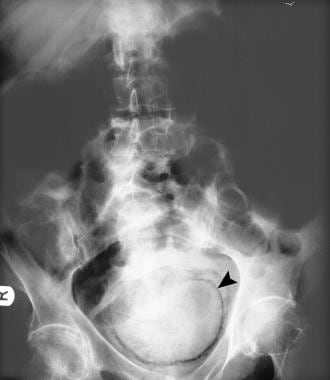 Plain radiograph in a 63-year-old patient with poorly controlled type 2 diabetes mellitus shows emphysematous cystitis.
Terminology of UTIs
The use of valid terminology is essential to making the correct diagnosis and formulating an appropriate treatment plan.
Asymptomatic bacteriuria describes an asymptomatic individual with two consecutive positive urine cultures with the same organism (> 105 CFU ).
Pyelonephritis indicates kidney, upper tract involvement.
Uncomplicated UTIs are infections that develop in healthy men or women with completely normal genitourinary systems.
Complicated UTIs involve hosts that suffer from underlying medical conditions (eg, diabetes mellitus) or various anatomic abnormalities that make them prone to infection.
Signs and symptoms
Symptoms and signs of UTI in adults are as follows:
-
Dysuria
-
Urinary urgency and frequency
-
A sensation of bladder fullness or lower abdominal discomfort
-
Suprapubic tenderness
-
Flank pain and costovertebral angle tenderness (may be present in cystitis but suggest upper UTI)
-
Bloody urine
-
Fevers, chills, and malaise (may be noted in patients with cystitis, but more frequently associated with upper UTI)
See Clinical Presentation for more detail.
Diagnosis
Diagnostic studies for UTI consist of dipstick, urinalysis, and culture. No imaging studies are indicated in the routine evaluation of cystitis.
Current emphasis in the diagnosis of UTI rests with the detection of pyuria, as follows:
-
A positive leukocyte esterase dipstick test suffices in most instances
-
In females with clinical findings suggestive of UTI, urine microscopy may be indicated even if the leukocyte esterase dipstick test is negative
-
Pyuria is most accurately measured by counting leukocytes in unspun fresh urine using a hemocytometer chamber; more than 10 white blood cells (WBCs)/mL is abnormal
Other findings are as follows:
-
Microscopic hematuria is found in about half of cystitis cases
-
Low-grade proteinuria is common
-
A positive nitrite test is highly specific for UTI, but it occurs in only 25% of patients with UTI
Urine culture remains the criterion standard for the diagnosis of UTI. Consider obtaining urine cultures in patients with probable cystitis if any of the following is present:
-
Immunosuppression
-
Recent urinary tract instrumentation
-
Recent exposure to antibiotics
-
Recurrent infection
-
Advanced age
Definitions of UTI in women, based on culture results in clean-catch urine specimens, are as follows:
-
Cystitis: More than 1000 colony-forming units (CFU)/mL
-
Pyelonephritis: More than 10,000 CFU/mL
Any amount of uropathogen grown in culture from a suprapubic aspirate should be considered evidence of a UTI.
See Workup for more detail.
Management
Oral therapy with an empirically chosen antibiotic that is effective against gram-negative aerobic coliform bacteria (eg, Escherichia coli) is the principal treatment intervention in patients with cystitis. The first-choice agents for treatment of uncomplicated acute cystitis in women include the following:
-
Nitrofurantoin monohydrate/macrocrystals
-
Trimethoprim-sulfamethoxazole (TMP-SMX)
-
Fosfomycin
Considerations in antibiotic selection are as follows:
-
Empiric antibiotic selection is determined in part by local resistance patterns
-
Fosfomycin and nitrofurantoin monohydrate/macrocrystals should be avoided in patients with possible early pyelonephritis [2]
-
Clinicians may wish to limit use of TMP-SMX, to reduce the emergence of resistant organisms
-
Fluoroquinolones typically are reserved for complicated cystitis
Duration of antibiotic treatment for acute, uncomplicated cystitis in women who are not pregnant is as follows:
-
TMP-SMX is given for 3 days
-
Fosfomycin is given in a single dose
-
Nitrofurantoin monohydrate/macrocrystals is given for 5-7 days
-
Beta-lactam agents are given for 3–7-days
-
For cystitis in older women or infection caused by Staphylococcus saprophyticus, 7 days of therapy is suggested
The vast majority of women with UTI present on an ambulatory basis and can be treated as outpatients. Hospital admission may be indicated for some patients with complicated UTI. Complicating factors include the following:
-
Structural abnormalities (eg, calculi, tract anomalies, indwelling catheter, obstruction)
-
Metabolic disease (eg, diabetes, renal insufficiency)
-
Impaired host defenses (eg, HIV infection, current chemotherapy, underlying active cancer)
See Treatment and Medication for more detail.

Background
UTI is defined as significant bacteriuria in the setting of symptoms of cystitis or pyelonephritis. These infections account for a significant number of emergency department (ED) visits, [4] and 20% of women develop at least one UTI. (See Epidemiology.)
Escherichia coli causes the majority of uncomplicated cystitis cases. Among the pathogens responsible for the remainder are Staphylococcus saprophyticus, Proteus mirabilis, Klebsiella pneumoniae, or Enterococcus faecalis. (See Etiology.)
A presumptive diagnosis of uncomplicated cystitis can be made on the basis of findings of the history and physical examination, along with urinalysis. [5, 6] Proper specimen collection is necessary. In addition, clinicians need to appreciate the epidemiologic and host factors that may identify patients with complicated cystitis or clinically inapparent upper UTI, in whom more comprehensive assessment is indicated. (See Workup.)
Successful emergent management includes selection of appropriate antimicrobial therapy with recommendations for follow-up care. Oral therapy with an antibiotic effective against gram-negative aerobic coliform bacteria is the principal therapeutic intervention in patients with cystitis. (See Treatment, as well as Medication.)
The following terms are defined for uniformity in this article:
-
Asymptomatic bacteriuria (ASB) refers to 2 consecutive urine cultures growing more than 100,000 colony-forming units (CFU)/mL of a bacterial species in a patient lacking symptoms of a UTI
-
Uropathogens are bacteria with specific virulence factors that facilitate their invasion of the urinary tract
-
Complicated UTIs are defined as UTIs that are associated with metabolic disorders, that are secondary to anatomic or functional abnormalities that impair urinary tract drainage, or that involve unusual pathogens (eg, yeast), which increase the risk for therapeutic failure
Pathophysiology
The urinary tract normally is sterile. Uncomplicated UTI involves the urinary bladder in a host without underlying renal, metabolic, or neurologic diseases. Cystitis represents bladder mucosal invasion, most often by enteric coliform bacteria (eg, Escherichia coli) that inhabit the periurethral vaginal introitus and ascend into the bladder via the urethra.
In recurrent E coli UTIs, peak colonization rates of the periurethral area 2-3 days prior to the development of the symptoms of acute cystitis range from 46-90%. During this same period, asymptomatic bacteriuria rates increase from 7-70%. [7]
Because sexual intercourse may promote this migration, cystitis is common in otherwise healthy young women. Generally, urine is a good culture medium. Factors unfavorable to bacterial growth include a low pH (5.5 or less), a high concentration of urea, and the presence of organic acids derived from a diet that includes fruits and protein. Organic acids enhance acidification of the urine.
Frequent and complete voiding has been associated with a reduction in the incidence of UTI. Normally, a thin film of urine remains in the bladder after emptying, and any bacteria present are removed by the mucosal cell production of organic acids.
If the defense mechanisms of the lower urinary tract fail, upper tract or kidney involvement occurs and is termed pyelonephritis. Host defenses at this level include local leukocyte phagocytosis and renal production of antibodies that kill bacteria in the presence of complement. For more information on this topic, see the Medscape Reference articles Acute Pyelonephritis and Pathophysiology of Complicated Urinary Tract Infections.
In general, there are 3 main mechanisms responsible for UTIs:
-
Colonization with ascending spread
-
Hematogenous spread
-
Periurogenital spread
Bacterial virulence
Uropathogenic bacteria, derived from a subset of fecal flora, have traits that enable adherence, growth, and resistance of host defenses. These traits facilitate colonization and infection of the urinary tract.
Adhesins are bacterial surface structures that enable attachment to host membranes. In E coli infection, these include both pili (ie, fimbriae) and outer-membrane proteins (eg, Dr hemagglutinin that binds to Dr blood group antigen). P fimbriae, which attach to globoseries-type glycolipids found in the colon and urinary epithelium, are associated with pyelonephritis and cystitis and are found in many E coli strains that cause urosepsis.
Type 1 fimbriae bind to mannose-containing structures found in many different cell types, including Tamm-Horsfall protein (the major protein found in human urine). Whether this facilitates or inhibits uroepithelial colonization is the subject of some debate.
Other factors that may be important for E coli virulence in the urinary tract include capsular polysaccharides, hemolysins, cytotoxic necrotizing factor (CNF) protein, and aerobactins. Several Kauffman serogroups of E coli that contain these virulence factors may be more likely to cause UTIs, including O1, O2, O4, O6, O16, and O18.
Another example of bacterial virulence is the swarming capability of Proteus mirabilis. Swarming involves the expression of specific genes when these bacteria are exposed to surfaces such as catheters. This results in the coordinated movement of large numbers of bacteria, enabling P mirabilis to move across solid surfaces. This likely explains the association of P mirabilis UTIs with instrumentation of the urinary tract.
Host resistance
Most uropathogens gain access to the urinary tract via an ascending route. The shorter length of the female urethra allows uropathogens easier access to the bladder. The continuous unidirectional flow of urine helps to minimize UTIs, and anything that interferes with this increases the host's susceptibility to UTI. Examples of interference include volume depletion, sexual intercourse, urinary tract obstruction, instrumentation, use of catheters not drained to gravity, and vesicoureteral reflux.
Secretory defenses help promote bacterial clearance and prevent adherence. Secretory immunoglobulin A (IgA) reduces attachment and invasion of bacteria in the urinary tract. Women who are nonsecretors of the ABH blood antigens appear to be at higher risk for recurrent UTIs; this may occur because of a lack of specific glycosyltransferases that modify epithelial surface glycolipids, allowing E coli to bind to them better.
In premenopausal women, lactobacilli are the predominant vaginal flora and serve to suppress vaginal colonization by the uropathogens. Most antibiotics, except sulfamethoxazole and the quinolones, can eradicate these protective bacteria.
Urine itself has several antibacterial features that suppress UTIs. Specifically, the pH, urea concentration, osmolarity, and various organic acids prevent most bacteria from surviving in the urinary tract.
Etiology
E coli causes 70-95% of both upper and lower UTIs. Various organisms are responsible for the remainder of infections, including S saprophyticus, Proteus species, Klebsiella species, Enterococcus faecalis, other Enterobacteriaceae, and yeast. Some species are more common in certain subgroups, such as Staphylococcus saprophyticus in young women. However, S saprophyticus can produce acute cystitis in older women and in young men and should not be automatically regarded as a contaminant in the urine cultures of these individuals. [8]
Most complicated UTIs are nosocomial in origin. Increasingly, UTIs in patients in healthcare institutions and in those with frequent antibiotic exposure are caused by multidrug-resistant gram-negative pathogens, such as extended-spectrum beta-lactamase (ESBL) and carbapenemase producers. However, the prevalence of multidrug-resistant pathogens varies by locale. [9]
The most important risk factor for bacteriuria is the presence of a catheter. [10] Eighty percent of nosocomial UTIs are related to urethral catheterization, whereas 5-10% are related to genitourinary manipulation. Catheters inoculate organisms into the bladder and promote colonization by providing a surface for bacterial adhesion and causing mucosal irritation. For more information on this topic, see the Medscape Reference article Catheter-Related Urinary Tract Infection.
Sexual intercourse contributes to increased risk, as does use of a diaphragm and/or spermicide. Routine pelvic examinations also are associated with an increased risk for UTI for 7 weeks post procedure. [11] Women who are elderly, are pregnant, or have preexisting urinary tract structural abnormalities or obstruction carry a higher risk for UTI.
UTIs are the most common type of infection after renal transplantation. Susceptibility is especially high in the first 2 months following transplantation. Triggering factors include vesicoureteral reflux and immunosuppression. Corynebacterium urealyticum (ie, CDC group D2) has been reported to cause encrusted pyelitis and cystitis in these patients.
Calculi related to UTIs most commonly occur in women who experience recurrent UTIs with Proteus, Pseudomonas, and Providencia species. Perinephric abscesses most commonly are associated with E coli, Proteus species, and S aureus but also may be secondary to Enterobacter, Citrobacter, Serratia, Pseudomonas, and Klebsiella species. More unusual causes include enterococci, Candida species, anaerobes, Actinomyces species, and Mycobacterium tuberculosis. Twenty-five percent of infections are polymicrobial.
Candiduria is defined as more than 1000 CFU/mL of yeast from 2 cultures. Candida albicans, which is germ tube positive, is the usual culprit. Germ tube–negative Candida species (tropicalis, parapsilosis, glabrata, lusitaniae, krusei) are less common.
Risk factors for candiduria include diabetes mellitus, indwelling urinary catheters, and antibiotic use. Candiduria may clear spontaneously or may result in (or from) deep fungal infections.
Epidemiology
United States statistics
UTIs in women are very common; approximately 25-40% of women in the United States aged 20-40 years have had a UTI. UTIs account for over 6 million patient visits to physicians per year in the United States; approximately 20% of those visits are to EDs.
Cystitis occurs in 0.3%-1.3% of pregnancies but does not appear to be related to asymptomatic bacteriuria. Acute pyelonephritis occurs in 1-2% of pregnancies. UTIs occur in 3-50% of renal transplant patients and frequently are silent.
In 2007, approximately 3.9% of office visits were related to symptoms involving the genitourinary tract. [12] Estimates based on office and ED visits suggest per annum about 7 million episodes of acute cystitis. Some studies estimate that UTIs (cystitis plus pyelonephritis) cost at least $1 billion per year.
International statistics
UTIs have been well studied in Sweden and other parts of Europe. [13] These studies have shown that 1 in 5 adult women experience a UTI at some point, confirming that it is an exceedingly common worldwide problem.
The epidemiology of UTI in the tropics is less well documented. UTIs appear to be common and associated with structural abnormalities. Chronic infection from Schistosoma haematobium disrupts bladder mucosal integrity and causes urinary tract obstruction and stasis. Salmonella bacteriuria, with or without bacteremia, is very common in patients with schistosomiasis. Treatment requires both antischistosomal and anti-Salmonella agents.
Age- and sex-related demographics
Uncomplicated UTIs are much more common in women than men when matched for age. A study of Norwegian men aged 21-50 years showed an approximate incidence of 0.0006-0.0008 infections per person-year, compared with approximately 0.5-0.7 per person-year in similarly aged women in the United States.
The largest group of patients with UTI is adult women. The incidence of UTI in women tends to rise with increasing age. Several peaks above baseline correspond with specific events, including an increase in women aged 18-30 years (associated with coitus—so-called honeymoon cystitis—and pregnancy).
Rates of infection are high in postmenopausal women because of bladder or uterine prolapse causing incomplete bladder emptying; loss of estrogen with attendant changes in vaginal flora (notably, loss of lactobacilli), which allows periurethral colonization with gram-negative aerobes, such as E coli; and higher likelihood of concomitant medical illness, such as diabetes.
Of neonates, boys are slightly more likely than girls to present with UTI as part of a gram-negative sepsis syndrome. The incidence in preschool-aged children is approximately 2% and is 10 times more common in girls. UTI occurs in 5% of school-aged girls, but it is rare in school-aged boys.
Prognosis
Even with effective antibiotic treatment, the average duration of severe symptoms in women with cystitis is somewhat longer than 3 days. Features that have been associated with a more prolonged course than average include a history of somatization, previous cystitis, urinary frequency, and more severe symptoms at baseline. [14]
Although simple lower UTI (cystitis) may resolve spontaneously, effective treatment lessens the duration of symptoms and reduces the incidence of progression to upper UTI. Even with effective treatment, however, about 25% of women with cystitis will experience a recurrence.
Younger patients have the lowest rates of morbidity and mortality. Factors associated with an unfavorable prognosis include the following:
-
Old age
-
General debility
-
Renal calculi or obstruction
-
Recent hospitalization
-
Urinary tract instrumentation or antibiotic therapy
-
Diabetes mellitus
-
Chronic nephropathy
-
Sickle cell anemia
-
Underlying cancer
-
Intercurrent chemotherapy
The mortality associated with acute uncomplicated cystitis in women aged 20-60 years appears to be negligible. A longitudinal cohort study of Swedish women showed a higher mortality in women with a history of UTI than in age-matched women without such a history (37% vs 28% in 10 y), [15] but these cohorts were not matched for other mortality-related factors, making it difficult to attribute the increased mortality to UTIs.
In contrast, the morbidity in terms of quality of life and economic measures is tremendous. Each episode of UTI in a young woman results in an average of 6.1 days of symptoms, 1.2 days of decreased class/work attendance, and 0.4 days in bed.
Nosocomial infections develop in about 5% of patients admitted to hospitals, and UTIs account for 40% of these infections. From 2-4% of these patients become bacteremic, with a mortality of 12.5%.
Patient Education
Proper adherence to the outpatient medical regimen should be stressed. Behavior modification, such as good oral fluid intake to enhance diuresis and frequent voiding (including postintercourse voiding) may be helpful in reducing recurrent infection.
For patient education information, see the Infections Center, as well as Urinary Tract Infection (UTI), Blood in the Urine, Birth Control Overview, Birth Control Spermicides, and Birth Control FAQs.
-
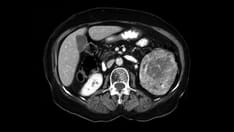
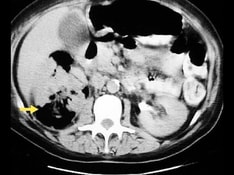
Nonobstructing distal left ureteral calculus 2 X 1 X 2 cm.
-
Multiple abscesses, upper pole of left kidney.
-
Bilateral hydronephrosis.
-
Plain radiograph in a 63-year-old patient with poorly controlled type 2 diabetes mellitus shows emphysematous cystitis.
-
Lactobacilli and a squamous epithelial cell are evident on this vaginal smear. The presence of squamous cells and lactobacilli on urinalysis suggests contamination or colonization. Source: Centers for Disease Control and Prevention, Dr. Mike Miller
Tables
First-line therapy |
|
Second-line therapy |
|
Alternative therapy |
*Should generally be avoided in elderly patients because of the risk of affecting renal function. |
First-line therapy |
Oral: Patients with complicated cystitis who can tolerate oral therapy may be treated with the following options:
Parenteral: Patients who cannot tolerate oral therapy as outlined above or patients with infection that is suspected to be due to resistant organisms should be treated with parenteral therapy, as follows:
Duration of therapy: Shorter courses (7d) are reasonable if patient improves rapidly; longer courses (10-14d) are reasonable if patient has a delayed response or is hospitalized.
Parenteral therapy can be switched to oral therapy once clinical improvement is observed. |
Second-line therapy |
Duration of therapy: Shorter courses (7d) are reasonable if patient improves rapidly; longer courses (10-14d) are reasonable if patient has a delayed response or is hospitalized.
Parenteral therapy can be switched to oral therapy once clinical improvement is observed. |

What would you like to print?
- Overview
- Presentation
- DDx
- Workup
- Treatment
- Approach Considerations
- Uncomplicated Cystitis in Nonpregnant Patients
- Complicated Cystitis in Nonpregnant Women
- Antimicrobial Therapy
- Adjunctive Therapy
- Fungal Infection
- Treatment in Patients with Spinal Cord Injury
- Pregnant Patients
- Renal Transplantation Patients
- Asymptomatic Bacteriuria
- Diet
- Consultations
- Prevention and Long-Term Monitoring
- Show All
- Guidelines
- Medication
- Questions & Answers
- Media Gallery
- Tables
- References