You are in: eMedicine Specialties >
Obstetrics and Gynecology > Infections
Salpingitis
Article Last Updated: Aug 16, 2007
AUTHOR AND EDITOR INFORMATION
Section 1 of 10
Author: Suzanne Moore Shepherd, MD, MS, DTM&H, FACEP, FAAEM, Associate Professor, Department of Emergency Medicine, Hospital of the University of Pennsylvania; Director of Education and Research, PENN Travel Medicine
Suzanne Moore Shepherd is a member of the following medical societies: Alpha Omega Alpha, American Academy of Emergency Medicine, American Society of Tropical Medicine and Hygiene, International Society of Travel Medicine, Society for Academic Emergency Medicine, and Wilderness Medical Society
Coauthor(s):
Clarisa R Gracia, MD, Staff Physician, Department of Obstetrics and Gynecology, University of Pennsylvania;
Evan M Meiner, MD, Director of Emergency Medicine Trauma Care, Department of Emergency Medicine, North Shore University Hospital;
William H Shoff, MD, DTM&H, Director, PENN Travel Medicine, Associate Professor, Department of Emergency Medicine, Hospital of the University of Pennsylvania
Editors: Bruce A Meyer, MD, MBA, Vice President for Medical Affairs, Associate Dean and Director of the Faculty Practice Plan, University of Texas Southwestern Medical School; Francisco Talavera, PharmD, PhD, Senior Pharmacy Editor, eMedicine; Gail F Whitman-Elia, MD, Professor, Department of Obstetrics and Gynecology, University of South Carolina School of Medicine; Frederick B Gaupp, MD, Consulting Staff, Department of Family Practice, Assumption Community Hospital; Michel E Rivlin, MD, Associate Professor, Coordinator, Quality Assurance/Quality Improvement, Department of Obstetrics and Gynecology, University of Mississippi School of Medicine
Author and Editor Disclosure
Synonyms and related keywords:
salpingitis, pelvic inflammatory disease, PID, pelvic inflammation, oviduct inflammation, oviduct infection, gynecologic infection, fallopian tube inflammation, fallopian tube infection, tuboovarian abscess, TOA, tubo-ovarian abscess, infertility, Neisseria gonorrhoeae, N gonorrhoeae, C trachomatis, Chlamydia trachomatis, Bacteroides, Peptostreptococcus, Peptococcus, gonorrhea, chlamydia, sexually transmitted disease, STD complication, STD
Background
Acute salpingitis is a gynecologic condition consisting of infection and inflammation of the oviducts. In most clinical situations, the terms acute salpingitis and pelvic inflammatory disease (PID) are used synonymously to describe acute infection of the female upper genital tract. PID is a condition that lacks a precise definition and may include infection of any or all of the following anatomic locations: the endometrium (endometritis), the oviducts (salpingitis), the ovaries (oophoritis), the uterine wall (myometritis), the uterine serosa and broad ligaments (parametritis), and the pelvic peritoneum. In addition, a tuboovarian abscess (TOA) may form. Many authors prefer the term salpingitis because, at a minimum, the oviduct (fallopian tube) is involved, and most of the long-term sequelae of PID result from destruction of the tubal architecture.
Pathophysiology
Most cases of acute salpingitis occur in 2 stages. The first involves acquisition of a vaginal or cervical infection. The second involves ascent of the infection to the upper genital tract. Although the exact mechanism of ascent is unknown, retrograde menstrual flow and opening of the cervix during menstruation has been theorized to facilitate ascent of infection. Surgical procedures, such as endometrial biopsy, curettage, and hysteroscopies, break the cervical barrier, predisposing women to these infections. Also, alterations in the cervicovaginal microenvironment resulting from antibiotic treatment, ovulation, menstruation, or sexually transmitted disease (STD) can disrupt the balance of endogenous flora, causing normally nonpathogenic organisms to overgrow and ascend to the upper genital tract. These factors also may facilitate the ascent of pathogens, such as Neisseria gonorrhoeae or Chlamydia trachomatis. Intercourse also may contribute to ascent of infection, with uterine coital contractions mechanically inducing organisms to ascend. In addition, sperm can carry organisms into the upper genital tract following intercourse.
Once ascended, both microbial and host factors appear to play a role in the degree of host inflammation and scarring produced. These processes remain poorly understood. One area of research that has provided some insight is the interaction of chlamydia with host cells. Both clinical and histologic studies have shown significant host variability in response to chlamydial infection.
An intriguing preliminary study by den Hartog et al, examined 5 single nucleoside polymorphisms (SNPs) in 4 genes that encode for pattern recognition receptors (PRRs) on circulating immune cells (such as macrophages) and local tubal cells.1 These PRRs recognize specific chlamydial pathogen-associated molecular patterns (PAMPs), facilitating the ability of the host cell to recognize the presence of a pathogen. PAMPs are unique microorganism cell wall components or intracellular components. The authors found that the presence of 2 or more SNPs in a patient appeared to correlate with an increase in laparoscopically identified tubal pathology. The authors suggested several possible mechanisms for this effect, including synthesis of aberrant PRRs or change in regulation of these PRRs.
The organisms most commonly associated with acute salpingitis are N gonorrhoeae and C trachomatis (15-75%). Unlike infection in many other areas of the body, acute salpingitis is usually polymicrobial in nature. Other associated organisms include Ureaplasma urealyticum, Mycoplasma genitalium, Trichomonas vaginalis, Gardnerella vaginalis, and mixed anaerobic and aerobic bacteria; however, the exact roles of these organisms remain poorly understood.
The contribution of non-STD acute salpingitis is unknown but may be as high as 20%. Controversy surrounds the role of bacterial vaginosis (BV) and salpingitis. Multiple studies, including a large (N = 1179) multicenter US study2, have not supported an association between baseline G vaginalis and BV and the development of PID except in a subgroup of women with heavy growth of BV-associated microorganisms, especially if they had more than 2 recent sexual partners.
A cross-sectional study from the University of Pittsburgh3 looked at the roles of T vaginalis and herpes simplex virus 2 (HSV-2) in PID. Both had previously been shown to be associated with PID or tubal scarring and ectopic pregnancy. In this study, involving 736 women, those with T vaginalis were found to have increased histologic evidence of acute endometritis. Co-infection of HSV-2 with C trachomatis, N gonorrhoeae, T vaginalis, or BV was also associated with acute endometritis. HSV-2 was also the only microorganism directly associated with fallopian tube obstruction.
The authors proposed several hypotheses for the role of HSV-2 in infection and inflammation, including (1) lower tract ulcerations produced by HSV-2 might disrupt the endocervical canal barrier, facilitating the spread of lower tract organisms to the upper tract, (2) presence of inflammatory cells in the upper tract in response to HSV-2 might increase the likelihood of fallopian tube damage, or (3) presence of these organisms might be a marker for sexual activity and the coacquisition of a PID-associated STD.
Frequency
United States
PID is the most common gynecologic reason for emergency medicine visits in the United States. From 1995-2001, approximately 769,859 cases of acute salpingitis were reported annually in the United States. Of these, 91% were diagnosed in the ambulatory setting, with an average of 25,235 (4 of 1000 women aged 15-44 y) seen in emergency departments.4 However, the true incidence is probably much higher because of incomplete and untimely conventional nonelectronic reporting methods and because many cases of silent or smoldering salpingitis occur and are discovered only when patient develops late chronic complications of the disease. The annual direct cost of care for PID and its sequelae has been estimated at $2 billion, with an estimate of $10 billion annually when indirect costs are considered.5 The 2002 CDC revised diagnostic and treatment guidelines for PID, requiring only adnexal, cervical motion, or uterine tenderness rather than both adnexal and cervical motion tenderness, have made a clinically significant increase in the reported prevalence and incidence of PID. The actual incidence, based on National Center for Health Statistics Data sets, has declined from 1985-2001. Hospitalization for PID has declined approximately 68% (from 4.4 to 1.4 per 1000 women aged 15-44 y, P =.0001), with the rate of hospitalization highest for women aged 20-24. This decline correlates with national declines in reported chlamydial and gonorrheal infections in areas with long-term programs for screening and treatment.
Salpingitis is the most common serious infection of women aged 16-25 years. The estimated annual incidence is approximately 1% for women aged 15-34 years, and the risk that a sexually active adolescent will develop the disease is 1 in 8. Ultimately, salpingitis affects approximately 11% of reproductive-aged women. A midwestern study reported PID in 1% of women in the post-partum year, with young age and positive gonorrhea screening independent predictors of disease.6 TOA occurs in 4-15% of women hospitalized with salpingitis.
International
Worldwide frequency of salpingitis is difficult to estimate. Access to health care, diagnostic and lab techniques, medical data collection methods, and other factors vary in different regions of the world, making accurate estimates difficult and leading to underestimates of disease. Although no good data exist on salpingitis, the World Health Organization has published data on the number of new cases of gonorrhea and chlamydia worldwide as of 1995. In that year, approximately 31 million cases of Gonorrhea infection and 22.5 million cases of Chlamydia infection, the major causative organisms of salpingitis, occurred in women worldwide. Geographically, the vast majority of these cases were in the developing world. The highest prevalences were in sub-Saharan Africa and Southeast Asia, with the lowest in East Asia and the Pacific. In addition, complications of STDs, including salpingitis, are more common in countries with poorer resources.
Mortality/Morbidity
The mortality rate directly related to salpingitis and/or PID has been estimated at 0.29 patients per 100,000 cases for patients aged 15-44 years. Most deaths result from rupture of a TOA, with the mortality rate of rupture being 5-10% despite modern medical treatment. Most importantly, salpingitis results in long-term sequelae in 25% of patients. The most common and serious among these sequelae are tubal factor infertility and ectopic pregnancy. Other sequelae include chronic pelvic pain, dyspareunia, menstrual disturbances, and pelvic adhesions. Chronic pelvic pain has been associated with reduced mental and physical health. Early diagnosis and treatment effectively reduces the incidence of complications. Salpingitis causes approximately 75,000-225,000 cases of infertility annually in the United States. Infertility is thought to be the result of inflammatory damage to the oviduct. Oviduct damage is estimated to occur in 8-17% of all women with 1 episode of disease, and the percentage increases dramatically with repeat episodes of salpingitis. Infertility rates approach 40-60% in women with 3 episodes of disease. The percentage also increases with the severity of scarring. The other major sequela of salpingitis is ectopic pregnancy. Histologic studies estimate that approximately 50% of ectopic pregnancies occur in tubes damaged by salpingitis. One episode of salpingitis increases the risk of ectopic pregnancy by 7- to 10-fold. The number of reported ectopic pregnancies has increased 3-5 times over the past 20 years, and the rate of increase has been attributed to an increase in reported STDs and acute salpingitis. However, this may be misleading because physician awareness of ectopic pregnancy and its potential for mortality has increased, which may have contributed to an increase in diagnosis. Of interest, from 1985-2001 the number of hospitalizations for ectopic pregnancy has decreased, with more outpatient management. This may be a reflection of earlier PID management.
Race
Salpingitis is more common among blacks and members of lower socioeconomic classes. Black women are diagnosed with PID 2.3 times the rate of diagnosis in white women. However, no data indicate that race or socioeconomic class is an independent risk factor for salpingitis. Instead, individuals in these groups have been found to have an increased number of other risk factors, including early coitarche, single marital status, delayed medical care seeking, and multiple sexual partners.
Due to the subjective method by which PID is diagnosed, racial and socioeconomic biases may influence the diagnosis at a number of levels and selection bias is likely in studies determining such data. These groups have decreased access to health care and are more likely to seek care in STD clinics and emergency departments, where such data are collected. Other groups may seek treatment in private physician's offices, and the true incidence of salpingitis is likely to be underreported in these groups.
Sex
Acute salpingitis, by definition, occurs in female patients.
Age
The rate of acute salpingitis is highest in sexually active women aged 15-24 years. Studies indicate that people in this age group often exhibit high-risk behaviors, including multiple sexual partners, less consistent condom use, less barrier contraceptive use, coincident use of alcohol and drugs, and delay in access to medical care, and they are also less aware of their symptoms.
Physiologic factors in young women that increase the risk of PID include lower levels of protective antibodies and cervical ectopy. The disease is extremely rare in women without menstrual periods, such as pregnant, premenarchal, or postmenarchal women, but it can, and does, occur. If disease occurs during pregnancy, it usually is early in pregnancy, prior to changes in the cervical mucous barrier that prevent ascent of infection. Similarly, hormonal contraceptives, which some studies attribute to the progesterone component, have been shown to reduce the risk of salpingitis by causing a thickening in cervical mucus and shortening the duration of menstrual flow. The risk of PID doubles in young women with coitarche before 16 years of age.
History
A constellation of signs and symptoms define acute salpingitis, and establishing its diagnosis may be difficult. Great variation may be observed in clinical presentation, ranging from relatively asymptomatic women to those with diffuse peritonitis and life-threatening illness.
- Pain in the lower abdomen and pelvis by far is the most common symptom of acute salpingitis. More than 90% of patients with the disease present with diffuse bilateral lower abdominal pain. The pain often is described as constant and dull but may be described as cramping. Pain may be accentuated by motion or sexual activity. Generally, the pain is of less than 7 days in duration at presentation.
- Approximately 75% of patients will have a coexisting purulent vaginal discharge.
- Abnormal vaginal bleeding, especially spotting or menorrhagia, is noted in more than one third of patients.
- Nausea and vomiting are relatively late findings in the course of the disease.
- Patients may complain of fever.
- As many as 5-10% of patients may develop symptoms of perihepatic inflammation (the Fitz-Hugh-Curtis syndrome), including right upper quadrant or pleuritic pain.
- Symptoms occur more frequently toward the end of menses or early in the menstrual cycle. The temporal clustering of symptoms soon after menses may be due to low progesterone levels influencing the cervical mucus barrier, making the barrier less thick and, therefore, less effective after menstruation.
Physical
- The diagnosis of acute salpingitis usually is based on clinical findings. Clinical diagnosis is imprecise, and, in all settings, no single historical, physical, or lab finding is both sensitive and specific for disease. Most women with acute salpingitis have tenderness to direct palpation in the lower abdomen and sometimes may have rebound tenderness. On pelvic examination, tenderness of the adnexa, which usually is bilateral, is noted. Tenderness is noted on movement of the cervix or uterus. Patients most often have mucopurulent endocervical discharge. Patients with Fitz-Hugh-Curtis syndrome may have tenderness to palpation in the right upper quadrant. Physical examination also may reveal adnexal fullness or mass, which may represent a TOA, although TOA may be present without obvious localizing findings. Patients may exhibit signs of peritonitis on examination.
- In the last 15 years, awareness of a sizable proportion of patients with salpingitis who may have an atypical presentation and may express few or no symptoms has increased. Studies of women with tubal infertility have demonstrated that many women who were never diagnosed with salpingitis have had chlamydial infection of the upper genital tract. More than one fourth of patients presenting with atypical presentations have objective criteria for upper tract disease when examined by laparoscope. A study from the University of Lund, Sweden found 3 variables to be significant predictors for the diagnosis of salpingitis: erythrocyte sedimentation rate (ESR) (P <.0001), fever (P <.0001), and adnexal tenderness (P <.0001). In this study, these variables correctly classified 65% of patients with laparoscopically proven PID (95% CI, 61-99%).
- Because of the poor sensitivity and specificity of history and physical examination in diagnosing salpingitis and due to the potentially large number of patients with mild or atypical symptoms, the Centers for Disease Control and Prevention (CDC) has established minimal criteria for the diagnosis of acute salpingitis. These criteria were developed in an attempt to prevent many of the complications that are caused by this disease. According to the CDC 1998 Guidelines for Treatment of Sexually Transmitted Diseases, initiate empiric antibiotic coverage in sexually active young women and others at risk for STDs if all of the following minimum criteria are present and no other causes for the illness can be identified:
- Lower abdominal tenderness
- Adnexal tenderness
- Cervical motion tenderness
- Additional criteria specified by the CDC recommendations that may be used to enhance the specificity of the minimum criteria to support the diagnosis include the following:
- Oral temperature greater than 38.3°C or 101°F
- Abnormal cervical or vaginal discharge
- Elevated erythrocyte sedimentation rate (ESR)
- Elevated C-reactive protein
- Laboratory documentation of cervical infection with N gonorrhoeae or C trachomatis
Causes
Acute salpingitis has been thought to occur as a result of infection with N gonorrhoeae, C trachomatis, or both. C trachomatis is recovered from the upper genital tract of 15-40% of patients with disease. However, utilizing laparoscopic specimens, recent studies demonstrate that as many as 30-50% of patients may not be infected with either organism. Unlike many other infections in the body, salpingitis is most often polymicrobial in nature. Anaerobic organisms tend to predominate, the most common of which are Bacteroides species, Peptostreptococcus species, and Peptococcus species, which are organisms that are part of the normal flora of the vagina and perineum. Many other organisms have been recovered and include G vaginalis, facultative streptococci, alpha-hemolytic streptococci, Escherichia coli, U urealyticum, HSV-2, Mycoplasma genitalium, and Mycoplasma hominis. Less common infectious etiologies include Haemophilus influenzae and other respiratory pathogens.
Until 2002, CDC guidelines recommended that HIV-positive women with PID be admitted for treatment. A large US study found no difference in outcome between inpatient and outpatient management in these patients. Worldwide, greater than 90% of HIV-positive patients are treated as outpatients. A recent study in HIV co-infected women in Nairobi, with study investigators blinded to HIV status, found that severe PID was more common in the HIV-positive group, irrespective of CD4 count. This group with severe PID tended to take longer to meet criteria for clinical improvement. No change in antibiotic management was found necessary in the HIV-positive patients.
Outside of the United States, Mycobacterium tuberculosis may be a cause of chronic salpingitis. Actinomycetes species also have been found, but this species is identified almost exclusively in patients with an intrauterine device (IUD) in place. These patients are at increased risk for salpingitis within the first 4 months after the device is inserted. A recent study by Viberga et al, found that IUD users with PID had increased Fusobacteria and Peptostreptococcus species compared with non-IUD users with PID, and that IUD use increased the risk of complicated PID irrespective of duration of use.7 Other gynecologic procedures that breach the cervicovaginal barrier increase the risk of ascending infection as well. Vaginal douching also has been associated with an increased risk of upper genital tract infection.
Appendicitis
Diverticulitis
Ectopic Pregnancy
Endometriosis
Gastroenteritis, Bacterial
Gastroenteritis, Viral
Ovarian Cancer
Ovarian Cysts
Pyelonephritis, Acute
Threatened Abortion
Urinary Tract Infection, Females
Other Problems to be Considered
Ovarian torsion
Other pelvic hemorrhage
Lab Studies
- Ectopic pregnancy is life threatening, and approximately 4 out of 100 patients diagnosed with salpingitis actually have ectopic pregnancy. The most common alternative diagnosis for missed ectopic pregnancy is PID. Therefore, every female patient of childbearing age with abdominal pain must have a pregnancy test to help rule out ectopic pregnancy.
- Perform urinalysis in all patients with possible salpingitis to help exclude cystitis or pyelonephritis. If the urinalysis result is positive, never exclude salpingitis because any inflammatory condition of the pelvis can produce WBCs in the urine.
- Obtain cervical cultures or other detection assays for Gonorrhea and Chlamydia in all patients as a routine part of the pelvic examination.
- A wet mount (saline prep) of cervicovaginal secretions looking for WBCs and clue cells is performed routinely as part of the pelvic examination. One study indicated that a finding of vaginal polymorphonuclear leukocytes (PMNs) was the most sensitive, but not specific, laboratory indicator for upper genital tract infection. If the number of WBCs is greater than the number of epithelial cells observed, the finding is more sensitive and specific than the number of WBCs alone.
- Perform a screening test, either a Venereal Disease Research Laboratory (VDRL) test or rapid plasma reagent (RPR) test, for detection of syphilis in any patient diagnosed with an STD.
- Perform a screening test, or refer for screening, for detection of coincident HIV status.
- A complete blood count can be ordered, but, although an elevated peripheral WBC count increases the specificity of the diagnosis of salpingitis, it has very poor sensitivity.
- Other tests that are included in the CDC criteria include ESR and C-reactive protein, which may help increase the specificity of the diagnosis.
- For diagnosis of salpingitis, no single test is highly sensitive and specific. As the number of abnormal test results increases, the sensitivity of diagnosis decreases while the specificity increases.
Imaging Studies
- Although sonography (ultrasound [US]) is not indicated for routine diagnosis of uncomplicated disease, it is the diagnostic test of choice for evaluation of possible TOA. Sonography also may be helpful in ruling out several other etiologies in the differential, such as ovarian cyst, ovarian torsion, and, possibly, appendicitis or endometriosis.
- Because as many as 70% of adnexal masses identified on sonography may be missed on physical examination, the emergency physician should have a low threshold to obtain an US. Obtain a US if any doubt exists regarding a mass during adnexal examination or if severe pain or a large body habitus make palpation of the adnexa difficult.
- Transabdominal ultrasonography is unable to differentiate among pyosalpinx, hydrosalpinx, acute salpingitis, tuboovarian complex, or TOA, and this differentiation is enhanced with transvaginal ultrasonography. In addition, one study indicated that 85% of patients with salpingitis found transvaginal ultrasonography either as comfortable or more comfortable than transabdominal ultrasonography. Therefore, transvaginal ultrasonography is the preferred modality for assessing the adnexa for TOA.
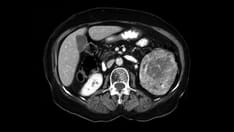
- Other imaging studies that may be used as backup to ultrasonography include CT scan and MRI. CT findings in early PID include obscuration of the pelvic floor fascial planes, cervicitis, oophoritis, salpingitis, thickening of the uterosacral ligaments, and simple fluid in the pelvis and reproductive structures. Later findings include the development of complex fluid and frank abscess formation and reactive inflammation of adjacent structures.
Procedures
- The definitive criteria for diagnosis of salpingitis and/or PID include the following:
- Laparoscopic abnormalities consistent with salpingitis (criterion standard) include tubal edema and erythema and the presence of purulent exudate or acute inflammation. However, at least one study from the University of Lund, Sweden suggests poor intra- and interobserver reproducibility and reliability and diagnostic accuracy when compared with histopathologically proven PID as the criterion standard.
- Histopathologic evidence of endometritis on endometrial biopsy, or acute inflammation on fimbrial minibiopsy, which has a sensitivity and specificity for salpingitis of over 90%
- These tests are not practical for routine emergency department (ED) diagnosis of salpingitis. However, when a patient has an uncertain diagnosis or returns to the ED after failing outpatient treatment, these tests may be warranted for definitive diagnosis, and consultation with an obstetrician/gynecologist should be considered.
Medical Care
From a public health point of view, the goal is to eradicate individual infection and treat potentially infected partners to prevent further spread of STDs. For the individual, the goal of management of salpingitis is to efficiently cure acute infection, thereby preserving fertility and preventing ectopic pregnancy, as well as decreasing the risk of long-term inflammatory sequelae. Early diagnosis and treatment appear to be crucial in the preservation of future fertility. If antibiotic treatment is to prevent complications of disease, it must be initiated early in the disease process. Treatment regimens must include empiric broad-spectrum coverage of all major pathogens, including N gonorrhoeae, C trachomatis, beta-lactamase–producing anaerobes, and facultative organisms, especially group B streptococcus and E coli. A study from the University of Washington demonstrated that after appropriate antimicrobial therapy, significant decreases occurred in abnormal bleeding (60-29%), mucopurulent cervicitis (20-6%), uterine tenderness (20-6%), and histologic endometritis (38-4%) (all P <.001).
- Because of the difficulty of diagnosis and the devastating sequelae, even from mild or atypical disease, the CDC has emphasized that physicians should maintain a low threshold for diagnosis and aggressively treat the infection in women if any suspicion of disease exists. Overtreatment is preferable to missed diagnosis.
- CDC recommendations are based in part on the fact that the diagnosis and management of other common causes of lower abdominal pain (eg, ectopic pregnancy, appendicitis, functional pain) are unlikely to be impaired by initiating empiric antimicrobial treatment for salpingitis. Antibiotics should be begun as soon as the diagnosis is suspected. Paying attention to emerging resistance patterns is important.
- Since the last CDC recommendations for STDs were published in 2006, clinically significant resistance to the quinolones has developed in Hawaii and the West Coast of the United States, as well as in Asia. In April 2007, the CDC updated treatment guidelines for gonococcal infection and associated conditions. Fluoroquinolone antibiotics are no longer recommended to treat gonorrhea in the United States. The recommendation was based on analysis of new data from the CDC's Gonococcal Isolate Surveillance Project (GISP). The data from GISP showed the proportion of fluoroquinolone-resistant gonorrhea (QRNG) cases in heterosexual men reached 6.7%, an 11-fold increase from 0.6% in 2001. The data were published in the April 13, 2007 issue of the Morbidity and Mortality Weekly Report. This limits treatment of gonorrhea to drugs in the cephalosporin class (eg, ceftriaxone 125 mg IM once as a single dose).
Fluoroquinolones may be an alternative treatment option for disseminated gonococcal infection if antimicrobial susceptibility can be documented. In those patients with severe allergy to cephalosporin, spectinomycin is recommended in Europe and Canada but is currently unavailable in the United States. A 2-g dose of azithromycin may also be used in this group, but azithromycin is not routinely recommended because of concerns regarding rapid development of resistance to this antibiotic. For more information, see the CDC's Antibiotic-Resistant Gonorrhea Web site; CDC Updated Gonococcal treatment recommendations (April 2007); or Medscape Medical News on CDC Issues New Treatment Recommendations for Gonorrhea.
- Unfortunately, at least one small study in an urban teaching hospital suggests poor compliance with all portions of the CDC guidelines.
- The CDC recommends several parenteral and oral regimens in the Guidelines for Treatment of Sexually Transmitted Diseases. The CDC also has noted that little data exist on long-term outcomes with outpatient treatment. For this reason, the CDC has recommended criteria for hospital admission and intravenous antibiotic treatment. These are based on both observational data and theoretical concerns and include the following:
- Inability to exclude surgical emergencies, such as appendicitis
- Pregnant patients
- Patients who do not respond clinically to an adequate oral antibiotic regimen
- Patients who are unable to follow or tolerate an outpatient oral regimen
- Patients who have severe illness, including nausea, vomiting, or high fever
- Patients with TOA
- Patients who are immunodeficient (eg, HIV with a decreased CD4 count, taking immunosuppressant drugs, poorly controlled diabetes)
- Infections that follow placement of an IUD or after operative or diagnostic procedures are best treated in the hospital with IV antibiotics. Obtain large-bore IV access until ectopic pregnancy can be ruled out. Administer IV fluids if the patient is vomiting or dehydrated. Studies have indicated that patients with pelvic infection are not treated for pain adequately on a routine basis, and only a minority of patients receives narcotics. Treat patients with this condition promptly with analgesics. Patients also may require narcotics. Because tubal damage seems to be a result of inflammation, nonsteroidal anti-inflammatory drugs (NSAIDs) or corticosteroids are theorized to help reduce such damage. At present, studies have revealed no apparent benefit from the addition of these agents.
- Previous CDC guidelines had included hospitalization for very young patients. The basis for this argument had been that the use of parenteral antibiotics might lead to less scarring and thus preserve fertility and lead to less likelihood of ectopic pregnancy in this group. Recent data have failed to document a difference in outcome in these groups and this recommendation was dropped in the 2002 guidelines. Smith et al performed a feasibility study to determine the economic feasibility of hospitalizing young women with mild to moderate disease.8 Costs per quality adjusted life year (QALY) were calculated under various assumptions regarding the effects of hospitalization on outcomes. If hospitalization decreased PID complications by 10%, 20%, or 30%, costs/QALY were calculated at 145,000, 67,400, and 42,400 respectively. Interventions are considered to have strong evidence for adoption if cost/QALY is less than 20,000, while they are felt to have weak evidence if cost/QALY is greater than 100,000.
Surgical Care
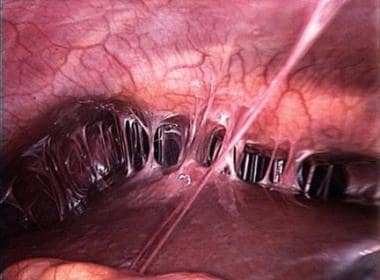
Laparoscopy is an important diagnostic and therapeutic tool, particularly when the clinical picture is not completely clear. Laparoscopy may not only aid in the diagnosis of salpingitis, but it also is useful in order to exclude other entities such as appendicitis, ovarian torsion, and endometriosis. Findings consistent with salpingitis include inflammation, free pus or purulent fluid in the cul-de-sac or pelvis, and fresh adhesions in the pelvis. In addition, laparoscopy may be therapeutic. Cultures obtained directly from the pelvis can be used to tailor antibiotic therapy. Furthermore, laparoscopic pelvic lavage, drainage of abscesses, and lysis of adhesions may aid in the treatment of this condition.
- Laparotomy generally is reserved for surgical emergencies, such as ruptured abscesses, or failed medical management of tuboovarian abscesses. Laparotomy also may be used for diagnostic purposes in cases where the patient is not a candidate for laparoscopy.
- Surgical therapy often is required for cases of salpingitis complicated by TOAs that do not respond to medical management. Persistent or recurrent TOAs require drainage. Percutaneous drainage may be accomplished either via the vagina (posterior colpotomy) or transabdominally using CT or US guidance, depending on the location of the abscess. Patients who are not good candidates for, or fail, percutaneous drainage will require surgical drainage. While reports of successful laparoscopic drainage have been described, the most common method of surgical treatment is laparotomy.
- Intraoperative findings and the patient's desire for future fertility dictate treatment. If the abscess only involves one tube and ovary, a unilateral salpingo-oophorectomy is performed and the contralateral adnexa and uterus may be conserved. However, often both adnexa and uterus are involved, requiring hysterectomy and bilateral oophorectomy.
- Chronic inflammation associated with TOAs often results in dense pelvic adhesions, making surgery particularly challenging. Ideally, surgery for recurrent disease should be performed when the acute infection has resolved, ie, the patient is afebrile with a normal white count and a relatively nontender pelvis. Intraabdominal rupture of a TOA is the most life-threatening complication of salpingitis, and treatment requires aggressive resuscitation, IV antibiotics, and emergent laparotomy with removal of free pus, abscesses, and, usually, a total abdominal hysterectomy and bilateral salpingo-oophorectomy.
Consultations
Obtain an OB/GYN consultation if the patient is pregnant, if the diagnosis is unclear, or if the patient fulfills criteria for admission to the hospital. Obtain a general surgery consultation if acute appendicitis or other surgical emergency cannot be excluded.
Diet
Diet does not appear to have an effect on PID.
Smoking was found to be an independent predictor of risk in a recent large multicenter study. The authors hypothesized that smoking might either serve as a marker for poor health seeking behavior or other risky behaviors, or alternatively, might have a biologic effect to compromise immunity or alter estrogen status.
Activity
Women should remain abstinent from sexual activity until they are cured of symptoms and they have completed their full regimen of antibiotics. See Deterrence/Prevention for more information.
The following regimens are from the 2006 guidelines of the CDC. These regimens have been chosen based on drug studies in appropriately vigorous clinical trials. Emergency medicine physicians are urged to consult any updates in the CDC recommendations because change in sensitivities and epidemiologic concerns will continue to lead to recommended changes in the treatment protocols. Fluoroquinolones are no longer recommended in the United States for gonorrheal infections because of increased resistance.
Drug Category: Parenteral antibiotics
Parenteral regimen A includes cefotetan (Cefotan) or cefoxitin (Mefoxin) plus doxycycline (Doryx, Vibra-Tabs, Vibramycin). Parenteral regimen B includes clindamycin (Cleocin) plus gentamicin (Garamycin). Alternative parenteral regimens include ampicillin/sulbactam (Unasyn) plus doxycycline (Doryx, Vibra-Tabs, Vibramycin). Fluoroquinolone antibiotic are no longer recommended unless parenteral cephalosporins are not feasible, and only if the community prevalence and individual risk of gonorrhea is low.
| Drug Name | Cefotetan (Cefotan) or cefoxitin (Mefoxin) plus doxycycline (Doryx, Vibramycin) |
| Description | Cefotetan and cefoxitin are bactericidal second-generation cephalosporins with some coverage of gram-positive bacteria and very good coverage of gram-negative and anaerobic bacteria. Superior anaerobic coverage to other second- and third-generation cephalosporins. Doxycycline is a broad-spectrum bacteriostatic antibiotic that inhibits protein synthesis. Some coverage of gram-positive, gram-negative, and anaerobic bacteria, but is used for coverage of C trachomatis. Parenteral therapy is continued until the patient has been clinically improved for 24 h. Continue PO therapy with doxycycline for a complete 2-wk course. When TOA is present, add clindamycin or metronidazole to doxycycline when IV therapy is discontinued and PO therapy is begun. This provides better coverage of anaerobic bacteria than doxycycline alone. |
| Adult Dose | Cefotetan: 2 g IV q12h or Cefoxitin: 2 g IV q6h plus Doxycycline: 100 mg PO/IV q12h |
| Pediatric Dose | Not established |
| Contraindications | Documented hypersensitivity |
| Interactions | Cephalosporins: Concomitant use with aminoglycosides can increase risk of nephrotoxicity; disulfiramlike reactions with metronidazole and concomitant alcohol consumption may occur; use with potent loop diuretics or probenecid may increase nephrotoxicity, monitor renal function; cefotetan may increase effects of anticoagulants Doxycycline: Prolongs PT in patients taking warfarin; antacids, bicarbonate, calcium, and iron supplements decrease its absorption; concomitant use with PO contraceptives may decrease the effectiveness of OCPs; when used in combination with phenytoin or carbamazepine, hepatic metabolism may be induced and doxycycline efficacy may be reduced |
| Pregnancy | D - Fetal risk shown in humans; use only if benefits outweigh risk to fetus
|
| Precautions | Cephalosporins: Adjust dose in severe renal insufficiency (high doses may cause CNS toxicity); superinfections and promotion of nonsusceptible organisms may occur with prolonged use or repeated therapy Doxycycline: May cause photosensitivity, avoid exposure to sunlight or UV radiation; use during tooth development (half way through pregnancy to age 8 y) may cause permanent discoloration of teeth; adjust dosage for decreased renal function and patients with liver disease; may cause severe pain at site of IV infusion; caution in patients with penicillin allergy or renal or hepatic dysfunction |
| Drug Name | Clindamycin (Cleocin) plus gentamicin (Garamycin) |
| Description | Clindamycin is a bacteriostatic antibiotic that reversibly inhibits protein synthesis. Good gram-positive coverage (not MRSA or enterococci) and excellent anaerobic coverage but no gram-negative coverage. Gentamicin is a bactericidal aminoglycoside antibiotic that irreversibly inhibits protein synthesis. Excellent aerobic gram-negative coverage but is not effective against anaerobes. Single daily dosing may be administered, although single-dose therapy has not been evaluated for the treatment of salpingitis (it has been demonstrated to be effective in similar clinical situations). May discontinue parenteral therapy 24 h after clinical improvement. |
| Adult Dose | Clindamycin: 900 mg IV q8h plus Gentamicin: 2 mg/kg IV/IM loading dose, followed by 1.5 mg/kg q8h maintenance Continued therapy: Doxycycline 100 mg PO bid or clindamycin 450 mg PO qid for 14 d When TOA is present, clindamycin is preferred as continued therapy rather than doxycycline because it has superior anaerobic coverage |
| Pediatric Dose | Not established |
| Contraindications | Documented hypersensitivity; clindamycin is contraindicated in regional enteritis or ulcerative colitis |
| Interactions | Clindamycin: Enhances action of nondepolarizing muscle relaxants Gentamicin: Some cephalosporins, vancomycin, loop diuretics, cisplatin and cyclosporin, and amphotericin B may increase risk of nephrotoxicity or ototoxicity; aminoglycosides potentiate effects of neuromuscular blockers |
| Pregnancy | C - Fetal risk revealed in studies in animals but not established or not studied in humans; may use if benefits outweigh risk to fetus
|
| Precautions | Clindamycin: Caution in severe renal disease; reduce dosage in severe liver dysfunction; associated with development of pseudomembranous colitis; may cause elevated LFTs Gentamicin: Markedly reduced dosage required in patients with decreased renal function, monitor renal function during treatment; can cause nephrotoxicity, ototoxicity, and fever; supplemental dose suggested for patients on dialysis; caution in myasthenia gravis |
| Drug Name | Ampicillin/sulbactam (Unasyn) plus doxycycline (Doryx, Vibra-Tabs, Vibramycin) |
| Description | Unasyn is a beta-lactamase–resistant bactericidal semisynthetic penicillin antibiotic that inhibits cell wall biosynthesis. Good coverage against gram-positive, gram-negative, and anaerobic bacteria. Does not cover MRSA, Pseudomonas aeruginosa, or certain resistant nosocomial organisms. Doxycycline is a broad-spectrum bacteriostatic antibiotic that inhibits protein synthesis. Some coverage of gram-positive, gram-negative, and anaerobic bacteria but is used for coverage of C trachomatis. |
| Adult Dose | Ampicillin/sulbactam: 3 g IV q6h plus Doxycycline: 100 mg PO/IV q12h |
| Pediatric Dose | Not established |
| Contraindications | Documented hypersensitivity |
| Interactions | Ampicillin/sulbactam: Concomitant use with allopurinol may increase incidence of rash; may decrease the efficacy of OCPs, use backup contraception; probenecid may be used to augment efficacy of ampicillin/sulbactam because it decreases renal excretion and increases concentration of ampicillin Doxycycline: Prolongs PT in patients taking warfarin; antacids, bicarbonate, calcium, and iron supplements decrease its absorption; concomitant use with PO contraceptives may decrease the effectiveness of OCPs; when used in combination with phenytoin or carbamazepine, hepatic metabolism may be induced and doxycycline efficacy may be reduced |
| Pregnancy | D - Fetal risk shown in humans; use only if benefits outweigh risk to fetus
|
| Precautions | Ampicillin/sulbactam: Adjust dosage in impaired renal function; caution in patients with allergy to cephalosporin; risk of rash is increased in patients with mononucleosis Doxycycline: May cause photosensitivity, avoid exposure to sunlight or UV radiation; use during tooth development (half way through pregnancy to age 8 y) may cause permanent discoloration of teeth; adjust dosage for decreased renal function and liver disease; may cause severe pain at site of IV infusion |
Drug Category: Oral antibiotics
Outpatient regimen A includes ceftriaxone (Rocephin) IM plus doxycycline PO with or without metronidazole (Flagyl). Outpatient regimen B includes cefoxitin (Mefoxin) plus probenecid or other third-generation cephalosporin plus doxycycline (Doryx, Vibra-Tabs, Vibramycin) with or without metronidazole. Use of fluoroquinolones are no longer recommended in the United States by the FDA because of resistance. Fluoroquinolones may be considered if parenteral cephalosporins therapy is not feasible and if the community prevalence and individual risk for gonorrhea is low.
| Drug Name | Ceftriaxone (Rocephin) or cefoxitin (Mefoxin) plus probenecid plus doxycycline |
| Description | Ceftriaxone has better coverage against N gonorrhoeae, but cefoxitin has better anaerobic coverage. The optimal choice of cephalosporin for outpatient regimen remains unclear. Theoretically, these regimens have limitations in their anaerobic coverage and may require the addition of metronidazole. Although oral cephalosporins are effective for treatment of cervicitis, no data support their use in treatment of upper tract disease. Probenecid increases plasma levels of weak organic acids (beta-lactam antibiotics) by completely inhibiting their renal tubular secretion. Doxycycline is a broad-spectrum bacteriostatic antibiotic that inhibits protein synthesis. Some coverage of gram-positive, gram-negative, and anaerobic bacteria, but is used for coverage of C trachomatis. |
| Adult Dose | Ceftriaxone: 250 mg IM once or Cefoxitin: 2 g IM plus Probenecid: 1 g PO once as a single dose plus Doxycycline: 100 mg PO bid for 14 d |
| Pediatric Dose | Not established |
| Contraindications | Documented hypersensitivity |
| Interactions | Cephalosporins: Concomitant use with aminoglycosides can increase the risk of nephrotoxicity; disulfiramlike reactions with metronidazole and concomitant alcohol consumption may occur; use with potent loop diuretics or probenecid may increase nephrotoxicity, monitor renal function; cefotetan may increase effects of anticoagulants Probenecid: Increases plasma concentrations of indomethacin, acetaminophen, naproxen, meclofenamate, sulindac, lorazepam, ketoprofen and rifampin; increases the total sulfonamide plasma level and enhances the action of sulfonylureas, leading to a risk of hypoglycemia; enhances the action of thiopental so that less may be required for induction of anesthesia Doxycycline: Prolongs PT in patients taking warfarin; antacids, bicarbonate, calcium, and iron supplements decrease its absorption; concomitant use with PO contraceptives may decrease the effectiveness of OCPs; when used in combination with phenytoin or carbamazepine, hepatic metabolism may be induced and doxycycline efficacy may be reduced |
| Pregnancy | D - Fetal risk shown in humans; use only if benefits outweigh risk to fetus
|
| Precautions | Cephalosporins: Adjust dosage in impaired renal function Doxycycline: May cause photosensitivity, avoid exposure to sunlight or UV radiation; use during tooth development (half way through pregnancy to age 8 y) may cause permanent discoloration of teeth; adjust dosage for decreased renal function and liver disease; may cause severe pain at site of IV infusion |
Further Inpatient Care
- All patients should demonstrate substantial clinical improvement, with decreased fever and abdominal tenderness within 48-72 hours of initiation of therapy. When a patient's condition is unchanged or has deteriorated after 3 days, either adjunctive treatment with another antibiotic regimen or laparoscopic evaluation may be warranted.
- Laparoscopy can confirm the diagnosis and exclude other entities that may require different treatment. Cultures obtained directly from the pelvis can be used to tailor antibiotic therapy. Laparoscopic pelvic lavage and drainage of abscesses have been reported to be therapeutic as well.
- In the case of a TOA, 60-80% of patients respond to antibiotics alone. The remaining 20-40% will require either percutaneous or surgical drainage (see Surgical Care).
Further Outpatient Care
- All women who are treated as outpatients with a PO regimen must be reevaluated in 48-72 hours to assess their response to PO therapy. Admit patients who are not significantly improved to the hospital for IV antibiotics. This will also allow the provider to ensure that the patient is taking prescribed antibiotics as directed. An institutional intervention study using strict guidelines, straightforward and specific patient directions, and which provided patient antibiotics, found that 57% of their patients did not follow up for care and almost 40% of patients did not complete their antibiotics as directed.
- Continue IV antibiotics until the patient has been improved for 24 hours. Then the patient can be switched to PO antibiotics.
- Continue PO antibiotics for a full 2-week course. Given that 25-60% of cases of PID are caused by mixed infection, and also that no testing method is perfect, medications should be completed once the diagnosis is made, even if the gonorrhea/chlamydia studies are negative.
- Women should remain abstinent from sexual activity until they are cured of symptoms and they have completed their full regimen of antibiotics.
- Sexual partners of women with salpingitis have rates of infection with N gonorrhoeae and/or C trachomatis of approximately 50%, and most of these individuals are asymptomatic and do not seek treatment.
- To prevent reinfection of the patient, ensure that all sex partners of women with this disease are treated before resuming unprotected intercourse.
- Treat all sex partners that the patient has had within the 60 days prior to symptom onset.
Transfer
- Patient transfer is reserved for patients who are stable and only if the hospital is unable to manage a patient with acute gynecologic conditions.
Deterrence/Prevention
- Because the sequelae of salpingitis, both overt and silent, are related to the number of infections women experience, further prevention cannot be overemphasized. Three types of prevention must be employed.
- Primary prevention involves avoiding either exposure to STDs or acquisition of infection following exposure. Counsel patients regarding safe sex practices in a manner appropriate to both the patient's understanding of sexual issues and stage of development.
- When used consistently and correctly throughout sexual activity, a condom appears to be highly effective in preventing acquisition and transmission of the organisms that cause salpingitis. Barrier methods, such as the diaphragm, appear to decrease the risk of upper tract infection. The CDC now recommends against using any form of nonoxynol-9 for STD prevention. Condoms lubricated with nonoxynol-9 have been found to offer no protection against gonorrhea or chlamydial infection. A study of sex workers in Africa demonstrated that spermicide may actually increase infection. Condoms lubricated with nonoxynol have a short shelf life.
- Advise patients to avoid high-risk sex partners and limit their number of sex partners. Patients who present for STD evaluation should be given hepatitis B vaccination or referred for vaccination. Hepatitis A vaccine should be administered, or the patient referred for vaccination, to men who have sex with men or patients who use illegal drugs.
- Prompt urination and washing of the genitals and postcoital douching have been suggested as methods of preventing STD transmission, but none has proven effective.
- Young age also is associated with both biological and behavioral factors that may increase the risk of cervical infection and salpingitis. Teenagers also apparently delay seeking treatment longer than older women. Advise these patients to delay the onset of sexual activity until at least age 16 years, and increase teenagers' awareness of symptoms of cervical infection and salpingitis.
- In addition, the use of hormonal contraception may be encouraged to help protect women from ascending infections, but it should not be substituted for barrier methods.
- In order to prevent salpingitis following gynecologic procedures, prophylactic antibiotics may be warranted in high-risk patients.
- Secondary prevention involves preventing lower genital tract infection from ascending to the upper tract or from being further transmitted in the community.
- Because many infected women have no symptoms and their partners often are asymptomatic, routine screening for Chlamydia and Gonorrhea infection is indicated.
- Early detection of lower tract infection is crucial to salpingitis prevention strategies. Treat patients with lower tract infection or presumptive lower tract infection in accordance with the CDC guidelines for cervicitis.
- Tertiary prevention involves preventing upper tract infection sequelae and educating the patient to seek early treatment for signs and symptoms of salpingitis.
Complications
- Complications of salpingitis include tubal damage and infertility; the rate of infertility increases with the degree of tubal inflammation produced and with increasing numbers of episodes of infection.
- Ectopic pregnancy is a major complication of salpingitis and is approximately 7-10 times more common in women who have had 1 episode of salpingitis.
- Other complications of the disease include chronic pelvic pain, dyspareunia, and adhesions.
Prognosis
- The prognosis for salpingitis is very good if the disease is diagnosed and treated early, although a small percentage of patients will become infertile despite early treatment.
- Prognosis is poor for patients with recurrent episode of disease.
Patient Education
- Studies have shown that only about one third of patients understood their diagnosis of salpingitis, and 30% of patients had poor understanding of the disease.
- In the past, 60-70% of patients were thought to be compliant with the treatment regimens that they were prescribed. However, multiple studies have demonstrated recently that the rate of strict compliance with oral doxycycline therapy for outpatient treatment of salpingitis is approximately 25%, and another 50% of patients are only somewhat compliant, stopping therapy early. Approximately 20-25% of patients never even fill their prescriptions. In addition, only a small minority of patients follows up with an OB/GYN within 3 days of their ED visit.
- Therapeutic levels of antibiotic must be maintained for several days to ensure eradication of the infectious organisms. Because 80% of PID cases are treated on an outpatient basis, success depends highly on patients' compliance with their antibiotic regimen. For this reason, the ED physician must spend time to educate these patients about the potential long-term complications of their illness, about why they must finish the full 14 days of medications, and about the need for follow-up with a gynecologist.
- Educate patients about behavioral and contraceptive methods to prevent acquisition of STDs, as well as about the importance of treatment of their partners to prevent reinfection.
- Counsel patients about HIV testing and hepatitis B and A vaccinations.
- For excellent patient education resources, visit eMedicine's Pregnancy and Reproduction Center. Also, see eMedicine's patient education articles Birth Control Overview and Birth Control FAQs.
Medical/Legal Pitfalls
- The most serious potential pitfall is failing to test for pregnancy and thereby missing an ectopic pregnancy.
- Another pitfall is failure to diagnose and treat mild or atypical cases in a timely fashion or to misdiagnose them as a simple urinary tract infection (UTI) due to not performing a pelvic examination.
- In the ED, patients often leave false phone numbers or are unable to be contacted for follow-up. When patients are diagnosed with possible salpingitis in the ED, discharging them and withholding treatment pending culture results is a pitfall unless adequate follow-up is ensured. If this cannot be accomplished, treat patients empirically to avoid progression to upper tract disease and possible long-term sequelae.
- Remember that all patients also must be tested for syphilis.
- A frequent major oversight is the importance of adequate patient education in an attempt to encourage follow-up and compliance with medications, as well as prevention of future episodes. Additionally, failure to appropriately treat sexual partners is a common pitfall.
- den Hartog JE, Ouburg S, Land JA, Lyons JM, Ito JI, Peña AS. Do host genetic traits in the bacterial sensing system play a role in the development of Chlamydia trachomatis-associated tubal pathology in subfertile women?. BMC Infect Dis. 2006;6:122. [Medline].
- Ness RB, Hillier SL, Kip KE, et al. Bacterial vaginosis and risk of pelvic inflammatory disease. Obstet Gynecol. Oct 2004;104(4):761-9. [Medline].
- Cherpes TL, Wiesenfeld HC, Melan MA, Kant JA, Cosentino LA, Meyn LA. The associations between pelvic inflammatory disease, Trichomonas vaginalis infection, and positive herpes simplex virus type 2 serology. Sex Transm Dis. Dec 2006;33(12):747-52. [Medline].
- Sutton MY, Sternberg M, Zaidi A, St Louis ME, Markowitz LE. Trends in pelvic inflammatory disease hospital discharges and ambulatory visits, United States, 1985-2001. Sex Transm Dis. Dec 2005;32(12):778-84. [Medline].
- Washington AE, Katz P. Cost of and payment source for pelvic inflammatory disease. Trends and projections, 1983 through 2000. JAMA. Nov 13 1991;266(18):2565-9. [Medline].
- Mahon BE, Temkit M, Wang J, Rosenman MB, Katz BP. Pelvic inflammatory disease during the post-partum year. Infect Dis Obstet Gynecol. Dec 2005;13(4):191-6. [Medline].
- Viberga I, Odlind V, Lazdane G, Kroica J, Berglund L, Olofsson S. Microbiology profile in women with pelvic inflammatory disease in relation to IUD use. Infect Dis Obstet Gynecol. Dec 2005;13(4):183-90. [Medline].
- Smith KJ, Ness RB, Roberts MS. Hospitalization for pelvic inflammatory disease: a cost-effectiveness analysis. Sex Transm Dis. Feb 2007;34(2):108-12. [Medline].
- Abbuhl S, Shofer F, Reyes I. Pelvic inflammatory disease: Do we treat for pain?. Ann Emerg Med. 1992;21:640.
- Abbuhl S, Sternhagen A, Campbell E. Emergency department patients with PID: Do they understand their diagnosis?. Ann Emerg Med. 1989;18:436.
- Adams AL, Southwick KL, Jui J, Loveless MO, Kohn MA. Electronic reporting of pelvic inflammatory disease from an emergency department. Sex Transm Dis. Jun 2004;31(6):327-30. [Medline].
- Augenbraun M, Bachmann L, Wallace T. Compliance with doxycycline therapy in sexually transmitted diseases clinics. Sex Transm Dis. Jan 1998;25(1):1-4. [Medline].
- Blake DR, Fletcher K, Joshi N, Emans SJ. Identification of symptoms that indicate a pelvic examination is necessary to exclude PID in adolescent women. J Pediatr Adolesc Gynecol. Feb 2003;16(1):25-30. [Medline].
- Brook I. Microbiology and management of polymicrobial female genital tract infections in adolescents. J Pediatr Adolesc Gynecol. Aug 2002;15(4):217-26. [Medline].
- Brook I. The role of beta-lactamase-producing bacteria in obstetrical and gynecological infections. Gynecol Obstet Invest. 1991;32(1):44-50. [Medline].
- Bulas DI, Ahlstrom PA, Sivit CJ. Pelvic inflammatory disease in the adolescent: comparison of transabdominal and transvaginal sonographic evaluation. Radiology. May 1992;183(2):435-9. [Medline].
- CDC. Update to CDC's sexually transmitted diseases treatment guidelines, 2006: fluoroquinolones no longer recommended for treatment of gonococcal infections. MMWR Morb Mortal Wkly Rep. Apr 13 2007;56(14):332-6. [Medline]. [Full Text].
- CDC, Workowski KA, Berman SM. Sexually transmitted diseases treatment guidelines, 2006. MMWR Recomm Rep. Aug 4 2006;55(RR-11):1-94. [Medline]. [Full Text].
- Cohen CR, Mugo NR, Astete SG, Odondo R, Manhart LE, Kiehlbauch JA. Detection of Mycoplasma genitalium in women with laparoscopically diagnosed acute salpingitis. Sex Transm Infect. Dec 2005;81(6):463-6. [Medline].
- Eckert LO, Thwin SS, Hillier SL, Kiviat NB, Eschenbach DA. The antimicrobial treatment of subacute endometritis: a proof of concept study. Am J Obstet Gynecol. Feb 2004;190(2):305-13. [Medline].
- Gerbase AC, Rowley JT, Heymann DH. Global prevalence and incidence estimates of selected curable STDs. Sex Transm Infect. Jun 1998;74 Suppl 1:S12-6. [Medline].
- Hadgu A, Westrom L, Brooks CA. Predicting acute pelvic inflammatory disease: a multivariate analysis. Am J Obstet Gynecol. Nov 1986;155(5):954-60. [Medline].
- Haggerty CL, Ness RB, Amortegui A, et al. Endometritis does not predict reproductive morbidity after pelvic inflammatory disease. Am J Obstet Gynecol. Jan 2003;188(1):141-8. [Medline].
- Haggerty CL, Schulz R, Ness RB, et al. Lower quality of life among women with chronic pelvic pain after pelvic inflammatory disease. Obstet Gynecol. Nov 2003;102(5 Pt 1):934-9. [Medline].
- Hemsell DL, Nobles BJ, Heard MC. Upper and lower reproductive tract bacteria in 126 women with acute pelvic inflammatory disease. Microbial susceptibility and clinical response to four therapeutic regimens. J Reprod Med. Oct 1988;33(10):799-805. [Medline].
- Kane BG, Degutis LC, Sayward HK, D'Onofrio G. Compliance with the Centers for Disease Control and Prevention recommendations for the diagnosis and treatment of sexually transmitted diseases. Acad Emerg Med. Apr 2004;11(4):371-7. [Medline].
- Laupacis A, Feeny D, Detsky AS, Tugwell PX. How attractive does a new technology have to be to warrant adoption and utilization? Tentative guidelines for using clinical and economic evaluations. CMAJ. Feb 15 1992;146(4):473-81. [Medline].
- McCormack WM. Pelvic inflammatory disease. N Engl J Med. Jan 13 1994;330(2):115-9. [Medline].
- Miller KE, Ruiz DE, Graves JC. Update on the prevention and treatment of sexually transmitted diseases. Am Fam Physician. May 1 2003;67(9):1915-22. [Medline].
- Miller WC. Screening for chlamydial infection: are we doing enough?. Lancet. Feb 5-11 2005;365(9458):456-8. [Medline].
- Molander P, Finne P, Sjoberg J, et al. Observer agreement with laparoscopic diagnosis of pelvic inflammatory disease using photographs. Obstet Gynecol. May 2003;101(5 Pt 1):875-80. [Medline].
- Mollen CJ, Pletcher JR, Bellah RD, Lavelle JM. Prevalence of tubo-ovarian abscess in adolescents diagnosed with pelvic inflammatory disease in a pediatric emergency department. Pediatr Emerg Care. Sep 2006;22(9):621-5. [Medline].
- Morcos R, Frost N, Hnat M. Laparoscopic versus clinical diagnosis of acute pelvic inflammatory disease. J Reprod Med. Jan 1993;38(1):53-6. [Medline].
- Mugo NR, Kiehlbauch JA, Nguti R, Meier A, Gichuhi JW, Stamm WE. Effect of human immunodeficiency virus-1 infection on treatment outcome of acute salpingitis. Obstet Gynecol. Apr 2006;107(4):807-12. [Medline].
- Ness RB, Keder LM, Soper DE. Oral contraception and the recognition of endometritis. Am J Obstet Gynecol. Mar 1997;176(3):580-5. [Medline].
- Ness RB, Kip KE, Hillier SL, Soper DE, Stamm CA, Sweet RL. A cluster analysis of bacterial vaginosis-associated microflora and pelvic inflammatory disease. Am J Epidemiol. Sep 15 2005;162(6):585-90. [Medline].
- Ness RB, Smith KJ, Chang CC, Schisterman EF, Bass DC,. Prediction of pelvic inflammatory disease among young, single, sexually active women. Sex Transm Dis. Mar 2006;33(3):137-42. [Medline].
- Padian NS, Washington AE. Pelvic inflammatory disease. A brief overview. Ann Epidemiol. Mar 1994;4(2):128-32. [Medline].
- Peipert JF, Boardman L, Hogan JW. Laboratory evaluation of acute upper genital tract infection. Obstet Gynecol. May 1996;87(5 Pt 1):730-6. [Medline].
- Peipert JF, Montagno AB, Cooper AS. Bacterial vaginosis as a risk factor for upper genital tract infection. Am J Obstet Gynecol. Nov 1997;177(5):1184-7. [Medline].
- Ratelle S, Yokoe D, Blejan C, et al. Predictive value of clinical diagnostic codes for the CDC case definition of pelvic inflammatory disease (PID): implications for surveillance. Sex Transm Dis. Nov 2003;30(11):866-70. [Medline].
- Risser WL, Cromwell PF, Bortot AT, Risser JM. Impact of new diagnostic criteria on the prevalence and incidence of pelvic inflammatory disease. J Pediatr Adolesc Gynecol. Feb 2004;17(1):39-44. [Medline].
- Rothman KJ, Funch DP, Alfredson T, et al. Randomized field trial of vaginal douching, pelvic inflammatory disease and pregnancy. Epidemiology. May 2003;14(3):340-8. [Medline].
- Sam JW, Jacobs JE, Birnbaum BA. Spectrum of CT findings in acute pyogenic pelvic inflammatory disease. Radiographics. Nov-Dec 2002;22(6):1327-34. [Medline].
- Sellors JW, Mahony JB, Chernesky MA. Tubal factor infertility: an association with prior chlamydial infection and asymptomatic salpingitis. Fertil Steril. Mar 1988;49(3):451-7. [Medline].
- Shannon C, Brothers LP, Philip NM, Winikoff B. Infection after medical abortion: a review of the literature. Contraception. Sep 2004;70(3):183-90. [Medline].
- Simms I, Eastick K, Mallinson H, et al. Associations between Mycoplasma genitalium, Chlamydia trachomatis and pelvic inflammatory disease. J Clin Pathol. Aug 2003;56(8):616-8. [Medline].
- Simms I, Warburton F, Weström L. Diagnosis of pelvic inflammatory disease: time for a rethink. Sex Transm Infect. Dec 2003;79(6):491-4. [Medline].
- Simpson T, Merchant J, Grimley DM, Oh MK. Vaginal douching among adolescent and young women: more challenges than progress. J Pediatr Adolesc Gynecol. Aug 2004;17(4):249-55. [Medline].
- Song AH, Advincula AP. Adolescent chronic pelvic pain. J Pediatr Adolesc Gynecol. Dec 2005;18(6):371-7. [Medline].
- Soper DE. Pelvic inflammatory disease. Infect Dis Clin North Am. Dec 1994;8(4):821-40. [Medline].
- Sweet RL, Bartlett JG, Hemsell DL, Solomkin JS, Tally F. Evaluation of new anti-infective drugs for the treatment of acute pelvic inflammatory disease. Infectious Diseases Society of America and the Food and Drug Administration. Clin Infect Dis. Nov 1992;15 Suppl 1:S53-61. [Medline].
- Sweet RL, Schachter J, Landers DV. Treatment of hospitalized patients with acute pelvic inflammatory disease: comparison of cefotetan plus doxycycline and cefoxitin plus doxycycline. Am J Obstet Gynecol. Mar 1988;158(3 Pt 2):736-41. [Medline].
- Trent M, Judy SL, Ellen JM, Walker A. Use of an institutional intervention to improve quality of care for adolescents treated in pediatric ambulatory settings for pelvic inflammatory disease. J Adolesc Health. Jul 2006;39(1):50-6. [Medline].
- Washington AE, Cates W, Wasserheit JN. Preventing pelvic inflammatory disease. JAMA. Nov 13 1991;266(18):2574-80. [Medline].
- Yealy DM, Greene TJ, Hobbs GD. Underrecognition of cerv
|