Continually Updated Clinical Reference
 
 
  All Sources     eMedicine     Medscape     Drug Reference     MEDLINE
 
eMedicine - Pancreatitis, Chronic : Article by

Quick Find
Authors & Editors
Introduction
Clinical
Differentials
Workup
Treatment
Medication
Follow-up
Miscellaneous
Multimedia
References

Related Articles
Ampullary Carcinoma

Cholangitis

Cholecystitis

Crohn Disease

Gastritis, Chronic

Intestinal Perforation

Mesenteric Artery Ischemia

Myocardial Infarction

Pancreatic Cancer

Peptic Ulcer Disease

Pneumonia, Community-Acquired


Patient Education
Liver, Gallbladder, and Pancreas Center

Cancer and Tumors Center

Pancreatitis Overview

Pancreatitis Causes

Pancreatitis Symptoms

Pancreatitis Treatment

Pancreatic Cancer Overview


Author: Kamil Obideen, MD, Assistant Professor of Medicine, Division of Digestive Diseases, Emory University School of Medicine; Consulting Staff, Division of Gastrointestinal Endoscopy, Atlanta Veterans Affairs Medical Center

Kamil Obideen is a member of the following medical societies: American College of Gastroenterology, American Gastroenterological Association, and American Society for Gastrointestinal Endoscopy

Coauthor(s): Paul Yakshe, MD, Assistant Professor of Medicine, University of Minnesota, Medical Director of Pancreas and Biliary Clinic, Department of Medicine, Division of Gastroenterology, Hepatology, and Nutrition, Fairview University Medical Center; Mohammad Wehbi, MD, Assistant Professor of Medicine, Associate Program Director, Department of Gastroenterology, Atlanta Veterans Affairs Medical Center, Emory University School of Medicine

Editors: Tushar Patel, MB, ChB, Professor of Medicine, Director of Hepatology, Ohio State University Medical Center; Francisco Talavera, PharmD, PhD, Senior Pharmacy Editor, eMedicine; Noel Williams, MD, Professor Emeritus, Department of Medicine, Dalhousie University, Halifax, Nova Scotia, Canada; Professor, Department of Internal Medicine, Division of Gastroenterology, University of Alberta, Edmonton, Alberta, Canada; Alex J Mechaber, MD, FACP, Assistant Dean for Medical Curriculum, Associate Professor of Medicine, Division of General Internal Medicine, University of Miami Miller School of Medicine; Julian Katz, MD, Clinical Professor of Medicine, Drexel University College of Medicine; Consulting Staff, Department of Medicine, Section of Gastroenterology and Hepatology, Hospital of the Medical College of Pennsylvania

Author and Editor Disclosure

Synonyms and related keywords: continuing inflammatory disease of the pancreas, inflamed pancreas, pancreas inflammation, pancreatic inflammation, chronic pancreatitis, pancreatic disease, lithostathine, pancreatic stone protein, alcoholism, alcohol-induced pancreatitis, pancreatic fibrogenesis, abdominal pain, steatorrhea, pancreatic exocrine insufficiency, decreased subcutaneous fat, temporal wasting, sunken supraclavicular fossa, pancreatic fibrosis, alcoholic chronic pancreatitis, hereditary pancreatitis, serine protease inhibitor Kazal type 1 gene, SPINK1 gene, cystic fibrosis, cystic fibrosis transmembrane regulator gene, CFTR gene, hyperlipidemia, hypercalcemia, hyperparathyroidism, nutritional chronic pancreatitis, tropical chronic pancreatitis, idiopathic chronic pancreatitis, obstruction of the flow of pancreatic juice, annular pancreas divisum, minor papilla stenosis, blunt abdominal trauma, blunt abdominal accidents, papillary stenosis, autoimmune pancreatitis, hypergammaglobulinemia, eosinophilia, positive fluorescent antinuclear antibody, positive FANA, anticarbonic anhydrase II, antilactoferrin antibodies, primary biliary cirrhosis, primary sclerosing cholangitis, Sjögren syndrome

Background

Chronic pancreatitis is commonly defined as a continuing chronic inflammatory process of the pancreas, characterized by irreversible morphological changes. This chronic inflammation can lead to chronic abdominal pain and/or impairment of endocrine and exocrine function of the pancreas. Chronic pancreatitis usually is envisioned as an atrophic fibrotic gland with dilated ducts and calcifications. However, findings on conventional diagnostic studies may be normal in the early stages of chronic pancreatitis, as the inflammatory changes can be seen only by histologic examination.

By definition, chronic pancreatitis is a completely different process from acute pancreatitis. In acute pancreatitis, the patient presents with acute and severe abdominal pain, nausea, and vomiting. The pancreas is acutely inflamed (neutrophils and edema), and the serum levels of pancreatic enzymes (amylase and lipase) are elevated. Full recovery is observed in most patients with acute pancreatitis, whereas in chronic pancreatitis, the primary process is a chronic irreversible inflammation (monocyte and lymphocyte) that leads to fibrosis with calcification. The patient with chronic pancreatitis clinically presents with chronic abdominal pain and normal or mildly elevated pancreatic enzyme levels; when the pancreas lose its endocrine and exocrine function, the patient presents with diabetes mellitus and steatorrhea.

Pathophysiology

The proposed pathologic mechanisms of chronic pancreatitis are as follows:

  • Intraductal plugging and obstruction (eg, ETOH abuse, stones, tumors)
  • Direct toxins and toxic metabolites: These act on the pancreatic acinar cell to stimulate the release of cytokines, which stimulate the stellate cell to produce collagen and to establish fibrosis. Cytokines also act to stimulate inflammation by neutrophils, macrophages, and lymphocytes (eg, ETOH, tropical sprue).
  • Oxidative stress (eg, idiopathic pancreatitis)
  • Necrosis-fibrosis (recurrent acute pancreatitis that heals with fibrosis)
  • Ischemia (from obstruction and fibrosis), which is important in exacerbating or perpetuating disease rather than in initiating disease
  • Autoimmune disorders: Chronic pancreatitis has been found in association with other autoimmune diseases, such as Sjögren syndrome, primary biliary cirrhosis, and renal tubular acidosis. 

Autoimmune pancreatitis is a recently described new entity. Clinical characteristics include symptomatic or asymptomatic diffuse enlargement of the pancreas, diffuse and irregular narrowing of the main pancreatic duct, increased circulating levels of gamma globulin, the presence of autoantibodies, and a possible association with other autoimmune diseases. Fibrosis with lymphocytic infiltration is seen on pathology. The disorder is associated with elevated immunoglobulin G4 (IgG4) concentrations. While alcohol greatly influences the understanding of its pathophysiology because it is the most common etiology (60-70%), approximately 20-30% of cases are idiopathic and 10% of cases are due to rare diseases.

Although a linear relationship exists between the amount of alcohol ingested and the risk of developing chronic pancreatitis, the fact that fewer than 10% of people with alcoholism actually develop the disease is not understood.

In the affected gland, alcohol appears to increase protein secretion from acinar cells while decreasing fluid and bicarbonate production from ductal epithelial cells. The resulting viscous fluid results in proteinaceous debris becoming inspissated within the lumen, causing ductular obstruction, upstream acinar atrophy, and fibrosis. GP2, which is secreted from the acinar cell and homologous to a protein involved in renal tubular casts, is an integral component of these ductal plugs. Lithostathine (formerly pancreatic stone protein), which also is produced by acinar cells, accounts for about 5% of secretory protein and inhibits the growth of calcium carbonate crystals. Abnormal lithostathine S1, whether inherited or acquired through trypsin digestion, appears to play a role in stone formation; it is insoluble at the neutral pH of pancreatic juice and is the major constituent of pancreatic stones.

A competing theory suggests that the persistent demands of metabolizing alcohol (and probably other xenobiotics, such as drugs, tobacco smoke, environmental toxins, and pollution) causes oxidative stress within the pancreas and may lead to cellular injury and organ damage, especially in the setting of malnutrition. Both oxidative and nonoxidative pathways metabolize ethanol. Alcohol dehydrogenase oxidatively metabolizes ethanol first to acetaldehyde and then to acetate. When the alcohol concentration increases, cytochrome P-450 2E1 is induced to meet the metabolic demands. Although these reactions occur principally in the liver, further increases in ethanol concentration induce pancreatic cytochrome P-450 2E1, and the level of acetate within the pancreas begins to approach that observed in the liver. Reactive oxygen species produced by this reaction may overwhelm cellular defenses and damage important cellular processes.

In an effort to explain why so few people with alcoholism actually develop chronic pancreatitis, researchers have studied genetic polymorphisms of ethanol-oxidizing enzymes; to date, none have correlated with a susceptibility to alcohol-induced pancreatitis. Although nonoxidative metabolism of ethanol is a minor pathway, the fatty acid ethyl esters produced by this reaction may cause cellular injury and are synthesized in the pancreas to a greater extent than in other organ systems.

Whatever the etiology of chronic pancreatitis, pancreatic fibrogenesis appears to be a typical response to injury. This involves a complex interplay of growth factors, cytokines, and chemokines, leading to deposition of extracellular matrix and fibroblast proliferation. In pancreatic injury, local expression and release of transforming growth factor–beta (TGF-beta) stimulates the growth of cells of mesenchymal origin and enhances synthesis of extracellular matrix proteins, such as collagens, fibronectin, and proteoglycans.

Recent evidence indicates involvement of distinct chemokines in the initiation and perpetuation of chronic pancreatitis.

Frequency

United States

Based on estimates from hospital discharge data in the United States, approximately 87,000 cases of pancreatitis occur annually.

International

Comparing the hospital admissions data from several cities around the globe, the overall frequency is similar. Expressed as number of cases per 1000 hospital admissions, the value for Marseille is 3.1, for Cape Town is 4.4, for Sao Paulo is 4.9, and for Mexico City is 4.4. When the data from several centers are compared over time, the incidence of chronic pancreatitis from 1945-1985 appears to be increasing.

Mortality/Morbidity

No data exist on the extent of the disability resulting from benign pancreatic diseases.

Race

Hospitalization rates for blacks are 3 times higher than for whites in the United States.

Sex

  • In population studies, males are affected more commonly than females (6.7 vs 3.2 per 100,000 population).
  • Differences in the hospitalization rates of patients with chronic pancreatitis exist with respect to sex. Rates in males peak at age 45-54 years and then decline; female rates reach a plateau, which remains stable after age 35 years.
  • Sex differences with respect to etiology also exist. Alcohol-induced illness is more prevalent in males, idiopathic and hyperlipidemic-induced pancreatitis is more prevalent in females, and equal sex ratios are observed in chronic pancreatitis associated with hereditary pancreatitis.

Age

In aggregate, the mean age at diagnosis is 46 years, plus or minus 13 years. In idiopathic chronic pancreatitis, a bimodal age distribution has been reported, designated as early-onset form (median age 19.2 y) and late-onset form (median age 56.2 y).


History

For most patients with chronic pancreatitis, abdominal pain is the presenting symptom. Either the patient's age or the etiology of the disease has some influence on the frequency of this presentation. Ninety-six percent of those with early-onset idiopathic pancreatitis present with abdominal pain, compared with 77% with alcohol-induced disease and 54% with late-onset idiopathic chronic pancreatitis.

Clinically, the patient experiences intermittent attacks of severe pain, often in the mid or left upper abdomen and occasionally radiating in a bandlike fashion or localized to the mid back. The pain may occur either after meals or independently of meals, but it is not fleeting or transient and tends to last at least several hours. Unfortunately, patients often are symptomatic for years before the diagnosis is established; the average time from the onset of symptoms until a diagnosis of chronic pancreatitis is 62 months, add or subtract 4 months. The delay in diagnosis is even longer in people without alcoholism, in whom the average time is 81 months from onset of symptoms to diagnosis.

  • The natural history of pain in chronic pancreatitis is highly variable. Most patients experience intermittent attacks of pain at unpredictable intervals, while a minority of patients experience chronic pain. In most patients, pain severity either decreases or resolves over 5-25 years. Nevertheless, ignoring pain relief with the expectation that the disease eventually will resolve itself is inappropriate. In alcohol-induced disease, eventual cessation of alcohol intake may reduce the severity of pain. Variability in the pain pattern contributes to the delay in diagnosis and makes determining the effect of any therapeutic intervention difficult.
  • Other symptoms associated with chronic pancreatitis include diarrhea and weight loss. This may be due either to fear of eating (eg, postprandial exacerbation of pain) or due to pancreatic exocrine insufficiency and steatorrhea.
  • A small percentage of patients (20%) have painless chronic pancreatitis and present with signs or symptoms of pancreatic exocrine or endocrine insufficiency.

Physical

  • In most instances, the standard physical examination does not help to establish a diagnosis of chronic pancreatitis; however, a few points are noteworthy.
  • During an attack, patients may assume a characteristic position in an attempt to relieve their abdominal pain (eg, lying on the left side, flexing the spine and drawing the knees up toward the chest).
  • Funduscopic examination may reveal a milky white hue in the retinal blood vessels when hyperlipidemia is present.
  • Occasionally, a tender fullness or mass may be palpated in the epigastrium, suggesting the presence of a pseudocyst or an inflammatory mass in the abdomen. Patients with advanced disease (ie, patients with steatorrhea) exhibit decreased subcutaneous fat, temporal wasting, sunken supraclavicular fossa, and other physical signs of malnutrition.

Causes

  • The cause of chronic pancreatitis usually is metabolic in nature.
    • Excessive alcohol consumption is the most common cause, accounting for about 60% of all cases. Because fewer than 5-10% of people with alcoholism develop the disease, other factor(s) must place these individuals at risk. Recently, a mutation in the gene encoding the serine protease inhibitor, Kazal type 1, was identified in patients with chronic pancreatitis. The N34S mutation was detected in 5.8% of 274 patients with alcoholic chronic pancreatitis compared to 1.0% of people with alcoholism without pancreatitis. Although all patients were heterozygous for the mutation, it provides evidence for abnormalities in the pancreatic protease/protease inhibitor system playing a role in the pathogenesis of alcoholic chronic pancreatitis.
    • Several inherited disorders also are considered metabolic in origin. Hereditary pancreatitis is an autosomal dominant disorder with an 80% penetrance, accounting for about 1% of cases. Research of families with hereditary pancreatitis has led to the identification of several mutations in the cationic trypsinogen gene on chromosome 7. These mutations apparently render the activated enzyme resistant to second-line proteolytic control mechanisms. Mutations were found in the pancreatic secretory serine protease inhibitor Kazal type 1 (SPINK1) gene in 18 of 96 patients with idiopathic or hereditary chronic pancreatitis.
    • Cystic fibrosis, one of the most common genetic abnormalities, is an autosomal recessive disorder accounting for a small percent of patients with chronic pancreatitis. The cystic fibrosis transmembrane regulator (CFTR) gene transcribes a protein important in regulating chloride transport across cellular membranes. Several hundred mutations of the CFTR gene have been identified, and the clinical manifestation of any given mutation depends on how severely it affects the protein's ability to regulate chloride transport. This leads to clinical manifestations ranging from severe chronic pancreatitis associated with classic pulmonary disease to chronic pancreatitis associated with relatively normal respiratory function.
    • Hyperlipidemia (usually type I and type V) also may cause chronic pancreatitis; however, it usually presents with repeated attacks of acute pancreatitis.
    • Hypercalcemia due to hyperparathyroidism now is a rare cause of chronic pancreatitis, probably because automation of serum chemistries reveals hypercalcemia before it results in pancreatitis.
    • Nutritional, or tropical, chronic pancreatitis is rare in the United States, but it is an important cause of disease in other parts of the world.
    • Medications are an infrequent, or possibly underrecognized, cause of chronic pancreatitis.
  • Idiopathic chronic pancreatitis, which accounts for approximately 30% of cases, has been subdivided into early-onset and late-onset forms arbitrarily. While the cause is not yet known, some evidence points to atypical genetic mutations in CFTR, cationic trypsinogen, and possibly other proteins.
  • Obstruction of the flow of pancreatic juice can cause chronic pancreatitis. Obstructive forms account for less than 10% of cases and may be congenital or acquired.
    • Congenital abnormalities, such as pancreas divisum and annular pancreas divisum, are uncommon (even rare) causes of chronic pancreatitis and usually require an additional factor to induce chronic pancreatitis. For example, while pancreas divisum usually does not cause chronic pancreatitis, patients with divisum and minor papilla stenosis are at risk. In these patients, clear evidence of disease exists in the dorsal pancreas, whereas the ventral pancreas is normal histologically.
    • Acquired obstructive forms typically result from blunt abdominal trauma or accidents involving motor vehicles, bicycles, horses, and, on occasion, severe falls. In these cases, the pancreas is whiplashed against the spine, causing trauma to the ductal system, resulting in a stricture close to the surgical genu. In rare instances, chronic inflammatory conditions affecting the duodenum, or primarily the duodenal papilla, can induce fibrosis and papillary stenosis in a subset of patients, leading to chronic pancreatitis.
  • Autoimmune pancreatitis is uncommon and accounts probably for less than 1% of cases of chronic pancreatitis. Clinical characteristics include symptomatic or asymptomatic diffuse enlargement of the pancreas, diffuse and irregular narrowing of the main pancreatic duct, increased circulating levels of gamma globulin, the presence of autoantibodies, and a possible association with other autoimmune diseases. Fibrosis with lymphocytic infiltration is seen on pathology with an elevated level of IgG4. Secondary forms of autoimmune chronic pancreatitis are associated with primary biliary cirrhosis, primary sclerosing cholangitis, and Sjögren syndrome.


Ampullary Carcinoma
Cholangitis
Cholecystitis
Crohn Disease
Gastritis, Chronic
Intestinal Perforation
Mesenteric Artery Ischemia
Myocardial Infarction
Pancreatic Cancer
Peptic Ulcer Disease
Pneumonia, Community-Acquired


Lab Studies

  • Blood tests
    • Serum amylase and lipase levels may be slightly elevated in chronic pancreatitis; high levels are found only during acute attacks of pancreatitis. In the later stages of chronic pancreatitis, atrophy of the pancreatic parenchyma can result in normal serum enzyme levels, because of significant fibrosis of the pancreas, resulting in decreased concentrations of these enzymes within the pancreas.
    • While low concentrations of serum trypsin are relatively specific for advanced chronic pancreatitis, they are not sensitive enough to be helpful in most patients with mild-to-moderate disease.
    • Laboratory studies to identify causative factors include serum calcium and triglyceride levels.
    • When common etiologies are not found, research protocols are available to test for genetic mutations in cationic trypsinogen and CFTR.
  • Fecal tests
    • Because maldigestion and malabsorption do not occur until more than 90% of the pancreas has been destroyed, steatorrhea is a manifestation of advanced chronic pancreatitis, and neither qualitative nor quantitative fecal fat analysis can detect early disease.
    • Assays of fecal chymotrypsin and human pancreatic elastase 1 have the same limitations but are useful in confirming advanced chronic pancreatitis with exocrine insufficiency.
  • Pancreatic function tests
    • Direct tests: These tests are the most sensitive and can be used to detect chronic pancreatitis at its earliest stage; however, they are somewhat invasive, labor intensive, and expensive.
      • Determination in duodenal aspirates: Intubation of the duodenum usually is performed with a Dreiling tube, which allows for separate aspiration of gastric and duodenal contents. The methodology varies depending on the specific laboratory; however, exogenous secretin with cholecystokinin (CCK) is used to achieve maximal stimulation of the pancreas. The output of pancreatic bicarbonate, protease, amylase, and lipase then is measured in the duodenal aspirates. This test currently only is available in specialized centers. While the greatest sensitivity can be obtained in prolonged infusions of secretagogue to uncover a decreased pancreatic secretory reserve, it is impractical for general clinical use.
      • Determination in pancreatic juice: This test generally is performed in conjunction with an endoscopic retrograde cholangiopancreatography (ERCP). The pancreatic duct is freely cannulated, an exogenous secretagogue is administered as above, and the pancreatic juice then is aspirated out of the duct as it is produced. The output of pancreatic bicarbonate, protease, amylase, and lipase are measured.
    • Indirect tests: Noninvasive tests of pancreatic function have been developed for detecting chronic pancreatitis. In principle, these tests work via oral administration of a complex substance that is hydrolyzed by a specific pancreatic enzyme to release a marker substance. The intestine absorbs the marker, which then is measured in the serum or urine. These tests are capable of detecting moderate-to-severe chronic pancreatitis. The presence of renal, intestinal, and liver disease may interfere with the accuracy of these tests. Neither currently is freely available in the United States.

Imaging Studies

  • Diagnosis of chronic pancreatitis requires morphologic abnormalities to appear on imaging procedures. Although advances in technology have improved the ability to detect these changes, most imaging procedures cannot depict early chronic pancreatitis because the structural changes they rely on are associated with moderate-to-advanced disease.
  • Abdominal x-ray: Pancreatic calcifications, often considered pathognomonic of chronic pancreatitis, are observed in approximately 30% of cases. Paired anteroposterior (AP) and oblique views are preferred because the vertebral column otherwise could obscure small flecks of calcium. The calcifications form within the ductal system—initially in the head, and later in the body and tail, of the gland. Calcium deposition is most common with alcoholic pancreatitis, hereditary pancreatitis, and tropical pancreatitis; however, it is rare in idiopathic pancreatitis.
  • Computed tomography scan: Computed axial tomography scan has the advantage of providing images of the pancreas of which interpretation is relatively intuitive. Although it excels at depicting the morphologic changes of advanced chronic pancreatitis described above, the subtle abnormalities of early-to-moderate chronic pancreatitis are beyond its resolution, and a normal finding on this study does not rule out chronic pancreatitis. This study is indicated to look for complications of the disease and is useful in planning surgical or endoscopic intervention. The sensitivity and the specificity of CT scan are 80% and 85%, respectively.
  • Endoscopic retrograde cholangiopancreatography: ERCP provides the most accurate visualization of the pancreatic ductal system and has been regarded as the criterion standard for diagnosing chronic pancreatitis. Conversely, one limitation of ERCP is that it cannot be used to evaluate the pancreatic parenchyma, and histologically proven chronic pancreatitis has been documented in the setting of normal findings on pancreatogram. Pancreatograms can be interpreted and classified according to several schemes, such as the Cambridge criteria. A comparison of ERCP scoring with direct pancreatic function tests demonstrated good correlation. However, pancreatography tended to show significantly more severe changes. The problems with ERCP are that it is invasive, expensive, requires complete opacification of the pancreatic duct to visualize side branches, and carries a risk (operator-dependent) of pancreatitis.
  • Magnetic resonance cholangiopancreatography: Magnetic resonance cholangiopancreatography (MRCP) imaging provides information on the pancreatic parenchyma and adjacent abdominal viscera, and MRCP uses heavily T2-weighted images to visualize the biliary and pancreatic ductal system. The use of secretin during the study enhances the quality of the pancreatogram. Accuracy is improving, and MRCP is relatively safe, reasonably accurate, noninvasive, fast, and very useful in planning surgical or endoscopic intervention.
  • Endoscopic ultrasonography: Recent studies suggest that endoscopic ultrasonography (EUS) may be the best test for imaging the pancreas but requires a highly skilled gastroenterologist.
    • Eleven sonographic criteria have been developed that identify characteristic findings of chronic pancreatitis. The most predictive endosonographic feature is the presence of stones. Other suggestive features include the following: visible side branches, cysts, lobularity, an irregular main pancreatic duct, hyperechoic foci and strands, dilation of the main pancreatic duct, and hyperechoic margins of the main pancreatic duct.
    • In general, the presence of 5 or more of these features is considered highly suggestive of chronic pancreatitis.
    • Before 2001, 3 or more criteria on EUS were used to diagnose chronic pancreatitis. However, more recent data suggest using 5 or more criteria to have higher specificity rather than sensitivity to diagnose chronic pancreatitis.
    • EUS may be as sensitive and specific as tube tests for both mild disease and advanced disease, especially when combined with fine needle aspiration or trucut biopsy.

Histologic Findings

In the early stages of chronic pancreatitis, the parenchyma exhibits an increase in connective tissue around the ducts and between the lobules. The degree of inflammation is minimal to moderate, consisting mostly of T lymphocytes, and a patchy, focal process unevenly affects the pancreas. With increasing severity, the connective issue progresses between the acini, which gradually become distorted and tend to disappear. In advanced disease, fibrous tissue replaces the acinar tissue, and the pancreas becomes contracted, small, and hard. The islets of Langerhans are relatively spared until very late in the disease process.

Patients can have severe histopathologic changes of chronic pancreatitis despite normal findings on imaging studies. In patients undergoing resection of the pancreas for chronic pancreatitis, focal necrosis is found in 11.9% and segmental fibrosis is observed in approximately 40% of cases.

In chronic calcific pancreatitis, plugs of precipitated protein develop within the ductal system. While they may be observed in all types of chronic pancreatitis, in alcoholic and tropical forms, these plugs tend to evolve into calculi by deposition of calcium within them. The calcified pancreatic calculi are distributed irregularly, affecting ducts of various sizes, and may be associated with ulcerations of the ductal epithelium. Periductal connective tissue may encroach on the lumen and cause ductal stenoses, creating the "chain of lakes" pancreatogram appearance observed in advanced chronic calcific pancreatitis.


Medical Care

The goals of medical treatment are to modify behaviors that may exacerbate the natural history of the disease, to enable the pancreas to heal itself, to determine the cause of abdominal pain and alleviate it, to detect pancreatic exocrine insufficiency and restore digestion and absorption to normal, and to diagnose and treat endocrine insufficiency.

  • Behavior modification
    • Cessation of alcohol consumption and tobacco smoking are important. In early-stage alcohol-induced chronic pancreatitis, lasting pain relief can occur after abstinence from alcohol, but, in advanced stages, abstinence does not always lead to symptomatic improvement. Patients continuing to abuse alcohol develop either marked physical impairment or have a death rate 3 times higher than those abstaining. Recommending abstinence from alcohol usually is not sufficient; the physician must use available resources for evaluation and treatment of alcohol and chemical dependency. Simply telling patients that they must abstain from alcohol is neither effective nor satisfactory. Successful treatment requires a team approach, including the involvement and expertise of a chemical dependency counselor and a psychologist trained in cognitive therapy.
    • Tobacco smoking is a strong and independent risk factor for chronic alcoholic pancreatitis. Because much of the reported excess morbidity and mortality in these patients is related to smoking tobacco, patients also need to overcome their tobacco addiction.
  • Pancreatic healing
    • The benefit of antioxidants in the early stages of chronic pancreatitis is still controversial.
    • Most patients can be managed medically safely. Even in patients with asymptomatic pseudocysts, relatively few develop serious complications (eg, bleeding, infection) requiring urgent surgery, and half never will require surgical intervention.
  • Alleviation of abdominal pain
    • A number of factors may contribute to the pain in chronic pancreatitis. Acute disease with inflammation and pseudocyst formation may be superimposed on chronic disease. Obstruction of the pancreatic duct by strictures or stones may cause increased duct pressure and pain. Pancreatic ischemia, with decreased pancreatic oxygenation and a decreased tissue pH, caused by a compartment syndrome, might cause pain that is relieved by duct decompression. Pancreatic and pancreatic nerves become enlarged, lose some of their cellular sheath, and are inflamed. Obstruction of the duodenum or biliary tract may worsen with acute episodes and improve with time. The principal mechanisms of pain may change with the duration of disease.
    • Diagnostic tests may be necessary to identify an anatomical explanation for the pain and to plan appropriate treatment. If no anatomical explanation for abdominal pain can be found, medical therapy can be attempted. This therapy includes pain control with analgesic agents and a trial of noncoated pancreatic enzymes. The impetus for using exogenous pancreatic enzymes to reduce pain begins with the hypothesis that stimulation of the pancreas by food causes pain. CCK is one of the possible mediators of this response.
      • This hypothesis is supported by one report that a CCK-receptor antagonist reduces pain in patients with chronic pancreatitis. Both the digestive products of a meal and the CCK-releasing factor stimulate CCK release from the duodenal mucosa. CCK acts directly on pancreatic cells and indirectly through neural pathways to stimulate the pancreas. Through unknown mechanisms, such stimulation has been hypothesized to cause pain.
      • When exogenous pancreatic enzymes are taken with a meal, CCK-releasing factors are degraded and CCK release in response to a meal is reduced as indicated by the smaller CCK. This decreases pancreatic stimulation and pain. Any benefit from this treatment is likely limited to nonalcoholic patients with early chronic pancreatitis and requires the use of uncoated preparations.
    • If conventional medical therapy is unsuccessful and the patient has severe, intractable pain, celiac ganglion blockade can be considered. This approach tries to alleviate pain by modifying afferent sensory nerves in the celiac plexus using agents that anesthetize, reduce inflammation, or destroy nerve fibers. Using alcohol injections, 12 of 23 patients obtained complete relief and 6 of 23 patients obtained partial relief of pain. However, the mean pain-free interval was only 2 months; the longest pain-free interval was only 4 months. Repeated blocks generally were not effective. Because of the risks of paralysis resulting from a transverse myelopathy and catastrophic hemorrhage resulting from injury to major abdominal vasculature, the use of alcohol blocks should be restricted to patients with intractable, severe pain due to terminal pancreatic cancer.
    • Percutaneous or endoscopic celiac nerve blocks with either alcohol or steroids have had only limited success in chronic pancreatitis and should be considered to be an unproven therapy.
  • Restoration of digestion and absorption
    • Although reduced fat intake is often recommended in patients with chronic pancreatitis, the clinical benefit is unknown. Indeed, in dogs, the efficiency of fat absorption increases with increased fat intake. Whether humans have a similar response is unknown.
    • Medium chain triglycerides are directly absorbed by the small intestine without a requirement for digestion by lipase or micellar solubilization. To supply both lipids and calories, medium chain triglycerides can be used in patients with severe fat malabsorption. There is occasionally sufficient loss of fat-soluble vitamins to cause disease. Enteric-coated preparations protect lipase from inactivation by gastric acid. Uncoated preparations are often less costly and adequate to relieve steatorrhea. Reducing gastric acid secretion may enhance the effectiveness of uncoated preparations. Enzyme preparations with high lipase content are available and recombinant lipase preparations will probably soon be marketed. Some of the recombinant enzymes are resistant to acidic denaturation. To provide adequate mixing with food, enzymes should be ingested during and just after a meal.
    • The most serious adverse effects (ie, colonic strictures) were observed with coated preparations that contained high concentrations of enzymes. In recent years, this adverse effect has not been seen; this is probably due to a reformulation of enzyme preparations.
    • Colbalamin or vitamin B-12 is absorbed complexed to intrinsic factor in the terminal ileum. Some vitamin B-12 absorption that is independent of intrinsic factor occurs throughout the small bowel. When vitamin B-12 enters the stomach, it binds to a protein known as haptocorrin or R-protein. The haptocorrin is proteolytically degraded in the small intestine by pancreatic enzymes and released vitamin B-12 then binds to intrinsic factor. In patients with pancreatic insufficiency, vitamin B-12 can remain bound to haptocorrin and is not available for absorption by the terminal ileum. Although vitamin B-12 malabsorption can be demonstrated in patients with chronic pancreatitis, it rarely causes clinical vitamin B-12 deficiency.

Surgical Care

Intervention is indicated when an anatomical complication that is correctable by a mechanical intervention exists. Generally, this is an acquired abnormality and includes pancreatic pseudocyst, abscess, fistula, ascites, fixed obstruction of the intrapancreatic portion of the distal common bile duct, stenosis of the duodenum with gastric outlet obstruction, and variceal hemorrhage due to splenic vein thrombosis. Depending on the individual case, the appropriate intervention may involve endoscopic, radiologic, or surgical techniques.

  • Endoscopic treatment of chronic pancreatitis
    • At best, endoscopic treatment can offer pain relief in up to 60% of well-selected patients after 5 years of follow-up care.
    • Endoscopic therapy aimed at decompressing an obstructed pancreatic duct can be associated with pain relief in some patients. The rationale for this approach is based upon the hypothesis that ductal hypertension due to strictures of the main pancreatic duct leads to pain.
    • The one report with long-term follow-up included 1018 patients treated at 8 different centers who were followed for an average of 5 years. Obstruction of the pancreatic duct was due to strictures (47%), stones (18%), or strictures plus stones (32%). Patients were treated using various endoscopic techniques. At the end of follow-up, 60% had completed endoscopic therapy, while 16% were still undergoing some form of endoscopic therapy and 24% had undergone surgery. Pain relief (based upon a structured questionnaire) was achieved in 65% of patients on intention-to-treat analysis. Pancreatic function did not improve. The techniques involved can be technically challenging, and complications have been described. Currently, it should be performed only in centers with expertise in this area on carefully selected patients.
    • Endoscopic therapy might be beneficial in chronic pancreatitis with the following:
      • Papillary stenosis: In a subset of patients with chronic pancreatitis, the papillary sphincter pressure and pancreatic ductal pressure are increased. In appropriately selected patients, a pancreatic duct sphincterotomy will facilitate drainage, reduce ductal pressures, and may help alleviate pain.
      • Pancreatic duct strictures: Suitable candidates for endoscopic therapy are patients with a dominant distal pancreatic stricture and upstream ductal dilatation. The procedure involves placing a guidewire through the stricture into the proximal duct, performing a pancreatic sphincterotomy, dilating the stricture, and placing a stent. While technical success is achieved in more than 90% of patients, nearly 20% will have a complication and less than two thirds of patients benefit clinically; pain relief correlates with a reduction in the diameter of the duct by more than 2 mm. Patients with recurrent pancreatitis are more likely to benefit than those with chronic daily pain. The stricture rarely disappears, and the stent invariably clogs; therefore, repeated procedures are required to exchange it. Prolonged or inappropriate stenting can injure the pancreatic duct.
      • Pancreatic duct stones: While pancreatic duct stones are sequelae of chronic pancreatitis, they also may be responsible for recurrent acute pancreatitis or exacerbations of chronic pain related to ductal obstruction and increased ductal pressure. Stones usually form proximal to ductal strictures and usually require a pancreatic duct sphincterotomy and stricture dilation to enable their extraction. In addition to various endoscopic techniques, extracorporeal shockwave lithotripsy often is necessary to break up impacted or large stones into smaller pieces suitable for removal. Technical success is achieved in approximately 60% of patients, complications occur in 20%, and approximately 70% of patients report improvement in their symptoms.
      • Pancreatic pseudocysts: Advances in interventional endoscopy now enable endoscopic treatment of many pseudocysts. In the appropriate clinical setting, obtain a pancreatogram to determine whether the pancreatic duct communicates with the pseudocyst. Ideally, communicating pseudocysts found in the head or body can be treated with transpapillary stents, with a success rate of 83% and complication rate of 12%. Noncommunicating pseudocysts that bulge into the foregut and have a mature wall less than 1 cm thick are treatable by endoscopic transduodenal or transgastric pseudocystostomy. The success rate is 85%, with a 17% complication rate, and the transduodenal approach has fewer complications and recurrences than the transgastric approach. The long-term success rate of the initial procedure is reported at 62%.
  • Radiologic treatment of chronic pancreatitis: Prior to percutaneous drainage, performing pancreatography is important in order to understand the anatomy of the pancreatic ductal system and plan appropriate treatment. If a communication exists between the pancreatic ductal system and the pseudocyst, percutaneous drainage may create a persistent pancreaticocutaneous fistula, especially if the duct has a stricture downstream from the site of the disruption. If the anatomy of the pseudocyst does not lend itself to transpapillary, transgastric, or transduodenal endoscopic drainage, then percutaneous drainage under ultrasound or CT guidance is an option. Transgastric pseudocyst drainage has been used to treat pancreatic pseudocysts successfully, but a high failure rate has been reported.
  • Surgical treatment of chronic pancreatitis: The choice of operation depends on the clinical problem and preoperative assessment of the abnormality. In general, the approach aims either to improve pancreatic duct drainage or to resect the diseased organ. Recent data suggest that surgical drainage of the pancreatic duct was more effective than endoscopic drainage in patients with obstruction of the pancreatic duct due to chronic pancreatitis.
    • Pancreatic duct drainage: In patients with a dilated pancreatic duct, a Roux-en-Y side-to-side pancreaticojejunostomy is indicated. The operative mortality rate is about 3%, and pain relief is obtained in approximately 75% of patients (patients' cases were followed for a mean of 8 y). Pancreatic dysfunction progresses similarly in surgical and nonsurgical groups, suggesting that drainage procedures do not affect the natural evolution of the disease significantly. The long-term result for pain relief is reported as 42% of patients.
    • Pancreatic resection: If the disease is limited to the head of the pancreas, a Whipple operation (pancreaticoduodenectomy) can produce good results. In patients with intractable pain and diffuse disease with nondilated ducts, a subtotal or total pancreatectomy can be offered; however, pancreatic function and quality of life are impaired after these procedures, and the operative mortality rate of total pancreatectomy is about 10%. Pain is treated successfully in approximately 70% of cases.
    • Total pancreatectomy and islet autotransplantation: In selected patients, the long-term morbidity caused by diabetes following total pancreatectomy can be avoided. This involves harvesting the islets from the resected pancreas and injecting them into the portal system, which then lodges them in the liver. In 46 patients undergoing near-total pancreatectomy, pain relief occurred in 82% (resolved in 39% and improved in 43%). Although 51% were insulin independent initially, this decreased to 34% (one third) from 2-10 years after transplantation. Increasing severity of pancreatic fibrosis correlates positively with poor recovery of islets (<300,000) and insulin dependence.

Consultations

  • Successful treatment of alcoholism and tobacco addiction requires a team approach, including the involvement and expertise of a chemical dependency counselor and a psychologist trained in cognitive therapy.
  • In patients with uncontrolled abdominal pain, early referral to a pain management specialist might allow better pain control.

Diet

  • A diet low in fat and high in protein and carbohydrates is recommended, especially in patients with steatorrhea. The degree of restriction depends upon the severity of fat malabsorption; generally, an intake of 20 grams per day or less is sufficient. Patients who continue to suffer from steatorrhea following fat restriction require medical therapy.
  • Clinically significant protein and fat deficiencies do not occur until over 90% of pancreatic function is lost. Steatorrhea usually occurs prior to protein deficiencies since lipolytic activity decreases faster than proteolysis.
  • Specific recommendations include a daily diet of 2000-3000 calories, consisting of 1.5-2 g/kg of protein, 5-6 g/kg of carbohydrates, and 20-25% of total calories consumed as fat (about 50-75 g) per day.
  • Malabsorption of the fat soluble vitamins (A, D, E, and K) and vitamin B-12 may also occur. Oral supplementation of these enzymes is recommended.


No curative treatment for chronic pancreatitis exists. Medical therapy is determined primarily by symptoms.

Drug Category: Analgesics

Initial therapy consists of acetaminophen or nonsteroidal anti-inflammatory drugs (NSAIDs). For refractory severe pain, narcotic analgesics often are required, starting with the least potent agents and progressing to more potent formulations as necessary.

Drug NameAcetaminophen 650 mg/propoxyphene 100 mg (Darvocet N-100)
DescriptionUsually first-line agent for mild to moderate pain not relieved by acetaminophen alone.
Adult Dose1 tab PO q4h prn to relieve pain; not to exceed 6 tab qd
Pediatric DoseNot established
ContraindicationsDocumented hypersensitivity
InteractionsMay increase serum concentrations of MAOIs, tricyclic antidepressants, carbamazepine, phenobarbital, and warfarin
PregnancyC - Fetal risk revealed in studies in animals but not established or not studied in humans; may use if benefits outweigh risk to fetus
PrecautionsCaution in patients dependent on opiates, substitution may result in acute opiate withdrawal symptoms; caution in severe renal or hepatic dysfunction

Drug NameTramadol (Ultram)
DescriptionInhibits ascending pain pathways, altering perception of and response to pain. Also inhibits reuptake of norepinephrine and serotonin.
Adult Dose50–100 mg PO q4-6h; not to exceed 400 mg/d
Pediatric DoseNot established
ContraindicationsDocumented hypersensitivity; opioid-dependent patients; concurrent use of MAOIs or MAOIs administered within 14 d; use of SSRIs, TCAs, opioids, and acute alcohol intoxication
InteractionsDecreases carbamazepine effects significantly; cimetidine increases toxicity; risk of serotonin syndrome with coadministration of antidepressants
PregnancyC - Fetal risk revealed in studies in animals but not established or not studied in humans; may use if benefits outweigh risk to fetus
PrecautionsCan cause dizziness, nausea, constipation, sweating, and pruritus; additive sedation with alcohol and TCAs; abrupt discontinuation can precipitate opioid withdrawal symptoms; adjust dose in liver disease, myxedema, hypothyroidism, hypoadrenalism; pregnancy, and breastfeeding; seizure; development of tolerance or dependency occurs with extended use

Drug Category: Hormones

Reduction of pancreatic exocrine secretion.

Drug NameOctreotide (Sandostatin)
DescriptionAn 8-amino acid sequence containing the active portion of somatostatin. Subcutaneous injection of octreotide at 200 mcg tid provided relief of pain in 66% of patients. Note that 35% of the control group also experienced pain relief.
Adult Dose50-200 mcg SC tid
Pediatric DoseNot established
ContraindicationsDocumented hypersensitivity
InteractionsMay reduce effects of cyclosporine; patients on insulin, oral hypoglycemics, beta-blockers, and calcium channel blockers may need dosage adjustments
PregnancyB - Fetal risk not confirmed in studies in humans but has been shown in some studies in animals
PrecautionsAdverse effects primarily are related to altered GI motility and include nausea, abdominal pain, diarrhea, and increased incidence of gallstones and biliary sludge; because of alteration in counter-regulatory hormones (insulin, glucagon, and GH), hypoglycemia or hyperglycemia may be observed; bradycardia, cardiac conduction abnormalities, and arrhythmias have been reported; due to inhibition of TSH secretion, hypothyroidism also may occur; exercise caution in patients with renal impairment; cholelithiasis may occur

Drug Category: Antidepressants

In addition to alleviating coexistent depression, tricyclic antidepressants may ameliorate pain and potentiate the effects of opiates.

Drug NameAmitriptyline hydrochloride (Elavil)
DescriptionAnalgesic for certain chronic and neuropathic pain.
Adult Dose25-75 mg PO qd
Pediatric DoseNot established
ContraindicationsDocumented hypersensitivity; MAOIs administered in past 14 d; history of seizures, cardiac arrhythmias, glaucoma, and urinary retention
InteractionsPhenobarbital may decrease effects; coadministration with CYP2D6 enzyme system inhibitors (eg, cimetidine and quinidine) may increase amitriptyline levels; amitriptyline inhibits hypotensive effects of guanethidine; may interact with thyroid medications, alcohol, CNS depressants, barbiturates, and disulfiram
PregnancyD - Fetal risk shown in humans; use only if benefits outweigh risk to fetus
PrecautionsCaution in cardiac conduction disturbances and history of hyperthyroidism or renal or hepatic impairment; avoid using in elderly patients

Drug Category: Pancreas enzyme supplements

Used as a dietary supplement to aid digestion in patients with pancreatic enzyme deficiency. Several preparations are available. The aim is to provide at least 30,000 units of lipase. Because the cost of different preparations is variable, consider the unit price of the enzyme supplement based on the lipase content.

Drug NamePancrelipase (Cotazym, Zymase)
DescriptionAssists in digestion of protein, starch, and fat. Used to treat painful chronic pancreatitis based on the following rationale. Serum CCK levels are higher in patients with severe chronic pancreatitis, ductal or parenchymal hypertension is believed to cause pain, increased CCK levels stimulate pancreatic secretion (which increases ductal hypertension and exacerbates pain), and exogenous pancreas enzyme supplements trigger a negative feedback inhibition.
CCK releasing factor (CRF) typically is secreted into the duodenum. During the interdigestive period, proteolytic enzymes within pancreatic juice rapidly degrade CRF. After a meal, the proteolytic enzymes are occupied with digesting dietary proteins, and enough CRF escapes to bind to duodenocytes, which stimulates CCK release, in turn stimulating pancreatic secretion. In severe chronic pancreatitis with exocrine insufficiency, CCK levels may be high because proteolytic enzymes are low. When pancreatic enzyme supplements are administered in high doses, degradation of CRF is restored and the stimulus for CCK release is reduced.
Clinical trials investigating the benefits of this approach have provided mixed results. While 4 trials using enteric-coated enzyme preparations demonstrated no effect, these studies may be flawed if the coating fails to release the enzymes into the feedback-sensitive portion of the duodenum. Two studies using non–enteric-coated tablets have demonstrated a reduction in pain compared to placebo. Female patients and those with idiopathic chronic pancreatitis appear to respond best.
Adult Dose1–3 cap or tab PO with meals, titrate dose to desired clinical effect
Pediatric Dose<6 months: Not established
6-12 months: 2000 IU lipase with feedings
1-6 years: 4000-8000 IU lipase with meals
7-12 years: 8000-12,000 IU lipase with meals
>12 years: Administer as in adults
ContraindicationsDocumented hypersensitivity
InteractionsNot established
PregnancyC - Fetal risk revealed in studies in animals but not established or not studied in humans; may use if benefits outweigh risk to fetus
PrecautionsDoses >6000 U/kg per meal may be associated with fibrosing colonopathy, which has been evident in patients with cystic fibrosis who developed strictures of the ascending colon


Further Inpatient Care

  • The need for hospitalization and further inpatient management of patients with an attack of chronic pancreatitis depends on the severity of the attack.
    • Patients with mild pancreatitis are kept on nothing by mouth and administered IV fluid hydration. Narcotic analgesics generally are required for pain control. Nutritional supplementation is recommended in patients with malnutrition or in patients who are not able to take oral medication after a long hospitalization.
    • A small percentage of patients with severe pancreatitis may become critically ill, especially early in the natural history of recurrent acute or chronic pancreatitis. Intensive care management is required, and the clinician must look for developing complications, such as shock, pulmonary failure, renal failure, gastrointestinal bleeding, and multiorgan system failure. See Pancreatitis, Acute for further information on management.

Complications

  • The most common complications are pseudocyst formation and mechanical obstruction of the duodenum and common bile duct. Less frequent complications include pancreatic ascites or pleural effusion, splenic vein thrombosis with portal hypertension, and pseudoaneurysm formation of the splenic artery.
  • A pseudocyst is a collection of pancreatic juice enclosed by a wall of fibrous or granulation tissue. It arises as a consequence of acute pancreatitis, pancreatic trauma, or chronic pancreatitis. The clinical challenge is to diagnose a cystic pancreatic structure correctly as a pseudocyst (pseudocyst occurs approximately 80% of the time). As many as 5% are retention cysts, another 5% of these cysts are either congenital in origin or acquired (as in von Hippel-Lindau syndrome), and 10% are neoplastic in origin (mucinous vs serous cyst).
    • Pseudocysts develop in approximately 10% of patients with chronic pancreatitis. They develop as a result of ductal disruptions rather than of peripancreatic fluid accumulations that lead to pseudocyst formation in the setting of acute pancreatitis. Pseudocysts may be single or multiple, small or large, and can be located either within or outside of the pancreas. Most pseudocysts communicate with the pancreatic ductal system and contain high concentrations of digestive enzymes.
    • The walls of pseudocysts are formed by adjacent structures, such as the stomach, transverse mesocolon, gastrocolic omentum, and pancreas. The lining of pancreatic pseudocysts consists of fibrous and granulation tissue; the lack of an epithelial lining distinguishes pseudocysts from true cystic lesions of the pancreas. Most pseudocysts are asymptomatic. They can, however, produce a wide range of clinical problems depending upon the location and extent of the fluid collection.
    • Expansion of the pseudocyst can produce abdominal pain, duodenal or biliary obstruction, vascular occlusion, or fistula formation into adjacent viscera, the pleural space, or pericardium.
    • Spontaneous infection with abscess formation can occur.
    • Digestion of an adjacent vessel can result in a pseudoaneurysm, which can produce a sudden expansion of the cyst or gastrointestinal bleeding due to bleeding into the pancreatic duct (hemosuccus pancreaticus).
    • Pancreatic ascites and pleural effusion can result from disruption of the pancreatic duct, leading to fistula formation to the abdomen or chest, or rupture of a pseudocyst with tracking of pancreatic juice into the peritoneal cavity or pleural space.
    • The diagnosis of a pancreatic pseudocyst is usually made by CT scan.
    • The indications for drainage of pseudocysts include rapid enlargement, compression of surrounding structures, pain, or signs of infection. Endoscopic retrograde pancreatograms may be helpful prior to drainage to rule out a stricture of the pancreatic duct, which can lead to persistent drainage from the pseudocyst.
  • Bile obstruction and duodenal obstruction
    • Symptomatic obstruction of the bile duct and/or duodenum develops in 5-10% of patients with chronic pancreatitis. Postprandial pain and early satiety are characteristic of duodenal obstruction, while pain and abnormal liver function test results (including hyperbilirubinemia) are suggestive of a bile duct stricture. These complications are most commonly seen in patients with dilated pancreatic ducts; they are either due to inflammation and fibrosis in the head of the pancreas or a pseudocyst.
    • ERCP or MRCP is typically used to make the diagnosis of bile duct obstruction. Duodenal obstruction can be diagnosed by upper gastrointestinal series or CT scan.
    • Surgical or endoscopic drainage of the obstructing pseudocyst: This can be treated surgically by gastrojejunostomy or choledochoenterostomy. Endoscopic stenting may be helpful for benign bile duct strictures.
  • Diabetes mellitus is a late manifestation in about one third of patients. The tendency to develop ketoacidosis is low.
  • The presence of the splenic vein at the posterior surface of the pancreas predisposes it to thrombosis from adjacent pancreatic inflammation. Patients who are affected can develop gastric varices as a result of associated portal hypertension. Splenectomy is usually curative for patients who develop bleeding from gastric varices.
  • Pseudoaneurysm is rare, but it can be deadly complication. Affected vessels are in close proximity to the pancreas, including the splenic, hepatic, gastroduodenal, and pancreaticoduodenal arteries. CT scan (with and without contrast) or MRI may detect the pseudoaneurysm, which appears as a cystic structure in the pancreas. Mesenteric angiography confirms the diagnosis and also provides therapy by embolization of the pseudoaneurysm. Surgery for bleeding pseudoaneurysms is challenging and associated with high morbidity and mortality.

Prognosis

  • The prognostic factors associated with chronic pancreatitis are age at diagnosis, smoking, continued use of alcohol, and the presence of liver cirrhosis.
  • The overall survival rate is 70% at 10 years and 45% at 20 years. In an international study, 559 deaths occurred among patients with chronic pancreatitis, compared to an expected number of 157, which creates a standard mortality ratio of 3.6 (confidence interval 3.3-3.9). Taking the opposite view, the 10-year mortality rate is 30%, and the 20-year mortality rate is 55%.
  • The risk of developing pancreatic cancer is approximately 4% at 20 years.

Patient Education


Medical/Legal Pitfalls

  • In one study, 25 of 67 cystic pancreatic structures were misdiagnosed as pseudocysts.
    • Some patients with cystic neoplasms underwent cyst-enteric anastomoses, only to develop malignancy later. Consider a cystic neoplasm in any patient without a clinical history of pancreatitis, even if no septa, solid component, or rim calcification is present on the imaging study.
    • While aspiration of the cyst fluid and measurement of its viscosity, carcinoembryonic antigen (CEA), cancer antigen (CA) 19-9, and other factors are helpful in differentiating the various types of cysts, surgical resection of the cyst is the standard of care in a good surgical candidate.

Special Concerns

  • Groove pancreatitis is a unique form of segmental pancreatitis in which the inflammatory process is confined to the groove between the duodenum, common bile duct, and head of the pancreas, without necessarily involving the entire head of the pancreas.


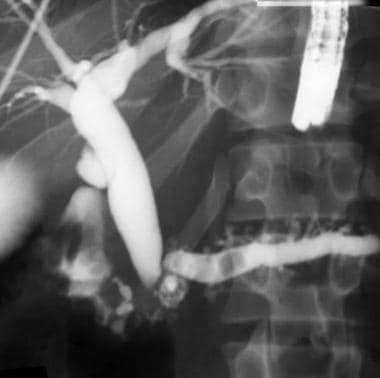
Media file 1:  Chronic pancreatitis. Pancreatogram in a patient with a pancreatic pseudocyst. Note how the pancreatic ducts are extrinsically distorted by a mass lesion.
Click to see larger pictureClick to see detailView Full Size Image
Media type:  X-RAY

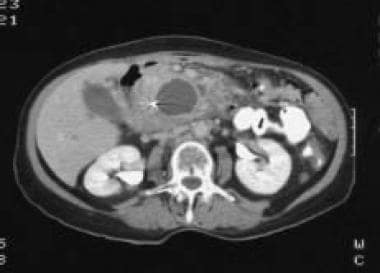
Media file 2:  Chronic pancreatitis. Abdominal CT scan showing that a pancreatic pseudocyst is responsible for the distortion of the ductal system.
Click to see larger pictureClick to see detailView Full Size Image
Media type:  CT

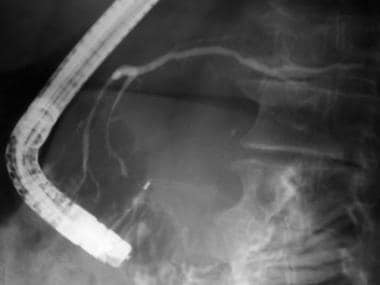
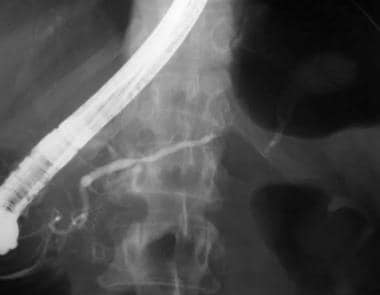
Media file 3:  This patient has recurrent abdominal pain. She used alcohol heavily in the past and was involved in a motor vehicle accident. The pancreatogram shows subtle blunting of side branches consistent with chronic pancreatitis. A stricture also is present in the body of the pancreas where it drapes over the spine, probably resulting from the trauma she sustained in the motor vehicle accident. Air in the stomach makes it difficult to observe that contrast is filling a pseudocyst on the other side of the stricture. These findings are not amenable to endoscopic intervention, and the patient was sent for a distal pancreatectomy.
Click to see larger pictureClick to see detailView Full Size Image
Media type:  X-RAY

Media file 4:  Chronic pancreatitis. This magnetic resonance cholangiopancreatography (MRCP) shows a healthy biliary system. The pancreatic ductal system is not well visualized. A subsequent endoscopic retrograde cholangiopancreatography (ERCP [not pictured]) showed pancreas divisum, with no evidence of a communication with the pseudocyst. The endoscopic features were ideal for an endoscopic transgastric pseudocystogastrostomy.
Click to see larger pictureClick to see detailView Full Size Image
Media type:  MRI

Media file 5:  Chronic pancreatitis. CT scans of the abdomen following an endoscopic transgastric pseudocystogastrostomy (see Image 4). Note 2 stents are placed through the stomach and into the pseudocyst. Before undertaking this type of endoscopic intervention, the endoscopist must be confident that a cystadenoma is not mistaken for a pseudocyst.
Click to see larger pictureClick to see detailView Full Size Image
Media type:  CT

Media file 6:  Chronic pancreatitis. This patient had a persistent postoperative leak from the site of a distal pancreatectomy. In the mid 1990s, the author sought to facilitate enteric drainage using transpapillary stents placed into the pancreatic duct. While this changed the fluid dynamics in favor of healing the disrupted duct, some patients developed complications from this technique.
Click to see larger pictureClick to see detailView Full Size Image
Media type:  X-RAY

Media file 7:  Chronic pancreatitis. The persistent postoperative leak from the site of a distal pancreatectomy now is healed at 1-month follow-up (see Image 6). However, after 4 weeks of transpapillary stenting, the pancreatogram now shows a stent-induced stenosis near the surgical genu (arrow). Based on this experience, the author stopped using pancreatic stents in this setting.
Click to see larger pictureClick to see detailView Full Size Image
Media type:  X-RAY

Media file 8:  Chronic pancreatitis. This patient developed abdominal pain several weeks after being hit with a baseball bat accidentally. A CT scan showed a large splenic hematoma, and he underwent a splenectomy. His postoperative course was notable for recurrent pain, abdominal distension, and elevation of amylase levels over the course of 2-3 months. This repeat CT scan shows postsurgical changes in the left upper quadrant and a large fluid collection.
Click to see larger pictureClick to see detailView Full Size Image
Media type:  CT

Media file 9:  Chronic pancreatitis. The pancreatogram shows a small leak from the tail of the gland.
Click to see larger pictureClick to see detailView Full Size Image
Media type:  X-RAY

Media file 10:  Chronic pancreatitis. A nasopancreatic tube courses through the esophagus, stomach, and duodenum and into the pancreatic duct. Externally, the end of the tube is attached to a suction bulb to decompress the ductal system and monitor its function on a daily basis. In contrast to patients treated with transpapillary stents, none of these patients ever has failed to return for a follow-up appointment. In addition, while stent obstruction and subsequent infection can occur with transpapillary stents, the author has not observed this complication while using nasopancreatic tubes.
Click to see larger pictureClick to see detailView Full Size Image
Media type:  X-RAY

Media file 11:  Chronic pancreatitis. Nine days after placement, a pancreatogram is obtained via the nasopancreatic tube and shows the disruption is healed (see Image 10). The tube then was removed.
Click to see larger pictureClick to see detailView Full Size Image
Media type:  X-RAY

Media file 12:  Chronic pancreatitis. This follow-up CT scan shows a percutaneous tube in the left upper quadrant that was used to drain the fluid collection (see Images 10-11). It was removed after 4 weeks. The patient returned to work, regained his weight, and has had no recurrence of abdominal pain or signs of a recurrent pancreatic leak.
Click to see larger pictureClick to see detailView Full Size Image
Media type:  CT

Media file 13:  This endoscopic retrograde cholangiopancreatography (ERCP) shows advanced chronic pancreatitis. The pancreatogram has blunting of the lateral branches, dilation of the main pancreatic duct, and filling defects consistent with pancreatolithiasis. The cholangiogram also shows a stenosis of the distal bile duct and a dilated biliary tree.
Click to see larger pictureClick to see detailVie