Continually Updated Clinical Reference
 
 
  All Sources     eMedicine     Medscape     Drug Reference     MEDLINE
 
eMedicine - Aplastic Anemia : Article by

Quick Find
Authors & Editors
Introduction
Clinical
Differentials
Workup
Treatment
Medication
Follow-up
Miscellaneous
Acknowledgments
Multimedia
References

Related Articles
Acute Lymphoblastic Leukemia

Acute Myelogenous Leukemia

Agnogenic Myeloid Metaplasia With Myelofibrosis

Human Herpesvirus Type 6

Lymphoma, Non-Hodgkin

Megaloblastic Anemia

Multiple Myeloma

Myelodysplastic Syndrome

Myelophthisic Anemia

Osteopetrosis

Systemic Lupus Erythematosus


Patient Education
Blood and Lymphatic System Center

Anemia Overview

Anemia Causes

Anemia Symptoms

Anemia Treatment


Author: Sameer Bakhshi, MD, Associate Professor of Pediatric Oncology, Department of Medical Oncology, Dr BRA Institute Rotary Cancer Hospital, All India Institute of Medical Sciences, India

Coauthor(s): Esteban Abella, MD, Consulting Staff, Arizona Pediatric Hematology/Oncology, PLLC

Editors: David Aboulafia, MD, Medical Director, Bailey-Boushay House; Clinical Professor, Department of Medicine, Division of Hematology, University of Washington; Francisco Talavera, PharmD, PhD, Senior Pharmacy Editor, eMedicine; Troy H Guthrie, Jr, MD, Director of Cancer Institute, Baptist Medical Center; Rajalaxmi McKenna, MD, FACP, Consulting Staff, Department of Medicine, Southwest Medical Consultants, SC, Good Samaritan Hospital, Advocate Health Systems; Emmanuel C Besa, MD, Professor, Department of Medicine, Division of Hematologic Malignancies, Kimmel Cancer Center, Thomas Jefferson University

Author and Editor Disclosure

Synonyms and related keywords: aplastic anemia; anemia; anemia, aplastic; hypoplastic anemia; bone marrow disease; bone marrow failure; bone marrow failure syndrome; severe aplastic anemia; SAA; progressive hypocythemia; aregeneratory anemia; aleukia hemorrhagica; panmyelophthisis; toxic paralytic anemia; peripheral pancytopenia; myelodysplastic syndrome; MDS

Background

Aplastic anemia is a syndrome of bone marrow failure characterized by peripheral pancytopenia and marrow hypoplasia, and mild macrocytosis is observed in association with stress erythropoiesis and an elevated fetal hemoglobin levels. Paul Ehrlich introduced the concept of aplastic anemia in 1888 when he studied the case of a pregnant woman who died of bone marrow failure. However, it was not until 1904 that Anatole Chauffard named this disorder aplastic anemia.

For excellent patient education resources, visit eMedicine's Blood and Lymphatic System Center. Also, see eMedicine's patient education article Anemia.

Related eMedicine topics:
Anemia
Anemia, Fanconi
Bone Marrow Transplantation
Bone Marrow Transplantation, Long-Term Effects

Related Medscape topics:
Resource Center Cancer: Biologic Therapies
Resource Center Stem Cell Research & Therapy
Specialty Site Hematology-Oncology
CME Introduction to the Pathophysiology of Paroxysmal Nocturnal Hemoglobinuria: Intravascular Hemolysis and Failed Hematopoiesis (Slides With Transcript)
CME Optimizing Patient Outcomes in PNH (Slides With Transcript)
CME PNH and Thrombosis: Who to Treat and How (Slides With Transcript)

Pathophysiology

The theoretical basis for marrow failure includes primary defects in or damage to the stem cell or the marrow microenvironment.1, 2, 3 The distinction between acquired and inherited disease may present a clinical challenge, but more than 80% of cases are acquired. In acquired aplastic anemia, clinical and laboratory observations suggest that this is an autoimmune disease.

On morphologic evaluation, the bone marrow is devoid of hematopoietic elements, showing largely fat cells. Flow cytometry shows that the CD34 cell population, which contains the stem cells and the early committed progenitors, is substantially reduced.2, 4 Data from in vitro colony-culture assays suggest profound functional loss of the hematopoietic progenitors, so much so that they are unresponsive even to high levels of hematopoietic growth factors.

Little evidence points to a defective microenvironment as a cause of aplastic anemia. In patients with severe aplastic anemia (SAA), stromal cells have normal function, including growth factor production. Adequate stromal function is implicit in the success of bone marrow transplantation (BMT) in aplastic anemia because the stromal elements are frequently of host origin.

The role of an immune dysfunction was suggested in 1970, when autologous recovery was documented in a patient with aplastic anemia in whom engrafting failed after BMT. Mathe proposed that the immunosuppressive regimen used for conditioning promoted the return of normal marrow function. Since then, numerous studies have shown that, in approximately 70% of patients with acquired aplastic anemia, immunosuppressive therapy improves marrow function.3, 5, 6, 7, 8
 
Immunity is genetically regulated (by immune response genes), and it is also influenced by environment (eg, nutrition, aging, previous exposure).9, 10 Although the inciting antigens that breach immune tolerance with subsequent autoimmunity are unknown, human leukocyte antigen (HLA)-DR2 is overrepresented among European and United States patients with aplastic anemia, suggesting a role for antigen recognition, and its presence is predictive of a better response to cyclosporine.

Suppression of hematopoiesis is likely mediated by an expanded population of the following cytotoxic T lymphocytes (CTLs): CD8 and HLA-DR+, which are detectable in both the blood and bone marrow of patients with aplastic anemia. These cells produce inhibitory cytokines, such as gamma-interferon and tumor necrosis factor, which can suppressing progenitor cell growth. Polymorphisms in these cytokine genes, associated with an increased immune response, are more prevalent in patients with aplastic anemia. These cytokines suppress hematopoiesis by affecting the mitotic cycle and cell killing by inducing Fas-mediated apoptosis. In addition, these cytokines induce nitric oxide synthase and nitric oxide production by marrow cells, which contributes to immune-mediated cytotoxicity and the elimination of hematopoietic cells.

Constitutive expression of Tbet, a transcriptional regulator that is critical to Th1 polarization, occurs in a majority of aplastic anemia patients.5 Perforin is a cytolytic protein expressed mainly in activated cytotoxic lymphocytes and natural-killer cells. Mutations in perforin gene are responsible for some cases of familial hemophagocytosis11; mutations in SAP, a gene encoding for a small modulator protein that inhibits undefined-interferon production, underlie X-linked lymphoproliferation, a fatal illness associated with an aberrant immune response to herpesviruses and aplastic anemia. Perforin and SAP protein levels are markedly diminished in a majority of acquired aplastic anemia cases.

Frequency

United States

No accurate prospective data are available regarding the incidence of aplastic anemia in the United States. Findings from several retrospective studies suggest that the incidence is 0.6-6.1 cases per million population; this rate was largely based on data from retrospective reviews of death registries.

International

The annual incidence of aplastic anemia in Europe, as detailed in large, formal epidemiologic studies, is similar to that in the United States, with 2 cases per million population. Aplastic anemia is thought to be more common in Asia than in the West. The incidence was accurately determined to be 4 cases per million population in Bangkok, but it may be closer to 6 cases per million population in the rural areas of Thailand and as high as 14 cases per million population in Japan, based on prospective studies. This increased incidence may be related to environmental factors, such as increased exposure to toxic chemicals, rather than to genetic factors because this increase is not observed in people of Asian ancestry who are presently living in the United States.

Mortality/Morbidity

The major causes of morbidity and mortality from aplastic anemia include infection and bleeding. Patients who undergo BMT have additional issues related to toxicity from the conditioning regimen and graft versus host disease (GVHD).10, 12, 13, 14, 15, 16 With immunosuppression, aplastic anemia in approximately one third of patients does not respond. For the responders, relapse and late-onset clonal disease, such as paroxysmal nocturnal hemoglobinuria (PNH), myelodysplastic syndrome (MDS), and leukemia, are risks.6, 17, 18, 19

Race

No racial predisposition is reported in the United States. However, the prevalence is increased in the Far East.

Sex

The male-to-female ratio for acquired aplastic anemia is approximately 1:1, although there are data to suggest that a male preponderance may be observed in the Far East.

Age

Aplastic anemia occurs in all age groups.

  • A small peak in the incidence is observed in childhood because of the inclusion of inherited marrow-failure syndromes.
  • The incidence of aplastic anemia peaks in people aged 20-25 years, and a subsequent peak is observed in people older than 60 years. The latter peak may be due to the inclusion of MDSs, which are syndromes of stem-cell failure unrelated to aplastic anemia. These syndromes must be considered in the differential diagnosis of any marrow-failure syndrome.


History

The clinical presentation of patients with aplastic anemia includes symptoms related to the decrease in bone-marrow production of hematopoietic cells. The onset is insidious, and the initial symptom is related to anemia or bleeding, although fever or infections are also often noted at presentation.

  • Anemia may manifest as pallor, headache, palpitations, dyspnea, fatigue, or foot swelling.
  • Thrombocytopenia may result in mucosal and gingival bleeding or petechial rashes.
  • Neutropenia may manifest as overt infections, recurrent infections, or mouth and pharyngeal ulcerations.
  • Although the search for an etiologic agent is often unproductive, an appropriately detailed work history, with emphasis on solvent and radiation exposure should be obtained, as should a family, environmental, travel, and infectious disease history.
  • In the absence of obvious phenotypic features, the presentation of a patient with an inherited marrow-failure syndrome is subtle, and a thorough family history may first suggest the condition.
  • With regard to environmental agents, the time course of aplastic anemia and exposure to the offending agent varies greatly, and only rarely is an environmental etiology identified.

Physical

Physical examination may show signs of anemia, such as pallor and tachycardia, and signs of thrombocytopenia, such as petechiae, purpura, or ecchymoses. Overt signs of infection are usually not apparent at diagnosis.

  • A subset of patients with aplastic anemia present with jaundice and evidence of clinical hepatitis.
  • Findings of adenopathy or organomegaly should suggest an alternative diagnosis (eg, hepatosplenomegaly and supraclavicular adenopathy are observed more frequently in cases of leukemia and lymphoma than in cases of aplastic anemia).
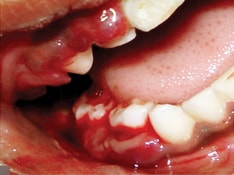
  • In any case of aplastic anemia, look for physical stigmata of inherited marrow-failure syndromes, such as skin pigmentation, short stature, microcephaly, hypogonadism, mental retardation, and skeletal anomalies. The oral pharynx, hands, and nail beds should be carefully examined for clues of dyskeratosis congenita (see Image 1).

Causes

  • Congenital or inherited causes of aplastic anemia (20%)
  • Acquired causes of aplastic anemia (80%)
    • Idiopathic factors
    • Infectious causes, such as hepatitis viruses, Epstein-Barr virus (EBV), human immunodeficiency virus (HIV), parvovirus, and mycobacteria
    • Toxic exposure to radiation and chemicals, such as benzene
    • Drugs and elements, such as chloramphenicol, phenylbutazone, and gold may cause aplasia of the marrow. The immune mechanism does not account for the marrow failure in idiosyncratic drug reactions. In such cases, direct toxicity may occur, perhaps due to genetically determined differences in metabolic detoxification pathways. For example, the null phenotype of certain glutathione transferases is overrepresented among patients with aplastic anemia.
    • PNH is caused by an acquired genetic defect limited to the stem-cell compartment affecting the PIGA gene. Mutations in the PIGA gene render cells of hematopoietic origin sensitive to increased complement lysis. Approximately 20% of patients with aplastic anemia have evidence of PNH at presentation, as detected by means of flow cytometry. Furthermore, patients whose disease responds after immunosuppressive therapy frequently recover with clonal hematopiesis and PNH.
    • Transfusional GVHD
    • Orthotopic liver transplantation for fulminant hepatitis
    • Pregnancy
    • Eosinophilic fasciitis


Acute Lymphoblastic Leukemia
Acute Myelogenous Leukemia
Agnogenic Myeloid Metaplasia With Myelofibrosis
Human Herpesvirus Type 6
Lymphoma, Non-Hodgkin
Megaloblastic Anemia
Multiple Myeloma
Myelodysplastic Syndrome
Myelophthisic Anemia
Osteopetrosis
Systemic Lupus Erythematosus

Other Problems to Be Considered

Congestive splenomegaly, resulting in hypersplenism

Infectious etiology, such as infection with HIV, mycobacteria, cytomegalovirus (CMV), or EBV

Sepsis 


Lab Studies

  • Determination of complete blood cell (CBC) count and peripheral smears
    • A paucity of platelets, red blood cells (RBCs), granulocytes, monocytes, and reticulocytes is found in patients with aplastic anemia. Mild macrocytosis is occasionally observed. The degree of cytopenia is useful in assessing the severity of aplastic anemia. The corrected reticulocyte count is uniformly low in aplastic anemia.
    • The peripheral blood smear is often helpful in distinguishing aplasia from infiltrative and dysplastic causes. Teardrop poikilocytes and leukoerythroblastic changes suggest an infiltrative process.
    • Patients with MDS often have certain characteristic abnormalities such as dyserythropoietic RBCs and neutrophils with hypogranulation, hypolobulation, or apoptotic nuclei reaching to the edges of the cytoplasm. Monocytes are similarly hypogranular, and their nuclei may contain nucleoli.
    • A leukemic process may result in evidence of blasts (myeloblasts) on the peripheral smear.
  • Peripheral blood testing
    • Hemoglobin electrophoresis and blood-group testing may show elevated levels fetal hemoglobin and red cell I antigen, suggesting stress erythropoiesis. These findings are observed in both aplastic anemia and MDS and are often proportional to the macrocytosis.
    • Ordering a biochemical profile is useful in evaluating the etiology and in the differential diagnosis. The profile includes a Coombs test; an analysis of kidney function; and measurement of transaminase, bilirubin, and lactic dehydrogenase (LDH) levels.
    • Serologic testing for hepatitis and other viral entities, such as EBV, CMV, and HIV, may be useful.
    • An autoimmune-disease evaluation for evidence of collagen-vascular disease may be performed.
    • The Ham test, or the sucrose hemolysis test, is frequently performed to diagnose PNH. However, at present, the fluorescence-activated cell sorter (FACS) profile of PIGA anchor proteins, such as CD55 and CD59, may be more accurate than the Ham test for excluding PNH.
    • Diepoxybutane incubation is performed to assess chromosomal breakage for Fanconi anemia. This test is required even in the absence of phenotypic features of Fanconi anemia, because 30% of patients may not have any clinical stigmata.
    • Histocompatibility testing should be conducted early to identify potential related donors, especially those for young patients. Because the extent of previous transfusion significantly affects the outcomes of patients undergoing BMT for aplastic anemia, the rapidity with which these data are obtained is crucial.

Related Medscape topics:
Specialty Site Hematology-Oncology
Specialty Site Pathology & Lab Medicine
Specialty Site Transplantation

Imaging Studies

  • Radiologic studies are generally not needed to establish a diagnosis of aplastic anemia.
  • A skeletal survey is especially useful for the inherited marrow-failure syndromes, many of which cause skeletal abnormalities.

Procedures

  • Review of peripheral smears
  • Bone marrow aspiration and biopsy
    • Bone marrow biopsy is performed in addition to aspiration to assess cellularity both qualitatively and quantitatively. In aplastic anemia, the specimens are hypocellular. Aspiration samples alone may appear hypocellular because of technical reasons (eg, dilution with peripheral blood), or they may appear hypercellular because of areas of focal residual hematopoiesis.

      By comparison, core biopsy better reveals cellularity: The specimen is considered hypocellular if it is <30% cellular in individuals aged <60 years or if it is <20% in those aged >60 years. A relative or absolute increase in mast cells may be observed around the hypoplastic spicules. A proportion of marrow lymphocytes >70% is correlated with poor prognosis in aplastic anemia. Some dyserythropoiesis with megaloblastosis may be observed in aplastic anemia.

    • In MDS, the cellularity may be increased or decreased. Myelodysplastic features are usually observed in hematopoietic precursors and progeny. Islands of immature cells or abnormal localization of immature progenitors (ALIP) indicate MDS. These patients may have megakaryocytic abnormalities (micromegakaryocytes, megakaryocytes with dyskaryorrhexis), >5% ring sideroblasts (observed only on iron stains), and granulocytic abnormalities (pseudoPelger-Huët cells, hypogranulation, excess of blasts) On occasion, marrow fibrosis may be observed.
    • Leukemia and metastatic cancers may be diagnosed with bone marrow examination.
    • Chromosomal rearrangements are considered diagnostic of MDS, with trisomies of 8 and 21 and deletions of 5, 7, and 20 being the most common. However, the conventional karyotype technique reveals abnormalities in only about 50% of patients with MDS. In hypoplastic marrows, obtaining sufficient sample for karyotyping is often difficult.
    • The issue of malignant versus nonmalignant clonality in aplastic anemia can sometimes be resolved by using fluorescent in situ hybridization (FISH) to visualize chromosomal abnormalities in interphase cells.
    • Bone marrow culture is useful in diagnosing mycobacterial and viral infections. However, the yield is generally low.

Histologic Findings

Histologic findings of aplastic anemia include hypocellular bone marrow with fatty replacement and relatively increased nonhematopoietic elements, such as plasma cells and mast cells. Perform careful examination to exclude metastatic tumor foci on biopsy.

Staging

Staging of aplastic anemia is based on the criteria of the International Aplastic Anemia Study Group, as follows20:

  • Blood
    • Neutrophils Less than 0.5 X 10⁹/L
    • Platelets Less than 20 X 109/L
    • Reticulocytes Less than 1% corrected (percentage of actual hematocrit [Hct] to normal Hct)
  • Marrow
    • Severe hypocellularity
    • Moderate hypocellularity, with hematopoietic cells representing less than 30% of residual cells
  • Severe aplasia is defined as including any 2 or 3 peripheral blood criteria and either marrow criterion.
  • A further subclassification developed after the recognition that individuals with neutrophil counts lower than 0.2 X 10⁹/L had very SAA (VSAA). This group is less likely than others to respond to immunosuppressive therapy.


Medical Care

  • Transfusions
    • Patients with aplastic anemia require transfusion support until the diagnosis is established and until specific therapy can be instituted.
    • For patients in whom BMT may be attempted, transfusions should be used judiciously because minimally transfused subjects have achieved superior therapeutic outcomes.
    • Avoiding transfusions from family members is important because of possible sensitization against non-HLA tissue antigens of the donors.
    • In considering blood-bank support, attempt to minimize the risk of CMV infection. If possible, the blood products should undergo leukopoor reduction to prevent alloimmunization, and they should be irradiated to prevent third-party GVHD in BMT candidates.
    • Judicious use of blood products is essential, and transfusion in conditions that are not life threatening should be performed in consultation with a physician who is experienced in the management of aplastic anemia.
  • Treatment of infections
    • Infections are a major cause of mortality.
    • Risk factors include prolonged neutropenia and the indwelling catheters used for specific therapy. Fungal infections, especially those due to Aspergillus species pose a major risk.
    • Empirical antibiotic therapy should be broad based, with gram-negative and staphylococcal coverage based on local microbial sensitivities. Especially consider including anti-pseudomonal coverage at the start of treatment for patients with febrile neutropenia, and consider early introduction of antifungal agents for those with persistent fever.
    • Cytokine support with granulocyte colony-stimulating factor (G-CSF) and granulocyte-macrophage colony-stimulating factor (GM-CSF) may be considered in refractory infections, although this therapy should be weighed against cost and efficacy.2, 21, 22
  • BMT with an HLA-matched sibling donor
    • HLA-matched sibling-donor BMT is the treatment of choice for a young patient with SAA (controversial but generally accepted for those aged <60 y).
    • One of the major problems of BMT in aplastic anemia is the high 10% rate of rejection (range, 5-50%), and this is positively correlated with the number of transfusions and duration of disease before undergoing transplantation.
    • The conditioning regimen most often used includes a combination of antithymocyte globulin (ATG), cyclosporin (CSA), and cyclophosphamide.19, 23, 24 The addition of ATG and CSA to the conditioning regimen has resulted in reduction of graft rejection.8, 21, 22, 25 When radiation was used as part of the conditioning regimen, the incidence of graft rejection was <5%, but the incidence of chronic GVHD, interstitial pneumonitis, and malignant disease was increased; no survival advantage resulted.
    • Fludarabine- and cyclophosphamide-based reduced intensity conditioning (RIC) regimens +/– ATG reduced rejection and improved outcome in Indian patients undergoing allogeneic stem cell transplantation for SAA.26 When compared with 26 patients previously transplanted using cyclophosphamide/antilymphocyte globulin, there was faster neutrophil engraftment (12 vs 16 days; P = 0.002) with significantly lower rejection rates (2.9% vs 30.7%; P = 0.003) and a superior event-free (82.8% vs 38.4%; P = 0.001) and overall survival (82.8% vs 46.1%; P = 0.005).26
    • GVHD is a complication of BMT. It is positively correlated with increasing age of the patient. Grafts depleted of T cells reduce the risk of GVHD but increase the risk of graft failure.
    • The addition of CSA along with methotrexate has substantially reduced the incidence of GVHD.25
  • BMT with an unrelated donor
    • BMT with an unrelated donor is associated with a high mortality rate.
    • Unrelated-donor BMT is probably justified only if the donor is a full match and only if immunosuppressive therapy or treatment as part of a clinical trial fails. Early referral to a transplantation center at diagnosis is recommended in all young patients, even if they lack a suitable related donor.9 
    • Both increased graft rejection and increased GVHD remain obstacles to success for unrelated-donor BMT for patients with SAA.13 The probability of graft failure at 100 days after 1-antigen mismatched related donor was 21% 25% for >1-antigen mismatched related donor, 15% for matched unrelated donor, 18% for mismatched unrelated donor transplants.9 Partial T-cell depletion may decrease the risk of severe GVHD while still maintaining sufficient donor T lymphocytes to ensure engraftment.13
    • In unrelated-donor transplantation, radiation along with cyclophosphamide may be used to reduce graft rejection. Fludarabine-based conditioning regimens have been tried,14 along with ATG and cyclophosphamide.
    • Unrelated-donor BMT using high resolution allelic matching has improved outcome especially in younger patients. 
      • A study by Maury et al indicated the increased survival of patients after unrelated-done stem cell transplantation for SAA has improved significantly in the past 15 years mainly due to better HLA matching. Maury et al found that results for young patients who are fully HLA-matched at the allelic level with their donor are comparable to those observed after stem cell transplantation from a related donor.27 An earlier Japanese study appeared to have reached a similar conclusion.28
      • A study by Chan et al suggests that unrelated-donor BMT is a feasible treatment strategy for children with refractory SAA who lack a well-matched adult donor.12 The investigators evaluated 9 children with refractory SAA (all had had at least 1 unsuccessful course of immunosuppression) who underwent such a transfusion with increasingly immunosuppressive preparative regimens.

        Donor/recipient HLA matching was 6 of 6 (n = 1), 5 of 6 (n = 2), and 4 of 6 (n = 6). The median nucleated cell dose infused was 5.7 x 10⁷ cells/kg (range 3.5-20 x 107 cells/kg). Six patients were engrafted after the first unrelated-donor BMT, and 2 of the 3 patients without hematopoietic reconstitution were engrafted after a second transfusion. All children who received >120 mg/kg of cyclophosphamide in the preparative regimen were engrafted. The median time to myeloid engraftment was 25 (17-59 days) days.12

Two patients developed acute GVHD, and 5 developed chronic GVHD. Five patients developed EBV viremia post transplant (lymphoproliferative disorder in 3 patients). At a median follow-up of 34 months, 7 patients were alive and transfusion independent.12

  • Immunosuppressive therapy
    • Immune suppression is especially useful if a matched sibling donor for BMT is not available or if the patient is older than 60 years.
    • Options include combination therapy, including ATG, CSA, and methylprednisolone, with or without cytokine support. ATG and CSA alone may also produce a response in aplastic anemia, but the combination improves the likelihood of a response.
    • In 1 study, response rates to CSA alone were 45% overall, 16% for VSSA, 47% for SAA, and 85% for moderate aplastic anemia.23 Therefore, the only predictor of response to CSA was an absolute neutrophil count (ANC) of <200/mm3. Adding G-CSF to ATG and CSA in patients with an ANC of >200/mm3 does not produce any additional advantage in reducing the infection rate or in increasing survival or therapeutic responses.
    • The response in aplastic anemia, unlike other autoimmune diseases, is slow. At least 4-12 weeks is usually needed to observe early improvement, and the patient continues to improve only slowly thereafter. About 50% patients respond by 3 months after ATG administration, and about 75% respond by 6 months. Most patients improve and become transfusion independent, but many still have evidence of a hypoproliferative bone marrow.
    • Although the initial response rate is good, relapses are common, and continued immune suppression is often needed. Approximately one third of patients have a relapse, most of whom have a relapse at the time of CSA taper. About one third of responders are CSA dependent. Of patients whose conditions have no response or who relapse, 40-50% respond to a second course of immunosuppressive therapy.
    • In rare cases, full hematologic recovery is observed, but most patients improve to a functional hematologic recovery that obviates further transfusion support. Furthermore, the risk of some form of clonal disease other than PNH is 15-30% and may be due to the inability of these therapies to completely correct bone marrow function, due to a missed diagnosis of MDS, or due to the fact that the stem cells under proliferative stress may be more prone than other cells to mutation.
    • Preliminary data suggested that high-dose cyclophosphamide may result in durable remissions in some patients with aplastic anemia. However, some of these patients develop PNH and cytogenetic abnormalities on follow-up. At present, the use of high-dose cyclophosphamide should be limited to clinical trials.

Surgical Care

A central venous catheter placement is required before the administration of immunosuppressive therapy or BMT.

Consultations

Consult a hematologist and/or BMT specialist.

Diet

The diet for the patient with aplastic anemia who has neutropenia or who is receiving immunosuppressive therapy should be tailored carefully to exclude raw meats, dairy products, or fruits and vegetables that are likely to be colonized with bacteria, fungus, or molds. Furthermore, a salt-limited diet is recommended during therapy with steroids or CSA.

Activity

  • The patient should avoid any activity that increases the risk of trauma during periods of thrombocytopenia.
  • The risk of community-acquired infections increases during periods of neutropenia.


The goals of pharmacotherapy in cases of aplastic anemia are to reduce morbidity, prevent complications, and eradicate malignancy.

Related Medscape topics:
Resource Center Adverse Drug Events Reporting
Resource Center Stem Cell Research & Therapy
Specialty Site Critical Care
Specialty Site Hematology-Oncology
Specialty Site Transplantation

Drug Category: Immunosuppressive Agents

The merits of additional immunosuppression versus the increased risk and cost should be considered. Data from a randomized prospective study indicated that an increased proportion of patients responded to the addition of CSA to ATG, but this did not translate into a long-term survival advantage.

For patients who cannot tolerate equine-based products, use of the commercially available rabbit-based ATG product (Thymoglobulin) may be considered. This product is currently approved in the United States and has been used for the treatment of aplastic anemia in Europe (although note the different dose schedule).

Drug NameCyclosporine (Sandimmune, Neoral)
DescriptionCyclic polypeptide that suppresses some humoral immunity and, to a greater extent, cell-mediated immune reactions (eg, delayed hypersensitivity, allograft rejection, experimental allergic encephalomyelitis, and graft vs host disease) for a variety of organs.

For children and adults, base the dosing on the ideal body weight. Frequent monitoring of drug levels is needed. To convert to the PO dose, use a IV-to-PO correction factor of 1:4. Dosage and duration of therapy may vary with different protocols.
Adult Dose1.5-2 mg/kg IV q12h, adjust to trough level of 500-800 ng/mL in mo 1 or so; then adjust to trough level of 200 ng/mL
Pediatric DoseAdminister as in adults.
ContraindicationsDocumented hypersensitivity; uncontrolled hypertension or malignancies; do not coadminister with PUVA or UVB irradiation in psoriasis (may increase the risk of cancer)
InteractionsCarbamazepine, phenytoin, isoniazid, rifampin, and phenobarbital may decrease the concentrations; azithromycin, itraconazole, nicardipine, ketoconazole, fluconazole, erythromycin, verapamil, grapefruit juice, diltiazem, aminoglycosides, acyclovir, amphotericin B, and clarithromycin may increase the toxicity; acute renal failure, rhabdomyolysis, myositis, and myalgias increase with concurrent lovastatin.
PregnancyC - Fetal risk revealed in studies in animals but not established or not studied in humans; may use if benefits outweigh risk to fetus
PrecautionsEvaluate the patient's renal and liver functions often by measuring the BUN, serum creatinine, serum bilirubin, and liver enzymes; may increase the risk of infection and lymphoma; reserve IV for only those patients who cannot take PO

Drug NameMethylprednisolone (Medrol, Solu-Medrol)
DescriptionSteroids ameliorate the delayed effects of anaphylactoid reactions and may limit biphasic anaphylaxis. In severe serum sickness (mediated by immune complexes), parenteral steroids may reduce the inflammatory effects. Hence, used with ATG to decrease the adverse effects (eg, allergic reactions, serum sickness). Also an additional immunosuppressive. High doses or long duration may be needed if serum sickness occurs with ATG. The doses and duration may vary with different protocols.
Adult Dose5 mg/kg IV on days 1-8; then tapered by using PO 1 mg/kg on days 9-14; further tapering over days 15-29; stop after 1 mo except with evidence of serum sickness
Pediatric DoseAdminister as in adults.
ContraindicationsDocumented hypersensitivity; viral, fungal, or tubercular skin infections
InteractionsCoadministration with digoxin may increase digitalis toxicity secondary to hypokalemia; estrogens may increase the levels; phenobarbital, phenytoin, and rifampin may decrease the levels (adjust dose); monitor for hypokalemia when diuretics are used concurrently.
PregnancyC - Fetal risk revealed in studies in animals but not established or not studied in humans; may use if benefits outweigh risk to fetus
PrecautionsHyperglycemia, edema, osteonecrosis, peptic ulcer disease, hypokalemia, osteoporosis, euphoria, psychosis, growth suppression, myopathy, and infections are possible complications of glucocorticoid use.

Drug NameLymphocyte immune globulin, equine (Atgam)
DescriptionInhibits cell-mediated immune response by altering T-cell function or eliminating antigen-reactive cells.
There is little prospective randomized data to suggest a single schedule superior, but experience suggests that a short infusion is best tolerated.
Adult Dose100-200 mg/kg IV total dose over variable number of days based on different protocols
Pediatric DoseAdminister as in adults.
ContraindicationsDocumented hypersensitivity; unremitting leukopenia and/or thrombocytopenia
InteractionsNone reported
PregnancyC - Fetal risk revealed in studies in animals but not established or not studied in humans; may use if benefits outweigh risk to fetus
PrecautionsMonitor for signs of anaphylaxis; keep airway adjuncts and rescue medications at the patient's bedside during administration; monitor for signs of infection; administer slowly over at least 4 h through a central line to prevent chemical phlebitis.

Drug NameCyclophosphamide (Cytoxan)
DescriptionChemically related to nitrogen mustards. As an alkylating agent, the mechanism of action of the active metabolites may involve cross-linking of DNA, which may interfere with the growth of normal and neoplastic cells. Monitor carefully; used only on an investigational basis.
Adult Dose45 mg/kg/d IV for 4 d
Pediatric DoseAdminister as in adults
ContraindicationsDocumented hypersensitivity; severely depressed bone marrow function
InteractionsAllopurinol may increase the risk of bleeding or infection and enhance myelosuppressive effects; may potentiate doxorubicin-induced cardiotoxicity; may reduce the digoxin serum levels and antimicrobial effects of quinolones; chloramphenicol may increase the half-life while decreasing the metabolite concentrations; may increase the effect of anticoagulants; coadministration with high doses of phenobarbital may increase the rate of metabolism and leukopenic activity; thiazide diuretics may prolong cyclophosphamide-induced leukopenia and neuromuscular blockade by inhibiting cholinesterase activity
PregnancyD - Fetal risk shown in humans; use only if benefits outweigh risk to fetus
PrecautionsRegularly examine the patient's hematologic profile (particularly neutrophils and platelets) to monitor for hematopoietic suppression; regularly examine the patient's urine for RBCs, which may precede hemorrhagic cystitis.

Drug NameLymphocyte immune globulin, rabbit (Thymoglobulin)
DescriptionMay modify T-cell function and possibly eliminate antigen-reactive T lymphocytes in peripheral blood. The dose and duration of therapy vary with the investigational protocols.
Adult Dose1.5 mg/kg IV qd for 7-14 d; up to 3.5 mg/kg for 5 d also used
Pediatric DoseNot established
ContraindicationsDocumented hypersensitivity
InteractionsNone reported
PregnancyC - Fetal risk revealed in studies in animals but not established or not studied in humans; may use if benefits outweigh risk to fetus
PrecautionsTo reduce the risk of phlebitis, administer only via IV; emergency medical resources to immediately manage rash, dyspnea, hypotension, or anaphylaxis should be readily available.

Drug Category: Cytokines

Several preliminary studies have demonstrated that the addition of cytokines (eg, G-CSF, GM-CSF) may hasten the neutrophil recovery and that these agents may improve the response rate and survival, although long-term use may increase the risk of clonal evolution.

Drug NameSargramostim (Leukine, Prokine)
DescriptionRecombinant human GM-CSF. Can activate mature granulocytes and macrophages. The dose and frequency of administration vary with the investigational protocol.
Adult Dose250 mcg/m2 IV/SC with twice weekly monitoring of CBC count
Pediatric DoseNot established; 5 mcg/kg/d SC used in some studies
ContraindicationsDocumented hypersensitivity
InteractionsNone reported
PregnancyC - Fetal risk revealed in studies in animals but not established or not studied in humans; may use if benefits outweigh risk to fetus
PrecautionsDo not use 12-24 h before or 24 h after administering cytotoxic chemotherapy (increases the sensitivity of rapidly dividing myeloid cells to cytotoxic chemotherapy).

Drug NameFilgrastim (Neupogen)
DescriptionG-CSF that activates and stimulates the production, maturation, migration, and cytotoxicity of neutrophils.
Adult Dose5 mcg/kg/d SC until ANC 5000/mm3
Pediatric Dose5-10 mcg/kg/d SC
ContraindicationsDocumented hypersensitivity
InteractionsDo not use 12-24 h before or 24 h after cytotoxic chemotherapy (increases the sensitivity of rapidly dividing myeloid cells).
PregnancyC - Fetal risk revealed in studies in animals but not established or not studied in humans; may use if benefits outweigh risk to fetus
PrecautionsMDS or acute myeloid leukemia in certain patients; leukocytosis; possible tumoral growth

Drug Category: Antineoplastic Agent, Antimetabolite (purine)

Antimetabolites are antineoplastic agent that inhibit cell growth and proliferation.

Drug NameFludarabine (Fludara)
DescriptionContains fludarabine phosphate, a fluorinated nucleotide analogue of the antiviral agent vidarabine, 9-b-D-arabinofuranosyladenine (ara-A) that enters the cell and is phosphorylated to form active metabolite 2-fluoro-ara-ATP, which inhibits DNA synthesis. Inhibits DNA polymerase, DNA primase, DNA ligase, and ribonucleotide reductase. This inhibits RNA function, RNA processing, and mRNA translation. Also activates apoptosis.
Adult Dose30 mg/m2/dose for 4-6 d as IV infusion over 30 min-2 h
Pediatric DoseAdminister as in adults
ContraindicationsDocumented hypersensitivity; breast-feeding; bone marrow suppression
InteractionsThe combination of fludarabine with another purine analogue, pentostatin, is contraindicated because there is an unacceptably high incidence of pulmonary toxicity when these agents are used together.
PregnancyD - Fetal risk shown in humans; use only if benefits outweigh risk to fetus
PrecautionsPerform frequent peripheral blood counts to detect the development of anemia, thrombocytopenia, and neutropenia; monitor for tumor lysis syndrome.

Adjust the dose in the presence of renal impairment, severe bone marrow suppression, severe neurologic effects, or life-threatening and fatal autoimmune hemolytic anemia.


Further Inpatient Care

  • Inpatient care for patients with aplastic anemia may be needed during periods of infection and for specific therapies, such as ATG or BMT.

Further Outpatient Care

  • Frequent outpatient follow-up of patients with aplastic anemia is needed to monitor blood counts and adverse effects of various drugs.
  • Transfusions of packed RBCs and platelets are administered on an outpatient basis.

In/Out Patient Meds

  • The specific medications administered depend on the choice of therapy and whether it is supportive care only, immunosuppressive therapy, or BMT.

Transfer

  • Patients with aplastic anemia should be treated by physicians who are experts in the care of immunocompromised patients and in consultation with a BMT physician for patients younger than 65 years.

Complications

  • Complications of aplastic anemia
    • Infections
    • Bleeding
  • Complications of BMT
    • GVHD
    • Graft failure

Prognosis

  • The outcome of patients with aplastic anemia has substantially improved because of improved supportive care. The natural history of aplastic anemia suggests that as many as one fifth of patients may spontaneously recover with supportive care; however, observational and/or supportive care therapy alone is rarely indicated.
  • The estimated 5-year survival rate for the typical patient receiving immunosuppression is 75%. The rate for those receiving a BMT from a matched sibling donor is greater than 90%. However, in case of immunosuppression, relapse and late clonal disease are risks.

Patient Education

  • Patients should maintain hygiene to reduce the risks of infection.
  • Clinicians must stress the need for compliance with therapy.


Medical/Legal Pitfalls

  • Failure to correctly diagnose aplastic anemia and initiate appropriate treatment is a pitfall.
  • Aplastic anemia has a >70% mortality rate with supportive care alone. It is a hematologic emergency, and care should be instituted promptly.

Related Medscape topics:
Resource Center Medical Malpractice and Legal Issues
Specialty Site Hematology-Oncology


The authors and editors of eMedicine gratefully acknowledge the contributions of previous author Dr Roy Baynes to the development and writing of this article.


Media file 1:  Oral leukoplakia in dyskeratosis congenita.
Click to see larger pictureClick to see detailView Full Size Image
Media type:  Photo


  1. Wu Y, Yu J, Zhang L, et al. [Hematopoiesis support of mesenchymal stem cells in children with aplastic anemia] [Chinese]. Zhongguo Dang Dai Er Ke Za Zhi. Aug 2008;10(4):455-9. [Medline].
  2. Scopes J, Daly S, Atkinson R, et al. Aplastic anemia: evidence for dysfunctional bone marrow progenitor cells and the corrective effect of granulocyte colony-stimulating factor in vitro. Blood. Apr 15 1996;87(8):3179-85. [Medline][Full Text].
  3. Young NS. Pathophysiologic mechanisms in acquired aplastic anemia. Hematology Am Soc Hematol Educ Program. 2006;72-7. [Medline][Full Text].
  4. Liu H, Mihara K, Kimura A, Tanaka K, Kamada N. Induction of apoptosis in CD34+ cells by sera from patients with aplastic anemia. Hiroshima J Med Sci. Jun 1999;48(2):57-63. [Medline].
  5. Solomou EE, Keyvanfar K, Young NS. T-bet, a Th1 transcription factor, is up-regulated in T cells from patients with aplastic anemia. Blood. May 15 2006;107(10):3983-91. [Medline][Full Text].
  6. Socié G, Rosenfeld S, Frickhofen N, Gluckman E, Tichelli A. Late clonal diseases of treated aplastic anemia. Semin Hematol. Jan 2000;37(1):91-101. [Medline].
  7. Nakao S. Immune mechanism of aplastic anemia. Int J Hematol. Aug 1997;66(2):127-34. [Medline].
  8. Frickhofen N, Kaltwasser JP, Schrezenmeier H, et al. Treatment of aplastic anemia with antilymphocyte globulin and methylprednisolone with or without cyclosporine. The German Aplastic Anemia Study Group. N Engl J Med. May 9 1991;324(19):1297-304. [Medline].
  9. Passweg JR, Pérez WS, Eapen M, et al. Bone marrow transplants from mismatched related and unrelated donors for severe aplastic anemia. Bone Marrow Transplant. Apr 2006;37(7):641-9. [Medline][Full Text].
  10. Bacigalupo A, Brand R, Oneto R, et al. Treatment of acquired severe aplastic anemia: bone marrow transplantation compared with immunosuppressive therapy--The European Group for Blood and Marrow Transplantation experience. Semin Hematol. Jan 2000;37(1):69-80. [Medline].
  11. Solomou EE, Gibellini F, Stewart B, et al. Perforin gene mutations in patients with acquired aplastic anemia. Blood. Jun 15 2007;109(12):5234-7. [Medline][Full Text].
  12. Chan KW, McDonald L, Lim D, et al. Unrelated cord blood transplantation in children with idiopathic severe aplastic anemia. Bone Marrow Transplant. Aug 11 2008;epub ahead of print. [Medline].
  13. Bunin N, Aplenc R, Iannone R, et al. Unrelated donor bone marrow transplantation for children with severe aplastic anemia: minimal GVHD and durable engraftment with partial T cell depletion. Bone Marrow Transplant. Feb 2005;35(4):369-73. [Medline].
  14. Kang HJ, Shin HY, Choi HS, Ahn HS. Fludarabine, cyclophosphamide plus thymoglobulin conditioning regimen for unrelated bone marrow transplantation in severe aplastic anemia. Bone Marrow Transplant. Dec 2004;34(11):939-43. [Medline].
  15. Brodsky RA, Sensenbrenner LL, Smith BD, et al. Durable treatment-free remission after high-dose cyclophosphamide therapy for previously untreated severe aplastic anemia. Ann Intern Med. Oct 2 2001;135(7):477-83. [Medline].
  16. Horowitz MM. Current status of allogeneic bone marrow transplantation in acquired aplastic anemia. Semin Hematol. Jan 2000;37(1):30-42. [Medline].
  17. Kaito K, Kobayashi M, Katayama T, et al. Long-term administration of G-CSF for aplastic anaemia is closely related to the early evolution of monosomy 7 MDS in adults. Br J Haematol. Nov 1998;103(2):297-303. [Medline].
  18. Piaggio G, Podestŕ M, Pitto A, et al. Coexistence of normal and clonal haemopoiesis in aplastic anaemia patients treated with immunosuppressive therapy. Br J Haematol. Dec 1999;107(3):505-11. [Medline].
  19. Rosti V. The molecular basis of paroxysmal nocturnal hemoglobinuria. Haematologica. Jan 2000;85(1):82-7. [Medline][Full Text].
  20. Camitta B, O'Reilly RJ, Sensenbrenner L, et al. Antithoracic duct lymphocyte globulin therapy of severe aplastic anemia. Blood. Oct 1983;62(4):883-8. [Medline][Full Text].
  21. Di Bona E, Rodeghiero F, Bruno B, et al. Rabbit antithymocyte globulin (r-ATG) plus cyclosporine and granulocyte colony stimulating factor is an effective treatment for aplastic anaemia patients unresponsive to a first course of intensive immunosuppressive therapy. Gruppo Italiano Trapianto di Midollo Osseo (GITMO). Br J Haematol. Nov 1999;107(2):330-4. [Medline].
  22. Bacigalupo A, Broccia G, Corda G, et al. Antilymphocyte globulin, cyclosporin, and granulocyte colony-stimulating factor in patients with acquired severe aplastic anemia (SAA): a pilot study of the EBMT SAA Working Party. Blood. Mar 1 1995;85(5):1348-53. [Medline][Full Text].
  23. Maschan A, Bogatcheva N, Kryjanovskii O, et al. Results at a single centre of immunosuppression with cyclosporine A in 66 children with aplastic anaemia. Br J Haematol. Sep 1999;106(4):967-70. [Medline].
  24. Marsh J, Schrezenmeier H, Marin P, et al. Prospective randomized multicenter study comparing cyclosporin alone versus the combination of antithymocyte globulin and cyclosporin for treatment of patients with nonsevere aplastic anemia: a report from the European Blood and Marrow Transplant (EBMT) Severe Aplastic Anaemia Working Party. Blood. Apr 1 1999;93(7):2191-5. [Medline][Full Text].
  25. Locatelli F, Bruno B, Zecca M, et al. Cyclosporin A and short-term methotrexate versus cyclosporin A as graft versus host disease prophylaxis in patients with severe aplastic anemia given allogeneic bone marrow transplantation from an HLA-identical sibling: results of a GITMO/EBMT randomized trial. Blood. Sep 1 2000;96(5):1690-7. [Medline][Full Text].
  26. George B, Mathews V, Viswabandya A, et al. Fludarabine and cyclophosphamide based reduced intensity conditioning (RIC) regimens reduce rejection and improve outcome in Indian patients undergoing allogeneic stem cell transplantation for severe aplastic anemia. Bone Marrow Transplant. Jul 2007;40(1):13-8. [Medline].
  27. Maury S, Balère-Appert ML, Chir Z, et al. Unrelated stem cell transplantation for severe acquired aplastic anemia: improved outcome in the era of high-resolution HLA matching between donor and recipient. Haematologica. May 2007;92(5):589-96. [Medline][Full Text].
  28. Kojima S, Matsuyama T, Kato S, et al. Outcome of 154 patients with severe aplastic anemia who received transplants from unrelated donors: the Japan Marrow Donor Program. Blood. Aug 1 2002;100(3):799-803. [Medline][Full Text].
  29. Ades L, Mary JY, Robin M, et al. Long-term outcome after bone marrow transplantation for severe aplastic anemia. Blood. Apr 1 2004;103(7):2490-7. [Medline][Full Text].
  30. de Planque MM, Bacigalupo A, Würsch A, et al. Long-term follow-up of severe aplastic anaemia patients treated with antithymocyte globulin. Severe Aplastic Anaemia Working Party of the European Cooperative Group for Bone Marrow Transplantation (EBMT). Br J Haematol. Sep 1989;73(1):121-6. [Medline].
  31. Grey-Davies E, Hows JM, Marsh JC. Aplastic anaemia in association with coeliac disease: a series of three cases. Br J Haematol. Aug 10 2008;epub ahead of print. [Medline].
  32. Koh LP, Koh MB, Ng HY, et al. Allogeneic hematopoietic stem cell transplantation for patients with severe aplastic anemia following nonmyeloablative conditioning using 200-cGy total body irradiation and fludarabine. Biol Blood Marrow Transplant. Aug 2006;12(8):887-90. [Medline].
  33. Kröger N, Zabelina T, Renges H, et al. Long-term follow-up of allogeneic stem cell transplantation in patients with severe aplastic anemia after conditioning with cyclophosphamide plus antithymocyte globulin. Ann Hematol. Nov 2002;81(11):627-31. [Medline].
  34. Scheinberg P, Wu CO, Nunez O, Young NS. Long-term outcome of pediatric patients with severe aplastic anemia treated with antithymocyte globulin and cyclosporine. J Pediatr. Jul 29 2008;epub ahead of print. [Medline].
  35. Stein RS, Means RT Jr, Krantz SB, Flexner JM, Greer JP. Treatment of aplastic anemia with an investigational antilymphocyte serum prepared in rabbits. Am J Med Sci. Dec 1994;308(6):338-43. [Medline].

Aplastic Anemia excerpt

Article Last Updated: Aug 26, 2008