| Patient Education |
|
Click here for patient education.
|
|
You are in: eMedicine Specialties >
Hematology > Stem Cells and Disorders
Hodgkin Disease
Article Last Updated: Jul 23, 2007
AUTHOR AND EDITOR INFORMATION
Section 1 of 10
Author: Scott K Dessain, MD, PhD, Assistant Professor, Department of Medicine, Thomas Jefferson University; Consulting Staff, Cardeza Foundation for Hematologic Research, Thomas Jefferson University Hospital
Coauthor(s):
Christine Wasilewski, MD, MPH, Fellow, Department of Medicine, Division of Hematology-Oncology, Thomas Jefferson University Hospital;
Athanassios Argiris, MD, Department of Internal Medicine, Division of Hematology/Oncology, Assistant Professor, Northwestern University Medical School;
Virginia Kaklamani, MD, Fellow, Department of Internal Medicine, Division of Hematology-Oncology, Northwestern University Medical School
Editors: Koyamangalath Krishnan, MD, FRCP, FACP, Dishner Endowed Chair of Excellence in Medicine, Professor of Medicine and Chief of Hematology-Oncology, Program Director, Hematology-Oncology Fellowship, James H Quillen College of Medicine at East Tennessee State University; Francisco Talavera, PharmD, PhD, Senior Pharmacy Editor, eMedicine; Wendy Hu, MD, Consulting Staff, Department of Hematology/Oncology and Bone Marrow Transplantation, Huntington Memorial Medical Center; Rajalaxmi McKenna, MD, FACP, Consulting Staff, Department of Medicine, Southwest Medical Consultants, SC, Good Samaritan Hospital, Advocate Health Systems; Emmanuel C Besa, MD, Professor, Department of Medicine, Division of Hematologic Malignancies, Kimmel Cancer Center, Thomas Jefferson University
Author and Editor Disclosure
Synonyms and related keywords:
Hodgkin lymphoma, Hodgkin disease, Hodgkin's disease, HD, Hodgkin's lymphoma, malignant lymphoma, lymph cancer, Epstein-Barr virus, EBV, nodular sclerosis Hodgkin disease, NSHD, mixed-cellularity Hodgkin disease, MCHD, lymphocyte-depleted Hodgkin disease, LDHD, lymphocyte-depleted Hodgkin's disease, lymphocyte-rich Hodgkin disease, nodular Hodgkin disease, NHD, nodular lymphocyte-predominant Hodgkin disease, NLPHD, lymph node cancer
Background
Hodgkin disease (HD) is a potentially curable malignant lymphoma with distinct histology, biologic behavior, and clinical characteristics. Thomas Hodgkin first described Hodgkin disease in 1832. The disease is defined in terms of its microscopic appearance (histology) and the expression of cell surface markers (immunophenotype).
Pathophysiology
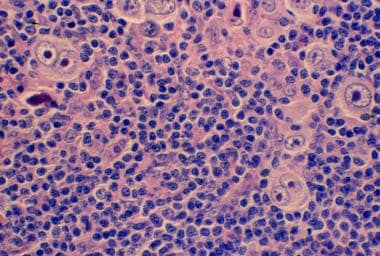
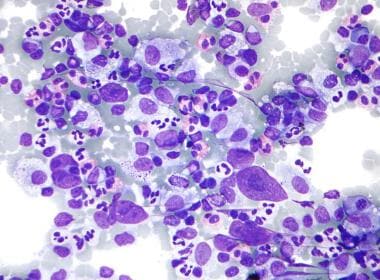
Histology and classification As classified by the World Health Organization (WHO), Hodgkin disease exists in 5 types. Four of these, nodular sclerosis, mixed-cellularity, lymphocyte-depleted, and lymphocyte-rich, are referred to as classic Hodgkin disease. The fifth, nodular lymphocyte predominant Hodgkin disease (NLPHD), is a distinct entity with unique clinical features and a different treatment paradigm. In classic Hodgkin disease, the neoplastic cell is the Reed-Sternberg (RS) cell. RS cells comprise only 1-2% of the total tumor cell mass. The remainder is composed of a variety of reactive, mixed inflammatory cells consisting of lymphocytes, plasma cells, neutrophils, eosinophils, and histiocytes. Most RS cells are of B-cell origin, derived from lymph node germinal centers but no longer able to express antibodies. Some Hodgkin disease cases have been identified in which the RS cell is of T-cell origin, but these are rare, accounting for 1-2% of classic Hodgkin disease. The RS cells consistently express the CD30 (Ki-1) and CD15 (Leu-M1) antigens. CD30 is a marker of lymphocyte activation that is expressed by reactive and malignant lymphoid cells and was originally identified as a cell surface antigen on RS cells. CD15 is a marker of late granulocytes, monocytes, and activated T cells that is not normally expressed by B-lineage cells.
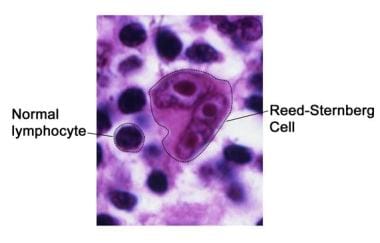
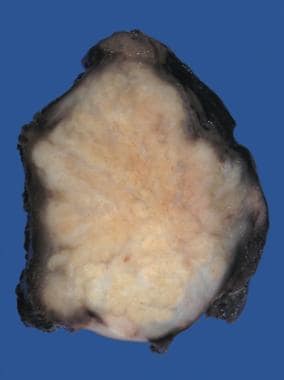
- Nodular sclerosis Hodgkin disease (NSHD), 60-80% of all cases: The morphology shows a nodular pattern. Broad bands of fibrosis divide the node into nodules. The capsule is thickened. The characteristic cell is the lacunar-type RS cell, which has a monolobated or multilobated nucleus, a small nucleolus, and abundant pale cytoplasm. NSHD is frequently observed in adolescents and young adults and usually involves the mediastinum and other supradiaphragmatic sites.
- Mixed-cellularity Hodgkin disease (MCHD), 15-30%: Histologically, the infiltrate is usually diffuse. RS cells are of the classic type (large, with bilobate, double or multiple nuclei and a large, eosinophilic nucleolus). MCHD commonly affects the abdominal lymph nodes and spleen. Patients with this histology typically have advanced-stage disease with systemic symptoms. MCHD is the histologic type most commonly observed in patients with HIV.
- Lymphocyte-depleted Hodgkin disease (LDHD), less than 1% of cases: The infiltrate in lymphocyte-depleted Hodgkin disease (LDHD) is diffuse and often appears hypocellular. Large numbers of RS cells and bizarre sarcomatous variants are present. It is associated with older age and HIV positive status. Patients usually present with advanced-stage disease. EBV proteins are expressed in many of these tumors. Many cases of LDHD diagnosed in the past actually were non-Hodgkin lymphomas, often of the anaplastic large-cell type.
- Lymphocyte-rich classic Hodgkin disease (LRHD), 5% of cases: In this type of Hodgkin disease, RS cells of the classic or lacunar type are observed, with a background infiltrate of lymphocytes. It requires immunohistochemical diagnosis. Some cases may have a nodular pattern. Clinically, the presentation and survival patterns are similar to those for MCHD.
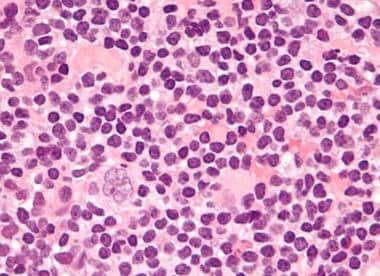
- Nodular lymphocyte-predominant Hodgkin disease (NLPHD), 5% of cases: In contrast to the other histological subtypes, the typical RS cells in nodular lymphocyte-predominant Hodgkin disease (NLPHD) are either infrequent or absent. Instead, lymphocytic and histiocytic (L&H) cells, or popcorn cells (their nuclei resemble an exploded kernel of corn), are seen within a background of inflammatory cells, which are predominantly benign lymphocytes. Unlike RS cells, L&H cells are positive for B-cell antigens, such as CD19 and CD20, and are negative for CD15 and CD30. A diagnosis of NLPHD needs to be supported by immunohistochemical studies because it can appear similar to LRHD or even some non-Hodgkin lymphomas.
Frequency
United States
Information regarding the incidence and mortality of Hodgkin disease in the United States can be found at the National Cancer Institute Surveillance Epidemiology and End Results (SEER) database Web site (www.seer.cancer.gov). The National Cancer Institute estimates 8,190 new cases and 1,070 deaths from Hodgkin disease in 2007. The age-adjusted incidence is 2.7 cases per 100,000 individuals.
International
Hodgkin disease had a worldwide incidence of 62,000 cases in 2002. Compared to North America and Europe, Hodgkin disease is relatively rare in Japan and China (age-adjusted incidence of 0.3 and 0.2 per 100,000 males, respectively). In developing countries, the incidence of the mixed-cellularity and lymphocyte depletion subtypes is higher. In contrast, the NS subtype is most frequent in developed countries.
Mortality/Morbidity
The 5-year disease-specific survival for patients with stages I and II, III, and IV is 90%, 84%, and 65%, respectively.
Race
Hodgkin disease rates in the United States vary by race and sex. The incidence in cases per 100,000 individuals is 3.2 (white males), 2.6 (white females), 3.0 (African American males), 2.1 (African American females), 1.4 (Asian/Pacific Islander males), and 1.0 (Asian/Pacific Islander females).
Sex
Overall, Hodgkin disease is more common in males than in females, with an age-standardized incidence of 1.8 cases per 100,000 population in males and 0.8 cases per 100,000 population in females. The observed male predominance is particularly evident in children, in whom 85% of the cases are in males.
Age
Age-specific incidence rates have a bimodal distribution in both sexes, peaking in young adults (aged 15-34 y) and older individuals (>55 y). In the United States, young adults (aged 15-34 y) typically have NS Hodgkin disease, whereas children (aged 0-14 y) and older individuals more commonly have the mixed-cellularity subtype.
History
- Asymptomatic lymphadenopathy may be present (above the diaphragm in 80% of patients).
- Constitutional symptoms (eg, unexplained weight loss, fever, night sweats) are present in 40% of patients. Collectively, these are known as "B symptoms."
- Intermittent fever is observed in approximately 35% of cases. Infrequently, the classic Pel-Ebstein fever is observed (high fever for 1-2 weeks followed by an afebrile period of 1-2 weeks).
- Chest pain, cough, shortness of breath, or a combination of these things may be present due to a large mediastinal mass or lung involvement. Rarely, hemoptysis is observed.
- Patients may present with pruritus.
- Alcohol-induced pain at sites of nodal disease is specific for Hodgkin disease and occurs in less than 10% of patients.
- Back or bone pain occurs rarely.
Physical
- Palpable painless lymphadenopathy occurs in the cervical area (60-80%), axilla (6-20%), and, less commonly, in the inguinal area (6-20%). It is described as rubbery adenopathy.
- Involvement of the Waldeyer ring or occipital or epitrochlear areas is infrequently observed.
- Splenomegaly may be present.
- Patients may have hepatomegaly.
- Superior vena cava syndrome resulting from massive mediastinal lymphadenopathy can also be seen.
- Central nervous system (CNS) symptoms or signs may be due to paraneoplastic syndromes, including cerebellar degeneration, neuropathy, Guillain-Barré syndrome, or multifocal leukoencephalopathy.
Causes
The etiology of Hodgkin disease is unknown. - Infectious agents, particularly the Epstein-Barr virus (EBV), may be involved in the pathogenesis of Hodgkin disease.
- In as many as 50% of Hodgkin disease cases, the tumor cells are EBV-positive; EBV positivity is higher with MCHD (60-70%) that with NS Hodgkin disease (15-30%). Almost 100% of HIV-associated Hodgkin disease cases are EBV-positive.
- A recent epidemiologic study from Denmark and Sweden has shown an increased risk of EBV-positive Hodgkin disease in patients with a self-reported history of infectious mononucleosis (IM) in adolescence. The average incubation time from IM to symptoms of Hodgkin disease was 2.9 years.
- Patients with HIV infection have a higher incidence of Hodgkin disease compared to the population without HIV infection. However, Hodgkin disease is not considered an AIDS-defining neoplasm.
- Genetic predisposition may play a role in the pathogenesis of Hodgkin disease. Approximately 1% of patients with Hodgkin disease have a family history of the disease. Siblings of an affected individual have a 3- to 7-fold increased risk for developing Hodgkin disease. This risk is higher in monozygotic twins.
- HLA-DP alleles are more common in Hodgkin disease.
Cytomegalovirus
Infectious Mononucleosis
Lung Cancer, Oat Cell (Small Cell)
Lymphoma, Non-Hodgkin
Rheumatoid Arthritis
Sarcoidosis
Serum Sickness
Syphilis
Systemic Lupus Erythematosus
Toxoplasmosis
Tuberculosis
Other Problems to be Considered
Other solid tumors
Hypersensitivity reaction
HIV infection
Any disease presenting with lymphadenopathy and constitutional symptoms
Lab Studies
- Erythrocyte sedimentation rate (ESR) may be elevated. An elevated ESR has been associated with worse prognosis. However, the ESR is a nonspecific test that should not be used for Hodgkin disease screening.
- Lactate dehydrogenase (LDH) may be increased. LDH may correlate with the bulk of disease.
- Complete blood count (for anemia, lymphopenia, neutrophilia, or eosinophilia) should be performed. Hodgkin disease-associated anemia is most commonly the anemia of chronic disease. However, it may result from bone marrow involvement by tumor or from the presence of an autoantibody (positive findings on a warm Coombs test). Cytopenias are common in advanced disease. Platelet counts may be increased or decreased.
- Serum creatinine as Hodgkin disease has rarely associated with nephrotic syndrome.
- Alkaline phosphatase may be increased due to the presence of liver or bone involvement. Other uncommon laboratory findings include hypercalcemia, hypernatremia, and hypoglycemia (due to the presence of insulin autoantibodies).
- An HIV test is important in the workup of Hodgkin disease and non-Hodgkin lymphomas, as antiviral therapies can improve disease outcomes in HIV-positive patients.
- Serum levels of cytokines (interleukin [IL] 6, IL 10) and soluble CD25 (IL-2 receptor) correlate with tumor burden, systemic symptoms, and prognosis but are generally obtained only in special situations or in the context of a clinical trial.
Imaging Studies
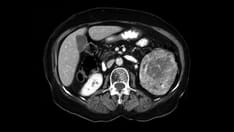
- CT scans of the chest, abdomen, and pelvis
- Possible abnormal findings include enlarged lymph nodes, hepatomegaly and/or splenomegaly (with or without focal parenchymal abnormalities), lung nodules or infiltrates, and pleural effusions.
- A mediastinal mass, representing mediastinal lymphadenopathy, is a very common finding in classic Hodgkin disease, although it is uncommon in NLPHD.
- Historically, gallium-67 (67Ga) scans were a standard part of the initial workup of Hodgkin disease. However, positron emission tomography (PET) scans are more sensitive and should replace 67Ga scans as part of the initial evaluation of Hodgkin disease, if possible. A pretreatment PET scan can be valuable as a baseline comparison for PET scans obtained to assess response to therapy.
Other Tests
Sampling of a pleural effusion by thoracentesis and examination of the cells obtained may be useful. The pleural fluid may be an exudate or transudate, or, it may be chylous.
CNS evaluation by lumbar puncture and MRI should be performed if symptoms or signs of CNS involvement are present. CNS involvement with Hodgkin disease is exceedingly rare, but it has been reported.
Procedures
- A histological diagnosis is always required.
- An excisional lymph node biopsy is recommended because the lymph node architecture is important for histological classification.
- When a patient presents with neck lymphadenopathy that may be due to a head and neck cancer, a fine-needle aspiration is usually advised as the initial diagnostic step, followed by excisional biopsy if squamous cell histology is excluded.
- Bone marrow biopsies
- Because Hodgkin disease in the bone marrow is often patchy, bilateral bone marrow biopsies are advised to improve the identification of advanced disease (stage IV).
- Bone marrow involvement is more common in elderly individuals, in patients with advanced-stage disease, in the presence of systemic symptoms, and in patients with a high-risk histology.
- A bone marrow biopsy can be omitted in patients with stage I Hodgkin disease and some patients with stage II Hodgkin disease without hematologic abnormalities.
- Staging laparotomy is a surgical procedure that includes splenectomy with biopsies of the liver and lymph nodes in the paraaortic, mesenteric, portal and splenic hilar regions. At present, staging laparotomy procedure is very rarely indicated because even early-stage disease is most often treated with combination chemotherapy. The procedure can be helpful in rare cases where radiation therapy is being considered as the sole treatment of early-stage Hodgkin disease.
Staging
The Ann Arbor classification (1971) is used most often. Clinical staging involves assessment of disease extent by clinical examination, history, and imaging techniques. When staging laparotomies are used as part of staging, disease extent is designated pathologic staging. - Stage I denotes a single lymph node area or single extranodal site.
- Stage II denotes 2 or more lymph node areas on the same side of the diaphragm.
- Stage III denotes lymph node areas on both sides of the diaphragm.
- Stage IV denotes disseminated or multiple involvement of extranodal organs. Involvement of the liver or the bone marrow is considered stage IV disease. For staging classifications, the spleen is considered to be a lymph node area. Involvement of the spleen is denoted with the S suffix (ie, IIBS).
- A or B designations denote the absence or presence of B symptoms.
- "B" designation includes the presence of 1 or more of the following: (1) fever (temperature >38°C), (2) drenching night sweats, and (3) unexplained loss of more than 10% of body weight within the preceding 6 months.
- "A" designation is the absence of the above.
- An "X" designation is sometimes used to indicate the presence of bulky disease.
- Approximately one third of new patients have splenic involvement based on laparotomy data. However, this depends on the histologic subtype. Two thirds of patients with mixed-cellularity have splenic involvement, compared to only one third of patients with lymphocyte-depleted or nodular sclerosis histologies. When liver or bone marrow involvement is present, the spleen is likely to be involved.
- Spread of Hodgkin disease takes place via the lymphatics, hematogenous routes, and direct extension.
- Contiguous involvement of extranodal sites, eg, involvement of the lung parenchyma due to direct extension of large mediastinal lymphadenopathy, is not considered stage IV disease. Rather, it is designated with the E suffix (ie, IIBE).
Unfavorable factors in limited-stage Hodgkin disease
Many factors that can be assessed at the time of disease diagnosis can help to determine whether a patient's Hodgkin disease has a high or low risk of proving resistant to therapy. Such an estimate is important for treatment planning. In addition, it can help identify patients who would potentially benefit from participating in clinical trials that seek to either minimize therapy in low risk patients or intensify therapy in high-risk patients. In patients with stage I or II disease, the following factors are considered unfavorable and, if present, will increase the intensity of the recommended initial therapy: - Bulky disease, defined as a mediastinal mass greater than one third the intrathoracic diameter (on a chest radiograph) or greater than 35% of the thoracic diameter at vertebral level T5-6; also qualifies as bulky if it is greater than 10 cm in diameter on a CT scan
- Erythrocyte sedimentation rate (ESR, a general marker of inflammation) 50 or higher, if the patient is otherwise asymptomatic
- More than 3 sites of Hodgkin disease involvement
- The presence of B symptoms
- The presence of extranodal disease
The International Prognostic Factors Project score (IPS) for advanced Hodgkin disease
The International Prognostic Factors Project was a survey of the characteristics at diagnosis and outcomes of 5,141 Hodgkin disease patients with either advanced disease, defined as either stage III or IV Hodgkin disease, or earlier stage disease with systemic symptoms or bulky features. The following characteristics were determined to each contribute independently to an increased relative risk for Hodgkin disease progression despite therapy:
- Serum albumin less than 4 g/dL
- Hemoglobin less than 10.5 g/dL
- Male sex
- Stage IV disease
- Age 45 y or older
- White cell count greater than 15,000/mm3
- Lymphocyte count less than 600/mm3 or less than 8% the total white cell count
The International Prognostic Score (IPS) is considered to be the number of features that are present at diagnosis. The IPS correlates with the rate of freedom from disease progression and overall survival. Patients with 0-1 of these factors would be predicted to have a 90% overall survival. In contrast, patients with 4 or more of these factors may have an overall survival rate of only 59%. One limitation of this scoring method is that it was unable to clearly identify the highest risk subgroup of patients, that is those who may benefit from up-front high-dose therapy. Analysis of cytokines and other serum markers may help to identify these patients in the future.
Medical Care
Principles of therapy - Hodgkin disease is considered to be a curable malignancy, but Hodgkin disease therapies can have significant long-term toxicity. Therefore, advances in treatment protocols have sought to (1) minimize the treatment given to patients with early stage, low-risk disease and (2) safely maximize the treatment given to patients with disease likely to be refractory to standard therapies.
- Combined-modality therapy (XRT and chemotherapy) is frequently the preferred approach in for most patients. In early stage disease, combined-modality therapy provides a synergistic effect while limiting the total exposure to any particular agent. In patients with advanced disease, involved-field XRT can be used for sites of persistent disease following chemotherapy. XRT to sites of disease that were bulky at diagnosis is a standard feature of the Stanford V regimen.
- The high sensitivity of PET scans for classic Hodgkin disease has given them a prominent role in the assessment of treatment response in Hodgkin disease patients. A positive PET scan following therapy correlates strongly with a high risk of relapse. An early attainment of a negative PET scan during ABVD therapy is a positive prognostic indicator, but studies have not yet provided information on whether a course of therapy can be safely shortened in this situation. PET/CT scans should be obtained at least 3 weeks, and preferably 6-8 weeks following the last therapy in order to lessen the risk of false-positive scans resulting from nonmalignant inflammatory responses.
- The goal of therapy is to induce a complete remission (CR), which is defined as the "disappearance of all evidence of disease," evaluated by PET/CT, physical examination and bone marrow examination (if appropriate). A partial remission (PR) is defined as "regression of measurable disease and no new sites" of disease.
- Despite its high rate of cure, many Hodgkin disease patients do relapse. In most of these cases, salvage chemotherapy followed by high-dose chemotherapy with autologous hematopoietic stem cell support is indicated.
- The role of allogeneic hematopoietic stem cell transplantation for Hodgkin disease is being explored. It is possible that a graft-vs-lymphoma effect may contribute to favorable outcomes in Hodgkin disease patients, but mortality directly resulting from the transplant procedure has been unacceptably high. Newer transplant protocols that use less-intensive conditioning regimens (chemotherapy) offer the potential for long-term disease-free survival with less transplant-related mortality. Allogeneic HSCT should ideally be pursued only in the context of a clinical trial.
- Because of the limited number of patients with Hodgkin disease and the importance of the clinical questions that remain about optimal Hodgkin disease management, patient involvement in clinical trials is strongly encouraged.
- NLPHD is clinically distinct from classic Hodgkin disease in that it generally presents as early stage disease that can be treated with local measures (surgery, radiation) or followed expectantly. Some cases of NLPHD can transform to aggressive non-Hodgkin lymphomas (NHL) that are treated using standard NHL paradigms.
Radiation therapy For treatment of classic Hodgkin disease, radiation therapy is generally administered in combination with chemotherapy. Radiation fields and doses are selected to minimizing the potential side effects of therapy, while maximizing the potential for long-term, disease-free survival. Involved-field therapy encompasses only the areas of observed disease. Regional-field therapy extends the involved-field to include adjacent lymph regions. Other fields that have been used historically and may be used in exceptional clinical circumstances include the mantle field, covering the mediastinal, cervical, and axillary nodes, and the inverted Y field, covering the paraaortic, pelvic, and inguinal nodes. Subtotal nodal irradiation involves the mantle field plus the paraaortic nodes. The mantle field is shaped in order to reduce radiation exposure to the heart and lungs. Careful avoidance of the spinal cord can reduce the risk of myelitis. Shielding the testes and oophoropexy are important during the reproductive years. The dose of radiation to be administered is tailored to the specific clinical scenario. Doses used in combined modality therapy are 30-36 Gy for bulky disease sites and 20-30 Gy for nonbulky disease sites. When used alone, doses may range from 30-44 Gy. In the NLPHD subtype of Hodgkin disease involved-field radiotherapy may be recommended for stage IA and IIA disease. Chemotherapy Induction regimens are those given as initial Hodgkin disease treatment. - MOPP (mechlorethamine, vincristine, procarbazine, prednisone) was the first effective combination chemotherapy developed for Hodgkin disease. It is a 4-drug regimen developed by Vincent DeVita and colleagues at the National Cancer Institute (NCI) in the mid 1960s and is primarily of historical importance.
- ABVD (Adriamycin, bleomycin, vinblastine, dacarbazine) was designed in Italy by Gianni Bonadonna and his colleagues in the early 1970s. This combination has now become the standard chemotherapy regimen for Hodgkin disease. ABVD is superior to MOPP in terms of disease-free survival (DFS) and has a lower incidence of sterility and secondary leukemia.
- Stanford V is a multidrug regimen created at Stanford University by Sandra Horning and colleagues. It consists of doxorubicin, vinblastine, mustard, bleomycin, vincristine, etoposide, and prednisone. The drugs are administered weekly, alternating myelosuppressive and nonmyelosuppressive agents, for 12 weeks. Involved-field radiotherapy at the conclusion of the 12-week regimen is an important part of this regimen. A potential advantage of Stanford V is that its use of a broad spectrum of chemotherapy drugs can limit the exposure (and potential side-effects) of any single drug.
- BEACOPP was developed in Germany by Volker Diehl and colleagues and includes the following chemotherapeutic drugs: bleomycin, etoposide, doxorubicin, cyclophosphamide, vincristine, procarbazine, and prednisone. A dose-intensified version of BEACOPP, with higher doses of etoposide, Adriamycin, and cyclophosphamide and the addition of granulocyte colony-stimulating factor (G-CSF) for neutrophil support, also has been developed (escalated BEACOPP), which may be useful for unfavorable, advanced stage Hodgkin disease. However, escalated BEACOPP is associated with greater hematologic toxicity and a higher incidence of secondary malignancies, including acute myelogenous leukemia.
Ongoing clinical trials will directly compare ABVD to Stanford V and escalated BEACOPP. Salvage chemotherapy For patients who have failed induction chemotherapy, salvage chemotherapy is generally given. Salvage regimens incorporate drugs that are complementary to those that failed during induction therapy. Commonly used salvage regimens include ICE (ifosfamide, carboplatin, etoposide), DHAP (cisplatin, cytarabine, prednisone), and ESHAP (etoposide, methylprednisolone, cytarabine, cisplatin). High-dose chemotherapy with bone marrow transplantation High-dose chemotherapy (HDC) at doses that ablate the bone marrow is feasible with reinfusion of the patient's previously collected hematopoietic stem cells (HSCs) (autologous transplantation) or infusion of stem cells from a donor source (allogeneic transplantation). Historically, HSCs have been obtained from bone marrow, but they are now typically obtained by pheresis of peripheral blood lymphocytes. A validated and relatively safe conditioning regimen for autologous transplantation is BEAM (BCNU, etoposide, cytarabine, melphalan). Specific regimens All of the medications in all of the regimens described in the article are given intravenously, except for prednisone and procarbazine, which are given orally.
Induction (for initial Hodgkin disease treatment) MOPP - Mechlorethamine 6 mg/m2, days 1 and 8
- Vincristine 1.4 mg/m2, days 1 and 8
- Procarbazine 100 mg/m2, days 1-14
- Prednisone 40 mg/m2, days 1-14, cycles 1 and 4 only
Every 28 days for 6 or more cycles ABVD - Adriamycin 25 mg/m2, days 1, 15
- Bleomycin 10 mg/m2, days 1, 15
- Vinblastine 6 mg/m2, days 1, 15
- Dacarbazine 375 mg/m2, days 1, 15
Every 28 days for 6 or more cycles Stanford V - Vinblastine 6 mg/m2, weeks 1, 3, 5, 7, 9, 11
- Doxorubicin 25 mg/m2, weeks 1, 3, 5, 9, 11
- Vincristine 1.4 mg/m2, weeks 2, 4, 6, 8, 10, 12
- Bleomycin 5 units/m2, weeks 2, 4, 8, 10, 12
- Mechlorethamine 6 mg/m2, weeks 1, 5, 9
- Etoposide 60 mg/m2 twice daily, weeks 3, 7, 11
- Prednisone 40 mg/m2, every other day, weeks 1-10, tapered weeks 11, 12
XRT is administered to bulky sites 2-4 weeks following the end of chemotherapy. Escalated BEACOPP - Bleomycin 10 mg/m2, day 8
- Etoposide 200 mg/m2, days 1-3
- Doxorubicin 35 mg/m2, day 1
- Cyclophosphamide 1,250 mg/m2, day 1
- Vincristine 1.4 mg/m2, day 8
- Procarbazine 100 mg/m2, days 1-7
- Prednisone 40 mg/m2, days 1-14
Every 3 weeks for 8 cycles Salvage (for primary refractory or relapsed disease) - ICE
- Ifosfamide 5 g/m2, day 2
- MESNA 5 g/m2, day 2
- Carboplatin AUC 5, day 2
- Etoposide 100 mg/m2, days 1-3
- DHAP
- Cisplatin 100 mg/m2, day 1
- Cytarabine 2 g/m2, given twice on day 2
- Dexamethasone 40 mg, days 1-4
- EPOCH
- Etoposide 50 mg/m2, days 1-4
- Vincristine 0.4 mg/m2, days 1-4
- Doxorubicin 10 mg/m2, days 1-4
- Cyclophosphamide 750 mg/m2, day 5
- Prednisone 60 mg/m2, days 1-6
In EPOCH, etoposide, vincristine, and doxorubicin are given together over a total of 96 hours in a continuous intravenous infusion. Myeloablative (high-dose therapy requires hematopoietic stem cell support for recovery) - BEAM
- BCNU 300 mg/m2, day -7
- Etoposide 150 mg/m2, every 12 hours, total of 8 doses, days –7 to -4
- Cytarabine 200 mg/m2, every 12 hours, total of 8 doses, days –7 to -4
- Melphalan 140 mg/m2, day –3
Different schedules for BEAM exist that vary primarily in the dose of etoposide administered. This is the version used by Schmitz et al (2002) in a key randomized, prospective clinical trial.1 Following this chemotherapy, autologous hematopoietic stem cells are administered on day 0. Specifics of treatment by stage and clinical presentation Treatment of Hodgkin disease is tailored to disease type, disease stage, and an assessment of the risk of resistant disease. Two sets of consensus guidelines currently help guide the standard of care for Hodgkin disease, written by the National Comprehensive Cancer Network (NCCN) and the European Society for Molecular Oncology. The guidelines are very similar, but the NCCN guidelines have more specific recommendations for response evaluation and follow-up. In addition, a set of revised response criteria for malignant lymphoma, including Hodgkin disease, and recommendations for using PET scanning to monitor Hodgkin disease have recently been published by the International Harmonization Project. Together, these provide specific guidance for evaluating the response of Hodgkin disease to therapy. Goals of therapy The primary goal of therapy is to induce a complete remission (CR), which is defined as the "disappearance of all evidence of disease," evaluated by PET/CT, physical examination, and bone marrow examination (if appropriate). PET/CT should be obtained at least 3 weeks and preferably 6-8 weeks following the last therapy in order to lessen the risk of false-positive scans resulting from nonmalignant inflammatory responses. A partial remission (PR) is defined as "regression of measurable disease and no new sites" of disease. A failure to achieve a CR with initial therapy or a relapse after having attained a CR is an indication for additional, high-dose chemotherapy and/or RT, often with autologous hematopoietic stem cell support. Early stage, low-risk disease This group is defined as patients with clinical stages IA or IIA classic Hodgkin disease who do not have unfavorable factors (bulky disease, elevated ESR, >3 sites of involvement, B symptoms, extranodal disease). These patients generally should receive 4 cycles of ABVD or 8 weeks of Stanford V, followed by involved-field RT. If RT is contraindicated or not possible, then chemotherapy should continue for 2 additional cycles following the attainment of a complete remission. Early stage disease with unfavorable factors This group is defined as patients with clinical stages I or II with bulky disease, with or without unfavorable factors (elevated ESR, >3 sites of involvement, B symptoms, extranodal disease). These patients are candidates for 4-6 cycles of ABVD or 12 weeks of Stanford V, followed by involved-field RT. Advanced and/or high-risk disease These patients have stage I or II disease with B symptoms (IB, IIB), or stages III or IV. The NCCN recommends either 4 cycles of ABVD or 12 weeks of Stanford V, followed by restaging with PET/CT. If a patient has positive results on PET scan following ABVD, an additional 2 cycles are administered. Once a CR has been achieved, involved-field RT is given. If, after 12 weeks of Stanford V, a patient is in a CR or PR has been attained, then involved-field RT is standard. EMSO recommends that patients with this category of disease receive either 8 cycles of ABVD or standard-dose BEACOPP, with involved-RT applied only to tumors initially more than 7.5 cm or to sites of residual disease following chemotherapy. For patients with advanced stage disease, the use of escalated BEACOPP has support in the literature. NLPHD Early stage NLPHD can be treated with local excision, involved-field radiation, or expectant management (close observation). Advanced-stage disease may represent histologic transformation to T-cell rich B-cell lymphoma (TCR-BCL) or diffuse large cell B-cell lymphoma (DLCBL). These are types of non-Hodgkin lymphoma (NHL) that should be treated with a typical NHL regimens, such as R-CHOP (cyclophosphamide, doxorubicin, vincristine, prednisone, rituximab). Rituximab is a humanized monoclonal antibody specific for CD20, a cell-surface antigen expressed by the malignant L&H cells in NLPHD. It has shown activity as a single agent in NLPHD. However, the responses are typically short-lived and there is a concern that rituximab may be associated with transformation of NLPHD to NHL. Therefore, the use of rituximab in NLPHD should be best pursued in the context of a clinical trial. Hodgkin disease with concomitant HIV infection In patients with advanced Hodgkin disease and HIV, the results with standard chemotherapy (eg, ABVD, BEACOPP) can be dramatically improved by simultaneous treatment with highly active antiretroviral therapy (HAART). Such therapy generally involves 3 drugs: 2 nucleoside reverse transcriptase inhibitors combined with either a protease inhibitor, a nonnucleoside reverse transcriptase inhibitor, or a viral fusion inhibitor. Relapsed or primary refractory disease Hodgkin disease that has never entered a CR or has relapsed after the attainment of a CR is associated with a very poor prognosis when treated with standard chemotherapy and radiation. Therefore, for patients with relapsed or refractory disease, HDC with autologous transplantation is recommended. In this procedure, salvage chemotherapy is first administered to help reduce the size of the persistent disease and obtain a CR, if possible. The number of cycles to be administered depends on how well the Hodgkin disease is responding to therapy. An optimal situation is one in which the patient's Hodgkin disease enters a CR with negative PET scan findings. Following one of the cycles of salvage chemotherapy, hematopoietic stem cells (HSCs) are collected from the peripheral blood by leukapheresis and are stored frozen. Following the administration of myeloablative chemotherapy (eg, BEAM), the stored HSCs are thawed and re-infused into the patient to facilitate hematopoietic recovery. HDC with autologous transplantation can provide better than 50% long-term, progression-free survival for patients with relapsed, although specific predicted outcomes vary widely depending on patient-specific risk factors. Many questions relating to salvage and HDC therapy for patients with Hodgkin disease need to be addressed and are the subject of ongoing clinical trials. These include (1) the optimal salvage regimen or regimens, (2) the ideal conditioning regimen or regimens, (3) the potential benefits of twin transplants compared to single transplants, and (4) how to prospectively identify those patients who are unlikely to benefit from HDC and how to best manage their disease. In some patients in whom HDC fails, allogeneic HSC transplantation may be a viable option. In this method, myeloablative therapy (chemotherapy and sometimes RT) is followed by the infusion of HSCs from a genetically matched donor. This offers the potential for an immunological antitumor effect from T-cells provided by the HSC donor, which may improve the chances for cure of the disease. Historically, allogeneic transplantation for Hodgkin disease has been considered too high risk for most patients due a high transplant-related mortality. However, evolution of transplant protocols to include less toxic conditioning regimens will likely expand the utility of this option for patients with refractory Hodgkin disease. Allogeneic transplantation for Hodgkin disease should ideally be performed in the context of a clinical trial.
Consultations
- Hematologist/oncologist
- Radiation oncologist
- Social worker
- Tertiary care center for consideration of clinical trial enrollment
Further Outpatient Care
Follow-up for the patient in complete remission
NCCN and EMSO both provide recommendations for the long-term follow-up of treated Hodgkin disease patients. - Most relapses occur in the first 3 years after therapy. Follow-up visits are recommended every 2-4 months for the first 1-2 years and every 3-6 months for the next 3-5 years.
- Follow-up examinations include the following:
- History and physical examination
- Complete blood counts and chemistry panel, including LDH, ESR, glucose, and lipids
- Thyroid-stimulating hormone (TSH) levels (at least annually if the patient has had neck RT)
- Chest x-ray or CT scans of the chest every 3-6 months in the first 2-3 years and then at least annually until 5 years. Abdominal and pelvic CT may be added every 3-12 months, especially if the disease had originally occurred below the diaphragm.
- PET scans obtained for surveillance following CR is specifically not encouraged by the NCCN due to the possibility that false-positive results may occur.
- Spiral chest CT scan 5 years after therapy to screen for lung cancer.
- Female patients with a history of chest irradiation should be screened annually by mammography, starting at age 40 years or 5-8 years following the RT.
- Vaccinations including pneumococcus (especially in patients who have had splenectomy), H-flu, meningococcus and influenza (annually, especially in patients who have received bleomycin or chest RT) should be maintained.
Complications
Late complications of therapy in Hodgkin disease survivors Survivors of Hodgkin disease may have long-term sequelae of their therapy. In the Stanford series, which provides long-term follow-up of more than 2000 patients with Hodgkin disease, treatment-related causes (mainly second primary tumors and cardiac disease) exceeded Hodgkin disease as the predominant cause of death at 15 years. With the current widespread use of nonleukemogenic chemotherapy (ABVD) and the use of smaller radiation fields and doses, the rate of treatment-related deaths is expected to decrease.
- Cardiac disease
- Mantle radiotherapy increases the risk the risk of coronary artery disease, chronic pericarditis, pancarditis, valvular heart disease, and defects in the conduction system.
- Patients with history of mediastinal radiation have a 3-fold increase in their risk of cardiac death.
- A recent study of patients who had previously undergone mediastinal irradiation for Hodgkin disease but had no clinical evidence of heart disease demonstrated significant incidence of silent coronary artery obstruction and previous ventricular damage. Based on these results, it is reasonable to initiate functional screening in Hodgkin disease patients 5 years after RT.
- Pulmonary disease
- ABVD contains bleomycin, a drug associated with dose-related pulmonary toxicity, mainly interstitial pneumonitis, which may lead to fibrosis.
- The addition of mantle irradiation enhances lung injury. Pulmonary symptomatology, such as cough or dyspnea upon exertion, is observed in half the patients, and declining pulmonary function parameters are observed in approximately one third of patients during ABVD chemotherapy with or without radiation therapy. This may lead to dose reductions or even discontinuation of bleomycin.
- Baseline tests and follow-up evaluation with pulmonary function tests are recommended. The best parameter to follow is the carbon monoxide diffusion capacity.
- Although acute toxicity is common, the incidence of severe long-term pulmonary toxicity is low. Fatal pulmonary toxicity has been reported in up to 2-3% of patients treated with ABVD.
- Secondary cancers: Secondary leukemias and solid tumors are significant causes of morbidity and mortality for patients who have received early therapies, including MOPP and mantle radiation. With modern therapies that emphasize the widespread use of ABVD and Stanford V and the application of radiation to involved fields only, the incidence of secondary cancers is expected to be much lower.
- Myelodysplasia (MDS)/acute leukemia
- In the Stanford series, the projected risk for developing MDS or acute leukemia over a follow-up period of 35 years was 2%, and the relative risk compared to matched controls was 38%. MOPP is associated with an approximately 5% incidence of MDS/leukemia. With ABVD, the risk is lower, less than 1%.
- MDS/AML is usually seen in the first 3-8 years following treatment for Hodgkin disease; subsequently, the risk appears to decline. These findings are consistent with the biology of secondary leukemias following alkylator therapy.
- MDS/AML usually develops in the context of an MDS with cytogenetic abnormalities in chromosomes 5 and/or 7. Exposure to alkylating agents (eg, the mechlorethamine used in MOPP) has been implicated.
- Exposure to epipodophyllotoxins (etoposide and teniposide) also may result in AML, which generally develops within 3 years and is associated with chromosomal abnormalities at band 11q23.
- Breast cancer
- Patients treated with mantle radiation when they are younger than 30 years are 19 times more likely to develop breast cancer. If women are exposed to chest radiation when they are younger than 15 years, this relative risk increases to 136.
- MOPP chemotherapy also produces an increased risk for breast cancer when combined with radiation.
- Other solid tumors
- The most common secondary malignancy following Hodgkin disease treatment is lung cancer. Both chemotherapy with alkylating agents and irradiation are associated with 10-fold increased relative risk of lung cancer. Smoking can further increase the risk.
- Patients in the Stanford series were also found to have increased risks of developing melanoma, non-Hodgkin lymphoma, soft-tissue sarcoma, salivary gland cancers, pancreatic cancers, and thyroid cancers.
- Infertility
- MOPP causes permanent infertility in at least 80% of males and approximately 50% of females. Young females may maintain their ovarian function. Escalated BEACOPP is also likely to impair fertility.
- ABVD and Stanford V are not associated with permanent sterility. However, it is recommended that male patients undergo pretreatment sperm banking because many Hodgkin disease patients have low sperm counts at the time of their diagnosis as a result of their disease.
- Infectious complications
- Patients who have undergone splenectomy are predisposed to bacterial sepsis secondary to encapsulated microorganisms (especially Streptococcus pneumoniae). Empiric antibiotic therapy should be instituted promptly in patients who have undergone splenectomy and present with fever. Pneumococcal vaccination prior to splenectomy and every 5-7 years thereafter is also recommended.
- Influenza vaccination annually may help reduce the incidence and/or complications of influenza in patients who have received bleomycin or chest RT.
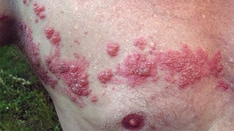
- Herpes zoster usually appears in previously irradiated dermatomes, but it may also occur in patients who have not been irradiated.
- Hypothyroidism: Elevation of TSH occurs in one third of adult patients after neck/mediastinal radiotherapy.
- Lhermitte syndrome: Patients with this syndrome describe an electric shock sensation radiating along the back and legs upon flexion of the neck. It can occur in approximately 15% of patients after mantle irradiation. Lhermitte syndrome is not associated with the development of radiation myelitis, and it does not require treatment. This syndrome may last for many months, but eventually it resolves without long-term sequelae.
- Psychosocial sequelae: Hodgkin disease survivors have an increased incidence of fatigue, psychiatric distress (anxiety, depression), problems with employment, issues with family, and problems with sexual functioning, relative to individuals without Hodgkin disease or to survivors of acute leukemia.
Patient Education
- Prior to high-dose therapy, patients should be counseled about the risk of infertility, and sperm banking should be considered for males.
- Patients should be counseled on health habits that may help reduce the risk of cancer and cardiovascular disease, including avoidance of smoking, control of lipids, and the use of sunscreen.
- Female patients who have received chest RT should be encouraged to perform regular breast self examinations.
- Patients should also be advised about the long-term risk of infection after undergoing splenectomy and the importance of calling their physician if they experience a fever.
- Patients should understand the risk of psychosocial problems that may affect Hodgkin disease survivors. Consultations with social workers, psychologists, and psychiatrists may be helpful to manage some of these issues.
Medical/Legal Pitfalls
- Because Hodgkin disease is considered to be a curable malignancy, medicolegal problems may arise from failure to diagnose the disease in a timely manner, possibly attributable to the following factors:
- The misinterpretation B symptoms
- A lack of follow-up for abnormal chest radiograph or physical examination findings
- A missed pathologic diagnosis because a needle biopsy was obtained rather than an excisional lymph node biopsy
- Hodgkin disease treatment seeks to balance the risk of treatment failure with the risk of treatment side effects. Medicolegal liability may therefore result from overtreatment of low-risk disease or undertreatment of high-risk disease.
- Patients with refractory or relapsed disease should be promptly referred to centers capable of high-dose chemotherapy with HSC support.
- In the care of Hodgkin disease survivors, problems may arise in the following scenarios:
- Failure to identify secondary cancers in a timely manner
- Failure to consider sepsis as a possible cause for fever in a splenectomized patient
- Failure to diagnose and treat predictable complications of Hodgkin disease treatment such as coronary artery, pulmonary, or thyroid disease
- Failure to warn patients about potential complications of Hodgkin disease therapy, including the risk of cardiac disease, lung toxicity, and secondary cancers. Patients should also be apprised of the potential loss of fertility that may arise from MOPP, escalated BEACOPP, pelvic irradiation, or high-dose chemotherapy, so that they may explore fertility-preserving options such as sperm banking, oral contraceptive use, or oophoropexy (temporary surgical suspension of the ovaries, eg, outside of a radiation field).
National Comprehensive Cancer Network Clinical Practice Guidelines in Oncology, Hodgkin Disease/Lymphoma
National Cancer Institute, Adult Hodgkin's Lymphoma Treatment, information for patients
National Cancer Institute, Adult Hodgkin's Lymphoma Treatment, information for health professionals
CA Cancer Journal for Clinicians, Cancer Statistics 2006
National Cancer Institute, Search for Clinical Trials: Basic Search
- Schmitz N, Pfistner B, Sextro M, Sieber M, et al. Aggressive conventional chemotherapy compared with high-dose chemotherapy with autologous haemopoietic stem-cell transplantation for relapsed chemosensitive Hodgkin's disease: a randomised trial. Lancet. Jun 15 2002;359(9323):2065-71. [Medline].
- Aleman BM, van den Belt-Dusebout AW, De Bruin ML, van t Veer MB, Baaijens MH, de Boer JP. Late cardiotoxicity after treatment for Hodgkin lymphoma. Blood. Mar 1 2007;109(5):1878-86. [Medline].
- Anderlini P, Saliba R, Acholonu S, Okoroji GJ, Donato M, Giralt S. Reduced-intensity allogeneic stem cell transplantation in relapsed and refractory Hodgkin's disease: low transplant-related mortality and impact of intensity of conditioning regimen. Bone Marrow Transplant. May 2005;35(10):943-51. [Medline].
- Anderlini, P. and Champlin, R. Reduced intensity conditioning for allogeneic stem cell tranplantation in relapsed and refractory Hodgkin Lymphoma: Where do we stand?. Biology of Blood and Marrow Transplantation. June 2006;12:599-602. [Medline].
- Behringer K, Breuer K, Reineke T, May M, Nogova L, Klimm B, et al. Secondary amenorrhea after Hodgkin's lymphoma is influenced by age at treatment, stage of disease, chemotherapy regimen, and the use of oral contraceptives during therapy: a report from the German Hodgkin's Lymphoma Study Group. J Clin Oncol. Oct 20 2005;23(30):7555-64. [Medline].
- Canellos GP, Anderson JR, Propert KJ, et al. Chemotherapy of advanced Hodgkin's disease with MOPP, ABVD, or MOPP alternating with ABVD. N Engl J Med. Nov 19 1992;327(21):1478-84. [Medline].
- Cheson BD, Pfistner B, Juweid ME, Gascoyne RD, et al. Revised response criteria for malignant lymphoma. J Clin Oncol. Feb 10 2007;25(5):579-86. [Medline].
- Friedberg JW, Fischman A, Neuberg D, et al. FDG-PET is superior to gallium scintigraphy in staging and more sensitive in the follow-up of patients with de novo Hodgkin lymphoma: a blinded comparison. Leuk Lymphoma. Jan 2004;45(1):85-92. [Medline].
- Fung HC, Stiff P, Schriber J, Toor A, et al. Tandem autologous stem cell transplantation for patients with primary refractory or poor risk recurrent Hodgkin lymphoma. Biol Blood Marrow Transplant. May Epub 2007 Mar 23 2007;13(5):594-600. [Medline].
- Hasenclever D, Diehl V. A prognostic score for advanced Hodgkin's disease. International Prognostic Factors Project on Advanced Hodgkin's Disease. N Engl J Med. Nov 19 1998;339(21):1506-14. [Medline].
- Heidenreich PA, Schnittger I, Strauss HW, Vagelos RH, Lee BK, Mariscal CS. Screening for coronary artery disease after mediastinal irradiation for Hodgkin's disease. J Clin Oncol. Jan 1 2007;25(1):43-9. [Medline].
- Hentrich M, Maretta L, Chow KU, Bogner JR, Schürmann D, Neuhoff P, et al. Highly active antiretroviral therapy (HAART) improves survival in HIV-associated Hodgkin's disease: results of a multicenter study. Ann Oncol. Jun Epub 2006 Mar 24 2006;17(6):914-9. [Medline].
- Hjalgrim H, Smedby K, et al. Infectious mononucleosis, childhood social environment, and risk of hodgkin lymphoma. Cancer Research. March 2007;67:2382-2388. [Medline].
- Hodgson DC, Pintilie M, Gitterman L, Dewitt B, Buckley CA, Ahmed S, et al. Fertility among female hodgkin lymphoma survivors attempting pregnancy following ABVD chemotherapy. Hematol Oncol. Mar 2007;25(1):11-5. [Medline].
- Hoppe RT. Hodgkin's disease: complications of therapy and excess mortality. Ann Oncol. 1997;8 Suppl 1:115-8. [Medline].
- Hoppe RT, Advani RH, Bierman PJ, Bloomfield CD, Buadi F, Djulgegovic B. Hodgkin disease/lymphoma. Clinical practice guidelines in oncology. J Natl Compr Canc Netw. Mar 2006;4(3):210-30. [Medline].
- Horning SJ, Hoppe RT, Advani R, et al. Efficacy and late effects of Stanford V chemotherapy and radiotherapy in untreated Hodgkin's disease: mature data in early and advanced stage patients. Blood. 2004;104: abstract 308.
- Hutchings M, Loft A, Hansen M, et al. FDG-PET after two cycles of chemotherapy predicts treatment failure and progression-free survival in Hodgkin lymphoma. Blood. Jan 1 2006;107(1):52-9. [Medline].
- Jabbour E, Hosing C, Ayers G, Nunez R, Anderlini P, Pro B, et al. Pretransplant positive positron emission tomography/gallium scans predict poor outcome in patients with recurrent/refractory Hodgkin lymphoma. Cancer. Jun 15 2007;109(12):2481-9. [Medline].
- Jaffe ES, Harris NL, Stein H, Vardiman JW. World Health Organization: Pathology and Genetics of Tumours of Haematopoietic and Lymphoid Tissues. Lyon, IARC Press; 2001.
- Jemal A, Siegel R, Ward E, et al. Cancer statistics, 2006. CA Cancer J Clin. Mar-Apr 2006;56(2):106-30. [Medline].
- Jost LM, Stahel RA; ESMO Guidelines Task Force. ESMO Minimum Clinical Recommendations for diagnosis, treatment and follow-up of Hodgkin's disease. Ann Oncol. 2005;16 Suppl 1:54-5. [Medline].
- Juweid ME, Stroobants S, Hoekstra OS, Mottaghy FM, et al. Use of positron emission tomography for response assessment of lymphoma: consensus of the Imaging Subcommittee of International Harmonization Project in Lymphoma. J Clin Oncol. Feb 10 Epub 2007 Jan 22 2007;25(5):571-8. [Medline].
- Kennedy BJ, Fremgen AM, Menck HR. The National Cancer Data Base report on Hodgkin's disease for 1985-1989 and 1990-1994. Cancer. Sep 1 1998;83(5):1041-7. [Medline].
- Koontz BF, Kirkpatrick JP, Clough RW, et al. Combined-modality therapy versus radiotherapy alone for treatment of early-stage Hodgkin's disease: cure balanced against complications. J Clin Oncol. Feb 1 2006;24(4):605-11. [Medline].
- Kornblith AB, Herndon JE 2nd, Zuckerman E, Cella DF, et al. Comparison of psychosocial adaptation of advanced stage Hodgkin's disease and acute leukemia survivors. Cancer and Leukemia Group B. Ann Oncol. Mar 1998;9(3):297-306. [Medline].
- Lavoie JC, Connors JM, Phillips GL, Reece DE, Barnett MJ, Forrest DL. High-dose chemotherapy and autologous stem cell transplantation for primary refractory or relapsed Hodgkin lymphoma: long-term outcome in the first 100 patients treated in Vancouver. Blood. Aug 15 2005;106(4):1473-8. [Medline].
- Levine JM, Weiner M, Kelly KM. Routine use of PET scans after completion of therapy in pediatric Hodgkin disease results in a high false positive rate. J Pediatr Hematol Oncol. Nov 2006;28(11):711-4. [Medline].
- Loge JH, Abrahamsen AF, Ekeberg, Kaasa S. Fatigue and psychiatric morbidity among Hodgkin's disease survivors. J Pain Symptom Manage. Feb 2000;19(2):91-9. [Medline].
- Morabito F, Stelitano C, Luminari S, Mammi C, Marcheselli L, Callea V, et al. The role of high-dose therapy and autologous stem cell transplantation in patients with primary refractory Hodgkin's lymphoma: a report from the Gruppo Italiano per lo Studio dei Linfomi (GISL). Bone Marrow Transplant. Feb 2006;37(3):283-8. [Medline].
- Ng AK, Bernardo MP, Weller E, Backstrand KH, Silver B, Marcus KC, et al. Long-term survival and competing causes of death in patients with early-stage Hodgkin's disease treated at age 50 or younger. J Clin Oncol. Apr 15 2002;20(8):2101-8. [Medline].
- Ng AK, Mauch PM. Late complications of therapy of Hodgkin''s disease: prevention and management. Curr Hematol Rep. Jan 2004;3(1):27-33. [Medline].
- Parkin DM, Pisani P, Ferlay J. Global cancer statistics. CA Cancer J Clin. Jan-Feb 1999;49(1):33-64, 1. [Medline].
- Perz JB, Giles C, Szydlo R, O'Shea D, et al. LACE-conditioned autologous stem cell transplantation for relapsed or refractory Hodgkin's lymphoma: treatment outcome and risk factor analysis in 67 patients from a single centre. Bone Marrow Transplant. Jan Epub 2006 Nov 20 2007;39(1):41-7. [Medline].
- Portlock CS. Nodular lymphocyte predominant Hodgkin's disease. Cancer Treat Res. 2006;131:353-62. [Medline].
- Przepiorka D, van Besien K, Khouri I, Hagemeister F, et al. Carmustine, etoposide, cytarabine and melphalan as a preparative regimen for allogeneic transplantation for high-risk malignant lymphoma. Ann Oncol. May 1999;10(5):527-32. [Medline].
- Re D, Kuppers R, Diehl V. Molecular pathogenesis of Hodgkin's lymphoma. J Clin Oncol. Sep 10 2005;23(26):6379-86. [Medline].
- SEER. Surveillance Epidemiology and End Results Cancer Statistics Review, 1975-2002, National Cancer Institute, 2005.
- Straus DJ, Portlock CS, Qin J, Myers J, et al. Results of a prospective randomized clinical trial of doxorubicin, bleomycin, vinblastine, and dacarbazine (ABVD) followed by radiation therapy (RT) versus ABVD alone for stages I, II, and IIIA nonbulky Hodgkin disease. Blood. Dec 1 Epub 2004 Aug 17 2004;104(12):3483-9. [Medline].
- Thomas RK, Re D, Wolf J, Diehl V. Part I: Hodgkin's lymphoma--molecular biology of Hodgkin and Reed-Sternberg cells. Lancet Oncol. Jan 2004;5(1):11-8. [Medline].
Hodgkin Disease excerpt Article Last Updated: Jul 23, 2007
|