You are in: eMedicine Specialties >
Critical Care > MEDICAL TOPICS
Toxicity, Heroin
Article Last Updated: May 19, 2006
AUTHOR AND EDITOR INFORMATION
Section 1 of 11
Author: Rania Habal, MD, Assistant Professor, Department of Emergency Medicine, New York Medical College
Rania Habal is a member of the following medical societies: American College of Emergency Physicians, New York Academy of Medicine, and Society for Academic Emergency Medicine
Editors: Laurie Robin Grier, MD, Medical Director of MICU, Associate Professor of Medicine, Section of Pulmonary and Critical Care Medicine, Louisiana State University Health Science Center at Shreveport; Francisco Talavera, PharmD, PhD, Senior Pharmacy Editor, eMedicine; Daniel R Ouellette, MD, FCCP, Associate Professor of Medicine, Wayne State University School of Medicine; Consulting Staff, Pulmonary Disease and Critical Care Medicine Service, Henry Ford Health System; Timothy D Rice, MD, Associate Professor, Departments of Internal Medicine and Pediatrics and Adolescent Medicine, Saint Louis University School of Medicine; Michael R Pinsky, MD, CM, Professor of Critical Care Medicine, Bioengineering, Cardiovascular Diseases and Anesthesiology, University of Pittsburgh School of Medicine, University of Pittsburgh Medical Center
Author and Editor Disclosure
Synonyms and related keywords:
heroin, heroin toxicity, heroin poisoning, heroin addiction, heroin use, heroin dependence, dope, smack, skag, junk, mud, shill, big H, horse, white stuff, brown sugar, black tar, Lady Jane, body stuffers, body packers, intravenous drug use, intravenous drug abusers, IVDA, skin-popping, heroin overdose, diacetylmorphine, narcotic, mainlining, opioid
Background
Heroin (diacetylmorphine) is a semisynthetic narcotic that was first synthesized in 1874. It was originally marketed as a safer, nonaddictive substitute to morphine. Soon after its introduction, heroin was realized to be clearly as addictive as morphine, prompting the US government to institute measures to control its use. By 1914, the Harrison Narcotics Act prohibited the use of heroin without a prescription. In 1920, the Dangerous Drugs Act prohibited the use of heroin altogether, thus driving it underground. In the United States, heroin remains the most frequently abused narcotic, followed by codeine and methadone.
In its pure form, heroin is a white powder with a bitter taste. Street heroin samples are frequently mixed with other substances so dealers may maximize their profits. Because of these impurities and additives, street heroin may appear in various hues and colors, ranging from white to dark brown. Heroin is occasionally sold as a black tarry substance, especially when crude processing methods are used to manufacture it.
The presence of impurities and additives also limits heroin absorption through mucous membranes, thus limiting its "rush" and "high" when it is sniffed or snorted. In patients who are dependent on heroin, intravenous injection ("mainlining") becomes the only effective method of heroin use. During the 1990s, the purity of US street heroin increased significantly, and its price sharply dropped. In 1980, for example, the average street sample (100-mg bag) contained 3.6% heroin (3.6 mg of heroin) and cost $3.90, compared with 1999, when the average street sample contained 38.2% heroin and cost $0.80. Samples from South America appeared to have the highest purity, reaching the 90% range. Not surprisingly, this dramatic increase in heroin purity, coupled with the well-publicized dangers of intravenous drug use, led to a change in the pattern of use. Snorting and smoking were the methods of choice and were especially favored by the younger users and new users. Recent samples, however, have demonstrated a rise
inimpurities. Analysis of heroin powder seized by the US Food and Drug Administration (FDA) in 2005 revealed a heroin content that ranged from 7.3-75%.
Heroin poisoning occurs when an individual accidentally or intentionally overdoses on the drug or when an ingested heroin packet ruptures in the GI tract of a "body packer" or "body stuffer."
Pathophysiology
Heroin is a highly addictive semisynthetic opioid that is derived from morphine. When used intravenously, heroin is 3-5 times more potent than its parent compound and is able to modulate pain perception and cause euphoria. Similar to morphine, heroin has mu, kappa, and delta receptor activity. In general, stimulation of the mu receptors results in analgesia, euphoria, CNS depression with drowsiness and reduced physical activity, respiratory depression, and miosis. Patients who are dependent on narcotics generally use heroin for its mu receptor–mediated euphoric effects.
Respiratory depression is the result of heroin's ability to reduce the brain's responsiveness to changes in PCO2 and hypoxia.
Miosis results from heroin's effect on the mu and kappa receptors of the parasympathetic fibers that innervate the pupils. Stimulation of the delta and kappa receptors also results in analgesia, but the kappa receptors are mostly involved in spinal analgesia. Stimulation of kappa receptors may result in dysphoria and psychotomimetic effects.
Heroin, like morphine and other narcotics, also reduces peripheral vascular resistance (resulting in mild hypotension), causes mild vasodilation of the cutaneous blood vessels (resulting in flushing), and stimulates histamine release (resulting in pruritus).
Additionally, heroin inhibits baroreceptor reflexes, resulting in bradycardia, even in the face of hypotension.
Finally, heroin decreases gastric motility, inhibits the effect of acetylcholine on the small intestine, and diminishes the colonic propulsive waves, resulting in gastric-emptying time that is prolonged by as much as 12 hours and constipation.
The onset of action, peak effects, and duration of action vary with the different methods of use. Patients experience heroin's effect within 1-2 minutes when injected intravenously and within 15-30 minutes when injected intramuscularly. Heroin's peak therapeutic and toxic effects are generally reached within 10 minutes when injected intravenously, within 30 minutes when injected intramuscularly or when snorted, and within 90 minutes when injected subcutaneously. Analgesic effects generally last 3-5 hours.
Intravenously injected heroin creates a rush or a sensation of intense pleasure that begins within one minute of the injection and lasts from one to a few minutes. This rush is followed by a period of sedation that lasts about an hour. The initial rush is due to heroin's high lipid solubility and rapid penetration to the brain. The half-life of heroin is 15-30 minutes. Heroin is rapidly converted to 6-monoacetylmorphine (6-MAM) by the liver, brain, heart, and kidney and may not be detected in the blood at the time of blood draw. 6-MAM is then converted to morphine. Morphine is metabolized by the liver and excreted as a glucuronide product or in its free form by the kidneys. Morphine's half-life is considerably longer than heroin's, ie, 2-3 hours. A small amount of unchanged 6-MAM is excreted in the urine for up to 24 hours after heroin use. Because 6-MAM can originate only from heroin, its detection in the urine can mean only that the patient used either heroin or 6-MAM.
Frequency
United States
The true prevalence of heroin use is probably much higher than reported in surveys because surveys depend on self-reporting and may not reach some of the persons who use heroin the heaviest. In the last National Household Survey on Drug Abuse (NHSDA) survey performed in the United States, lifetime prevalence of heroin use was estimated at 2 million persons, the number of current heroin users estimated at 325,000, and the number of new heroin users estimated at 81,000. Nearly 100% of new heroin users are younger than 26 years.
According to the Drug Abuse Warning Network (DAWN), heroin use was mentioned in nearly 8% (47,604) of the 627,923 drug-related ED visits in the third and fourth quarters of 2003.
International
According to the United Nations Information Service (UNIS/NAR/887: Mar 4, 2005), Afghanistan produced more than 76% of the world's opium supply in 2003.
Overdoses and intoxication account for 7,000-8,000 deaths every year in Europe, many of which are related to heroin. The European Monitoring Centre for Drugs and Drug Addiction (EMCDDA) estimated in its 2001 report that, in the European Union, the proportion of problem drug users was 5-8 per 1,000 inhabitants (aged 15-64 y) in the United Kingdom, Italy, and Portugal; 3-5 per 1,000 in France, Spain, and Ireland; and 2-3 per 1,000 in Germany, the Netherlands, and Belgium. Heroin poisoning is the most common cause of accidental illicit drug overdose in Australia and Europe.
Mortality/Morbidity
In a recent study of acute lethality of commonly abused psychoactive substances, intravenous heroin appeared to have the greatest immediate toxicity. In the United States, most fatalities from heroin overdose occur in long-term users, usually early in their third decade of life. Fatality rates are higher in patients who use alcohol and other drugs such as benzodiazepines and cocaine. Death is most commonly due to respiratory failure or asphyxiation.
- In the United States in 1998, 19.5% of deaths caused by poisoning involved opioids. Most fatalities occurred in patients who were older, with co-ingestions of other drugs such as alcohol, cocaine, and antidepressants. Fatal heroin overdose is almost always caused by respiratory arrest.
- In 2003, 1,863 heroin overdoses were reported to US Poison Control Centers. Of these, 28 died, 253 developed major morbidity, and 566 developed moderate morbidity.
- About 3-7% of patients treated for heroin overdose require hospital admission because of complications such as pneumonia, noncardiogenic pulmonary edema (NCPE), and infectious complications.
Race
While heroin addiction has traditionally been viewed as a disease of the economically disadvantaged population, addiction among the affluent is grossly underreported. According to the National Institute on Drug Addiction (NIDA), little difference exists in lifetime heroin use among races and ethnic backgrounds.
Sex
While heroin addiction has traditionally been viewed as a disease of males, addiction among females is grossly underreported. According to NIDA, males were more likely than females to report heroin use during their lifetime.
Age
The National Survey on Drug Use and Health reported stability at low levels for heroin use among young people. In 2002, 13,000 persons aged 12-17 years had used heroin at least once in the past year, compared with 12,000 in 2003. Among the general population aged 12 years and older, 404,000 used heroin annually in 2002, compared with 314,000 in 2003.
History
In general, the clinical presentation of heroin poisoning and its diagnosis hold little challenge for the experienced health care practitioner. The diagnosis of heroin poisoning should be suspected in all comatose patients, especially in the presence of respiratory depression and miosis.
Symptoms generally develop within 10 minutes of intravenous heroin injection. Patients who survive heroin poisoning commonly admit to having used more than their usual dose, having used heroin again after a prolonged period of abstinence, or having used a more concentrated street sample.
Heroin toxicity shares common clinical characteristics with opiate toxicity. Keep this in mind because their diagnostic workup and management may differ. For example, clonidine administration in a patient with pontine hemorrhage may cause coma, respiratory depression, and miosis similar to opioid intoxication. Phencyclidine, certain phenothiazines, and organophosphates may also cause miosis with altered mental status.
The clinical presentation of heroin poisoning may be altered by a number of the following factors:
- Concomitant conditions: The presence of CNS disease, traumatic injuries, hypoxia, hypoglycemia, hypovolemia, acidosis, or metabolic disease may alter the clinical presentation of heroin poisoning.
- Co-ingestions: The most commonly co-ingested substance is alcohol, followed by benzodiazepines, cocaine, and amphetamines.
- Contaminants: Street heroin samples are often contaminated with agents that have their own toxicity profile, eg, sedative hypnotics, amphetamines, local anesthetics, anticholinergic agents, quinine, strychnine, arsenic, and, most recently, clenbuterol.
Physical
Coma, respiratory depression, and miosis are the hallmarks of opioid overdose. According to Hoffman and colleagues, the presence of these hallmarks (ie, coma, respiratory depression, miosis) have a 92% sensitivity and 76% specificity for heroin overdose. The depth of coma and the extent of respiratory depression varies widely with the opioid used, the dose, and the patient.
Mild hypotension and mild bradycardia are commonly observed with heroin use. These are attributable to peripheral vasodilation, reduced peripheral resistance and histamine release, and inhibition of baroreceptor reflexes. In the setting of heroin poisoning, hypotension remains mild. The presence of severe hypotension should prompt a search for hypoxia, hypovolemia, or acidosis.
Auscultation of the lungs may reveal evidence of atelectasis, pneumonia, pulmonary edema, or pneumothorax.
Examination of the skin may also reveal patterns of heroin use such as track marks, fresh puncture wounds, and "skin-popping" marks.
The clinical presentation may be altered in patients with co-ingestions and in the presence of concomitant medical conditions such as hypoxia, trauma, hypoglycemia, and shock or with concomitant ingestion of other toxins such as amphetamines, cocaine, and anticholinergics. In these circumstances, patients may exhibit delirium, tachypnea, and mydriasis. Delirium may also be noted in overdoses with prescription narcotics such as dextromethorphan, meperidine, and codeine. Convulsions occur with overdoses of meperidine, fentanyl, pentazocine, or propoxyphene. Tachypnea occurs with overdoses of pentazocine or meperidine.
Causes
The most common scenarios for a significant heroin overdose are the use of a higher dose, the accidental injection of highly concentrated solution in the unsuspecting user, or the use of heroin after a prolonged period of abstinence. Intentional (ie, suicidal) overdoses are rare. Other scenarios include body packing and body stuffing.
"Body packers," also called "mules", are people who pack their GI tract with bags of heroin in order to smuggle the illegal drug from one country to another. In these persons, the drugs are carefully packaged for safe passage. Persons may become symptomatic when a heroin-containing package ruptures or when the packages cause GI obstruction or rupture. Body packing should be suspected in persons who are found unconscious at airports, during international flights, or soon after a trip to endemic countries.
"Body stuffers," on the other hand, are people who ingest all the drugs in their possession in order to conceal the evidence from the police. Because these packages are typically not designed for safe GI transport, they easily rupture and frequently cause poisoning. The clinical presentation is often atypical because multiple substances may have been ingested.
Diabetic Ketoacidosis
Head Trauma
Hypercalcemia
Hypernatremia
Hyperosmolar Coma
Hypoglycemia
Hypothermia
Injecting Drug Use
Metabolic Acidosis
Other Problems to be Considered
Hypoxia
Pontine hemorrhage
Cholinergic overdose
Phenothiazine overdose
Toxicity, Clonidine
Toxicity, Phencyclidine
Toxicity, Sedative-hypnotics
Closed head trauma
Lab Studies
- The diagnosis of heroin poisoning is usually made clinically, and laboratory analysis does not alter therapy in the emergent setting. Additional tests and further workup are indicated if the patient's condition does not respond to naloxone or if the patient's course of treatment is complicated.
- Qualitative analysis may be helpful in confirming heroin use, as well as concomitant use of other drugs. Co-ingestion of alcohol, benzodiazepines, cocaine, and amphetamines is common and may contribute to morbidity and mortality. Therapeutic drug levels should be obtained if the patient is taking prescription narcotics, as these drug levels commonly contain acetaminophen or aspirin.
- Heroin is quickly metabolized to 6-MAM and morphine. Most qualitative toxicologic studies screen for morphine only and use the presence of morphine in the urine as a surrogate for heroin use. In criminal and legal cases, however, testing for specific compounds is necessary, and, because 6-MAM can be generated only from heroin metabolism, the presence of 6-MAM on a drug screen is taken as evidence for heroin use.
- Arterial blood gas analysis: In mild-to-moderate heroin overdoses, arterial blood gas (ABG) analysis reveals respiratory acidosis. In more severe overdoses, tissue hypoxia is common, leading to mixed respiratory and metabolic acidosis. The presence of unexplained metabolic acidosis should prompt a search for a co-ingestion or contamination with poisonous substances such as cyanide and clenbuterol.
- Metabolic panel: Hypoglycemia must be diagnosed at the bedside and treated immediately. A complete metabolic panel is indicated if the patient's coma persists despite the infusion of naloxone (Narcan), dextrose, and thiamine (the coma protocol).
- Liver function tests (LFTs) and coagulation studies are indicated if hepatitis is suspected and can determine ammonia levels if hepatic encephalopathy is suspected.
- Renal function tests: Renal function should be monitored in patients with rhabdomyolysis, shock, or prolonged coma and in the setting of sepsis, severe hypertension (HTN), and preexisting renal insufficiency.
- Complete blood cell (CBC) count: A CBC count is indicated if infection, blood loss, or immunodeficiency is suspected.
- Creatine kinase (CK): Determination of the CK level is indicated when rhabdomyolysis or compartment syndrome is suspected. An elevated CK level may denote cardiac injury in comatose patients.
- A pregnancy test should be considered in women of childbearing age.
- Cerebrospinal fluid (CSF) analysis is indicated when an infectious process is suspected.
Imaging Studies
- Chest radiography: Chest radiography is indicated if the patient remains hypoxic. A chest radiograph may help diagnose many of the pulmonary complications of heroin poisoning, including NCPE, aspiration pneumonitis, atelectasis, and other complications of drug use such as pneumothorax, pneumomediastinum, pneumoperitoneum, septic pulmonary emboli, fungal infections, and aspiration pneumonia. Adulterants may also cause pulmonary abnormalities. Talc, for example, causes granulomatosis and thrombosis of small pulmonary vessels and may appear as a reticulonodular pattern. Long-term talc exposure may also result in pulmonary hypertension.
- Abdominal radiography: Abdominal radiographs are helpful in demonstrating the presence of radiopaque substances in the GI tract, as well as vials or bags of heroin.
- Computerized tomography (CT) scan: CT scan of the brain is indicated in the presence of focal neurologic findings or when coma persists. A CT scan may reveal space-occupying lesions such as brain abscesses, intracerebral or extracerebral hematomas, and stroke.
- Magnetic resonance imaging (MRI): MRI of the brain is helpful in establishing the diagnosis of heroin-induced leukoencephalopathy. Findings include white-matter abnormalities in the cerebellum and posterior limb of the internal capsule.
Other Tests
- Electrocardiogram: An electrocardiogram (ECG) may show abnormalities in rhythm and rate, which are rare in pure opioid overdoses but common to some co-ingestants and adulterants of street drugs. An ECG may also reveal evidence of myocardial ischemia.
- Echocardiography (ECHO): An ECHO is indicated if endocarditis is suspected. An ECHO may also help diagnose acute pulmonary hypertension secondary to embolic disease.
Procedures
- Endotracheal intubation: Endotracheal intubation is indicated for airway protection and may be required in the management of hypoxia due to NCPE. Endotracheal intubation with ventilation may also be required in the management of increased intracranial pressure and shock.
- Pulmonary artery catheterization: NCPE secondary to opioid overdose is characterized by a normal pulmonary capillary wedge pressure and mildly increased pulmonary arterial pressure.
- Lumbar puncture: In the absence of signs of increased intracranial pressure, a lumbar puncture is indicated in comatose patients who have evidence of meningitis or fever without a source. In cases in which bacterial meningitis is suspected, antibiotic therapy should not be delayed by the lumbar puncture.
Medical Care
The direct effects of heroin on the CNS are quickly reversible with naloxone. Naloxone may be given intravenously, intramuscularly, subcutaneously, or through the endotracheal tube. A response should be expected within 5 minutes. The effects from naloxone generally last 20-40 minutes. Resedation occurs when large doses of heroin are used, when continuous absorption from a ruptured transport bag occurs, or in the presence of a long-acting narcotic agent. The absence of a response to naloxone should prompt a search for another cause of the clinical presentation, such as hypoglycemia. Respiratory support should be instituted early, when necessary.
Gastric lavage in the setting of oral heroin overdose is generally not recommended because it has no documented value. Furthermore, gastric lavage is contraindicated in "body packers" and "body stuffers" because the procedure may rupture a package.
Activated charcoal, which is indicated for orally ingested narcotics, especially those with large enterohepatic circulation (eg, propoxyphene, diphenoxylate) is of no value in pure heroin overdose.
"Body packers" and "body stuffers" also generally require whole-bowel irrigation, except in the presence of intestinal obstruction or perforation. Whole-bowel irrigation may be accomplished with an oral polyethylene glycol (GoLytely) solution at a rate of 2 L/h until stools are watery and clear.
Admission to the hospital is rarely necessary and generally limited to complications of heroin overdose and intravenous drug use. Admission to the intensive care unit is also rarely required and is indicated for patients who require respiratory support and those with life-threatening arrhythmias, shock, and recurrent convulsions, as well as those who require continuous naloxone infusions (rebound coma, respiratory depression).
- Pulmonary edema
- NCPE affects 0.3-2.4% of heroin overdoses and generally becomes clinically apparent within 2-4 hours of the overdose. NCPE is heralded by the onset of hypoxia, increased respiratory rate, and a cough that produces frothy pink sputum. Chest radiography generally reveals bilateral infiltrates. Heroin-related NCPE generally lasts 24-48 hours and responds to supportive care. In most instances, hypoxia improves with mask oxygen ventilation only, but endotracheal intubation may be required in up to 33% of patients. Endotracheal intubation is indicated for airway protection, severe hypoxia, acidosis, and cardiovascular instability.
- While the cause of NCPE remains uncertain, hypoxia-induced lung damage is likely to play a major role in the development of pulmonary edema. Other causes that have been suggested include acute anaphylaxis, neurogenic effects, humoral effects, immune-complex deposition, and depressed myocardial contractility.
- Convulsions
- The presence of recurrent convulsions in a patient with heroin overdose should prompt a search for causes of seizures, such as hypoxia, CNS injury, adulterants, or co-ingestions (eg, tricyclic antidepressants, cocaine, amphetamines).
- Some narcotics, such as meperidine (Demerol), pentazocine (Talwin), propoxyphene (Darvon), diphenoxylate, and fentanyl (Actiq), may cause seizures. Seizures caused by these narcotics, excluding diphenoxylate and atropine (Lomotil), are usually of short duration and do not progress to status epilepticus.
- Heroin and narcotic-related convulsions respond to conventional benzodiazepine therapy.
- Rhabdomyolysis
- Prolonged coma and convulsions may contribute to the development of rhabdomyolysis, which is treated conventionally, with large amounts of crystalloid solutions, alkalinization of the urine, and forced diuresis.
- Infusion of large amounts of crystalloids in patients with narcotic overdose may require close monitoring of hemodynamic parameters because these patients are also at risk for pulmonary edema.
Consultations
Consultation with a toxicologist or the regional poison control center may be indicated if multiple ingestions have occurred.
- Consultation with a surgeon is indicated when heroin packets cause a "body packer" or "body stuffer" to experience a bowel obstruction, intestinal rupture, and peritonitis and when compartment syndrome is suspected.
- Consultation with a psychiatrist is indicated for patients with an intentional suicidal overdose (extremely rare).
Diet
Patients with ileus and GI obstruction should be kept on a nothing by mouth status.
The goals of pharmacotherapy are to reduce absorption of the drug, to prevent complications, and to reduce morbidity.
Drug Category: Narcotic antagonists
Naloxone is a pure opioid antagonist that has been in use since the 1970s. Naloxone has an ultrarapid onset of action (1 min) and a short half-life (20 min). Duration of action is 20-60 minutes.
Nalmefene is a new narcotic antagonist that is effective in the termination of respiratory and CNS depression associated with heroin overdose. Has a considerably longer duration of action (lasts 4-8 h after IV injection) than naloxone. Duration of action makes it ideal in patients who are not dependent on opiates and who present with respiratory depression, thus reducing the incidence of resedation.
Naloxone has an excellent safety record, especially when used appropriately. Doses of up to 100 mg have been administered to patients with spinal injury, without untoward effects.
Naloxone reverses the characteristic respiratory depression and the analgesia, coma, and miosis that occur with heroin overdose. It may also reverse the cardiovascular effects of an overdose and reduce immediate and delayed mortality of patients.
Reports that link the use of naloxone to the development of NCPE, convulsions, and death have not been substantiated because these complications have also been noted in patients with other opiates in the absence of naloxone and may be due to hypoxia.
Naloxone use in patients who are dependent on narcotics may precipitate withdrawal syndrome (33% of cases) characterized by abdominal discomfort, vomiting, diarrhea, lacrimation, rhinorrhea, yawning, and piloerection. In patients with polydrug overdose, naloxone may unmask the effects of other substances (eg, cocaine), leading to confusion and restlessness in up to 32% of cases, and, rarely, more serious events.
| Drug Name | Naloxone (Narcan) |
| Description | In suspected narcotic overdose, small increments (0.1 mg) may be used IV until the desired effect is obtained or until 10 mg have been administered with no response. Small increments are used rather than a large bolus injection in order to prevent narcotic withdrawal in the patient who is dependent on opioids. Large bolus injections of naloxone may also unmask adverse effects of co-ingestants (eg, scopolamine, amphetamines, cocaine), resulting in a sympathetic or an anticholinergic crisis. When desired effect is obtained and patient requires continuous infusion, a drip solution is mixed so that two thirds of the originally effective dose is administered qh. To prepare drip, add 40 mg naloxone to 1 L D5W or NS and infuse at 10 mL/h (0.4 mg/h). |
| Adult Dose | 0.2-2 mg IV/IM q2-3min until desired effect or total of 10 mg reached |
| Pediatric Dose | <20 kg: 0.1 mg/kg IV/IM q2-3min as needed based on response >20 kg: Administer as in adults |
| Contraindications | Documented hypersensitivity |
| Interactions | Decreases analgesic effects of narcotics; may reduce efficacy of clonidine |
| Pregnancy | B - Usually safe but benefits must outweigh the risks.
|
| Precautions | Caution in cardiovascular disease; may precipitate withdrawal symptoms in patients dependent on opiates; caution in co-ingestions of sympathomimetics and anticholinergics |
| Drug Name | Nalmefene (Revex) |
| Description | Prevents or reverses opioid effects (eg, hypotension, respiratory depression, sedation), possibly by displacing opiates from their receptors. |
| Adult Dose | 0.1 mg IV q2-3min until desired effect or total of 1.5 mg reached |
| Pediatric Dose | 0.25 mcg/kg IV q2-5min until desired effect |
| Contraindications | Documented hypersensitivity |
| Interactions | Decreases analgesic effects of narcotics |
| Pregnancy | B - Usually safe but benefits must outweigh the risks.
|
| Precautions | Caution in cardiovascular disease and co-ingestions of sympathomimetics or anticholinergics |
Drug Category: GI decontaminants
These agents are used to minimize systemic absorption of the toxin.
| Drug Name | Activated charcoal (Liqui-Char) |
| Description | Emerging as the decontamination method of choice. Emergency treatment in poisoning caused by drugs and chemicals. Network of pores present in activated charcoal absorbs 100-1000 mg of drug per gram of charcoal. Indicated for orally ingested narcotics and co-ingestions, but no benefit exists in pure heroin overdose. |
| Adult Dose | 25-100 g PO, 1 g/kg or 10 times amount of poison ingested as a suspension in 4-8 oz of water |
| Pediatric Dose | <1 year: Not recommended >1 year: 1 g/kg PO or 10 times amount of poison ingested as a suspension in 2-4 oz of water |
| Contraindications | Documented hypersensitivity; poisoning or overdosage of mineral acids and alkalies |
| Interactions | May inactivate syrup of ipecac if used concomitantly; effectiveness of other medications decrease with coadministration; do not mix charcoal with sherbet, milk, or ice cream (decreases absorptive properties of activated charcoal) |
| Pregnancy | C - Safety for use during pregnancy has not been established.
|
| Precautions | Not very effective in poisonings of ethanol, methanol, and iron salts; induce emesis before administering activated charcoal; after emesis with ipecac, patient may not tolerate activated charcoal for 1-2 h; can administer in early stages of gastric lavage; without sorbitol gastric lavage, returns will be black |
| Drug Name | Polyethylene glycol (GoLytely, Colyte) |
| Description | Laxative with strong electrolyte and osmotic effects that has cathartic actions in GI tract. Accomplished whole-bowel irrigation. |
| Adult Dose | 2 L/h until rectal effluent clear |
| Pediatric Dose | Not established |
| Contraindications | Documented hypersensitivity; colitis; megacolon; bowel perforation; gastric retention; GI obstruction |
| Interactions | Reduces effectiveness and absorption of oral medications |
| Pregnancy | C - Safety for use during pregnancy has not been established.
|
| Precautions | Caution in ulcerative colitis and hot loop polypectomy |
Further Inpatient Care
- Further inpatient care may be needed for patients with medical complications that require prolonged specialist care (eg, development of pneumonia, septic emboli, endocarditis, cellulitis, osteomyelitis, subdural abscess, compartment syndrome, cerebrovascular accident).
- Monitor patients for opioid withdrawal symptoms.
- Psychiatric support and therapy must be provided concomitantly with medical therapy for all intentional overdoses.
Further Outpatient Care
- Psychiatric support and therapy for all intentional overdoses
- Social support for addiction (eg, Narcotics Anonymous, detoxification programs)
- Methadone maintenance programs
In/Out Patient Meds
- Consider methadone programs.
- Long-term antibiotics may be required for certain infections such as osteomyelitis.
Transfer
- Transfer to a nonmonitored bed is indicated when the patient's condition is stable and requires further medical therapy.
- Transfer to a psychiatric service may be indicated for intentional overdoses.
Deterrence/Prevention
- Enrollment in deterrence programs (eg, Narcotics Anonymous, detoxification programs) may be beneficial for some patients.
- Reduction in supply has been shown to reduce heroin use and heroin-related deaths in Australia and other countries.
- Heroin overdose deaths may be prevented by training users and those close to them to respond quickly to the overdose. In as many as 32% of heroin-related deaths, the patients were not alone, and the others who were present failed to recognize the seriousness of the overdose or were reluctant to respond because of legal repercussions.
Complications
- About 3-10% of patients treated for heroin overdose require admission to the hospital because of complications such as pneumonia, NCPE, persistent hypoxia/hypoventilation, persistent altered mental status, trauma, rhabdomyolysis, compartment syndrome, and infectious complications.
- NCPE affects 0.3-2.4% of heroin overdose cases and has been reported in 50-90% of autopsies performed on patients who overdosed on heroin and were found dead at the scene. NCPE may occur with any narcotic but is encountered most commonly in cases that involve overdoses of heroin, methadone, propoxyphene, or codeine. Typically, heroin-related NCPE occurs in males with a Glasgow Coma Scale of less than 5 and severe respiratory depression that requires naloxone. In a retrospective chart review, Sporer and Dorn reported that 74% of patients ultimately diagnosed with heroin-induced NCPE were hypoxic upon presentation to the ED, 22% of patients developed severe hypoxia during the first hour, and 4% of patients developed hypoxia in the 4 hours following the overdose. None of these patients was hypoventilating upon arrival to the ED; the average respiratory rate was 24 breaths per minute (range, 16-44 breaths per min). The patients' average initial oxygen saturation level on room air was 76% (range, 47-89%).
Most patients (66%) responded to oxygen via nonrebreather face mask and to observation only. Mechanical ventilation was required to achieve adequate oxygenation in 33% of patients. Hypoxia resolved in most patients (74%) within 24 hours, several within 8 hours. In the remainder of patients (22%), hypoxia resolved over the next 48 hours. Most intubated patients were extubated within 24 hours. - While the cause of NCPE remains uncertain, hypoxia-induced lung damage likely plays a major role in the development of pulmonary edema. Other mechanisms that have been suggested as causes of pulmonary edema include acute anaphylaxis, neurogenic effects, humoral effects, immune-complex deposition, and depressed myocardial contractility.
- Long-term use of narcotics leads to narcotic addiction, a condition marked by a constant craving for narcotics and an extremely uncomfortable withdrawal syndrome. This syndrome is characterized by yawning, piloerection, lacrimation, salivation, nasal congestion, vomiting, diarrhea, and general body aches. Clonidine may be used to control the symptoms of opiate withdrawal.
- Complications that relate to the intravenous injection of heroin and other drugs include the following:
- Septic emboli
- Foreign body embolization
- Endocarditis
- Valvular insufficiency
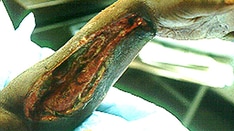
- Skin and soft tissue infections (eg, abscesses, cellulitis, suppurative thrombophlebitis, necrotizing fasciitis)
- Wound botulism
- Sepsis
- Osteomyelitis
- Subdural abscess
- Cerebrovascular accident
- Mycotic aneurysm
- AIDS
- Hepatitis
- Fungal infections
- Tuberculosis
- Complications that relate to inhalation include pneumothorax, pneumomediastinum, and toxic leukoencephalopathy.
- Patients may present with complications related to adulterants of street drugs. Street drugs are combined with inert or toxic substances to increase the mass and street value of the original product. Common heroin adulterants include talc, sugars, quinine, local anesthetics, flour, sodium bicarbonate, amphetamines, lysergic acid diethylamide (LSD), phencyclidine, cocaine, and scopolamine. Recently, a number of deaths due to clenbuterol toxicity were reported in patients who used heroin in the northeastern United States. Talc may cause pulmonary injury. Quinine, local anesthetics, amphetamines, and cocaine may be cardiotoxic and cause cardiac arrhythmias.
Prognosis
- Prognosis is directly related to the duration of hypoxia and the rapid identification and management of complications.
Patient Education
Medical/Legal Pitfalls
- Failure to consider co-ingestions (eg, acetaminophen, aspirin) in the evaluation and management of any overdose
- Failure to consider other diagnoses (eg, CNS infection or bleed, hypoglycemia, carbon monoxide poisoning) in the evaluation and treatment of presumed narcotic overdoses
- Failure to consider concomitant trauma
- Failure to identify and treat complications
- Failure to evaluate efficacy and complications of therapy
Special Concerns
- Pregnant patients
- Heroin addiction in the pregnant patient is grossly underestimated.
- Heroin readily crosses the placenta and the blood-brain barrier of the fetus, leading to narcotic dependence in the fetus.
- Heroin overdose results in hypoxia, which, in turn, causes placental vasoconstriction, thus causing further injury to the fetus.
- Complications in the mother can lead to additional and similar complications in the fetus.
- Childhood heroin overdose: This is rare and does not differ clinically from an adult overdose. Similarly, treatment of pediatric heroin overdose would not differ from that of an adult. In all cases of pediatric heroin overdose, social services should be involved.
| Media file 4:
Endocarditis-related septic pulmonary emboli in a heroin user. |

 | View Full Size Image | |
Media type: X-RAY
|
- Bikell WH, Benar O. Life-threatening opioid toxicity. Prob Crit Care. 1987;1:106.
- Bryant WK, Galea S, Tracy M, et al. Overdose deaths attributed to methadone and heroin in New York City, 1990-1998. Addiction. Jul 2004;99(7):846-54. [Medline].
- Buajordet I, Naess AC, Jacobsen D, Brors O. Adverse events after naloxone treatment of episodes of suspected acute opioid overdose. Eur J Emerg Med. Feb 2004;11(1):19-23. [Medline].
- Centers for Disease Control and Prevention. Wound botulism among black tar heroin users--Washington, 2003. MMWR Morb Mortal Wkly Rep. Sep 19 2003;52(37):885-6. [Medline].
- Coffin PO, Galea S, Ahern J, et al. Opiates, cocaine and alcohol combinations in accidental drug overdose deathsin New York City, 1990-98. Addiction. Jun 2003;98(6):739-47. [Medline].
- DOHMH. Investigation into Contaminated Heroin. New York City Department of Health and Mental Hygiene. 2005;Health Alert #6..
- Darke S, Hall W, Weatherburn D, Lind B. Fluctuations in heroin purity and the incidence of fatal heroin overdose. Drug Alcohol Depend. Apr 1 1999;54(2):155-61. [Medline].
- Darke S, Zador D. Fatal heroin ''overdose'': a review. Addiction. Dec 1996;91(12):1765-72. [Medline].
- Davidson PJ, McLean RL, Kral AH. Fatal heroin-related overdose in San Francisco, 1997-2000: a case for targetedintervention. J Urban Health. Jun 2003;80(2):261-73. [Medline].
- Davoli M, Perucci CA, Forastiere F, et al. Risk factors for overdose mortality: a case-control study within a cohort ofintravenous drug users. Int J Epidemiol. Apr 1993;22(2):273-7. [Medline].
- Dietemann JL, Botelho C, Nogueira T, et al. [Imaging in acute toxic encephalopathy.]. J Neuroradiol. Sep 2004;31(4):313-26. [Medline].
- Ellenhorn MJ. The Opiates. In: Ellenhorn's Medical Toxicology: Diagnosis and Treatment of Human Poisoning. Baltimore, Md:. Lippincott, Williams & Wilkins;1997:405-447.
- Gable RS. Comparison of acute lethal toxicity of commonly abused psychoactive substances. Addiction. Jun 2004;99(6):686-96. [Medline].
- Gaeta TJ, Capodano RJ, Spevack TA. Potential danger of nalmefene use in the emergency department. Ann Emerg Med. Jan 1997;29(1):193-4. [Medline].
- Garrick TM, Sheedy D, Abernethy J. Heroin-related deaths in Sydney, Australia. How common are they?. Am J Addict. 2000;9(2):172-8. [Medline].
- Gossop M, Griffiths P, Powis B, et al. Frequency of non-fatal heroin overdose: survey of heroin users recruited innon-clinical settings. BMJ. Aug 17 1996;313(7054):402. [Medline].
- Gupta R, Haydock T. Severe hypercapnia caused by acute heroin overdose. Ann Emerg Med. May 2004;43(5):665-6. [Medline].
- Gutstein HB, Akil H. Opioid analgesics. In: Goodman, Gilman, eds. The Pharmacological Basis of Therapeutics. Joel Gri. 2001;569-620.
- Handal KA, Schauben JL, Salamone FR. Naloxone. Ann Emerg Med. Jul 1983;12(7):438-45. [Medline].
- Hoffman JR, Schriger DL, Luo JS. The empiric use of naloxone in patients with altered mental status: a reappraisal. Ann Emerg Med. Mar 1991;20(3):246-52. [Medline].
- Hoffman RS, Goldfrank LR. The poisoned patient with altered consciousness. Controversies in the use of a ''coma cocktail''. JAMA. Aug 16 1995;274(7):562-9. [Medline].
- Hutchins KD, Pierre-Louis PJ, Zaretski L, et al. Heroin body packing: three fatal cases of intestinal perforation. J Forensic Sci. Jan 2000;45(1):42-7. [Medline].
- Infante F, Dominguez E, Trujillo D, Luna A. Metal contamination in illicit samples of heroin. J Forensic Sci. Jan 1999;44(1):110-3. [Medline].
- Lewis N. Opioids. In: Goldfrank LR, Flomenbaum NR, eds. Goldfrank's Toxicologic Emergencies. New York. 2002;901-917.
- Longo MC, Henry-Edwards SM, Humeniuk RE, et al. Impact of the heroin 'drought' on patterns of drug use and drug-related harms. Drug Alcohol Rev. Jun 2004;23(2):143-50. [Medline].
- McCleave NR. Drug smuggling by body packers. Detection and removal of internally concealed drugs. Med J Aust. Dec 6-20 1993;159(11-12):750-4. [Medline].
- McLaughlin SA, Richards ME. Another perspective on "Severe hypercapnia caused by acute heroin overdose". Ann Emerg Med. Dec 2004;44(6):670-1; author reply 671-2. [Medline].
- National Institute for Drug Addiction (NIDA). Research on the Nature and Extent of Drug Use in the United States.
- Osterwalder JJ. Naloxone--for intoxications with intravenous heroin and heroin mixtures--harmlessor hazardous? A prospective clinical study. J Toxicol Clin Toxicol. 1996;34(4):409-16. [Medline].
- Richards RG, Reed D, Cravey RH. Death from intravenously administered narcotics: a study of 114 cases;. J Forensic Sci. Jul 1976;21(3):467-82. [Medline].
- Ruttenber AJ, Kalter HD, Santinga P. The role of ethanol abuse in the etiology of heroin-related death. J Forensic Sci. Jul 1990;35(4):891-900. [Medline].
- Schauben JL. Opioids. In: Irwin RS, Cerra FB, Rippe JM, eds. Irwin and Rippe's Intensive Care Medicine. Baltimore, Md:. Lippincott Williams & Wilkins;1999:1744-1754.
- Schwartz JA, Koenigsberg MD. Naloxone-induced pulmonary edema. Ann Emerg Med. Nov 1987;16(11):1294-6. [Medline].
- Seaman SR, Brettle RP, Gore SM. Mortality from overdose among injecting drug users recently released from prison: database linkage study. BMJ. Feb 7 1998;316(7129):426-8. [Medline].
- Smith DA, Leake L, Loflin JR, Yealy DM. Is admission after intravenous heroin overdose necessary?. Ann Emerg Med. Nov 1992;21(11):1326-30. [Medline].
- Sporer KA. Acute heroin overdose. Ann Intern Med. Apr 6 1999;130(7):584-90. [Medline].
- Sporer KA, Firestone J, Isaacs SM. Out-of-hospital treatment of opioid overdoses in an urban setting. Acad Emerg Med. Jul 1996;3(7):660-7. [Medline].
- Sporer KA, Dorn E. Heroin-related noncardiogenic pulmonary edema: a case series. Chest. Nov 2001;120(5):1628-32. [Medline].
- Steentoft A, Worm K, Pedersen CB, et al. Drugs in blood samples from unconscious drug addicts after the intake of an overdose. Int J Legal Med. 1996;108(5):248-51. [Medline].
- Steentoft A, Kringsholm B, Hansen AC, et al. [Fatal poisonings among drug addicts in Denmark in 2002]. Ugeskr Laeger. May 2 2005;167(18):1954-7. [Medline].
- Sterrett C, Brownfield J, Korn CS, et al. Patterns of presentation in heroin overdose resulting in pulmonary edema. Am J Emerg Med. Jan 2003;21(1):32-4. [Medline].
- US Department of Health and Human Services, Substance Abuse and Mental Health. Drug Abuse Warning Network 2003: Interim National Estimates of Drug-Related Emergency Department Visits. December, 2004.
- Utecht MJ, Stone AF, McCarron MM. Heroin body packers. J Emerg Med. Jan-Feb 1993;11(1):33-40. [Medline].
- Vilke GM, Buchanan J, Dunford JV, Chan TC. Are heroin overdose deaths related to patient release after prehospital treatment with naloxone?. Prehosp Emerg Care. Jul-Sep 1999;3(3):183-6. [Medline].
- Washton AM, Resnick RB. Clonidine in opiate withdrawal: review and appraisal of clinical findings. Pharmacotherapy. Sep-Oct 1981;1(2):140-6. [Medline].
- Watson WA, Litovitz TL, Klein-Schwartz W. 2003 annual report of the American Association of Poison Control Centers Toxic Exposure Surveillance System. Am J Emerg Med. Sep 2004;22(5):335-404. [Medline].
- Wetli CV, Rao A, Rao VJ. Fatal heroin body packing. Am J Forensic Med Pathol. Sep 1997;18(3):312-8. [Medline].
- Zador D, Sunjic S, Darke S. Heroin-related deaths in New South Wales, 1992: toxicological findings and circumstances. Med J Aust. Feb 19 1996;164(4):204-7. [Medline].
Toxicity, Heroin excerpt Article Last Updated: May 19, 2006
|