Practice Essentials
Urinary tract infections (UTIs) occur among adult males. After age 50 years, their incidence progressively increases. The category of adult male UTIs includes cases, prostatitis, epididymitis, orchitis, pyelonephritis, cystitis, urethritis, and infected urinary catheters. Because of the male urinary tract’s many defenses, any such infections usually are associated with anatomic abnormalities, which often require surgical correction.
Signs and symptoms
Dysuria is the most frequent chief complaint in men with UTI. The combination of dysuria, urinary frequency, and urinary urgency is about 75% predictive for UTI, whereas the acute onset of hesitancy, urinary dribbling, and slow stream is only about 33% predictive for UTI.
Relevant clinical history includes the following:
-
Previous UTI(s)
-
Nocturia, gross hematuria, any changes in the color and/or consistency of the urine
-
Prostatic enlargement
-
Urinary tract abnormalities: personally, and within the family
-
Comorbid conditions (eg, diabetes)
-
Human immunodeficiency virus (HIV) status
-
Immunosuppressive treatments for other conditions (eg, prednisone)
-
Any previous surgeries or instrumentation involving the urinary tract
See Clinical Presentation for more detail.
Diagnosis
Perform a thorough physical examination in males presenting with genitourinary complaints. Focus particularly on the patient’s vital signs, kidneys, bladder, prostate, and external genitalia.
Examination findings may include the following:
-
Fever
-
Tachycardia
-
Flank pain/costovertebral angle tenderness
-
Abdominal tenderness in the suprapubic area
-
Scrotal hematoma, hydrocele, masses, or tenderness
-
Penile meatal discharge
-
Prostatic tenderness, although the author of this article advises against routine examination of the prostate (The most frequent cause of UTI in older men is chronic prostatitis. The chronically infected prostate generally is nontender. Such examinations theoretically could promote bacteremia.)
-
Inguinal adenopathy
Laboratory testing
In the "real world" UTIs are frequently overdiagnosed if clinical diagnostic guidelines are not followed. [1]
The workup of male UTI depends on the most likely diagnoses.
Routine laboratory studies include urine studies, such as urinalysis, Gram staining, and urine culture. The threshold for establishing true UTI includes finding 2-5 or more white blood cells (WBCs) or 15 bacteria per high-power field (HPF) in a centrifuged urine sediment. In patients with systemic signs such as significant fever, chills, and/or back pain, blood cultures should be drawn. Blood cultures also should be obtained in the setting of S aureus UTI, since this may represent the sustained bacteremia of endocarditis. [2, 3]
Note that a positive nitrite test is poorly sensitive but highly specific for UTI; false positives are uncommon. Proteinuria commonly is observed in UTIs, but it usually is low grade. More than 2g of protein per 24 hours suggests glomerular disease.
Imaging studies
Consider imaging and urologic intervention in patients with the following:
-
History of kidney stones, especially struvite stones: potential for urosepsis
-
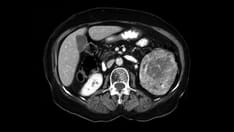
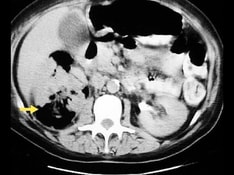
Diabetes: susceptible to emphysematous pyelonephritis and may require immediate nephrectomy; diabetic patients may develop obstruction from necrotic renal papillae that are sloughed into the collecting system and obstruct the ureter
-
Polycystic kidneys: prone to abscess formation
-
Tuberculosis: may lead to developing ureteral strictures, fungus balls, and stones
Obstructive uropathy is an emergent condition that requires prompt intervention, including the following imaging studies of the urinary system:
-
Ultrasonography
-
Contrasted computed tomography (CT) scanning or helical CT scanning (currently preferred by most experts)
-
Intravenous pyelography (IVP) has been replaced by CT scanning techniques and ultrasonography because of its substantial radiation and the necessity of using radiographic dye
See Workup for more detail.
Management
In general, all male UTIs are considered complicated. Consider the potential for renal involvement when planning treatment strategies.
Inpatient management is recommended for patients with the following features:
-
Appear toxic
-
Have obstructive uropathy or stones
-
Unable to tolerate oral hydration
-
Have significant comorbid conditions
-
Unable to care for self at home
Initial inpatient treatment includes the following:
-
Intravenous (IV) antimicrobial therapy with a third-generation cephalosporin (eg, ceftriaxone, ceftazidime), a fluoroquinolone (eg, ciprofloxacin, levofloxacin, ofloxacin, norfloxacin), or an aminoglycoside (eg, gentamicin, tobramycin) (beware of ototoxicity)
-
Antipyretics
-
Analgesics
-
IV fluid resuscitation to restore appropriate circulatory volume and promote adequate urinary flow
Other medications used in the management of male UTIs—or etiologic conditions such as prostatitis; epididymitis; pyelonephritis; or cystitis/urethritis—include the following:
-
Antibiotics such as trimethoprim, trimethoprim-sulfamethoxazole, ampicillin, amoxicillin, ertapenem, erythromycin, vancomycin, doxycycline, aztreonam, nitrofurantoin, rifampin
-
Urinary analgesics such as phenazopyridine
Broaden the antimicrobial coverage and add an antipseudomonal agent in patients with risk factors associated with an unfavorable prognosis (eg, old age, debility, renal calculi, recent hospitalization or instrumentation, diabetes, sickle cell anemia, underlying carcinoma, or intercurrent cancer chemotherapy).
Surgery
Surgical intervention may be required in patients with the following conditions:
-
Prostatitis involving bladder neck obstruction, prostatic or bladder calculi, or recurrent prostatitis with the same bacteria [4]
-
Emphysematous pyelonephritis (ie, emergent nephrectomy)
-
Epididymitis involving spermatic cord torsion
See Treatment and Medication for more detail.

Background
Complications
Complications of acute bacterial prostatitis include bacteremia, septic shock, prostatic abscess, epididymitis, seminal vesiculitis, and pyelonephritis. Suspect a prostate abscess if fever does not resolve within 48 hours; if confirmed, add anaerobic coverage, and arrange for drainage.
Gonococcal and nongonococcal urethritis may progress to prostatitis, epididymitis, or orchitis, especially in younger patients. Urethral strictures (secondary to inflammation within the urinary tract) may form in up to 5% of patients; this must be kept in mind when evaluating patients with residual obstructive symptoms after treatment.
Other complications from UTI include fistula formation, recurrent infection, bacteremia, hydronephrosis and pyonephrosis, and gram-negative sepsis. Pyonephrosis refers to infected hydronephrosis associated with suppurative destruction of the kidney parenchyma, which results in nearly total loss of renal function.
Complication risk factors appear to be prolonged use of aminoglycosides (>2wk), high serum trough levels (>2), advanced age, baseline renal insufficiency, concomitant conditions (eg, diabetes mellitus), and concomitant nephrotoxic drugs (eg, amphotericin B). (See Presentation and Workup.)
Patient education
For patient education information, see Prevention of Urinary Tract Infection (UTI), Prostatitis, Acute Bacterial Prostatitis, Epididymitis, Acute Epididymitis, Orchitis, and Bladder Cancer.
Pathophysiology
The usual route of inoculation in males is with gram-negative aerobic bacilli from the gut, with Escherichia coli being the most common offending organism. Recent hospitalization, urinary catheter, and fluoroquinolone use in the past 6 months are independent risk factors for fluoroquinolone resistance in community-onset febrile E coli UTI. Fluoroquinolone resistance may be a marker of broader resistance, including extended-spectrum beta-lactamase (ESBL) positivity. [5]
Older males with prostatic hypertrophy have incomplete bladder emptying, predisposing them to UTI on the basis of urinary stasis. However, in males aged 3 months to 50 years, the incidence of UTI is low; therefore, the possibility of an anatomic abnormality must be entertained in this age group.
Entry of microorganisms into the prostate gland almost always occurs via the urethra; with intraprostatic reflux of urine, bacteria migrate from the urethra or bladder through the prostatic ducts. Other possibilities include entry via the hematogenous route, via the lymphatics from the rectum, and during prostate surgery. However, many patients have no known precipitating event.
Prostatic fluid contains various antibacterial substances, including zinc and antibodies, which are lacking in some patients with chronic bacterial prostatitis. Interestingly, acute prostatitis usually does not result in chronic prostatitis, and chronic bacterial prostatitis usually is not antedated by acute prostatitis. Of men referred for prostatitis, less than 10% have either acute or chronic bacterial prostatitis.
Acute and chronic prostatitis
In the 1800s, prostatitis was thought to be secondary to excessive alcohol consumption or physical or sexual activity. It often was associated with gonorrhea and could be fatal or lead to abscess formation. By the 1920s, most cases were attributed to microorganisms, and antibiotics combined with prostate massage were standard therapy after World War II. Although the role of bacteria was questioned in the 1950s, it was reemphasized in 1968 when Meares and Stamey described their "4-glass test." [6]
Acute prostatitis is caused by an acute infection of the entire prostate gland, resulting in fever and localized pain. Microscopically, neutrophilic infiltrates, diffuse edema, and microabscesses may be seen, which may coalesce into larger collections.
Chronic prostatitis may be caused by inflammatory or noninflammatory diseases. This condition may arise via dysfunctional voiding, intraprostatic reflux, chronic exposure to microorganisms, autoimmune mechanisms, irritative urinary metabolites, and as a variant of neuropathic pain. Chronic bacterial prostatitis often produces few or no symptoms related to the prostate, but it probably is the most common cause of relapsing UTI in men.
Chronic prostatitis has been subdivided by the National Institutes of Health (NIH) into the following categories:
-
Category II: Chronic bacterial prostatitis
-
Category III: Chronic abacterial prostatitis. Category IIIA is chronic, inflammatory abacterial prostatitis, and category IIIB is chronic, noninflammatory abacterial prostatitis, also known as chronic pelvic pain or prostatodynia.
-
Category IV: Asymptomatic, inflammatory prostatitis
Chronic bacterial prostatitis is the most common cause of relapsing UTI in men, with E coli as the main causative organism (80%), but other gram-negative bacteria and enterococci also may be observed. Rare cases may be caused by yeasts (eg, Candida, Blastomyces, Histoplasma, Cryptococcus) and mycobacteria. Whether Staphylococcus epidermidis, S aureus, and diphtheroids are pathogenically significant is doubtful, and the evidence supporting a causative role for Chlamydia and Ureaplasma is not convincing. [7]
Epididymitis
Epididymitis is a clinical syndrome caused by infection or inflammation of the epididymis. This condition is the most common cause of acute scrotum in adult male populations. Long-term complications include abscesses, infarction, recurrence, chronic pain, and infertility.
The pathophysiology of epididymitis is divided; Chlamydia trachomatis and Neisseria gonorrhoeae are the most common pathogens in patients younger than 35 years, whereas Enterobacteriaceae and gram-positive cocci are frequent pathogens in older patients. In either case, infection results from retrograde ascent of infected urine from the prostatic urethra into the vas deferens and, finally, into the epididymis.
Orchitis
Because of the widespread use of mumps vaccination, orchitis no longer is a common infection in the United States. Orchitis is one of the few genitourinary infections to result from a viral pathogen.
Mumps orchitis occurs in 18% of postpubertal boys infected with the mumps virus. Other viruses that can cause the disease include coxsackie B, mononucleosis, and varicella. Unlike most genitourinary infections, viral particles are spread to the testicle by the hematogenous route. Granulomatous orchitis is rare and results from hematogenous dissemination of tuberculosis, fungi, and actinomycosis.
Pyelonephritis
Pyelonephritis is an infection of the renal parenchyma. Infection usually occurs in a retrograde, ascending fashion from the bladder, but it may occur hematogenously. The ureteral orifice becomes edematous and loses its 1-way valve function during infection. Retrograde flow of bacteria into the upper urinary tracts and into the renal parenchyma results in clinical symptoms.
Bacteremia, particularly with virulent organisms such as S aureus, can result in pyelonephritis with focal renal abscesses. Bacterial adherence allows for mucosal colonization and subsequent infection by an ascending route. Whereas type 1 pili are produced by most uropathogenic strains of E coli, P-pili, which bind to the uroepithelial glycosaminoglycan layer, are found in most strains of E coli that cause pyelonephritis. Genotypic factors may affect uroepithelial susceptibility to these adherence molecules. Endotoxin from gram-negative organisms can retard ureteral peristalsis.
E coli is responsible for approximately 25% of cases in males, with Proteus and Providencia causing many remaining infections; Klebsiella, Pseudomonas, Serratia, and enterococci are less frequent.
Bacterial cystitis
Bacterial cystitis without concomitant infection in other portions of the genitourinary tract is believed to be a rare event in males. The abrupt onset of irritative voiding symptoms (eg, frequency, urgency, nocturia, dysuria) and suprapubic pain are clinically diagnostic.
Most cases of bacterial cystitis occur by an ascending mechanism. Bacterial cystitis in the male is uncommon in the absence of anatomic abnormality, defect in bladder emptying mechanism, or urethral catheterization (eg, poor bladder emptying from prostatic obstruction or dysfunctional voiding). Elevated postvoid residuals allow bacteria to multiply to critical levels. High voiding pressures and poor bladder compliance diminish the natural uroepithelial resistance to infection.
Urethritis
Urethritis has been described for thousands of years. The term gonorrhea (gonus meaning seed, rhoia meaning flow) was coined by Galen. The urethral nonsquamous epithelium can be penetrated by N gonorrhoeae, resulting in periurethral microabscesses. Necrotic debris is sloughed into the urethra lumen, producing a milky penile discharge.
Gonococcal urethritis remains the most reported communicable bacterial disease in the United States.
Urinary catheter–associated UTIs
Up to 25% of hospitalized patients have urinary catheters inserted; of these individuals, 10-27% develop UTIs. In fact, UTI accounts for approximately 40% of all nosocomial infections; 15% of these infections occur in clusters and often involve highly resistant organisms.
The single most important risk factor for nosocomial bacteriuria and UTI is the presence of an indwelling urethral catheter; 80% of nosocomial UTIs are associated with the use of urethral catheters. Once the urethral catheter is in place, the daily incidence of bacteriuria is 3-10%. Because most patients who become bacteriuric do so by 30 days, that is a convenient dividing line between short- and long-term catheterization.
Etiology
Epididymitis
Chlamydia trachomatis and N gonorrhoeae are the most common pathogens in patients younger than 35 years with UTI, whereas Enterobacteriaceae and gram-positive cocci are frequent pathogens in older patients.
Orchitis
Orchitis is one of the few genitourinary infections resulting from viral pathogens, such as the mumps, coxsackie B, Epstein-Barr (EBV), and varicella (VZV) viruses. Granulomatous orchitis is rare and results from hematogenous dissemination of tuberculosis, fungi, and actinomycosis. Brucella has been associated with orchitis; clinically, these patients resemble those with tuberculosis. Colorado tick fever also has been associated with epididymo-orchitis.
Secondary orchitis is a more common condition; it is a late complication of untreated epididymitis.
Pyelonephritis and cystitis
Bacteria responsible for pyelonephritis and cystitis in males include E coli, Klebsiella, Enterobacter, Proteus, Pseudomonas, Serratia, Enterococcus, and Staphylococcus species.
Urethritis
N gonorrhoeae is the most common cause of urethritis in males; nongonococcal causes of urethritis include C trachomatis (in up to 50% of cases), Ureaplasma urealyticum, Trichomonas vaginalis, and herpes simplex virus (HSV). The role of Mycoplasma in urethritis is controversial.
Catheter-associated bacteriuria
Short-term catheters are placed for a mean duration of 2-4 days. The usual indications are for acute illnesses, output measurement, perioperative routine, and acute retention. Approximately 15% of patients develop bacteriuria, usually with a single organism (E coli). Catheter-associated bacteriuria usually resolves after the catheter is removed; however, one third of patients may have symptoms, and bacteremia is the most serious complication. Approximately 10-30% of patients develop a fever, and the risk for postoperative wound infection associated with bacteriuria is increased.
Long-term catheters are placed for chronic medical or neurologic problems, including chronic urinary retention and incontinence. Essentially all patients develop bacteriuria, which is polymicrobial in up to 95% of cases. New pathogens often emerge, whereas many persist because of adherence properties (fimbrial adhesion in Providencia and E coli) or their effect on the local environment (Proteus and Morganella).
Catheter obstruction in long-term catheterization may occur, via an interaction between bacteria, the glycocalyx, protein, and crystals; Proteus mirabilis is a potent producer of urease, which alkalinizes the urine, precipitating struvite and apatite.
Epidemiology
Young men rarely develop UTIs, and the prevalence of bacteriuria is 0.1% or less. There is an early peak incidence during the first 3 months of life; in neonates, UTIs occur more frequently in boys than in girls (with a male-to-female ratio of 1.5:1), and they often are part of the syndrome of gram-negative sepsis. The cumulative incidence of symptomatic UTI (including pyelonephritis) in boys during the first 10 years of life has been reported at 1.1-1.6%.
The incidence of true UTI in adult males younger than 50 years is low (approximately 5-8 per year per 10,000). In this population, the symptoms of dysuria or urinary frequency usually are due to sexually transmitted disease (STD)–related infections of the urethra (eg, gonococcal and nongonococcal urethritis) and prostate. [8]
-
Prostatic calcifications in a male with a urinary tract infection.
-
Bladder calculi in a male with a urinary tract infection.