Continually Updated Clinical Reference
 
 
  All Sources     eMedicine     Medscape     Drug Reference     MEDLINE
 
eMedicine - Urinary Obstruction : Article by

Quick Find
Authors & Editors
Introduction
Clinical
Differentials
Workup
Treatment
Medication
Follow-up
Miscellaneous
References

Related Articles
Abdominal Trauma, Blunt

Anemia, Sickle Cell

Diabetes Mellitus, Type 1 - A Review

Diabetes Mellitus, Type 2 - A Review

Pediatrics, Sickle Cell Disease

Priapism

Prostatitis

Renal Calculi

Schistosomiasis

Tuberculosis


Patient Education
Diabetes Center

Kidneys and Urinary System Center

Acute Kidney Failure Overview

Acute Kidney Failure Causes

Acute Kidney Failure Symptoms

Acute Kidney Failure Treatment

Chronic Kidney Failure Overview

Blood in Urine Overview

Bladder Control Problems Overview


Author: Michael A Policastro, MD, Assistant Professor of Emergency Medicine, Fellow in Medical Toxicology, Department of Emergency Medicine, University of Cincinnati; Consulting Staff, Department of Emergency Medicine, Jewish Hospital, Health Alliance

Michael A Policastro is a member of the following medical societies: American Academy of Clinical Toxicology, American College of Emergency Physicians, American College of Medical Toxicology, Society for Academic Emergency Medicine, and Wilderness Medical Society

Coauthor(s): Richard Sinert, DO, Associate Professor of Emergency Medicine, Clinical Assistant Professor of Medicine, State University of New York College of Medicine; Consulting Staff, Department of Emergency Medicine, Kings County Hospital Center; Pilar Guerrero, MD, Instructor, Department of Emergency Medicine, Rowan Regional Medical Center

Editors: David S Howes, MD, Residency Program Director, Professor of Medicine, Section of Emergency Medicine, University of Chicago/Pritzker School of Medicine; Francisco Talavera, PharmD, PhD, Senior Pharmacy Editor, eMedicine; Richard Sinert, DO, Associate Professor of Emergency Medicine, Clinical Assistant Professor of Medicine, State University of New York College of Medicine; Consulting Staff, Department of Emergency Medicine, Kings County Hospital Center; John D Halamka, MD, MS, Associate Professor of Medicine, Harvard Medical School, Beth Israel Deaconess Medical Center; Chief Information Officer, CareGroup Healthcare System and Harvard Medical School; Attending Physician, Division of Emergency Medicine, Beth Israel Deaconess Medical Center; Jonathan Adler, MD, Attending Physician, Department of Emergency Medicine, Massachusetts General Hospital; Division of Emergency Medicine, Harvard Medical School

Author and Editor Disclosure

Synonyms and related keywords: urinary obstruction, obstruction of the urinary tract, blocked urine flow, renal failure, kidney failure, renal dysfunction, kidney dysfunction, renal insufficiency, renal calculi, urinary tract infection, UTI, renal tubular acidosis, RTA, hyperkalemia, hypomagnesia, hypophosphatemia

Background

Urinary obstruction is a common cause of acute and chronic renal failure. A wide variety of pathological processes, intrinsic and extrinsic to the urinary system, can cause obstruction. Symptoms and signs of obstruction are often mild, occurring over long periods of time and requiring a high index of suspicion for diagnosis.

Because the degree and duration of obstruction are the chief determinants of renal dysfunction, early recognition and treatment are the keys to preventing renal loss. Urinary obstruction should be viewed as a potentially curable form of kidney disease.

Pathophysiology

Normal urine production in an adult is about 1.5-2 L/day. Urine flow depends on 3 factors—a pressure gradient from the glomerulus to the Bowman capsule, peristalsis of the renal pelvis and ureters, and the effects of gravity (ie, hydrostatic pressure).

Obstruction of the urinary tract at any level eventually results in elevation of intraluminal ureteral pressure. With prolonged obstruction, ureteral peristalsis is overcome and increased hydrostatic pressures are transmitted directly to the nephron tubules.

As pressures in the proximal tubule and Bowman space increase, glomerular filtration rate (GFR) falls. After 12-24 hours of complete obstruction, intratubular pressure decreases to preobstruction levels. If complete obstruction is not relieved, a depressed GFR is maintained by decreases in renal blood flow mediated by thromboxane A2 and angiotensin II (AII). With continued obstruction, renal blood flow progressively falls, resulting in ischemia and incremental nephron loss. Thus, obstructive uropathy may lead to obstructive nephropathy. Several phases of obstructive nephropathy may be seen, including an early hyperemia and a late vasoconstriction followed by regulation of GFR post obstruction. Recovery of GFR depends on the duration and level of obstruction, preobstruction blood flow, and coexisting medical illness or infection.

Frequency

United States

No data are available on incidence and prevalence of urinary obstruction in unselected populations. Most epidemiologic studies of obstruction are in selected populations or autopsy studies. In large surveys of elderly men for symptoms of urinary obstruction, a prevalence of 20-35% has been estimated. Most (60%) of the men surveyed with moderately severe to severe symptoms of prostatism did not consult their physicians with these symptoms. Postmortem examinations have found hydronephrosis in 3.8% of adults and 2.0% of children.

Mortality/Morbidity

Urinary tract obstruction may lead to acute or chronic renal insufficiency or overt kidney failure. Obstruction may lead to a salt-losing nephropathy and urinary concentrating defects. Renal tubular acidosis (RTA) type IV, hyperkalemia, hypomagnesia, and hypophosphatemia are common sequelae of chronic obstruction. Although acute or chronic obstruction may cause urinary tract infection (UTI), other sequelae such as renal calculi, hypertension, and polycythemia are associated with a chronic setting. Ascites is a common sequela of neonatal obstruction syndrome. In cases of acute obstruction, a postobstructive diuresis following relief of the problem is well described.

Sex

In adults, incidence and etiology of urinary obstruction vary significantly with the age and sex of the patient.

  • In young and middle-aged men, renal calculi are the most common cause of at least temporary urinary obstruction. Rare cases of obstructive uropathy due to seminal vesicle cyst and appendiceal mucocele have been reported.
  • In young and middle-aged women, gynecologic surgery, pregnancy, and cancers of pelvic organs are important etiologies of obstruction.

Age

  • Special considerations in pediatric patients include acquired or congential urethral stricture, congenital ureteropelvic junction (UPJ) or ureterovesical junction (UVJ) obstruction, vesicoureteral reflux, and urolithiasis.
  • After age 60 years, urinary obstruction is most common in men secondary to prostatic hypertrophy; prostate cancer accounts for occasional cases.



History

Most acute obstructive uropathies are associated with significant pain or the abrupt diminution of urine flow that alerts the clinician to the need for further evaluation and treatment. However, the insidious nature of chronic urinary obstruction requires a careful history and a high index of suspicion, which prompt an appropriate evaluation that may confirm or rule out the presence of obstruction. Recently, a large (933 patients) prospective study by de la Rosette et al failed to correlate a wide range of symptoms of lower urinary tract obstruction with bladder outflow studies.

  • Pain secondary to stretching of the urinary collecting system is the most common symptom in acute obstruction.
    • Prevalence of pain is related more to acuity of obstruction than degree of distention.
    • Acute obstruction of the ureter by a calculus commonly results in an excruciating pain, commonly referred to as renal colic. This pain is described as unrelenting, radiating from the flank to lower abdomen and testicles or labia on the affected side.
    • By contrast, pathological processes that slowly obstruct, such as retroperitoneal tumors, are relatively pain free. Prostatic hypertrophy also may be associated with an obstructive uropathy that is relatively painless. It usually is identified when a superimposed acute obstruction occurs with the inability to void effectively; the resultant painful, distended bladder prompts a visit to an emergency physician.
  • Alterations in patterns of micturition often associated with more distal obstructions are early but frequently missed symptoms.
    • Although anuria is dramatic and specific for obstruction, nocturia and polyuria are much more common presenting symptoms associated with renal concentrating defects due to partial obstruction.
    • Bladder outlet obstruction leads to the symptoms of prostatism (eg, frequency, urgency, hesitancy, dribbling, decrease in voiding stream, the need to double void).
  • Acute and chronic renal failures are common complications of urinary obstruction. Obstructive nephropathy should be considered especially in uremic patients without a previous history of renal disease, hypertension, or diabetes.
  • Gross or microscopic hematuria often is associated with renal calculi, papillary necrosis, and tumors, all of which can cause obstruction.
  • Recurrent UTIs should always lead to an investigation for urinary obstruction.
  • New-onset or poorly controlled hypertension secondary to obstruction and increased renin-angiotensin has been reported.
  • Polycythemia secondary to increased erythropoietin production in the hydronephrotic kidney also has been reported.
  • History of recent gynecologic or abdominal surgery can give important clues to the etiology of urinary obstruction.
  • Pediatric patients may present with recurrent infections. Symptoms of voiding dysfunction such as enuresis, incontinence, or urgency should be sought.
  • A thorough medication history should be elicited. A variety of drugs and toxins affect renal function. Bladder dysfunction is seen with a variety of xenobiotic drugs with antimuscarinic anticholinergic activity such as antihistamines, antipsychotics, and antidepressants. A variety of xenobiotics such as ethylene glycol, indinavir, methotrexate, phenylbutazone, or sulfonamides will induce crystal deposition throughout the tubulointerstium obstructing urine output. Additionally, drug-induced retroperitoneal fibrosis may obstruct ureteral function such as methysergide or other natural-occurring ergotamines.
  • In cases of both acute and chronic obstructive uropathy, occupational exposure history may be beneficial. For example, in textile manufactures, shipyard workers, roofers, or asbestos miners, retroperitoneal fibrosis due to asbestos-induced mesothelioma should be considered. Bladder cancer–induced outlet obstruction may occur in textile workers, rubber manufacturing workers, leather workers, painters, hairdressers, or drill press workers exposed to alpha- or beta-napthylamine, 4-aminobiphenyl, benzidine, chlornaphazine, 4-chlor-o-toluidine, 2-chloroaniline, phenacetin compounds, benzidine azo dyes, or methylene dianiline.

Physical

  • Signs of dehydration and intravascular volume depletion can be seen as a result of urinary concentrating defects associated with partial obstruction. Peripheral edema, hypertension, and signs of congestive heart failure from fluid overload may be observed in obstruction from renal failure.
  • Palpable kidney or bladder provides direct evidence of a dilated urinary collection system.
  • Rectal and/or pelvic examination is essential in determining whether enlargement of pelvic organs (eg, prostate, uterus) is a possible source of urinary obstruction.
  • Examination of the external urethra may disclose phimosis or meatal stenosis.

Causes

  • Infants and children
    • Urethral and bladder outlet obstruction may be associated with the following:
      • Urethral atresia
      • Phimosis
      • Meatal stenosis
      • Anterior and posterior urethral valves (males)
      • Calculus (Southeast Asia)
      • Blood clot
      • Neurogenic bladder (meningomyelocele)
      • Ureterocele
    • Ureteral obstruction may be associated with the following:
      • Vesicoureteral reflux (female preponderance)
      • Ureterovesical junction narrowing or obstruction
      • Ureterocele
      • Retrocaval ureter
      • Retroperitoneal tumor
      • Megaureter - Prune belly syndrome
      • Blood clot
      • Ureteropelvic junction narrowing or obstruction
  • Adults
    • Urethral and bladder outlet obstruction may be associated with the following:
      • Phimosis
      • Stricture (male preponderance)
      • Sexually transmitted diseases (STDs), particularly in women with severe genital herpes involving the urethral orifice, occasionally in males with significant prostatitis or purulent urethritis
      • Trauma
      • Blood clot
      • Calculi
      • Benign prostate hypertrophy (BPH)
      • Cancer of prostate or bladder
      • Carcinoma of cervix or colon
      • Neurogenic bladder (diabetes mellitus, spinal cord disease, multiple sclerosis, Parkinson disease, anticholinergic drugs, alpha-adrenergic antagonists, calcium channel blockers, opioids, sedative-hypnotics)
    • Ureteral obstruction may be associated with the following:
      • Vesicoureteral reflux (female preponderance)
      • Calculi
      • Uric acid crystals
      • Blood clot
      • Trauma
      • Papillary necrosis (sickle cell disease, diabetes mellitus, pyelonephritis)
      • Inflammatory bowel disease
      • Pregnant uterus
      • Aortic aneurysm
      • Carcinoma of ureter, uterus, prostate, bladder, colon, or rectum
      • Retroperitoneal fibrosis
      • Idiopathic tumors (cervix, uterus, prostate, colon)
      • Tuberculosis
      • Sarcoidosis
      • Chronic UTI (methysergide, propranolol)
      • Retroperitoneal lymphoma
      • Uterine leiomyomata
      • Stricture (tuberculosis, radiation, schistosomiasis, nonsteroidal anti-inflammatory drugs [NSAIDs])
      • Accidental surgical ligation
    • Intrarenal obstruction may be associated with the following:
      • Crystals (uric acid, sulfonamide, acyclovir)
      • Protein casts (multiple myeloma, amyloidosis)


Abdominal Trauma, Blunt
Anemia, Sickle Cell
Diabetes Mellitus, Type 1 - A Review
Diabetes Mellitus, Type 2 - A Review
Pediatrics, Sickle Cell Disease
Priapism
Prostatitis
Renal Calculi
Schistosomiasis
Tuberculosis

Other Problems to be Considered

Prostatic carcinoma
Cervical carcinoma
Radiation exposure


Lab Studies

  • As with any renal disease, initial workup should begin with a urinalysis and examination of sediment by an experienced examiner. Whenever an unremarkable urinalysis is observed in a patient with renal failure, obstruction should be considered. In a completely obstructed system, no distal urine flow occurs. A benign urinalysis may be seen with calculi or tumor.
    • Microscopic hematuria can be found with a calculus or tumor.
    • Pyuria should suggest the possibility of UTI.
    • Crystalluria may be found in nephrolithiasis or intratubular crystal formation.
    • Proteinuria and casts rarely are found in acute obstruction.
  • Urinary diagnostic indices
    • Urine sodium, creatinine, and osmolality often are difficult to interpret in the face of obstruction.
    • Early in the course of obstruction, prior to severe renal impairment, prerenal indices commonly are observed where urine sodium is depressed, osmolality is elevated, and fractional excretion of sodium is less than 1%.
    • With progressive obstruction and renal failure, indices consistent with acute tubular necrosis are observed, with elevated urine sodium, depressed osmolality, and fractional excretion of sodium greater than 1%.
  • Serum electrolytes (sodium, potassium, chloride, bicarbonate, BUN, creatinine) as well as calcium, phosphate, magnesium, uric acid, and albumin should be measured.
    • A hyperkalemic nonanion gap metabolic acidosis (type IV RTA) may be an important clue to urinary obstruction.
    • Elevations of BUN and creatinine may be caused by renal failure secondary to obstruction.
  • Complete blood count
    • Elevated white blood cell (WBC) count may be consistent with UTI or hematologic malignancy.
    • Polycythemia can be a complication of obstruction; anemia commonly is described in chronic renal failure.

Imaging Studies

  • Goals of any imaging study are to distinguish anatomic etiologies from functional forms of collecting system dilation and to identify the site of blockage. Once the decision is made to use an imaging study, the patient's condition (eg, pregnancy and radiation risks, renal failure and radiocontrast risks) must be taken into consideration.
  • Dilation of urinary tract - Obstruction versus functional
    • Dilation without obstruction (functional) - Vesicoureteral reflux and one of the following:
      • Chronic massive diuresis
      • Extrarenal pelvis
      • Calyceal diverticula
      • Congenital megacalyces
      • Ileal conduits
    • Obstruction without dilation - Intermittent obstruction with one of the following:
      • Partial obstructions
      • Intrarenal crystals
      • Nephrocalcinosis
      • Staghorn calculi
      • Retroperitoneal obstruction
  • CT scan
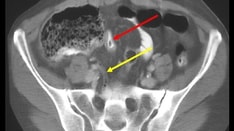
    • Advantages: Compared with ultrasonography, CT scan is particularly adept at diagnosing obstruction at the ureteric level. A dilated urinary collecting system is well visualized even without the use of intravenous dye. CT scan can identify calcified and noncalcified calculi.
    • Disadvantages: Ionizing radiation and the nephrotoxicity of radiocontrast dye are of particular importance in patients with chronic renal failure, diabetes mellitus, or multiple myeloma.
    • Utility: Helical CT scan (especially without contrast) rapidly is replacing kidneys, ureter, bladder (KUB) x-rays as the first step in the radiologic evaluation of the urinary system.
      • Although this technique is sensitive for diagnosing hydronephrosis, its real utility may be in delineating the anatomy of obstruction when ultrasonography and intravenous pyelography (IVP) fail to identify an etiology.
      • CT scanning may replace invasive pyelography as the secondary procedure of choice to define the anatomy of obstruction after ultrasonography and IVP.
  • MRI
    • Advantages
      • Sensitivity of 100% and specificity of 96% for urinary obstruction
      • No ionizing radiation
      • Paramagnetic contrast agents - Allow renal functional assessment without risks of iodinated contrast materials
      • Can identify calcified and noncalcified calculi
      • Can differentiate acute from chronic obstruction by demonstrating perinephric fluid accumulation, which is correlated highly with acute obstruction
    • Disadvantages: It can identify only obstruction with dilation and cannot differentiate functional dilation from anatomic obstruction.
    • Utility: Where available, MRI quickly is becoming the imaging study of choice for urinary obstruction.
  • Intravenous pyelography
    • Advantages: IVP provides detailed morphology of the obstruction, and it is well accepted and easily accessible.
    • Disadvantages: Nephrotoxicity of radiocontrast dye is of particular importance in patients with chronic renal failure, diabetes mellitus, or multiple myeloma. In patients with low GFR, excretion of the dye may take 12-24 hours after injection. Moreover, this technique cannot differentiate urinary dilation due to functional obstruction from that due to anatomic obstruction.
    • Utility: IVP is the procedure of choice for defining the extent and anatomy of obstruction.
  • Invasive pyelography
    • Advantages: It provides the same information as IVP without dependence upon renal function and does not expose the patient to nephrotoxicity from intravenous dye.
    • Disadvantages: It cannot differentiate urinary dilation from functional versus anatomical obstruction, and the invasive techniques have the added risk of infection.
    • Utility: This technique can be used when the risks of IVP are considered too great; dye can be injected directly into the renal pelvis (antegrade) or cystoscopically into the ureters (retrograde).
  • Ultrasonography
    • Advantages: Sensitivity is higher than that of IVP; sensitivity for detecting hydronephrosis is 90%. Ultrasonography is particularly useful in identifying hydronephrosis in patients with low GFR. Patients are not exposed to ionizing radiation or intravenous dye (ie, no nephrotoxicity), and cost is low. Additionally, bladder wall thickness, bladder weight, and prostate size may aid in diagnosing bladder outlet obstruction.
    • Disadvantages: The study's effectiveness is operator dependent; false-positive rate is as high as 20%; ureters cannot be visualized. Reliability of bladder wall thickness index and variable anatomic sites needs to be confirmed in larger studies.
    • Utility: Ultrasonography is the procedure of choice to determine the presence of hydronephrosis.

Other Tests

  • Electrocardiogram (ECG) should be completed rapidly in these patients to identify the effects of hyperkalemia, a common complication of obstructive nephropathy.
  • Postvoid residual (PVR) urine volume test can provide important information if bladder outlet obstruction is suspected.
    • Perform test by placing a urinary catheter after a voiding attempt.
    • Urologists often observe the voiding attempt, looking for signs of bladder outlet obstruction, as follows: hesitancy, stream strength, and need to double void.
    • PVR urine volume greater than 125 mL is abnormally large and may indicate obstruction.
  • Radionucleotide scan
    • Advantages: Radionucleotide scan has high sensitivity (90% for detecting hydronephrosis) and involves no exposure to intravenous dye (ie, no nephrotoxicity).
    • Disadvantage: It lacks the resolution of IVP to adequately define the exact site of anatomic obstruction.
    • Utility
      • Injection of a diuretic agent during the study helps in differentiation of functional and anatomic obstruction.
      • Increased postdiuretic radionucleotide excretion points to a functional cause rather than an obstructive cause.
      • Renal blood flow measurement by radionucleotide scan is becoming the technique of choice to assess the potential for renal recovery after relief of obstruction.
      • Nonvisualization of the kidney does not conclusively rule out the potential for recovery after relief of obstruction.
  • In pediatric patients with dilated urinary tract or suspected vesicoureteral reflux (VUR), perform voiding cystourethrography. Alternative imaging study methods include CT, MRI, and echo-enhanced cystosonography.


Prehospital Care

Pulmonary edema as a consequence of renal failure from complete urinary obstruction should be treated conventionally. Partial obstruction can cause significant defects in salt and water retention, resulting in hypovolemia, which responds to standard fluid administration protocols.

Emergency Department Care

Prior to addressing the specific therapy for obstruction, the ED physician must investigate and begin treatment of the life-threatening complications of obstructive uropathy (eg, pulmonary edema, hypovolemia, urosepsis, hyperkalemia).

  • The overriding goal in the treatment of urinary obstruction is the reestablishment of urinary flow. As stated previously, the longer the obstruction exists, the lower the rate of renal recovery and the lower the GFR if any recovery occurs.
  • Once urinary obstruction is entertained in the differential diagnosis, a transurethral bladder catheter should be placed.
    • A properly positioned Foley catheter can be diagnostic as well as therapeutic for obstruction below the level of the bladder.
    • If no urine is obtained, the proper placement of the Foley should be tested by catheter irrigation. If fluid returns freely, the catheter tip is probably in the bladder and obstruction above the bladder should be investigated.
    • If a question still remains, imaging studies such as radiography and ultrasonography also may be used to establish proper Foley placement.
  • If a large PVR volume is noted, obstruction below the bladder should be investigated.
    • Catheter drainage should then be maintained until the etiology of the obstruction is treated appropriately.
    • Intermittent clamping of the Foley is recommended to prevent symptoms of hypotension and hematuria often ascribed to rapid bladder decompression.
    • Hypotension after bladder decompression is thought to be due to a vagolytic response from a rapid change in bladder-wall tension.
    • In a series of patients with obstruction, Christensen et al found a 50% decrease in intravesical pressure after only the first 100 mL of urine was removed. Since the major drop in bladder pressure occurred with the early removal of relatively small amounts of urine, they concluded that fractionating urine removal in bladder obstruction was unjustified.
    • Hematuria and bladder spasm is another well-known complication of bladder decompression. Gould et al compared the incidence of hematuria in rapidly emptied and gradually emptied obstructed dog bladders. They found that hematuria was correlated strongly with the degree of bladder wall damage prior to relief of obstruction and was not correlated with the rate of emptying.
    • Urine should be drained completely and rapidly from an obstructed bladder. Prolonged urine stasis only predisposes the patient to UTI, urosepsis, and renal failure.
  • Calculi are the most common causes of unilateral ureteral obstruction.
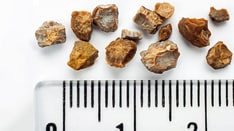
    • More than 90% of renal calculi less than 5.0-7.0 mm in size pass spontaneously. Obstruction in these cases can be treated conservatively with intravenous fluids and analgesia.
    • Surgical drainage is necessary only for patients with unrelenting pain, UTI, or persistent obstruction.
    • Position of the stone in the ureter determines the preferred method of removal.
    • Calculi in the renal pelvis and proximal ureter are amenable to nephroscopy and removal under direct visualization.
    • Percutaneous nephrostomy drainage is used for midureteral stones.
    • Distal ureter stones can be removed cystoscopically by the use of a loop or basket.
    • Extracorporeal shock wave lithotripsy is another viable option for stones in any position in the ureter.
  • Bilateral obstruction of the ureters is almost always an asymmetric process.
    • Generally, whatever the etiology of ureteral obstruction, one ureter is obstructed slowly and asymptomatically over a long period of time.
    • Not until the second ureter is obstructed are symptoms of renal failure, hyperkalemia, or acidosis observed.
    • In this condition, radionucleotide scanning can be helpful in identifying the most viable kidney for drainage.
  • For midureteral or proximal ureteral obstruction, percutaneous nephrostomy tube placement is indicated.
  • For distal obstruction, cystoscopic placement of a ureteral stent can be attempted.
  • Cases of renal recovery have been detected by radionucleotide scan in kidneys without renal blood flow.
  • In case of suspected urosepsis from bilateral ureteral obstruction, bilateral percutaneous nephrostomy tubes must be placed to ensure that both potentially infected systems are drained.
  • Intrarenal obstruction secondary to crystals or protein casts is not amenable to surgical drainage. Maintenance of adequate hydration to promote high rates of urine output to dilute crystals and casts is the main treatment.

Consultations

  • Consult a urologist when a transurethral catheter cannot provide adequate bladder drainage. Filiform catheters or a suprapubic cystotomy may be required to drain the bladder completely. Invasive pyelography for higher-level obstructions can be diagnostic and therapeutic.
  • Consult a nephrologist to provide emergent hemodialysis if necessary.


Medical therapy for benign prostate hypertrophy (BPH) has provided a very successful alternative to surgical therapy, whose risks include anesthesia, infection, impotence, incontinence, consistent failure to restore normal flow, and frequent necessity for retreatment.

Medical therapy should not be offered to individuals presenting with absolute indications for surgical intervention.

Indications for surgical prostatectomy are recurrent urinary retention, recurrent UTIs, renal insufficiency, bladder calculi, and recurrent gross hematuria.

Drug Category: Alpha1-adrenoceptor antagonists

The rationale for alpha-blockers in the treatment of BPH is based on the fact that smooth muscle accounts for 40% of the hypertrophied prostatic mass. The basal tone of prostatic smooth muscle is increased significantly by stimulation of alpha1-adrenergic receptors. Alpha-blockers relieve bladder obstruction from BPH by decreasing tonic contraction of prostatic smooth muscle.

Recent molecular studies have identified 3 subtypes of alpha1 receptors. The alpha1-AR subtype is specific for prostatic smooth muscle. Tamsulosin is a selective alpha1-AR antagonist.

Drug NamePrazosin (Minipress)
DescriptionTreats prostatic hypertrophy. Improves urine flow rates by relaxing smooth muscle. This relaxation produced by blocking alpha1-adrenoceptors in bladder neck and prostate. When increasing dosages, give first dose of each increment at bedtime to reduce syncopal episodes. Although doses >20 mg/d usually do not increase efficacy, some patients may benefit from doses as high as 40 mg/d
Adult Dose2 mg PO bid
Pediatric DoseNot established
ContraindicationsDocumented hypersensitivity
InteractionsAcute postural hypotensive reaction from beta-blockers may worsen; indomethacin may decrease antihypertensive activity; verapamil may increase serum levels and may increase patient's sensitivity to prazosin-induced postural hypotension; may decrease antihypertensive effects of clonidine
PregnancyC - Safety for use during pregnancy has not been established.
PrecautionsCaution in renal insufficiency; dizziness or drowsiness may occur after first dose (avoid driving or performing hazardous tasks for first 24 h after taking this medicine or when dose increased); orthostatic hypotension may occur

Drug NameTerazosin (Hytrin)
DescriptionQuinazoline compound that counteracts alpha1-induced adrenergic contractions of bladder neck, facilitating urinary flow in presence of BPH.
Adult Dose5 mg or 10 mg PO qd
Pediatric DoseNot established
ContraindicationsDocumented hypersensitivity
InteractionsNSAIDs decrease effects; diuretics and antihypertensive medications increase effects
PregnancyC - Safety for use during pregnancy has not been established.
PrecautionsCaution in renal impairment; may cause marked hypotension following first dose or coadministration with beta-blockers

Drug NameTamsulosin (Flomax)
DescriptionSelective alpha1-antagonist for treatment of BPH.
Adult Dose0.4 mg or 0.8 mg PO qd
Pediatric DoseNot established
ContraindicationsDocumented hypersensitivity
InteractionsWith coadministration of warfarin, monitor PT time and BP closely; cimetidine may increase effects (especially with tamsulosin doses >0.4 mg); other alpha-adrenergic blocking agents may increase toxicity
PregnancyB - Usually safe but benefits must outweigh the risks.
PrecautionsEvaluate prior to start of therapy to rule out carcinoma of prostate; adverse effects include postural hypotension, dizziness (caution in driving, operating machinery, or performing hazardous tasks); instruct patients not to crush, chew, or open capsules

Drug NameAlfuzosin (UroXatral)
DescriptionAlpha1-adrenoceptors blocker in the prostate. Blockade of adrenoceptors may cause smooth muscles in bladder neck and prostate to relax, resulting in improvement in urine flow rate and reduction in symptoms of BPH.
Adult Dose10 mg PO qd
Pediatric DoseNot established
ContraindicationsDocumented hypersensitivity
InteractionsEffects may increase with coadministration of diuretics and antihypertensive medications
PregnancyB - Usually safe but benefits must outweigh the risks.
PrecautionsDizziness, fatigue, and headache may occur; patients should avoid situations where injury could result if syncope occurs; rule out presence of carcinoma of prostate before beginning therapy


Further Inpatient Care

  • Decision to admit the patient depends on the need for invasive surgical drainage procedures and complications of obstruction.
  • Replacement of electrolyte disturbances should be treated accordingly.

Further Outpatient Care

  • Depending on specific complications of obstruction, relief of bladder neck obstruction by urethral catheterization requires prompt (within 1 wk) follow-up care with a urologist for definitive therapy.

Transfer

  • Patients with indications for acute hemodialysis may need to be transferred if a facility is not available at the presenting institution.

Complications

  • Postobstructive diuresis is an uncommon but clinically significant complication following the release of urinary obstruction.
    • It is characterized by a marked natruresis and diuresis with excretion of large amounts of sodium and water.
    • In addition to the potential for severe volume depletion, electrolyte disorders such as hypokalemia, hyponatremia, hypernatremia, and hypomagnesemia may occur.
    • Etiology of this massive diuresis and electrolyte loss is multifactorial. It is related to fluid and urea overloads during obstruction and acquired tubular resistance to antidiuretic hormone and aldosterone.
    • Treatment of postobstructive diuresis consists of judicious fluid replacement with 0.45% saline (at a rate slightly less than urine output) and replacement of electrolytes.
    • Urinary tract infections may occur due to urinary stasis. Additionally, instrumentation may also introduce contamination. Antibiotic selection depends on the age, sex, and comorbid conditions of the patient. Additionally, minimizing drug interactions, such as patients on anticoagulation, should also guide antibiotic selection.

Prognosis

  • The longer the duration of obstruction, the lower the probability of recovery of any renal function and the lower the resultant GFR.
    • In humans, partial recovery of function frequently is observed after less than 3 weeks of obstruction; however, case reports have noted some return of function after 5 months of obstruction.
    • UTIs complicating obstruction further decrease the probability of recovery.

Patient Education


Medical/Legal Pitfalls

  • The greatest risk in treating patients with high-grade urinary obstruction is missing the initial diagnosis. This disease is slowly progressive over many years, allowing the patient to acclimatize to symptoms of prostatism. Just asking if the patient has any problems passing urine frequently results in a negative response even in patients with significant obstruction.
    • Does the patient have nocturia? Increasing nocturia is often an early sign of obstruction.
    • How many times a day is the patient passing urine? Increasing urinary frequency is the result of incomplete bladder emptying.
    • Is the patient often wetting himself before he reaches the bathroom? In high-grade obstruction, the degree of urethral narrowing is the main control for micturition, not the patient's urethral sphincters.
    • In public restrooms, does the patient prefer using the urinal or does he wait for the toilet even when he only has to pass urine? Most men will prefer to use the urinal in this situation. Obstructed patients use the toilet from performance anxiety because starting the urinary stream takes so long (ie, hesitancy).
  • Once the bladder is decompressed, do not remove the catheter until the obstruction is relieved surgically or medically. Refer the patient to a urologist with the catheter in place attached to a leg bag.
  • Send urine analysis, electrolytes, and CBC to the laboratory. UTIs and hyperkalemia are frequent complications of urinary obstruction that should be diagnosed and treated prior to discharge.
  • After obstruction is relieved, observe the patient in the ED for 2-3 hours to ensure the patient is not experiencing postobstructive diuresis.
  • In the absence of physical obstruction, review the patient's medication to evaluate for possible etiologies of the obstruction. Over-the-counter medications and herbal supplementations should also be reviewed because many patients do not include these among their medication regimen.


  • Bartosh SM. Medical management of pediatric stone disease. Urol Clin North Am. Aug 2004;31(3):575-87, x-xi. [Medline].
  • Batlle DC, Arruda JA, Kurtzman NA. Hyperkalemic distal renal tubular acidosis associated with obstructive uropathy. N Engl J Med. Feb 12 1981;304(7):373-80. [Medline].
  • Becker A, Baum M. Obstructive uropathy. Early Hum Dev. Jan 2006;82(1):15-22. [Medline].
  • Belal M, Abrams P. Noninvasive methods of diagnosing bladder outlet obstruction in men. Part 1: Nonurodynamic approach. J Urol. Jul 2006;176(1):22-8. [Medline].
  • Berrocal T, Lopez-Pereira P, Arjonilla A, Gutierrez J. Anomalies of the distal ureter, bladder, and urethra in children: embryologic, radiologic, and pathologic features. Radiographics. Sep-Oct 2002;22(5):1139-64. [Medline].
  • Bosniak MA, Megibow AJ, Ambos MA, et al. Computed tomography of ureteral obstruction. AJR Am J Roentgenol. Jun 1982;138(6):1107-13. [Medline].
  • Catalano C, Pavone P, Laghi A, et al. MR pyelography and conventional MR imaging in urinary tract obstruction. Acta Radiol. Mar 1999;40(2):198-202. [Medline].
  • Chapple CR, Baert L, Thind P, et al. Tamsulosin 0.4 mg once daily: tolerability in older and younger patients with lower urinary tract symptoms suggestive of benign prostatic obstruction (symptomatic BPH). The European Tamsulosin Study Group. Eur Urol. 1997;32(4):462-70. [Medline].
  • Chevalier RL. Pathogenesis of renal injury in obstructive uropathy. Curr Opin Pediatr. Apr 2006;18(2):153-60. [Medline].
  • Christensen J, Ostri P, Frimodt-Moller C, Juul C. Intravesical pressure changes during bladder drainage in patients with acute urinary retention. Urol Int. 1987;42(3):181-4. [Medline].
  • Chu J. Genitourinary principles. In: Goldfrank's Toxicologic Emergencies. 8th ed. 2006: 442-56.
  • Dal Canton A, Corradi A, Stanziale R, et al. Glomerular hemodynamics before and after release of 24-hour bilateral ureteral obstruction. Kidney Int. Apr 1980;17(4):491-6. [Medline].
  • Dalgic A, Boyvat F, Karakayali H, et al. Urologic complications in 1523 renal transplantations: The Baskent University experience. Transplant Proc. Mar 2006;38(2):543-7. [Medline].
  • Decramer S, Wittke S, Mischak H, et al. Predicting the clinical outcome of congenital unilateral ureteropelvic junction obstruction in newborn by urinary proteome analysis. Nat Med. Apr 2006;12(4):398-400. [Medline].
  • Djavan B, Marberger M. A meta-analysis on the efficacy and tolerability of alpha1-adrenoceptor antagonists in patients with lower urinary tract symptoms suggestive of benign prostatic obstruction. Eur Urol. 1999;36(1):1-13. [Medline].
  • Feinfeld DA, Anthony VL. Renal principles. In: Goldfrank's Toxicologic Emergencies. 8th ed. 2006: 427-42.
  • Gould F, Cheng CY, Lapides J. Comparison of rapid versus slow decompression of the distended urinary bladder. Investigative urology. Sep 1976;14 (2):156-8. [Medline].
  • Gustilo-Ashby AM, Jelovsek JE, Barber MD, et al. The incidence of ureteral obstruction and the value of intraoperative cystoscopy during vaginal surgery for pelvic organ prolapse. Am J Obstet Gynecol. May 2006;194(5):1478-85. [Medline].
  • Hoffman LM, Suki WN. Obstructive uropathy mimicking volume depletion. JAMA. Nov 1 1976;236(18):2096-7. [Medline].
  • Ilbeigi P, Lombardo S, Sadeghi-Nejad H. Unusual cause of obstructive uropathy. Int Urol Nephrol. 2005;37 (3):505-6. [Medline].
  • Kessler TM, Gerber R, Burkhard FC, et al. Ultrasound assessment of detrusor thickness in men-can it predict bladder outlet obstruction and replace pressure flow study?. J Urol. Jun 2006;175(6):2170-3. [Medline].
  • Kilby MD, Daniels JP, Khan K. Congenital lower urinary tract obstruction: to shunt or not to shunt?. BJU Int. Jan 2006;97(1):6-8. [Medline].
  • Levin RM, Longhurst PA, Whitbeck C, Korstanje C. The effect of tamsulosin on the response of the rabbit bladder to partial outlet obstruction. Neurourol Urodyn. 2006;25(1):89-94. [Medline].
  • Louca G, Liberopoulos K, Fidas A, et al. MR urography in the diagnosis of urinary tract obstruction. Eur Urol. Feb 1999;35(2):102-8. [Medline].
  • Matlaga BR, Assimos DG. Urologic manifestations of nonurologic disease urolithiasis. Urol Clin North Am. Feb 2003;30(1):91-9. [Medline].
  • Misseri R, Rink RC, Meldrum DR, Meldrum KK. Inflammatory mediators and growth factors in obstructive renal injury. J Surg Res. Jun 15 2004;119(2):149-59. [Medline].
  • Moudouni SM, Tligui M, Doublet JD, et al. Laparoscopic excision of seminal vesicle cyst revealed by obstruction urinary symptoms. Int J Urol. Mar 2006;13(3):311-4. [Medline].
  • O'Reilly PH, Lawson RS, Shields RA, Testa HJ. Idiopathic hydronephrosis--the diuresis renogram: a new non-invasive method of assessing equivocal pelvioureteral junction obstruction. J Urol. Feb 1979;121(2):153-5. [Medline].
  • Powers TA, Grove RB, Bauriedel JK, et al. Detection of obstructive uropathy using 99mtechnetium diethylenetriaminepentaacetic acid. J Urol. Nov 1980;124(5):588-92. [Medline].
  • Reynard JM. Does anticholinergic medication have a role for men with lower urinary tract symptoms/benign prostatic hyperplasia either alone or in combination with other agents?. Curr Opin Urol. Jan 2004;14(1):13-6. [Medline].
  • Rodriguez RA. Renal toxicology. In: Occupational & Environmental Medicine. 2nd ed. 1997: 355-67.
  • Rose JG, Gillenwater JY. Pathophysiology of ureteral obstruction. Am J Physiol. Oct 1973;225(4):830-7. [Medline].
  • Rugo HS, Fischman ML. Occupational cancer. In: Occupational & Environmental Medicine. 2nd ed. 1997: 235-70.
  • Rule AD, Lieber MM, Jacobsen SJ. Is benign prostatic hyperplasia a risk factor for chronic renal failure?. J Urol. Mar 2005;173(3):691-6. [Medline].
  • Tsai JD, Huang FY, Lin CC, et al. Intermittent hydronephrosis secondary to ureteropelvic junction obstruction: clinical and imaging features. Pediatrics. Jan 2006;117(1):139-46. [Medline].
  • Wille-Gussenhoven MJ, de Bock GH, de Beer-Buijs MJ, et al. Prostate symptoms in general practice: seriousness and inconvenience. Scand J Prim Health Care. Mar 1997;15(1):39-42. [Medline].
  • Woderich R, Fowler CJ. Management of lower urinary tract symptoms in men with progressive neurological disease. Curr Opin Urol. Jan 2006;16(1):30-6. [Medline].
  • Zeidel ML, Pirtskhalaishvili G. Urinary tract obstruction. In: Brenner & Rector's The Kidney. 7th ed. 2004.
  • de la Rosette JJ, Witjes WP, Schafer W, et al. Relationships between lower urinary tract symptoms and bladder outlet obstruction: results from the ICS-"BPH" study. Neurourol Urodyn. 1998;17(2):99-108. [Medline].

Urinary Obstruction excerpt

Article Last Updated: Mar 13, 2007