Continually Updated Clinical Reference
 
 
  All Sources     eMedicine     Medscape     Drug Reference     MEDLINE
 
eMedicine - Pleural Effusion : Article by

Quick Find
Authors & Editors
Introduction
Clinical
Differentials
Workup
Treatment
Medication
Follow-up
Miscellaneous
Multimedia
References

Related Articles
Abdominal Trauma, Blunt

Abdominal Trauma, Penetrating

Acute Respiratory Distress Syndrome

Arthritis, Rheumatoid

CBRNE - Q Fever

Congestive Heart Failure and Pulmonary Edema

Diaphragmatic Injuries

Esophageal Perforation, Rupture and Tears

Hypothyroidism and Myxedema Coma

Neoplasms, Lung

Pancreatitis

Pediatrics, Pneumonia

Pneumonia, Aspiration

Pneumonia, Bacterial

Pneumonia, Empyema and Abscess

Pneumonia, Immunocompromised

Pneumonia, Mycoplasma

Pulmonary Embolism

Renal Failure, Chronic and Dialysis Complications

Sjogren Syndrome

Superior Vena Cava Syndrome

Systemic Lupus Erythematosus

Transplants, Liver

Transplants, Lung

Trauma, Upper Genitourinary

Tuberculosis


Patient Education
Lung and Airway Center

Cholesterol Center

Pleurisy Overview

Pleurisy Causes

Pleurisy Symptoms

Pleurisy Treatment

High Cholesterol Overview

Cholesterol FAQs


Author: Fredrick Melik Abrahamian, DO, FACEP, Associate Professor of Medicine, University of California at Los Angeles School of Medicine; Director of Education for Emergency Medicine Residency Program, Consulting Staff, Department of Emergency Medicine, Olive View-University of California at Los Angeles Medical Center

Fredrick Melik Abrahamian is a member of the following medical societies: American College of Emergency Physicians, Emergency Medicine Residents Association, and Infectious Diseases Society of America

Editors: Michael S Beeson, MD, MBA, FACEP, Professor of Emergency Medicine, Northeastern Ohio Universities College of Medicine; Program Director, Emergency Medicine Residency, Summa Health System; Francisco Talavera, PharmD, PhD, Senior Pharmacy Editor, eMedicine; Paul Blackburn, DO, FACOEP, FACEP, Program Director, Department of Emergency Medicine, Maricopa Medical Center; Assistant Professor, Department of Surgery, University of Arizona; John D Halamka, MD, MS, Associate Professor of Medicine, Harvard Medical School, Beth Israel Deaconess Medical Center; Chief Information Officer, CareGroup Healthcare System and Harvard Medical School; Attending Physician, Division of Emergency Medicine, Beth Israel Deaconess Medical Center; Robert E O'Connor, MD, MPH, Professor and Chair, Department of Emergency Medicine, University of Virginia Health System

Author and Editor Disclosure

Synonyms and related keywords: pleural fluid, transudative effusion, exudative effusion, thoracentesis, congestive heart failure, bacterial pneumonia, pulmonary embolus, cirrhosis, chronic pancreatitis, collagen vascular disease, tuberculosis, yellow nail syndrome, malignant mesothelioma, rheumatoid effusions, pleural friction rub, hydrothorax, hemothorax, chylothorax, pyothorax, empyema

Background

Pleural effusion is defined as an abnormal accumulation of fluid in the pleural space. Excess fluid results from the disruption of the equilibrium that exists across pleural membranes.

In terms of anatomy, the pleural space is bordered by parietal and visceral pleura. Parietal pleurae cover the inner surface of the thoracic cavity, including the mediastinum, diaphragm, and ribs. Visceral pleurae envelop all surfaces of the lungs, including the interlobar fissures. This lining is absent at the hilus, where pulmonary vessels, bronchi, and nerves enter the lung tissue. The mediastinum completely separates the right and left pleural spaces.

Both parietal and visceral membranes are smooth, glistening, and semitransparent. Despite these similarities, the two membranes have unique differences in anatomic architecture, innervation, pain fibers, blood supply, lymphatic drainage, and function. For example, the visceral pleurae contain no pain fibers and have a dual blood supply (bronchial and pulmonary).

Pathophysiology

Pleural effusion is an indicator of a pathologic process that may be of primary pulmonary origin or of an origin related to another organ system or to systemic disease. It may occur in the setting of acute or chronic disease and is not a diagnosis in itself.

Normal pleural fluid has the following characteristics: clear ultrafiltrate of plasma, pH 7.60-7.64, protein content less than 2% (1-2 g/dL), fewer than 1000 WBCs per cubic millimeter, glucose content similar to that of plasma, lactate dehydrogenase (LDH) level less than 50% of plasma and sodium, and potassium and calcium concentration similar to that of the interstitial fluid.

The principal function of pleural fluid is to provide a frictionless surface between the two pleurae in response to changes in lung volume with respiration. The following mechanisms play a role in the formation of pleural effusion:

  • Altered permeability of the pleural membranes (eg, inflammatory process, neoplastic disease, pulmonary embolus)
  • Reduction in intravascular oncotic pressure (eg, hypoalbuminemia, hepatic cirrhosis)
  • Increased capillary permeability or vascular disruption (eg, trauma, neoplastic disease, inflammatory process, infection, pulmonary infarction, drug hypersensitivity, uremia, pancreatitis)
  • Increased capillary hydrostatic pressure in the systemic and/or pulmonary circulation (eg, congestive heart failure, superior vena caval syndrome)
  • Reduction of pressure in pleural space; lung unable to expand (eg, extensive atelectasis, mesothelioma)
  • Inability of the lung to expand (eg, extensive atelectasis, mesothelioma)
  • Decreased lymphatic drainage or complete blockage, including thoracic duct obstruction or rupture (eg, malignancy, trauma)
  • Increased fluid in peritoneal cavity, with migration across the diaphragm via the lymphatics (eg, hepatic cirrhosis, peritoneal dialysis)
  • Movement of fluid from pulmonary edema across the visceral pleura
  • Persistent increase in pleural fluid oncotic pressure from an existing pleural effusion, causing accumulation of further fluid
  • Iatrogenic causes (eg, central line misplacement)

Frequency

United States

Pleural effusion affects 1.3 million individuals each year. Approximate annual incidences of pleural effusions are based on major underlying disease processes, as follows: congestive heart failure, 500,000; bacterial pneumonia, 300,000 (uncomplicated, 270,000; complicated, 30,000); malignancy, 200,000; pulmonary embolus, 150,000; cirrhosis with ascites, 50,000; pancreatitis, 20,000; collagen vascular disease, 6,000; and tuberculosis, 2,500.

International

The relative annual incidence of pleural effusion is estimated to be 320 per 100,000 people in industrialized countries. When extrapolating these figures to apply to other countries, the distribution and incidence of pleural effusion causes are dependent on the population studied. For instance, in areas where tuberculosis (TB) is prevalent, a higher percentage of pleural effusions from TB is possible. Congestive heart failure, pneumonia, malignancy, and pulmonary emboli account for most pleural effusions.

Mortality/Morbidity

Morbidity and mortality of pleural effusions are directly related to cause, stage of disease at the time of presentation, and biochemical findings in the pleural fluid.

  • Morbidity and mortality rates of patients with pneumonia and pleural effusions are higher than those of patients with pneumonia alone.
  • Development of a malignant pleural effusion is associated with a poor prognosis. The average life expectancy of a patient after a diagnosis of malignant pleural effusion is 3-6 months. Patients with pleural effusions associated with carcinoma of the lung and GI tract tend to have the shortest mean survival time. Other indicators of poor prognosis in malignant pleural effusions can be determined from the cellular and biochemical findings in the fluid. For example, malignant pleural fluid with a glucose level less than 60 mg/dL and/or a pH less than 7.2 has a poor prognosis. Similarly, persistently negative cytologic findings in patients with known cancer and exudative effusions are associated with a decreased survival time.
  • With malignant mesothelioma, the prognosis depends on the pathologic stage of the disease at time of presentation, microscopic characterization of tumor (eg, epithelial mesothelioma has a longer median survival rate compared with mesenchymal or sarcomatous type), sex (ie, better prognosis in women than men), and age (inverse relationship). In general, malignant mesothelioma has a poor prognosis, and median survival is approximately 7-10 months.

Sex

In general, the incidence is equal between the sexes; however, certain causes have a sex predilection. About two-thirds of malignant pleural effusions occur in women. Malignant pleural effusions are significantly associated with breast and gynecologic malignancies.

  • Yellow nail syndrome (triad of deformed yellow nails, lymphedema, and pleural effusion of unknown cause) is more predominant in females, as is pleural effusion associated with systemic lupus erythematosus.
  • In the United States, the incidence of malignant mesothelioma is more prevalent in males, probably because of their higher occupational exposure to asbestos.
  • Pleural effusions associated with chronic pancreatitis are more predominant in males, the majority of whom have alcoholism as the etiologic factor for pancreatic disease.
  • Rheumatoid effusions occur more commonly in males (80%).
  • Prevalence of fetal pleural effusion, with estimated incidence of 1 in 10,000-15,000 deliveries, is twice as common in males than in females.

Age

Pleural effusions usually occur in adults.


History

The clinical manifestations of pleural effusion are variable and often are related to the underlying disease process. The most commonly associated symptoms are progressive dyspnea, cough (typically nonproductive), and pleuritic chest pain.

  • Dyspnea
    • Dyspnea is the most common clinical symptom at presentation.
    • It indicates a large effusion (usually not <500 mL).
    • It is reported to occur in 50% of patients with malignant pleural effusions.
    • However, other factors (eg, underlying lung disease, cardiac dysfunction, anemia) also may contribute to the development of dyspnea.
  • Chest pain
    • Chest pain may be mild or severe; it typically is described as sharp or stabbing, is exacerbated with deep inspiration, and is pleuritic.
    • Pain may be localized to the chest wall or referred to the ipsilateral shoulder or upper abdomen (frequently seen with malignant mesothelioma), usually because of diaphragmatic involvement.
    • It often diminishes in intensity as the pleural effusion increases in size.
    • Chest pain signifies pleural irritation, which can aid in the diagnosis of the cause of the effusion, since most transudative effusions do not cause direct pleural irritation.
  • Other signs and symptoms occurring with pleural effusions are associated more closely with the underlying disease process.
    • Increasing lower extremity edema, orthopnea, and paroxysmal nocturnal dyspnea all may occur with congestive heart failure.
    • Night sweats, fever, hemoptysis, and weight loss may occur with TB.
    • An acute febrile episode, purulent sputum production, and pleuritic chest pain may occur in patients with an effusion associated with aerobic bacterial pneumonia.

Physical

Physical findings are variable and depend on the volume of the pleural effusion. Generally, findings are undetectable for effusions smaller than 300 mL. With an effusion larger than 300 mL, physical findings often may include the following:

  • Dullness or decreased resonance to percussion
  • Diminished or inaudible breath sounds
  • Decreased tactile fremitus
  • Egophony ("e" to "a" changes) at the most superior aspect of the pleural effusion (This finding signifies atelectasis and consolidation caused by compression of lung parenchyma with subsequent decrease in gas content per unit volume.)
  • Pleural friction rub
    • Present throughout respiratory cycle and loudest at end inspiration and early expiration
    • Seldom present, but when present, best heard over the area of pleural inflammation, over posterior inferior aspect of thoracic cage, or over inferior lateral anterior surface of thoracic cage
    • Described as a rubbing or grating (eg, leather rubbing on leather), harsh, dry, and scratchy sound that disappears with breath holding
  • Asymmetric expansion of thoracic cage, with lagging expansion on the affected side (ie, Hoover sign)
  • Mediastinal shift
    • Seen only with massive effusions (usually >1000 mL)
    • Noted on chest radiographs as displacement of the trachea and mediastinum to the contralateral side of the pleural effusion (In contrast with complete atelectasis of the ipsilateral lung, the trachea deviates toward the side of the effusion and is most commonly seen with complete obstruction of ipsilateral mainstem bronchus caused by bronchogenic carcinoma.)
  • Other important findings that provide clues to the cause of the pleural effusion
    • Anasarca
    • Cutaneous changes of chronic liver disease
    • Distended neck veins
    • S3 gallop rhythm
    • Clubbing of the fingers
    • Breast nodule or intraabdominal mass

Causes

Four main types of fluids in the pleural space are serous fluid (hydrothorax), blood (hemothorax), lipid (chylothorax), and pus (pyothorax or empyema). Classification of pleural effusion is based on the mechanism of fluid formation and pleural fluid chemistry. Generally, pleural effusions are categorized into transudative or exudative effusions; however, with some causes, the pleural fluid may have either transudative or exudative characteristics. The etiologic spectrum of pleural effusion is extensive; however, pleural effusions are caused by congestive heart failure, pneumonia, malignancy, or pulmonary emboli.

  • With transudative pleural effusions, systemic factors that govern formation of fluid include increased systemic and/or pulmonary capillary hydrostatic pressure (elevated pulmonary capillary wedge pressure of 10 cm H2O or higher), decreased colloid osmotic pressure in the systemic circulation, or both. Pleural membranes are intact and not involved in pathogenesis of the fluid formation. The permeability of pleural capillaries to proteins is normal.
  • With exudative pleural effusions, local factors governing formation of fluid include altered permeability of pleural membranes, increased capillary wall permeability or vascular disruption, and decreased or complete obstruction of lymphatic drainage of pleural space. Pleural membranes are involved in pathogenesis of the fluid formation. Permeability of pleural capillaries to proteins is high, resulting in an elevated protein content.
  • Hemothorax is present when the pleural fluid hematocrit level is 50% greater than that of peripheral blood. A late complication of moderate or large hemothoraces is fibrothorax, which is characterized by gradual deposition of a thick layer of fibrous tissue on the visceral pleura.
  • Chyliform or pseudochylous pleural effusion grossly resembles chylothorax. However, this effusion contains no chylomicrons, and pathogenesis does not involve the thoracic duct. High lipid levels (cholesterol crystals or lecithin-globulin complexes) are present and cause a milky white appearance. Pseudochylous pleural effusions commonly occur with long-standing (mean, 5 y) pleural effusions associated with rheumatoid pleuritis, tuberculosis, and paragonimiasis worm infection.
  • Neoplastic disease causes 13-40% of all pleural effusions. Pleural effusion develops in nearly one half of all patients with metastatic cancer. The most common tumors that cause malignant pleural effusions are adenocarcinoma and other carcinomas of the lung, breast cancer, lymphoma, and leukemia. These malignancies, combined, account for approximately 75% of all malignant pleural effusions. Other relatively common malignancies associated with pleural effusion are ovarian carcinoma, stomach cancer, and sarcomas (including melanoma).
  • Pleural effusion develops in 30-40% of patients with bacterial pneumonia. Those with bacterial pneumonia, especially that caused by Streptococcus pneumoniae, have a high predilection for complications. These complications can include bacteremia, multilobar involvement, and pleural effusion. Pleural effusions are relatively uncommon in patients with acquired immunodeficiency syndrome; however, Kaposi sarcoma, bacterial pneumonia, and TB are among the most common causes of pleural effusion in this population.
  • A well-known risk factor for benign inflammatory exudative pleural effusion is asbestos exposure. Asbestos also is implicated in the pathogenesis of diffuse malignant mesothelioma. Other pleural reactions associated with asbestos exposure include pleural plaques, pleural calcifications, diffuse pleural fibrosis and/or thickening, and rounded atelectasis (subpleural focus of airless lung).


Abdominal Trauma, Blunt
Abdominal Trauma, Penetrating
Acute Respiratory Distress Syndrome
Arthritis, Rheumatoid
CBRNE - Q Fever
Congestive Heart Failure and Pulmonary Edema
Diaphragmatic Injuries
Esophageal Perforation, Rupture and Tears
Hypothyroidism and Myxedema Coma
Neoplasms, Lung
Pancreatitis
Pediatrics, Pneumonia
Pneumonia, Aspiration
Pneumonia, Bacterial
Pneumonia, Empyema and Abscess
Pneumonia, Immunocompromised
Pneumonia, Mycoplasma
Pulmonary Embolism
Renal Failure, Chronic and Dialysis Complications
Sjogren Syndrome
Superior Vena Cava Syndrome
Systemic Lupus Erythematosus
Transplants, Liver
Transplants, Lung
Trauma, Upper Genitourinary
Tuberculosis

Other Problems to be Considered

Transudative pleural effusion

Congestive heart failure (most common transudative effusion)
Hepatic cirrhosis with and without ascites
Nephrotic syndrome
Peritoneal dialysis/continuous ambulatory peritoneal
dialysis
Hypoproteinemia (eg, severe starvation)
Glomerulonephritis
Superior vena cava obstruction
Fontan procedure
Urinothorax

Exudative pleural effusion

Malignant disorders - Metastatic disease to the pleura or lungs, primary lung cancer, mesothelioma, Kaposi sarcoma, lymphoma, leukemia

Infectious diseases - Bacterial, fungal, parasitic, and viral infections; infection with atypical organisms such as Mycoplasma, Rickettsiae, Chlamydia, Legionella

GI diseases and conditions - Pancreatic disease (acute or chronic disease, pseudocyst, pancreatic abscess), Whipple disease, intraabdominal abscess (eg, subphrenic, intrasplenic, intrahepatic), esophageal perforation (spontaneous/iatrogenic), abdominal surgery, diaphragmatic hernia, endoscopic variceal sclerotherapy

Collagen vascular diseases - Rheumatoid arthritis, systemic lupus erythematosus, drug-induced lupus syndrome (procainamide, hydralazine, quinidine, isoniazid, phenytoin, tetracycline, penicillin, chlorpromazine), immunoblastic lymphadenopathy (angioimmunoblastic lymphadenopathy), Sjögren syndrome, familial Mediterranean fever, Churg-Strauss syndrome, Wegener granulomatosis

Benign asbestos effusion

Meigs syndrome - Benign solid ovarian neoplasm associated with ascites and pleural effusion

Drug-induced primary pleural disease - Nitrofurantoin, dantrolene, methysergide, bromocriptine, amiodarone, procarbazine, methotrexate, ergonovine, ergotamine, oxprenolol, maleate, practolol, minoxidil, bleomycin, interleukin-2, propylthiouracil, isotretinoin, metronidazole, mitomycin

Injury after cardiac surgery (Dressler syndrome) - Injury reported after cardiac surgery, pacemaker implantation, myocardial infarction, blunt chest trauma, angioplasty

Uremic pleuritis

Yellow nail syndrome

Ruptured ectopic pregnancy

Electrical burns

Conditions causing pleural fluid with exudative or transudative characteristics

Pulmonary embolism
Hypothyroidism
Diuresed transudate
Pericardial disease (inflammatory or constrictive)
Atelectasis
Trapped lung (usually a borderline exudate)
Sarcoidosis (usually an exudate)
Amyloidosis

Miscellaneous conditions

Hemothorax

Following coronary artery bypass graft surgery

After lung or liver transplant

Milk of calcium pleural effusion - Colloidal suspension of precipitated calcium salts

Acute respiratory distress syndrome

Systemic cholesterol emboli

Iatrogenic misplacement of lines or tubes into the mediastinum or the pleural space - Insertion or reinsertion of percutaneous central venous catheter, infusion of enteral formula through misplaced nasogastric or nasoenteric feeding tubes, translumbar aortography

Radiation pleuritis

Necrotizing sarcoid granulomatosis

Ovarian hyperstimulation syndrome

Postpartum pleural effusion (immediate or delayed)

Rupture of a silicone bag mammary prosthesis

Rupture of a benign germ cell tumor into the pleural space (eg, benign mediastinal teratoma)

Syphilis

Echinococcosis


Lab Studies

  • The initial step in analyzing pleural fluid is to determine whether the effusion is a transudate or an exudate. For the purpose, the following Light criteria are most accurate: Pleural fluid is exudative if one or more of the following conditions is met; it is transudative if none are met: ratio of pleural fluid and serum protein levels is greater than 0.5, ratio of pleural fluid and serum LDH levels is greater than 0.6, and pleural fluid LDH level is more than two thirds of the upper limit for serum LDH levels.
  • The criteria are less accurate for transudates caused by congestive heart failure, especially in patients who have undergone diuresis. The longer diuretic therapy lasts, the more likely the fluid will have exudative characteristics. Diuretic therapy less than 48 hours rarely changes the characteristics of pleural fluid to those of exudative effusion. If the criteria are not satisfied despite of high suspicion that congestive heart failure is the cause of the pleural effusion, examine the serum-to–pleural fluid albumin gradient (serum level minus pleural fluid level). A gradient of less than 1.2 g/dL indicates exudative effusion; one greater than 1.2 g/dL, transudative effusion.
  • The clinical presentation should direct the biochemical and microbiological studies of pleural fluid. The minimal amount of pleural fluid needed for basic diagnostic purposes is 20 mL; if possible, 60 mL should be obtained for potential diagnostic studies.
    • If the clinical presentation is highly suggestive of transudative effusion, protein and LDH levels should be determined initially. If the patient has undergone diuretic therapy, the pleural albumin level should be determined simultaneously. Concomitant serum total protein; LDH; and, if indicated, serum albumin levels should be measured. If transudative effusion is diagnosed, no further tests are needed.
    • Exudative effusions require further laboratory investigation. In the ED, the pleural fluid should be analyzed for the following:
      • Cell count with differential
      • Total protein level
      • Glucose level
      • LDH level
      • Amylase level
      • pH
      • Cytologic analysis (strongly recommended for patients with history of undiagnosed exudative effusions, suspected malignancy or Pneumocystis carinii infection, or exudative effusions with normal fluid glucose and amylase levels)
      • In the appropriate clinical setting the following may be helpful: Gram staining, acid-fast bacilli staining, fungal (KOH) staining, culturing and sensitivity testing for aerobic and anaerobic organisms and fungi
      • Blood culturing (2 tests, preferably from different sites and one-half hour apart)
      • Determinations of serum total protein, glucose, LDH, and amylase levels; determination of arterial pH (especially if acidemia is suspected)
  • Additional studies should be requested on the basis of the gross appearance of the pleural fluid or when a specific condition is suspected.
    • When chylothorax or pseudochylothorax is suspected or when pleural fluid has a distinctive white, turbid, and milky appearance (especially if the supernatant of the pleural fluid remains opaque after centrifugation), assess triglyceride and cholesterol levels and total lipid content, and microscopically examine the sediment. The diagnosis of chylothorax is made by means of lipoprotein analysis, which demonstrates chylomicrons in the pleural fluid.
    • Centrifugation should be performed if the pleural fluid is turbid, milky, bloody, or brown. If the supernatant remains turbid, the triglyceride level should be determined and other lipid studies should be performed. Straw-colored pleural effusion with an ammonia (urine) odor suggests urinothorax; serum and pleural fluid creatinine levels should be determined. A ratio of pleural fluid to serum creatinine level of more than 1 confirms urinothorax.
    • Blood-tinged pleural fluid has no diagnostic value, since a small amount of blood can change a serous effusion into a serosanguineous one. Serum and pleural hematocrit should be assessed with any grossly bloody effusion. If the pleural fluid hematocrit level is higher than 50% of the serum hematocrit level, a hemothorax is present. The following findings suggest traumatic thoracentesis: nonuniform red discoloration of fluid during aspiration, clotting of the fluid within minutes (presence of platelets), and absence of hemosiderin-laden macrophages.
    • Immunologic studies of the pleural fluid, such as evaluation of the rheumatoid factor titer and antinuclear antibody level, are the most useful tests for suspected rheumatoid and lupus pleuritis, respectively. Additional tests of the pleural fluid, such as amylase isoenzyme determination or immunohistochemical studies, can be performed. The pulmonologist almost always orders these tests after the initial evaluation of the pleural fluid is completed, but they have no role in the ED treatment of patients with pleural effusions.
    • The containers necessary for pleural fluid tests are listed in Table 1.


      Table 1. Containers for Pleural Fluid Collection

      ContainerPrimary Study
      Plain red-top tubeDetermination of protein, LDH, amylase, and glucose levels (if needed, determine triglyceride cholesterol level)
      Ethylenediaminetetraacetic acid–treated, lavender-top tubeCell count and differential
      Heparin-treated blood gas syringeDetermination of pH
      Sterile containerGram staining and culturing (for aerobic and anaerobic organisms, mycobacteria, fungi)
      50-mL heparin-treated container (eg, 5 green-top tubes)Cytologic analysis
  • The gross appearance of the pleural fluid, as well as results of certain laboratory studies, may provide useful diagnostic information. The color, turbidity, viscosity, and odor are essential characteristics of any fluid. Table 2 lists the clinical significance of the gross characteristics of pleural fluid.


    Table 2. Clinical Significance of Pleural Fluid Characteristics

    CharacteristicSignificance
    BloodyMost likely an indication of malignancy in the absence of trauma; can
    also indicate pulmonary embolism, infection, pancreatitis,
    tuberculosis, mesothelioma, or spontaneous pneumothorax
    TurbidPossible increased cellular content or lipid content
    Yellow or whitish,
    turbid
    Presence of chyle, cholesterol or empyema
    Brown (similar to chocolate sauce
    or anchovy paste)
    Rupture of amebic liver abscess into the pleural space (amebiasis
    with a hepatopleural fistula)
    BlackAspergillus involvement of pleura
    Yellow-green with debrisRheumatoid pleurisy
    Highly viscousMalignant mesothelioma (due to increased levels of hyaluronic acid)
    long-standing pyothorax
    Putrid odorAnaerobic infection of pleural space
    Ammonia odorUrinothorax
    PurulentEmpyema
    Yellow and thick, with metallic
    (stainlike) sheen
    Effusions rich in cholesterol (longstanding chyliform effusion, eg,
    tuberculous or rheumatoid pleuritis)
  • Laboratory results can aid in narrowing the differential diagnosis of exudative pleural effusions. Diagnosis requires an integrative approach involving laboratory and clinical findings. Common laboratory studies of the following may indicate the diagnosis:
    • Amylase: An elevated pleural fluid amylase level is one greater than the upper limit for serum levels or one that results in a pleural fluid–to–serum amylase ratio of more than 1. Pleural fluid amylase levels can be elevated in acute pancreatitis, pancreatic pseudocyst, esophageal rupture, malignancy, and ruptured ectopic pregnancy.

      Among these, pancreatic pseudocyst has the highest amylase levels (frequently >100,000 U). Determination of the amylase isoenzyme level is useful in distinguishing effusions caused by pancreatic disease (pancreatic isoamylase) from effusions caused by esophageal rupture or nonpancreatic carcinoma (salivary isoamylase).

    • Glucose: A low pleural fluid glucose level is one less than 60 m/dL. The differential diagnosis includes TB, malignancy, rheumatoid pleurisy, complicated parapneumonic effusion, empyema, hemothorax, paragonimiasis, Churg-Strauss syndrome, and occasionally, lupus pleuritis.
    • pH: Pleural fluid pH of less than 7.20 suggests empyema, complicated parapneumonic effusion, esophageal rupture, rheumatoid pleuritis, malignancy, paragonimiasis, hemothorax, tuberculous pleuritis, lupus pleuritis, or urinothorax. Arterial pH influences pleural fluid pH; therefore, acidemia must be ruled out before any of the above causes are considered. With parapneumonic effusions, indications for tube thoracostomy include a pH less than 7.0, glucose level less than 40 m/dL and positive finding with Gram stains or cultures. To use the pH criteria for chest tube placement in systemic acidosis, the pleural fluid pH should be at least 0.30 units less than the arterial pH. Check for possible laboratory errors in measuring pleural fluid pH.
      • Pleural fluid has a low pH, low glucose level, and a high LDH level. Suspect laboratory error when this pattern is not present.
      • Also, determine the pleural fluid pCO2. A low pleural fluid pH almost always is associated with a high pCO2.
    • LDH: The LDH level is an indicator of the degree of pleural inflammation. The higher the value, the more inflamed the pleural surface. High concentrations (>1000 IU/L) occur with complicated parapneumonic effusions and paragonimiasis. Rheumatoid pleuritis is associated with moderately high (>700 IU/L) LDH levels.
    • RBC and total WBC counts: RBC counts or more than 100,000 per cubic millimeter suggest trauma, malignancy, pulmonary embolism, injury after cardiac surgery, asbestos pleurisy, esophageal rupture, pancreatitis, tuberculous pleurisy, and catamenial hemothorax (thoracic endometriosis). The total pleural fluid leukocyte count is virtually never diagnostic. Counts exceeding 10,000 per cubic millimeter are most common with parapneumonic effusions; however, other inflammatory diseases are another cause.
    • Neutrophil, eosinophil, and basophil counts: Neutrophilic predominance indicates an acute inflammatory process near the time of thoracentesis. Significant eosinophilia occurs when the ratio of pleural fluid and total pleural fluid counts is more than 10%; the most common cause is air or blood in the pleural space.
    • The differential diagnosis of pleural fluid eosinophilia includes pneumothorax, hemothorax, pulmonary infarction, prior thoracentesis, benign asbestos effusion, drug use (eg, dantrolene, bromocriptine, nitrofurantoin), parasitic diseases (eg, paragonimiasis, hydatid disease, amebiasis, ascariasis), fungal infections (eg, histoplasmosis, coccidioidomycosis), and Churg-Strauss syndrome; in the absence of these, eosinophilia with pneumonia and pleural effusion is a good prognostic sign, because such effusions rarely become infected. Eosinophilia with tuberculous pleurisy or malignancy is rare. Pleural fluid eosinophilia commonly indicates benign disease and a favorable prognosis when it is present in malignant effusions. Significant basophilia (counts >10%) is distinctly uncommon; however, if present, it suggests leukemic pleural infiltration.
    • Lymphocyte count: Lymphocytes indicate a long-standing chronic effusion. Pleural fluid lymphocytosis (>50%) suggests malignant disease, particularly lymphoma or TB; however, other conditions (eg, chronic rheumatoid pleurisy, chronic fungal infection, yellow nail syndrome, chylothorax, trapped lung, benign asbestos pleural effusion, sarcoidosis) must be considered. The presence of an undiagnosed exudative effusion with lymphocytosis is an indication for closed pleural biopsy. Pleural fluid WBC differential findings may reveal neutrophilic predominance in patients with tuberculous pleuritis and symptoms lasting longer than 2 weeks. If serial thoracenteses are performed, the WBC differential reveals a change to lymphocytic predominance.
    • Mesothelial cell count: These cells line the pleural cavities, and their absence simply indicates diffuse pleural injury or fibrosis. Diffuse fibrosis inhibits exfoliation of mesothelial cells into the pleural space. Mesothelial cells are uncommon in tuberculous effusion, except perhaps at the onset of the disease. The finding of more than 5% mesothelial cells in an exudative effusion virtually excludes the tuberculous pleurisy. These cells predominate in transudative effusions. The absence of mesothelial cells also is common in conditions in which the pleurae become coated with fibrin (eg, complicated parapneumonic effusion, chronic rheumatoid pleurisy, chronic malignant effusions). Mesothelial cells, particularly in their activated form, may be confused with malignant cells. Because of their similarity, clinical correlation, evaluation by an experienced pathologist, and further diagnostic studies (such as immunohistochemical tests) are often necessary to make the distinction.
    • Plasma cell and macrophage counts: A large number of plasma cells in the pleural fluid suggests multiple myeloma with pleural involvement. A small number of plasma cells is of no particular diagnostic value. The presence of macrophages has no diagnostic value. A large number of macrophages leads to localized pleural space fibrosis (eg, pleural plaques, granulomas), whereas a small number of macrophages is associated with widespread fibrosis.

Imaging Studies

  • After the initial stabilization of the patient, the evaluation of pleural effusion in the ED begins with confirming the presence and then the location of the effusion. This step is the most important in the evaluation of a pleural effusion. Common imaging studies used to confirm pleural effusion are chest radiography, ultrasonography, and CT scan.
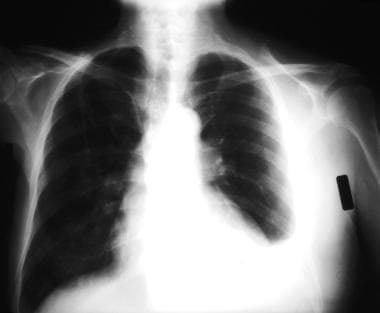
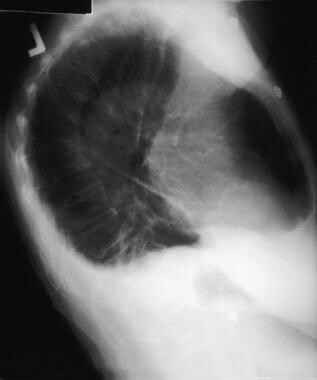
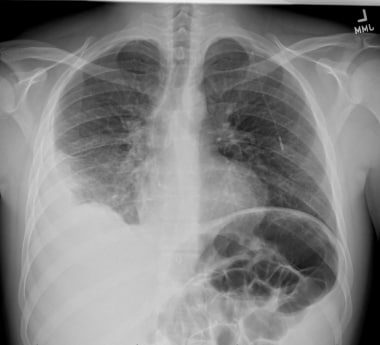
  • Chest radiography is the primary diagnostic tool because of its availability, accuracy, and low cost. Chest radiographs can be used to determine the cause of the effusion (eg, enlarged cardiac silhouette, underlying lung, parenchymal disease). The most common radiologic appearance is blunting of the costophrenic angle and/or sulci (sharp angle between the diaphragm and rib cage). As fluid accumulates, blunting becomes more pronounced, and an upwardly concave meniscus seems to ascend the lateral chest wall; this is called the meniscus sign. Clues indicating pleural effusion include generalized homogenous opacity and diffuse haziness as the fluid forms layers posteriorly (ground-glass appearance), visibility of pulmonary vessels through the haziness, and an absence of air bronchogram.
    • Upright posteroanterior or anteroposterior radiographs may not show lateral costophrenic angle blunting until 250-500 mL of fluid is present. Haziness is less apparent as it progresses cephalad. Lateral radiographs show blunting of the posterior costophrenic angle and the posterior gutter when as little as 175-200 mL of fluid is present. Bilateral decubitus radiographs are recommended, especially with larger effusions. They provide clues to exclude a loculated effusion and underlying pulmonary lesion or pulmonary thickening and can depict as little as 5-10 mL of fluid. Recumbent (supine views) usually are obtained in critically ill patients. Findings may include costophrenic angle blunting (earliest finding), generalized homogenous opacity, obliteration of the diaphragmatic silhouette, decreased visibility of the lower-lobe vasculature, widened minor fissure, apical capping, and hemidiaphragmatic elevation.
    • Bilateral effusions with enlarged cardiac silhouette most likely are caused by congestive heart failure. In absence of cardiomegaly, malignancy (either carcinoma or lymphoma) is the most common cause of bilateral effusions; however, in this setting, differential diagnoses that must be considered include lupus pleuritis, rheumatoid pleurisy, nephrotic syndrome, cirrhosis with ascites, pulmonary embolism, TB, esophageal rupture, benign asbestos pleural effusion, Meigs syndrome, uremic pleuritis, yellow nail syndrome, and effects of medications.
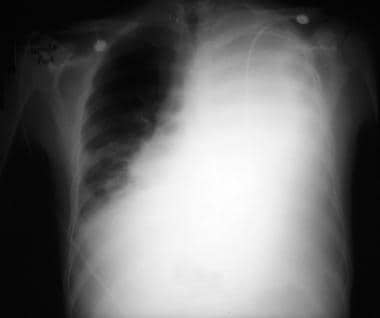
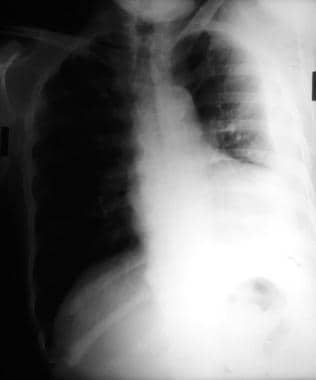
    • Malignant effusions usually are medium to large (500-2000 mL); however, 10% are less than 500 mL, and another 10% occur with massive effusions in which the hemithorax is completely opacified. The most common cause of massive pleural effusion is malignancy (70%). Other conditions that must be considered with massive pleural effusions include congestive heart failure, TB, hepatic cirrhosis with ascites, transdiaphragmatic rupture of a liver abscess into the pleural space (>90% right sided), paragonimiasis (usually unilateral), peritoneal dialysis or continuous ambulatory peritoneal dialysis (CAPD) (90% right sided), cryptococcosis, pancreatic pseudocyst, chronic pancreatitis, Meigs syndrome, uremic pleuritis, yellow nail syndrome, and effects of medications.
    • Massive effusions usually have an accompanying mediastinal shift to the contralateral side of the pleural effusion. However, when a massive effusion exists without a this shift (midline mediastinum or mediastinum shift toward the side of the effusion), the differential diagnosis is narrowed to carcinoma of the ipsilateral mainstem bronchus with or without ipsilateral lung atelectasis, fixed mediastinum caused by fibrosis or tumor infiltration of mediastinal lymph nodes, tumor infiltration of the ipsilateral lung, malignant mesothelioma, or complete atelectasis of the ipsilateral lung.
    • The location of the pleural effusion can help in differential diagnosis.
      • Isolated right-sided pleural effusions commonly occur with cirrhosis, peritoneal dialysis (CAPD), subphrenic or intrahepatic abscess, amebic liver abscess, Echinococcosis infection, liver transplantation, Meigs syndrome, or catamenial hemothorax (thoracic endometriosis).
      • Isolated left-sided effusions occur with esophageal rupture, pancreatic disease, subphrenic or splenic abscess, splenic infarction, diaphragmatic hernia, pericardial disease, or coronary artery bypass surgery.
      • With exception of lung and breast cancer, most pleural effusions associated with malignancies are bilateral, and no ipsilateral predilection is present. Primary lung carcinoma most commonly occurs with unilateral pleural effusion ipsilateral to the primary lesion. Pleural effusions associated with breast carcinoma typically are ipsilateral to the primary breast cancer (58-70%); however, 20-26% develop effusions contralateral to the primary lesion, and 10-16% develop bilateral effusion.
  • Atypical chest radiographic presentations are possible.
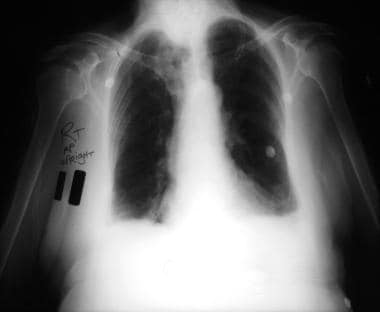
    • Subpulmonic (infrapulmonary) effusions are fluid collections between the inferior pulmonary margin and superior diaphragmatic margin that usually occur with nephrotic syndrome.
    • Posteroanterior radiographs may depict the following:
      • Flattening of the medial diaphragmatic aspect, with gradual upward and lateral inclination from the cardiac shadow; lateral displacement of the diaphragmatic dome apex (middle or inner hemithoracic third to lateral third)
      • Change of the normal, domelike diaphragmatic curve to a hockey-stick shape
      • Sharp diaphragmatic sloping toward the lateral costophrenic angle
      • Hemidiaphragm elevation
      • Increased distance (>2.0 cm) between the gastric fundus air bubble and superior right hemidiaphragmatic margin
      • Absence of lower-lobe vessels normally present below the diaphragm.
    • Lateral radiographs may depict sharp angulation of the anterior diaphragmatic portion (ie, Rock of Gibraltar or middle-lobe step sign).
    • If pleural adhesions are absent, subpulmonary effusion can be confirmed and quantified with lateral decubitus images, which show free infrapulmonary fluid moving from the top of the diaphragm to the dependent chest wall and layering along the lateral chest wall.
    • Pseudotumors represent an accumulation of fluid between interlobar fissures or fluid encapsulated by adhesions. They most commonly occur in the minor fissure and usually occur in patients with congestive heart failure.
    • Diaphragmatic inversion because of the weight of the pleural effusion on the left side. The superior border of the diaphragm become upwardly concave, and paradoxical movement occurs with respiration; the diaphragm rises with respiration and falls with expiration. When the pleural fluid is removed, the diaphragm assumes its normal shape.
    • When an air-fluid level is present in the pleural space, the following must be considered: bronchopleural fistula, pneumothorax, trauma, presence of gas-forming organisms, diaphragmatic hernia, fluid-filled bullae or lung cysts, and rupture of the esophagus into the pleural space. Diaphragmatic hernias can be excluded or confirmed with the administration of GI contrast material.
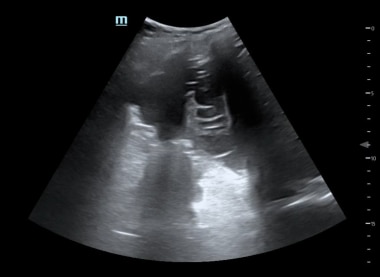
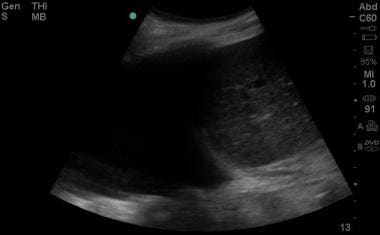
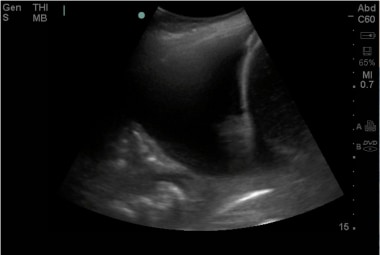
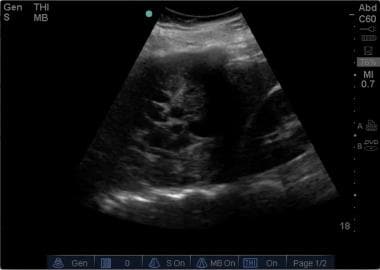
  • Ultrasonography can be used to detect as little as 5-50 mL of pleural fluid, with 100% sensitivity for effusions of 100 mL or more.
    • It aids in the identification of loculated effusions and the differentiation of pleural fluid from pleural fibrosis, thickening, and parenchymal consolidation.
    • It can help localize the diaphragm if pleural or parenchymal disease obscures it. Its major role to provide imaging guidance for identifying a site thoracentesis, pleural biopsy, or pleural drainage (eg, chest tube placement) and to decrease the risk of complications from such procedures.
    • It may aid characterizing the pleural fluid and the exudative nature of the effusion with pleural thickening, loculations, or complicated echogenic patterns. (However, anechoic effusions may be either exudative or transudative.)
    • Unlike CT, ultrasonography is rapid and available bedside.
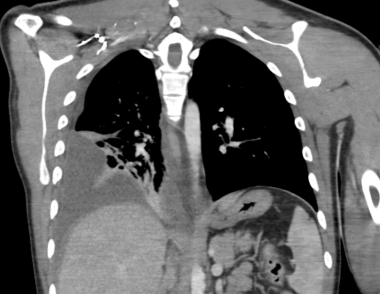
  • Chest CT scanning (including use of lung windows views) permits imaging of the entire pleural space, pulmonary parenchyma, and mediastinum simultaneously.
    • CT scans reveal early-stage pleural abnormalities, and contrast-enhanced scans can depict multiple loculations and localizing effusions; differentiate between lung consolidation versus pleural effusion; cystic lesions versus solid lesions; of necrotic areas; pleural thickening, nodules, masses, or rounded atelectasis; and peripheral lung abscess versus loculated empyema, and tumoral extent.
    • Scans can help in identifying benign or malignant pleural involvement. One or more of the following indicates malignancy (sensitivity, 72%; specificity, 83%): circumferential pleural thickening, nodular pleural thickening, parietal pleural thickening (>1.0 cm), and mediastinal pleural involvement.
    • CT scans are highly sensitive for discrete pleural plaques, but rarely is helpful in differentiating transudates, exudates, and chylous pleural effusions.
  • Other imaging studies include MRI and nuclear scanning. MRI has a somewhat limited role, with even less value in the ED workup. It is the imaging modality of choice in evaluating superior sulcus tumors, and it is superior to CT scan in depicting tumor extension to the chest wall, brachial plexus, subclavian vessels, vertebral bodies, and spinal canal. Nuclear scanning with gallium-labeled or indium-labeled leukocytes occasionally is used to rule out infection in lung parenchyma or pleural fluid.

Other Tests

  • Contrast material–enhanced study of the esophagus
    • Esophageal perforation is a medical emergency that requires rapid diagnosis and treatment.
    • When this condition is suspected, contrast-enhanced studies of the esophagus should be performed with the patient in the lateral decubitus position.
    • The contrast agent of choice should be water soluble; an example is Hexabrix (meglumine and sodium ioxaglate). Although Gastrografin is water-soluble, its use is not recommended because it causes marked bronchospasm when it is aspirated.
    • Because of a high percentage of false-negative findings when water-soluble agents are used, a barium sulfate esophagogram should be obtained after a negative finding. Barium is not used initially because it is not absorbed once it leaks into the mediastinum or pleura. It also elicits a marked inflammatory reaction in the pleura, resulting in subsequent fibrosis and granuloma formation.
    • Upon confirmation of the diagnosis, immediate surgical consultation is needed.
  • Ventilation-perfusion scanning
    • Pulmonary embolization should be considered in every patient with a pleural effusion.
    • Obtain a perfusion lung scan when the origin of the effusion is not apparent after initial diagnostic thoracentesis.
    • Also, obtain a lung scan in all patients with nephrotic syndrome and pleural effusion, especially those with unilateral pleural effusion, bilateral effusions of unequal sizes, and renal vein thrombosis.
    • Strongly consider lung scanning in patients with unilateral pleuritic chest pain ipsilateral to the pleural effusion, patients with no preexisting cardiac or pulmonary disease who have dyspnea (out of proportion to the size of the effusion) and tachypnea, and patients with known congestive heart failure and pleuritic chest pain.
    • Lung scans are difficult to interpret in the presence of pleural effusion. Therefore, therapeutic thoracentesis often is indicated prior to lung scanning. Consequently, early pulmonary consultation is indicated when this diagnosis is being considered.

Procedures

  • After the presence of a pleural effusion is established, the cause should be identified. This step can be critical in evaluating pleural effusions because unnecessary invasive procedures cause morbidity and mortality. When a decision is made to investigate the cause of the pleural effusion, thoracentesis is the first-line invasive diagnostic procedure. Thoracentesis also can be used as a therapeutic modality. Chest tubes serve a solely therapeutic role. They are used for evacuating air or fluid from the pleural space and for administering fibrinolytic (eg, urokinase, streptokinase) or sclerosing agents (eg, doxycycline, bleomycin, talc, minocycline).

    Other procedures used to diagnosis the cause of a pleural effusion include percutaneous pleural biopsy, thoracoscopy, and open pleural biopsy. However, of all these procedures, thoracentesis and chest tube placement usually suffice for evaluation or treatment of pleural effusions in the ED. Ancillary procedures (eg, bronchoscopy, perfusion lung scanning, pulmonary arteriography) can complement the other invasive procedures.

  • Thoracentesis
    • Thoracentesis is the least invasive procedure, and it is relatively safe.
    • For stable and asymptomatic patients in whom effusion most likely is caused by viral pleurisy, manifestation of a systemic disease (eg, congestive heart failure, renal disease, hepatic cirrhosis), thoracic or abdominal surgery, or childbearing, thoracentesis may not be indicated, or it can be deferred. In this situation, therapy for the specific cause should be initiated, and if no improvement occurs after a few days, diagnostic thoracentesis should be performed.
    • Thoracentesis is also indicated in cases in which the specific cause of the effusion is unknown or has never been investigated or when the thickness of the free pleural fluid level is more 10 mm on the lateral decubitus radiograph. In addition, thoracentesis is indicated if the patient has respiratory compromise, hemodynamic instability, or massive effusion with contralateral mediastinal shift.
    • For massive effusions with a midline mediastinum or ipsilateral mediastinal shift, consultation with a pulmonologist is indicated prior to any intervention. In patients with massive effusions, bronchoscopy, rather than thoracentesis, is the initial diagnostic procedure. If more than 1000 mL of fluid is removed, pleural pressures must be monitored. Measurements of pleural pressures with the aspiration of large amounts of fluid not only increase the safety of procedure, but they also aid diagnosis. Negative initial pleural pressures and/or rapid changes in the pressure as fluid is withdrawn can suggest malignancy or a trapped lung.
    • Diagnostic thoracentesis is indicated for patients with obvious or known congestive heart failure if any of the following conditions are present: fever, unequal effusions, pleuritic chest pain, unilateral pleural effusion, or absence of cardiomegaly.
    • If a stable patient has undergone prior thoracentesis and the cause remains unknown, a specialist should perform further thoracentesis, since an indication for closed pleural biopsy or other invasive procedures might exist. If pleural fluid is removed without recognition of the need for pleural biopsy, subsequent biopsy can become difficult and unsafe. Malignancy is strongly suggested in chronic exudative effusions in which the cause remains undiagnosed despite several thoracenteses and one or more closed pleural biopsies.
    • A pulmonologist should aspirate difficult pleural taps, such as small loculated effusions or loculated anterior effusions.
    • If a ruptured diaphragm is suspected ipsilateral to the pleural effusion, thoracentesis should be performed under fluoroscopic or ultrasonic guidance.
    • Thoracentesis safely can be performed in patients receiving mechanical ventilation, even positive pressure ventilation.
    • No absolute contraindications to thoracentesis exist. If the thickness of the free pleural fluid level (distance between the inner border of the chest wall and outer border of the lung) is less than 10 mm on a lateral decubitus radiograph, thoracentesis is not considered safe. These small effusions usually resolve without specific drainage procedures. Relative contraindications include predisposition to hemorrhage (particularly if the prothrombin time [PT] or activated partial thromboplastin time [aPTT] is 2 times the normal value), iatrogenic systemic anticoagulation (particularly with thrombolytic agents), cutaneous disease (eg, herpes zoster infection or pyoderma at the needle entry site), and uncooperative patients.
    • After thoracentesis (regardless of its success), chest radiography is recommended to rule out a subsequent pneumothorax. Pneumothorax is the most common complication and is operator dependent. Its incidence is 3-20% with unguided thoracentesis and 2-7% with ultrasonographic guidance. Therapeutic thoracentesis has a high incidence of pneumothorax, and a chest radiograph should be obtained after the procedure.
    • Other complications include subcutaneous hematoma, infection of the pleural space or soft tissue overlying the thoracentesis site, pain at the site, cough, chest pain, hemothorax, vasovagal reflex, reexpansion (unilateral) pulmonary edema, hypovolemia, hypoxemia, splenic or hepatic laceration, hemoperitoneum, and adverse reactions to the local anesthetic. The risk of complications decreases if careful attention is given to the use of sterile technique, slow removal of less than 1 L of fluid at a time, and proper anesthetization of the patient.
      • Consider reexpansion pulmonary edema in patients with large pneumothoraces or large pleural effusions lasting at least 3 days who are undergoing tube thoracostomy or thoracentesis. The condition is serious and possibly fatal. Pulmonary edema commonly develops in the reexpanding ipsilateral lung. It occurs with the drainage of large amounts (>1000 mL) of pleural fluid when pleural pressures are not monitored and with abnormally negative (below negative 20 cm H2O) pleural pressures.
      • Hypoxemia is a common complication and can persist for several hours after the procedure. All patients (certainly those with severe cardiopulmonary disease) should receive oxygen by means of nasal cannula during thoracentesis and for several hours afterwards.
    • Indications for removal of the thoracentesis needle during the procedure include aspiration of air, development of cough, dyspnea, chest pain, and ipsilateral shoulder pain. Referred ipsilateral shoulder pain can indicate injury to the diaphragm. The risk of injuring the diaphragm, spleen, or liver increases when thoracentesis is performed in or below 10th intercostal space.
    • Universal precautions regarding the handling bodily fluids apply to pleural fluid. Proper disposal of needles is essential.
  • Tube thoracostomy
    • Definite indications include empyema (presence of pus in the pleural space); hemothorax; large pneumothorax; and parapneumonic effusion with a positive finding with Gram staining of pleural fluid, pH less than 7.0, or a glucose level less than 40 m/dL. A chest tube also might be indicated for parapneumonic effusion with a pH between 7.00 and 7.20 or an LDH level above 1000 IU/L. Patients with these findings should be admitted, and a pulmonologist should decide if chest tube placement is required. A chylothorax can be managed with a chest tube, although placement of a pleuroperitoneal shunt is preferred because it prevents malnourishment and immunologic compromise.
    • Malignant tumors obstructing a mainstem or lobar bronchus are a contraindication for chest tube placement, because the obstruction prevents expansion of the lung underlying the effusion.
    • When chest tubes are inserted in the ED for the treatment of a spontaneous pneumothorax, they initially should be connected to an underwater-seal drainage apparatus or a Heimlich valve rather than to a suction device. Suction can create negative pleural pressures and increase the risk of reexpansion pulmonary edema. A pulmonologist should be consulted when change to a suction device is considered.


Prehospital Care

Most commonly, a pleural effusion is an incidental finding in a stable patient. Emergency medical services are required more often by patients with a toxic condition, respiratory distress, or cardiovascular instability.

  • As with any other life-threatening condition, direct initial management toward stabilization of the airway to ensure adequate oxygenation and ventilation. Administer supplemental oxygen to all unstable patients.
  • After airway stabilization, address and support the patient's circulatory status.
  • For any unstable patient, time is a critical factor. Patients in unstable condition require prompt evaluation by an emergency physician because ultimate treatments required for stabilization are not available in the prehospital setting.
  • Upon arrival in the ED, disclosure of physical findings (eg, deviation of the trachea, distended neck veins, absence of breath sounds, muffled heart sounds, peripheral edema, ascites, subcutaneous emphysema) is important.

Emergency Department Care

On the basis of presentation in the ED, patients with pleural effusions may be stable, requiring hospital admission; stable, not requiring hospital admission; or unstable. Generally, any patient who requires thoracentesis in the ED is admitted to the hospital. When a patient is stable hemodynamically, time may be available to investigate the patient's past medical history. Previous hospitalization and outpatient records and radiographs can be invaluable.

  • Stable patients who do not require admission include those in whom the clinical circumstances clearly explain the effusion and/or prior investigations of the cause were performed, effusions are typical of the disease or asymptomatic, and diagnostic or therapeutic thoracentesis is not required.

    Such patients include the following: patients with effusions due to viral pleurisy, with a free pleural fluid level thinner than 10 mm on a lateral decubitus radiograph; asymptomatic patients with pleural effusions associated with systemic diseases such as congestive heart failure, renal disease, and hepatic cirrhosis; patients with small (free pleural fluid level <10 mm on the lateral decubitus radiograph) pleural effusions after recent (<3 d) thoracic or abdominal surgery; and patients with asymptomatic effusions immediately postpartum.

    • In such patients, thoracentesis is not indicated and can be deferred. Therapy for the specific cause, if indicated, should be initiated, and no improvement occurs after a few days, diagnostic thoracentesis should be performed.
    • Consultation with the patient's primary physician or pulmonologist may be appropriate. Consider the patient's financial circumstances and ability to follow up on an outpatient basis. If early follow-up seems unlikely at an outpatient clinic or with a specialist, clearly instruct the patient to return to the ED for reevaluation in 2-3 days or sooner, if necessary. Document that the patient understands the importance of compliance with the treatment regimen and follow-up.
  • Stable patients requiring admission include most patients with pleural effusion thicker than 10 mm on the lateral decubitus radiograph. Such patients include the following: patients with no prior history of pleural effusions, patients with parapneumonic effusions who do not appear to have a toxic condition, and patients with a prior history of pleural effusions who have a change in their usual symptoms or effusion. Often, these patients do not require a monitored bed and can be admitted to a regular floor.
    • Although these patients are not in acute respiratory distress, diagnostic thoracentesis is imperative. Thoracentesis need not be performed in the ED if the accepting physician will perform it soon. When the cause of pleural effusion is obvious, initiate appropriate medical therapy (diuretics, antibiotics) in the ED.
    • Simple parapneumonic effusions have a great potential to become complicated effusions or empyemas. Antimicrobial therapy alone is not sufficient for complicated parapneumonic effusions or empyemas; they require tube thoracostomy and antibiotics. The distinction of simple and complicated parapneumonic effusion can be made only after the pleural fluid characteristics are assessed. For parapneumonic effusions, if possible, antibiotics should be instituted after diagnostic thoracentesis during which pleural fluid is analyzed with appropriate microbiologic studies. However, if a delay in thoracentesis is anticipated, antibiotic treatment takes precedence and is preferred to be initiated in the ED.
  • Unstable patients include those in severe sepsis/septic shock, respiratory distress, or cardiovascular compromise due to the effusion. The initial treatment focus should be stabilizing the airway and circulation. Patients with dyspnea or severe respiratory distress should sit, because the seated position increases tidal volume, decreases the work of breathing, and may improve symptoms of congestive heart failure and/or pulmonary edema. Life-threatening traumatic or medical conditions (eg, tension hydropneumothorax, massive effusion with contralateral mediastinal shift, pulmonary embolism, esophageal perforation, traumatic rupture of the thoracic duct, strangulated diaphragmatic hernia) must be ruled out. These patients require immediate diagnostic and therapeutic thoracentesis.
    • Chest tube placement is an appropriate initial diagnostic and therapeutic modality when a hemothoracic mechanism exists. Hemothorax, pneumothorax, and drainage of thick pus at initial diagnostic thoracentesis are the only clear indications for chest tube placement in the ED.
    • Direct the chest tube tip posteroinferiorly with draining blood or pus and superiorly with draining air. Other conditions, such as complicated parapneumonic effusion, chylothorax, or malignant pleural effusion, may require chest tube placement for definitive treatment; however, a pulmonologist should make this decision after reviewing radiographic and diagnostic findings.
    • The criteria to place a chest tube when pleural fluid has a pH less than 7.00 and/or when the glucose level is less than 40 m/dL applies only to parapneumonic effusions. Pleural fluid in conditions such as rheumatoid effusions, malignant effusions, and TB may have similar characteristics, but these conditions do not require tube thoracostomy. The decision to place a chest tube in a patient with positive Gram staining results, a pleural fluid pH less than 7.0, or a glucose level less than 40 m/dL should be made after consulting a pulmonologist.
    • Infected pleural fluid with bronchopleural fistula is considered a medical emergency. Suspect bronchopleural fistula when a patient with pleural effusion produces a larger amount of sputum (especially when lying in one position) than that expected from associated pulmonary disease.
    • The presence of an air-fluid level in the pleural space on upright radiographs suggests bronchopleural fistula. Patients with this require immediate diagnostic thoracentesis, antibiotics, and pulmonary consultation.
    • For suspected parapneumonic effusions, initiate antibiotics in the ED. The choice of antibiotics should be based on clinical factors and consistent with guidelines for the treatment of pneumonia.
    • In any patient with chest trauma (penetrating or nonpenetrating), hemothorax should be suspected. Maintain a high index of suspicion for concomitant pneumothorax with blunt or penetrating traumatic hemothorax. Traumatic hemothorax is an indication for the insertion of a large-bore (36-40F) chest tube.
    • If initial radiographic findings are negative for pneumothorax or hemothorax, a follow-up chest radiograph should be obtained 3-6 hours after the accident. These patients require admission for monitoring. Early consultation with the ICU or surgical teams is an essential part of treatment.
  • All patients with pleural effusions require thorough evaluation in the ED.
    • Ascites should be excluded in patients with pleural effusion. A history of chronic alcohol or drug use, hepatitis, or pelvic neoplasm should heighten suspicion for ascites. In women with undiagnosed pleural effusion and ascites, a pelvic examination is required to exclude large ovarian or uterine masses (Meigs syndrome). When ascites is present, paracentesis with thoracentesis is important for diagnosis (similarity of pleural and peritoneal fluid characteristics indicates a common diagnosis of hydrothorax, which almost always is an extension of peritoneal fluid) and treatment. (Management of pleural effusions associated with ascites is directed primarily toward control of ascites.)
    • Maintain a high index of suspicion for concomitant infection. Certain conditions, such as rheumatoid arthritis, congestive heart failure, hepatic cirrhosis, esophageal rupture, and immunocompromise, have a predilection for infection. When patients with these conditions require thoracentesis, Gram staining and culturing of the pleural fluid is important. Gram staining always should be performed by using the sediment of the centrifuged pleural fluid; this method increases sensitivity. With Gram staining, positive findings can provide useful information for initial antibiotic selection in the ED. Negative results do not rule out infection; the ultimate diagnosis depends on culture findings.

Consultations

Consult the general primary care provider, a pulmonologist, or, if indicated, a medical or surgical intensivist or general surgeon, depending on the patient's clinical condition and local consultation practices.


Antibiotics (eg, for parapneumonic effusions) and diuretics (eg, for effusions associated with CHF) are commonly used in the initial management of pleural effusions in the ED. The selection of drugs in each class depends on the cause of the effusion and its clinical presentation. Particular attention must be given to potential drug interactions, adverse effects, and preexisting conditions.

Drug Category: Antibiotics

Expeditiously initiate empiric systemic antibiotic coverage for parapneumonic effusions, empyemas, and effusions associated with esophageal perforation and intra-abdominal abscesses in the ED. Base initial antibiotic selection on the microorganisms presumed present and the overall clinical picture. Considerations include the patient's age, comorbid conditions, duration of the illness (acute vs chronic), setting (community vs nursing home), and prevalence of resistance.

Generally for parapneumonic effusions, initial antibiotics used in the ED should be based on clinical factors and consistent with guidelines for treatment of pneumonia. Various effective single and combination antimicrobial therapies exist. A combination therapy may include a third-generation cephalosporin, such as ceftriaxone and a macrolide, or, alternatively, monotherapy with a new-generation antipneumococcal fluoroquinolone. If the patient is immunosuppressed or has structural lung disease (eg, bronchiectasis), a cephalosporin with enhanced antipseudomonal activity, such as ceftazidime (Fortaz), is recommended.

For a patient with a community-acquired infection who presents in severe sepsis/septic shock, combination antimicrobial therapy may include vancomycin, a third-generation cephalosporin such as ceftriaxone, and a new-generation antipneumococcal fluoroquinolone (eg, moxifloxacin or levofloxacin). Anaerobic coverage (eg, clindamycin) should also be added for patients with subacute/chronic infections or for those with necrotizing infection, abscess, or empyema.

Drug NameCeftriaxone (Rocephin)
DescriptionThird-generation cephalosporin with broad-spectrum, gram-negative activity; lower efficacy against gram-positive organisms; higher efficacy against resistant organisms. Arrests bacterial growth by binding to one or more penicillin-binding proteins.
Adult Dose1-2 g IV qd
Pediatric Dose50-75 mg/kg/d IV qd or divided q12h; not to exceed 4 g/d
ContraindicationsDocumented hypersensitivity; neonates (potential for causing kernicterus)
InteractionsProbenecid may increase levels; coadministration with ethacrynic acid, furosemide, and aminoglycosides may increase nephrotoxicity
PregnancyB - Fetal risk not confirmed in studies in humans but has been shown in some studies in animals
PrecautionsAdjust dose in renal impairment; caution in breastfeeding women and allergy to penicillin

Drug NameClindamycin (Cleocin)
DescriptionLincosamide for treatment of serious skin and soft-tissue staphylococcal infections. Also effective against aerobic and anaerobic streptococci (except enterococci). Inhibits bacterial growth, possibly by blocking dissociation of peptidyl tRNA from ribosomes, arresting RNA-dependent protein synthesis.
Adult Dose450-900 mg IV q8h
Pediatric DoseNot established
ContraindicationsDocumented hypersensitivity; regional enteritis; ulcerative colitis; hepatic impairment; antibiotic-associated colitis
InteractionsIncreases duration of neuromuscular blockade induced by tubocurarine and pancuronium; erythromycin may antagonize effects; antidiarrheals may delay absorption
PregnancyB - Fetal risk not confirmed in studies in humans but has been shown in some studies in animals
PrecautionsAdjust dose in severe hepatic dysfunction; no adjustment necessary in renal insufficiency; associated with severe and possibly fatal colitis; can cause pseudomembranous enterocolitis secondary to Clostridium difficile infection

Drug Category: Diuretics

Loop diuretics decrease plasma volume and edema by causing diuresis.

Drug NameFurosemide (Lasix)
DescriptionIncreases excretion of water by interfering with chloride-binding cotransport system, which, in turn, inhibits sodium and chloride reabsorption in ascending loop of Henle and distal renal tubule.
Adult Dose20-40 mg/d IV; then 80 mg within 2 h prn
Pediatric Dose1 mg/kg/dose IV slowly q6-12h with close supervision; not to exceed 6 mg/kg/dose; do not administer more frequently than q6h
ContraindicationsDocumented hypersensitivity; hepatic coma; anuria; severe electrolyte (K, Mg, Na) depletion
InteractionsMetformin decreases concentrations; interferes with hypoglycemic effect of antidiabetic agents and antagonizes muscle relaxing effect of tubocurarine; auditory toxicity appears to be increased with coadministration of aminoglycosides; hearing loss of varying degrees may occur; anticoagulant activity of warfarin may be enhanced when taken concurrently; increased plasma lithium levels and toxicity are possible when taken concurrently
PregnancyC - Fetal risk revealed in studies in animals but not established or not studied in humans; may use if benefits outweigh risk to fetus
PrecautionsFrequently determine serum electrolyte, CO2, glucose, creatinine, uric acid, calcium, and BUN levels during the first few months of therapy and periodically thereafter; observe for blood dyscrasias and liver or kidney damage

Drug NameSpironolactone (Aldactone)
DescriptionFor management of edema resulting from excessive aldosterone excretion. Competes with aldosterone for receptor sites in distal renal tubules, increasing water excretion while retaining potassium and hydrogen ions.
Adult Dose100 mg PO initial dose; adjust dose thereafter depending on individual response
Pediatric DoseNot established
ContraindicationsDocumented hypersensitivity; anuria, renal failure, or hyperkalemia
InteractionsMay decrease effect of anticoagulants; potassium and potassium-sparing diuretics may increase toxicity of spironolactone
PregnancyD - Fetal risk shown in humans; use only if benefits outweigh risk to fetus
PrecautionsCaution in renal and hepatic impairment


Further Inpatient Care

  • The patient condition and the cause of effusion dictate whether admission to a regular floor or ICU is required. Consultations with pulmonary specialists or surgeons in the ED may facilitate level-of-care issues.
  • For some patients, definitive treatment may include serial thoracenteses, instillation of fibrinolytic agents (eg, streptokinase, urokinase), chemical pleurodesis (eg, doxycycline, bleomycin, talc), pleuroperitoneal shunt placement, intrapleural administration of talc during thoracoscopy, systemic chemotherapy, or mediastinal radiation.

Further Outpatient Care

  • Arrange for follow-up with the patient's primary care physician or a pulmonary specialist within 2-3 days, especially if thoracentesis is deferred.
  • If early follow-up seems unlikely, give the patient clear instructions to return to the ED in 2-3 days for reevaluation.

In/Out Patient Meds

  • When parapneumonic effusion is suspected, initiate antibiotics as soon as possible, preferably in the ED.
  • Outpatient therapy depends on the cause of the effusion.
  • Consult a social services professional when a patient cannot afford medications.

Transfer

  • If the usual criteria for stability are satisfied, patients may be transferred to another facility for definitive care.
  • If thoracentesis is performed, a follow-up chest radiograph must be obtained to rule out pneumothorax before discharging the patient.
  • With iatrogenic pneumothorax, chest tube placement is indicated, and close follow-up is necessary. Stable patients may be transferred by ground with proper personnel and chest tube in place.

Deterrence/Prevention

  • Strict precautions are required in the handling of needles and bodily fluids, including pleural fluid.
  • Reports exist of HIV transmission from needles contaminated with pleural fluid.

Complications

  • Delaying antimicrobial therapy for parapneumonic and other effusions, when antimicrobial therapy is indicated, potentially increases the risk of developing empyema, pulmonary fibrosis, and sepsis.

Prognosis

  • Prognosis varies and depends on the cause and characteristics of the pleural effusion.
  • Patients who seek medical care earlier in the course of their disease and those with prompt diagnosis and treatment have a substantially lower rate of complications than those who do not.

Patient Education


Medical/Legal Pitfalls

  • Failure to recognize effusion by not obtaining chest radiographs or misdiagnosing effusions as pleural thickening or parenchymal infiltrates
  • Incorrect presumption that the pleural effusion is old and unchanged
  • Failure to recognize potential life-threatening conditions such as pulmonary embolus, esophageal rupture, hemothorax, empyema, and strangulated diaphragmatic hernia
  • Unnecessary attempts to perform thoracentesis
  • Removal of large amounts (>1000 mL) of pleural fluid with subsequent development of reexpansion pulmonary edema
  • Causing complications of thoracentesis, such as pneumothorax or laceration of intra-abdominal organs
  • Insertion of chest tube in the presence of a malignant tumor that obstructs a mainstem or lobar bronchus
  • Transferring a patient to another hospital without excluding pneumothorax after thoracentesis