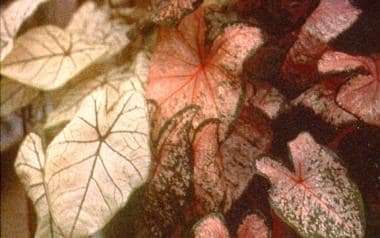
You are in: eMedicine Specialties > Emergency Medicine > TOXICOLOGY Plant Poisoning, OxalatesArticle Last Updated: Aug 7, 2007AUTHOR AND EDITOR INFORMATIONAuthor: Jason Kearney, MD, Consulting Staff, Department of Emergency Medicine, Emergency Medicine Associates Jason Kearney is a member of the following medical societies: American Academy of Emergency Medicine Coauthor(s): William K Chiang, MD, Associate Professor, Department of Emergency Medicine, Department of Emergency Medicine, New York University School of Medicine; Consulting Staff, Bellevue Hospital Center Editors: Miguel C Fernandez, MD, FAAEM, FACEP, FACMT, Associate Clinical Professor; Medical and Managing Director, South Texas Poison Center, Department of Surgery/Emergency Medicine and Toxicology, University of Texas Health Science Center at San Antonio; John T VanDeVoort, PharmD, ABAT, Director of Pharmacy, Sacred Heart Hospital; Michael Hodgman, MD, Assistant Clinical Professor of Medicine, Department of Emergency Medicine, Bassett Healthcare; John Halamka, MD, Chief Information Officer, CareGroup Healthcare System, Assistant Professor of Medicine, Department of Emergency Medicine, Beth Israel Deaconess Medical Center; Assistant Professor of Medicine, Harvard Medical School; Asim Tarabar, MD, Assistant Professor, Department of Surgery, Section of Emergency Medicine, Yale University School of Medicine; Consulting Staff, Department of Emergency Medicine, Yale-New Haven Hospital Author and Editor Disclosure Synonyms and related keywords: oxalate crystals, oxalate exposures, Philodendron, Dieffenbachia, Anthurium, Anthurium species, Arum, Araceae, Arisaema species, Caladium, Caladium bicolor, Calla lily, Zantedeschia species, Chinese evergreen, Aglaonema species, Dieffenbachia, Dieffenbachia species, Jack-in-the pulpit, Arisaema triphyllum, Monstera, Ceriman, Monstera deliciosa, Nephthytis, Syngonium podophyllum, Philodendron, Philodendron species, Pothos or Hunter's robe, Epipremnum aureum, skunk cabbage, Symplocarpus foetidus INTRODUCTIONBackgroundPlant exposures are some of the most frequent poisonings reported to poison control centers. Exposures to plants containing oxalate crystals, such as Philodendron and Dieffenbachia, are among the most common toxic plant exposures reported in the US. For the past 200 years, the irritant properties of the Dieffenbachia plant have had various uses, including punishing slaves and treating gout, impotence, and frigidity. Today, plants containing oxalate are admired for their ornamental beauty and found in public places and homes. The following plants contain oxalates:
PathophysiologyNonsoluble calcium oxalate crystals are found in plant stems, roots, and leaves. The stalk of the Dieffenbachia plant produces the most severe reactions. These needlelike crystals produce pain and edema when they contact lips, tongue, oral mucosa, conjunctiva, or skin. Edema primarily is due to direct trauma from the needlelike crystals and, to a lesser extent, by other plant toxins (eg, bradykinins, enzymes). FrequencyUnited StatesPhilodendron and Dieffenbachia exposures are among the most common plant exposures reported to poison control centers. Mortality/MorbidityIn most cases, nonsoluble oxalate plants produce self-limited symptoms and clinical manifestations. Significant morbidity or mortality is extremely rare. One case report of an infant fatality attributed to airway obstruction after exposure to Dieffenbachia exists. AgeThe majority of oxalate plant exposures occur in children younger than 5 years while sampling houseplants in the home. CLINICALHistorySymptoms, if they develop, occur rapidly and may include the following:
PhysicalNo physical findings exist in the majority of oxalate exposures. DIFFERENTIALSAngioedema Conjunctivitis Corneal Abrasion Dermatitis, Contact Plant Poisoning, Glycosides - Cardiac Plant Poisoning, Glycosides - Coumarin Plant Poisoning, Herbs Plant Poisoning, Hypoglycemics Plant Poisoning, Licorice Plant Poisoning, Resins Stevens-Johnson Syndrome
| ||||||||||||||||||||||||||||||||||||||||||||||||||||||||||||||||||||||||||||
| Drug Name | Acetaminophen (Tylenol) |
|---|---|
| Description | DOC for pain in patients with documented hypersensitivity to aspirin or NSAIDs, with upper GI disease, or who are taking oral anticoagulants. |
| Adult Dose | 650 mg PO/PR q4h prn |
| Pediatric Dose | 15 mg/kg/dose PO/PR q4h prn |
| Contraindications | Documented hypersensitivity |
| Interactions | Rifampin can reduce analgesic effects of acetaminophen; coadministration with barbiturates, carbamazepine, hydantoins, and isoniazid may increase hepatotoxicity |
| Pregnancy | B - Fetal risk not confirmed in studies in humans but has been shown in some studies in animals |
| Precautions | Hepatotoxicity possible in patients with chronic alcoholism following various dose levels; severe or recurrent pain or high or continued fever may indicate serious illness; APAP is contained in many OTC products and combined use with these products may result in cumulative APAP doses exceeding recommended maximum dose (4 g/d) |
| Drug Name | Ibuprofen (Motrin, Advil) |
|---|---|
| Description | DOC for patients with mild to moderate pain. Inhibits inflammatory reactions and pain by decreasing prostaglandin synthesis. |
| Adult Dose | 200-600 mg PO qid prn |
| Pediatric Dose | 5-10 mg/kg PO q6h prn |
| Contraindications | Documented hypersensitivity; peptic ulcer disease, recent GI bleeding or perforation; renal insufficiency; high risk of bleeding |
| Interactions | Coadministration with aspirin increases risk of inducing serious NSAID-related adverse effects; probenecid may increase concentrations and, possibly, toxicity of NSAIDs; may decrease effect of hydralazine, captopril, and beta-blockers; may decrease diuretic effects of furosemide and thiazides; monitor PT closely (instruct patients to watch for signs of bleeding); may increase risk of methotrexate toxicity; phenytoin levels may be increased when administered concurrently |
| Pregnancy | B - Fetal risk not confirmed in studies in humans but has been shown in some studies in animals D - Fetal risk shown in humans; use only if benefits outweigh risk to fetus |
| Precautions | Category D in third trimester of pregnancy; caution in congestive heart failure, hypertension, and decreased renal and hepatic function; caution in anticoagulation abnormalities or during anticoagulant therapy |
Treatment for significant oral and/or laryngeal edema.
| Drug Name | Diphenhydramine (Benadryl) |
|---|---|
| Description | For symptomatic relief of symptoms caused by release of histamine. |
| Adult Dose | 25-50 mg PO/IV/IM q6h 5 mL of diphenhydramine elixir as oral swish q2h prn |
| Pediatric Dose | 5 mg/kg/d PO/IV/IM divided qid |
| Contraindications | Documented hypersensitivity; MAOIs |
| Interactions | Potentiates effect of CNS depressants; because of alcohol content, do not give syrup dosage form to patient taking medications that can cause disulfiramlike reactions |
| Pregnancy | C - Fetal risk revealed in studies in animals but not established or not studies in humans; may use if benefits outweigh risk to fetus |
| Precautions | May exacerbate angle-closure glaucoma, hyperthyroidism, peptic ulcer, and urinary tract obstruction; first trimester of pregnancy |
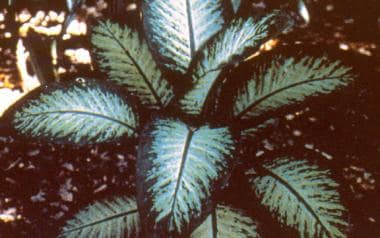
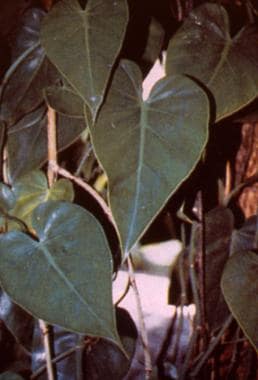
| Media file 1: Dieffenbachia | |
![]() | View Full Size Image | Media type: Photo |
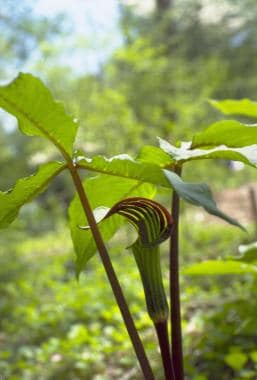
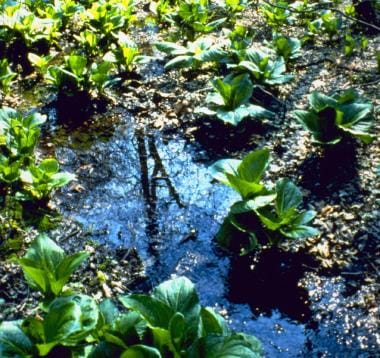
| Media file 2: Jack-in-the-Pulpit | |
![]() | View Full Size Image | Media type: Photo |
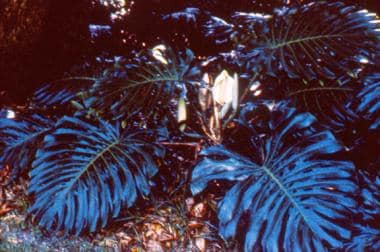
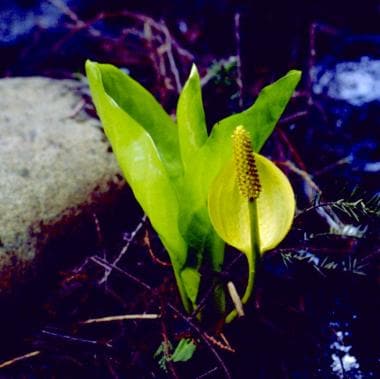
| Media file 3: Skunk Cabbage | |
![]() | View Full Size Image | Media type: Photo |
| Media file 4: Skunk Cabbage | |
![]() | View Full Size Image | Media type: Photo |
Plant Poisoning, Oxalates excerpt
Article Last Updated: Aug 7, 2007