Continually Updated Clinical Reference
 
 
  All Sources     eMedicine     Medscape     Drug Reference     MEDLINE
 
eMedicine - Pediatrics, Pertussis : Article by

Quick Find
Authors & Editors
Introduction
Clinical
Differentials
Workup
Treatment
Medication
Follow-up
References

Related Articles
Asthma

Bronchitis

Chronic Obstructive Pulmonary Disease and Emphysema

Encephalitis

Foreign Bodies, Trachea

Gastroenteritis

Pediatrics, Bronchiolitis

Pediatrics, Croup or Laryngotracheobronchitis

Pediatrics, Dehydration

Pediatrics, Febrile Seizures

Pediatrics, Fever

Pediatrics, Gastroenteritis

Pediatrics, Intussusception

Pediatrics, Tachycardia

Pneumonia, Aspiration

Pneumonia, Bacterial

Pneumonia, Mycoplasma

Pneumonia, Viral

Tuberculosis


Patient Education
Click here for patient education.


Author: Joseph J Bocka, MD, Attending Physician, Emergency Medical Service/Liaison for several squads; Director of Shelby Emergency Department, Assistant Director, Department of Emergency Medicine, Med Central Health System (Mansfield and Shelby, Ohio)

Joseph J Bocka is a member of the following medical societies: American Academy of Emergency Medicine, American College of Emergency Physicians, American Medical Association, National Association of EMS Physicians, and Phi Beta Kappa

Editors: Garry Wilkes, MBBS, FACEM, Director of Emergency Medicine, Bunbury Health Service, Western Australia Country Health Service; Adjunct Associate Professor, School of Exercise, Biomedical and Health Sciences, Faculty of Computing, Health and Science, Edith Cowan University; Medical Director, St John Ambulance Service; Mary L Windle, PharmD, Adjunct Assistant Professor, University of Nebraska Medical Center College of Pharmacy, Pharmacy Editor, eMedicine.com, Inc; Grace M Young, MD, Associate Professor, Department of Pediatrics, University of Maryland Medical Center; John D Halamka, MD, MS, Associate Professor of Medicine, Harvard Medical School, Beth Israel Deaconess Medical Center; Chief Information Officer, CareGroup Healthcare System and Harvard Medical School; Attending Physician, Division of Emergency Medicine, Beth Israel Deaconess Medical Center; Richard G Bachur, MD, Assistant Professor of Pediatrics, Harvard Medical School; Associate Chief and Fellowship Director, Attending Physician, Division of Emergency Medicine, Children's Hospital of Boston

Author and Editor Disclosure

Synonyms and related keywords: whooping cough, Bordetella pertussis, B pertussis, pertussis vaccination, acellular vaccination, whole-cell vaccination, protracted cough, pertussis, vaccine-preventable disease, cough in infants, whole-cell vaccine, acellular vaccine, DTaP, Tdap, Td booster, immunization schedule, vaccines

Background

In the prevaccination era, pertussis (ie, whooping cough) was a leading cause of infant death. The number of cases reported had decreased by more than 99% from the 1930s to the 1980s. However, because of many local outbreaks, the number cases reported in the United States increased by more than 2300% between 1976 and 2005, when the recent peak of 25,616 cases were reported. The disease is still a significant cause of morbidity and mortality in infants younger than 2 years. Pertussis should be included in the differential diagnosis of protracted cough with cyanosis or vomiting, persistent rhinorrhea, and marked lymphocytosis.
Pathophysiology

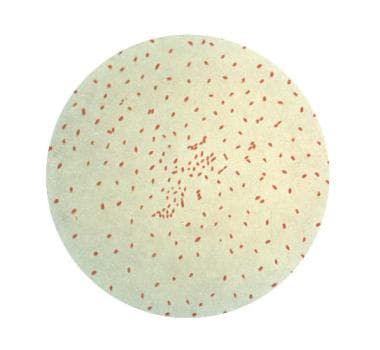
Bordetella pertussis is an aerobic, nonmotile, gram-negative coccobacillus that attaches to and multiplies on the respiratory epithelium, starting in the nasopharynx and ending primarily in the bronchi and bronchioles. Transmission is only human to human by means of exposure to aerosol droplets. The disease is highly contagious. Approximately 80-90% of susceptible individuals who are exposed develop the disease. Most cases occur in the late summer and early fall.

A mucopurulosanguineous exudate forms in the respiratory tract. This exudate compromises the small airways (especially those of infants) and predisposes the affected individual to atelectasis, cough, cyanosis, and pneumonia. The lung parenchyma and bloodstream are not invaded; therefore, blood culture results are negative.

Frequency

United States

The rate of pertussis peaked in the 1930s, with 265,269 cases and 7518 deaths reported in the United States. This rate decreased to a low in 1976, when 1010 cases and 4 deaths occurred. The rate recently peaked to 25,616 cases (8.7 cases per 100,000 people per year) reported to the Centers for Disease Control and Prevention (CDC) in 2005 and 15,632 (5.2 per 100,000) reported in 2006. The CDC estimates that 5-10% of all cases of pertussis are recognized and reported. Pertussis remains the most commonly reported vaccine-preventable disease in the United States in children younger than 5 years.

In reported studies, 12-32% of adults with prolonged (1-4 wk) cough have pertussis.

International

In England, the percentage of people vaccinated over the last 4 decades decreased to less than 30%. This decline has resulted in thousands of cases reported recently, a rate that approaches the incidence in the prevaccination era. Similar epidemic outbreaks have recently occurred in Sweden, Canada, and Germany. Nearly 300,000 deaths from pertussis in Africa are thought to have occurred over the last decade.

Mortality/Morbidity

The mortality rate had been greater than 50%. Now, the mortality rate for hospitalized patients in the United States and in Europe is about 1 per 500 cases (<0.2% of those reported). The overall infant mortality rate is 2.4 per 1 million live births. The CDC reported 39 deaths from pertussis in 2005; 32 (82%) occurred in infants younger than 3 months. The World Health Organization (WHO) estimates that 294,000 children died from pertussis worldwide in 2002.

  • About 90-95% of patients die from secondary pneumonia, dehydration, hypoxia, encephalopathy, or cerebral hemorrhage. Cerebral hemorrhage occurs secondary to paroxysmal coughing, which elevates the intracranial pressure (ICP).
  • Today, about 10-25% of children younger than 4 years and 2-4% of all persons with pertussis secondarily develop bacterial pneumonia. Approximately 1-2% of infants and 0.3-0.6% of adults develop seizures, which are believed to be a result of hypoxia or cerebral hemorrhage from the prolonged coughing spells. About 0.1% develop encephalopathy.
  • In the prevaccination era, pertussis caused more than 270,000 cases and nearly 10,000 deaths annually. This rate reached a low of 4 reported deaths in the United States in 1982 and has recently risen to an average of about 25 deaths annually, with 39 being reported in 2005.

Sex

Pertussis is more common in girls than in boys.

Age

  • Pertussis occurs predominantly in those aged 3 months to 5 years, with more than 70% of cases reported in children younger than 5 years.
  • Because of the lack of maternal immunity transfer, 10-15 % of all cases occur in infants younger than 6 months, yet more than 90% of all deaths occur in this same age group.  However, the growing majority of cases are now in those aged 10 years and older, which has led to increased booster recommendations.
  • The natural disease does not provide lifelong immunity as earlier thought. Three injections of the cellular or acellular vaccine provide up to 12 years of protection. These vaccinations help account for the more than 10-fold increase reported in those older than 18 years.


History

  • Pertussis typically consists of 3 stages: incubation, catarrhal, and paroxysmal.
  • The asymptomatic incubation period lasts 7-10 days.
  • The catarrhal stage follows and lasts about 2-7 days. Findings include the following:
    • Minimal or no fever
    • Rhinorrhea
    • Anorexia
    • Mild but increasing cough
  • The paroxysmal stage follows, lasting about 1-8 weeks.
    • It is characterized by paroxysms of coughing, which are provoked by feeding (in infants) and exertion.
    • These paroxysms are less spontaneous than those observed in typical respiratory infections.
    • The inspiratory gasp or whoop eventually develops, especially in those aged 6 months to 5 years.
  • Infants younger than 6 months often have vomiting in association with the cough, which leads to dehydration.
    • Hypoxia tends to be more severe than what the child's clinical appearance suggests.
    • A substantial number of patients present with cyanosis and apneic spells.
  • Vaccinated adults usually develop only prolonged bronchitis without a whoop, whereas unvaccinated adults are most likely to have whooping and posttussive emesis.
  • About 12-32% of adults with persistent cough (>2 wk) have pertussis. On average, they wait a median of 3 weeks before seeking treatment.

Physical

  • The classic inspiratory gasp or whoop primarily develops in those aged 6 months to 5 years. It is usually absent in those younger than 6 months and in most older vaccinated children and adults; however, it can often be observed in unvaccinated adults, as can posttussive emesis.
  • Hypoxia should be considered and assessed.
  • Dehydration is common on presentation.
  • Mild fever is common. Fever with a temperature of over 39°C is rare.

Causes

  • The main causative organism is B pertussis.
  • Bordetella parapertussis and Bordetella bronchiseptica are less common than B pertussis and produce a clinical illness that is similar but milder to pertussis due to B pertussis.
  • Risk factors include the following:
    • Nonvaccination in children
    • Contact with an infected person
    • Epidemic exposure
    • Pregnancy


Asthma
Bronchitis
Chronic Obstructive Pulmonary Disease and Emphysema
Encephalitis
Foreign Bodies, Trachea
Gastroenteritis
Pediatrics, Bronchiolitis
Pediatrics, Croup or Laryngotracheobronchitis
Pediatrics, Dehydration
Pediatrics, Febrile Seizures
Pediatrics, Fever
Pediatrics, Gastroenteritis
Pediatrics, Intussusception
Pediatrics, Tachycardia
Pneumonia, Aspiration
Pneumonia, Bacterial
Pneumonia, Mycoplasma
Pneumonia, Viral
Tuberculosis

Other Problems to be Considered

Common cold
Adenoviral syndromes
Influenza
Cystic fibrosis
Interstitial pneumonitis


Lab Studies

  • Blood work
    • Lymphocytosis is often profound (>70% of the total WBC count), especially in children.
    • The WBC count often increases to 20-40,000 or even 100,000 cells/mm2.
    • In adults, especially those that had been vaccinated, lymphocytosis is rare.
  • Cultures
    • A definitive culture diagnosis is not always possible.
    • Results of blood culture are uniformly negative because B pertussis grows solely in the respiratory epithelium.
    • An immediately plated, deep, culture of a nasopharyngeal swab sample grown in Regan-Lowe charcoal agar or fresh Bordet-Gengou is considered the criterion standard for those who present within the first 3 weeks of their cough. The results are positive in <50% (perhaps 15-40%) of cases, and results become available too late (about 1 week) to be clinically useful. The CDC recommends this test to characterize the illness.
  • Direct fluorescent antibody (DFA) studies
    • DFA studies are performed by using a nasopharyngeal sample.
    • Although the results can be available within minutes, its use is not recommended because of both low sensitivity and low specificity.
    • Results are positive in 40-80% of patients and are now used to confirm most cases.
    • Specimens should be obtained within the first 3 weeks of the disease (ie, in incubation, catarrhal, or early paroxysmal stages) or the sensitivity and specificity decrease.
  • Polymerase chain reaction (PCR) testing to detect DNA
    • PCR testing may reveal <10 organisms per swab sample.
    • Its sensitivity may be greater than that of culturing.
    • False-positive results have been a problem, with some reports of more than 50%. Although this or a positive culture is the case definition for reporting pertussis to the CDC or WHO, some are now recommending ELISA confirmation before declaring an epidemic.   
  • Enzyme-linked immunosorbent assay (ELISA) is also useful. Many now consider serologic testing with ELISA to be the criterion standard.

Imaging Studies

  • Chest radiography may show focal atelectasis and/or peribronchial cuffing.
  • The CDC recommends both culture and PCR tests if a patient has a cough lasting longer than 3 weeks.


Emergency Department Care

  • General supportive measures (eg, oxygenation, breathing treatments, mechanical ventilation) should be administered as needed.
  • Infants should be carefully observed for apnea, cyanosis, or hypoxia.
  • Patients should be isolated from susceptible individuals (especially infants) for 4 weeks, especially until 5-7 days of antibiotic therapy is completed. When patients present with paroxysmal cough, the clinical course is not shortened, but transmission is considerably decreased after 5 days of therapy.
  • Factors that should prompt a consideration of admitting the patient are the following:
    • Age younger than 1 year
    • Pneumonia
    • Apneic or cyanotic spells or hypoxia
    • Moderate-to-severe dehydration
  • The effectiveness of prophylaxis for exposed susceptible persons has not been determined; however, it is recommended for household and close contacts of the patient. Regimens include the following:
    • Erythromycin 50 mg/kg/d divided 4 times a day (qid) for 14 days
    • Alternative: Clarithromycin 7.5 mg/kg 2 times a day (bid) for 14 days (The effectiveness of clarithromycin has not been proven but is inferred.)

Consultations

Pertussis is a reportable infectious disease in the United States.


The goals of pharmacotherapy are to eradicate the infection, to reduce morbidity, and to prevent complications.

Erythromycin is the antibiotic treatment of pertussis. If the patient is allergic to erythromycin, use trimethoprim sulfamethoxazole (TMP-SMZ).

Drug Category: Antibiotics

Empiric antimicrobial therapy must be comprehensive and should cover all likely pathogens in the context of the clinical setting.

Drug NameErythromycin (Ilosone, EES)
DescriptionErythromycin estolate is antibiotic of choice to prevent interpersonal transfer, because of enhanced absorption, particularly in young infants. Effectiveness of prophylaxis for exposed and susceptible persons not determined; recommended for household and close contacts (50 mg/kg/d PO qid for 14 d). Effective in reducing course and symptoms if started within the first 10-14 d but not proven beyond this period. Inhibits bacterial growth, possibly by blocking dissociation of peptidyl t-RNA from ribosomes, arresting RNA-dependent protein synthesis. For treatment of staphylococcal and streptococcal infections.
Adult Dose500 mg (as base) PO qid for 14 d; if estolate salt prescribed, administer for 7 d
Pediatric DoseBase: 40 mg/kg/d PO divided qid for 14 d; not to exceed 2 g/d
Estolate salt: 40 mg/kg/d PO divided q8-12h for 7 d; not to exceed 2 g/d
ContraindicationsDocumented hypersensitivity; hepatic impairment
InteractionsCoadministration may increase toxicity of theophylline, digoxin, carbamazepine, and cyclosporine; may potentiate anticoagulant effects of warfarin; coadministration with lovastatin and simvastatin increases risk of rhabdomyolysis
PregnancyB - Fetal risk not confirmed in studies in humans but has been shown in some studies in animals
PrecautionsCaution in liver disease; estolate formulation may cause cholestatic jaundice; GI adverse effects are common (give doses pc); discontinue use if nausea, vomiting, malaise, abdominal colic, or fever occur

Drug NameAzithromycin (Zithromax)
DescriptionActs by binding to 50S ribosomal subunit of susceptible microorganisms and blocks dissociation of peptidyl tRNA from ribosomes, causing RNA-dependent protein synthesis to arrest. Nucleic acid synthesis is not affected.
Concentrates in phagocytes and fibroblasts as demonstrated by in vitro incubation techniques. In vivo studies suggest that concentration in phagocytes may contribute to drug distribution to inflamed tissues.
Treats mild-to-moderate microbial infections.
Plasma concentrations are very low, but tissue concentrations are much higher, giving it value in treating intracellular organisms. Has a long tissue half-life.
Shown to be effective for pertussis in several small studies.
Adult DoseDay 1: 500 mg PO
Days 2-5: 250 mg PO qd
Pediatric Dose<6 months: Not established
>6 months:
Day 1: 10 mg/kg PO once; not to exceed 500 mg/d
Days 2-5: 5 mg/kg PO qd; not to exceed 250 mg/d
ContraindicationsDocumented hypersensitivity; hepatic impairment; do not administer with pimozide
InteractionsMay increase toxicity of theophylline, warfarin, and digoxin; effects are reduced with coadministration of aluminum and/or magnesium antacids; nephrotoxicity and neurotoxicity may occur when coadministered with cyclosporine
PregnancyB - Fetal risk not confirmed in studies in humans but has been shown in some studies in animals
PrecautionsSite reactions can occur with IV route; bacterial or fungal overgrowth may result from prolonged antibiotic use; may increase hepatic enzymes and cholestatic jaundice; caution in patients with impaired hepatic function, prolonged QT intervals, or pneumonia; caution in hospitalized, geriatric, or debilitated patients

Drug NameClarithromycin (Biaxin)
DescriptionSemisynthetic macrolide antibiotic that reversibly binds to P site of 50S ribosomal subunit of susceptible organisms and may inhibit RNA-dependent protein synthesis by stimulating dissociation of peptidyl tRNA from ribosomes, causing bacterial growth inhibition.
Adult Dose500 mg PO bid for 7-10 d
Pediatric Dose15-20 mg/kg PO divided bid for 5-7 d; not to exceed 1 g/d
ContraindicationsDocumented hypersensitivity; coadministration of pimozide
InteractionsToxicity increases with coadministration of fluconazole and pimozide; effects decrease and GI adverse effects may increase with coadministration of rifabutin or rifampin; may increase toxicity of anticoagulants, cyclosporine, tacrolimus, digoxin, carbamazepine, ergot alkaloids, triazolam, HMG-CoA reductase inhibitors
Plasma levels of certain benzodiazepines may increase, prolonging CNS depression; arrhythmias and increases in QTc intervals occur with disopyramide; coadministration with omeprazole may increase plasma levels of both agents; decreases metabolism of repaglinide, thus increasing serum levels and effects
PregnancyC - Fetal risk revealed in studies in animals but not established or not studied in humans; may use if benefits outweigh risk to fetus
PrecautionsCoadministration with ranitidine or bismuth citrate is not recommended with CrCl <25 mL/min; give half dose or increase dosing interval if CrCl <30 mL/min; diarrhea may be sign of pseudomembranous colitis; superinfections may occur with prolonged or repeated antibiotic therapies

Drug NameTMP-SMZ (Bactrim DS, Septra)
DescriptionSecond-line antibiotic (for erythromycin allergy or intolerability). Inhibits bacterial growth by inhibiting synthesis of dihydrofolic acid. Combination blocks 2 consecutive steps in bacterial biosynthesis of essential nucleic acids and proteins. In vitro, bacterial resistance develops more slowly with combination than with either drug alone.
Adult Dose160 mg TMP/800 mg SMZ PO q12h for 14 d
Pediatric Dose<2 months: Contraindicated
>2 months: 5-10 mg/kg/d (based on TMP component) PO divided bid for 14 d
ContraindicationsDocumented hypersensitivity; megaloblastic anemia due to folate deficiency; age <2 mo
InteractionsMay increase PT when used with warfarin (perform coagulation tests and adjust dose accordingly); coadministration with dapsone may increase blood levels of both drugs; coadministration of diuretics increases incidence of thrombocytopenia purpura in elderly patients; phenytoin levels may increase with coadministration; may potentiate effects of methotrexate in bone marrow depression; hypoglycemic response to sulfonylureas may increase with coadministration; may increase levels of zidovudine
PregnancyC - Fetal risk revealed in studies in animals but not established or not studied in humans; may use if benefits outweigh risk to fetus
PrecautionsDiscontinue at first appearance of skin rash or sign of adverse reaction; obtain CBCs frequently; discontinue if significant hematologic changes occur; goiter, diuresis, and hypoglycemia may occur with sulfonamides; prolonged IV infusions or high doses may depress bone marrow (if signs occur, give leucovorin 5-15 mg/d); caution in folate deficiency (eg, patients with chronic alcoholism, elderly patients, those receiving anticonvulsants, those with malabsorption syndrome); hemolysis may occur in G-6-PD deficiency; patients with AIDS may not tolerate or respond to TMP-SMZ; caution in renal or hepatic impairment (perform urinalyses and renal function tests during therapy); give fluids to prevent crystalluria and stone formation

Drug Category: Vaccines

Active immunization increases resistance to infection. Vaccines consist of microorganisms or cellular components that act as antigens. Administration of the vaccine stimulates the production of antibodies with specific protective properties.

The need for prevention of pertussis through immunization cannot be overemphasized. All children younger than 7 years should receive the pertussis vaccine. In the United States, acellular pertussis vaccine is recommended and usually is combined with diphtheria and tetanus toxoids (DTaP). When possible, the same DTaP vaccine product should be used for the first 3 doses of the pertussis immunization series. Reduced-volume dosing is not recommended. Measurable antibody wanes after 3-5 years and is not measurable 12 years after vaccination has been completed. Vaccine may not prevent the illness entirely, but it has been shown to lessen disease severity and duration.

Adolescents and adults have been identified as the source of pertussis transmission to infants, from household contact studies and outbreak investigations. Infectious disease experts are currently investigating the most efficacious and cost-effective means of preventing disease transmission to infants, who are at highest risk of severe disease. Options include vaccination of adolescents and adults in close contact with infants, maternal vaccination to provide passive antibody protection to the infant, and vaccinating infants with acellular pertussis vaccine at birth.

In December 2005, the American Academy of Pediatrics approved recommendations from the Committee on Infectious Diseases (COID) for universal vaccination of adolescents at the 11- or 12-year visit to boost protection against pertussis. The Food and Drug Administration (FDA) has licensed 2 tetanus toxoids (Td), reduced diphtheria toxoid and acellular pertussis vaccine (Tdap) products, for use in children aged 10-18 years (Boostrix; GlaxoSmithKline Biologicals, Rixensart, Belgium) and in those aged 11-64 years (Adacel; Sanofi Pasteur, Toronto, Canada). Tdap will replace Td in the childhood immunization schedule. The effectiveness of this strategy has yet to be demonstrated.

Drug NameDiphtheria, tetanus and acellular pertussis (DTaP) vaccine (Tripedia, Certiva, Infanrix)
DescriptionPromotes active immunity to diphtheria, tetanus, and pertussis by inducing production of specific antibodies and antitoxins.
In children and adults, may administer into deltoid or midlateral thigh muscles. In infants, preferred site of administration is the mid thigh laterally.
Adult Dose0.5 mL IM diphtheria and tetanus toxoids (Td) and dose according to vaccine history
Pediatric Dose0.5 mL IM at 2, 4, 6, 15-18 mo, and 4-6 y
7-18 years catch-up schedule for primary immunization: 0.5 mL IM Td for 3 doses; allow 4 wk between dose 1 and 2, and 6 mo between dose 2 and 3; follow with booster dose 6 mo after 3rd dose (may substitute Tdap for booster dose if age appropriate)
Adolescent booster dose (10-18 years): Tdap 0.5 mL IM once as a single dose
ContraindicationsDocumented hypersensitivity; history of neurologic symptoms or signs following DTaP administration
InteractionsPatients receiving immunosuppressants, including corticosteroids or radiation therapy, may remain susceptible despite immunization due to poor immune response (may defer immunization until treatment completed); cimetidine may enhance or augment delayed-hypersensitivity responses to skin test antigens; avoid concurrent use with systemic chloramphenicol because may impair amnestic response to tetanus toxoid; concurrent use of tetanus immune globulin may delay development of active immunity by several days (interaction is nevertheless clinically insignificant and does not preclude concurrent use)
PregnancyC - Fetal risk revealed in studies in animals but not established or not studied in humans; may use if benefits outweigh risk to fetus
PrecautionsRoutine immunization of symptomatic and asymptomatic persons infected with HIV is recommended; may cause transient redness, swelling, or pain at site of injection; infrequently causes fever

Drug NameTetanus toxoid, reduced diphtheria toxoid, and acellular pertussis vaccine (Adacel, Boostrix)
DescriptionTetanus toxoid, reduced diphtheria toxoid, and acellular pertussis (Tdap) vaccine. Promotes active immunity to diphtheria, tetanus, and pertussis by inducing production of specific neutralizing antibodies and antitoxins. Indicated for active booster immunization for tetanus, diphtheria, and pertussis prevention for persons aged 10-64 y (Adacel approved for 11-64 y, Boostrix approved for 10-18 y). Preferred vaccine for adolescents scheduled for booster.
Adult DoseOne-time alternative to Td in adults when pertussis component is also indicated: 0.5 mL IM once as a single dose into deltoid muscle; at least 5 y should elapse since last dose of tetanus-, diphtheria-, and/or pertussis-containing vaccine; booster with Td recommended q10y
>65 years: Not indicated
Pediatric Dose<10 years: Not indicated
10-18 years: Administer as in adults; preferred vaccine for adolescents scheduled for booster
ContraindicationsDocumented hypersensitivity; encephalopathy within 7 d following pertussis-containing vaccine; progressive neurologic disorder, uncontrolled epilepsy, or progressive encephalopathy
InteractionsPatients receiving immunosuppressants, including corticosteroids or radiation therapy, may remain susceptible despite immunization because of a poor immune response
PregnancyC - Fetal risk revealed in studies in animals but not established or not studied in humans; may use if benefits outweigh risk to fetus
PrecautionsRoutine immunization of symptomatic and asymptomatic persons infected with HIV is recommended; may cause transient redness, swelling, or pain at injection site; infrequently causes fever; administer only if benefit outweighs risk to individuals with bleeding disorders (eg, hemophilia, thrombocytopenia) or those who are on anticoagulant therapy; caution if fever, shock, persistent crying, Guillain-Barré syndrome, or seizures occurred following previous DTP or DTaP vaccine (consider administering Td instead)


Deterrence/Prevention

  • Whole-cell vaccination
    • The vaccine, used from the 1940s until the mid-1990s in the United States and from the 1940s until the 1980s in Europe, consisted of a whole cell with endotoxin given in 4 doses. About 80% of recipients acquired effective protection with this regimen. Two doses provided some immunity, whereas 1 dose provided little protection.
    • About 50% of patients have a local reaction, 1 in 1750 have a seizure without fever, 10.5 per million have encephalitis, and permanent brain damage is rare. Concern about CNS adverse effects is a major reason why many individuals choose not to be vaccinated.
  • Acellular vaccination
    • Vaccination is now recommended with DTaP at the ages of 2, 4, 6, and 15-18 months, and 4-6 years of age. A booster with Tdap (DTaP is not recommended for children aged 7 years or older) is recommended instead of one Td booster from age 19 and up. Tdap is not recommended in pregnancy.
    • After immunization, fever is reported in 3-5% of patients, persistent crying in 12 per 100,000, febrile seizures in 5 per 100,000, afebrile seizure in 2 per 100,000, and hyporesponsive episodes in 5 per 100,000. Severe neurologic sequelae have not been reported. This is about the same as Td alone.

Complications

  • Pneumonia
  • Hypoxic encephalopathy
  • Otitis media
  • Tuberculosis activation
  • Epistaxis, hemoptysis
  • Hernia
  • Reinduction of paroxysmal coughing with upper respiratory infections
  • Seizures
  • Cerebral hemorrhage
  • Coma and death

Prognosis

  • With treatment, complete recovery is expected.

Patient Education


  • Aoyama T, Sunakawa K, Iwata S, et al. Efficacy of short-term treatment of pertussis with clarithromycin and azithromycin. J Pediatr. Nov 1996;129(5):761-4. [Medline].
  • Bass JW, Stephenson SR. The return of pertussis. Pediatr Infect Dis J. Feb 1987;6(2):141-4. [Medline].
  • Centers for Disease Control and Prevention. Vaccine preventable deaths and the Global Immunization Vision and Strategy, 2006-2015. MMWR Morb Mortal Wkly Rep. May 12 2006;55(18):511-5. [Medline][Full Text].
  • Centers for Disease Control and Prevention. Outbreaks of respiratory illness mistakenly attributed to pertussis--New Hampshire, Massachusetts, and Tennessee, 2004-2006. MMWR Morb Mortal Wkly Rep. Aug 24 2007;56(33):837-42. [Medline][Full Text].
  • Centers for Disease Control and Prevention. Recommended Adult Immunization Schedule-United States, October 2007-September 2008. MMWR Morb Mortal Wkly Rep. Oct 19 2007;56(41):Q1-Q4. [Full Text].
  • Centers for Disease Control and Prevention. Recommended Immunization Schedules for Persons Aged 1--18 Years ---United States, 2008. MMWR. 2008;56(51&52):Q1-Q4.
  • Geier DA, Geier MR. An evaluation of serious neurological disorders following immunization: a comparison of whole-cell pertussis and acellular pertussis vaccines. Brain Dev. Aug 2004;26(5):296-300. [Medline].
  • He Q, Viljanen MK, Arvilommi H, et al. Whooping cough caused by Bordetella pertussis and Bordetella parapertussis in an immunized population. JAMA. Aug 19 1998;280(7):635-7. [Medline].
  • Nennig ME, Shinefield HR, Edwards KM, et al. Prevalence and incidence of adult pertussis in an urban population. JAMA. Jun 5 1996;275(21):1672-4. [Medline].
  • Roush SW, Murphy TV,. Historical comparisons of morbidity and mortality for vaccine-preventable diseases in the United States. JAMA. Nov 14 2007;298(18):2155-63. [Medline].
  • Tindberg Y, Blennow M, Granstrom M. A ten year follow-up after immunization with a two component acellular pertussis vaccine. Pediatr Infect Dis J. Apr 1999;18(4):361-5. [Medline].
  • Ward JI, Cherry JD, Chang SJ, Partridge S, Lee H, Treanor J. Efficacy of an acellular pertussis vaccine among adolescents and adults. N Engl J Med. Oct 13 2005;353(15):1555-63. [Medline].
  • Wright SW, Edwards KM, Decker MD, Lamberth MM. Pertussis seroprevalence in emergency department staff. Ann Emerg Med. Sep 1994;24(3):413-7. [Medline].
  • Wright SW, Edwards KM, Decker MD, Zeldin MH. Pertussis infection in adults with persistent cough. JAMA. Apr 5 1995;273(13):1044-6. [Medline].

Pediatrics, Pertussis excerpt

Article Last Updated: Jan 16, 2008