Continually Updated Clinical Reference
 
 
  All Sources     eMedicine     Medscape     Drug Reference     MEDLINE
 
eMedicine - Rosacea : Article by

Quick Find
Authors & Editors
Introduction
Clinical
Differentials
Workup
Treatment
Medication
Follow-up
Multimedia
References

Related Articles
Lupus Erythematosus, Acute

Perioral Dermatitis

Sarcoidosis

Seborrheic Dermatitis


Patient Education
Click here for patient education.


Author: Agnieszka Kupiec-Banasikowska, MD, Consulting Staff, Division of Dermatology, Georgetown University Medical Center

Agnieszka Kupiec Banasikowska is a member of the following medical societies: American Academy of Dermatology and American Society for Dermatologic Surgery

Coauthor(s): Mana Ogholikhan, MD, Staff Physician, Division of Dermatology, Georgetown University Hospital; Ravi Ratnavel, MD, Consulting Staff, Department of Dermatology, Stoke Mandeville, Thames Valley Nuffield, Paddocks Hospitals, UK

Editors: Franklin Flowers, MD, Chief, Division of Dermatology, Professor, Department of Medicine and Otolaryngology, University of Florida College of Medicine; Richard P Vinson, MD, Assistant Clinical Professor, Department of Dermatology, Texas Tech University School of Medicine; Consulting Staff, Mountain View Dermatology, PA; Christen M Mowad, MD, Assistant Professor, Department of Dermatology, Geisinger Medical Center; Catherine Quirk, MD, Clinical Assistant Professor, Department of Dermatology, Brown University; Dirk M Elston, MD, Director, Department of Dermatology, Geisinger Medical Center

Author and Editor Disclosure

Synonyms and related keywords: acne rosacea, rhinophyma, granulomatous rosacea, acne agminata, tuberculid of Lewandowsky, rosacea fulminans

Background

Rosacea is a common condition characterized by symptoms of facial flushing and a spectrum of clinical signs, including erythema, telangiectasia, coarseness of skin, and an inflammatory papulopustular eruption resembling acne.

Definition and subtypes

An expert committee assembled by the National Rosacea Society explicitly defined and classified rosacea in April 2002 into 4 different subtypes based upon specific clinical signs and symptoms. This was an important step in the treatment of rosacea. Currently, the therapeutics of rosacea empirically target the signs and symptoms of the disease because investigators do not understand the details of its pathophysiology. Therefore, this classification system aides clinicians in treatment by highlighting the preponderance of one or more of the clustering signs of presentation and, thus, helps to specify which therapeutic approach to initiate.

The diagnosis of rosacea is a clinical diagnosis. Skin biopsy may be necessary to exclude other disease states that mimic the clinical presentation of rosacea. For example, the clinician must exclude polycythemia vera, connective tissue diseases (eg, lupus erythematous, dermatomyositis, mixed connective tissue disease), photosensitivity, carcinoid mastocytosis, long-term application of topical steroids, contact dermatitis, and photosensitivity before making the diagnosis of rosacea. Rosacea is defined by persistent erythema of the central portion of the face lasting for at least 3 months. Supporting criteria include flushing, papules, pustules, and telangiectasias on the convex surfaces. Secondary characteristics are burning and stinging, edema, plaques, a dry appearance, ocular manifestations, and phymatous changes. The prevalence of these findings designates the subclassification of the presentation and, additionally, the therapeutic options.

Erythematotelangiectatic type

Central facial flushing, often accompanied by burning or stinging, is the predominant sign in erythematotelangiectatic rosacea (ETR). The redness usually spares the periocular skin. These patients usually have skin with a fine texture that lacks a sebaceous quality characteristic of other subtypes. The erythematous areas of the face at times appear rough with scale likely due to chronic, low-grade dermatitis. Frequent triggers to flushing include acutely felt emotional stress, hot drinks, alcohol, spicy foods, exercise, cold or hot weather, and hot baths and showers. These patients also report that the burning or stinging is exacerbated when topical agents are applied.

Papulopustular rosacea

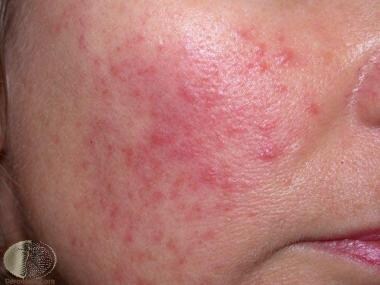
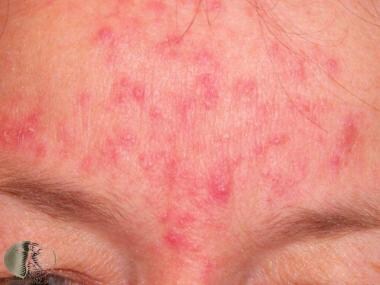
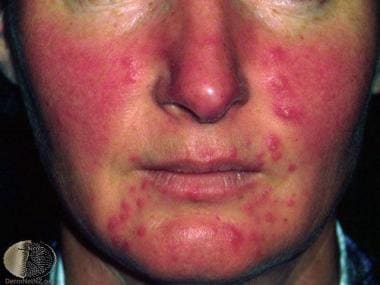
Papulopustular rosacea (PPR) is the classic presentation of rosacea. Patients are women of middle age who predominately present with a red central portion of their face that contains small erythematous papules surmounted by pinpoint pustules. One may elicit a history of flushing. Telangiectasias are likely present but may be difficult to distinguish from the erythematous background in which they exist.

Phymatous rosacea

Phymatous rosacea is defined as marked skin thickenings and irregular surface nodularities of the nose, chin, forehead, one or both ears, and/or the eyelids. Four distinct histologic variants can occur with rhinophyma (associated changes of the nose) that include glandular, fibrous, fibroangiomatous, and actinic. The mainstays of treatment are isotretinoin topical application and surgical correction. This varies from other rosacea subtypes.

Ocular rosacea

Ocular manifestations may precede the cutaneous signs by years. Yet, frequently they develop concurrently with dermatologic manifestations. The ocular manifestations include blepharitis, conjunctivitis, inflammation of the lids and meibomian glands, interpalpebral conjunctival hyperemia, and conjunctival telangiectasias. Patients may describe eye stinging or burning, dryness, irritation with light, or foreign body sensation. Ocular rosacea, similar to phymatous rosacea, has a distinct therapeutic management. Therefore, dermatologists must ask their patients specifically about ocular symptoms and perform a thorough physical examination to rule out this type of rosacea.

Pathophysiology

The etiology of rosacea is unknown. However, several factors such vasculature, climatic exposures, matrix degeneration, chemicals and ingested agents, pilosebaceous unit abnormalities, and microbial organisms likely play a role in its development. Furthermore, the distinct subtype of rosacea is likely determined by a patient's unique sensitivity to these triggers.

Vasculature

Increased blood flow to the blood vessels of the face and increased numbers of blood vessels that are closer to the surface of the face are thought to be responsible for the redness and flushing associated with rosacea. Furthermore, vasodilatation, the normal response to hyperthermia, is thought to be more pronounced or exaggerated in those with rosacea.

Climatic exposures

Evidence exists that suggests that harsh climatic exposures damage cutaneous blood vessels and dermal connective tissue. This also includes exposure to solar irradiation, which may explain why rosacea predominately affects the facial convexities and has a tendency to flare in the spring. However, other studies suggest the contrary, in that most patients' symptoms do not worsen in the sunlight and do not flare with an acute exposure to ultraviolet light.

Dermal matrix degeneration

Rosacea involves associated damage to the endothelium and degeneration of the dermal matrix. However, it is not known whether the initial damage is in the dermal matrix and this leads to poor tissue support of cutaneous vessels and causes pooling of serum, inflammatory mediators, and metabolic waste or whether the initial abnormality exists in the cutaneous vasculature and this leads to leaky vessels and delayed clearance of serum proteins, inflammatory mediators, and metabolic waste, thus causing matrix degeneration.

Chemicals and ingested agents

Spicy foods, alcohol, and hot beverages may trigger a flushed face in patients with rosacea. However, most evidence does not support that dietary factors play a main role in the pathogenesis. Moreover, certain medications such as amiodarone, topical steroids, nasal steroids, and high doses of vitamins B-6 and B-12 may cause flares for patients with rosacea.

Perivascular versus perifollicular inflammation

There may be inflammatory infiltrates in a perivascular and/or a perifollicular location. However, evidence is conflicting regarding which location predominates. To answer this question, more studies need to be designed to categorize subtypes of rosacea because the answer varies depending on the subdivision.

Microbial organisms

Demodex species (mites that normally inhabit human hair follicles) may play a role in the pathogenesis of rosacea. Support suggests that Demodex prefers skin regions that are affected in rosacea, such as the nose and cheeks. Studies also support that an immune response of helper-inducer T cell infiltrates occurs, surrounding the Demodex antigens in patients with rosacea. Yet, conflicting evidence indicates that Demodex does not induce an inflammatory response in patients with rosacea. Moreover, Demodex is found in large numbers of healthy individuals without rosacea. More studies need to be performed to determine whether Demodex truly is pathogenic.

Also, inconclusive evidence suggests that Helicobacter pylori is associated with the etiology of rosacea. However, many of the studies have not controlled for confounding variables that influence H pylori prevalence, such as sex, age, socioeconomic status, and medications. Furthermore, these studies were not statistically powered to account for the ubiquitous nature of H pylori infection.

Frequency

United States

Accurate incidence data are not available, but persons with rosacea are disproportionately of fair-skinned European and Celtic origin.

International

A study in Sweden revealed an incidence of 1 in 10 middle class workers. The caseating granulomatous variant (acne agminata) may more commonly occur in people of Asian or African origin.

Mortality/Morbidity

A spectrum of clinical features is seen, and progression may be step-wise. The condition ranges from minor cosmetic disability to severe disfiguring disease.


History

  • Patients are likely to have a background of facial flushing, often dating to childhood or the early teens. In adult life, flushing may be increasingly precipitated by hot drinks, heat, emotion, and other causes of rapid body temperature changes. Some patients report flushing with alcohol, which is not specific.
  • The symptoms are usually intermittent but can progressively lead to permanently flushed skin. The latter may be described as high color and is associated with the development of permanent telangiectasia.
  • A few individuals report a gritty quality of the eyes and facial edema.

Physical

The disease consists of a spectrum of symptoms and signs, with most patients failing to develop every stage of disease. Variable erythema and telangiectasia are seen over the cheeks and the forehead. Inflammatory papules and pustules may be predominantly observed over the nose, the forehead, and the cheeks. Extrafacial involvement uncommonly occurs over the neck and the upper part of the chest. Prominence of sebaceous glands may be noted, with the development of thickened and disfigured noses (rhinophyma) in extreme cases. Unlike acne, patients generally do not report greasiness of the skin; instead, they may experience drying and peeling. The absence of comedones is another helpful distinguishing feature. Ocular lymphedema may be prominent but is mostly uncommon. The condition generally does not produce scarring.

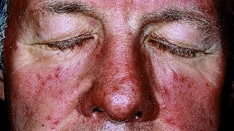
  • Rhinophyma may occur as an isolated entity without other symptoms or signs of rosacea. It can be disfiguring and therefore distressing for patients. Some authorities consider rhinophyma to represent a different disease process.
  • Lymphedema may be marked periorbitally, and on occasion, it is the presenting symptom.
  • Symptoms of ocular rosacea may be accompanied by conjunctival injection, and rarely, chalazion and episcleritis may occur.
  • Rosacea fulminans (pyoderma faciale) is fortunately a rare complication characterized by the development of nodules and abscesses with sinus tract formation accompanied by systemic signs.
  • Both seborrhea and seborrheic dermatitis/blepharitis are not uncommonly observed in patients with rosacea. The reasons for these associations are not well understood.
  • A rare caseating granulomatous variant of rosacea (acne agminata/lupus miliaris disseminatus faciei) can manifest with inflammatory erythematous or flesh-colored papules distributed symmetrically across the upper part of the face, particularly around the eyes and the nose. The lesions tend to be discrete, and surrounding erythema is not a marked feature but may be present. This pattern of rosacea is sometimes associated with scarring and may be resistant to conventional treatment.

Causes

A rosacealike syndrome (including perioral dermatitis) can result from the indiscriminate use of potent corticosteroids on the face. A number of aggravating factors may be recognized. Excess wind and UV light (weathering) exposure may accelerate the disease process. See Pathophysiology for more information.


Lupus Erythematosus, Acute
Perioral Dermatitis
Sarcoidosis
Seborrheic Dermatitis

Other Problems to be Considered

The differential diagnosis depends on the pattern of rosacea. ETR can resemble seborrheic dermatitis, lupus erythematosus, and other photodermatoses. Carcinoid syndrome and mitral valve incompetence are overlooked causes of erythema and telangiectasia. Acneiform rosacea may be simulated by acne, bromoderma and iododerma, perioral dermatitis, and pustular folliculitis. Acne agminata can be indistinguishable from lupus vulgaris and cutaneous sarcoidosis.


Lab Studies

  • The diagnosis is made clinically.

Procedures

  • A skin biopsy is sometimes performed to exclude diseases, such as lupus or sarcoidosis.

Histologic Findings

The histologic features of rosacea depend on the stage of disease. Nonpustular lesions show a nonspecific perivascular and perifollicular lymphohistiocytic infiltrate, accompanied by occasional multinucleated cells, plasma cells, neutrophils, and eosinophils. Papulopustular lesions show more pronounced granulomatous inflammation and sometimes perifollicular abscesses. Demodex folliculorum may be abundant in nearby follicles. The histologic features of acne agminata are striking, demonstrating caseating granulomata with negative stains for mycobacteria and fungi.


Medical Care

Before the initiation of therapy, the triggering factors that exacerbate the patient's rosacea should be identified and avoided if possible. These factors may be unique to each individual patient. Common triggering factors include hot or cold temperatures, wind, hot drinks, caffeine, exercise, spicy food, alcohol, emotions, topical products that irritate the skin and decrease the barrier, or medications that cause flushing. Some patients find that regular facial massage reduces lymphedema. Rosacea fulminans is treated with moderately high doses of prednisolone (30-60 mg/d) followed by oral isotretinoin.

Sunscreen

The use of daily broad-spectrum sunscreen is recommended for all patients with rosacea. A sunscreen that protects against both ultraviolet A and ultraviolet B light should be chosen. Physical blockers such as titanium dioxide and zinc oxide are well tolerated. Also, the sunscreen should contain protective silicones such as dimethicone or cyclomethicone. Green tinted sunscreens can provide coverage of the erythema.

The patient is encouraged to avoid astringents, toners, menthols, camphor, waterproof cosmetics requiring solvents to be removed, or products containing sodium lauryl sulfate.

Laser

Nonablative laser is effective against rosacea by remodeling of the dermal connective tissue and improving the epidermal barrier. The disadvantage of this therapy is its cost. It is not covered by insurance. It requires 1-3 treatments 4-8 weeks apart to achieve the best results.

Vascular lasers are the mainstay of rosacea therapy. These include pulsed dye laser (585 or 595 nm), the potassium-titanyl-phosphate laser (532 nm), and the diode-pumped frequency-doubled laser (532 nm). These wavelengths allow selective absorption by oxyhemoglobin, leading to vessel reduction with minimal damage to surrounding tissue or scarring. To be effective against deeper facial vessels longer wavelengths of lasers are required, including the diode laser (810 nm), the long-pulsed Alexandrite laser (755 nm), and the long-pulsed Nd:YAG laser (1064 nm).

Intense pulsed-light therapy is a multichromatic laser with different targets, including melanin and hemoglobin. Therefore, it is also useful for facial rejuvenation, affecting vascular lesions, pigmented lesions, and hair.

Surgical Care

Permanent telangiectasia may be treated by electrosurgery or the 585-nm pulsed dye laser. However, facial erythema is not improved, and new telangiectasias develop with the passage of time. Cosmetic improvement of rhinophyma may be produced by mechanical dermabrasion, carbon dioxide laser peel, and surgical shave techniques.

Diet

Dietary modulation should aim at avoidance of triggers.


The goals of pharmacotherapy are to reduce morbidity and prevent complications.

In addition to the agents listed below, anecdotal evidence indicates treatment of rosacea with medications that reduce flushing, including beta-blockers, clonidine, naloxone, ondansetron, and selective serotonin reuptake inhibitors.

Oral contraceptive therapy has been beneficial in patients who provide historical information of worsening rosacea with their hormonal cycle.

Drug Category: Acne products

Some products in this category can be effective in patients with papules, pustules, and the phymatous and glandular types of rosacea.

Drug NameBenzoyl peroxide (Benoxyl, Benzac, Oxy-5, Fostex)
DescriptionFree-radical oxygen is released upon administration and oxidizes bacterial proteins in sebaceous follicles, decreasing the quantity of irritating free fatty acids and of anaerobic bacteria. Converted on the skin into benzoic acid, which has keratolytic and comedolytic effects. However, this medication can be quite irritating in patients with barrier dysfunction and can cause further erythema. Available OTC and by prescription.
Available in 2.5%, 5%, and 10% gels, lotions, creams, or washes.
Adult DoseApply sparingly qd; gradually increase to bid/tid prn; reduce dose, frequency, or concentration if excessive dryness or peeling occurs
Pediatric DoseNot established
ContraindicationsDocumented hypersensitivity
InteractionsBenzoyl peroxide potentiates adverse effects of tretinoin
PregnancyC - Safety for use during pregnancy has not been established.
PrecautionsAvoid contact with lips, eyelids, mucous membranes, and eyes; for external use only; discontinue if swelling, burning, or excessive dryness occurs

Drug NameAzelaic acid (Azelex, Finacea)
DescriptionAvailable in 2 strengths azelaic acid 15% gel (Finacea) or azelaic acid 20% cream (Azelex). Effective against mild-to-moderate papulopustular rosacea. Can be used twice daily as initial treatment. May reduce production of reactive oxygen species by neutrophils. Some patients report transient burning or stinging with this treatment.
Adult DoseWash area and apply sparingly bid; duration of use can vary from person to person and depends on severity of acne
Pediatric DoseNot established
ContraindicationsDocumented hypersensitivity
InteractionsNone reported
PregnancyB - Usually safe but benefits must outweigh the risks.
PrecautionsAvoid contact with eyes; discontinue use if severe irritation develops

Drug NameSodium sulfacetamide and sulfur (Plexion, Clenia, Rosula lotion, Rosac cream)
DescriptionContains 5% sulfur and 10% sodium sulfacetamide. Used topically for acne rosacea. Sodium sulfacetamide has antibacterial properties, whereas sulfur is considered an antiseptic with keratolytic action.
Adult DoseApply to affected area; do not apply to irritated or abraded skin
Pediatric DoseNot established
ContraindicationsDocumented hypersensitivity; renal failure
InteractionsNone reported
PregnancyC - Safety for use during pregnancy has not been established.
PrecautionsDo not apply to irritated or abraded skin and avoid eyes; may cause local irritation (eg, stinging, burning, itching); may cause photosensitization; for external use only

Drug Category: Immunosuppressants

These agents inhibit immune reactions resulting from diverse stimuli.

Drug NameTacrolimus (Protopic)
DescriptionThe mechanism of action of tacrolimus in atopic dermatitis is not known. Reduces itching and inflammation by suppressing the release of cytokines from T cells. Also inhibits transcription of genes that encode IL-3, IL-4, IL-5, GM-CSF, and TNF-alpha, all of which are involved in the early stages of T cell activation. Additionally, may inhibit release of pre-formed mediators from skin mast cells and basophils may and down-regulate expression of FCeRI on Langerhans cells. Can be used in patients as young as 2 y. Drugs of this class are more expensive than topical corticosteroids. It is available as an ointment in concentrations of 0.03% and 0.1%. Indicated only after other treatment options have failed.
Adult DoseApply thin layer to affected skin areas bid and rub in gently and completely; continue treatment for 1 wk after clearing of signs and symptoms
Short-term and intermittent use only
Pediatric Dose<2 years: Not established
2-15 years: Apply 0.03% ointment bid to affected area(s)
>15 years: Administer as adults
Short-term and intermittent use only
ContraindicationsDocumented hypersensitivity to tacrolimus or components of ointment
InteractionsNone reported
PregnancyC - Safety for use during pregnancy has not been established.
PrecautionsPatients may experience a burning sensation during first few days of application; may cause rosacealike eruption, and patients must be monitored; skin can become photosensitive, and patients should be cautioned about exposure to direct or artificial sunlight and to use sunscreen; safety and efficacy in infected atopic dermatitis is not known; application under occlusion, which may promote systemic exposure, has not been evaluated (do not use tacrolimus ointment with occlusive dressings)
Absorption of tacrolimus following topical applications of tacrolimus ointment is minimal (relative to systemic administration), but tacrolimus is excreted in human milk and, thus, a decision should be made whether to discontinue nursing or to discontinue drug, taking into account importance of drug to mother (potential for serious adverse reactions in nursing infants from tacrolimus should also be a concern)
Caution with conditions that suppress the immune system (eg, AIDS, cancer); possible risk of lymph node or skin cancer based on animal studies and a small number of patients; may increase risk of viral infections; other adverse effects include headache, sore throat, flulike symptoms, fever, and cough

Drug Category: Antibiotics

Empiric antimicrobial therapy must be comprehensive and should cover all likely pathogens in the context of the clinical setting.

Drug NameAzithromycin (Zithromax)
DescriptionSemisynthetic macrolide antibiotic that reversibly binds to P site of 50S ribosomal subunit of susceptible organisms and may inhibit RNA-dependent protein synthesis by stimulating dissociation of peptidyl tRNA from ribosomes, causing bacterial growth inhibition.
Adult Dose500 mg PO on day 1, followed by 250 mg PO qd for next 4 d
Pediatric DoseNot established
ContraindicationsDocumented hypersensitivity; coadministration of pimozide; hepatic impairment
InteractionsToxicity increases with coadministration of fluconazole and pimozide; effects decrease and GI adverse effects may increase with coadministration of rifabutin or rifampin; may increase toxicity of anticoagulants, cyclosporine, tacrolimus, digoxin, carbamazepine, ergot alkaloids, triazolam, and HMG-CoA reductase inhibitors
Plasma levels of certain benzodiazepines may increase, prolonging CNS depression; arrhythmias and increases in QTc intervals occur with disopyramide; coadministration with omeprazole may increase plasma levels of both agents; decreases metabolism of repaglinide, thus increasing serum levels and effects
PregnancyB - Usually safe but benefits must outweigh the risks
PrecautionsSite reactions can occur with IV route; bacterial or fungal overgrowth may result from prolonged antibiotic use; may increase hepatic enzymes and cholestatic jaundice; caution in patients with impaired hepatic function, prolonged QT intervals

Drug NameMetronidazole (MetroGel, Noritate, Flagyl, Protostat)
DescriptionImidazole ring–based antibiotic active against various anaerobic bacteria and protozoa.
Oral metronidazole has been shown to be beneficial against papules and pustules of acne rosacea.
Topical applications are helpful for mild disease and as an adjuvant to systemic therapy.
Adult DoseOral: 200 mg bid
Topical: Wash affected area and apply a thin film to affected area bid
Pediatric DoseOral: 15-35 mg/dk/d divided q8h
Topical: Apply as in adults
ContraindicationsDocumented hypersensitivity
InteractionsMay increase toxicity of anticoagulants, lithium, and phenytoin; cimetidine may increase toxicity of metronidazole; disulfiram reaction may occur with orally ingested ethanol
PregnancyB - Usually safe but benefits must outweigh the risks.
PrecautionsAdjust dose in hepatic disease; monitor for seizures and development of peripheral neuropathy; gel dosage form is for external use only; do not apply directly to eyes

Drug NameErythromycin (E.E.S., E-Mycin, Eryc, Ery-Tab)
DescriptionInhibits bacterial growth, possibly by blocking dissociation of peptidyl tRNA from ribosomes, causing RNA-dependent protein synthesis to arrest. For treatment of staphylococcal and streptococcal infections.
In children, age, weight, and severity of infection determine proper dosage. When bid dosing is desired, half-total daily dose may be taken q12h. For more severe infections, double the dose.
Can be used when tetracyclines are not tolerated or are contraindicated.
Used for the treatment of ocular rosacea.
Adult DoseOral: 500 mg bid
Topical: Apply to affected area bid for 2 wk
Pediatric DoseOral: 30-50 mg/kg/d divided qid
Topical: Apply as in adults
ContraindicationsDocumented hypersensitivity
InteractionsNone reported
PregnancyB - Usually safe but benefits must outweigh the risks.
PrecautionsDiscontinue if irritation or sensitivity occurs

Drug NameFusidic acid
DescriptionFor the treatment of ocular rosacea. Topical antibacterial that inhibits bacterial protein synthesis, causing bacterial death. Rosacea may respond to topical fusidic acid for at least 3 mo.
Adult DoseApply to affected area bid for 2 wk
Pediatric DoseApply as in adults
ContraindicationsDocumented hypersensitivity
InteractionsNone reported
PregnancyB - Usually safe but benefits must outweigh the risks.
PrecautionsDiscontinue if irritation or sensitivity occur

Drug NameClindamycin (Clinda-Derm)
DescriptionSemisynthetic antibiotic produced by 7(S)-chloro substitution of 7(R)-hydroxyl group of parent compound lincomycin. Inhibits bacterial growth, possibly by blocking dissociation of peptidyl tRNA from ribosomes, causing RNA-dependent protein synthesis to arrest. Widely distributes in the body without penetration of CNS. Protein bound and excreted by the liver and kidneys.
Upon application to the skin, drug is converted to active component, which inhibits the microorganism.
Available as topical solution, lotion, or gel for external use. Solution contains equivalent of 10 mg/mL clindamycin.
Effective against mild-to-moderate papulopustular rosacea.
Adult DoseApply to affected area qd
Pediatric DoseApply as in adults
ContraindicationsDocumented hypersensitivity
InteractionsNone reported
PregnancyB - Usually safe but benefits must outweigh the risks.
PrecautionsProlonged use may result in overgrowth of nonsusceptible organisms (eg, fungi); discontinue use if superinfection occurs

Drug NameTetracycline (Sumycin)
DescriptionInhibits bacterial protein synthesis by binding with 30S and possibly 50S ribosomal subunit(s). Has anti-inflammatory activity. Improvement is evident within 2-4 mo after commencement of therapy.
Rosacea may respond to topical fusidic acid for at least 3 mo.
Adult Dose250 mg PO qd to 500 mg PO tid
Pediatric Dose<8 years: Not recommended
>8 years: 25-50 mg/kg/d (10-20 mg/lb) PO qid
ContraindicationsDocumented hypersensitivity; severe hepatic dysfunction
InteractionsBioavailability decreases with antacids containing aluminum, calcium, magnesium, iron, or bismuth subsalicylate; can decrease effects of oral contraceptives, causing breakthrough bleeding and increased risk of pregnancy; tetracyclines can increase hypoprothrombinemic effects of anticoagulants
PregnancyD - Unsafe in pregnancy
PrecautionsPhotosensitivity may occur with prolonged exposure to sunlight or tanning equipment; reduce dose in renal impairment; consider drug serum level determinations in prolonged therapy; tetracycline use during tooth development (last half of pregnancy through age 8 y) can cause permanent discoloration of teeth; Fanconilike syndrome may occur with outdated tetracyclines

Drug NameMinocycline (Dynacin, Minocin)
DescriptionTreats infections caused by susceptible gram-negative and gram-positive organisms, in addition to infections caused by susceptible Chlamydia, Rickettsia, and Mycoplasma.
Adult Dose50-100 mg PO qd/bid
Pediatric Dose<8 years: Not recommended
>8 years: 4 mg/kg PO initially, followed by 2 mg/kg q12h
ContraindicationsDocumented hypersensitivity; severe hepatic dysfunction
InteractionsBioavailability decreases with antacids containing aluminum, calcium, magnesium, iron, or bismuth subsalicylate; can decrease effects of oral contraceptives, causing breakthrough bleeding and increased risk of pregnancy; tetracyclines can increase hypoprothrombinemic effects of anticoagulants
PregnancyD - Unsafe in pregnancy
PrecautionsPhotosensitivity may occur with prolonged exposure to sunlight or tanning equipment; reduce dose in renal impairment; consider drug serum level determinations in prolonged therapy; tetracycline use during tooth development (last half of pregnancy through age 8 y) can cause permanent discoloration of teeth; Fanconilike syndrome may occur with outdated tetracyclines; hepatitis or lupuslike syndromes may occur

Drug NameDoxycycline (Oracea, Bio-Tab, Doryx, Periostat, Vibramycin)
DescriptionBroad-spectrum, synthetically derived bacteriostatic antibiotic in the tetracycline class. Almost completely absorbed, concentrates in bile, and is excreted in urine and feces as a biologically active metabolite in high concentrations.
Inhibits protein synthesis and, thus, bacterial growth by binding to 30S and possibly 50S ribosomal subunits of susceptible bacteria. May block dissociation of peptidyl tRNA from ribosomes, causing RNA-dependent protein synthesis to arrest.
Adult Dose40-100 mg PO qd/bid
Pediatric Dose<8 years: Not recommended
>8 years: 2-5 mg/kg/d PO in 1-2 divided doses; not to exceed 200 mg/d
ContraindicationsDocumented hypersensitivity; severe hepatic dysfunction
InteractionsBioavailability decreases with antacids containing aluminum, calcium, magnesium, iron, or bismuth subsalicylate; tetracyclines can increase hypoprothrombinemic effects of anticoagulants; tetracyclines can decrease effects of oral contraceptives, causing breakthrough bleeding and increased risk of pregnancy
PregnancyD - Unsafe in pregnancy
PrecautionsPhotosensitivity may occur with prolonged exposure to sunlight or tanning equipment; reduce dose in renal impairment; consider drug serum level determinations in prolonged therapy; tetracycline use during tooth development (last half of pregnancy through age 8 y) can cause permanent discoloration of teeth; Fanconilike syndrome may occur with outdated tetracyclines

Drug NameClarithromycin (Biaxin)
DescriptionSemisynthetic macrolide antibiotic that reversibly binds to P site of 50S ribosomal subunit of susceptible organisms and may inhibit RNA-dependent protein synthesis by stimulating dissociation of peptidyl tRNA from ribosomes, causing bacterial growth inhibition.
Adult Dose250 mg PO bid
Pediatric DoseNot established
ContraindicationsDocumented hypersensitivity; coadministration with pimozide, ergot derivatives, cisapride
InteractionsCoadministration with pimozide, cisapride, or moxifloxacin may increase risk of malignant arrhythmias; toxicity increases with coadministration of fluconazole or pimozide; effects decrease and GI adverse effects may increase with coadministration of rifabutin or rifampin; may increase toxicity of anticoagulants, cyclosporine, tacrolimus, digoxin, carbamazepine, ergot alkaloids, triazolam, and HMG-CoA reductase inhibitors
Plasma levels of certain benzodiazepines may increase, prolonging CNS depression; arrhythmias and increases in QTc intervals occur with disopyramide; coadministration with omeprazole may increase plasma levels of both agents; decreases metabolism of repaglinide, thus increasing serum levels and effects
PregnancyC - Safety for use during pregnancy has not been established
PrecautionsBacterial or fungal overgrowth may result from prolonged antibiotic use; may increase hepatic enzymes and cholestatic jaundice; caution in patients with prolonged QT intervals, or pneumonia; give half dose or increase dosing interval if CrCl <30 mL/min; caution in hospitalized, geriatric, or debilitated patients

Drug Category: Retinoids

These agents decrease the cohesiveness of abnormal hyperproliferative keratinocytes and may reduce the potential for malignant degeneration. They modulate keratinocyte differentiation, and they have been shown to reduce the risk of skin cancer formation in patients who have undergone renal transplantation.

Drug NameTretinoin (Avita, Retin-A, Retin-A Micro)
DescriptionStructurally related to vitamin A. May be helpful for recalcitrant disease, but recurrence is common. Long-term, low-dose therapy may be suitable for selected patients.
May cause skin irritation in some patients. Also, has been linked to promotion of angiogenesis; however, has not demonstrated increased telangiectasias.
Also inhibits microcomedo formation and eliminates lesions. Makes keratinocytes in sebaceous follicles less adherent and easier to remove. Available as 0.025%, 0.05%, and 0.1% creams. Available also as 0.01% and 0.025% gels.
Adult DoseBegin with lowest concentration of tretinoin formulation and increase as tolerated; apply hs or qod; lower frequency of application if irritation develops
Pediatric Dose<12 years: Not established
>12 years: Apply as in adults
ContraindicationsDocumented hypersensitivity
InteractionsToxicity may occur with vitamin A coadministration; toxicity increased when coadministered with sulfur, benzoyl peroxide, resorcinol, or any product with strong drying effects; phototoxicity increased when coadministered with tetracyclines, fluoroquinolones, or thiazides
PregnancyC - Safety for use during pregnancy has not been established
PrecautionsPhotosensitivity may occur with excessive sunlight exposure; burning, stinging, peeling, pruritus, or erythema has been reported at site of application; caution with eczema (may cause severe irritation); avoid contact with mucous membranes, mouth, and angles of nose

Drug NameIsotretinoin (Accutane)
DescriptionOral agent that treats serious dermatologic conditions. Synthetic 13-cis isomer of naturally occurring tretinoin (trans-retinoic acid). May be helpful for recalcitrant disease, but recurrence is common. Long-term, low-dose therapy may be suitable for selected patients. Long-term, low-dose therapy may be suitable for selected patients.
Effective March 1, 2006 the FDA requires that prescribers of isotretinoin, patients who take isotretinoin, and pharmacists who dispense isotretinoin all must register with the I Pledge system.
Adult Dose0.5-1 mg/kg/d PO divided bid for 4 mo
Pediatric DoseNot established
ContraindicationsDocumented hypersensitivity
InteractionsToxicity may occur with vitamin A coadministration; pseudotumor cerebri or papilledema may occur when coadministered with tetracyclines; isotretinoin may reduce plasma levels of carbamazepine and contraceptive efficacy
PregnancyX - Contraindicated in pregnancy
PrecautionsMay decrease night vision; inflammatory bowel disease may occur; may be associated with development of hepatitis; occasional exaggerated healing response of acne lesions (excessive granulation with crusting) may occur
Diabetes patients may experience problems in controlling their blood sugar while on isotretinoin; avoid exposure to UV light or sunlight until tolerance achieved; discontinue treatment if rectal bleeding, abdominal pain, or severe diarrhea occur
Mood swings or depression may occur; caution if history of depression

Drug Category: Corticosteroids

These agents are relatively contraindicated, except as a short course in rosacea fulminans.

Drug NamePrednisolone (AK-Pred, Delta-Cortef, Articulose-50, Econopred)
DescriptionModerately high doses of this medication may be helpful in the treatment of rosacea fulminans. Decreases inflammation by suppressing migration of polymorphonuclear leukocytes and reducing capillary permeability. Use in combination with isotretinoin. Rosacea fulminans is treated with moderately high doses of prednisolone (30-60 mg daily) followed by oral isotretinoin.
Adult Dose30-60 mg PO qd
Pediatric Dose0.1-2 mg/kg/d PO qd or divided tid/qid
ContraindicationsDocumented hypersensitivity; viral, fungal, or tubercular skin lesions
InteractionsDecreases effects of salicylates and toxoids (for immunizations); phenytoin, carbamazepine, barbiturates, and rifampin decrease effects of corticosteroids
PregnancyC - Safety for use during pregnancy has not been established.
PrecautionsCaution in hyperthyroidism, osteoporosis, cirrhosis, nonspecific ulcerative colitis, peptic ulcer, diabetes mellitus, and myasthenia gravis

Drug Category: Antihypertensive agents

Potassium-sparing diuretics can be used to reduce morbidity.

Drug NameSpironolactone (Aldactone)
DescriptionCompetes with aldosterone for receptor sites in distal renal tubules, increasing water excretion while retaining potassium and hydrogen ions.
Aldosterone inhibitors help block the renin-angiotensin system and help prevent potassium loss in the distal tubules. The body conserves potassium, and less oral potassium supplementation is needed.
Adult Dose50 mg PO qd
Pediatric DoseNot established
ContraindicationsDocumented hypersensitivity; anuria; renal failure; hyperkalemia
InteractionsMay decrease effect of anticoagulants; potassium and potassium-sparing diuretics may increase toxicity of spironolactone
PregnancyD - Unsafe in pregnancy
PrecautionsCaution in renal and hepatic impairment


Complications

  • Rosacea keratitis and keratoconjunctivitis sicca are recognized complications.
  • Rosacea fulminans is a rare complication.
  • Scarring generally does not occur.

Prognosis

  • In most patients who receive treatment, a stable state is reached with variable residual symptomatology.
  • The disease takes a chronic relapsing or progressive course for some patients.

Patient Education

  • Patients should be advised to avoid known exacerbating factors, such as hot or cold temperatures, wind, hot drinks, caffeine, exercise, spicy food, alcohol, emotions, topical products that irritate the skin and decrease the barrier, and medications that cause flushing.
  • Patients should be encouraged to use a noncomedogenic, high-factor sunscreen when exposed to sunlight and wind.
  • For excellent patient education resources, see eMedicine's Skin, Hair, and Nails Center.


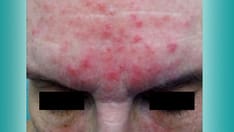
Media file 1:  Acne rosacea. Courtesy of Dirk Elston, MD.
Click to see larger pictureClick to see detailView Full Size Image
Media type:  Photo

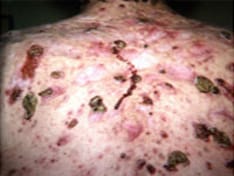
Media file 2:  Pustular rosacea. Courtesy of Dirk Elston, MD.
Click to see larger pictureClick to see detailView Full Size Image
Media type:  Photo

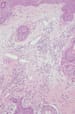
Media file 3:  Histopathology of rosacea. Perifollicular chronic inflammation and vascular ectasia. Courtesy of Dirk Elston, MD.
Click to see larger pictureClick to see detailView Full Size Image
Media type:  Photo

Media file 4:  Lupus miliaris disseminatus faciei. Courtesy of Dirk Elston, MD.
Click to see larger pictureClick to see detailView Full Size Image
Media type:  Photo

Media file 5:  Caseating granuloma in lupus miliaris disseminatus faciei. Courtesy of Dirk Elston, MD.
Click to see larger pictureClick to see detailView Full Size Image
Media type:  Photo


  • Aloi F, Tomasini C, Soro E, Pippione M. The clinicopathologic spectrum of rhinophyma. J Am Acad Dermatol. Mar 2000;42(3):468-72. [Medline].
  • Bamford JT, Gessert CE, Renier CM. Measurement of the severity of rosacea. J Am Acad Dermatol. Nov 2004;51(5):697-703. [Medline].
  • Bonnar E, Eustace P, Powell FC. The Demodex mite population in rosacea. J Am Acad Dermatol. Mar 1993;28(3):443-8. [Medline].
  • Ceilley RI. Advances in the topical treatment of acne and rosacea. J Drugs Dermatol. Sep-Oct 2004;3(5 Suppl):S12-22. [Medline].
  • Chu CY. The use of 1% pimecrolimus cream for the treatment of steroid-induced rosacea. Br J Dermatol. Feb 2005;152(2):396-9. [Medline].
  • Crawford GH, Pelle MT, James WD. Rosacea: I. Etiology, pathogenesis, and subtype classification. J Am Acad Dermatol. Sep 2004;51(3):327-41; quiz 342-4. [Medline].
  • Dahl MV. Rosacea subtypes: a treatment algorithm. Cutis. Sep 2004;74(3 Suppl):21-7, 32-4. [Medline].
  • Ertl GA, Levine N, Kligman AM. A comparison of the efficacy of topical tretinoin and low-dose oral isotretinoin in rosacea. Arch Dermatol. Mar 1994;130(3):319-24. [Medline].
  • Greaves MW, Burova E. Flushing: causes, investigation and clinical consequences. J Eur Acad Dermatol Venereol. 1997;8:91-100.
  • Gupta AK, Chaudhry MM. Rosacea and its management: an overview. J Eur Acad Dermatol Venereol. May 2005;19(3):273-85. [Medline].
  • Higgins E, du Vivier A. Alcohol intake and other skin disorders. Clin Dermatol. Jul-Aug 1999;17(4):437-41. [Medline].
  • Lonne-Rahm S, Nordlind K, Edström DW, Ros AM, Berg M. Laser treatment of rosacea: a pathoetiological study. Arch Dermatol. Nov 2004;140(11):1345-9. [Medline].
  • Neumann E, Frithz A. Capillaropathy and capillaroneogenesis in the pathogenesis of rosacea. Int J Dermatol. Apr 1998;37(4):263-6. [Medline].
  • Powell FC. Clinical practice. Rosacea. N Engl J Med. Feb 24 2005;352(8):793-803. [Medline].
  • Ryan TJ. The blood vessels of the skin. J Invest Dermatol. Jul 1976;67(1):110-8. [Medline].

Rosacea excerpt

Article Last Updated: Feb 22, 2007